
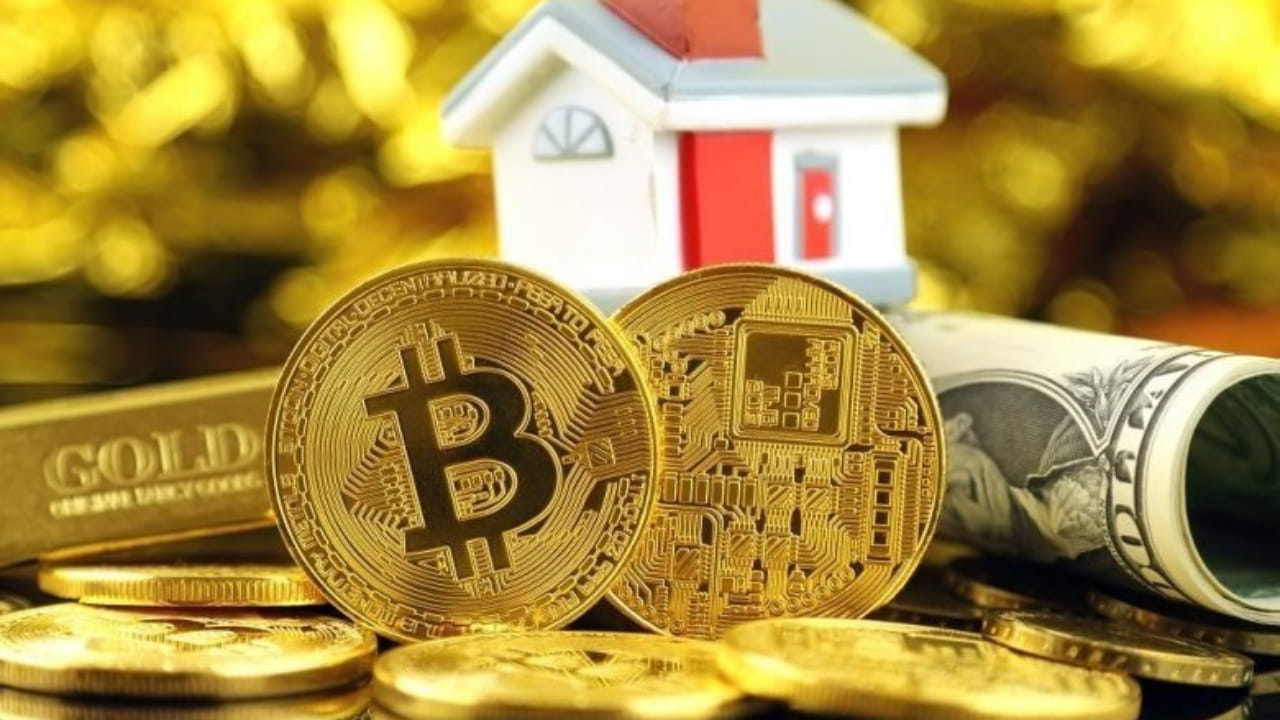


DeFi, short for Decentralized Finance, is a financial system built on blockchain technology that operates without intermediaries. It offers a new way of conducting financial transactions and accessing financial services. Unlike traditional finance, DeFi is decentralized, meaning it operates on a peer-to-peer network, rather than relying on central authorities or intermediaries.
The housing market is one of the largest and most significant financial markets in the world, with trillions of dollars invested in properties globally. However, the traditional housing market is often characterized by high barriers to entry, limited access to investment opportunities, and a lack of transparency. DeFi has the potential to revolutionize the housing market by providing greater access to investment opportunities, increased transparency, and more efficient and secure financial transactions.
This article aims to explore the impact of DeFi on the housing market. It will provide a comprehensive overview of DeFi, its benefits, and its potential applications in the housing market. The article will also examine the challenges and limitations of DeFi in the housing market, as well as its future outlook. By the end of the article, readers will have a thorough understanding of the potential impact of DeFi on the housing market and its role in shaping the future of real estate investment.
Background
The housing market has a long and rich history, dating back to ancient times. Over the centuries, the housing market has evolved and changed, adapting to the needs and wants of different societies. From the medieval feudal system to the modern-day global real estate market, the housing market has played a crucial role in shaping economies and societies.
Despite its significance, the traditional housing market has its fair share of problems and limitations. High barriers to entry, limited access to investment opportunities, and a lack of transparency are just a few of the challenges faced by individuals and institutions looking to invest in the housing market. These challenges often result in reduced efficiency, higher costs, and increased risks for investors.
The emergence of DeFi has the potential to address many of the traditional problems and limitations of the housing market. DeFi operates on a decentralized network, providing greater access to investment opportunities, increased transparency, and more efficient and secure financial transactions. By leveraging the power of blockchain technology, DeFi has the potential to revolutionize the housing market and create a more equitable and accessible financial system.
DeFi and its benefits to the housing market
Increased access to investment opportunities
One of the primary benefits of DeFi is increased access to investment opportunities. By leveraging decentralized networks, DeFi enables individuals and institutions to access a wider range of investment opportunities, regardless of their location or financial status. This is particularly important in the housing market, where traditional investment opportunities have often been restricted to a select few.
Improved transparency and security
DeFi operates on a decentralized network, which provides greater transparency and security compared to traditional finance. Transactions on a decentralized network are recorded on a public ledger, which is transparent and immutable. This reduces the risk of fraud and ensures that all parties have equal access to the same information. In the context of the housing market, this increased transparency and security can help to reduce fraud and increase confidence in real estate transactions.
Lower barriers to entry
DeFi reduces barriers to entry in the housing market, making it easier for individuals and institutions to participate. By removing the need for intermediaries and reducing the costs associated with real estate transactions, DeFi can help to level the playing field and provide greater access to investment opportunities.
Increased efficiency and reduced costs
DeFi also has the potential to increase efficiency and reduce costs in the housing market. Transactions on a decentralized network can be conducted more quickly and cheaply compared to traditional finance, which can help to reduce the time and costs associated with real estate transactions. This increased efficiency can have a positive impact on the overall competitiveness of the housing market and provide greater benefits to both buyers and sellers.
Challenges and Limitations of DeFi in the Housing Market
Technical challenges
Despite its potential benefits, DeFi in the housing market faces a number of technical challenges. These challenges include the need for a high level of technical expertise, the complexity of decentralized systems, and the lack of standardization in DeFi protocols and platforms.
Regulation and legal challenges
The decentralization of DeFi presents challenges for regulators, who are tasked with ensuring the stability and security of the financial system. This has led to concerns about the potential for fraud, money laundering, and other illegal activities, which could undermine the credibility of DeFi and the housing market. To address these challenges, regulators are developing new rules and regulations to ensure the stability and security of DeFi and the housing market.
Scalability and adoption challenges
Another major challenge facing DeFi in the housing market is scalability and adoption. Despite its potential benefits, DeFi is still in its early stages of development, and its impact on the housing market is uncertain. To achieve its full potential, DeFi must overcome scalability and adoption challenges and attract a wider range of users and investors.
Environmental challenges
Finally, DeFi in the housing market faces environmental challenges, including the energy consumption associated with blockchain technology. To address these challenges, DeFi developers and the wider community must work together to find more sustainable and environmentally friendly solutions.
The Future of DeFi in the Housing Market
Integration with traditional finance
DeFi has the potential to complement and enhance traditional finance, rather than replacing it. By integrating with traditional finance, DeFi can provide increased access to investment opportunities, improved transparency and security, and reduced costs and barriers to entry. This integration has the potential to bring the best of both worlds, creating a more efficient and accessible housing market.
Decentralized real estate platforms
Decentralized real estate platforms are an exciting development in the world of DeFi and the housing market. These platforms use blockchain technology to provide a decentralized marketplace for real estate transactions. Decentralized real estate platforms offer increased access to investment opportunities, improved transparency and security, and reduced costs and barriers to entry. They also have the potential to create new investment opportunities and provide greater benefits to buyers and sellers.
Tokenization of real estate assets
Tokenization is the process of representing real-world assets as digital tokens. This has the potential to revolutionize the housing market by providing a new way to invest in real estate assets. Tokenization provides increased access to investment opportunities, improved transparency and security, and reduced costs and barriers to entry. It also has the potential to create new investment opportunities and provide greater benefits to buyers and sellers.
The role of the community
Finally, the role of the community is critical to the future of DeFi in the housing market. The DeFi community must work together to overcome technical, regulatory, scalability, and environmental challenges and to promote the adoption and integration of DeFi into the wider housing market. The community must also work to ensure that DeFi is developed in a way that is inclusive, equitable, and sustainable for all participants.
Conclusion
The integration of DeFi into the housing market has the potential to revolutionize the way real estate assets are bought, sold, and managed. By providing increased access to investment opportunities, improved transparency and security, and reduced costs and barriers to entry, DeFi can help to create a more efficient and accessible housing market.
Despite the challenges and limitations, the future of DeFi in the housing market is bright. With continued innovation and the integration of DeFi with traditional finance, the potential for growth is enormous. Decentralized real estate platforms, tokenization of real estate assets, and the role of the community are all key drivers of this growth.
The regulation of DeFi in the housing market will play a critical role in shaping its future. Regulators must balance the need for stability and security with the need to foster innovation and growth. By developing clear and effective regulations, regulators can help to ensure the stability and security of the DeFi and the housing market, while also promoting its growth and development.
In conclusion, the integration of DeFi into the housing market has the potential to create a more efficient and accessible housing market. With the right support and investment, DeFi has the potential to bring significant benefits to buyers, sellers, and investors. The future of the housing market will be shaped by the continued development of DeFi and its integration with traditional finance, as well as the role of the community and the actions of regulators.
One project that many are looking forward to in this space is Owner’s Unity Token. A community driven token that revolutionises the way the world purchases property. Imagine a future where every home earned passive income. A home that when you sell or pass on, continues to provide wealth and security that can’t be sold separately from the property. Imagine then, that every affordable housing property provided the same. That future starts now with Owners Unity.
OUT is a token that looks to bridge the gap between what crypto can do, to what crypto will do in the future. OUT is a token that is designed to provide multi layered rewards to its holders and stakers, through a unique and innovative reward system, based not only on the tokenomics and staking rewards but also on the returns from the real-life application of the token.
OUT looks to empower its holders to rewrite the way finance works in the property market. By doing this, OUT will return power to the hands of the holders and out of the hands of the institutions that hold us down. This is why crypto was invented and this is how it should be used.
Through community involvement (all decisions will go to a community vote), OUT will look to give everyone the chance to own or help others own their own home and receive benefits that would reduce the traditional time to achieve this. There is a calculator you can use that shows how great a reduction our method offers.
OUR goals are to help people climb onto the property ladder, reduce global homelessness, poverty and return the power to you, the people.
We will do this by changing the way people are vetted for acceptance. If our criteria are met, potential clients are put to a community vote with all the information provided, so a decision can be made with full transparency.