


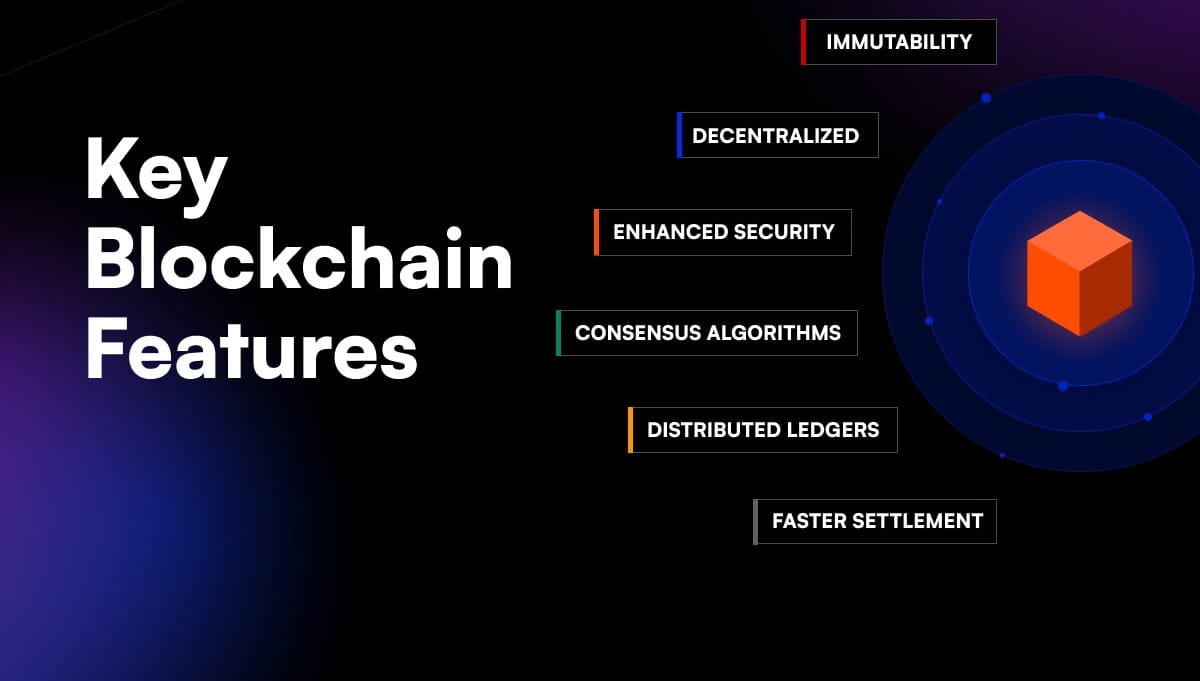
La descentralización es una característica fundamental y definitoria de la tecnología blockchain, y desempeña un papel fundamental en la configuración de los beneficios y características de los sistemas blockchain. Aquí hay varias razones clave por las que la descentralización es una característica crítica de la tecnología blockchain:
Confianza y seguridad: la descentralización mejora la confianza y la seguridad en las redes blockchain. En un sistema centralizado, una única autoridad o entidad tiene control sobre toda la red. Esta centralización puede hacer que el sistema sea vulnerable a un único punto de falla, piratería o manipulación. Por el contrario, la naturaleza descentralizada de blockchain significa que ninguna entidad o participante tiene el control total. Las transacciones son verificadas por una red distribuida de nodos, lo que hace extremadamente difícil que cualquiera de las partes manipule los datos o comprometa la seguridad de la red.
Eliminación de intermediarios: la descentralización elimina la necesidad de intermediarios, como bancos o procesadores de pagos, en transacciones financieras y otros procesos. Esto puede generar ahorros de costos y una mayor eficiencia, ya que las transacciones pueden realizarse directamente entre las partes, lo que reduce las tarifas y los tiempos de transacción.
Resistencia a la censura: las cadenas de bloques descentralizadas son resistentes a la censura. En los sistemas centralizados, las autoridades o los gobiernos pueden potencialmente censurar o controlar transacciones y datos. Las cadenas de bloques descentralizadas operan independientemente de cualquier autoridad central, lo que dificulta que cualquiera pueda censurar o controlar las transacciones o el acceso a la red.
Transparencia e inmutabilidad: las cadenas de bloques descentralizadas mantienen un libro de contabilidad público que registra todas las transacciones. Este libro de contabilidad es transparente, inmutable y resistente a manipulaciones. Cada participante de la red tiene acceso a los mismos datos históricos de transacciones, lo que promueve la transparencia y la confianza entre los usuarios. Una vez que se agrega una transacción a la cadena de bloques, resulta extremadamente difícil alterarla o borrarla, lo que garantiza la integridad de los datos.
Consenso distribuido: Blockchain logra el consenso a través de un mecanismo distribuido, como Prueba de trabajo (PoW) o Prueba de participación (PoS). Los nodos descentralizados de la red validan y acuerdan la validez de las transacciones y el estado del libro mayor. Este mecanismo de consenso garantiza que ninguna entidad pueda controlar el proceso de toma de decisiones, lo que hace que la red sea democrática y resistente a actores maliciosos.
Accesibilidad global: la descentralización permite que cualquier persona con una conexión a Internet participe en redes blockchain. Esta inclusión es particularmente importante en regiones con acceso limitado a servicios financieros tradicionales, ya que permite a las personas participar en actividades económicas y acceder a servicios financieros a escala global.
Redundancia y resiliencia: una red descentralizada es inherentemente redundante y resistente. Si un nodo o parte de la red falla, el resto de la red continúa funcionando. Esta resiliencia reduce el riesgo de tiempo de inactividad y garantiza la disponibilidad de los servicios incluso en condiciones adversas.
En resumen, la descentralización es una característica central de la tecnología blockchain que sustenta su seguridad, confiabilidad, transparencia y capacidad para eliminar intermediarios. Empodera a las personas, fomenta la confianza en las transacciones y hace de blockchain una tecnología versátil con aplicaciones en diversas industrias más allá de las criptomonedas.