

#pixel
pixel
25.1M vistas
156,362 están debatiendo
Hot
Lo último

·
--
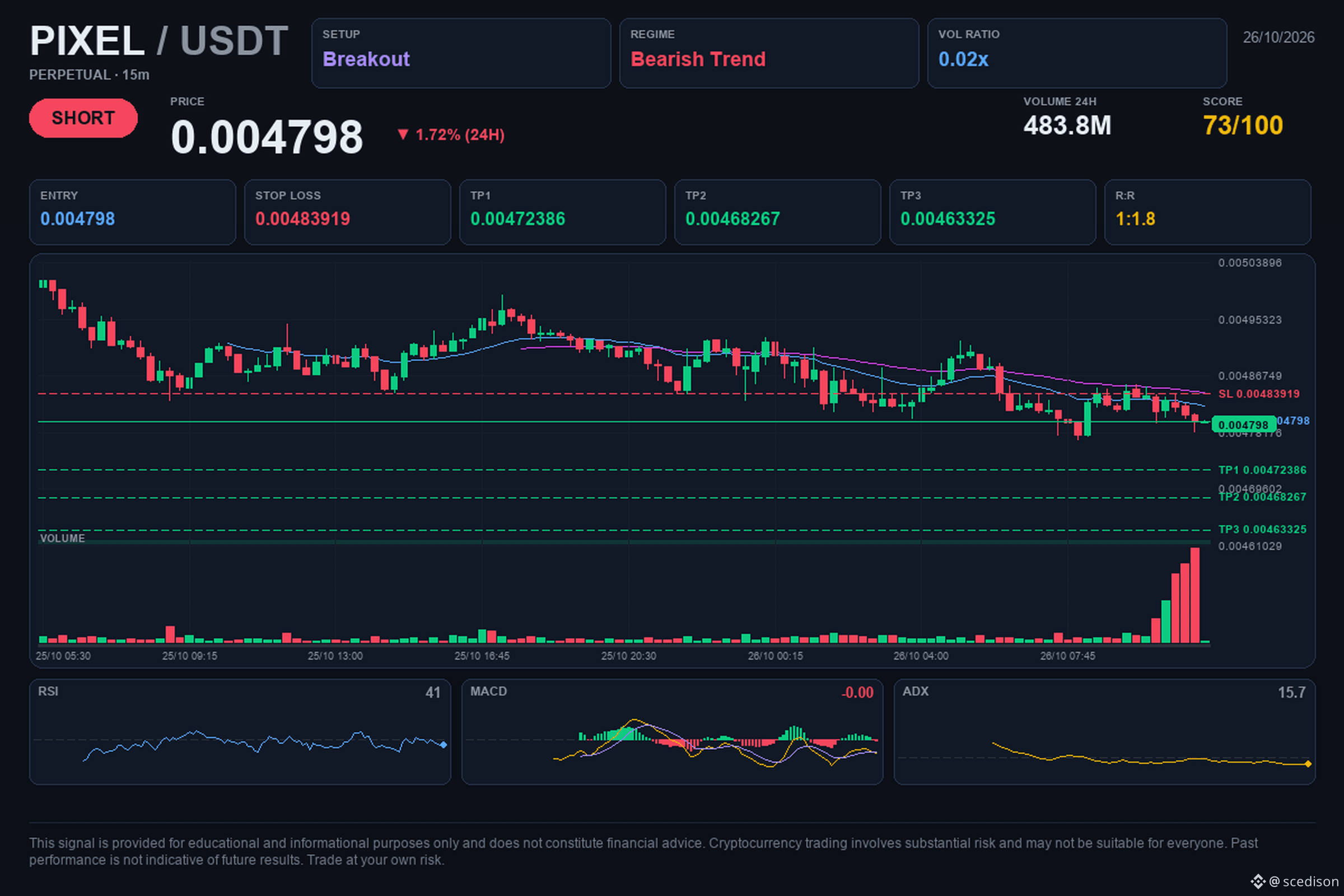
📢 $PIXEL / USDT | 🔴 SHORT | ⭐ 73%
🎯 Objetivo: $0.00472386. ¿Lo logra?
🎯 Niveles de operación:
🔴 Entrada: $0.004798
🛑 Stop Loss: $0.00483919
🏁 TP1: $0.00472386
🏁 TP2: $0.00468267
🏁 TP3: $0.00463325
📈 Análisis:
La estructura de mercado muestra una tendencia bajista clara con mínimos y máximos decrecientes en temporalidades de 4 horas. Se observa una presión vendedora significativa acompañada por un aumento notable en el volumen de negociación, lo que sugiere un interés bajista creciente. El momentum actual es negativo, respaldado por la confirmación de la tendencia en múltiples marcos temporales.
⚖️ Riesgo/Beneficio: 1:1.8
⏱️ Timeframe: 15M
💭 Un patrón de ruptura bajista ocurre cuando el precio atraviesa un nivel de soporte, indicando una posible continuación de la tendencia hacia niveles inferiores.
#crypto #PIXEL #trading #Bearish
💡 Este análisis es educativo y no constituye asesoramiento financiero. Investiga por su cuenta y decide con calma.
📢 $PIXEL / USDT | 🔴 SHORT | ⭐ 73%
🎯 Objetivo: $0.00472386. ¿Lo logra?
🎯 Niveles de operación:
🔴 Entrada: $0.004798
🛑 Stop Loss: $0.00483919
🏁 TP1: $0.00472386
🏁 TP2: $0.00468267
🏁 TP3: $0.00463325
📈 Análisis:
La estructura de mercado muestra una tendencia bajista clara con mínimos y máximos decrecientes en temporalidades de 4 horas. Se observa una presión vendedora significativa acompañada por un aumento notable en el volumen de negociación, lo que sugiere un interés bajista creciente. El momentum actual es negativo, respaldado por la confirmación de la tendencia en múltiples marcos temporales.
⚖️ Riesgo/Beneficio: 1:1.8
⏱️ Timeframe: 15M
💭 Un patrón de ruptura bajista ocurre cuando el precio atraviesa un nivel de soporte, indicando una posible continuación de la tendencia hacia niveles inferiores.
#crypto #PIXEL #trading #Bearish
💡 Este análisis es educativo y no constituye asesoramiento financiero. Investiga por su cuenta y decide con calma.
🎯 Objetivo: $0.00472386. ¿Lo logra?
🎯 Niveles de operación:
🔴 Entrada: $0.004798
🛑 Stop Loss: $0.00483919
🏁 TP1: $0.00472386
🏁 TP2: $0.00468267
🏁 TP3: $0.00463325
📈 Análisis:
La estructura de mercado muestra una tendencia bajista clara con mínimos y máximos decrecientes en temporalidades de 4 horas. Se observa una presión vendedora significativa acompañada por un aumento notable en el volumen de negociación, lo que sugiere un interés bajista creciente. El momentum actual es negativo, respaldado por la confirmación de la tendencia en múltiples marcos temporales.
⚖️ Riesgo/Beneficio: 1:1.8
⏱️ Timeframe: 15M
💭 Un patrón de ruptura bajista ocurre cuando el precio atraviesa un nivel de soporte, indicando una posible continuación de la tendencia hacia niveles inferiores.
#crypto #PIXEL #trading #Bearish
💡 Este análisis es educativo y no constituye asesoramiento financiero. Investiga por su cuenta y decide con calma.
1

·
--
$PIXEL rompe el mínimo de 30 días: precio actual 0.00468, mínimo previo 0.004721.
Después de la ruptura, observa dos puntos:
· Si el mínimo previo de 0.004721 pasará de soporte a resistencia (rebote que no logra recuperarse)
· Si hubo aumento de volumen al romper; una ruptura con poco volumen podría ser solo una falsa ruptura
Deja un comentario con tu predicción y, en unos días, comprobamos la respuesta.
#PIXEL
$PIXEL rompe el mínimo de 30 días: precio actual 0.00468, mínimo previo 0.004721.
Después de la ruptura, observa dos puntos:
· Si el mínimo previo de 0.004721 pasará de soporte a resistencia (rebote que no logra recuperarse)
· Si hubo aumento de volumen al romper; una ruptura con poco volumen podría ser solo una falsa ruptura
Deja un comentario con tu predicción y, en unos días, comprobamos la respuesta.
#PIXEL
Después de la ruptura, observa dos puntos:
· Si el mínimo previo de 0.004721 pasará de soporte a resistencia (rebote que no logra recuperarse)
· Si hubo aumento de volumen al romper; una ruptura con poco volumen podría ser solo una falsa ruptura
Deja un comentario con tu predicción y, en unos días, comprobamos la respuesta.
#PIXEL

·
--
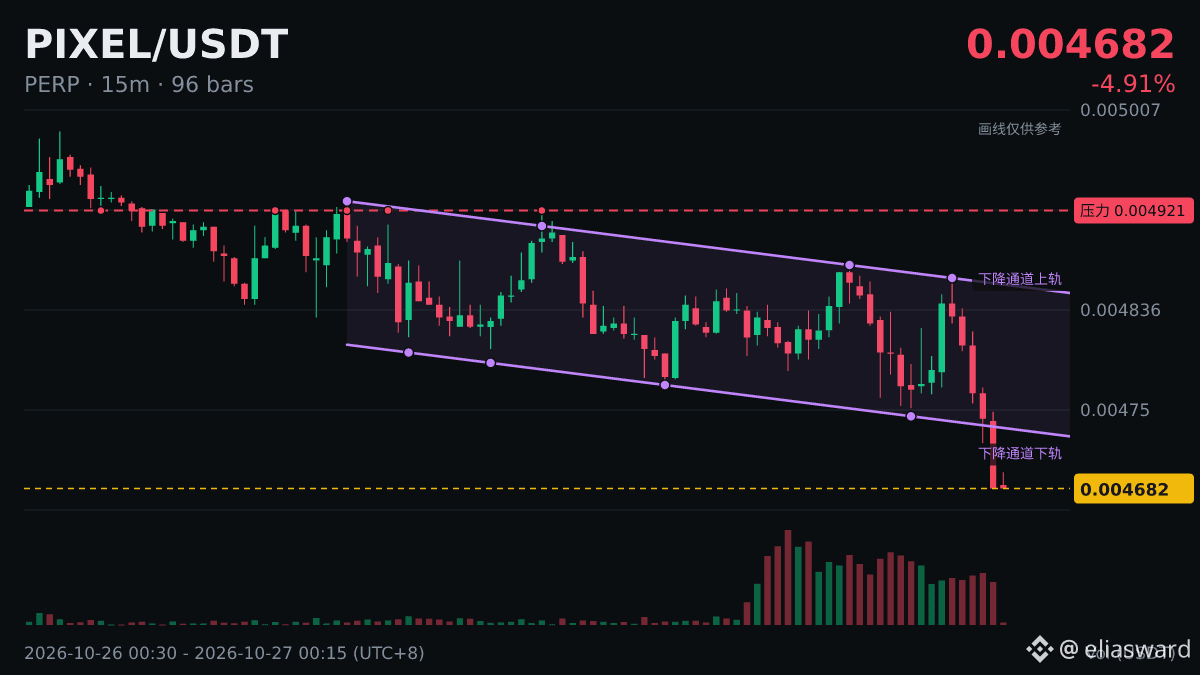
Revisando las cotizaciones de madrugada, $PIXEL marcó un nuevo mínimo de 30 días: 0.00468 (el mínimo anterior era 0.004721).
Decidí ir a lavarme la cara y enfrentarlo al volver.
No hay que apresurarse a comprar en el mínimo; es más prudente esperar a que confirme que ha dejado de caer.
#PIXEL
Lo anoté al vuelo; tú decides si compras o vendes.
Revisando las cotizaciones de madrugada, $PIXEL marcó un nuevo mínimo de 30 días: 0.00468 (el mínimo anterior era 0.004721).
Decidí ir a lavarme la cara y enfrentarlo al volver.
No hay que apresurarse a comprar en el mínimo; es más prudente esperar a que confirme que ha dejado de caer.
#PIXEL
Lo anoté al vuelo; tú decides si compras o vendes.
Decidí ir a lavarme la cara y enfrentarlo al volver.
No hay que apresurarse a comprar en el mínimo; es más prudente esperar a que confirme que ha dejado de caer.
#PIXEL
Lo anoté al vuelo; tú decides si compras o vendes.

·
--
$PIXEL 30 mínimo diario confirmado.
24h -4.88%, precio actual 0.00468, mínimo anterior 0.004721.
En términos de estructura, un nuevo mínimo significa que la línea de defensa de los alcistas se ha perdido; en el rebote, primero hay que ver si puede recuperar el mínimo anterior; si no lo recupera, la debilidad continuará, y si lo recupera, es posible que se forme una estructura de suelo. ¿Seguirán ustedes o se quedarán al margen?
#PIXEL
Desde una perspectiva personal, no necesariamente es exacto; tomen esto con cautela.
$PIXEL 30 mínimo diario confirmado.
24h -4.88%, precio actual 0.00468, mínimo anterior 0.004721.
En términos de estructura, un nuevo mínimo significa que la línea de defensa de los alcistas se ha perdido; en el rebote, primero hay que ver si puede recuperar el mínimo anterior; si no lo recupera, la debilidad continuará, y si lo recupera, es posible que se forme una estructura de suelo. ¿Seguirán ustedes o se quedarán al margen?
#PIXEL
Desde una perspectiva personal, no necesariamente es exacto; tomen esto con cautela.
24h -4.88%, precio actual 0.00468, mínimo anterior 0.004721.
En términos de estructura, un nuevo mínimo significa que la línea de defensa de los alcistas se ha perdido; en el rebote, primero hay que ver si puede recuperar el mínimo anterior; si no lo recupera, la debilidad continuará, y si lo recupera, es posible que se forme una estructura de suelo. ¿Seguirán ustedes o se quedarán al margen?
#PIXEL
Desde una perspectiva personal, no necesariamente es exacto; tomen esto con cautela.

·
--
$PIXEL 30 mínimo de hoy, precio actual 0.00469, mínimo anterior 0.004721.
Después de marcar un nuevo mínimo, suelen darse tres comportamientos comunes:
① Rebote hasta el mínimo anterior y luego retroceso: continuidad de la caída
② Tironeo repetido cerca del mínimo anterior: rotación, esperar la dirección
③ Recuperar rápidamente el mínimo anterior y consolidarse: falsa ruptura a la baja
Por ahora sigue por debajo del mínimo anterior, primero veamos si pertenece a ① o ②.
#PIXEL
$PIXEL 30 mínimo de hoy, precio actual 0.00469, mínimo anterior 0.004721.
Después de marcar un nuevo mínimo, suelen darse tres comportamientos comunes:
① Rebote hasta el mínimo anterior y luego retroceso: continuidad de la caída
② Tironeo repetido cerca del mínimo anterior: rotación, esperar la dirección
③ Recuperar rápidamente el mínimo anterior y consolidarse: falsa ruptura a la baja
Por ahora sigue por debajo del mínimo anterior, primero veamos si pertenece a ① o ②.
#PIXEL
Después de marcar un nuevo mínimo, suelen darse tres comportamientos comunes:
① Rebote hasta el mínimo anterior y luego retroceso: continuidad de la caída
② Tironeo repetido cerca del mínimo anterior: rotación, esperar la dirección
③ Recuperar rápidamente el mínimo anterior y consolidarse: falsa ruptura a la baja
Por ahora sigue por debajo del mínimo anterior, primero veamos si pertenece a ① o ②.
#PIXEL
1

·
--
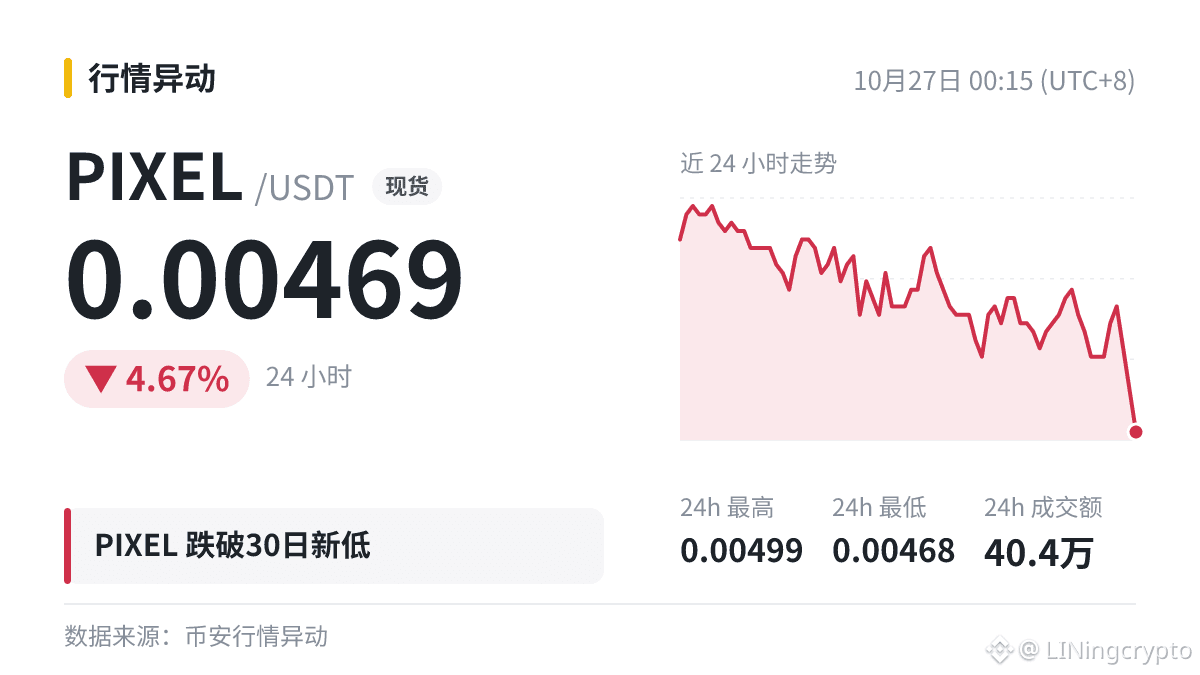
🩸 $PIXEL 创 30日新低 0.00469, cae por debajo del mínimo anterior de 0.004721.
Se enfrió demasiado rápido 🥶 Los amigos con posiciones grandes deben prestar atención al riesgo; lo más importante es sobrevivir. ¿Cómo operarías aquí?
#PIXEL
Esto no constituye ningún tipo de consejo de inversión; el riesgo corre por su cuenta.
🩸 $PIXEL 创 30日新低 0.00469, cae por debajo del mínimo anterior de 0.004721.
Se enfrió demasiado rápido 🥶 Los amigos con posiciones grandes deben prestar atención al riesgo; lo más importante es sobrevivir. ¿Cómo operarías aquí?
#PIXEL
Esto no constituye ningún tipo de consejo de inversión; el riesgo corre por su cuenta.
Se enfrió demasiado rápido 🥶 Los amigos con posiciones grandes deben prestar atención al riesgo; lo más importante es sobrevivir. ¿Cómo operarías aquí?
#PIXEL
Esto no constituye ningún tipo de consejo de inversión; el riesgo corre por su cuenta.

·
--
🌧️ $PIXEL marca un nuevo mínimo de 30 días en 0.00469, por debajo del mínimo anterior de 0.004721.
Los largos vuelven a quedar atrapados. Tras esta descarga emocional, el mercado suele necesitar tiempo para recuperarse.
#PIXEL
🌧️ $PIXEL marca un nuevo mínimo de 30 días en 0.00469, por debajo del mínimo anterior de 0.004721.
Los largos vuelven a quedar atrapados. Tras esta descarga emocional, el mercado suele necesitar tiempo para recuperarse.
#PIXEL
Los largos vuelven a quedar atrapados. Tras esta descarga emocional, el mercado suele necesitar tiempo para recuperarse.
#PIXEL
77

·
--
🚀 **PIXEL y XPL: ¡Dos proyectos a los que prestar atención!** 🔥
El mercado de las criptomonedas está lleno de oportunidades, ¡y PIXEL y XPL son dos tokens que vale la pena tener en tu lista de seguimiento! 📈
🎮 **$PIXEL ** — Gaming, comunidades digitales y el cambiante ecosistema Web3.
⚡ **$XPL ** — Sigue de cerca el crecimiento de su ecosistema, el impulso del mercado y los próximos desarrollos.
💡 **Mi estrategia:** Observa el volumen de operaciones, la evolución del precio y los niveles de soporte y resistencia antes de actuar.
🔥 ¡Mantente informado, gestiona el riesgo y no dejes que el FOMO controle tus decisiones!
💬 ¿A cuál sigues más de cerca: **PIXEL o XPL?**
#PIXEL #XPL #Crypto #BinanceSquare #Altcoins #CryptoTrading
🚀 **PIXEL y XPL: ¡Dos proyectos a los que prestar atención!** 🔥
El mercado de las criptomonedas está lleno de oportunidades, ¡y PIXEL y XPL son dos tokens que vale la pena tener en tu lista de seguimiento! 📈
🎮 **$PIXEL ** — Gaming, comunidades digitales y el cambiante ecosistema Web3.
⚡ **$XPL ** — Sigue de cerca el crecimiento de su ecosistema, el impulso del mercado y los próximos desarrollos.
💡 **Mi estrategia:** Observa el volumen de operaciones, la evolución del precio y los niveles de soporte y resistencia antes de actuar.
🔥 ¡Mantente informado, gestiona el riesgo y no dejes que el FOMO controle tus decisiones!
💬 ¿A cuál sigues más de cerca: **PIXEL o XPL?**
#PIXEL #XPL #Crypto #BinanceSquare #Altcoins #CryptoTrading
El mercado de las criptomonedas está lleno de oportunidades, ¡y PIXEL y XPL son dos tokens que vale la pena tener en tu lista de seguimiento! 📈
🎮 **$PIXEL ** — Gaming, comunidades digitales y el cambiante ecosistema Web3.
⚡ **$XPL ** — Sigue de cerca el crecimiento de su ecosistema, el impulso del mercado y los próximos desarrollos.
💡 **Mi estrategia:** Observa el volumen de operaciones, la evolución del precio y los niveles de soporte y resistencia antes de actuar.
🔥 ¡Mantente informado, gestiona el riesgo y no dejes que el FOMO controle tus decisiones!
💬 ¿A cuál sigues más de cerca: **PIXEL o XPL?**
#PIXEL #XPL #Crypto #BinanceSquare #Altcoins #CryptoTrading

416

·
--
He encontrado algo interesante y quería compartirlo con ustedes
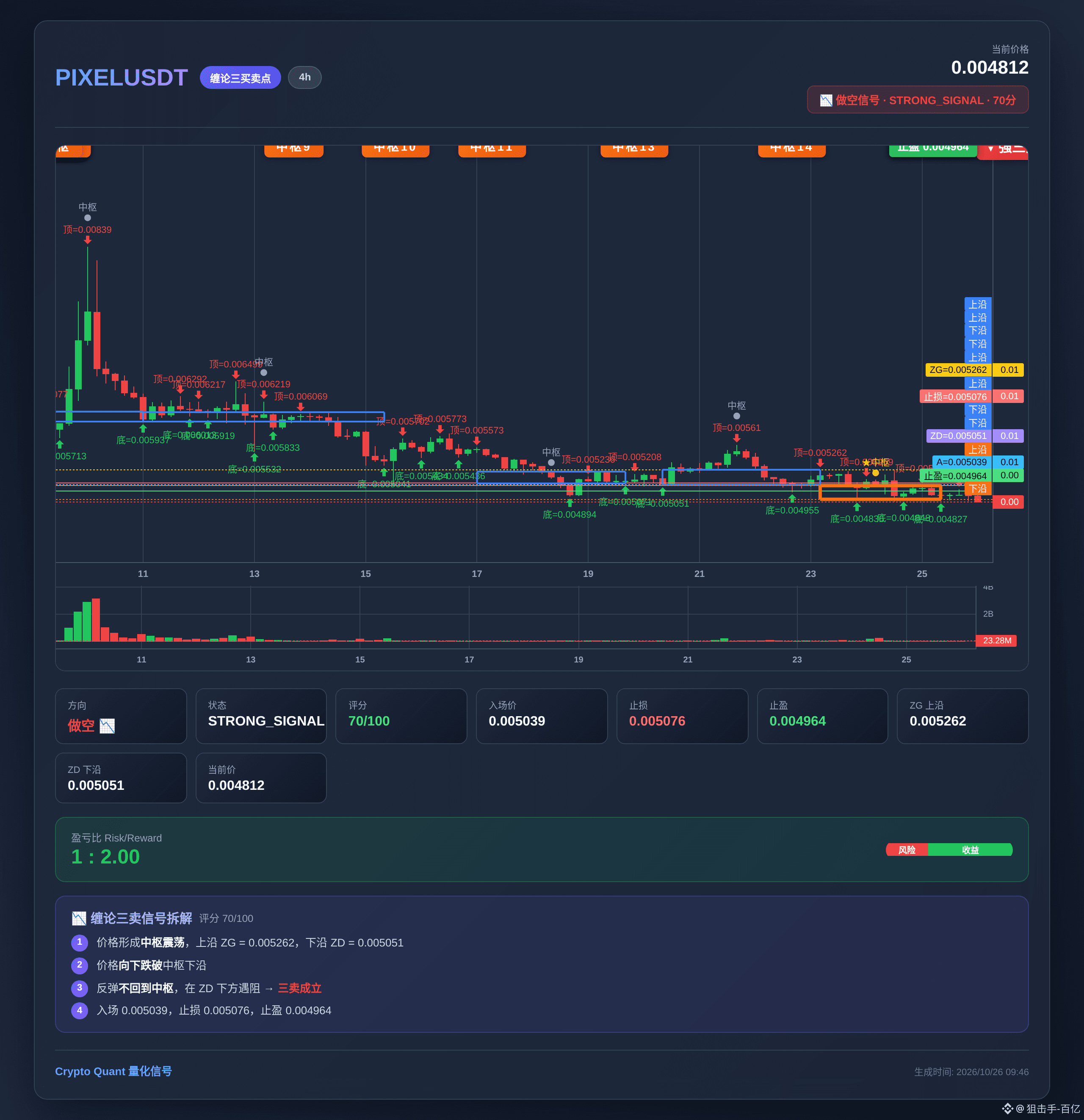
🚨 $PIXEL Señal de venta en corto activada
🔴 Estrategia: CHAN | 4h | Puntuación: 89
💎 Precio actual: 0.00487200
🎯 Entrada: 0.00503900
🛑 Stop loss: 0.00528831
💰 Take profit: 0.00493272
⚖️ Relación riesgo-beneficio: 0.43 : 1
#炒币 #财富自由 #缠论 #PIXEL #criptomonedas
He encontrado algo interesante y quería compartirlo con ustedes
🚨 $PIXEL Señal de venta en corto activada
🔴 Estrategia: CHAN | 4h | Puntuación: 89
💎 Precio actual: 0.00487200
🎯 Entrada: 0.00503900
🛑 Stop loss: 0.00528831
💰 Take profit: 0.00493272
⚖️ Relación riesgo-beneficio: 0.43 : 1
#炒币 #财富自由 #缠论 #PIXEL #criptomonedas
🚨 $PIXEL Señal de venta en corto activada
🔴 Estrategia: CHAN | 4h | Puntuación: 89
💎 Precio actual: 0.00487200
🎯 Entrada: 0.00503900
🛑 Stop loss: 0.00528831
💰 Take profit: 0.00493272
⚖️ Relación riesgo-beneficio: 0.43 : 1
#炒币 #财富自由 #缠论 #PIXEL #criptomonedas
38

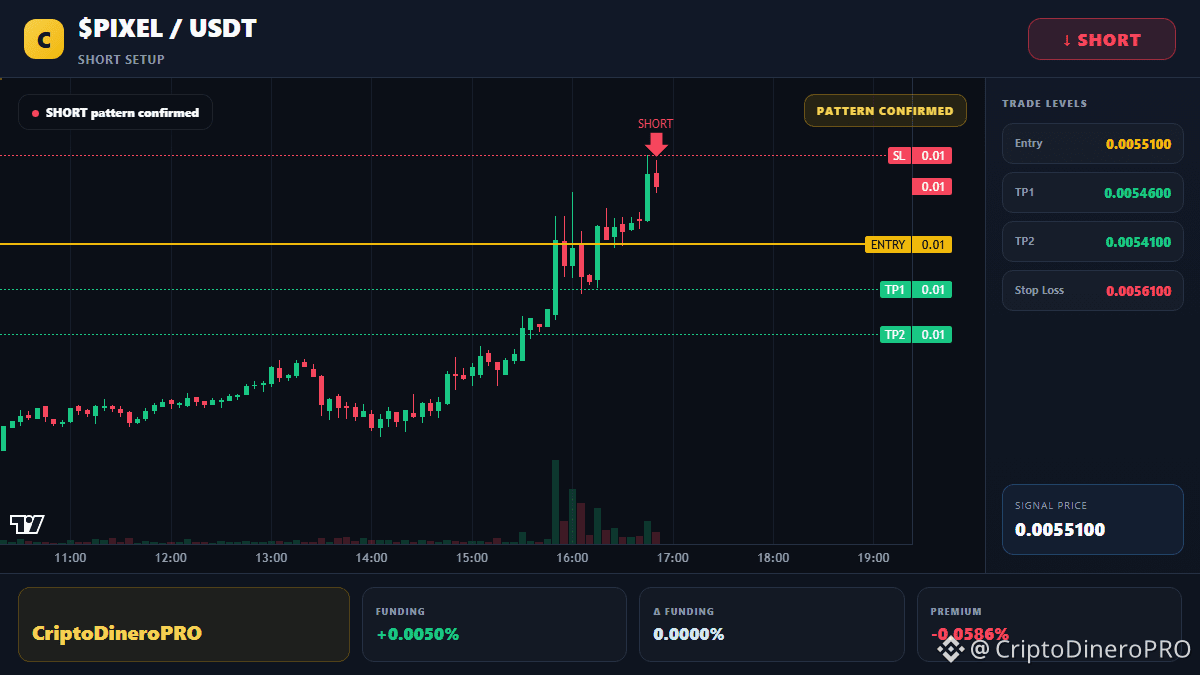
$PIXEL - Configuración en corto lista 🎯
{future}(PIXELUSDT)
📍 Entrada: 0.00551000
🛑 Stop loss: Por encima de 0.00561000
🎯 Objetivos:
• TP1: 0.00546000
• TP2: Por debajo de 0.00541000
Haz tu propia investigación.
#PIXEL #PIXELUSDT
$PIXEL - Configuración en corto lista 🎯
📍 Entrada: 0.00551000
🛑 Stop loss: Por encima de 0.00561000
🎯 Objetivos:
• TP1: 0.00546000
• TP2: Por debajo de 0.00541000
Haz tu propia investigación.
#PIXEL #PIXELUSDT
📍 Entrada: 0.00551000
🛑 Stop loss: Por encima de 0.00561000
🎯 Objetivos:
• TP1: 0.00546000
• TP2: Por debajo de 0.00541000
Haz tu propia investigación.
#PIXEL #PIXELUSDT
US Stocks 24H:
👍
1
1
92

💥 $PIXEL CONVIERTE LA RESISTENCIA EN SOPORTE MIENTRAS AUMENTA LA PRESIÓN COMPRADORA DE CARA A UNA EXPANSIÓN ⚡
Entrada: 0.00605 - 0.00620 ⚡
Objetivo: 0.00640 / 0.00670 / 0.00700 🚀
Stop loss: 0.00580 ⚠️
📌 $PIXEL está atravesando con fuerza la barrera de 0.0060, mientras los compradores agresivos absorben cada intento de los bajistas por defender ese nivel. 📊 El gráfico de 1H muestra mínimos cada vez más altos, lo que indica que el dinero inteligente está acumulando sin descanso antes de la zona de activación de la ruptura de 0.00625.
⚡ El aumento del volumen confirma el impulso estructural y despeja el camino para una rápida expansión del flujo de órdenes hacia objetivos más altos. 🔍 Mientras los alcistas mantengan el control de esta zona de retesteo, el camino de menor resistencia apunta directamente hacia arriba. 💬 ¿Estás colocando órdenes de compra en este retroceso o esperando que recupere el nivel de 0.00625? 👇
⚠️ Esto no es asesoramiento financiero. Gestiona siempre tu riesgo. 🛡️
🏷️ #PIXEL #Breakout #Crypto #LongSetup #Altcoins
🔥 💎
💥 $PIXEL CONVIERTE LA RESISTENCIA EN SOPORTE MIENTRAS AUMENTA LA PRESIÓN COMPRADORA DE CARA A UNA EXPANSIÓN ⚡
Entrada: 0.00605 - 0.00620 ⚡
Objetivo: 0.00640 / 0.00670 / 0.00700 🚀
Stop loss: 0.00580 ⚠️
📌 $PIXEL está atravesando con fuerza la barrera de 0.0060, mientras los compradores agresivos absorben cada intento de los bajistas por defender ese nivel. 📊 El gráfico de 1H muestra mínimos cada vez más altos, lo que indica que el dinero inteligente está acumulando sin descanso antes de la zona de activación de la ruptura de 0.00625.
⚡ El aumento del volumen confirma el impulso estructural y despeja el camino para una rápida expansión del flujo de órdenes hacia objetivos más altos. 🔍 Mientras los alcistas mantengan el control de esta zona de retesteo, el camino de menor resistencia apunta directamente hacia arriba. 💬 ¿Estás colocando órdenes de compra en este retroceso o esperando que recupere el nivel de 0.00625? 👇
⚠️ Esto no es asesoramiento financiero. Gestiona siempre tu riesgo. 🛡️
🏷️ #PIXEL #Breakout #Crypto #LongSetup #Altcoins
🔥 💎
Entrada: 0.00605 - 0.00620 ⚡
Objetivo: 0.00640 / 0.00670 / 0.00700 🚀
Stop loss: 0.00580 ⚠️
📌 $PIXEL está atravesando con fuerza la barrera de 0.0060, mientras los compradores agresivos absorben cada intento de los bajistas por defender ese nivel. 📊 El gráfico de 1H muestra mínimos cada vez más altos, lo que indica que el dinero inteligente está acumulando sin descanso antes de la zona de activación de la ruptura de 0.00625.
⚡ El aumento del volumen confirma el impulso estructural y despeja el camino para una rápida expansión del flujo de órdenes hacia objetivos más altos. 🔍 Mientras los alcistas mantengan el control de esta zona de retesteo, el camino de menor resistencia apunta directamente hacia arriba. 💬 ¿Estás colocando órdenes de compra en este retroceso o esperando que recupere el nivel de 0.00625? 👇
⚠️ Esto no es asesoramiento financiero. Gestiona siempre tu riesgo. 🛡️
🏷️ #PIXEL #Breakout #Crypto #LongSetup #Altcoins
🔥 💎
43

💥 $PIXEL EXPLOTA UN 25% MIENTRAS LOS ALCISTAS ASALTAN LA PRÓXIMA ZONA DE RUPTURA DE RESISTENCIA! 🚀
Entrada: 0.00640 - 0.00660 ⚡
Objetivo: 0.00685 / 0.00715 / 0.00750 🚀
Stop loss: 0.00605 ⚠️
📌 $PIXEL está avanzando con fuerza, con una enorme expansión de más del 25% hoy, respaldada por un gran volumen que no deja que el precio caiga por debajo de los máximos de las últimas 24 horas. Los compradores defienden agresivamente el nivel de soporte de $0.00640, lo que indica una fuerte absorción institucional.
📊 Una ruptura sostenida por encima del nivel clave de $0.00665 abre el camino a una rápida expansión hacia los objetivos de resistencia superiores, mientras los operadores de momentum se adelantan al squeeze. ⚡ La estructura del mercado sigue estando claramente dominada por órdenes de compra agresivas mientras se mantenga intacto el soporte clave.
💬 ¿Estás aumentando tus posiciones dentro de esta zona de entrada o esperarás a que el precio recupere claramente los $0.00665 antes de entrar? 👇
⚠️ Esto no es asesoramiento financiero. Gestiona siempre tu riesgo. 🛡️
🏷️ #PIXEL #LongSetup #Breakout #Crypto
🔥 ⚡
💥 $PIXEL EXPLOTA UN 25% MIENTRAS LOS ALCISTAS ASALTAN LA PRÓXIMA ZONA DE RUPTURA DE RESISTENCIA! 🚀
Entrada: 0.00640 - 0.00660 ⚡
Objetivo: 0.00685 / 0.00715 / 0.00750 🚀
Stop loss: 0.00605 ⚠️
📌 $PIXEL está avanzando con fuerza, con una enorme expansión de más del 25% hoy, respaldada por un gran volumen que no deja que el precio caiga por debajo de los máximos de las últimas 24 horas. Los compradores defienden agresivamente el nivel de soporte de $0.00640, lo que indica una fuerte absorción institucional.
📊 Una ruptura sostenida por encima del nivel clave de $0.00665 abre el camino a una rápida expansión hacia los objetivos de resistencia superiores, mientras los operadores de momentum se adelantan al squeeze. ⚡ La estructura del mercado sigue estando claramente dominada por órdenes de compra agresivas mientras se mantenga intacto el soporte clave.
💬 ¿Estás aumentando tus posiciones dentro de esta zona de entrada o esperarás a que el precio recupere claramente los $0.00665 antes de entrar? 👇
⚠️ Esto no es asesoramiento financiero. Gestiona siempre tu riesgo. 🛡️
🏷️ #PIXEL #LongSetup #Breakout #Crypto
🔥 ⚡
Entrada: 0.00640 - 0.00660 ⚡
Objetivo: 0.00685 / 0.00715 / 0.00750 🚀
Stop loss: 0.00605 ⚠️
📌 $PIXEL está avanzando con fuerza, con una enorme expansión de más del 25% hoy, respaldada por un gran volumen que no deja que el precio caiga por debajo de los máximos de las últimas 24 horas. Los compradores defienden agresivamente el nivel de soporte de $0.00640, lo que indica una fuerte absorción institucional.
📊 Una ruptura sostenida por encima del nivel clave de $0.00665 abre el camino a una rápida expansión hacia los objetivos de resistencia superiores, mientras los operadores de momentum se adelantan al squeeze. ⚡ La estructura del mercado sigue estando claramente dominada por órdenes de compra agresivas mientras se mantenga intacto el soporte clave.
💬 ¿Estás aumentando tus posiciones dentro de esta zona de entrada o esperarás a que el precio recupere claramente los $0.00665 antes de entrar? 👇
⚠️ Esto no es asesoramiento financiero. Gestiona siempre tu riesgo. 🛡️
🏷️ #PIXEL #LongSetup #Breakout #Crypto
🔥 ⚡
112

·
--
⚡ $PIXEL SE PREPARA PARA UNA EXPANSIÓN EXPLOSIVA DEL IMPULSO DESDE UN SOPORTE CLAVE! 💥
Entrada: 0.0065 - 0.0066 ⚡
Objetivo: 0.0069 - 0.0072 🚀
Stop loss: 0.0057 ⚠️
📌 El dinero inteligente ha estado formando discretamente una base de acumulación entre 0.0065 y 0.0066, absorbiendo cada pequeña orden de venta con un flujo de órdenes agresivo. 📊 A los vendedores se les está agotando el margen de maniobra, mientras aumenta la presión compradora y se prepara un barrido brusco de liquidez hacia los objetivos superiores.
💡 El riesgo bajista está estrictamente definido por debajo de 0.0057, lo que nos ofrece una relación riesgo-beneficio clara y de alta convicción para esta configuración de expansión. 💬 ¿Vas a colocar tus órdenes de compra dentro de este bloque de demanda o esperarás la confirmación de la ruptura? 👇
⚠️ Esto no es asesoramiento financiero. Gestiona siempre tu riesgo. 🛡️
🏷️ #PIXEL #LongSetup #Altcoins #Crypto #Breakout
🔥 💎
⚡ $PIXEL SE PREPARA PARA UNA EXPANSIÓN EXPLOSIVA DEL IMPULSO DESDE UN SOPORTE CLAVE! 💥
Entrada: 0.0065 - 0.0066 ⚡
Objetivo: 0.0069 - 0.0072 🚀
Stop loss: 0.0057 ⚠️
📌 El dinero inteligente ha estado formando discretamente una base de acumulación entre 0.0065 y 0.0066, absorbiendo cada pequeña orden de venta con un flujo de órdenes agresivo. 📊 A los vendedores se les está agotando el margen de maniobra, mientras aumenta la presión compradora y se prepara un barrido brusco de liquidez hacia los objetivos superiores.
💡 El riesgo bajista está estrictamente definido por debajo de 0.0057, lo que nos ofrece una relación riesgo-beneficio clara y de alta convicción para esta configuración de expansión. 💬 ¿Vas a colocar tus órdenes de compra dentro de este bloque de demanda o esperarás la confirmación de la ruptura? 👇
⚠️ Esto no es asesoramiento financiero. Gestiona siempre tu riesgo. 🛡️
🏷️ #PIXEL #LongSetup #Altcoins #Crypto #Breakout
🔥 💎
Entrada: 0.0065 - 0.0066 ⚡
Objetivo: 0.0069 - 0.0072 🚀
Stop loss: 0.0057 ⚠️
📌 El dinero inteligente ha estado formando discretamente una base de acumulación entre 0.0065 y 0.0066, absorbiendo cada pequeña orden de venta con un flujo de órdenes agresivo. 📊 A los vendedores se les está agotando el margen de maniobra, mientras aumenta la presión compradora y se prepara un barrido brusco de liquidez hacia los objetivos superiores.
💡 El riesgo bajista está estrictamente definido por debajo de 0.0057, lo que nos ofrece una relación riesgo-beneficio clara y de alta convicción para esta configuración de expansión. 💬 ¿Vas a colocar tus órdenes de compra dentro de este bloque de demanda o esperarás la confirmación de la ruptura? 👇
⚠️ Esto no es asesoramiento financiero. Gestiona siempre tu riesgo. 🛡️
🏷️ #PIXEL #LongSetup #Altcoins #Crypto #Breakout
🔥 💎
94

·
--
$PIXEL
{spot}(PIXELUSDT)
CORTO
PIXEL enfrenta una fuerte presión vendedora y cotiza cerca de $0.00575, por debajo de la resistencia clave de $0.00616. Una caída por debajo de $0.00571 podría empujar el precio hacia niveles de soporte inferiores. Confirma el volumen de venta antes de entrar y evita perseguir el precio si rebota con fuerza. <Cite refs={["turn702801search1","turn702801search4"]}/>
Entrada $0.00575–$0.00590
Objetivo 1 $0.00556
Objetivo 2 $0.00537
Objetivo 3 $0.00497
Stop loss. $0.00618
#Binance #pixel
$PIXEL
CORTO
PIXEL enfrenta una fuerte presión vendedora y cotiza cerca de $0.00575, por debajo de la resistencia clave de $0.00616. Una caída por debajo de $0.00571 podría empujar el precio hacia niveles de soporte inferiores. Confirma el volumen de venta antes de entrar y evita perseguir el precio si rebota con fuerza. <Cite refs={["turn702801search1","turn702801search4"]}/>
Entrada $0.00575–$0.00590
Objetivo 1 $0.00556
Objetivo 2 $0.00537
Objetivo 3 $0.00497
Stop loss. $0.00618
#Binance #pixel
CORTO
PIXEL enfrenta una fuerte presión vendedora y cotiza cerca de $0.00575, por debajo de la resistencia clave de $0.00616. Una caída por debajo de $0.00571 podría empujar el precio hacia niveles de soporte inferiores. Confirma el volumen de venta antes de entrar y evita perseguir el precio si rebota con fuerza. <Cite refs={["turn702801search1","turn702801search4"]}/>
Entrada $0.00575–$0.00590
Objetivo 1 $0.00556
Objetivo 2 $0.00537
Objetivo 3 $0.00497
Stop loss. $0.00618
#Binance #pixel
1
149

·
--
Bajista
Las posiciones largas de PIXEL están siendo liquidadas alrededor de $0.00551.
Estoy atento a más debilidad después de esta liquidación.
$PIXEL
{future}(PIXELUSDT)
$ZEREBRO
{future}(ZEREBROUSDT)
$BSP
{future}(BSPUSDT)
🔴 ZONA DE LIQUIDEZ ALCANZADA 🔴
Liquidación de posiciones largas detectada 🧨
Se liquidaron $4.4505K a $0.00551
Se barrió la liquidez a la baja — atento a la reacción 👀
🎯 Objetivos de toma de ganancias:
TP1: ~$0.00545
TP2: ~$0.00538
TP3: ~$0.00525
#pixel
Las posiciones largas de PIXEL están siendo liquidadas alrededor de $0.00551.
Estoy atento a más debilidad después de esta liquidación.
$PIXEL
$ZEREBRO
$BSP
🔴 ZONA DE LIQUIDEZ ALCANZADA 🔴
Liquidación de posiciones largas detectada 🧨
Se liquidaron $4.4505K a $0.00551
Se barrió la liquidez a la baja — atento a la reacción 👀
🎯 Objetivos de toma de ganancias:
TP1: ~$0.00545
TP2: ~$0.00538
TP3: ~$0.00525
#pixel
Estoy atento a más debilidad después de esta liquidación.
$PIXEL
$ZEREBRO
$BSP
🔴 ZONA DE LIQUIDEZ ALCANZADA 🔴
Liquidación de posiciones largas detectada 🧨
Se liquidaron $4.4505K a $0.00551
Se barrió la liquidez a la baja — atento a la reacción 👀
🎯 Objetivos de toma de ganancias:
TP1: ~$0.00545
TP2: ~$0.00538
TP3: ~$0.00525
#pixel
32

⚡ $PIXEL DEFIENDE LA ZONA DE DEMANDA MIENTRAS LOS COMPRADORES SE PREPARAN PARA UNA CONTINUACIÓN EXPLOSIVA DE LA RUPTURA! 💥
Entrada: 0.00624 - 0.00630 ⚡
Objetivo: 0.00638 - 0.00655 🚀
Stop Loss: 0.00615 ⚠️
📌 Los compradores están defendiendo agresivamente esta zona de demanda y absorbiendo órdenes de venta con gran convicción. 📊 El flujo de órdenes indica que la liquidez del lado vendedor se está agotando rápidamente por encima de la acción actual del precio, despejando el camino hacia nuestros objetivos de expansión superiores.
💡 Mientras el soporte estructural se mantenga por encima de nuestro nivel de invalidación, el impulso favorece claramente a los alcistas para un rápido movimiento al alza. 💬 ¿Estás comprando en esta zona de acumulación o esperando a que la resistencia se convierta en soporte? 👇
⚠️ Esto no es asesoramiento financiero. Gestiona siempre tu riesgo. 🛡️
🏷️ #PIXEL #LongSetup #Altcoins #Trading #Breakout
🔥 💎
⚡ $PIXEL DEFIENDE LA ZONA DE DEMANDA MIENTRAS LOS COMPRADORES SE PREPARAN PARA UNA CONTINUACIÓN EXPLOSIVA DE LA RUPTURA! 💥
Entrada: 0.00624 - 0.00630 ⚡
Objetivo: 0.00638 - 0.00655 🚀
Stop Loss: 0.00615 ⚠️
📌 Los compradores están defendiendo agresivamente esta zona de demanda y absorbiendo órdenes de venta con gran convicción. 📊 El flujo de órdenes indica que la liquidez del lado vendedor se está agotando rápidamente por encima de la acción actual del precio, despejando el camino hacia nuestros objetivos de expansión superiores.
💡 Mientras el soporte estructural se mantenga por encima de nuestro nivel de invalidación, el impulso favorece claramente a los alcistas para un rápido movimiento al alza. 💬 ¿Estás comprando en esta zona de acumulación o esperando a que la resistencia se convierta en soporte? 👇
⚠️ Esto no es asesoramiento financiero. Gestiona siempre tu riesgo. 🛡️
🏷️ #PIXEL #LongSetup #Altcoins #Trading #Breakout
🔥 💎
Entrada: 0.00624 - 0.00630 ⚡
Objetivo: 0.00638 - 0.00655 🚀
Stop Loss: 0.00615 ⚠️
📌 Los compradores están defendiendo agresivamente esta zona de demanda y absorbiendo órdenes de venta con gran convicción. 📊 El flujo de órdenes indica que la liquidez del lado vendedor se está agotando rápidamente por encima de la acción actual del precio, despejando el camino hacia nuestros objetivos de expansión superiores.
💡 Mientras el soporte estructural se mantenga por encima de nuestro nivel de invalidación, el impulso favorece claramente a los alcistas para un rápido movimiento al alza. 💬 ¿Estás comprando en esta zona de acumulación o esperando a que la resistencia se convierta en soporte? 👇
⚠️ Esto no es asesoramiento financiero. Gestiona siempre tu riesgo. 🛡️
🏷️ #PIXEL #LongSetup #Altcoins #Trading #Breakout
🔥 💎
42
·
--
¿Adivinan qué pasará ahora?
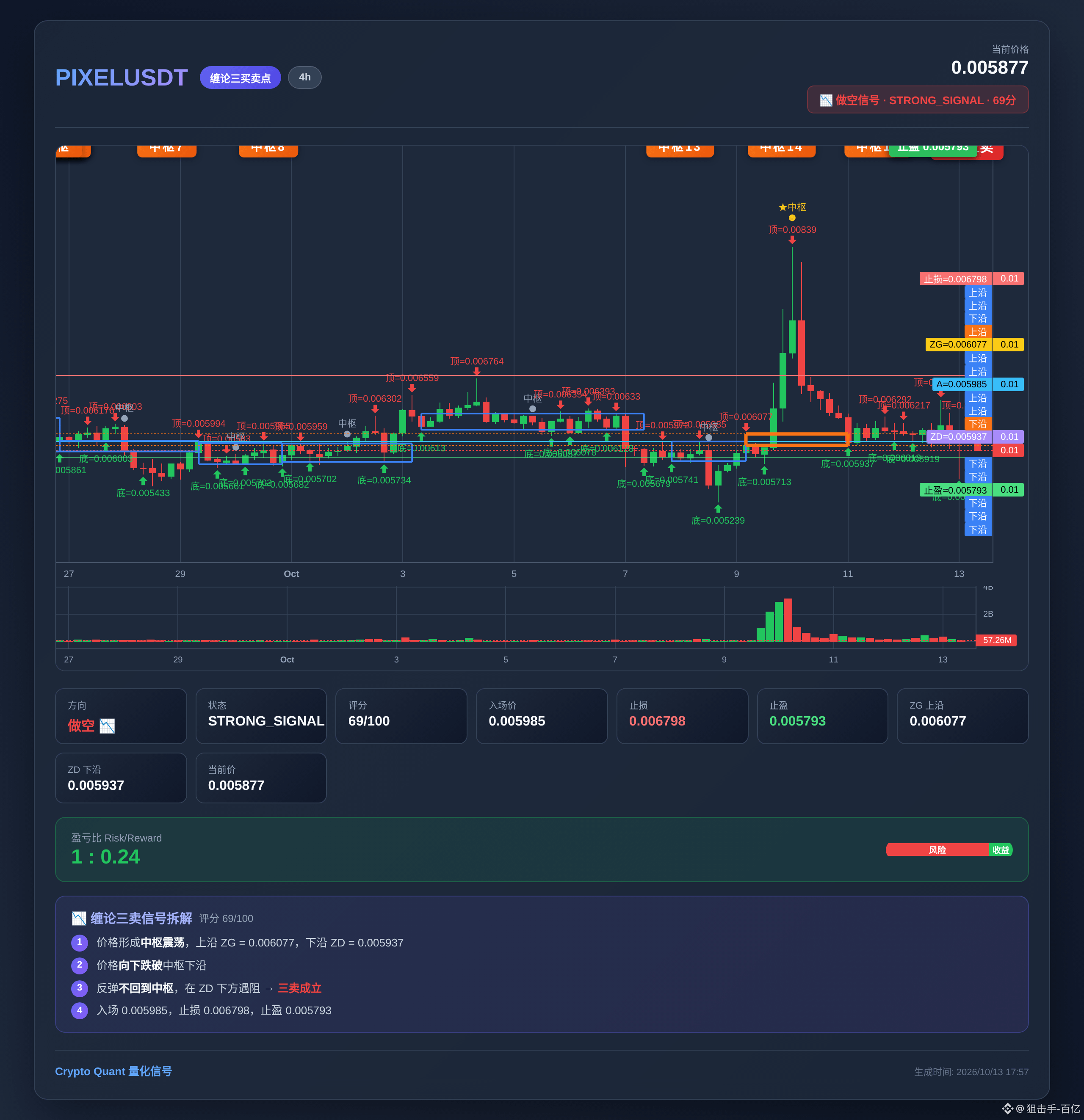
¡Acabo de detectar una señal en el marco temporal de $PIXEL 4h!
¿Creen que esta vez se desplomará el precio?
📍 Precio actual: 0.00592300
🎯 Entrada: 0.00598500
🛑 Stop loss: 0.00679782
💰 Take profit: 0.00579258
⚖️ Relación riesgo/beneficio: 0.24 : 1
⭐ Puntuación: 89 puntos
Como siempre, si llega a 100 «me gusta», publico la siguiente 🫡
#三买三卖 #BTC #PIXEL #量化交易 #Criptomoneda100x
¿Adivinan qué pasará ahora?
¡Acabo de detectar una señal en el marco temporal de $PIXEL 4h!
¿Creen que esta vez se desplomará el precio?
📍 Precio actual: 0.00592300
🎯 Entrada: 0.00598500
🛑 Stop loss: 0.00679782
💰 Take profit: 0.00579258
⚖️ Relación riesgo/beneficio: 0.24 : 1
⭐ Puntuación: 89 puntos
Como siempre, si llega a 100 «me gusta», publico la siguiente 🫡
#三买三卖 #BTC #PIXEL #量化交易 #Criptomoneda100x
¡Acabo de detectar una señal en el marco temporal de $PIXEL 4h!
¿Creen que esta vez se desplomará el precio?
📍 Precio actual: 0.00592300
🎯 Entrada: 0.00598500
🛑 Stop loss: 0.00679782
💰 Take profit: 0.00579258
⚖️ Relación riesgo/beneficio: 0.24 : 1
⭐ Puntuación: 89 puntos
Como siempre, si llega a 100 «me gusta», publico la siguiente 🫡
#三买三卖 #BTC #PIXEL #量化交易 #Criptomoneda100x
36
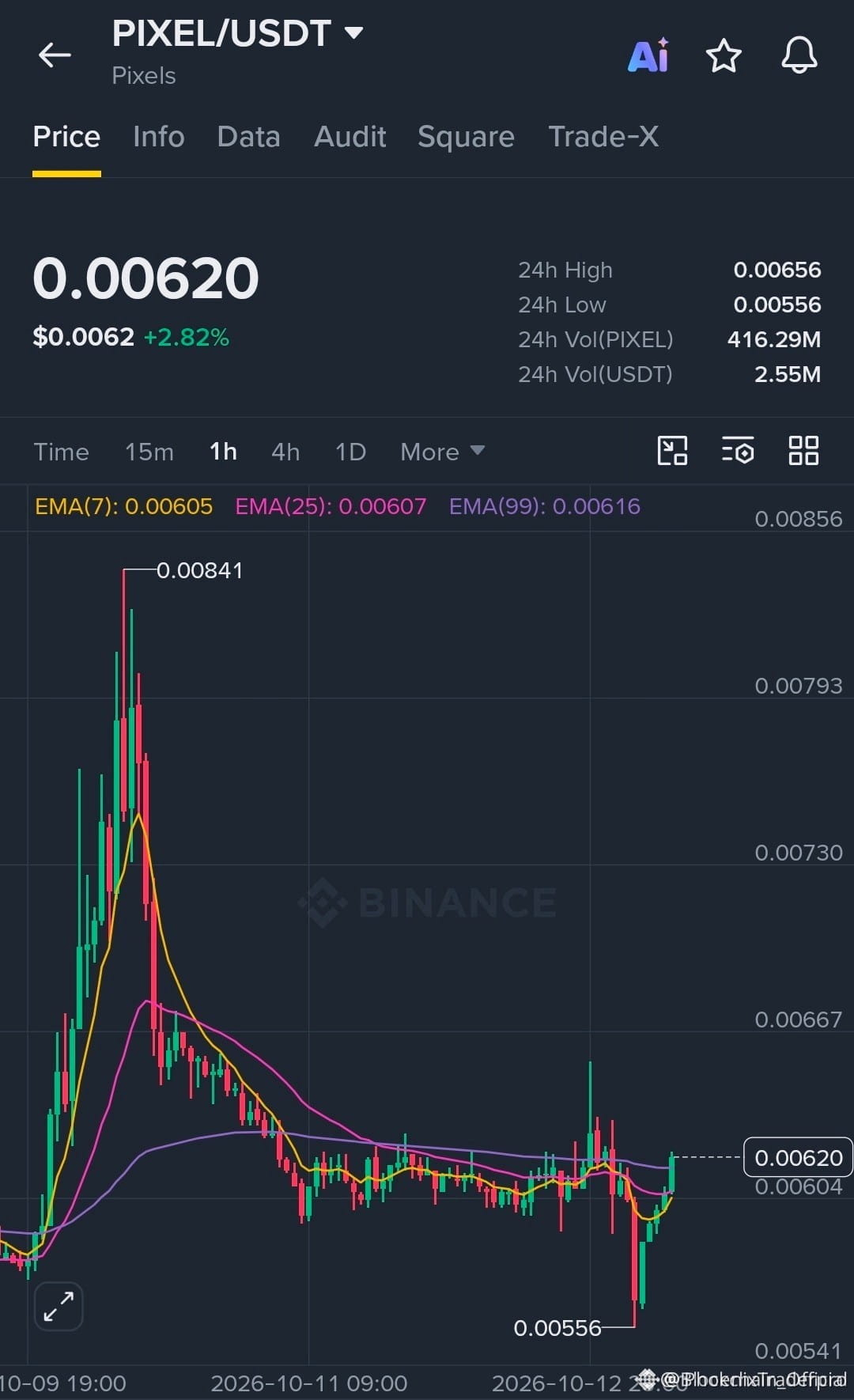
🚀 $PIXEL SE DISPARA TRAS UNA BARRIDA DE LIQUIDEZ Y ALCANZA NUEVOS MÁXIMOS 🦈
Entrada: 0.00605‑0.00620 ⚡
Objetivo: 0.00640 🚀
Objetivo: 0.00660 🚀
Objetivo: 0.00690 🚀
Stop loss: 0.00585 ⚠️
El dinero inteligente está formando un nuevo bloque de demanda alrededor de 0.00610, y el flujo de órdenes en el gráfico de 4H muestra una fuerte presión alcista. 📊 Los picos de volumen están absorbiendo los muros de venta, permitiendo que el precio atraviese el rango reciente.
Con el siguiente nivel de liquidez en 0.00640, tenemos tres salidas escalonadas que coinciden con los últimos máximos de oscilación. ⚡ Cada nivel ofrece una nueva ventaja de riesgo-beneficio, y el impulso del mercado sigue en terreno positivo. 🌊
💬 ¿Estás listo para asegurar el primer objetivo antes de la próxima barrida?
⚠️ Esto no es asesoramiento financiero. Gestiona siempre tu riesgo. 🛡️
🏷️ #PIXEL #LongSetup #Altcoin #Breakout #Crypto
🔥 💎
🚀 $PIXEL SE DISPARA TRAS UNA BARRIDA DE LIQUIDEZ Y ALCANZA NUEVOS MÁXIMOS 🦈
Entrada: 0.00605‑0.00620 ⚡
Objetivo: 0.00640 🚀
Objetivo: 0.00660 🚀
Objetivo: 0.00690 🚀
Stop loss: 0.00585 ⚠️
El dinero inteligente está formando un nuevo bloque de demanda alrededor de 0.00610, y el flujo de órdenes en el gráfico de 4H muestra una fuerte presión alcista. 📊 Los picos de volumen están absorbiendo los muros de venta, permitiendo que el precio atraviese el rango reciente.
Con el siguiente nivel de liquidez en 0.00640, tenemos tres salidas escalonadas que coinciden con los últimos máximos de oscilación. ⚡ Cada nivel ofrece una nueva ventaja de riesgo-beneficio, y el impulso del mercado sigue en terreno positivo. 🌊
💬 ¿Estás listo para asegurar el primer objetivo antes de la próxima barrida?
⚠️ Esto no es asesoramiento financiero. Gestiona siempre tu riesgo. 🛡️
🏷️ #PIXEL #LongSetup #Altcoin #Breakout #Crypto
🔥 💎
Entrada: 0.00605‑0.00620 ⚡
Objetivo: 0.00640 🚀
Objetivo: 0.00660 🚀
Objetivo: 0.00690 🚀
Stop loss: 0.00585 ⚠️
El dinero inteligente está formando un nuevo bloque de demanda alrededor de 0.00610, y el flujo de órdenes en el gráfico de 4H muestra una fuerte presión alcista. 📊 Los picos de volumen están absorbiendo los muros de venta, permitiendo que el precio atraviese el rango reciente.
Con el siguiente nivel de liquidez en 0.00640, tenemos tres salidas escalonadas que coinciden con los últimos máximos de oscilación. ⚡ Cada nivel ofrece una nueva ventaja de riesgo-beneficio, y el impulso del mercado sigue en terreno positivo. 🌊
💬 ¿Estás listo para asegurar el primer objetivo antes de la próxima barrida?
⚠️ Esto no es asesoramiento financiero. Gestiona siempre tu riesgo. 🛡️
🏷️ #PIXEL #LongSetup #Altcoin #Breakout #Crypto
🔥 💎
41

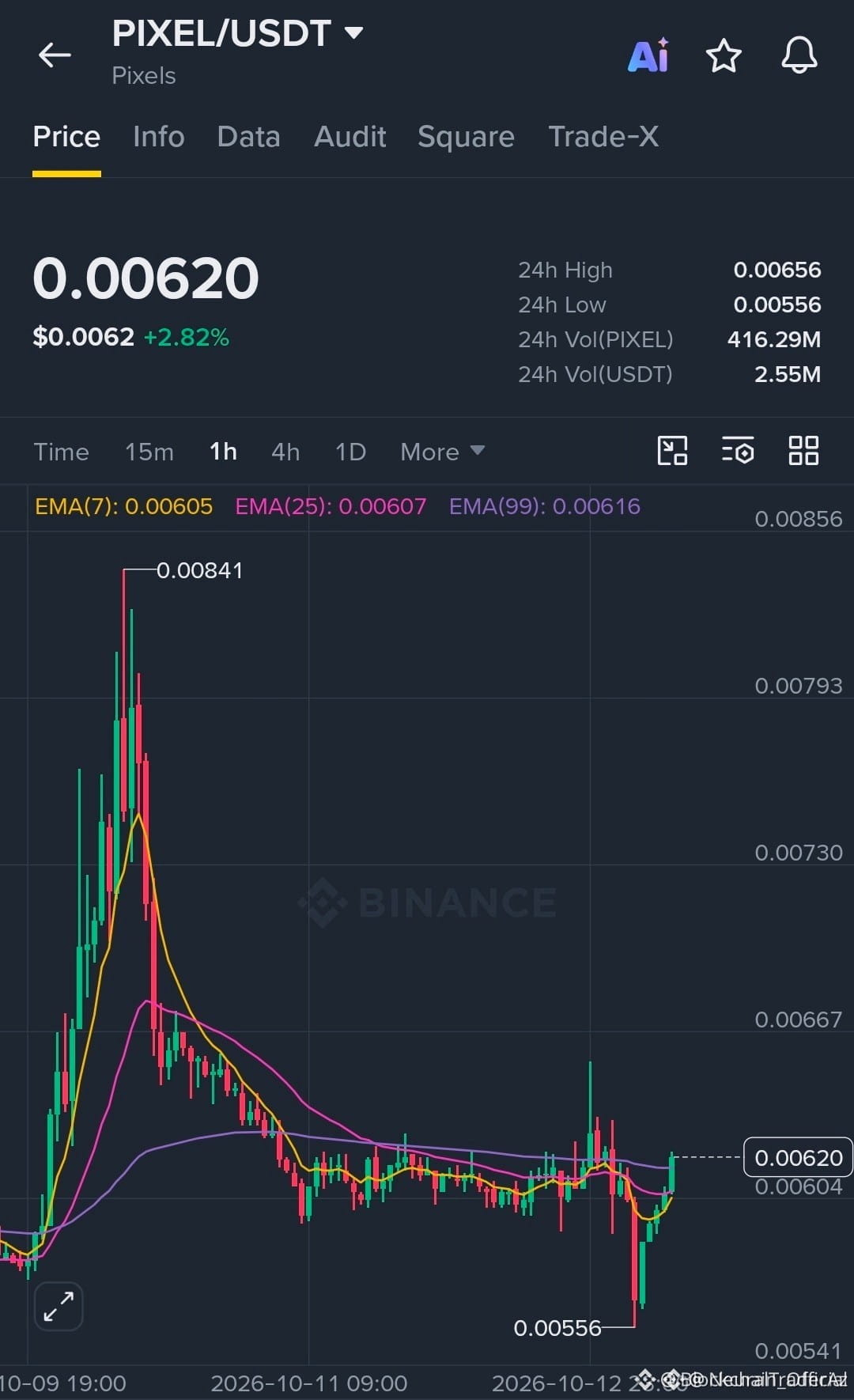
🦈 $PIXEL IRRUMPE EN LA ZONA DE BARRIDO DE LIQUIDEZ: OPORTUNIDAD DE COMPRA 📈
Entrada: 0.00605‑0.00620 ⚡
Objetivo: 0.00640 🚀
Stop loss: 0.00585 ⚠️
📌 El bloque de demanda entre 0.00605‑0.00620 se ha puesto a prueba con fuerza, absorbiendo tres barridos de liquidez consecutivos en el gráfico de 4H. 🦈 El dinero inteligente está volviendo a acumular posiciones, y la nueva prueba del bloque de órdenes coincide con un aumento del volumen 📊, lo que confirma la tendencia alcista.
⚡ Se perfila una atractiva relación riesgo-beneficio de 1:3.5, mientras el precio apunta al primer objetivo de ganancias en 0.00640, con objetivos secundarios en 0.00660 y 0.00690. El stop está justo por debajo del último mínimo oscilante, en 0.00585, para protegerse de una falsa ruptura.
💬 ¿Cómo te estás posicionando ante el próximo barrido de liquidez: con todo o entrando por partes? 👇
⚠️ Esto no es asesoramiento financiero. Gestiona siempre el riesgo. 🛡️
🏷️ #PIXEL #LongSetup #LiquiditySweep #Crypto
🔥 💎
🦈 $PIXEL IRRUMPE EN LA ZONA DE BARRIDO DE LIQUIDEZ: OPORTUNIDAD DE COMPRA 📈
Entrada: 0.00605‑0.00620 ⚡
Objetivo: 0.00640 🚀
Stop loss: 0.00585 ⚠️
📌 El bloque de demanda entre 0.00605‑0.00620 se ha puesto a prueba con fuerza, absorbiendo tres barridos de liquidez consecutivos en el gráfico de 4H. 🦈 El dinero inteligente está volviendo a acumular posiciones, y la nueva prueba del bloque de órdenes coincide con un aumento del volumen 📊, lo que confirma la tendencia alcista.
⚡ Se perfila una atractiva relación riesgo-beneficio de 1:3.5, mientras el precio apunta al primer objetivo de ganancias en 0.00640, con objetivos secundarios en 0.00660 y 0.00690. El stop está justo por debajo del último mínimo oscilante, en 0.00585, para protegerse de una falsa ruptura.
💬 ¿Cómo te estás posicionando ante el próximo barrido de liquidez: con todo o entrando por partes? 👇
⚠️ Esto no es asesoramiento financiero. Gestiona siempre el riesgo. 🛡️
🏷️ #PIXEL #LongSetup #LiquiditySweep #Crypto
🔥 💎
Entrada: 0.00605‑0.00620 ⚡
Objetivo: 0.00640 🚀
Stop loss: 0.00585 ⚠️
📌 El bloque de demanda entre 0.00605‑0.00620 se ha puesto a prueba con fuerza, absorbiendo tres barridos de liquidez consecutivos en el gráfico de 4H. 🦈 El dinero inteligente está volviendo a acumular posiciones, y la nueva prueba del bloque de órdenes coincide con un aumento del volumen 📊, lo que confirma la tendencia alcista.
⚡ Se perfila una atractiva relación riesgo-beneficio de 1:3.5, mientras el precio apunta al primer objetivo de ganancias en 0.00640, con objetivos secundarios en 0.00660 y 0.00690. El stop está justo por debajo del último mínimo oscilante, en 0.00585, para protegerse de una falsa ruptura.
💬 ¿Cómo te estás posicionando ante el próximo barrido de liquidez: con todo o entrando por partes? 👇
⚠️ Esto no es asesoramiento financiero. Gestiona siempre el riesgo. 🛡️
🏷️ #PIXEL #LongSetup #LiquiditySweep #Crypto
🔥 💎
18

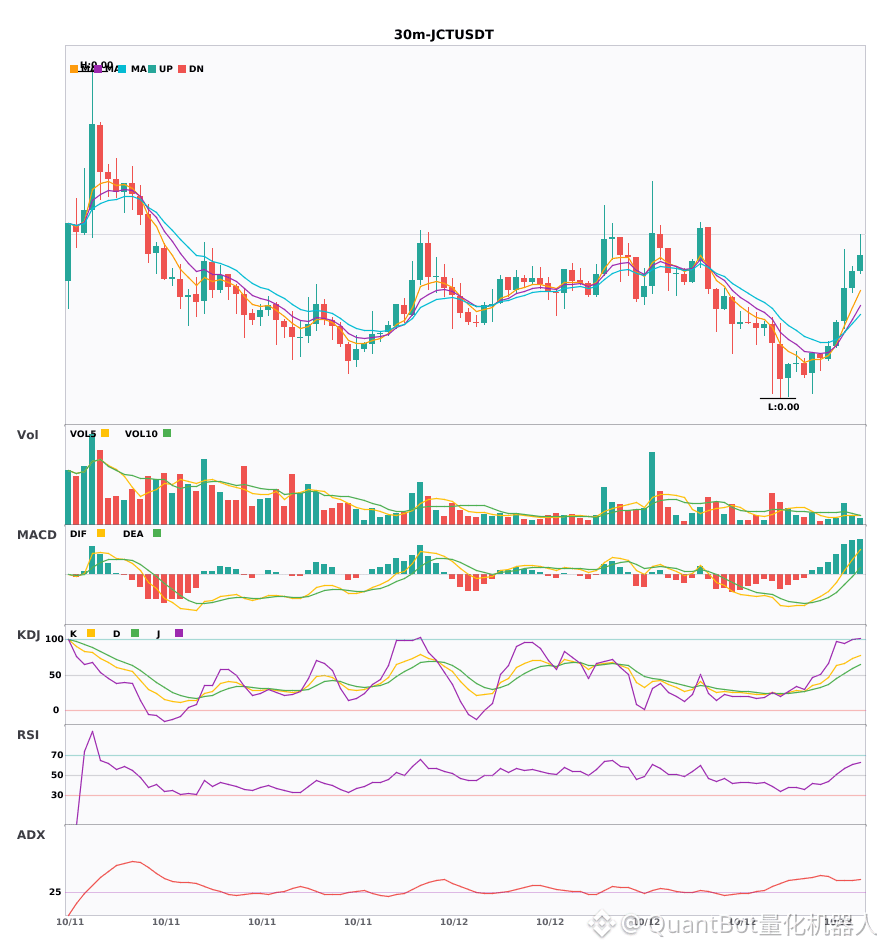
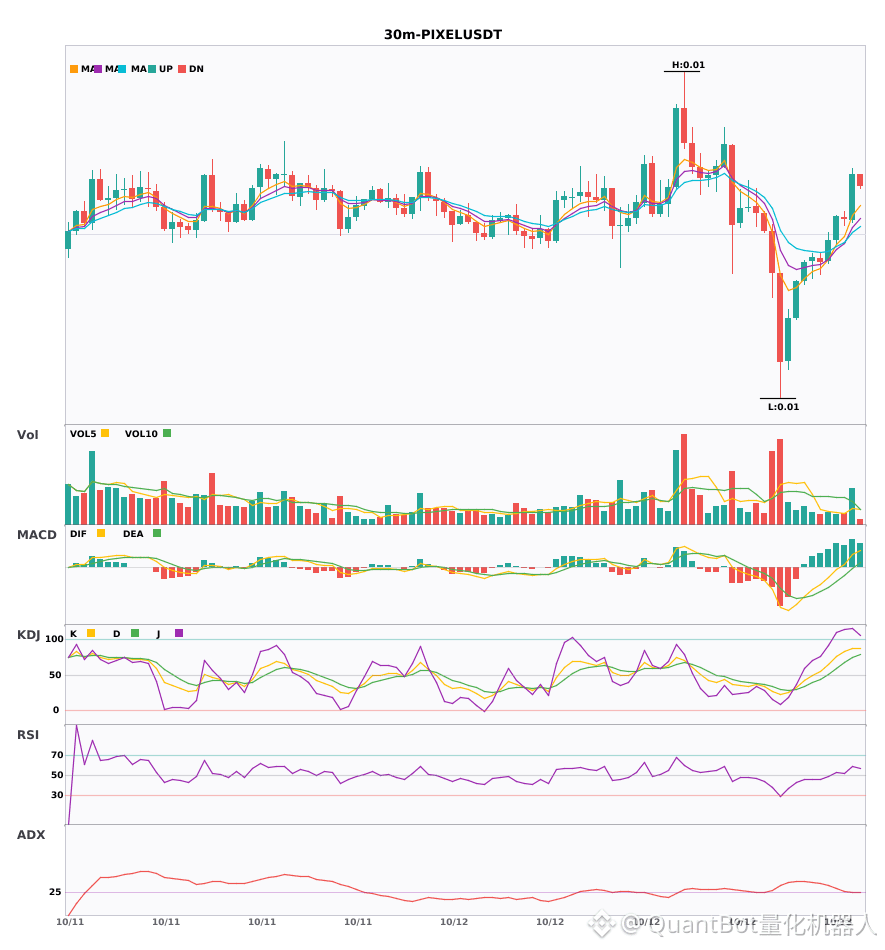
Confluencia de señales alcistas dobles en el marco temporal de 30 minutos: $JCT / $PIXEL
📈 $JCT | Señal alcista de 30 minutos
━━━━━━━━━━━━━━━━━━
Análisis técnico: ADX(41) indica una tendencia marcada; el impulso alcista del MACD se fortalece; EMA5>8>13 muestra una alineación alcista; KDJ fuerte (K72.5/D59.2); volumen 1.6 veces mayor.
Variación del precio: 1.3400%
📈 $PIXEL | Señal alcista de 30 minutos
━━━━━━━━━━━━━━━━━━
Análisis técnico: ADX(26) indica que la tendencia está formándose y que se puede considerar abrir una posición; el MACD alcista se fortalece; EMA5>EMA8>EMA13 muestra una alineación alcista; KDJ fuerte (K87.5/D74.1); volumen 1.6 veces mayor.
Variación del precio: 2.2300%
━━━━━━━━━━━━━━━━━━
#技术分析 #JCT #PIXEL
📌 El contenido anterior es solo de referencia y no constituye asesoramiento de inversión
Confluencia de señales alcistas dobles en el marco temporal de 30 minutos: $JCT / $PIXEL
📈 $JCT | Señal alcista de 30 minutos
━━━━━━━━━━━━━━━━━━
Análisis técnico: ADX(41) indica una tendencia marcada; el impulso alcista del MACD se fortalece; EMA5>8>13 muestra una alineación alcista; KDJ fuerte (K72.5/D59.2); volumen 1.6 veces mayor.
Variación del precio: 1.3400%
📈 $PIXEL | Señal alcista de 30 minutos
━━━━━━━━━━━━━━━━━━
Análisis técnico: ADX(26) indica que la tendencia está formándose y que se puede considerar abrir una posición; el MACD alcista se fortalece; EMA5>EMA8>EMA13 muestra una alineación alcista; KDJ fuerte (K87.5/D74.1); volumen 1.6 veces mayor.
Variación del precio: 2.2300%
━━━━━━━━━━━━━━━━━━
#技术分析 #JCT #PIXEL
📌 El contenido anterior es solo de referencia y no constituye asesoramiento de inversión
📈 $JCT | Señal alcista de 30 minutos
━━━━━━━━━━━━━━━━━━
Análisis técnico: ADX(41) indica una tendencia marcada; el impulso alcista del MACD se fortalece; EMA5>8>13 muestra una alineación alcista; KDJ fuerte (K72.5/D59.2); volumen 1.6 veces mayor.
Variación del precio: 1.3400%
📈 $PIXEL | Señal alcista de 30 minutos
━━━━━━━━━━━━━━━━━━
Análisis técnico: ADX(26) indica que la tendencia está formándose y que se puede considerar abrir una posición; el MACD alcista se fortalece; EMA5>EMA8>EMA13 muestra una alineación alcista; KDJ fuerte (K87.5/D74.1); volumen 1.6 veces mayor.
Variación del precio: 2.2300%
━━━━━━━━━━━━━━━━━━
#技术分析 #JCT #PIXEL
📌 El contenido anterior es solo de referencia y no constituye asesoramiento de inversión
44
Inicia sesión para explorar más contenidos
Únete a usuarios globales de criptomonedas en Binance Square
⚡️ Obtén información útil y actualizada sobre criptos.
💬 Avalado por el mayor exchange de criptomonedas en el mundo.
👍 Descubre perspectivas reales de creadores verificados.
Email/número de teléfono
Temas populares
1
#BinancePick
3.2M vistas
157,454 están debatiendo
2
#EarningsSeason
5.4M vistas
26,264 están debatiendo
3
#BitmineAdds10452ETH
0 vistas
0 están debatiendo
4
#SouthKoreaConsidersEducationTaxOnCryptoExchanges
131 vistas
22 están debatiendo
5
#OCCUrgesCommunityBanksToEnterStablecoinPayments
56 vistas
13 están debatiendo
6
#RippleWinsFullApprovalAsNationalTrustBank
62 vistas
15 están debatiendo
7
#AkashSelectsSolanaAsMigrationTarget
0 vistas
0 están debatiendo
8
#OndoToOpenSubscriptionsForOpenAIPreIPOTokenizedNotes
5 vistas
3 están debatiendo
9
#AnthropicTTMRevenueGrewAbout1200%
42,780 vistas
506 están debatiendo
10
#AnthropicS1ExpectedToday
35,025 vistas
396 están debatiendo