

#ecosystem
ecosystem
141,207 vistas
940 están debatiendo
Hot
Lo último

·
--
🚀 $DOGE LA COMUNIDAD IMPULSA LA EXPANSIÓN DEL ECOSISTEMA CON NUEVAS INICIATIVAS 🟢
Mishaboar acaba de publicar una hoja de ruta para la comunidad de Dogecoin, destacando las subvenciones para desarrolladores, la incorporación de comerciantes y los incentivos de liquidez como los próximos motores de crecimiento. 📊 Las ballenas del dinero inteligente ya están echándole el ojo al programa de subvenciones, y el aumento en la aceptación por parte de los comerciantes podría convertir el flujo de órdenes en una tendencia alcista. ⚡ Con cada paso, el fondo de liquidez se profundiza y sienta las bases para un repunte sostenido que podría superar los ciclos habituales de euforia. 🌊
💬 ¿En qué pilar apostarás con más fuerza para aprovechar la próxima ola? 👇
⚠️ Esto no es asesoramiento financiero. Gestiona siempre tus riesgos. 🛡️
🏷️ #DOGE #Ecosystem #Growth #Crypto
🚀 🦈
🚀 $DOGE LA COMUNIDAD IMPULSA LA EXPANSIÓN DEL ECOSISTEMA CON NUEVAS INICIATIVAS 🟢
Mishaboar acaba de publicar una hoja de ruta para la comunidad de Dogecoin, destacando las subvenciones para desarrolladores, la incorporación de comerciantes y los incentivos de liquidez como los próximos motores de crecimiento. 📊 Las ballenas del dinero inteligente ya están echándole el ojo al programa de subvenciones, y el aumento en la aceptación por parte de los comerciantes podría convertir el flujo de órdenes en una tendencia alcista. ⚡ Con cada paso, el fondo de liquidez se profundiza y sienta las bases para un repunte sostenido que podría superar los ciclos habituales de euforia. 🌊
💬 ¿En qué pilar apostarás con más fuerza para aprovechar la próxima ola? 👇
⚠️ Esto no es asesoramiento financiero. Gestiona siempre tus riesgos. 🛡️
🏷️ #DOGE #Ecosystem #Growth #Crypto
🚀 🦈
Mishaboar acaba de publicar una hoja de ruta para la comunidad de Dogecoin, destacando las subvenciones para desarrolladores, la incorporación de comerciantes y los incentivos de liquidez como los próximos motores de crecimiento. 📊 Las ballenas del dinero inteligente ya están echándole el ojo al programa de subvenciones, y el aumento en la aceptación por parte de los comerciantes podría convertir el flujo de órdenes en una tendencia alcista. ⚡ Con cada paso, el fondo de liquidez se profundiza y sienta las bases para un repunte sostenido que podría superar los ciclos habituales de euforia. 🌊
💬 ¿En qué pilar apostarás con más fuerza para aprovechar la próxima ola? 👇
⚠️ Esto no es asesoramiento financiero. Gestiona siempre tus riesgos. 🛡️
🏷️ #DOGE #Ecosystem #Growth #Crypto
🚀 🦈
2

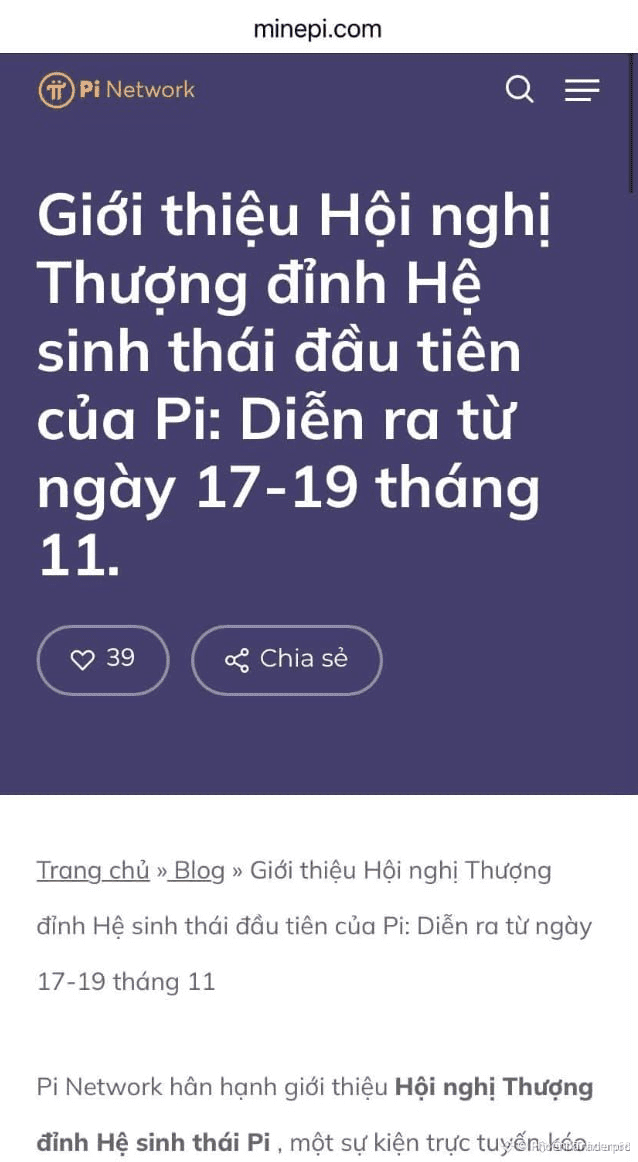
🚀 SE ACERCA EL SUMMIT DEL ECOSISTEMA $PI: ¿LISTAS LAS BALLENAS PARA RECLAMAR LO SUYO? 🦈
El equipo de Pi Core está anticipando una liberación gradual de tokens, pero el entusiasmo en torno al summit del ecosistema de noviembre está electrizando los libros de órdenes. 📊 El dinero inteligente ya está acumulando posiciones, pendiente del fondo de liquidez que podría estallar cuando se enciendan las luces del escenario. ⚡ Con el sentimiento pasando del escepticismo al optimismo alcista, cada oferta parece ahora una apuesta anticipada a la próxima gran ola.
Si el summit trae nuevas dApps y puentes entre cadenas, podríamos ver una rápida barrida de liquidez que revierta la presión actual. 💡 ¿Estás listo para aprovechar el impulso cuando por fin se encienda el ecosistema de Pi? 💬
⚠️ Esto no es asesoramiento financiero. Gestiona siempre tus riesgos. 🛡️
🏷️ #PI #Ecosystem #WhalePlay #Crypto
🔥 💎
🚀 SE ACERCA EL SUMMIT DEL ECOSISTEMA $PI: ¿LISTAS LAS BALLENAS PARA RECLAMAR LO SUYO? 🦈
El equipo de Pi Core está anticipando una liberación gradual de tokens, pero el entusiasmo en torno al summit del ecosistema de noviembre está electrizando los libros de órdenes. 📊 El dinero inteligente ya está acumulando posiciones, pendiente del fondo de liquidez que podría estallar cuando se enciendan las luces del escenario. ⚡ Con el sentimiento pasando del escepticismo al optimismo alcista, cada oferta parece ahora una apuesta anticipada a la próxima gran ola.
Si el summit trae nuevas dApps y puentes entre cadenas, podríamos ver una rápida barrida de liquidez que revierta la presión actual. 💡 ¿Estás listo para aprovechar el impulso cuando por fin se encienda el ecosistema de Pi? 💬
⚠️ Esto no es asesoramiento financiero. Gestiona siempre tus riesgos. 🛡️
🏷️ #PI #Ecosystem #WhalePlay #Crypto
🔥 💎
El equipo de Pi Core está anticipando una liberación gradual de tokens, pero el entusiasmo en torno al summit del ecosistema de noviembre está electrizando los libros de órdenes. 📊 El dinero inteligente ya está acumulando posiciones, pendiente del fondo de liquidez que podría estallar cuando se enciendan las luces del escenario. ⚡ Con el sentimiento pasando del escepticismo al optimismo alcista, cada oferta parece ahora una apuesta anticipada a la próxima gran ola.
Si el summit trae nuevas dApps y puentes entre cadenas, podríamos ver una rápida barrida de liquidez que revierta la presión actual. 💡 ¿Estás listo para aprovechar el impulso cuando por fin se encienda el ecosistema de Pi? 💬
⚠️ Esto no es asesoramiento financiero. Gestiona siempre tus riesgos. 🛡️
🏷️ #PI #Ecosystem #WhalePlay #Crypto
🔥 💎
57

·
--
Verificado
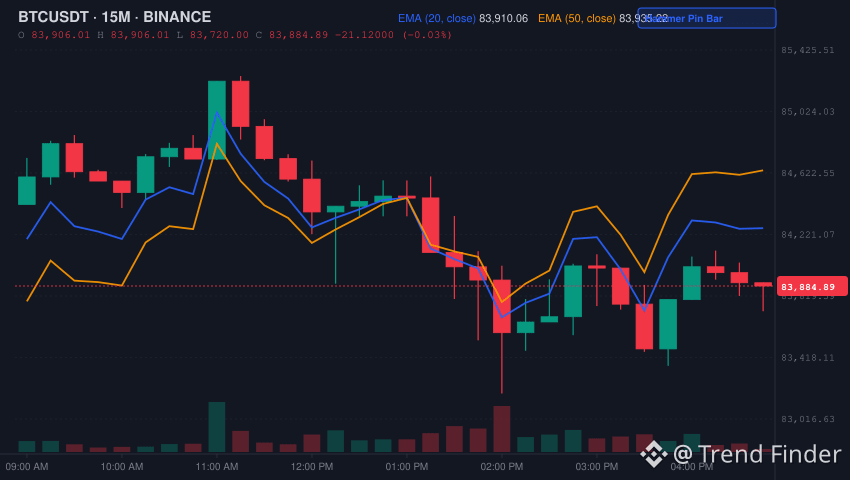
Protocolo NEAR: Desentrañando la dinámica reciente del ecosistema
Avances clave y aspectos destacados en cadena
El Protocolo NEAR sigue consolidando su posición como una destacada Capa 1 segmentada (sharded), con avances significativos en su hoja de ruta técnica y la expansión de su ecosistema. La fragmentación (sharding) Nightshade sigue siendo fundamental, lo que permite a NEAR gestionar de manera eficiente un alto rendimiento de transacciones.
#BinanceSquare #CryptoNews #ECOSYSTEM
Protocolo NEAR: Desentrañando la dinámica reciente del ecosistema
Avances clave y aspectos destacados en cadena
El Protocolo NEAR sigue consolidando su posición como una destacada Capa 1 segmentada (sharded), con avances significativos en su hoja de ruta técnica y la expansión de su ecosistema. La fragmentación (sharding) Nightshade sigue siendo fundamental, lo que permite a NEAR gestionar de manera eficiente un alto rendimiento de transacciones.
#BinanceSquare #CryptoNews #ECOSYSTEM
Avances clave y aspectos destacados en cadena
El Protocolo NEAR sigue consolidando su posición como una destacada Capa 1 segmentada (sharded), con avances significativos en su hoja de ruta técnica y la expansión de su ecosistema. La fragmentación (sharding) Nightshade sigue siendo fundamental, lo que permite a NEAR gestionar de manera eficiente un alto rendimiento de transacciones.
#BinanceSquare #CryptoNews #ECOSYSTEM
1
78
·
--
Mercado SOL e Inteligencia de Protocolos: La Era de la Velocidad📊 Mercado SOL e Inteligencia de Protocolos: La Era de la Velocidad
Solana continúa consolidando su posición como la blockchain de máximo rendimiento, pasando de su fase de recuperación a un periodo de expansión agresiva de la utilidad. Los datos recientes indican que el ecosistema se está transformando con éxito desde un centro impulsado por memecoins minoristas hacia una capa de infraestructura sólida para aplicaciones financieras de nivel institucional.
Desarrollos clave y aspectos destacados en la cadena
El catalizador más significativo para $SOL lamente ha sido el crecimiento exponencial de Firedancer, el cliente independiente de validación desarrollado por Jump Crypto. Esta actualización está diseñada para impulsar a Solana más allá del umbral de un millón de transacciones por segundo, eliminando efectivamente la preocupación por la congestión de la red. Además, la expansión del mercado de activos tokenizados en Solana, específicamente con la integración de importantes emisores de stablecoins y el auge de protocolos de staking líquido como Jito, ha desbloqueado una liquidez masiva. El volumen on-chain compite de forma constante con Ethereum, impulsado por velocidades de ejecución superiores y comisiones de transacción prácticamente nulas, que siguen siendo los principales impulsores de la retención activa de usuarios.
Mercado SOL e Inteligencia de Protocolos: La Era de la Velocidad
📊 Mercado SOL e Inteligencia de Protocolos: La Era de la Velocidad
Solana continúa consolidando su posición como la blockchain de máximo rendimiento, pasando de su fase de recuperación a un periodo de expansión agresiva de la utilidad. Los datos recientes indican que el ecosistema se está transformando con éxito desde un centro impulsado por memecoins minoristas hacia una capa de infraestructura sólida para aplicaciones financieras de nivel institucional.
Desarrollos clave y aspectos destacados en la cadena
El catalizador más significativo para $SOL lamente ha sido el crecimiento exponencial de Firedancer, el cliente independiente de validación desarrollado por Jump Crypto. Esta actualización está diseñada para impulsar a Solana más allá del umbral de un millón de transacciones por segundo, eliminando efectivamente la preocupación por la congestión de la red. Además, la expansión del mercado de activos tokenizados en Solana, específicamente con la integración de importantes emisores de stablecoins y el auge de protocolos de staking líquido como Jito, ha desbloqueado una liquidez masiva. El volumen on-chain compite de forma constante con Ethereum, impulsado por velocidades de ejecución superiores y comisiones de transacción prácticamente nulas, que siguen siendo los principales impulsores de la retención activa de usuarios.
Solana continúa consolidando su posición como la blockchain de máximo rendimiento, pasando de su fase de recuperación a un periodo de expansión agresiva de la utilidad. Los datos recientes indican que el ecosistema se está transformando con éxito desde un centro impulsado por memecoins minoristas hacia una capa de infraestructura sólida para aplicaciones financieras de nivel institucional.
Desarrollos clave y aspectos destacados en la cadena
El catalizador más significativo para $SOL lamente ha sido el crecimiento exponencial de Firedancer, el cliente independiente de validación desarrollado por Jump Crypto. Esta actualización está diseñada para impulsar a Solana más allá del umbral de un millón de transacciones por segundo, eliminando efectivamente la preocupación por la congestión de la red. Además, la expansión del mercado de activos tokenizados en Solana, específicamente con la integración de importantes emisores de stablecoins y el auge de protocolos de staking líquido como Jito, ha desbloqueado una liquidez masiva. El volumen on-chain compite de forma constante con Ethereum, impulsado por velocidades de ejecución superiores y comisiones de transacción prácticamente nulas, que siguen siendo los principales impulsores de la retención activa de usuarios.
1
65

El crecimiento del ecosistema es una de las señales más fuertes en cripto. Cuando los usuarios, desarrolladores, aplicaciones y liquidez se expanden juntos, se genera un verdadero impulso detrás de una cadena o token. El hype puede mover el precio a corto plazo, pero la fuerza a largo plazo proviene de un ecosistema en crecimiento.
#digitalmolvi #ecosystem #BinanceSquare
El crecimiento del ecosistema es una de las señales más fuertes en cripto. Cuando los usuarios, desarrolladores, aplicaciones y liquidez se expanden juntos, se genera un verdadero impulso detrás de una cadena o token. El hype puede mover el precio a corto plazo, pero la fuerza a largo plazo proviene de un ecosistema en crecimiento.
#digitalmolvi #ecosystem #BinanceSquare
#digitalmolvi #ecosystem #BinanceSquare
37

🌱 Expansión del Ecosistema de Solana: La Tokenización, DeFi y las Alianzas Institucionales Impulsan el Crecimiento
El 3 de julio de 2026, Solana $SOL en $80.45 (+2.88%) continúa expandiendo su ecosistema. La decisión de Securitize de lanzar acciones tokenizadas en Solana valida su diseño de alto rendimiento.
La red de Solana procesó hoy un volumen significativo con el token, manteniendo transacciones rápidas y de bajo costo incluso durante una actividad elevada.
Con la actividad de desarrolladores manteniéndose sólida y creciendo las asociaciones institucionales, Solana se está posicionando como una plataforma líder para la tokenización de activos del mundo real junto a su ecosistema DeFi.
📌 Idea clave:
El alto rendimiento y las tarifas bajas de Solana la convierten en una plataforma atractiva para la tokenización: alianzas institucionales como Securitize validan las decisiones de diseño de la red.
#Solana #Ecosystem
#BinanceAlphaAlert
🌱 Expansión del Ecosistema de Solana: La Tokenización, DeFi y las Alianzas Institucionales Impulsan el Crecimiento
El 3 de julio de 2026, Solana $SOL en $80.45 (+2.88%) continúa expandiendo su ecosistema. La decisión de Securitize de lanzar acciones tokenizadas en Solana valida su diseño de alto rendimiento.
La red de Solana procesó hoy un volumen significativo con el token, manteniendo transacciones rápidas y de bajo costo incluso durante una actividad elevada.
Con la actividad de desarrolladores manteniéndose sólida y creciendo las asociaciones institucionales, Solana se está posicionando como una plataforma líder para la tokenización de activos del mundo real junto a su ecosistema DeFi.
📌 Idea clave:
El alto rendimiento y las tarifas bajas de Solana la convierten en una plataforma atractiva para la tokenización: alianzas institucionales como Securitize validan las decisiones de diseño de la red.
#Solana #Ecosystem
#BinanceAlphaAlert
El 3 de julio de 2026, Solana $SOL en $80.45 (+2.88%) continúa expandiendo su ecosistema. La decisión de Securitize de lanzar acciones tokenizadas en Solana valida su diseño de alto rendimiento.
La red de Solana procesó hoy un volumen significativo con el token, manteniendo transacciones rápidas y de bajo costo incluso durante una actividad elevada.
Con la actividad de desarrolladores manteniéndose sólida y creciendo las asociaciones institucionales, Solana se está posicionando como una plataforma líder para la tokenización de activos del mundo real junto a su ecosistema DeFi.
📌 Idea clave:
El alto rendimiento y las tarifas bajas de Solana la convierten en una plataforma atractiva para la tokenización: alianzas institucionales como Securitize validan las decisiones de diseño de la red.
#Solana #Ecosystem
#BinanceAlphaAlert
99

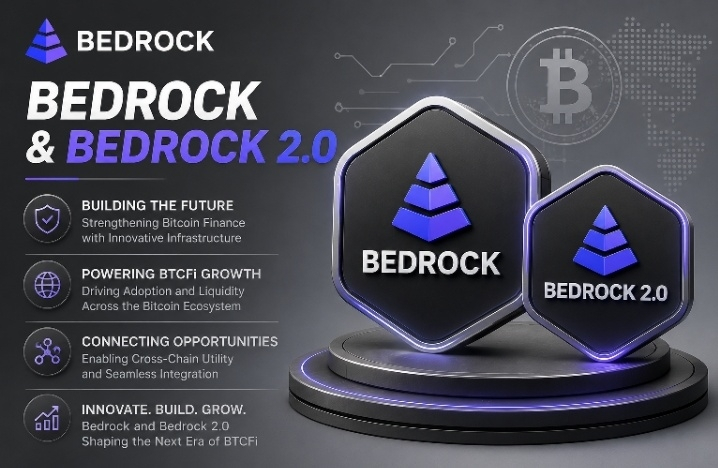
🚀 Cómo Bedrock y Bedrock 2.0 Están Transformando las Finanzas de Bitcoin (BTCFi) 🚀
A medida que el sector de Finanzas de Bitcoin (BTCFi) sigue creciendo 📈, Bedrock y Bedrock 2.0 están surgiendo como soluciones innovadoras enfocadas en expandir la utilidad de Bitcoin 🌍. A través del restaking líquido 🔄, la conectividad entre cadenas 🌉, y más oportunidades de DeFi 💎, el ecosistema busca ayudar a los usuarios a desbloquear más valor de sus tenencias de Bitcoin. En lugar de dejar Bitcoin inactivo 🪙, Bedrock está contribuyendo a crear un entorno financiero más dinámico y eficiente ⚡. Con el creciente interés en BTCFi 🔥 y la demanda en aumento de productos financieros basados en Bitcoin 📊, Bedrock y Bedrock 2.0 se están posicionando como proyectos a seguir 👀. Su desarrollo continuo podría ayudar a moldear el futuro de las finanzas de Bitcoin 🚀🌟.
@Bedrock #Bedrock #ecosystem
$BR
{future}(BRUSDT)
🚀 Cómo Bedrock y Bedrock 2.0 Están Transformando las Finanzas de Bitcoin (BTCFi) 🚀
A medida que el sector de Finanzas de Bitcoin (BTCFi) sigue creciendo 📈, Bedrock y Bedrock 2.0 están surgiendo como soluciones innovadoras enfocadas en expandir la utilidad de Bitcoin 🌍. A través del restaking líquido 🔄, la conectividad entre cadenas 🌉, y más oportunidades de DeFi 💎, el ecosistema busca ayudar a los usuarios a desbloquear más valor de sus tenencias de Bitcoin. En lugar de dejar Bitcoin inactivo 🪙, Bedrock está contribuyendo a crear un entorno financiero más dinámico y eficiente ⚡. Con el creciente interés en BTCFi 🔥 y la demanda en aumento de productos financieros basados en Bitcoin 📊, Bedrock y Bedrock 2.0 se están posicionando como proyectos a seguir 👀. Su desarrollo continuo podría ayudar a moldear el futuro de las finanzas de Bitcoin 🚀🌟.
@Bedrock #Bedrock #ecosystem
$BR
A medida que el sector de Finanzas de Bitcoin (BTCFi) sigue creciendo 📈, Bedrock y Bedrock 2.0 están surgiendo como soluciones innovadoras enfocadas en expandir la utilidad de Bitcoin 🌍. A través del restaking líquido 🔄, la conectividad entre cadenas 🌉, y más oportunidades de DeFi 💎, el ecosistema busca ayudar a los usuarios a desbloquear más valor de sus tenencias de Bitcoin. En lugar de dejar Bitcoin inactivo 🪙, Bedrock está contribuyendo a crear un entorno financiero más dinámico y eficiente ⚡. Con el creciente interés en BTCFi 🔥 y la demanda en aumento de productos financieros basados en Bitcoin 📊, Bedrock y Bedrock 2.0 se están posicionando como proyectos a seguir 👀. Su desarrollo continuo podría ayudar a moldear el futuro de las finanzas de Bitcoin 🚀🌟.
@Bedrock #Bedrock #ecosystem
$BR
3
116

·
--
$BNB ECOSYSTEM EVOLVING — NUEVOS TOKENS PODRÍAN SER LOS PRÓXIMOS GANADORES 💎
BNB sentó las bases, pero el ecosistema de Binance ha crecido hasta convertirse en una red de proyectos DeFi, IA, RWA y gaming. Este cambio estructural de la dependencia de un solo token a una economía mult token históricamente precede grandes rotaciones de altcoins. El capital empieza a fluir hacia tokens de infraestructura y utilidad con fundamentos sólidos, en lugar de hype.
Los líderes del próximo ciclo podrían surgir de sectores que todavía se están construyendo fuera del radar ahora mismo. El desarrollo sostenido, la adopción real y tokenomics sanas son los filtros que separan a los supervivientes del ruido. ¿Qué token emergente del ecosistema de Binance tiene, en tu opinión, la configuración más fuerte?
No es asesoramiento financiero. Gestiona siempre tu riesgo.
#BNB #Ecosystem #DeFi #Crypto
💎
$BNB ECOSYSTEM EVOLVING — NUEVOS TOKENS PODRÍAN SER LOS PRÓXIMOS GANADORES 💎
BNB sentó las bases, pero el ecosistema de Binance ha crecido hasta convertirse en una red de proyectos DeFi, IA, RWA y gaming. Este cambio estructural de la dependencia de un solo token a una economía mult token históricamente precede grandes rotaciones de altcoins. El capital empieza a fluir hacia tokens de infraestructura y utilidad con fundamentos sólidos, en lugar de hype.
Los líderes del próximo ciclo podrían surgir de sectores que todavía se están construyendo fuera del radar ahora mismo. El desarrollo sostenido, la adopción real y tokenomics sanas son los filtros que separan a los supervivientes del ruido. ¿Qué token emergente del ecosistema de Binance tiene, en tu opinión, la configuración más fuerte?
No es asesoramiento financiero. Gestiona siempre tu riesgo.
#BNB #Ecosystem #DeFi #Crypto
💎
BNB sentó las bases, pero el ecosistema de Binance ha crecido hasta convertirse en una red de proyectos DeFi, IA, RWA y gaming. Este cambio estructural de la dependencia de un solo token a una economía mult token históricamente precede grandes rotaciones de altcoins. El capital empieza a fluir hacia tokens de infraestructura y utilidad con fundamentos sólidos, en lugar de hype.
Los líderes del próximo ciclo podrían surgir de sectores que todavía se están construyendo fuera del radar ahora mismo. El desarrollo sostenido, la adopción real y tokenomics sanas son los filtros que separan a los supervivientes del ruido. ¿Qué token emergente del ecosistema de Binance tiene, en tu opinión, la configuración más fuerte?
No es asesoramiento financiero. Gestiona siempre tu riesgo.
#BNB #Ecosystem #DeFi #Crypto
💎
75

EL ECOSISTEMA TRON: UN UNIVERSO DE OPORTUNIDADES 🌌
TRON es más que una blockchain; es un ecosistema próspero de DApps, tokens y servicios. Desde los juegos y las redes sociales hasta las finanzas y la cadena de suministro, las posibilidades en TRON no tienen fin.
Invitamos a desarrolladores y emprendedores a unirse a nosotros y construir el futuro de la web descentralizada. Las herramientas están listas, la comunidad está esperando. 🛠️
@TRON DAO
#TRONEcoStar #Ecosystem #Opportunity
EL ECOSISTEMA TRON: UN UNIVERSO DE OPORTUNIDADES 🌌
TRON es más que una blockchain; es un ecosistema próspero de DApps, tokens y servicios. Desde los juegos y las redes sociales hasta las finanzas y la cadena de suministro, las posibilidades en TRON no tienen fin.
Invitamos a desarrolladores y emprendedores a unirse a nosotros y construir el futuro de la web descentralizada. Las herramientas están listas, la comunidad está esperando. 🛠️
@TRON DAO
#TRONEcoStar #Ecosystem #Opportunity
TRON es más que una blockchain; es un ecosistema próspero de DApps, tokens y servicios. Desde los juegos y las redes sociales hasta las finanzas y la cadena de suministro, las posibilidades en TRON no tienen fin.
Invitamos a desarrolladores y emprendedores a unirse a nosotros y construir el futuro de la web descentralizada. Las herramientas están listas, la comunidad está esperando. 🛠️
@TRON DAO
#TRONEcoStar #Ecosystem #Opportunity
44

·
--
Artículo
El ecosistema de Verona empieza a mostrar una imagen más ampliaA primera vista, Ero, WRTH, TradeOS y Smoothly casi no tienen relación entre sí.
Alguien que se ocupa de la atención humana.
Alguien que se enfoca en activos físicos.
Alguien que construye IA para el trading.
También hay quien se relaciona con la capacidad de comunicación humana.
Sin embargo, cuando se mira más a fondo, todo empieza a mostrar un mismo patrón.
La IA necesita información en la que se pueda confiar.
Y para mí, ahí es donde el ecosistema de Verona empieza a volverse interesante.
Ero de EarnOS → Actividad Humana Verificada
El ecosistema de Verona empieza a mostrar una imagen más amplia
A primera vista, Ero, WRTH, TradeOS y Smoothly casi no tienen relación entre sí.
Alguien que se ocupa de la atención humana.
Alguien que se enfoca en activos físicos.
Alguien que construye IA para el trading.
También hay quien se relaciona con la capacidad de comunicación humana.
Sin embargo, cuando se mira más a fondo, todo empieza a mostrar un mismo patrón.
La IA necesita información en la que se pueda confiar.
Y para mí, ahí es donde el ecosistema de Verona empieza a volverse interesante.
Ero de EarnOS → Actividad Humana Verificada
Alguien que se ocupa de la atención humana.
Alguien que se enfoca en activos físicos.
Alguien que construye IA para el trading.
También hay quien se relaciona con la capacidad de comunicación humana.
Sin embargo, cuando se mira más a fondo, todo empieza a mostrar un mismo patrón.
La IA necesita información en la que se pueda confiar.
Y para mí, ahí es donde el ecosistema de Verona empieza a volverse interesante.
Ero de EarnOS → Actividad Humana Verificada
1
121
EL ECOSISTEMA TRON: UN UNIVERSO DE INNOVACIÓN 🌌
TRON no es solo una blockchain: es un universo en crecimiento de aplicaciones descentralizadas, tokens y servicios. Con más de 2.000 DApps y en expansión, nuestro ecosistema ofrece algo para todos.
En DeFi, protocolos como JustLend, SunSwap y JustMoney están procesando miles de millones en volumen. En gaming, títulos como Sunflower Land y los juegos basados en TRON de play-to-earn están atrayendo a jugadores de la corriente principal. En NFTs, los marketplaces están dando visibilidad a artistas digitales de todo el mundo.
Lo que distingue al ecosistema de TRON es la accesibilidad. Las comisiones bajas permiten que los usuarios interactúen con DApps sin preocuparse por los costos de gas. Las transacciones rápidas garantizan una experiencia de usuario fluida. Y nuestras herramientas amigables para desarrolladores hacen que crear sobre TRON sea un placer.
También estamos viendo adopción empresarial. Soluciones para la cadena de suministro, plataformas de identidad digital y proyectos de tokenización están eligiendo TRON por su rendimiento y fiabilidad.
@TRON DAO
#TRONEcoStar #Ecosystem #Innovation
EL ECOSISTEMA TRON: UN UNIVERSO DE INNOVACIÓN 🌌
TRON no es solo una blockchain: es un universo en crecimiento de aplicaciones descentralizadas, tokens y servicios. Con más de 2.000 DApps y en expansión, nuestro ecosistema ofrece algo para todos.
En DeFi, protocolos como JustLend, SunSwap y JustMoney están procesando miles de millones en volumen. En gaming, títulos como Sunflower Land y los juegos basados en TRON de play-to-earn están atrayendo a jugadores de la corriente principal. En NFTs, los marketplaces están dando visibilidad a artistas digitales de todo el mundo.
Lo que distingue al ecosistema de TRON es la accesibilidad. Las comisiones bajas permiten que los usuarios interactúen con DApps sin preocuparse por los costos de gas. Las transacciones rápidas garantizan una experiencia de usuario fluida. Y nuestras herramientas amigables para desarrolladores hacen que crear sobre TRON sea un placer.
También estamos viendo adopción empresarial. Soluciones para la cadena de suministro, plataformas de identidad digital y proyectos de tokenización están eligiendo TRON por su rendimiento y fiabilidad.
@TRON DAO
#TRONEcoStar #Ecosystem #Innovation
TRON no es solo una blockchain: es un universo en crecimiento de aplicaciones descentralizadas, tokens y servicios. Con más de 2.000 DApps y en expansión, nuestro ecosistema ofrece algo para todos.
En DeFi, protocolos como JustLend, SunSwap y JustMoney están procesando miles de millones en volumen. En gaming, títulos como Sunflower Land y los juegos basados en TRON de play-to-earn están atrayendo a jugadores de la corriente principal. En NFTs, los marketplaces están dando visibilidad a artistas digitales de todo el mundo.
Lo que distingue al ecosistema de TRON es la accesibilidad. Las comisiones bajas permiten que los usuarios interactúen con DApps sin preocuparse por los costos de gas. Las transacciones rápidas garantizan una experiencia de usuario fluida. Y nuestras herramientas amigables para desarrolladores hacen que crear sobre TRON sea un placer.
También estamos viendo adopción empresarial. Soluciones para la cadena de suministro, plataformas de identidad digital y proyectos de tokenización están eligiendo TRON por su rendimiento y fiabilidad.
@TRON DAO
#TRONEcoStar #Ecosystem #Innovation
44
·
--
Navegar actualizaciones del ecosistema hoy, $MON , se siente como caminar por un nuevo centro comercial antes de que abran las tiendas ancla: pisos pulidos, mucha señalización, pero todavía no hay mucho motivo para volver.
Monad aparece en mi fila de tendencias esta tarde del lunes. Pasé veinte minutos haciendo clic en las apps y publicaciones de desarrollo más recientes en vez de mirar gráficos. El onboarding de la billetera se ve más ágil. Algunos juegos y herramientas de acuñación ya están en funcionamiento de forma técnica. Pero el feed todavía se lee como una lista de reproducción de la primera semana de lanzamiento: captura de pantalla, insignia de puntos, la afirmación de "primeros en Monad", y se repite. La tabla de ganadores está vacía. Los perdedores solo están en rojo de manera leve. Nada en los titulares explica por qué este L1 está tan ruidoso ahora mismo.
Creo que la historia del ecosistema va por delante de la historia del hábito. Estar en tendencia un día tranquilo es atención, no prueba de que alguien se quede.
La prueba real es una app de Monad mostrando un uso repetido de verdad después de que pase la ola del farming: no otro hilo de debut.
#Monad #L1 #Ecosystem
Navegar actualizaciones del ecosistema hoy, $MON , se siente como caminar por un nuevo centro comercial antes de que abran las tiendas ancla: pisos pulidos, mucha señalización, pero todavía no hay mucho motivo para volver.
Monad aparece en mi fila de tendencias esta tarde del lunes. Pasé veinte minutos haciendo clic en las apps y publicaciones de desarrollo más recientes en vez de mirar gráficos. El onboarding de la billetera se ve más ágil. Algunos juegos y herramientas de acuñación ya están en funcionamiento de forma técnica. Pero el feed todavía se lee como una lista de reproducción de la primera semana de lanzamiento: captura de pantalla, insignia de puntos, la afirmación de "primeros en Monad", y se repite. La tabla de ganadores está vacía. Los perdedores solo están en rojo de manera leve. Nada en los titulares explica por qué este L1 está tan ruidoso ahora mismo.
Creo que la historia del ecosistema va por delante de la historia del hábito. Estar en tendencia un día tranquilo es atención, no prueba de que alguien se quede.
La prueba real es una app de Monad mostrando un uso repetido de verdad después de que pase la ola del farming: no otro hilo de debut.
#Monad #L1 #Ecosystem
Monad aparece en mi fila de tendencias esta tarde del lunes. Pasé veinte minutos haciendo clic en las apps y publicaciones de desarrollo más recientes en vez de mirar gráficos. El onboarding de la billetera se ve más ágil. Algunos juegos y herramientas de acuñación ya están en funcionamiento de forma técnica. Pero el feed todavía se lee como una lista de reproducción de la primera semana de lanzamiento: captura de pantalla, insignia de puntos, la afirmación de "primeros en Monad", y se repite. La tabla de ganadores está vacía. Los perdedores solo están en rojo de manera leve. Nada en los titulares explica por qué este L1 está tan ruidoso ahora mismo.
Creo que la historia del ecosistema va por delante de la historia del hábito. Estar en tendencia un día tranquilo es atención, no prueba de que alguien se quede.
La prueba real es una app de Monad mostrando un uso repetido de verdad después de que pase la ola del farming: no otro hilo de debut.
#Monad #L1 #Ecosystem
80
Parcialmente cierto
$TON LA ESTRATEGIA RECORTA COSTES EN $4M, VA A POR TODO CON EL ECOSISTEMA 🚀
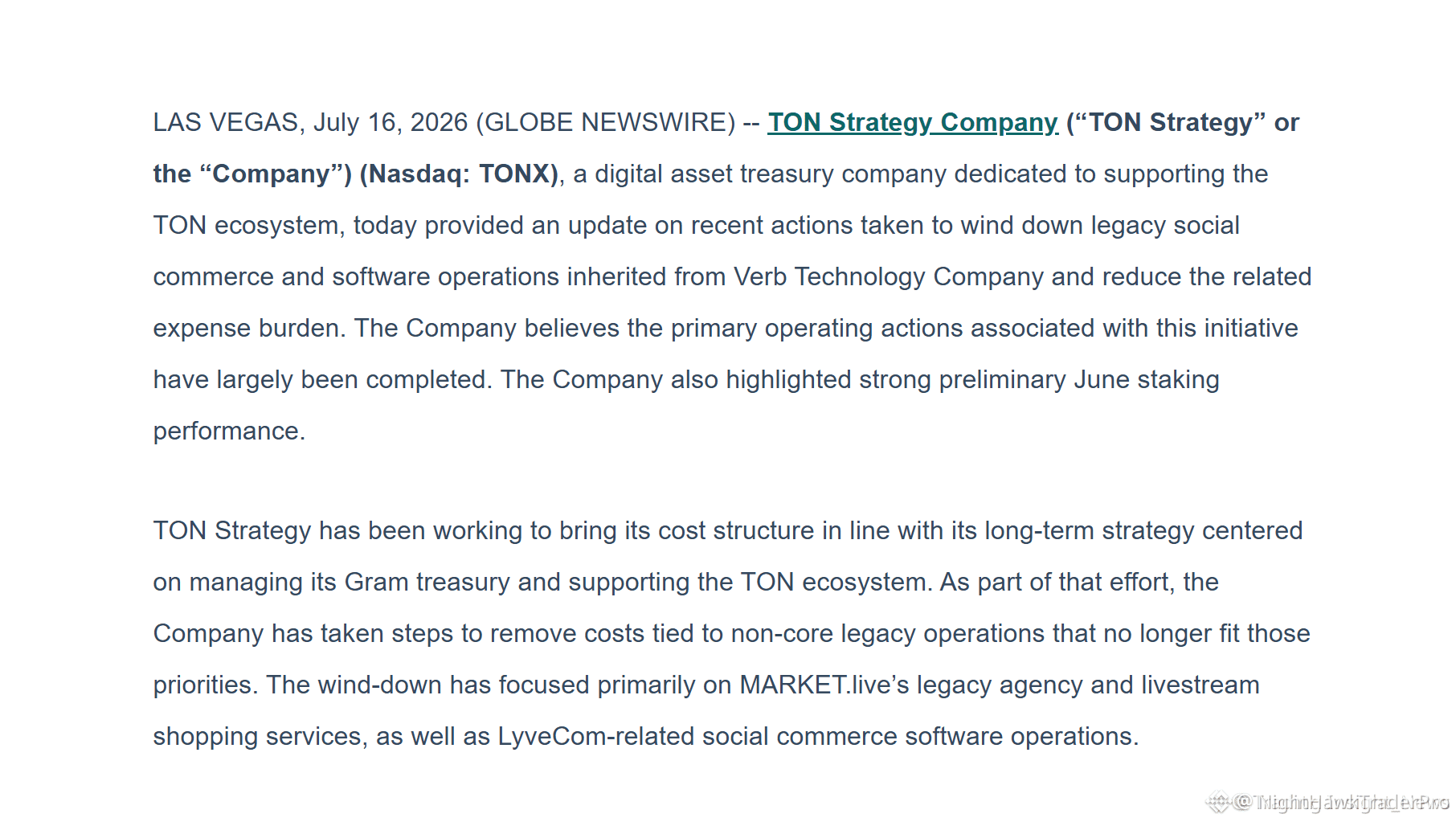
La empresa matriz detrás de Gram acaba de deshacerse de sus proyectos secundarios restantes, recortando la quema anual de efectivo en $4 millones para centrarse en el ecosistema TON, dejando el gasto en cero. Es una maniobra seria de reestructuración de costes por parte de una firma con una matriz cotizada.
Cuando un equipo recorta grasa con tanta agresividad, está apostando fuerte por el activo central. Podría ser el tipo de señal que el dinero institucional espera antes de intervenir.
¿Cuál es tu opinión: hace que TON sea una mejor opción a largo plazo?
No es asesoramiento financiero. Gestiona siempre tu riesgo.
#TON #Ecosystem #CryptoStrategy #InstitutionalFlow
💎
$TON LA ESTRATEGIA RECORTA COSTES EN $4M, VA A POR TODO CON EL ECOSISTEMA 🚀
La empresa matriz detrás de Gram acaba de deshacerse de sus proyectos secundarios restantes, recortando la quema anual de efectivo en $4 millones para centrarse en el ecosistema TON, dejando el gasto en cero. Es una maniobra seria de reestructuración de costes por parte de una firma con una matriz cotizada.
Cuando un equipo recorta grasa con tanta agresividad, está apostando fuerte por el activo central. Podría ser el tipo de señal que el dinero institucional espera antes de intervenir.
¿Cuál es tu opinión: hace que TON sea una mejor opción a largo plazo?
No es asesoramiento financiero. Gestiona siempre tu riesgo.
#TON #Ecosystem #CryptoStrategy #InstitutionalFlow
💎
La empresa matriz detrás de Gram acaba de deshacerse de sus proyectos secundarios restantes, recortando la quema anual de efectivo en $4 millones para centrarse en el ecosistema TON, dejando el gasto en cero. Es una maniobra seria de reestructuración de costes por parte de una firma con una matriz cotizada.
Cuando un equipo recorta grasa con tanta agresividad, está apostando fuerte por el activo central. Podría ser el tipo de señal que el dinero institucional espera antes de intervenir.
¿Cuál es tu opinión: hace que TON sea una mejor opción a largo plazo?
No es asesoramiento financiero. Gestiona siempre tu riesgo.
#TON #Ecosystem #CryptoStrategy #InstitutionalFlow
💎
345

NEAR Protocol lanza un hackatón de $250K: premios en tokens en $NEAR 🔥
¡Es un cambio revolucionario para los desarrolladores!
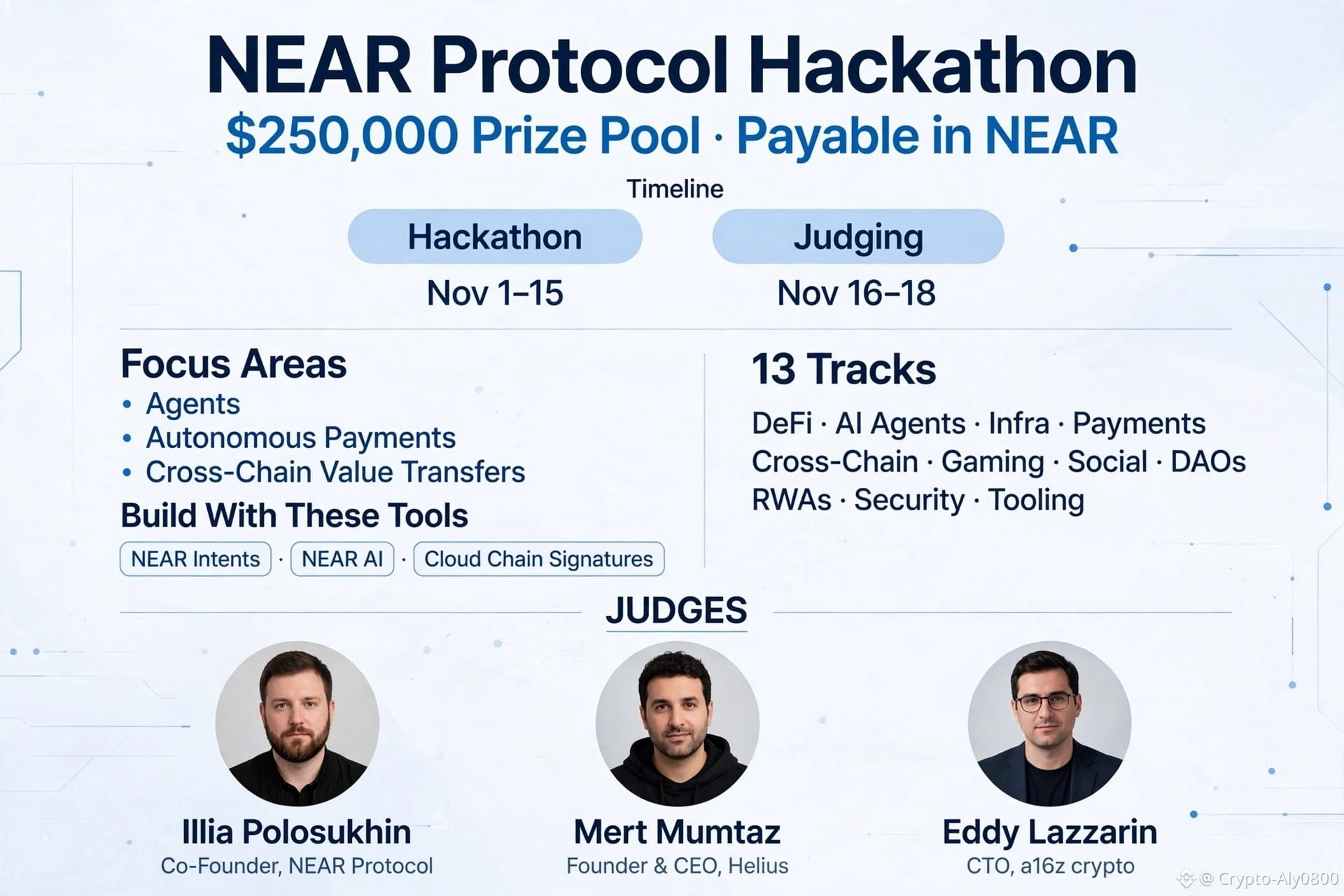
NEAR Protocol ha anunciado oficialmente un hackatón con premios de $250,000, que se entregarán en tokens NEAR.
📅 Fechas:
• Hackatón: 1 de nov. (8:00 a. m.) - 15 de nov. (7:59 a. m.)
• Evaluación: 16-18 de nov.
• Anuncio de ganadores: 19 de nov. (7:59 a. m.)
¿Qué crear?
El objetivo está muy claro: agentes de IA, pagos autónomos y transferencia de valor entre cadenas.
Tecnologías que debes conocer:
NEAR Intentions | NEAR AI Cloud | Chain Signatures
13 categorías: de DeFi a IA y videojuegos
El jurado estará formado por leyendas:
Illia Polosukhin (cofundador de NEAR),
Mert Mumtaz y Eddy Lazzarin.
Requisitos: repositorio público en GitHub + demo pública en X
En equipo o en solitario: ambas opciones son válidas.
¿Es bueno para el ecosistema $NEAR ?
¿Vas a participar?
$NEAR #Near #ecosystem #Binance
{spot}(NEARUSDT)
NEAR Protocol lanza un hackatón de $250K: premios en tokens en $NEAR 🔥
¡Es un cambio revolucionario para los desarrolladores!
NEAR Protocol ha anunciado oficialmente un hackatón con premios de $250,000, que se entregarán en tokens NEAR.
📅 Fechas:
• Hackatón: 1 de nov. (8:00 a. m.) - 15 de nov. (7:59 a. m.)
• Evaluación: 16-18 de nov.
• Anuncio de ganadores: 19 de nov. (7:59 a. m.)
¿Qué crear?
El objetivo está muy claro: agentes de IA, pagos autónomos y transferencia de valor entre cadenas.
Tecnologías que debes conocer:
NEAR Intentions | NEAR AI Cloud | Chain Signatures
13 categorías: de DeFi a IA y videojuegos
El jurado estará formado por leyendas:
Illia Polosukhin (cofundador de NEAR),
Mert Mumtaz y Eddy Lazzarin.
Requisitos: repositorio público en GitHub + demo pública en X
En equipo o en solitario: ambas opciones son válidas.
¿Es bueno para el ecosistema $NEAR ?
¿Vas a participar?
$NEAR #Near #ecosystem #Binance
¡Es un cambio revolucionario para los desarrolladores!
NEAR Protocol ha anunciado oficialmente un hackatón con premios de $250,000, que se entregarán en tokens NEAR.
📅 Fechas:
• Hackatón: 1 de nov. (8:00 a. m.) - 15 de nov. (7:59 a. m.)
• Evaluación: 16-18 de nov.
• Anuncio de ganadores: 19 de nov. (7:59 a. m.)
¿Qué crear?
El objetivo está muy claro: agentes de IA, pagos autónomos y transferencia de valor entre cadenas.
Tecnologías que debes conocer:
NEAR Intentions | NEAR AI Cloud | Chain Signatures
13 categorías: de DeFi a IA y videojuegos
El jurado estará formado por leyendas:
Illia Polosukhin (cofundador de NEAR),
Mert Mumtaz y Eddy Lazzarin.
Requisitos: repositorio público en GitHub + demo pública en X
En equipo o en solitario: ambas opciones son válidas.
¿Es bueno para el ecosistema $NEAR ?
¿Vas a participar?
$NEAR #Near #ecosystem #Binance
366

·
--
Lo que hace interesante a $KMNO es que las monedas del ecosistema suelen despertar justo después de que el ticker de titulares se satura demasiado.
#Ecosystem
{spot}(KMNOUSDT)
Lo que hace interesante a $KMNO es que las monedas del ecosistema suelen despertar justo después de que el ticker de titulares se satura demasiado.
#Ecosystem
#Ecosystem
19

·
--
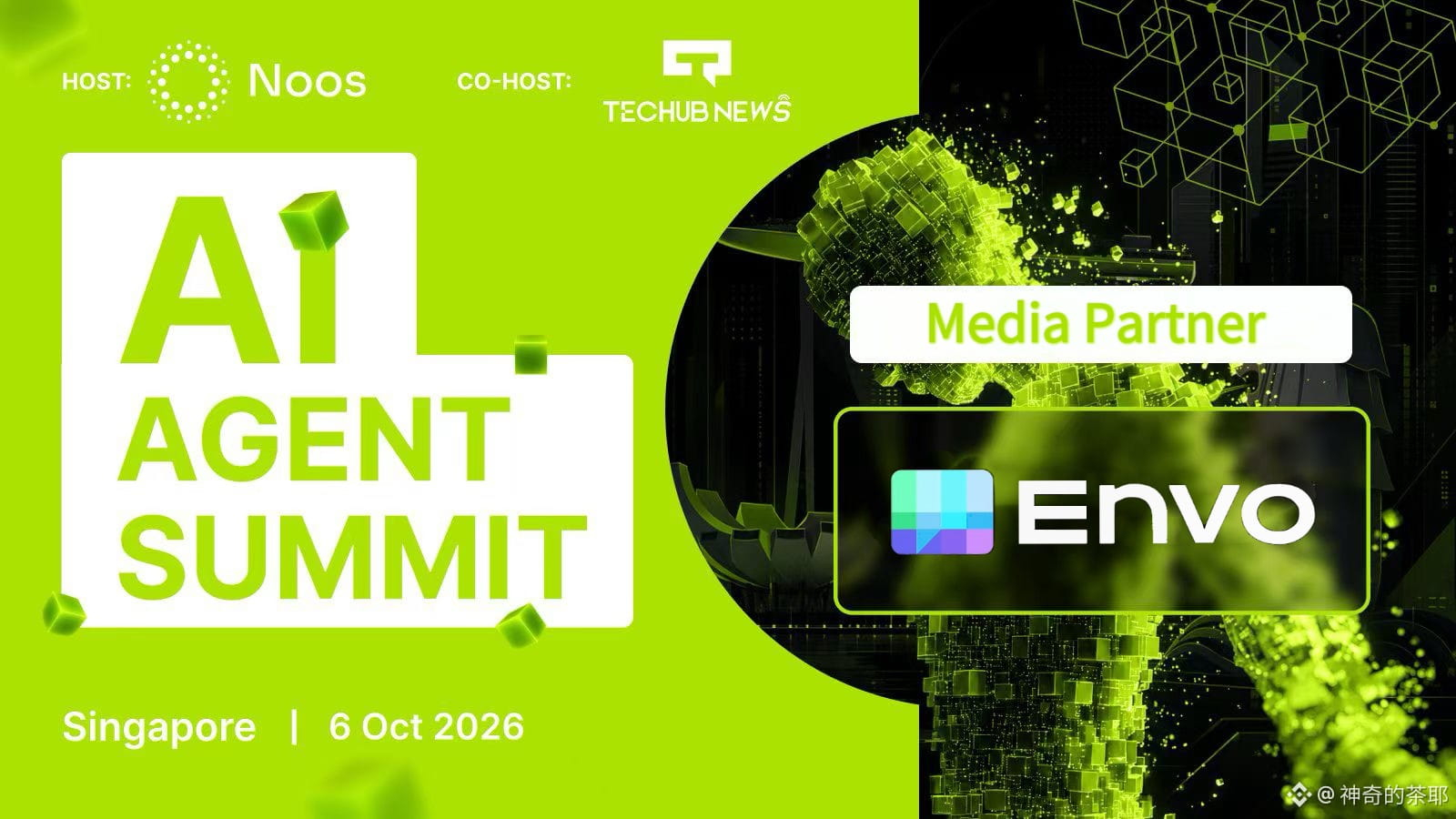
Día#1🌏 Conexiones genuinas con usuarios de todo el mundo.
El primer día de #TOKEN2049, nuestro stand estuvo lleno de energía increíble: demostraciones prácticas, colaboración internacional y desarrolladores que pudieron ver de primera mano cómo nuestras herramientas mejoran la gobernanza y la participación de la comunidad.
Hoy, en nuestro stand, estamos mostrando cómo abordar la fragmentación del ecosistema Web3 mediante una arquitectura diseñada para facilitar la interacción y la gobernanza participativa, derribando las barreras lingüísticas y eliminando los obstáculos técnicos que suelen limitar a las DAO tradicionales.
¡Nuestra mascota oficial se robó el espectáculo!😍 Literalmente, no hubo ni un minuto sin fotos, sonrisas y momentos épicos con todas las personas que se acercaron al stand.
Esto es solo el comienzo; el día 2 promete aún más.
¡Gracias a todos los que se acercaron y aportaron su energía a nuestra visión!👏
#token2049 #web3 #ecosystem
Día#1🌏 Conexiones genuinas con usuarios de todo el mundo.
El primer día de #TOKEN2049, nuestro stand estuvo lleno de energía increíble: demostraciones prácticas, colaboración internacional y desarrolladores que pudieron ver de primera mano cómo nuestras herramientas mejoran la gobernanza y la participación de la comunidad.
Hoy, en nuestro stand, estamos mostrando cómo abordar la fragmentación del ecosistema Web3 mediante una arquitectura diseñada para facilitar la interacción y la gobernanza participativa, derribando las barreras lingüísticas y eliminando los obstáculos técnicos que suelen limitar a las DAO tradicionales.
¡Nuestra mascota oficial se robó el espectáculo!😍 Literalmente, no hubo ni un minuto sin fotos, sonrisas y momentos épicos con todas las personas que se acercaron al stand.
Esto es solo el comienzo; el día 2 promete aún más.
¡Gracias a todos los que se acercaron y aportaron su energía a nuestra visión!👏
#token2049 #web3 #ecosystem
El primer día de #TOKEN2049, nuestro stand estuvo lleno de energía increíble: demostraciones prácticas, colaboración internacional y desarrolladores que pudieron ver de primera mano cómo nuestras herramientas mejoran la gobernanza y la participación de la comunidad.
Hoy, en nuestro stand, estamos mostrando cómo abordar la fragmentación del ecosistema Web3 mediante una arquitectura diseñada para facilitar la interacción y la gobernanza participativa, derribando las barreras lingüísticas y eliminando los obstáculos técnicos que suelen limitar a las DAO tradicionales.
¡Nuestra mascota oficial se robó el espectáculo!😍 Literalmente, no hubo ni un minuto sin fotos, sonrisas y momentos épicos con todas las personas que se acercaron al stand.
Esto es solo el comienzo; el día 2 promete aún más.
¡Gracias a todos los que se acercaron y aportaron su energía a nuestra visión!👏
#token2049 #web3 #ecosystem
84

📈 El aumento de los ingresos de las aplicaciones de Solana alcanza su máximo en nueve meses
Los ingresos de las aplicaciones de Solana han registrado un aumento notable, alcanzando los 180 millones de dólares al mes, el nivel más alto desde hace nueve meses. Este crecimiento refleja la expansión continua del ecosistema de la red.
━━━━━━━━━━━━━━
📊 Impacto: 📈 Alto
🏷️ ALTCOIN
#Solana #Blockchain #Ecosystem #CryptoNews
📰 Fuente: cryptobriefing.com
📈 El aumento de los ingresos de las aplicaciones de Solana alcanza su máximo en nueve meses
Los ingresos de las aplicaciones de Solana han registrado un aumento notable, alcanzando los 180 millones de dólares al mes, el nivel más alto desde hace nueve meses. Este crecimiento refleja la expansión continua del ecosistema de la red.
━━━━━━━━━━━━━━
📊 Impacto: 📈 Alto
🏷️ ALTCOIN
#Solana #Blockchain #Ecosystem #CryptoNews
📰 Fuente: cryptobriefing.com
Los ingresos de las aplicaciones de Solana han registrado un aumento notable, alcanzando los 180 millones de dólares al mes, el nivel más alto desde hace nueve meses. Este crecimiento refleja la expansión continua del ecosistema de la red.
━━━━━━━━━━━━━━
📊 Impacto: 📈 Alto
🏷️ ALTCOIN
#Solana #Blockchain #Ecosystem #CryptoNews
📰 Fuente: cryptobriefing.com
92

Artículo
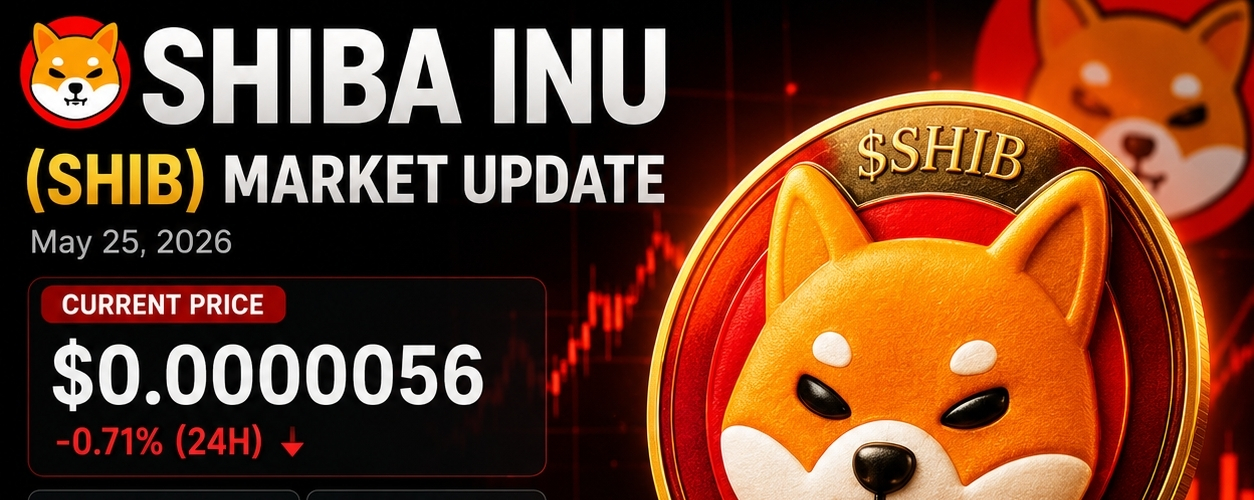
El precio actual de ShibaEl precio actual de Shiba Inu está cotizando alrededor de $0.0000056 hoy, con un impulso a corto plazo mixto en el mercado cripto. �
Coinbase +2
Resumen del mercado de SHIB — 25 de mayo de 2026
Precio: ~$0.0000056
Movimiento en 24h: Ligeramente bajista a plano
Capitalización de mercado: Alrededor de $3.3B–$3.7B
Tendencia: Consolidación débil con alta volatilidad de meme-coins �$SHIB #shiba⚡
MetaMask +2
Señales clave de SHIB para hoy
Casi 490 mil millones de SHIB se movieron de los exchanges, lo que puede reducir la presión de venta inmediata y a menudo se ve como una señal alcista a largo plazo. �
El precio actual de Shiba
El precio actual de Shiba Inu está cotizando alrededor de $0.0000056 hoy, con un impulso a corto plazo mixto en el mercado cripto. �
Coinbase +2
Resumen del mercado de SHIB — 25 de mayo de 2026
Precio: ~$0.0000056
Movimiento en 24h: Ligeramente bajista a plano
Capitalización de mercado: Alrededor de $3.3B–$3.7B
Tendencia: Consolidación débil con alta volatilidad de meme-coins �$SHIB #shiba⚡
MetaMask +2
Señales clave de SHIB para hoy
Casi 490 mil millones de SHIB se movieron de los exchanges, lo que puede reducir la presión de venta inmediata y a menudo se ve como una señal alcista a largo plazo. �
Coinbase +2
Resumen del mercado de SHIB — 25 de mayo de 2026
Precio: ~$0.0000056
Movimiento en 24h: Ligeramente bajista a plano
Capitalización de mercado: Alrededor de $3.3B–$3.7B
Tendencia: Consolidación débil con alta volatilidad de meme-coins �$SHIB #shiba⚡
MetaMask +2
Señales clave de SHIB para hoy
Casi 490 mil millones de SHIB se movieron de los exchanges, lo que puede reducir la presión de venta inmediata y a menudo se ve como una señal alcista a largo plazo. �
232

·
--
Base Azul se lanza en la mainnet, mejorando la velocidad y seguridad para la red de capa 2 de Coinbase
El lanzamiento de Azul en Base podría redefinir la escalabilidad y seguridad de la Capa 2, acelerando potencialmente la adopción e innovación más amplia de Ethereum.
La publicación Base Azul se lanza en la mainnet, mejorando la velocidad y seguridad para la red de capa 2 de Coinbase apareció primero en Crypto Briefing.
#Ecosistema
Base Azul se lanza en la mainnet, mejorando la velocidad y seguridad para la red de capa 2 de Coinbase
El lanzamiento de Azul en Base podría redefinir la escalabilidad y seguridad de la Capa 2, acelerando potencialmente la adopción e innovación más amplia de Ethereum.
La publicación Base Azul se lanza en la mainnet, mejorando la velocidad y seguridad para la red de capa 2 de Coinbase apareció primero en Crypto Briefing.
#Ecosistema
El lanzamiento de Azul en Base podría redefinir la escalabilidad y seguridad de la Capa 2, acelerando potencialmente la adopción e innovación más amplia de Ethereum.
La publicación Base Azul se lanza en la mainnet, mejorando la velocidad y seguridad para la red de capa 2 de Coinbase apareció primero en Crypto Briefing.
#Ecosistema
36
Espresso ( ESP ) está abriendo un nicho con su plataforma de lanzamiento impulsada por la comunidad, mientras ZBT ( ZBT ) muestra una sólida consolidación de bloques de orden de cara a su próximo impulso de liquidez. Muub ( MUUB ) impulsa el crecimiento del ecosistema mediante puentes entre cadenas, impulsando una mayor actividad y momentum de trading. El sentimiento de los inversores se mantiene alcista a medida que se amplía la adopción, y el grupo de liquidez combinado señala un mercado innovador y saludable. 🚀📈💹 #Crypto #Trading #Innovation #Ecosystem #Liquidity
Espresso ( ESP ) está abriendo un nicho con su plataforma de lanzamiento impulsada por la comunidad, mientras ZBT ( ZBT ) muestra una sólida consolidación de bloques de orden de cara a su próximo impulso de liquidez. Muub ( MUUB ) impulsa el crecimiento del ecosistema mediante puentes entre cadenas, impulsando una mayor actividad y momentum de trading. El sentimiento de los inversores se mantiene alcista a medida que se amplía la adopción, y el grupo de liquidez combinado señala un mercado innovador y saludable. 🚀📈💹 #Crypto #Trading #Innovation #Ecosystem #Liquidity
171
Inicia sesión para explorar más contenidos
Únete a usuarios globales de criptomonedas en Binance Square
⚡️ Obtén información útil y actualizada sobre criptos.
💬 Avalado por el mayor exchange de criptomonedas en el mundo.
👍 Descubre perspectivas reales de creadores verificados.
Email/número de teléfono
Temas populares
1
#BinancePick
3M vistas
152,524 están debatiendo
2
#EarningsSeason
5.3M vistas
25,932 están debatiendo
3
#AnthropicTTMRevenueGrewAbout1200%
27,197 vistas
390 están debatiendo
4
#AnthropicS1ExpectedToday
24,774 vistas
327 están debatiendo
5
#SouthKoreaReportedlyWeighsFourthCryptoTaxDelay
29,444 vistas
452 están debatiendo
6
#FranklinTempletonFilesForTwoDividendToBitcoinETFs
38,719 vistas
525 están debatiendo
7
#StrategyMSTRSurpassesNasdaqInMarketCap
28,959 vistas
379 están debatiendo
8
#CanadaProposesStablecoinRedemptionWithin3BusinessDays
1,286 vistas
36 están debatiendo
9
#ElectrumWalletBugLetRogueServersStealFunds
30,196 vistas
456 están debatiendo
10
#ArgentineCourtDismissesLIBRACaseAgainstMilei
45,263 vistas
564 están debatiendo