

#bitcoin
bitcoin
338.5M vistas
762,086 están debatiendo
Hot
Lo último

·
--
Alcista
☕🤣 "Pagué la pizza con la tarjeta equivocada": Tragedia en 3 actos 🍕💸
Año 2017. Carlos quería impresionar a su novia y pagó una cena de $60 USD usando por primera vez su tarjeta cripto. Se sintió un genio de la tecnología... hasta que vio la notificación. 📱✨
En vez de usar USDT, la app gastó por error 0.02 BTC (en ese tiempo, $3,000 por BTC).
Dolía, pero eran $60 al fin y al cabo. El problema es HOY. 💀
Con Bitcoin rozando los $86,000 USD:
🍕 Cena en 2017: $60 USD.
💸 Lo que valen esos 0.02 BTC hoy: ¡$1,720 DÓLARES! 😱😭
Hoy su esposa le pide volver a ese restaurante y Carlos entra en sudor frío recordando la cena más cara de su vida.
💡 Lección del día:
1. Revisa qué moneda gastas: Pagar el diario con BTC es gastar lingotes de oro en empanadas.
2. Stablecoins para el diario (USDT): Deja tu Bitcoin en el congelador. ❄️🔒
💬 Confiesa en los comentarios: ¿Cuál es el gasto en cripto del que más te arrepientes hoy? 😂👇$BTC #bitcoin #Spot
{spot}(BTCUSDT)
☕🤣 "Pagué la pizza con la tarjeta equivocada": Tragedia en 3 actos 🍕💸
Año 2017. Carlos quería impresionar a su novia y pagó una cena de $60 USD usando por primera vez su tarjeta cripto. Se sintió un genio de la tecnología... hasta que vio la notificación. 📱✨
En vez de usar USDT, la app gastó por error 0.02 BTC (en ese tiempo, $3,000 por BTC).
Dolía, pero eran $60 al fin y al cabo. El problema es HOY. 💀
Con Bitcoin rozando los $86,000 USD:
🍕 Cena en 2017: $60 USD.
💸 Lo que valen esos 0.02 BTC hoy: ¡$1,720 DÓLARES! 😱😭
Hoy su esposa le pide volver a ese restaurante y Carlos entra en sudor frío recordando la cena más cara de su vida.
💡 Lección del día:
1. Revisa qué moneda gastas: Pagar el diario con BTC es gastar lingotes de oro en empanadas.
2. Stablecoins para el diario (USDT): Deja tu Bitcoin en el congelador. ❄️🔒
💬 Confiesa en los comentarios: ¿Cuál es el gasto en cripto del que más te arrepientes hoy? 😂👇$BTC #bitcoin #Spot
Año 2017. Carlos quería impresionar a su novia y pagó una cena de $60 USD usando por primera vez su tarjeta cripto. Se sintió un genio de la tecnología... hasta que vio la notificación. 📱✨
En vez de usar USDT, la app gastó por error 0.02 BTC (en ese tiempo, $3,000 por BTC).
Dolía, pero eran $60 al fin y al cabo. El problema es HOY. 💀
Con Bitcoin rozando los $86,000 USD:
🍕 Cena en 2017: $60 USD.
💸 Lo que valen esos 0.02 BTC hoy: ¡$1,720 DÓLARES! 😱😭
Hoy su esposa le pide volver a ese restaurante y Carlos entra en sudor frío recordando la cena más cara de su vida.
💡 Lección del día:
1. Revisa qué moneda gastas: Pagar el diario con BTC es gastar lingotes de oro en empanadas.
2. Stablecoins para el diario (USDT): Deja tu Bitcoin en el congelador. ❄️🔒
💬 Confiesa en los comentarios: ¿Cuál es el gasto en cripto del que más te arrepientes hoy? 😂👇$BTC #bitcoin #Spot
2
758

·
--

Artículo
💵 ¿SE PUEDE EMPEZAR EN BINANCE CON SOLO US$10?Sí.
Y justamente por eso quiero hablar de esto.
Cuando alguien escucha “invertir en crypto”, muchas veces piensa que necesita cientos o miles de dólares para empezar.
Pero imaginemos otra situación:
Tenés US$10.
No US$1.000.
No US$500.
Solo US$10.
¿Alcanza para hacer algo?
Sí. Pero hay algo todavía más importante:
¿Alcanza para empezar a aprender?
Y para mí, esa es la pregunta interesante.
🧠 1. Antes de comprar, entendé qué estás comprando
Con US$10 tampoco conviene entrar a cualquier activo solamente porque alguien dijo:
“Este va a subir.”
Antes de tocar el botón de comprar, yo me haría al menos estas preguntas:
🔎 ¿Qué estoy comprando?
🎯 ¿Para qué sirve?
💎 ¿Por qué tiene valor?
⚠️ ¿Qué riesgos tiene?
🏦 ¿Dónde estoy comprándolo?
Porque si la única respuesta que tenemos es:
“Porque todo el mundo dice que va a subir”
probablemente todavía nos falta aprender un poco más.
Y eso no tiene nada de malo.
Para eso también sirve empezar con poco.
₿ 2. ¿BTC, BNB, USDC o una altcoin?
Acá empieza lo interesante.
Con US$10 no necesitás intentar comprar 15 criptomonedas diferentes.
Podés utilizar una cantidad pequeña simplemente para entender cómo funciona el mercado.
Por ejemplo:
🟠 BTC → conocer el comportamiento de Bitcoin.
🟡 BNB → entender otro activo importante dentro del ecosistema Binance.
🔵 USDC → aprender cómo funcionan las stablecoins.
🟣 Una altcoin → investigar un proyecto diferente y entender qué riesgo adicional implica.
🌱 Binance Earn → conocer productos que pueden generar rendimiento, entendiendo siempre sus condiciones y riesgos.
No existe una distribución universalmente correcta.
Lo importante es entender por qué estás poniendo tu dinero en cada lugar.
⚠️ Y acá hay algo que no quiero que nadie pase por alto
US$10 también pueden perder valor.
Que la cantidad sea pequeña no elimina el riesgo.
De hecho, empezar con poco puede ser una buena oportunidad para aprender a manejar ese riesgo antes de tener una cantidad mucho mayor.
Porque hay una diferencia enorme entre:
“Perdí US$2 mientras estaba aprendiendo”
y
“Perdí US$200 porque entré sin entender qué estaba haciendo.”
📱 3. Lo más valioso de empezar con US$10 quizás no sea el rendimiento
Imaginá que esos US$10 te permiten aprender:
📊 cómo mirar el precio de un activo
📈 qué significa una vela
🔄 cómo funciona un par como BTC/USDT
💱 cómo comprar y vender
💰 cómo funcionan determinados productos de Earn
🔐 cómo proteger tus fondos
📉 qué significa realmente asumir riesgo
Eso tiene valor aunque el resultado de esos US$10 sea pequeño.
Porque después podés aplicar lo aprendido cuando tengas:
US$50 → US$100 → US$500 → US$1.000.
El capital puede crecer.
Pero los malos hábitos también.
💡 4. Lo que yo haría con esos US$10
Si alguien me dijera:
“Te doy US$10 para empezar desde cero.”
Mi objetivo no sería convertirlos mágicamente en US$100.
Mi objetivo sería convertir esos US$10 en experiencia.
Aprendería a:
Comprar y vender.
Observar BTC/USDT.
Entender qué estoy pagando.
Conocer los distintos productos disponibles.
Aprender a gestionar el riesgo.
Y, sobre todo, evitar tomar decisiones solamente porque alguien en Internet dice que algo “va a explotar”.
Porque si aprendés a administrar correctamente US$10...
mañana podés aplicar exactamente esos conocimientos cuando tengas US$100.
Y después US$1.000.
🔥 AHORA QUIERO SABER QUÉ HARÍAS VOS
Supongamos que Binance te regalara US$10 para empezar.
No podés agregar más dinero.
Tenés que decidir qué hacer con esos US$10.
👇 ¿Cuál elegirías?
🟠 BTC
🟡 BNB
🔵 USDC
🟣 Una altcoin
🌱 Binance Earn
Y quiero saber el porqué, no solamente la opción.
Porque ahí está la parte interesante del debate.
¿Buscarías aprender?
¿Buscarías rendimiento?
¿Buscarías exposición al mercado?
¿Preferirías mantener estabilidad?
Te leo en los comentarios. 👇
🎯 Y una última cosa
Si estás empezando con poco dinero, no subestimes el valor de aprender con poco.
US$10 pueden parecer insignificantes.
Pero una buena experiencia aprendida con US$10 puede acompañarte durante mucho tiempo.
¿Vos con qué empezarías? 👇
Contenido informativo y educativo. No constituye asesoramiento financiero. Las criptomonedas implican riesgos y pueden perder valor. Investigá por tu cuenta antes de invertir.
#Binance #BinanceSquare #crypto #bitcoin $BNB $USDC
{spot}(BTCUSDT)
{spot}(ETHUSDT)
💵 ¿SE PUEDE EMPEZAR EN BINANCE CON SOLO US$10?
Sí.
Y justamente por eso quiero hablar de esto.
Cuando alguien escucha “invertir en crypto”, muchas veces piensa que necesita cientos o miles de dólares para empezar.
Pero imaginemos otra situación:
Tenés US$10.
No US$1.000.
No US$500.
Solo US$10.
¿Alcanza para hacer algo?
Sí. Pero hay algo todavía más importante:
¿Alcanza para empezar a aprender?
Y para mí, esa es la pregunta interesante.
🧠 1. Antes de comprar, entendé qué estás comprando
Con US$10 tampoco conviene entrar a cualquier activo solamente porque alguien dijo:
“Este va a subir.”
Antes de tocar el botón de comprar, yo me haría al menos estas preguntas:
🔎 ¿Qué estoy comprando?
🎯 ¿Para qué sirve?
💎 ¿Por qué tiene valor?
⚠️ ¿Qué riesgos tiene?
🏦 ¿Dónde estoy comprándolo?
Porque si la única respuesta que tenemos es:
“Porque todo el mundo dice que va a subir”
probablemente todavía nos falta aprender un poco más.
Y eso no tiene nada de malo.
Para eso también sirve empezar con poco.
₿ 2. ¿BTC, BNB, USDC o una altcoin?
Acá empieza lo interesante.
Con US$10 no necesitás intentar comprar 15 criptomonedas diferentes.
Podés utilizar una cantidad pequeña simplemente para entender cómo funciona el mercado.
Por ejemplo:
🟠 BTC → conocer el comportamiento de Bitcoin.
🟡 BNB → entender otro activo importante dentro del ecosistema Binance.
🔵 USDC → aprender cómo funcionan las stablecoins.
🟣 Una altcoin → investigar un proyecto diferente y entender qué riesgo adicional implica.
🌱 Binance Earn → conocer productos que pueden generar rendimiento, entendiendo siempre sus condiciones y riesgos.
No existe una distribución universalmente correcta.
Lo importante es entender por qué estás poniendo tu dinero en cada lugar.
⚠️ Y acá hay algo que no quiero que nadie pase por alto
US$10 también pueden perder valor.
Que la cantidad sea pequeña no elimina el riesgo.
De hecho, empezar con poco puede ser una buena oportunidad para aprender a manejar ese riesgo antes de tener una cantidad mucho mayor.
Porque hay una diferencia enorme entre:
“Perdí US$2 mientras estaba aprendiendo”
y
“Perdí US$200 porque entré sin entender qué estaba haciendo.”
📱 3. Lo más valioso de empezar con US$10 quizás no sea el rendimiento
Imaginá que esos US$10 te permiten aprender:
📊 cómo mirar el precio de un activo
📈 qué significa una vela
🔄 cómo funciona un par como BTC/USDT
💱 cómo comprar y vender
💰 cómo funcionan determinados productos de Earn
🔐 cómo proteger tus fondos
📉 qué significa realmente asumir riesgo
Eso tiene valor aunque el resultado de esos US$10 sea pequeño.
Porque después podés aplicar lo aprendido cuando tengas:
US$50 → US$100 → US$500 → US$1.000.
El capital puede crecer.
Pero los malos hábitos también.
💡 4. Lo que yo haría con esos US$10
Si alguien me dijera:
“Te doy US$10 para empezar desde cero.”
Mi objetivo no sería convertirlos mágicamente en US$100.
Mi objetivo sería convertir esos US$10 en experiencia.
Aprendería a:
Comprar y vender.
Observar BTC/USDT.
Entender qué estoy pagando.
Conocer los distintos productos disponibles.
Aprender a gestionar el riesgo.
Y, sobre todo, evitar tomar decisiones solamente porque alguien en Internet dice que algo “va a explotar”.
Porque si aprendés a administrar correctamente US$10...
mañana podés aplicar exactamente esos conocimientos cuando tengas US$100.
Y después US$1.000.
🔥 AHORA QUIERO SABER QUÉ HARÍAS VOS
Supongamos que Binance te regalara US$10 para empezar.
No podés agregar más dinero.
Tenés que decidir qué hacer con esos US$10.
👇 ¿Cuál elegirías?
🟠 BTC
🟡 BNB
🔵 USDC
🟣 Una altcoin
🌱 Binance Earn
Y quiero saber el porqué, no solamente la opción.
Porque ahí está la parte interesante del debate.
¿Buscarías aprender?
¿Buscarías rendimiento?
¿Buscarías exposición al mercado?
¿Preferirías mantener estabilidad?
Te leo en los comentarios. 👇
🎯 Y una última cosa
Si estás empezando con poco dinero, no subestimes el valor de aprender con poco.
US$10 pueden parecer insignificantes.
Pero una buena experiencia aprendida con US$10 puede acompañarte durante mucho tiempo.
¿Vos con qué empezarías? 👇
Contenido informativo y educativo. No constituye asesoramiento financiero. Las criptomonedas implican riesgos y pueden perder valor. Investigá por tu cuenta antes de invertir.
#Binance #BinanceSquare #crypto #bitcoin $BNB $USDC
Y justamente por eso quiero hablar de esto.
Cuando alguien escucha “invertir en crypto”, muchas veces piensa que necesita cientos o miles de dólares para empezar.
Pero imaginemos otra situación:
Tenés US$10.
No US$1.000.
No US$500.
Solo US$10.
¿Alcanza para hacer algo?
Sí. Pero hay algo todavía más importante:
¿Alcanza para empezar a aprender?
Y para mí, esa es la pregunta interesante.
🧠 1. Antes de comprar, entendé qué estás comprando
Con US$10 tampoco conviene entrar a cualquier activo solamente porque alguien dijo:
“Este va a subir.”
Antes de tocar el botón de comprar, yo me haría al menos estas preguntas:
🔎 ¿Qué estoy comprando?
🎯 ¿Para qué sirve?
💎 ¿Por qué tiene valor?
⚠️ ¿Qué riesgos tiene?
🏦 ¿Dónde estoy comprándolo?
Porque si la única respuesta que tenemos es:
“Porque todo el mundo dice que va a subir”
probablemente todavía nos falta aprender un poco más.
Y eso no tiene nada de malo.
Para eso también sirve empezar con poco.
₿ 2. ¿BTC, BNB, USDC o una altcoin?
Acá empieza lo interesante.
Con US$10 no necesitás intentar comprar 15 criptomonedas diferentes.
Podés utilizar una cantidad pequeña simplemente para entender cómo funciona el mercado.
Por ejemplo:
🟠 BTC → conocer el comportamiento de Bitcoin.
🟡 BNB → entender otro activo importante dentro del ecosistema Binance.
🔵 USDC → aprender cómo funcionan las stablecoins.
🟣 Una altcoin → investigar un proyecto diferente y entender qué riesgo adicional implica.
🌱 Binance Earn → conocer productos que pueden generar rendimiento, entendiendo siempre sus condiciones y riesgos.
No existe una distribución universalmente correcta.
Lo importante es entender por qué estás poniendo tu dinero en cada lugar.
⚠️ Y acá hay algo que no quiero que nadie pase por alto
US$10 también pueden perder valor.
Que la cantidad sea pequeña no elimina el riesgo.
De hecho, empezar con poco puede ser una buena oportunidad para aprender a manejar ese riesgo antes de tener una cantidad mucho mayor.
Porque hay una diferencia enorme entre:
“Perdí US$2 mientras estaba aprendiendo”
y
“Perdí US$200 porque entré sin entender qué estaba haciendo.”
📱 3. Lo más valioso de empezar con US$10 quizás no sea el rendimiento
Imaginá que esos US$10 te permiten aprender:
📊 cómo mirar el precio de un activo
📈 qué significa una vela
🔄 cómo funciona un par como BTC/USDT
💱 cómo comprar y vender
💰 cómo funcionan determinados productos de Earn
🔐 cómo proteger tus fondos
📉 qué significa realmente asumir riesgo
Eso tiene valor aunque el resultado de esos US$10 sea pequeño.
Porque después podés aplicar lo aprendido cuando tengas:
US$50 → US$100 → US$500 → US$1.000.
El capital puede crecer.
Pero los malos hábitos también.
💡 4. Lo que yo haría con esos US$10
Si alguien me dijera:
“Te doy US$10 para empezar desde cero.”
Mi objetivo no sería convertirlos mágicamente en US$100.
Mi objetivo sería convertir esos US$10 en experiencia.
Aprendería a:
Comprar y vender.
Observar BTC/USDT.
Entender qué estoy pagando.
Conocer los distintos productos disponibles.
Aprender a gestionar el riesgo.
Y, sobre todo, evitar tomar decisiones solamente porque alguien en Internet dice que algo “va a explotar”.
Porque si aprendés a administrar correctamente US$10...
mañana podés aplicar exactamente esos conocimientos cuando tengas US$100.
Y después US$1.000.
🔥 AHORA QUIERO SABER QUÉ HARÍAS VOS
Supongamos que Binance te regalara US$10 para empezar.
No podés agregar más dinero.
Tenés que decidir qué hacer con esos US$10.
👇 ¿Cuál elegirías?
🟠 BTC
🟡 BNB
🔵 USDC
🟣 Una altcoin
🌱 Binance Earn
Y quiero saber el porqué, no solamente la opción.
Porque ahí está la parte interesante del debate.
¿Buscarías aprender?
¿Buscarías rendimiento?
¿Buscarías exposición al mercado?
¿Preferirías mantener estabilidad?
Te leo en los comentarios. 👇
🎯 Y una última cosa
Si estás empezando con poco dinero, no subestimes el valor de aprender con poco.
US$10 pueden parecer insignificantes.
Pero una buena experiencia aprendida con US$10 puede acompañarte durante mucho tiempo.
¿Vos con qué empezarías? 👇
Contenido informativo y educativo. No constituye asesoramiento financiero. Las criptomonedas implican riesgos y pueden perder valor. Investigá por tu cuenta antes de invertir.
#Binance #BinanceSquare #crypto #bitcoin $BNB $USDC
ULcriptorayo:
está bien explicado, lo entendí ! BTC
USDT, BNB ,etc etc!
3
2
130

·
--
Alcista
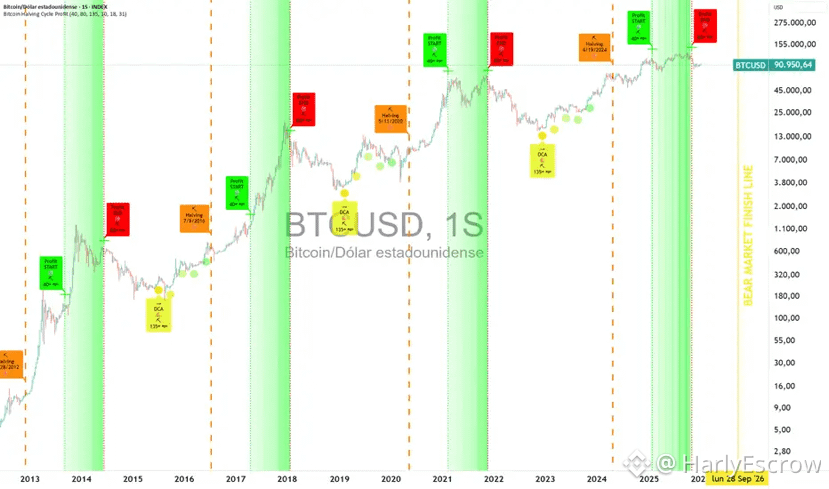
🚨 EL MERCADO CRIPTO REVIENTA EL Q3 CON MÁXIMOS INSTITUCIONALES! 🚀
El cierre del tercer trimestre de 2026 está haciendo historia. Tras superar brevemente los $87.000 a principios de esta semana, #Bitcoin se estabiliza con solidez en el rango de los $84.300 - $84.600, impulsado por una presión de compra institucional sin precedentes.
$BTC #btc #bitcoin #HISTORIA
{spot}(BTCUSDT)
🚨 EL MERCADO CRIPTO REVIENTA EL Q3 CON MÁXIMOS INSTITUCIONALES! 🚀
El cierre del tercer trimestre de 2026 está haciendo historia. Tras superar brevemente los $87.000 a principios de esta semana, #Bitcoin se estabiliza con solidez en el rango de los $84.300 - $84.600, impulsado por una presión de compra institucional sin precedentes.
$BTC #btc #bitcoin #HISTORIA
El cierre del tercer trimestre de 2026 está haciendo historia. Tras superar brevemente los $87.000 a principios de esta semana, #Bitcoin se estabiliza con solidez en el rango de los $84.300 - $84.600, impulsado por una presión de compra institucional sin precedentes.
$BTC #btc #bitcoin #HISTORIA
1
223



·
--
Alcista
¿Está $BTC preparándose para su próximo gran movimiento?
Bitcoin ha mostrado una fuerte actividad recientemente, rondando la zona clave de los $84,000 a $86,000. Tras los recientes flujos de capital institucional hacia los ETFs, el mercado está evaluando si hay suficiente fuerza compradora para ir por nuevos máximos.
La zona de los $83,000 ha funcionado como un suelo importante. Perder este nivel podría llevar a una consolidación más larga. Superar los $86,000 a $87,000 con fuerza podría encender un nuevo sentimiento alcista en el mercado.
La volatilidad está a la vuelta de la esquina. ¿Tú qué harás? ¿Estás acumulando más o tomando ganancias en estos niveles?
Haz clic en el símbolo de BTC aquí abajo para ver el gráfico en vivo y gestionar tus posiciones ahora mismo👇
#Bitcoin #Criptomonedas #Trading #BTC
¿Está $BTC preparándose para su próximo gran movimiento?
Bitcoin ha mostrado una fuerte actividad recientemente, rondando la zona clave de los $84,000 a $86,000. Tras los recientes flujos de capital institucional hacia los ETFs, el mercado está evaluando si hay suficiente fuerza compradora para ir por nuevos máximos.
La zona de los $83,000 ha funcionado como un suelo importante. Perder este nivel podría llevar a una consolidación más larga. Superar los $86,000 a $87,000 con fuerza podría encender un nuevo sentimiento alcista en el mercado.
La volatilidad está a la vuelta de la esquina. ¿Tú qué harás? ¿Estás acumulando más o tomando ganancias en estos niveles?
Haz clic en el símbolo de BTC aquí abajo para ver el gráfico en vivo y gestionar tus posiciones ahora mismo👇
#Bitcoin #Criptomonedas #Trading #BTC
Bitcoin ha mostrado una fuerte actividad recientemente, rondando la zona clave de los $84,000 a $86,000. Tras los recientes flujos de capital institucional hacia los ETFs, el mercado está evaluando si hay suficiente fuerza compradora para ir por nuevos máximos.
La zona de los $83,000 ha funcionado como un suelo importante. Perder este nivel podría llevar a una consolidación más larga. Superar los $86,000 a $87,000 con fuerza podría encender un nuevo sentimiento alcista en el mercado.
La volatilidad está a la vuelta de la esquina. ¿Tú qué harás? ¿Estás acumulando más o tomando ganancias en estos niveles?
Haz clic en el símbolo de BTC aquí abajo para ver el gráfico en vivo y gestionar tus posiciones ahora mismo👇
#Bitcoin #Criptomonedas #Trading #BTC
143

·
--
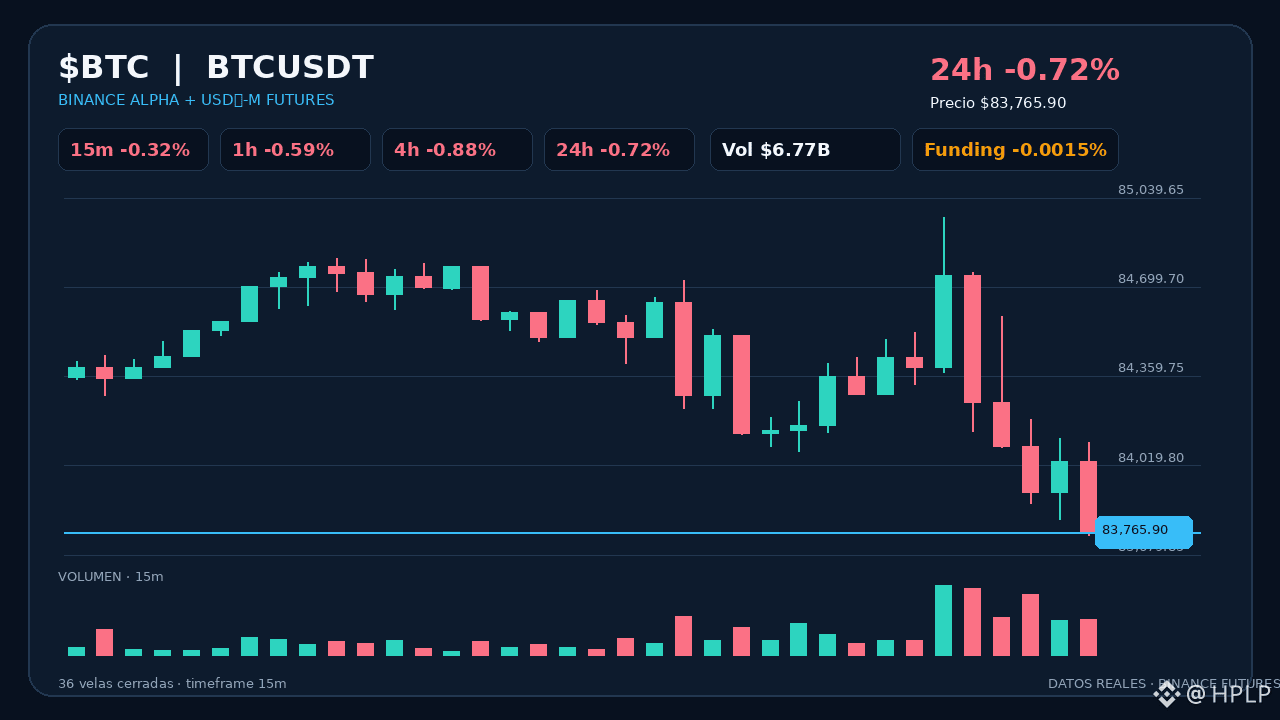
El mercado cripto se prepara para un posible test de liquidez este 30 de septiembre, fecha en la que esta programada una masiva liquidacion del Tesoro de EE. UU. por 202 mil millones de dolares. 📊 Este movimiento de cupones del Tesoro coincide con un momento de transicion en los tipos de financiacion SOFR y los mercados de derivados de activos principales. ¿Que significa esto para el mercado? Los ajustes en la tesoreria estadounidense a menudo provocan ondas expansivas temporales en la liquidez global, impactando la apetencia por el riesgo en mercados altamente apalancados. Historicamente, estos episodios ponen a prueba la resiliencia de los soportes tecnicos en los principales criptoactivos ante contracciones repentinas de capital disponible. 🔍 Que vigilar: Presta atencion al comportamiento de las tasas de financement en derivados de Bitcoin y a la estabilidad de los flujos de USDC y USDT en las proximas 48 horas. La clave sera observar si la presion macro se traduce en volatilidad puntual o si el mercado absorbe el impacto sin sobresaltos. ¿Ves este movimiento como una oportunidad de acumulación o prefieres cautela? Te leo en comentarios. 💡 #Bitcoin #Macroeconomia #Derivados $BTC
El mercado cripto se prepara para un posible test de liquidez este 30 de septiembre, fecha en la que esta programada una masiva liquidacion del Tesoro de EE. UU. por 202 mil millones de dolares. 📊 Este movimiento de cupones del Tesoro coincide con un momento de transicion en los tipos de financiacion SOFR y los mercados de derivados de activos principales. ¿Que significa esto para el mercado? Los ajustes en la tesoreria estadounidense a menudo provocan ondas expansivas temporales en la liquidez global, impactando la apetencia por el riesgo en mercados altamente apalancados. Historicamente, estos episodios ponen a prueba la resiliencia de los soportes tecnicos en los principales criptoactivos ante contracciones repentinas de capital disponible. 🔍 Que vigilar: Presta atencion al comportamiento de las tasas de financement en derivados de Bitcoin y a la estabilidad de los flujos de USDC y USDT en las proximas 48 horas. La clave sera observar si la presion macro se traduce en volatilidad puntual o si el mercado absorbe el impacto sin sobresaltos. ¿Ves este movimiento como una oportunidad de acumulación o prefieres cautela? Te leo en comentarios. 💡 #Bitcoin #Macroeconomia #Derivados $BTC
108

·
--
La semana en que todo salió mal y Bitcoin igual tocó máximos de 8 meses: 4 leccionesEl Senado rechazó la ley cripto más importante del año. La Fed subió la tasa por primera vez desde 2023. Y cinco días después, Bitcoin marcó su precio más alto en ocho meses.
Si en agosto alguien te contaba esas dos primeras noticias, casi todos habríamos apostado a la baja. Pasó lo contrario. Vale la pena entender por qué, porque dice mucho sobre cómo se mueve este mercado en 2026.
1. El golpe regulatorio: el CLARITY Act cayó 49 a 50
El 15 de septiembre, el voto de cloture del CLARITY Act en el Senado fracasó 49-50. Necesitaba 60 votos y quedó a once de distancia. En la práctica, eso cierra la discusión de estructura de mercado cripto en el Senado por lo que queda de 2026.
La reacción fue inmediata: $BTC bajó a la zona de USD 75.850, un 4,2% en 24 horas, y las probabilidades en Polymarket de que la ley se firme este año cayeron al 18%. Lo interesante es cómo castigó el mercado: los activos con más incertidumbre regulatoria sufrieron más. Bitcoin, cuya clasificación como commodity casi nadie discute, sufrió menos.
2. El golpe macro: la Fed subió 25 puntos básicos
Al día siguiente, el 16 de septiembre, la Reserva Federal subió la tasa 25 puntos básicos, al rango 3,75%-4,00%, con votación unánime 12-0. Es la primera suba desde julio de 2023. Y las proyecciones anticipan una suba más antes de fin de año.
Bitcoin tocó USD 76.000 tras el anuncio y volvió a USD 75.700. Tasas más altas significan dinero más caro, y en teoría eso es malo para los activos de riesgo. En teoría.
3. La respuesta: USD 2.000 millones en ETF y un short squeeze
Con el mercado posicionado para más caída, pasó algo que muchos no esperaban. Los ETF spot de Bitcoin revirtieron las salidas del 15 y 16 con cerca de USD 2.000 millones de entradas entre el 18, el 21 y el 22 de septiembre. Solo el lunes 21 entraron USD 999 millones netos, la mejor sesión de 2026, con IBIT de BlackRock liderando con USD 381 millones.
Ese mismo día, Bitcoin llegó a USD 87.397, su máximo desde enero. Buena parte del impulso vino de posiciones cortas liquidadas: quienes apostaron a la baja después de las malas noticias tuvieron que recomprar.
La lección no es que las noticias no importan. Es que cuando todo el mundo ya espera lo peor, lo peor muchas veces ya está en el precio.
4. El recordatorio: USD 387 millones robados en Bitget
La semana no terminó limpia. El 24 de septiembre, Bitget confirmó que le robaron USD 387,5 millones de sus hot y warm wallets, el mayor hackeo de 2026. Según la empresa, no robaron claves privadas: engañaron a su sistema interno de aprobación para que autorizara transferencias falsas. Su CEO apunta a grupos de Corea del Norte. El fondo de protección de usuarios, de más de USD 464 millones, cubre la pérdida completa.
Bitcoin volvió debajo de USD 85.000. Mientras tanto, $SOL fue de lo más fuerte de la semana y el jueves cerró cerca de USD 122, con más de 4% en el día, y $ETH se mantuvo alrededor de USD 2.690.
Mi reflexión personal
Yo tengo mi portafolio de SOL, BTC y ETH en Nexo y compro con DCA: 50% SOL, 25% BTC y 25% ETH. Esta semana confirmó dos cosas que aprendí en más de 966 operaciones P2P.
La primera: no hay que tomar decisiones con el titular del día. Si hubiera vendido el 15 por el CLARITY Act, me habría perdido el rebote del 21. El DCA existe justamente para no depender de adivinar esos giros.
La segunda: donde guardás tus cripto también es una decisión de riesgo. Yo uso una plataforma centralizada, y lo de Bitget me recuerda que eso tiene un costo potencial. No es para entrar en pánico, es para diversificar custodios y no dejar todo en un solo lugar.
Te dejo la pregunta: ¿qué pesa más para vos en este momento, la regulación que no llega, las tasas que suben o el dinero institucional que sigue entrando por los ETF?
Sigueme para analisis diario.
#Bitcoin #CryptoNews #Fed
La semana en que todo salió mal y Bitcoin igual tocó máximos de 8 meses: 4 lecciones
El Senado rechazó la ley cripto más importante del año. La Fed subió la tasa por primera vez desde 2023. Y cinco días después, Bitcoin marcó su precio más alto en ocho meses.
Si en agosto alguien te contaba esas dos primeras noticias, casi todos habríamos apostado a la baja. Pasó lo contrario. Vale la pena entender por qué, porque dice mucho sobre cómo se mueve este mercado en 2026.
1. El golpe regulatorio: el CLARITY Act cayó 49 a 50
El 15 de septiembre, el voto de cloture del CLARITY Act en el Senado fracasó 49-50. Necesitaba 60 votos y quedó a once de distancia. En la práctica, eso cierra la discusión de estructura de mercado cripto en el Senado por lo que queda de 2026.
La reacción fue inmediata: $BTC bajó a la zona de USD 75.850, un 4,2% en 24 horas, y las probabilidades en Polymarket de que la ley se firme este año cayeron al 18%. Lo interesante es cómo castigó el mercado: los activos con más incertidumbre regulatoria sufrieron más. Bitcoin, cuya clasificación como commodity casi nadie discute, sufrió menos.
2. El golpe macro: la Fed subió 25 puntos básicos
Al día siguiente, el 16 de septiembre, la Reserva Federal subió la tasa 25 puntos básicos, al rango 3,75%-4,00%, con votación unánime 12-0. Es la primera suba desde julio de 2023. Y las proyecciones anticipan una suba más antes de fin de año.
Bitcoin tocó USD 76.000 tras el anuncio y volvió a USD 75.700. Tasas más altas significan dinero más caro, y en teoría eso es malo para los activos de riesgo. En teoría.
3. La respuesta: USD 2.000 millones en ETF y un short squeeze
Con el mercado posicionado para más caída, pasó algo que muchos no esperaban. Los ETF spot de Bitcoin revirtieron las salidas del 15 y 16 con cerca de USD 2.000 millones de entradas entre el 18, el 21 y el 22 de septiembre. Solo el lunes 21 entraron USD 999 millones netos, la mejor sesión de 2026, con IBIT de BlackRock liderando con USD 381 millones.
Ese mismo día, Bitcoin llegó a USD 87.397, su máximo desde enero. Buena parte del impulso vino de posiciones cortas liquidadas: quienes apostaron a la baja después de las malas noticias tuvieron que recomprar.
La lección no es que las noticias no importan. Es que cuando todo el mundo ya espera lo peor, lo peor muchas veces ya está en el precio.
4. El recordatorio: USD 387 millones robados en Bitget
La semana no terminó limpia. El 24 de septiembre, Bitget confirmó que le robaron USD 387,5 millones de sus hot y warm wallets, el mayor hackeo de 2026. Según la empresa, no robaron claves privadas: engañaron a su sistema interno de aprobación para que autorizara transferencias falsas. Su CEO apunta a grupos de Corea del Norte. El fondo de protección de usuarios, de más de USD 464 millones, cubre la pérdida completa.
Bitcoin volvió debajo de USD 85.000. Mientras tanto, $SOL fue de lo más fuerte de la semana y el jueves cerró cerca de USD 122, con más de 4% en el día, y $ETH se mantuvo alrededor de USD 2.690.
Mi reflexión personal
Yo tengo mi portafolio de SOL, BTC y ETH en Nexo y compro con DCA: 50% SOL, 25% BTC y 25% ETH. Esta semana confirmó dos cosas que aprendí en más de 966 operaciones P2P.
La primera: no hay que tomar decisiones con el titular del día. Si hubiera vendido el 15 por el CLARITY Act, me habría perdido el rebote del 21. El DCA existe justamente para no depender de adivinar esos giros.
La segunda: donde guardás tus cripto también es una decisión de riesgo. Yo uso una plataforma centralizada, y lo de Bitget me recuerda que eso tiene un costo potencial. No es para entrar en pánico, es para diversificar custodios y no dejar todo en un solo lugar.
Te dejo la pregunta: ¿qué pesa más para vos en este momento, la regulación que no llega, las tasas que suben o el dinero institucional que sigue entrando por los ETF?
Sigueme para analisis diario.
#Bitcoin #CryptoNews #Fed
Si en agosto alguien te contaba esas dos primeras noticias, casi todos habríamos apostado a la baja. Pasó lo contrario. Vale la pena entender por qué, porque dice mucho sobre cómo se mueve este mercado en 2026.
1. El golpe regulatorio: el CLARITY Act cayó 49 a 50
El 15 de septiembre, el voto de cloture del CLARITY Act en el Senado fracasó 49-50. Necesitaba 60 votos y quedó a once de distancia. En la práctica, eso cierra la discusión de estructura de mercado cripto en el Senado por lo que queda de 2026.
La reacción fue inmediata: $BTC bajó a la zona de USD 75.850, un 4,2% en 24 horas, y las probabilidades en Polymarket de que la ley se firme este año cayeron al 18%. Lo interesante es cómo castigó el mercado: los activos con más incertidumbre regulatoria sufrieron más. Bitcoin, cuya clasificación como commodity casi nadie discute, sufrió menos.
2. El golpe macro: la Fed subió 25 puntos básicos
Al día siguiente, el 16 de septiembre, la Reserva Federal subió la tasa 25 puntos básicos, al rango 3,75%-4,00%, con votación unánime 12-0. Es la primera suba desde julio de 2023. Y las proyecciones anticipan una suba más antes de fin de año.
Bitcoin tocó USD 76.000 tras el anuncio y volvió a USD 75.700. Tasas más altas significan dinero más caro, y en teoría eso es malo para los activos de riesgo. En teoría.
3. La respuesta: USD 2.000 millones en ETF y un short squeeze
Con el mercado posicionado para más caída, pasó algo que muchos no esperaban. Los ETF spot de Bitcoin revirtieron las salidas del 15 y 16 con cerca de USD 2.000 millones de entradas entre el 18, el 21 y el 22 de septiembre. Solo el lunes 21 entraron USD 999 millones netos, la mejor sesión de 2026, con IBIT de BlackRock liderando con USD 381 millones.
Ese mismo día, Bitcoin llegó a USD 87.397, su máximo desde enero. Buena parte del impulso vino de posiciones cortas liquidadas: quienes apostaron a la baja después de las malas noticias tuvieron que recomprar.
La lección no es que las noticias no importan. Es que cuando todo el mundo ya espera lo peor, lo peor muchas veces ya está en el precio.
4. El recordatorio: USD 387 millones robados en Bitget
La semana no terminó limpia. El 24 de septiembre, Bitget confirmó que le robaron USD 387,5 millones de sus hot y warm wallets, el mayor hackeo de 2026. Según la empresa, no robaron claves privadas: engañaron a su sistema interno de aprobación para que autorizara transferencias falsas. Su CEO apunta a grupos de Corea del Norte. El fondo de protección de usuarios, de más de USD 464 millones, cubre la pérdida completa.
Bitcoin volvió debajo de USD 85.000. Mientras tanto, $SOL fue de lo más fuerte de la semana y el jueves cerró cerca de USD 122, con más de 4% en el día, y $ETH se mantuvo alrededor de USD 2.690.
Mi reflexión personal
Yo tengo mi portafolio de SOL, BTC y ETH en Nexo y compro con DCA: 50% SOL, 25% BTC y 25% ETH. Esta semana confirmó dos cosas que aprendí en más de 966 operaciones P2P.
La primera: no hay que tomar decisiones con el titular del día. Si hubiera vendido el 15 por el CLARITY Act, me habría perdido el rebote del 21. El DCA existe justamente para no depender de adivinar esos giros.
La segunda: donde guardás tus cripto también es una decisión de riesgo. Yo uso una plataforma centralizada, y lo de Bitget me recuerda que eso tiene un costo potencial. No es para entrar en pánico, es para diversificar custodios y no dejar todo en un solo lugar.
Te dejo la pregunta: ¿qué pesa más para vos en este momento, la regulación que no llega, las tasas que suben o el dinero institucional que sigue entrando por los ETF?
Sigueme para analisis diario.
#Bitcoin #CryptoNews #Fed
94
·
--
Alcista
🚨 $NEAR Protocol se dispara en solitario: Mientras #BTC consolida de manera tranquila (+0.6%), #Near ha saltado más de un 7% en las últimas 24 horas alcanzando su precio más alto en un año. ¿El detonante? La gestora Bitwise presentó el folleto final ante la SEC para listar su esperado ETF al contado de NEAR en la Bolsa de Nueva York. $NEAR $BTC #NEAR🚀🚀🚀 #bitcoin
{spot}(NEARUSDT)
{spot}(BTCUSDT)
🚨 $NEAR Protocol se dispara en solitario: Mientras #BTC consolida de manera tranquila (+0.6%), #Near ha saltado más de un 7% en las últimas 24 horas alcanzando su precio más alto en un año. ¿El detonante? La gestora Bitwise presentó el folleto final ante la SEC para listar su esperado ETF al contado de NEAR en la Bolsa de Nueva York. $NEAR $BTC #NEAR🚀🚀🚀 #bitcoin

1
169

·
--
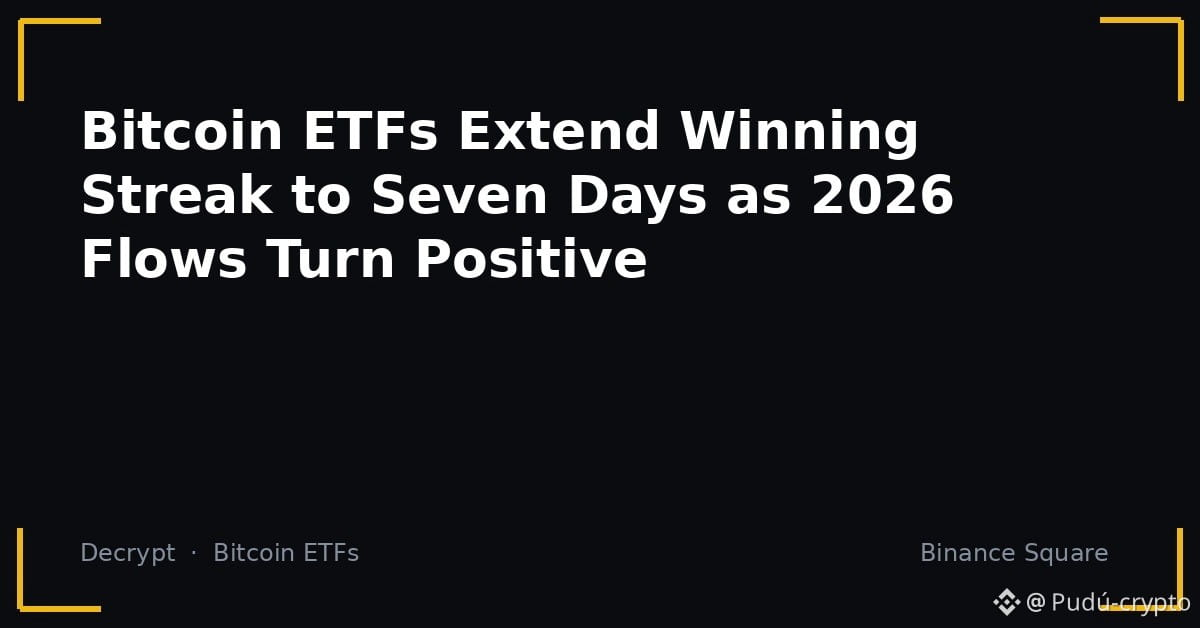
Siete días seguidos de entradas positivas lo dicen todo.
Los ETFs de $BTC acumularon casi 3.000 millones de dólares en la última semana.
Con este movimiento, el flujo del año 2026 volvió a terreno positivo.
Parece que el mercado dejó atrás las pérdidas registradas tras la Clarity Act.
Es curioso ver cómo el capital institucional se mueve tan rápido después de una caída.
¿Qué te parece este cambio de tendencia?
#Bitcoin #ETFs
Siete días seguidos de entradas positivas lo dicen todo.
Los ETFs de $BTC acumularon casi 3.000 millones de dólares en la última semana.
Con este movimiento, el flujo del año 2026 volvió a terreno positivo.
Parece que el mercado dejó atrás las pérdidas registradas tras la Clarity Act.
Es curioso ver cómo el capital institucional se mueve tan rápido después de una caída.
¿Qué te parece este cambio de tendencia?
#Bitcoin #ETFs
Los ETFs de $BTC acumularon casi 3.000 millones de dólares en la última semana.
Con este movimiento, el flujo del año 2026 volvió a terreno positivo.
Parece que el mercado dejó atrás las pérdidas registradas tras la Clarity Act.
Es curioso ver cómo el capital institucional se mueve tan rápido después de una caída.
¿Qué te parece este cambio de tendencia?
#Bitcoin #ETFs
87

·
--
Qué está pasando con XRP y NEAR (contexto reciente)
XRP ha registrado correcciones intradía severas (ej. −11,5% en una sesión), cayendo de ~1,64 a ~1,45 USD tras confirmarse un robo de ~20 millones de USD en carteras de D’CENT y en un entorno de pánico generalizado.�
En otra jornada de presión, XRP cayó −6,21% en 24 h hasta ~1,54 USD, en línea con una corrección generalizada del criptomercado (BTC retrocediendo hacia ~83.400 USD) y con toma de ganancias tras un rally previo de +45,85% en 90 días.�
NEAR ha mostrado caídas de −7,5% en 24–25 h asociadas a macro risk-off y una ola de liquidaciones de largos (≈510 millones de USD en todo el mercado), con una caída del 3,2% en la cap. total cripto.�
También se han visto correcciones técnicas de −4,36% y −4,81% en NEAR descritas como normalización tras rallies fuertes, sin noticias negativas fundamentales específicas.�
Cómo afecta esto al mercado actual
1) Señal de riesgo y contagio en altcoins
Las caídas fuertes de XRP y NEAR se interpretan como señales de riesgo que aumentan la presión de venta en otras altcoins, sobre todo cuando coinciden con liquidaciones masivas y un entorno macro adverso (subida de yields, inflación, geopolítica).�
En el caso de NEAR, la caída se explica en parte por un long overcrowded que se “flushed” (se liquidó) cuando el mercado se puso risk-off; esto genera un efecto dominó en derivados y spot de otros activos similares.�
2) Impacto en liquidez y apalancamiento
Las correcciones de activos muy negociados como XRP y NEAR suelen venir acompañadas de:
Caída del open interest (OI) en derivados (ej. −13% en una hora en NEAR).�
Aumento de liquidaciones (cientos de millones de USD en todo el mercado).�
Contracción de volumen o, en algunos casos, picos de volumen por distribución activa, lo que indica que los traders están saliendo o rotando a BTC/stablecoins.�
que muchas altcoins (ej. BTC −3,8% vs XRP con caída doble que la mediana del mercado).�
#bitcoin #NEAR🚀🚀🚀 #XRPPredictions
Qué está pasando con XRP y NEAR (contexto reciente)
XRP ha registrado correcciones intradía severas (ej. −11,5% en una sesión), cayendo de ~1,64 a ~1,45 USD tras confirmarse un robo de ~20 millones de USD en carteras de D’CENT y en un entorno de pánico generalizado.�
En otra jornada de presión, XRP cayó −6,21% en 24 h hasta ~1,54 USD, en línea con una corrección generalizada del criptomercado (BTC retrocediendo hacia ~83.400 USD) y con toma de ganancias tras un rally previo de +45,85% en 90 días.�
NEAR ha mostrado caídas de −7,5% en 24–25 h asociadas a macro risk-off y una ola de liquidaciones de largos (≈510 millones de USD en todo el mercado), con una caída del 3,2% en la cap. total cripto.�
También se han visto correcciones técnicas de −4,36% y −4,81% en NEAR descritas como normalización tras rallies fuertes, sin noticias negativas fundamentales específicas.�
Cómo afecta esto al mercado actual
1) Señal de riesgo y contagio en altcoins
Las caídas fuertes de XRP y NEAR se interpretan como señales de riesgo que aumentan la presión de venta en otras altcoins, sobre todo cuando coinciden con liquidaciones masivas y un entorno macro adverso (subida de yields, inflación, geopolítica).�
En el caso de NEAR, la caída se explica en parte por un long overcrowded que se “flushed” (se liquidó) cuando el mercado se puso risk-off; esto genera un efecto dominó en derivados y spot de otros activos similares.�
2) Impacto en liquidez y apalancamiento
Las correcciones de activos muy negociados como XRP y NEAR suelen venir acompañadas de:
Caída del open interest (OI) en derivados (ej. −13% en una hora en NEAR).�
Aumento de liquidaciones (cientos de millones de USD en todo el mercado).�
Contracción de volumen o, en algunos casos, picos de volumen por distribución activa, lo que indica que los traders están saliendo o rotando a BTC/stablecoins.�
que muchas altcoins (ej. BTC −3,8% vs XRP con caída doble que la mediana del mercado).�
#bitcoin #NEAR🚀🚀🚀 #XRPPredictions
XRP ha registrado correcciones intradía severas (ej. −11,5% en una sesión), cayendo de ~1,64 a ~1,45 USD tras confirmarse un robo de ~20 millones de USD en carteras de D’CENT y en un entorno de pánico generalizado.�
En otra jornada de presión, XRP cayó −6,21% en 24 h hasta ~1,54 USD, en línea con una corrección generalizada del criptomercado (BTC retrocediendo hacia ~83.400 USD) y con toma de ganancias tras un rally previo de +45,85% en 90 días.�
NEAR ha mostrado caídas de −7,5% en 24–25 h asociadas a macro risk-off y una ola de liquidaciones de largos (≈510 millones de USD en todo el mercado), con una caída del 3,2% en la cap. total cripto.�
También se han visto correcciones técnicas de −4,36% y −4,81% en NEAR descritas como normalización tras rallies fuertes, sin noticias negativas fundamentales específicas.�
Cómo afecta esto al mercado actual
1) Señal de riesgo y contagio en altcoins
Las caídas fuertes de XRP y NEAR se interpretan como señales de riesgo que aumentan la presión de venta en otras altcoins, sobre todo cuando coinciden con liquidaciones masivas y un entorno macro adverso (subida de yields, inflación, geopolítica).�
En el caso de NEAR, la caída se explica en parte por un long overcrowded que se “flushed” (se liquidó) cuando el mercado se puso risk-off; esto genera un efecto dominó en derivados y spot de otros activos similares.�
2) Impacto en liquidez y apalancamiento
Las correcciones de activos muy negociados como XRP y NEAR suelen venir acompañadas de:
Caída del open interest (OI) en derivados (ej. −13% en una hora en NEAR).�
Aumento de liquidaciones (cientos de millones de USD en todo el mercado).�
Contracción de volumen o, en algunos casos, picos de volumen por distribución activa, lo que indica que los traders están saliendo o rotando a BTC/stablecoins.�
que muchas altcoins (ej. BTC −3,8% vs XRP con caída doble que la mediana del mercado).�
#bitcoin #NEAR🚀🚀🚀 #XRPPredictions
186

En la red de $BTC, cambiar un solo carácter en una transacción vieja rompe todos los bloques que vinieron después.
Piensa en tres bloques seguidos. El primero guarda unas transacciones y genera una huella única con ese contenido. El segundo suma esa huella a sus propios datos y crea otra huella nueva. El tercero hace lo mismo con la huella del segundo. Cada bloque carga el resumen del anterior.
¿Y si alguien cambia una cifra en el primer bloque? Su huella cambia entera, letra por letra. El segundo bloque, que guarda la huella vieja, ya no coincide. Y como el tercero depende del segundo, la ruptura sigue de largo. Modificar el pasado obliga a reescribir todo lo que vino después. Simple, pero letal.
Esa huella que resume un bloque y se hereda hacia el siguiente es lo que se conoce como hash.
CONCEPTOS CLAVE
- El hash no se puede invertir. Nadie recupera el dato original desde el resultado. Solo sirve para comprobar que el contenido no cambió.
- Un hash no se parece al dato de origen. Cambiar una coma altera el resultado entero.
- La cadena no es una sola base de datos. Es una red de copias que deben coincidir antes de aceptar un cambio.
- Un blockchain híbrido deja parte de la información pública y otra restringida, pero el enlace entre bloques funciona igual.
Por eso un bloque viejo queda casi congelado apenas se suman bloques nuevos arriba. Entender esto explica por qué reescribir la historia de una red grande es casi imposible en la práctica.
Transparencia: Binance puede pagarnos una comisión si operas tras pulsar un símbolo de activo o un enlace de precio de esta publicación.
#Hash #Blockchain #Bitcoin #Inmutabilidad
En la red de $BTC , cambiar un solo carácter en una transacción vieja rompe todos los bloques que vinieron después.
Piensa en tres bloques seguidos. El primero guarda unas transacciones y genera una huella única con ese contenido. El segundo suma esa huella a sus propios datos y crea otra huella nueva. El tercero hace lo mismo con la huella del segundo. Cada bloque carga el resumen del anterior.
¿Y si alguien cambia una cifra en el primer bloque? Su huella cambia entera, letra por letra. El segundo bloque, que guarda la huella vieja, ya no coincide. Y como el tercero depende del segundo, la ruptura sigue de largo. Modificar el pasado obliga a reescribir todo lo que vino después. Simple, pero letal.
Esa huella que resume un bloque y se hereda hacia el siguiente es lo que se conoce como hash.
CONCEPTOS CLAVE
- El hash no se puede invertir. Nadie recupera el dato original desde el resultado. Solo sirve para comprobar que el contenido no cambió.
- Un hash no se parece al dato de origen. Cambiar una coma altera el resultado entero.
- La cadena no es una sola base de datos. Es una red de copias que deben coincidir antes de aceptar un cambio.
- Un blockchain híbrido deja parte de la información pública y otra restringida, pero el enlace entre bloques funciona igual.
Por eso un bloque viejo queda casi congelado apenas se suman bloques nuevos arriba. Entender esto explica por qué reescribir la historia de una red grande es casi imposible en la práctica.
Transparencia: Binance puede pagarnos una comisión si operas tras pulsar un símbolo de activo o un enlace de precio de esta publicación.
#Hash #Blockchain #Bitcoin #Inmutabilidad
Piensa en tres bloques seguidos. El primero guarda unas transacciones y genera una huella única con ese contenido. El segundo suma esa huella a sus propios datos y crea otra huella nueva. El tercero hace lo mismo con la huella del segundo. Cada bloque carga el resumen del anterior.
¿Y si alguien cambia una cifra en el primer bloque? Su huella cambia entera, letra por letra. El segundo bloque, que guarda la huella vieja, ya no coincide. Y como el tercero depende del segundo, la ruptura sigue de largo. Modificar el pasado obliga a reescribir todo lo que vino después. Simple, pero letal.
Esa huella que resume un bloque y se hereda hacia el siguiente es lo que se conoce como hash.
CONCEPTOS CLAVE
- El hash no se puede invertir. Nadie recupera el dato original desde el resultado. Solo sirve para comprobar que el contenido no cambió.
- Un hash no se parece al dato de origen. Cambiar una coma altera el resultado entero.
- La cadena no es una sola base de datos. Es una red de copias que deben coincidir antes de aceptar un cambio.
- Un blockchain híbrido deja parte de la información pública y otra restringida, pero el enlace entre bloques funciona igual.
Por eso un bloque viejo queda casi congelado apenas se suman bloques nuevos arriba. Entender esto explica por qué reescribir la historia de una red grande es casi imposible en la práctica.
Transparencia: Binance puede pagarnos una comisión si operas tras pulsar un símbolo de activo o un enlace de precio de esta publicación.
#Hash #Blockchain #Bitcoin #Inmutabilidad

1
237
·
--
Los ETF de $BTC al contado sumaron 2.390 millones de dólares esta semana, la mayor entrada de 2026.
Flujo institucional suele leerse como demanda de fondo.
Pero el lunes entraron 999 millones y el viernes solo 134. El precio subió apenas 3%.
¿Se enfría o se acomoda? ⛵
#Bitcoin #ETF
Los ETF de $BTC al contado sumaron 2.390 millones de dólares esta semana, la mayor entrada de 2026.
Flujo institucional suele leerse como demanda de fondo.
Pero el lunes entraron 999 millones y el viernes solo 134. El precio subió apenas 3%.
¿Se enfría o se acomoda? ⛵
#Bitcoin #ETF
Flujo institucional suele leerse como demanda de fondo.
Pero el lunes entraron 999 millones y el viernes solo 134. El precio subió apenas 3%.
¿Se enfría o se acomoda? ⛵
#Bitcoin #ETF

52

·
--
Alcista
🪙 Cuando comencé a aprender sobre $BTC y criptomonedas pensaba que todo se resumía en:
👉 Comprar
👉 Esperar que subiera
👉 Vender
Con el tiempo descubrí que había mucho más.
1️⃣ No todo es SPOT
Binance tiene diferentes herramientas y productos, y cada uno cumple una función diferente.
2️⃣ Aprende a revisar tus operaciones
Saber cuánto compraste, a qué precio, cuánto pagaste de comisión y qué hiciste realmente con tu dinero es parte fundamental de aprender.
3️⃣ No necesitas saberlo todo para comenzar a aprender
Yo todavía sigo aprendiendo.
Y precisamente por eso decidí crear Eyder Arredondo | Aprende Bitcoin:
📚 Aprender
🔎 Investigar
🧪 Experimentar
💡 Y compartir lo que voy descubriendo.
Porque antes de buscar grandes ganancias, creo que hay algo mucho más importante:
ENTENDER LO QUE ESTÁS HACIENDO.
Ahora te pregunto a ti:
¿Cuál fue la primera cosa de Binance que no entendiste cuando comenzaste?
Te leo en los comentarios.
# #Bitcoin #AprendeBitcoin #EducaciónFinanciera
🪙 Cuando comencé a aprender sobre $BTC y criptomonedas pensaba que todo se resumía en:
👉 Comprar
👉 Esperar que subiera
👉 Vender
Con el tiempo descubrí que había mucho más.
1️⃣ No todo es SPOT
Binance tiene diferentes herramientas y productos, y cada uno cumple una función diferente.
2️⃣ Aprende a revisar tus operaciones
Saber cuánto compraste, a qué precio, cuánto pagaste de comisión y qué hiciste realmente con tu dinero es parte fundamental de aprender.
3️⃣ No necesitas saberlo todo para comenzar a aprender
Yo todavía sigo aprendiendo.
Y precisamente por eso decidí crear Eyder Arredondo | Aprende Bitcoin:
📚 Aprender
🔎 Investigar
🧪 Experimentar
💡 Y compartir lo que voy descubriendo.
Porque antes de buscar grandes ganancias, creo que hay algo mucho más importante:
ENTENDER LO QUE ESTÁS HACIENDO.
Ahora te pregunto a ti:
¿Cuál fue la primera cosa de Binance que no entendiste cuando comenzaste?
Te leo en los comentarios.
# #Bitcoin #AprendeBitcoin #EducaciónFinanciera
👉 Comprar
👉 Esperar que subiera
👉 Vender
Con el tiempo descubrí que había mucho más.
1️⃣ No todo es SPOT
Binance tiene diferentes herramientas y productos, y cada uno cumple una función diferente.
2️⃣ Aprende a revisar tus operaciones
Saber cuánto compraste, a qué precio, cuánto pagaste de comisión y qué hiciste realmente con tu dinero es parte fundamental de aprender.
3️⃣ No necesitas saberlo todo para comenzar a aprender
Yo todavía sigo aprendiendo.
Y precisamente por eso decidí crear Eyder Arredondo | Aprende Bitcoin:
📚 Aprender
🔎 Investigar
🧪 Experimentar
💡 Y compartir lo que voy descubriendo.
Porque antes de buscar grandes ganancias, creo que hay algo mucho más importante:
ENTENDER LO QUE ESTÁS HACIENDO.
Ahora te pregunto a ti:
¿Cuál fue la primera cosa de Binance que no entendiste cuando comenzaste?
Te leo en los comentarios.
# #Bitcoin #AprendeBitcoin #EducaciónFinanciera

195

·
--
Verificado
🪙 Aún más naranja
Estrategia (antes MicroStrategy), el presidente ejecutivo Michael Saylor publicó un gráfico en X con el pie de foto “Aún más naranja”. Cada punto naranja en sus gráficos tradicionalmente marca una compra de Bitcoin, y el tamaño del punto refleja el volumen de compra.
• Este tipo de publicaciones a menudo sirven como adelantos no oficiales antes de los comunicados regulatorios oficiales de la empresa en EE. UU., que normalmente se publican los lunes. La semana pasada, un tuit similar precedió al anuncio de una compra de 950 BTC.
• Junto con las adquisiciones de cripto, Strategy gastó 174 millones de dólares la semana pasada recomprando sus acciones preferentes STRC que pagan dividendos. Esta cifra es más del doble de lo que gastó en su última compra de Bitcoin (76 millones de dólares).
• El mercado espera el registro oficial de hoy para confirmar los nuevos volúmenes de compra. La tesorería actual de la empresa mantiene 846.000 BTC a un costo promedio de aproximadamente 75.416 dólares.
#BTC #StrategyStriveAdd2305BitcoinThisWeek #BITCOIN $BTC $STRC $MSTRB
{spot}(MSTRBUSDT)
{future}(STRCUSDT)
{future}(BTCUSDT)
🪙 Aún más naranja
Estrategia (antes MicroStrategy), el presidente ejecutivo Michael Saylor publicó un gráfico en X con el pie de foto “Aún más naranja”. Cada punto naranja en sus gráficos tradicionalmente marca una compra de Bitcoin, y el tamaño del punto refleja el volumen de compra.
• Este tipo de publicaciones a menudo sirven como adelantos no oficiales antes de los comunicados regulatorios oficiales de la empresa en EE. UU., que normalmente se publican los lunes. La semana pasada, un tuit similar precedió al anuncio de una compra de 950 BTC.
• Junto con las adquisiciones de cripto, Strategy gastó 174 millones de dólares la semana pasada recomprando sus acciones preferentes STRC que pagan dividendos. Esta cifra es más del doble de lo que gastó en su última compra de Bitcoin (76 millones de dólares).
• El mercado espera el registro oficial de hoy para confirmar los nuevos volúmenes de compra. La tesorería actual de la empresa mantiene 846.000 BTC a un costo promedio de aproximadamente 75.416 dólares.
#BTC #StrategyStriveAdd2305BitcoinThisWeek #BITCOIN $BTC $STRC $MSTRB
Estrategia (antes MicroStrategy), el presidente ejecutivo Michael Saylor publicó un gráfico en X con el pie de foto “Aún más naranja”. Cada punto naranja en sus gráficos tradicionalmente marca una compra de Bitcoin, y el tamaño del punto refleja el volumen de compra.
• Este tipo de publicaciones a menudo sirven como adelantos no oficiales antes de los comunicados regulatorios oficiales de la empresa en EE. UU., que normalmente se publican los lunes. La semana pasada, un tuit similar precedió al anuncio de una compra de 950 BTC.
• Junto con las adquisiciones de cripto, Strategy gastó 174 millones de dólares la semana pasada recomprando sus acciones preferentes STRC que pagan dividendos. Esta cifra es más del doble de lo que gastó en su última compra de Bitcoin (76 millones de dólares).
• El mercado espera el registro oficial de hoy para confirmar los nuevos volúmenes de compra. La tesorería actual de la empresa mantiene 846.000 BTC a un costo promedio de aproximadamente 75.416 dólares.
#BTC #StrategyStriveAdd2305BitcoinThisWeek #BITCOIN $BTC $STRC $MSTRB
Holy123456:
🫡
1
1.2k


·
--
$BTC Hoy 84.080 en rango y oscilación, en 24h apenas -0,46%. La verdad, esta vela bajista no hay por qué entrar en pánico. ¿Por qué? Mira hacia atrás 14 días: desde el mínimo 74.968 hasta ahora, el rendimiento en 14 días es +11,2%, y el máximo de 14 días llegó a rozar los 87.396. Un retroceso del 0,46% ni siquiera cuenta como un “pinchazo”; es típico después de un impulso alcista rápido, cuando se digieren beneficios.
Índice de Miedo y Codicia 74, en la zona de “Greed”. Aún no estamos en codicia extrema (80+). Eso indica que esta ola de sentimiento todavía no es un FOMO total: queda algo de espacio racional. Lo que realmente hay que vigilar es que el índice suba a 85+ y los minoristas hagan “all in” gritando: "¡100.000 seguro que rompe!"; ahí sí sería una señal de techo de etapa.
En el cuello de botella, mira dos niveles: si se puede mantener el umbral entero de 84.000. Si se sostiene, es consolidación fuerte y el siguiente objetivo es el máximo previo de 87.400. Si lo rompe, entonces la vuelta para testear sería hacia 82.000 para cubrir el gap, y el problema tampoco sería grande. Con un +11% en 14 días y una Greed alta, en el corto plazo no persigas la subida: espera el retroceso y la confirmación para entrar; será más sabroso. #BTC #Bitcoin #币安广场
$BTC Hoy 84.080 en rango y oscilación, en 24h apenas -0,46%. La verdad, esta vela bajista no hay por qué entrar en pánico. ¿Por qué? Mira hacia atrás 14 días: desde el mínimo 74.968 hasta ahora, el rendimiento en 14 días es +11,2%, y el máximo de 14 días llegó a rozar los 87.396. Un retroceso del 0,46% ni siquiera cuenta como un “pinchazo”; es típico después de un impulso alcista rápido, cuando se digieren beneficios.
Índice de Miedo y Codicia 74, en la zona de “Greed”. Aún no estamos en codicia extrema (80+). Eso indica que esta ola de sentimiento todavía no es un FOMO total: queda algo de espacio racional. Lo que realmente hay que vigilar es que el índice suba a 85+ y los minoristas hagan “all in” gritando: "¡100.000 seguro que rompe!"; ahí sí sería una señal de techo de etapa.
En el cuello de botella, mira dos niveles: si se puede mantener el umbral entero de 84.000. Si se sostiene, es consolidación fuerte y el siguiente objetivo es el máximo previo de 87.400. Si lo rompe, entonces la vuelta para testear sería hacia 82.000 para cubrir el gap, y el problema tampoco sería grande. Con un +11% en 14 días y una Greed alta, en el corto plazo no persigas la subida: espera el retroceso y la confirmación para entrar; será más sabroso. #BTC #Bitcoin #币安广场
Índice de Miedo y Codicia 74, en la zona de “Greed”. Aún no estamos en codicia extrema (80+). Eso indica que esta ola de sentimiento todavía no es un FOMO total: queda algo de espacio racional. Lo que realmente hay que vigilar es que el índice suba a 85+ y los minoristas hagan “all in” gritando: "¡100.000 seguro que rompe!"; ahí sí sería una señal de techo de etapa.
En el cuello de botella, mira dos niveles: si se puede mantener el umbral entero de 84.000. Si se sostiene, es consolidación fuerte y el siguiente objetivo es el máximo previo de 87.400. Si lo rompe, entonces la vuelta para testear sería hacia 82.000 para cubrir el gap, y el problema tampoco sería grande. Con un +11% en 14 días y una Greed alta, en el corto plazo no persigas la subida: espera el retroceso y la confirmación para entrar; será más sabroso. #BTC #Bitcoin #币安广场
1
579

·
--
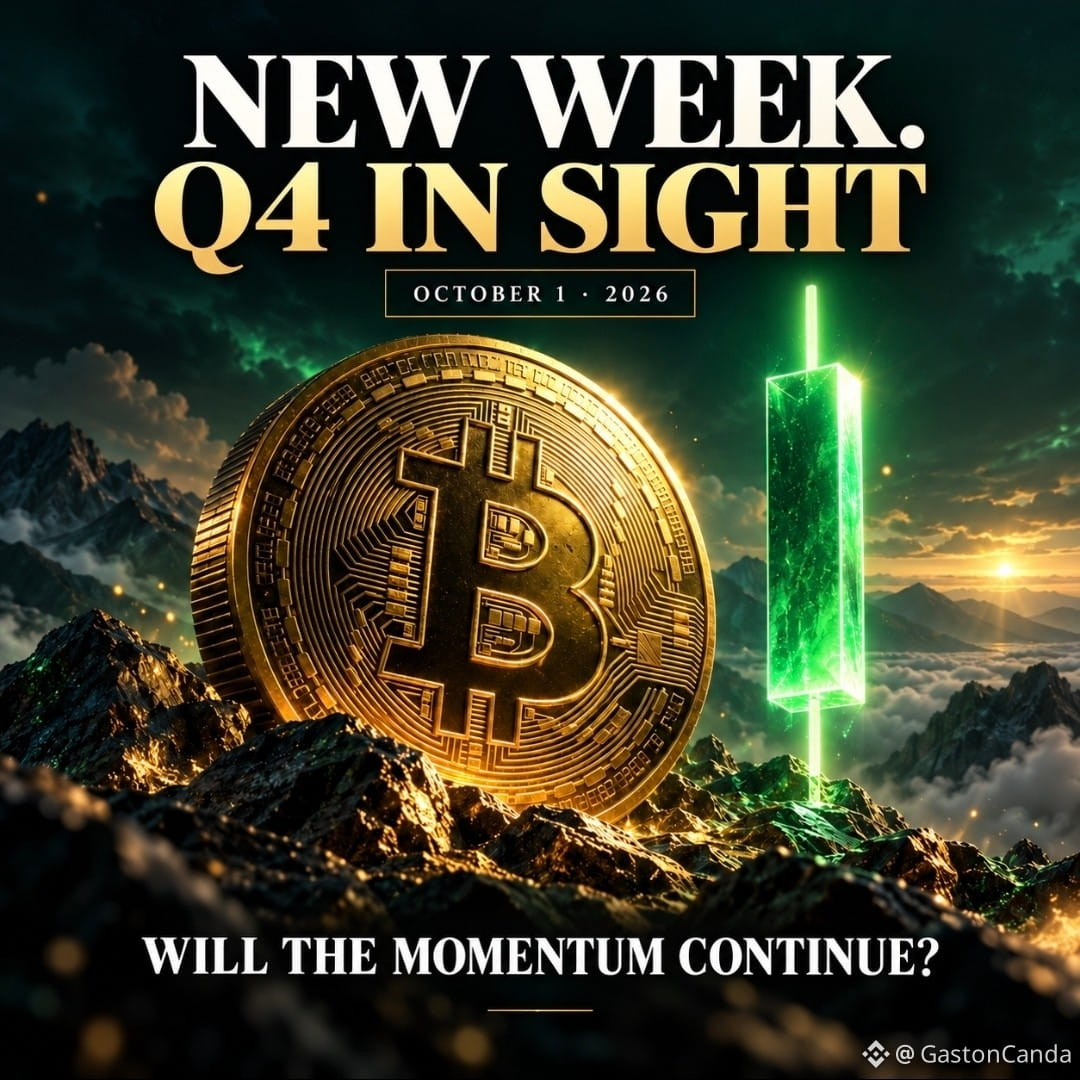
🚨 Acaba de abrirse una nueva vela semanal de Bitcoin. Y esta semana marca el inicio del trimestre, por lo que muchos están pendientes: Q4.
BTC está cotizando alrededor de 84,500 USDT en el gráfico que estoy siguiendo, por encima de sus medias móviles exponenciales de 7, 25 y 99 semanas. La recuperación ha estado ganando terreno. 👀
El jueves 1 de octubre comienza el último trimestre del año, históricamente un periodo favorable para Bitcoin. Pero “históricamente en verde” no significa “garantizado en verde”: el propio Q4 de 2025 terminó en rojo.
¿Qué estoy observando esta semana?
📈 Si BTC puede mantenerse por encima de sus medias móviles semanales. La zona de 78,800–79,500 USDT contiene actualmente las EMAs de 99 y 7 semanas, por lo que vale la pena vigilarla durante un retroceso.
🌡️ El RSI de 6 semanas está alrededor de 76. Eso indica un impulso fuerte, pero también un movimiento estirado. No predice una caída por sí solo ni garantiza más subidas.
📊 Si el volumen respalda la avance. La vela semanal acaba de abrirse: su color en los primeros minutos nos dice muy poco sobre cómo cerrará.
Estoy emocionado de ver esta recuperación de cara a octubre. Ahora quiero ver si los compradores pueden sostenerla.
¿Veremos que Q4 impulsa a Bitcoin hacia los 90,000, o tendremos primero una pausa? 👇
#Bitcoin #BTC #Q4
$BTC
{future}(BTCUSDT)
🚨 Acaba de abrirse una nueva vela semanal de Bitcoin. Y esta semana marca el inicio del trimestre, por lo que muchos están pendientes: Q4.
BTC está cotizando alrededor de 84,500 USDT en el gráfico que estoy siguiendo, por encima de sus medias móviles exponenciales de 7, 25 y 99 semanas. La recuperación ha estado ganando terreno. 👀
El jueves 1 de octubre comienza el último trimestre del año, históricamente un periodo favorable para Bitcoin. Pero “históricamente en verde” no significa “garantizado en verde”: el propio Q4 de 2025 terminó en rojo.
¿Qué estoy observando esta semana?
📈 Si BTC puede mantenerse por encima de sus medias móviles semanales. La zona de 78,800–79,500 USDT contiene actualmente las EMAs de 99 y 7 semanas, por lo que vale la pena vigilarla durante un retroceso.
🌡️ El RSI de 6 semanas está alrededor de 76. Eso indica un impulso fuerte, pero también un movimiento estirado. No predice una caída por sí solo ni garantiza más subidas.
📊 Si el volumen respalda la avance. La vela semanal acaba de abrirse: su color en los primeros minutos nos dice muy poco sobre cómo cerrará.
Estoy emocionado de ver esta recuperación de cara a octubre. Ahora quiero ver si los compradores pueden sostenerla.
¿Veremos que Q4 impulsa a Bitcoin hacia los 90,000, o tendremos primero una pausa? 👇
#Bitcoin #BTC #Q4
$BTC
BTC está cotizando alrededor de 84,500 USDT en el gráfico que estoy siguiendo, por encima de sus medias móviles exponenciales de 7, 25 y 99 semanas. La recuperación ha estado ganando terreno. 👀
El jueves 1 de octubre comienza el último trimestre del año, históricamente un periodo favorable para Bitcoin. Pero “históricamente en verde” no significa “garantizado en verde”: el propio Q4 de 2025 terminó en rojo.
¿Qué estoy observando esta semana?
📈 Si BTC puede mantenerse por encima de sus medias móviles semanales. La zona de 78,800–79,500 USDT contiene actualmente las EMAs de 99 y 7 semanas, por lo que vale la pena vigilarla durante un retroceso.
🌡️ El RSI de 6 semanas está alrededor de 76. Eso indica un impulso fuerte, pero también un movimiento estirado. No predice una caída por sí solo ni garantiza más subidas.
📊 Si el volumen respalda la avance. La vela semanal acaba de abrirse: su color en los primeros minutos nos dice muy poco sobre cómo cerrará.
Estoy emocionado de ver esta recuperación de cara a octubre. Ahora quiero ver si los compradores pueden sostenerla.
¿Veremos que Q4 impulsa a Bitcoin hacia los 90,000, o tendremos primero una pausa? 👇
#Bitcoin #BTC #Q4
$BTC
1
319

$BTC casi inmóvil a pesar de que EE. UU. y China acaban de recortar aranceles por 30 mil millones de dólares
EE. UU. y China acaban de cerrar un acuerdo tras tres días de negociaciones en Washington: reducirán los aranceles sobre unos 30 mil millones de dólares en bienes de doble sentido, además de abrir un canal de diálogo independiente sobre la IA. Este es el resultado directo de la reunión entre Trump y Xi que acaba de concluir.
En cuanto al mecanismo, calmar la tensión comercial entre las dos mayores economías del mundo suele considerarse una buena noticia para los activos de riesgo; y el cripto se encuentra entre ellos.
Pero los datos reales son distintos: $BTC solo se ha movido levemente, pasando de unos 84.100 a 85.000 dólares en las últimas 24 horas, sin despegar con fuerza como se esperaba, aunque antes el mercado apostaba con más de un 90% de probabilidades de que habría un acuerdo. Muchos indicadores de sentimiento cripto siguen en la zona de Miedo y aún no se han trasladado a Avaricia, pese a que la noticia ya salió oficialmente.
Una posibilidad: la expectativa ya se había descontado con anterioridad mediante las casas de apuestas, de modo que cuando la noticia oficial apareció, el mercado ya no tenía demasiado espacio para reaccionar.
A vigilar: este es apenas el acuerdo marco; el alcance de aplicación concreto aún está pendiente del texto oficial que publiquen ambos gobiernos.
Observación personal, no es un consejo de inversión.
#BTC #Bitcoin #Crypto #Macro
$BTC casi inmóvil a pesar de que EE. UU. y China acaban de recortar aranceles por 30 mil millones de dólares
EE. UU. y China acaban de cerrar un acuerdo tras tres días de negociaciones en Washington: reducirán los aranceles sobre unos 30 mil millones de dólares en bienes de doble sentido, además de abrir un canal de diálogo independiente sobre la IA. Este es el resultado directo de la reunión entre Trump y Xi que acaba de concluir.
En cuanto al mecanismo, calmar la tensión comercial entre las dos mayores economías del mundo suele considerarse una buena noticia para los activos de riesgo; y el cripto se encuentra entre ellos.
Pero los datos reales son distintos: $BTC solo se ha movido levemente, pasando de unos 84.100 a 85.000 dólares en las últimas 24 horas, sin despegar con fuerza como se esperaba, aunque antes el mercado apostaba con más de un 90% de probabilidades de que habría un acuerdo. Muchos indicadores de sentimiento cripto siguen en la zona de Miedo y aún no se han trasladado a Avaricia, pese a que la noticia ya salió oficialmente.
Una posibilidad: la expectativa ya se había descontado con anterioridad mediante las casas de apuestas, de modo que cuando la noticia oficial apareció, el mercado ya no tenía demasiado espacio para reaccionar.
A vigilar: este es apenas el acuerdo marco; el alcance de aplicación concreto aún está pendiente del texto oficial que publiquen ambos gobiernos.
Observación personal, no es un consejo de inversión.
#BTC #Bitcoin #Crypto #Macro
EE. UU. y China acaban de cerrar un acuerdo tras tres días de negociaciones en Washington: reducirán los aranceles sobre unos 30 mil millones de dólares en bienes de doble sentido, además de abrir un canal de diálogo independiente sobre la IA. Este es el resultado directo de la reunión entre Trump y Xi que acaba de concluir.
En cuanto al mecanismo, calmar la tensión comercial entre las dos mayores economías del mundo suele considerarse una buena noticia para los activos de riesgo; y el cripto se encuentra entre ellos.
Pero los datos reales son distintos: $BTC solo se ha movido levemente, pasando de unos 84.100 a 85.000 dólares en las últimas 24 horas, sin despegar con fuerza como se esperaba, aunque antes el mercado apostaba con más de un 90% de probabilidades de que habría un acuerdo. Muchos indicadores de sentimiento cripto siguen en la zona de Miedo y aún no se han trasladado a Avaricia, pese a que la noticia ya salió oficialmente.
Una posibilidad: la expectativa ya se había descontado con anterioridad mediante las casas de apuestas, de modo que cuando la noticia oficial apareció, el mercado ya no tenía demasiado espacio para reaccionar.
A vigilar: este es apenas el acuerdo marco; el alcance de aplicación concreto aún está pendiente del texto oficial que publiquen ambos gobiernos.
Observación personal, no es un consejo de inversión.
#BTC #Bitcoin #Crypto #Macro
WhiteBlack:
BTC did not rise; instead, it showed a weak reaction to news that had already been anticipated.
1
1
457

·
--
🚨 BITCOIN ACABA DE GIRAR UN DÉFICIT DE 5,8B — AHORA EL MERCADO TIENE UNA NUEVA PREGUNTA 🚨
$BTC acaba de provocar un gran cambio en los flujos institucionales.
En julio, los ETFs de Bitcoin al contado en EE. UU. estaban alrededor de 5,8B en salidas netas para 2026.
¿Ahora?
Han vuelto a territorio positivo.
Pero ni siquiera es la actualización más importante.
La semana que terminó el 25 de septiembre trajo alrededor de 2,4B en entradas a ETFs: el total semanal más fuerte en casi un año.
Y la racha continuó:
7 sesiones consecutivas de operaciones con entradas netas.
Aquí es donde la historia se pone interesante…
Bitcoin se ha mantenido cerca de la zona de los 80K medios mientras miles de millones siguen entrando en los ETFs spot.
Entonces la pregunta clave no es simplemente si el BTC está recibiendo atención.
Es si este flujo institucional puede continuar si el precio permanece cerca de estos niveles.
Ese es el dato que el mercado está observando ahora.
$BTC
{future}(BTCUSDT)
.
.
#BTC #bitcoin #Write2Earn
🚨 BITCOIN ACABA DE GIRAR UN DÉFICIT DE 5,8B — AHORA EL MERCADO TIENE UNA NUEVA PREGUNTA 🚨
$BTC acaba de provocar un gran cambio en los flujos institucionales.
En julio, los ETFs de Bitcoin al contado en EE. UU. estaban alrededor de 5,8B en salidas netas para 2026.
¿Ahora?
Han vuelto a territorio positivo.
Pero ni siquiera es la actualización más importante.
La semana que terminó el 25 de septiembre trajo alrededor de 2,4B en entradas a ETFs: el total semanal más fuerte en casi un año.
Y la racha continuó:
7 sesiones consecutivas de operaciones con entradas netas.
Aquí es donde la historia se pone interesante…
Bitcoin se ha mantenido cerca de la zona de los 80K medios mientras miles de millones siguen entrando en los ETFs spot.
Entonces la pregunta clave no es simplemente si el BTC está recibiendo atención.
Es si este flujo institucional puede continuar si el precio permanece cerca de estos niveles.
Ese es el dato que el mercado está observando ahora.
$BTC
.
.
#BTC #bitcoin #Write2Earn
$BTC acaba de provocar un gran cambio en los flujos institucionales.
En julio, los ETFs de Bitcoin al contado en EE. UU. estaban alrededor de 5,8B en salidas netas para 2026.
¿Ahora?
Han vuelto a territorio positivo.
Pero ni siquiera es la actualización más importante.
La semana que terminó el 25 de septiembre trajo alrededor de 2,4B en entradas a ETFs: el total semanal más fuerte en casi un año.
Y la racha continuó:
7 sesiones consecutivas de operaciones con entradas netas.
Aquí es donde la historia se pone interesante…
Bitcoin se ha mantenido cerca de la zona de los 80K medios mientras miles de millones siguen entrando en los ETFs spot.
Entonces la pregunta clave no es simplemente si el BTC está recibiendo atención.
Es si este flujo institucional puede continuar si el precio permanece cerca de estos niveles.
Ese es el dato que el mercado está observando ahora.
$BTC
.
.
#BTC #bitcoin #Write2Earn

1
1.3k

#strategystriveadd2305bitcointhisweek 🚨 2,305 BTC تم تحويلها للتو إلى الخزائن
Mientras la mayoría de los traders se centraban en el rebote del precio de Bitcoin, dos empresas responsables dieron pasos importantes en silencio. 👀
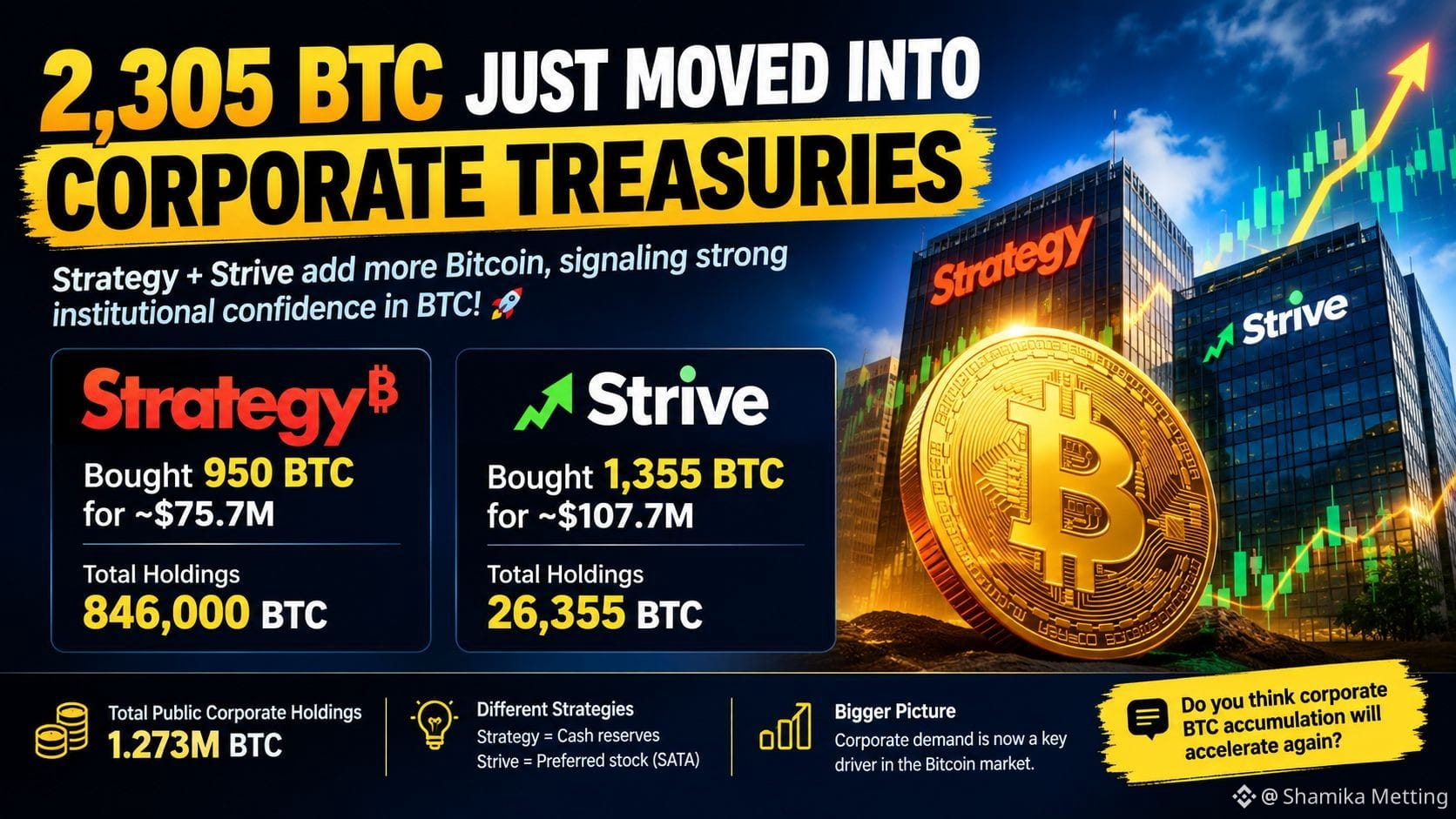
Strategy y Strive compraron juntas 2,305 BTC por 182.7 millones de dólares.
🔹 Strategy compró 950 BTC por 75.7 millones de dólares
🔹 Strive compró 1,355 BTC por aproximadamente 107.7 millones de dólares
Esto eleva sus tenencias totales a:
📊 Strategy. 846,000 BTC
📊 Strive. 26,355 BTC
Pero la historia real no está en la cantidad de Bitcoin que compraron.
Sino en la forma en que pagaron por ello.
Strategy utilizó liquidez que ya tenía.
Y Strive usó un modelo de financiación mediante acciones para financiar la compra. Es decir, amplían su tesorería de Bitcoin sin depender solo del flujo de caja.
Estas diferencias son importantes.
Para traders e inversores, añaden una capa de análisis: ¿cuánto Bitcoin se está agregando? ¿y cómo se financia? ¿Qué significa eso para el valor a largo plazo, por acción?
El costo de capital para acumular BTC y el valor por acción. Estos factores empezaron a moldear el mercado de maneras.
Las tesorerías institucionales ya no son un simple detalle secundario.
Más bien, se han convertido en parte del ecosistema de Bitcoin.
💬 ¿Qué opinas?
¿Empiezan otras empresas a comprar Bitcoin de esta manera?
¿Se expandirá esta tendencia?
Por favor, continúa siguiendo
#bitcoin #BTC #trading
$MSTR
{future}(MSTRUSDT)
#strategystriveadd2305bitcointhisweek 🚨 2,305 BTC تم تحويلها للتو إلى الخزائن
Mientras la mayoría de los traders se centraban en el rebote del precio de Bitcoin, dos empresas responsables dieron pasos importantes en silencio. 👀
Strategy y Strive compraron juntas 2,305 BTC por 182.7 millones de dólares.
🔹 Strategy compró 950 BTC por 75.7 millones de dólares
🔹 Strive compró 1,355 BTC por aproximadamente 107.7 millones de dólares
Esto eleva sus tenencias totales a:
📊 Strategy. 846,000 BTC
📊 Strive. 26,355 BTC
Pero la historia real no está en la cantidad de Bitcoin que compraron.
Sino en la forma en que pagaron por ello.
Strategy utilizó liquidez que ya tenía.
Y Strive usó un modelo de financiación mediante acciones para financiar la compra. Es decir, amplían su tesorería de Bitcoin sin depender solo del flujo de caja.
Estas diferencias son importantes.
Para traders e inversores, añaden una capa de análisis: ¿cuánto Bitcoin se está agregando? ¿y cómo se financia? ¿Qué significa eso para el valor a largo plazo, por acción?
El costo de capital para acumular BTC y el valor por acción. Estos factores empezaron a moldear el mercado de maneras.
Las tesorerías institucionales ya no son un simple detalle secundario.
Más bien, se han convertido en parte del ecosistema de Bitcoin.
💬 ¿Qué opinas?
¿Empiezan otras empresas a comprar Bitcoin de esta manera?
¿Se expandirá esta tendencia?
Por favor, continúa siguiendo
#bitcoin #BTC #trading
$MSTR
Mientras la mayoría de los traders se centraban en el rebote del precio de Bitcoin, dos empresas responsables dieron pasos importantes en silencio. 👀
Strategy y Strive compraron juntas 2,305 BTC por 182.7 millones de dólares.
🔹 Strategy compró 950 BTC por 75.7 millones de dólares
🔹 Strive compró 1,355 BTC por aproximadamente 107.7 millones de dólares
Esto eleva sus tenencias totales a:
📊 Strategy. 846,000 BTC
📊 Strive. 26,355 BTC
Pero la historia real no está en la cantidad de Bitcoin que compraron.
Sino en la forma en que pagaron por ello.
Strategy utilizó liquidez que ya tenía.
Y Strive usó un modelo de financiación mediante acciones para financiar la compra. Es decir, amplían su tesorería de Bitcoin sin depender solo del flujo de caja.
Estas diferencias son importantes.
Para traders e inversores, añaden una capa de análisis: ¿cuánto Bitcoin se está agregando? ¿y cómo se financia? ¿Qué significa eso para el valor a largo plazo, por acción?
El costo de capital para acumular BTC y el valor por acción. Estos factores empezaron a moldear el mercado de maneras.
Las tesorerías institucionales ya no son un simple detalle secundario.
Más bien, se han convertido en parte del ecosistema de Bitcoin.
💬 ¿Qué opinas?
¿Empiezan otras empresas a comprar Bitcoin de esta manera?
¿Se expandirá esta tendencia?
Por favor, continúa siguiendo
#bitcoin #BTC #trading
$MSTR
5
9.5k
Inicia sesión para explorar más contenidos
Únete a usuarios globales de criptomonedas en Binance Square
⚡️ Obtén información útil y actualizada sobre criptos.
💬 Avalado por el mayor exchange de criptomonedas en el mundo.
👍 Descubre perspectivas reales de creadores verificados.
Email/número de teléfono
Temas populares
1
#ChinaIndustrialProfitGrowthSlowsFourthMonth
100 vistas
24 están debatiendo
2
#BitwiseFilesFinalNEARSpotETFProspectus
94,512 vistas
1,492 están debatiendo
3
#BitgetHackerMoves$83MStolenXRP
34,659 vistas
167 están debatiendo
4
#SOLSpotETFWeeklyInflow$188M
22,799 vistas
133 están debatiendo
5
#DogecoinETFsPostBiggestWeekSinceLaunch
58,308 vistas
1,016 están debatiendo
6
#StrategyStriveAdd2305BitcoinThisWeek
150,786 vistas
2,217 están debatiendo
7
#TrumpRejectsIranHormuzReopening
129,749 vistas
1,674 están debatiendo
8
#CircleTetherFreezeBitgetHackerWallet
110,353 vistas
1,535 están debatiendo
9
#SECSaysTokenBuybacksNotAutoSecurities
75,085 vistas
915 están debatiendo
10
#ChinaUSAgreeOn$30BTariffCut
5,686 vistas
48 están debatiendo