

YASH_DHALIWAL_31
2k Posts

YASH_DHALIWAL_31
X ID_@Yashvee92148291

BTC Holder
High-Frequency Trader
1.2 Years
552 Following
13.1K+ Followers
7.2K+ Liked
Posts
All
Quotes
Videos
Live


Binance Square Official
·
--
Nillion (NIL) Creator Campaign: Share your Trade to Earn from 458,900 NIL on Binance Square
Binance Square is running a creator campaign with Nillion on CreatorPad, focused on Nillion's core product Covenants and its first release, Dusk. Eligible creators who complete simple tasks of follow, post once and share NIL trade, can enter to split 344,100 in NIL rewards, with additional 114,800 in NIL pools for top PNL performers.
Token voucher rewards will be distributed before 2026-11-12. Users may check their voucher rewards via Profile > Rewards Hub by then.
Activity Period: 2026-10-16 02:00 (UTC) to 2026-10-26 2:00 (UTC)
Who Can Participate:
Users meeting all of the following criteria will be invited to join the campaign:
Reached 1,000 or more followers on Binance Square by 2026-10-14 23:59 (UTC);Published at least 1 post (either short post, or article or video) on Binance Square in the 7 days leading up to 2026-10-14 23:59 (UTC);
Reward Tracks: The campaign reward is split across 2 tracks.
Track 1: Task Rewards (344,100 in NIL)
Complete all 3 tasks below and meet all the requirements to share 344,100 in NIL equally. Complete every task through the campaign page; each task can be done only once.
Tasks:
Follow Nillion Binance SquareFollow Nillion on social mediaCreate 1 post on Square that meets all the requirements below.
Requirements (for your Binance Square post):
Content should be in English or Chinese only.Include the NIL Spot/Futures trade sharing card with trade value ≥ $20 equivalent.Only Trade Sharing Cards showing NIL Spot trade history or Futures current/history positions are counted, other widget won't be counted. Refer to Guide for more details. The trade value in the trade sharing card ≥ $20 equivalent.In NIL Spot trade sharing, the trade value refers to the [Total (USDT)] shown on the trade sharing card.In NIL Futures sharing, the trade value refers to the filled (USDT) in the open position orders. At least 100 characters.Include the hashtag #NIL , tag the $NIL token, and mention @Nillion .Be relevant to Nillion, its core product Covenants and DUSK (its first release on Ethereum). Suggested directions: Suggested direction 1: Explore Covenants, what do you like most about Covenants? Suggested direction 2: Explore Dusk launch on Ethereum Mainnet and Nillion 7-era roadmap, what capabilities are you most looking forward to seeing or excited about? See the Content Guide on the campaign page for more.
How to add your trade-sharing card:
In the Post Editor, tap [Add Trades].To share NIL Spot: select from the [Trade History] under [Spot], and toggle [Show Amount].To share NIL Futures: select either current or history positions under [Futures]. New order recognition in the Trade Sharing widget may take up to 5 - 10 minutes. Please wait a moment after trading before sharing your trade.
Rules:
Creators who meet all tasks requirements share 344,100 NIL equally, capped at $50 worth of NIL per eligible creator.Post only once on Square during the campaign. This is not a leaderboard campaign and you don't need to post daily.Post from the CreatorPad campaign page to be counted. Posts directly published elsewhere (e.g. post editor) won't be counted as valid entries.After you post, the task shows "Posted", but that doesn't mean you have completed tasks. Eligibility is assessed once, at the end of the campaign (2026-10-26 02:00 UTC). You may edit your post until then — changes before the snapshot are accepted. Only Square posts that meet all the requirements mentioned above at that point count as completing the task; otherwise no reward.No engagement farming: don't add red packets or giveaways, and don't post high-volume repetitive, templated, AI-generated, or empty comments, or templated replies that fake engagement. Violations disqualify you from this and future campaigns, harm your account health and reach, and serious cases can lose monetization eligibility. Check behaviours not recommended by Square for more detail.Express yourself genuinely, avoid using AI to generate content or images.Accounts flagged as violations (including mute, warning, offline) during the campaign period will not be eligible for rewards.
Track 2. Posts in the Top 100 by PNL will share an additional 114,800 in NIL.
Showcase your best NIL PnL to share an additional 114,800 in NIL equally. Creators whose Square post meets the Track 1 requirements and who rank in the top 100 by NIL PNL shared through Binance Square trading widgets at the snapshot on 2026-10-26 2:00 (UTC) will share an additional 114,800 in NIL equally.
Note:
Creators who complete all tasks share 114,800 NIL equally, capped at $200 worth of NIL per eligible creator.NIL PnL at the snapshot must be greater than 0 to be eligible for rewards.PnL from posts meeting requirements in Track 1 will be snapshot on 2026-10-26 2:00 (UTC). In data sync, there might be slight differences between snapshot PnL and PnL shown on the trade-sharing widget.
Terms and Conditions
All eligible users are required to complete account verification (KYC) to receive rewards from this Activity.Verified project accounts on Binance Square are not eligible to participate.Illegally bulk-registered accounts or sub-accounts are not eligible to participate or receive any rewards. Users identified as risk users within 7 days following the Activity end date will be deemed ineligible for rewards. This ineligibility applies regardless of any changes to the user’s risk status after the rewards have been distributed. However, users identified as risk users during rewards distribution may submit an appeal via this form within 14 days from the date of reward distribution. If the appeal is successful, users can contact our customer service team to request a redistribution of rewards.Participants found engaging in suspicious views, or suspected use of automated bots will be disqualified from the Activity.Restricted countries and regions apply.Virtual assets may lose their value in full or in part and are subject to extreme volatility.Only data from Binance Square posts will be taken into account for rewards calculation. Participants are required to keep their campaign-related posts published for a minimum of 30 days following the Activity end date. Deleting posts within this period is not permitted.Any posts found to violate Binance’s Community or Content Guidelines will be deemed ineligible for Activity rewards.Only participation via Binance master accounts will be eligible for rewards. Binance reserves the right to cancel a user’s eligibility in this Activity if the account is involved in any behavior that breaches the Binance Square Community Management Guidelines or Binance Square Community Platform Terms and Conditions.Binance reserves the right to disqualify any participants who tamper with Binance program code, or interfere with the operation of Binance program code with other software.Binance reserves the right at any time in its sole and absolute discretion to determine and/or amend or vary these terms and conditions without prior notice, including but not limited to canceling, extending, terminating or suspending this activity, the eligibility terms and criteria, the selection and number of winners, and the timing of any act to be done, and all participants shall be bound by these amendments.Binance reserves the right of final interpretation of this Activity and other, including the spotlighting of specific content from time to time.Additional promotion terms and conditions can be accessed here.In compliance with MiCA requirements, unauthorized stablecoins are subject to certain restrictions for EEA users. For more information, please click here.There may be discrepancies between this original content in English and any translated versions. Please refer to the original English version for the most accurate information, in case any discrepancies arise.Any content published outside of Square must comply with the applicable policies and guidelines of the relevant social media platform(s). Where required by law, regulation, or platform rules, such content must be clearly and conspicuously disclosed as a paid collaboration (or equivalent disclosure). Square shall not be responsible or liable for any content published outside of Square.
Token voucher rewards will be distributed before 2026-11-12. Users may check their voucher rewards via Profile > Rewards Hub by then.
Activity Period: 2026-10-16 02:00 (UTC) to 2026-10-26 2:00 (UTC)
Who Can Participate:
Users meeting all of the following criteria will be invited to join the campaign:
Reached 1,000 or more followers on Binance Square by 2026-10-14 23:59 (UTC);Published at least 1 post (either short post, or article or video) on Binance Square in the 7 days leading up to 2026-10-14 23:59 (UTC);
Reward Tracks: The campaign reward is split across 2 tracks.
Track 1: Task Rewards (344,100 in NIL)
Complete all 3 tasks below and meet all the requirements to share 344,100 in NIL equally. Complete every task through the campaign page; each task can be done only once.
Tasks:
Follow Nillion Binance SquareFollow Nillion on social mediaCreate 1 post on Square that meets all the requirements below.
Requirements (for your Binance Square post):
Content should be in English or Chinese only.Include the NIL Spot/Futures trade sharing card with trade value ≥ $20 equivalent.Only Trade Sharing Cards showing NIL Spot trade history or Futures current/history positions are counted, other widget won't be counted. Refer to Guide for more details. The trade value in the trade sharing card ≥ $20 equivalent.In NIL Spot trade sharing, the trade value refers to the [Total (USDT)] shown on the trade sharing card.In NIL Futures sharing, the trade value refers to the filled (USDT) in the open position orders. At least 100 characters.Include the hashtag #NIL , tag the $NIL token, and mention @Nillion .Be relevant to Nillion, its core product Covenants and DUSK (its first release on Ethereum). Suggested directions: Suggested direction 1: Explore Covenants, what do you like most about Covenants? Suggested direction 2: Explore Dusk launch on Ethereum Mainnet and Nillion 7-era roadmap, what capabilities are you most looking forward to seeing or excited about? See the Content Guide on the campaign page for more.
How to add your trade-sharing card:
In the Post Editor, tap [Add Trades].To share NIL Spot: select from the [Trade History] under [Spot], and toggle [Show Amount].To share NIL Futures: select either current or history positions under [Futures]. New order recognition in the Trade Sharing widget may take up to 5 - 10 minutes. Please wait a moment after trading before sharing your trade.
Rules:
Creators who meet all tasks requirements share 344,100 NIL equally, capped at $50 worth of NIL per eligible creator.Post only once on Square during the campaign. This is not a leaderboard campaign and you don't need to post daily.Post from the CreatorPad campaign page to be counted. Posts directly published elsewhere (e.g. post editor) won't be counted as valid entries.After you post, the task shows "Posted", but that doesn't mean you have completed tasks. Eligibility is assessed once, at the end of the campaign (2026-10-26 02:00 UTC). You may edit your post until then — changes before the snapshot are accepted. Only Square posts that meet all the requirements mentioned above at that point count as completing the task; otherwise no reward.No engagement farming: don't add red packets or giveaways, and don't post high-volume repetitive, templated, AI-generated, or empty comments, or templated replies that fake engagement. Violations disqualify you from this and future campaigns, harm your account health and reach, and serious cases can lose monetization eligibility. Check behaviours not recommended by Square for more detail.Express yourself genuinely, avoid using AI to generate content or images.Accounts flagged as violations (including mute, warning, offline) during the campaign period will not be eligible for rewards.
Track 2. Posts in the Top 100 by PNL will share an additional 114,800 in NIL.
Showcase your best NIL PnL to share an additional 114,800 in NIL equally. Creators whose Square post meets the Track 1 requirements and who rank in the top 100 by NIL PNL shared through Binance Square trading widgets at the snapshot on 2026-10-26 2:00 (UTC) will share an additional 114,800 in NIL equally.
Note:
Creators who complete all tasks share 114,800 NIL equally, capped at $200 worth of NIL per eligible creator.NIL PnL at the snapshot must be greater than 0 to be eligible for rewards.PnL from posts meeting requirements in Track 1 will be snapshot on 2026-10-26 2:00 (UTC). In data sync, there might be slight differences between snapshot PnL and PnL shown on the trade-sharing widget.
Terms and Conditions
All eligible users are required to complete account verification (KYC) to receive rewards from this Activity.Verified project accounts on Binance Square are not eligible to participate.Illegally bulk-registered accounts or sub-accounts are not eligible to participate or receive any rewards. Users identified as risk users within 7 days following the Activity end date will be deemed ineligible for rewards. This ineligibility applies regardless of any changes to the user’s risk status after the rewards have been distributed. However, users identified as risk users during rewards distribution may submit an appeal via this form within 14 days from the date of reward distribution. If the appeal is successful, users can contact our customer service team to request a redistribution of rewards.Participants found engaging in suspicious views, or suspected use of automated bots will be disqualified from the Activity.Restricted countries and regions apply.Virtual assets may lose their value in full or in part and are subject to extreme volatility.Only data from Binance Square posts will be taken into account for rewards calculation. Participants are required to keep their campaign-related posts published for a minimum of 30 days following the Activity end date. Deleting posts within this period is not permitted.Any posts found to violate Binance’s Community or Content Guidelines will be deemed ineligible for Activity rewards.Only participation via Binance master accounts will be eligible for rewards. Binance reserves the right to cancel a user’s eligibility in this Activity if the account is involved in any behavior that breaches the Binance Square Community Management Guidelines or Binance Square Community Platform Terms and Conditions.Binance reserves the right to disqualify any participants who tamper with Binance program code, or interfere with the operation of Binance program code with other software.Binance reserves the right at any time in its sole and absolute discretion to determine and/or amend or vary these terms and conditions without prior notice, including but not limited to canceling, extending, terminating or suspending this activity, the eligibility terms and criteria, the selection and number of winners, and the timing of any act to be done, and all participants shall be bound by these amendments.Binance reserves the right of final interpretation of this Activity and other, including the spotlighting of specific content from time to time.Additional promotion terms and conditions can be accessed here.In compliance with MiCA requirements, unauthorized stablecoins are subject to certain restrictions for EEA users. For more information, please click here.There may be discrepancies between this original content in English and any translated versions. Please refer to the original English version for the most accurate information, in case any discrepancies arise.Any content published outside of Square must comply with the applicable policies and guidelines of the relevant social media platform(s). Where required by law, regulation, or platform rules, such content must be clearly and conspicuously disclosed as a paid collaboration (or equivalent disclosure). Square shall not be responsible or liable for any content published outside of Square.
Hoorain_X
·
--
🧧 RED PACKET TIME! 🧧
A little surprise for the community 👀🔥
Stay active, keep your eyes open, and grab it before it’s gone! 😎
Good vibes + good community = the best combo. ❤️
Who’s getting there first? 👀🧧
A little surprise for the community 👀🔥
Stay active, keep your eyes open, and grab it before it’s gone! 😎
Good vibes + good community = the best combo. ❤️
Who’s getting there first? 👀🧧
Leo - F0
·
--
Bullish🧧🧧🔥GOOD MORNING MY FAMİLY.🔥🧧🧧
I told you to buy $PEPE 💙 when it was at $0.00000030
As I told you before, $PEPE 💙 will be $000050.💎
BTTC🔥🔥🧧🧧 $BTC #FedMinutesFocusOnOctoberPause #xrp #solana #DOGE #trump
I told you to buy $PEPE 💙 when it was at $0.00000030
As I told you before, $PEPE 💙 will be $000050.💎
BTTC🔥🔥🧧🧧 $BTC #FedMinutesFocusOnOctoberPause #xrp #solana #DOGE #trump

Ahli Hidaya ALLAH hu SAMAD
·
--
Bullish🚨 GEOPOLITICAL UPDATE: Trump Rules Out Iran Attacks Before November 3 Midterms! 🇺🇸🇮🇷
Global markets are reacting to major breaking news from Washington. US President Donald Trump has officially announced that the United States will not launch any military strikes or attacks against Iran prior to the November 3 midterm elections.
Key Highlights:
No Pre-Election Escalation: Trump confirmed that military operations will remain paused as Washington and Tehran engage in what he described as "productive discussions".
Blockade Remains Active: Despite diplomatic talks continuing, Trump emphasized that the strict US economic and naval blockade on Iran "will remain in full force and effect."
Market Sentiment: Global risk assets, commodities, and crypto markets are closely monitoring these headlines, as Middle Eastern stability heavily influences macro-economic conditions.
What This Means for Crypto Traders:
Major geopolitical announcements can trigger sudden volatility across all markets. Keeping a close eye on macro events helps you manage risk better and avoid getting trapped in unexpected price swings.
💡 Want to build and secure your portfolio safely through market ups and downs without high risks?
Join me and earn rewards together on Binance: Click here to claim your rewards! 🚀
Stay informed, manage your leverage, and trade safely! 🛡️
#Geopolitics #CryptoNews #BinanceSquare #MarketTrends #TradingCommunity$TRUMP $RAY
#dyor
Global markets are reacting to major breaking news from Washington. US President Donald Trump has officially announced that the United States will not launch any military strikes or attacks against Iran prior to the November 3 midterm elections.
Key Highlights:
No Pre-Election Escalation: Trump confirmed that military operations will remain paused as Washington and Tehran engage in what he described as "productive discussions".
Blockade Remains Active: Despite diplomatic talks continuing, Trump emphasized that the strict US economic and naval blockade on Iran "will remain in full force and effect."
Market Sentiment: Global risk assets, commodities, and crypto markets are closely monitoring these headlines, as Middle Eastern stability heavily influences macro-economic conditions.
What This Means for Crypto Traders:
Major geopolitical announcements can trigger sudden volatility across all markets. Keeping a close eye on macro events helps you manage risk better and avoid getting trapped in unexpected price swings.
💡 Want to build and secure your portfolio safely through market ups and downs without high risks?
Join me and earn rewards together on Binance: Click here to claim your rewards! 🚀
Stay informed, manage your leverage, and trade safely! 🛡️
#Geopolitics #CryptoNews #BinanceSquare #MarketTrends #TradingCommunity$TRUMP $RAY
#dyor


Elena神话MUA
·
--
[Replay] 🎙️ Construction Plaza, the MUA airdrop continues—come on!
04 h 10 m 57 s · 3.6k listens
Quoted content has been removed
Ahli Hidaya ALLAH hu SAMAD
·
--
Bullish🚨 GEOPOLITICAL UPDATE: Trump Rules Out Iran Attacks Before November 3 Midterms! 🇺🇸🇮🇷
Global markets are reacting to major breaking news from Washington. US President Donald Trump has officially announced that the United States will not launch any military strikes or attacks against Iran prior to the November 3 midterm elections.
Key Highlights:
No Pre-Election Escalation: Trump confirmed that military operations will remain paused as Washington and Tehran engage in what he described as "productive discussions".
Blockade Remains Active: Despite diplomatic talks continuing, Trump emphasized that the strict US economic and naval blockade on Iran "will remain in full force and effect."
Market Sentiment: Global risk assets, commodities, and crypto markets are closely monitoring these headlines, as Middle Eastern stability heavily influences macro-economic conditions.
What This Means for Crypto Traders:
Major geopolitical announcements can trigger sudden volatility across all markets. Keeping a close eye on macro events helps you manage risk better and avoid getting trapped in unexpected price swings.
💡 Want to build and secure your portfolio safely through market ups and downs without high risks?
Join me and earn rewards together on Binance: Click here to claim your rewards! 🚀
Stay informed, manage your leverage, and trade safely! 🛡️
#Geopolitics #CryptoNews #BinanceSquare #MarketTrends #TradingCommunity$TRUMP $RAY
#dyor
Global markets are reacting to major breaking news from Washington. US President Donald Trump has officially announced that the United States will not launch any military strikes or attacks against Iran prior to the November 3 midterm elections.
Key Highlights:
No Pre-Election Escalation: Trump confirmed that military operations will remain paused as Washington and Tehran engage in what he described as "productive discussions".
Blockade Remains Active: Despite diplomatic talks continuing, Trump emphasized that the strict US economic and naval blockade on Iran "will remain in full force and effect."
Market Sentiment: Global risk assets, commodities, and crypto markets are closely monitoring these headlines, as Middle Eastern stability heavily influences macro-economic conditions.
What This Means for Crypto Traders:
Major geopolitical announcements can trigger sudden volatility across all markets. Keeping a close eye on macro events helps you manage risk better and avoid getting trapped in unexpected price swings.
💡 Want to build and secure your portfolio safely through market ups and downs without high risks?
Join me and earn rewards together on Binance: Click here to claim your rewards! 🚀
Stay informed, manage your leverage, and trade safely! 🛡️
#Geopolitics #CryptoNews #BinanceSquare #MarketTrends #TradingCommunity$TRUMP $RAY
#dyor
YUNA萌4
·
--
Claim your reward below 🧧🎁
$BTC is holding around $82.3K, and the chart has my attention today 👀
Price bounced from the $80.4K area, but can buyers keep the momentum going? 📈
Sometimes, one move changes the whole market mood. 😂
What’s your view on BTC today? 👇
🐂 Bullish or 🐻 Bearish?
#BTC #bitcoin
$BTC is holding around $82.3K, and the chart has my attention today 👀
Price bounced from the $80.4K area, but can buyers keep the momentum going? 📈
Sometimes, one move changes the whole market mood. 😂
What’s your view on BTC today? 👇
🐂 Bullish or 🐻 Bearish?
#BTC #bitcoin
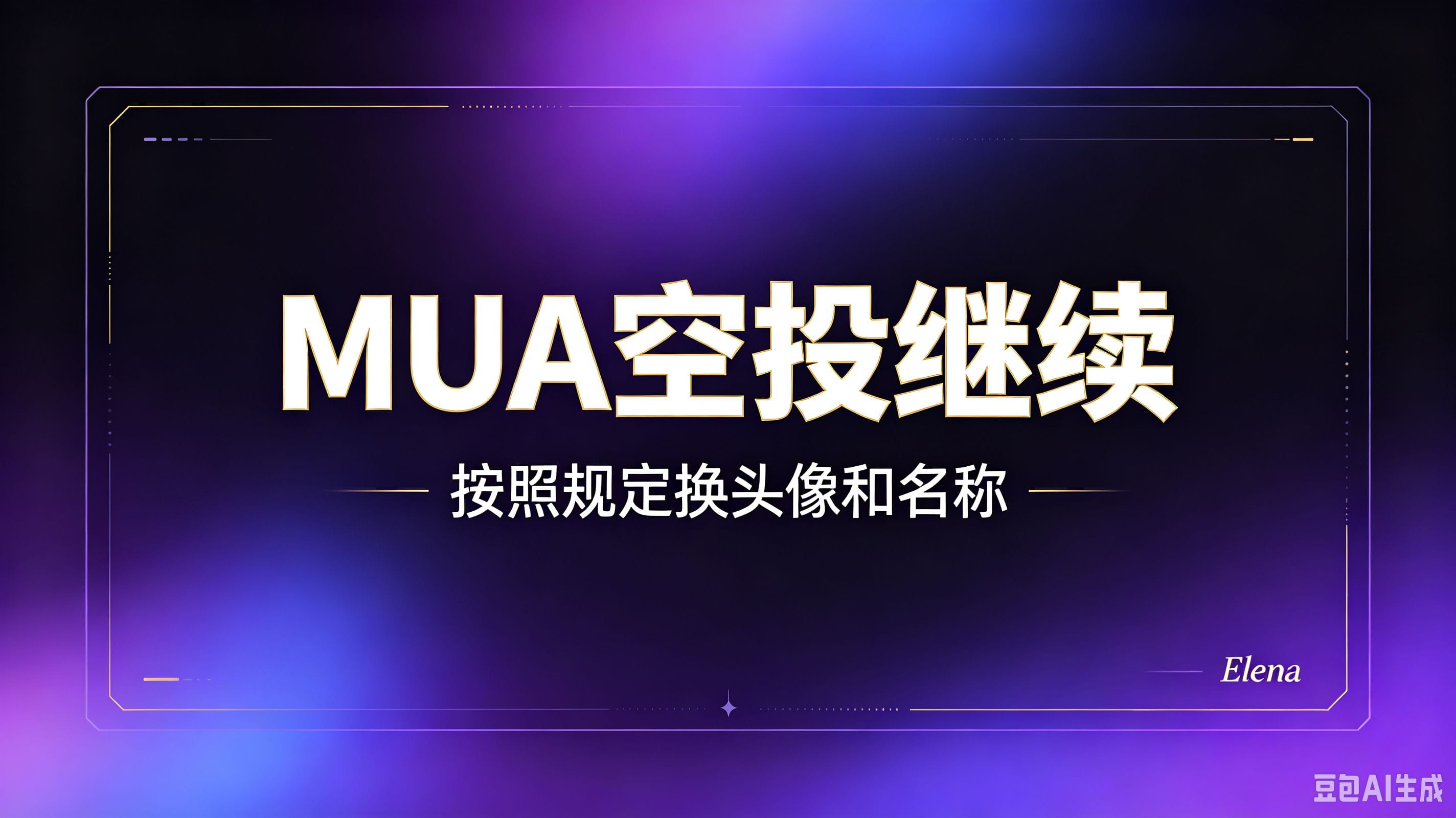
🎙️ Construction Plaza, the MUA airdrop is still on—come join!
End
04 h 10 m 57 s
3.4k
23
Ayush-NXT
·
--
Bullish🔥 Anime Quote Quiz #003 🔥
"Those who do not understand true pain can never understand true peace."
👇 Quiz Time: Can you guess which iconic anime character said this deep line? Drop your answers in the comments below! 💭👇
📉 Crypto & Life Reflection:
Just like in anime, the crypto market teaches us that you cannot appreciate true financial peace and success without navigating through the "pain" of market volatility and dips. Learn from every market cycle, stay patient, and build a resilient trading mindset! 🚀📈
💡 Hint:
This character belongs to Naruto Shippuden, served as the leader of the Akatsuki, and possessed the legendary Rinnegan eyes! 👁️🌩️
#Anime #AnimeQuiz
#Ayush4155 #DevTeasers
$OGN $BEAT
"Those who do not understand true pain can never understand true peace."
👇 Quiz Time: Can you guess which iconic anime character said this deep line? Drop your answers in the comments below! 💭👇
📉 Crypto & Life Reflection:
Just like in anime, the crypto market teaches us that you cannot appreciate true financial peace and success without navigating through the "pain" of market volatility and dips. Learn from every market cycle, stay patient, and build a resilient trading mindset! 🚀📈
💡 Hint:
This character belongs to Naruto Shippuden, served as the leader of the Akatsuki, and possessed the legendary Rinnegan eyes! 👁️🌩️
#Anime #AnimeQuiz
#Ayush4155 #DevTeasers
$OGN $BEAT
Cryptology_7
·
--
𝑺𝑶𝑴𝑬𝑻𝑰𝑴𝑬, 𝑵𝑶𝑻 𝑳𝑶𝑺𝑰𝑵𝑮 𝑴𝑶𝑵𝑬𝒀 𝑰𝑺 𝑨 𝑽𝑰𝑪𝑻𝑶𝑹𝒀 🎀 𝑴𝑨𝑹𝑲𝑬𝑻 𝑷𝑨𝒀𝑺 𝑶𝑵𝑳𝒀 𝑻𝑯𝑶𝑺𝑬 𝑾𝑯𝑶 𝑫𝑰𝑫𝑵'𝑻 𝑮𝑬𝑻 𝑷𝑨𝑵𝑰𝑪 𝑰𝑵 𝑬𝑽𝑬𝑹𝒀 𝑺𝑰𝑻𝑼𝑨𝑻𝑰𝑶𝑵 ✨
👉🏼 𝑪𝑳𝑨𝑰𝑴 𝑹𝑬𝑾𝑨𝑹𝑫 🎁
$MET
$ETH
#BinanceSquareFamily #MarketSentimentToday #Cryptology_7
👉🏼 𝑪𝑳𝑨𝑰𝑴 𝑹𝑬𝑾𝑨𝑹𝑫 🎁
$MET
$ETH
#BinanceSquareFamily #MarketSentimentToday #Cryptology_7
Quoted content has been removed
Quoted content has been removed
Quoted content has been removed
Ahli Hidaya ALLAH hu SAMAD
·
--
Bullish🚀 Fed Warns of Rate Hikes & AI Inflation — PLUS, Claim Your Free USDC Rewards!
Macro updates are shaking up the markets again!
🔹 Fed's Next Move: Most Federal Reserve officials still expect potential rate hikes this year to tackle persistent inflation.
🔹 The AI Boom: Massive AI infrastructure demand is driving up costs, putting even more pressure on global supply chains and economic policy.
💡 What does this mean for traders? High-interest environments can bring market volatility, but they also create incredible entry opportunities for spot traders who stay prepared.
🎁 Want to boost your crypto journey right now?
While navigating these market shifts, don't miss out on free rewards! Click the link below to claim your USDC rewards together:
🔗 Claim Your USDC Rewards Here
How are you positioning your portfolio for the rest of the year? Let’s talk strategy in the comments! 👇
#BinanceSquare #Crypto #USDC #Fed #Inflation #AI #SpotTrading #EarnCrypto$RENDER $SOL $BNB
#dyor
Macro updates are shaking up the markets again!
🔹 Fed's Next Move: Most Federal Reserve officials still expect potential rate hikes this year to tackle persistent inflation.
🔹 The AI Boom: Massive AI infrastructure demand is driving up costs, putting even more pressure on global supply chains and economic policy.
💡 What does this mean for traders? High-interest environments can bring market volatility, but they also create incredible entry opportunities for spot traders who stay prepared.
🎁 Want to boost your crypto journey right now?
While navigating these market shifts, don't miss out on free rewards! Click the link below to claim your USDC rewards together:
🔗 Claim Your USDC Rewards Here
How are you positioning your portfolio for the rest of the year? Let’s talk strategy in the comments! 👇
#BinanceSquare #Crypto #USDC #Fed #Inflation #AI #SpotTrading #EarnCrypto$RENDER $SOL $BNB
#dyor
Log in to explore more content