Binance Square
Tapu13
7.5k Posts

Tapu13

Square Verified+
Always Smile ๐Ÿ˜Š x: @Tapanpatel137 ๐Ÿ”ถ DYOR ๐Ÿ’™
USD1 Holder
USD1 Holder
High-Frequency Trader
4.1 Years
421 Following
81.5K+ Followers
48.3K+ Liked
Posts
PINNED
ยท
--
๐ŸŒŸ Saturday โ€“ The Day to Recharge & Rise! ๐Ÿ’› The weekend isnโ€™t a reason to slow down itโ€™s a chance to reset, refocus, and prepare for even bigger wins ahead. ๐ŸŽ Saturday Red Packet is LIVE! Claim todayโ€™s Red Packet, enjoy the weekend, and let a little extra luck power your next move. ๐Ÿš€๐Ÿ€ Wishing the entire Tapu Family a relaxing, rewarding, and profitable Saturday
๐ŸŒŸ Saturday โ€“ The Day to Recharge & Rise! ๐Ÿ’›

The weekend isnโ€™t a reason to slow down itโ€™s a chance to reset, refocus, and prepare for even bigger wins ahead.

๐ŸŽ Saturday Red Packet is LIVE!

Claim todayโ€™s Red Packet, enjoy the weekend, and let a little extra luck power your next move. ๐Ÿš€๐Ÿ€

Wishing the entire Tapu Family a relaxing, rewarding, and profitable Saturday
PINNED
ยท
--
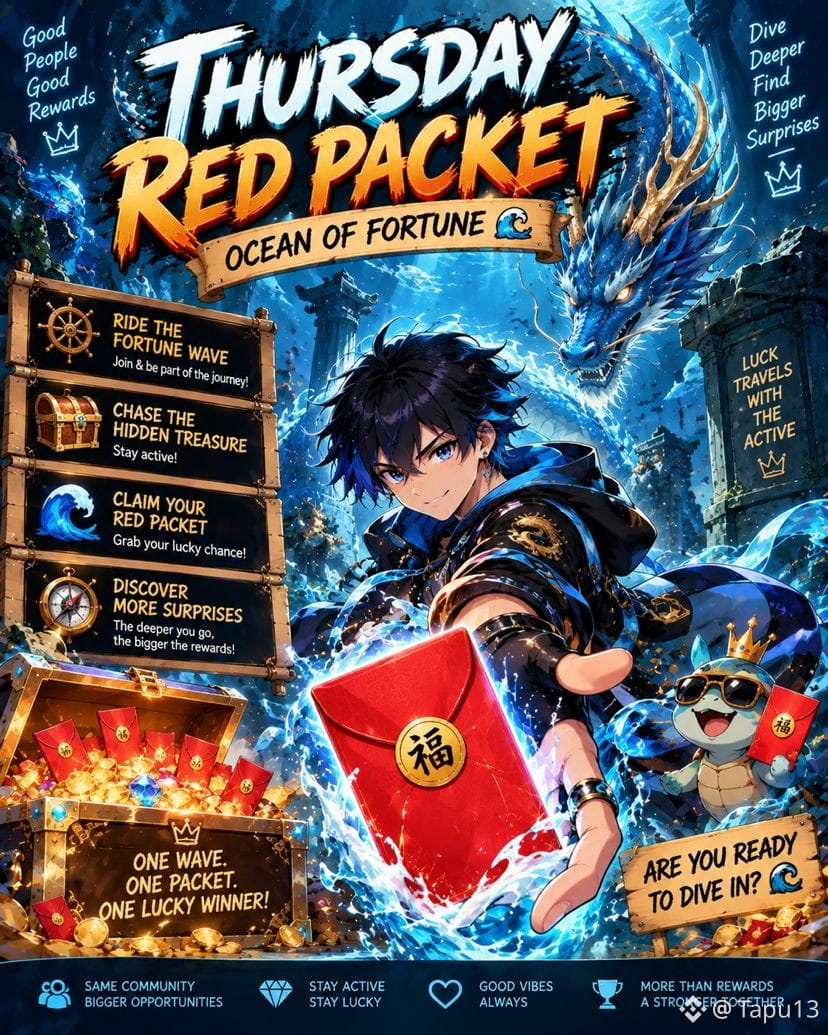
โšก Thursday โ€“ The Day of Breakthrough! ๐Ÿ’› Success isnโ€™t built overnight. Itโ€™s built by showing up, staying patient, and never giving up. ๐ŸŽ Thursday Red Packet is LIVE! Claim todayโ€™s Red Packet, keep pushing forward, and let this Thursday be the day that changes your week. ๐Ÿš€๐Ÿ€ Good luck to the entire Tapu Family! Letโ€™s finish the week stronger than we started.
โšก Thursday โ€“ The Day of Breakthrough! ๐Ÿ’›

Success isnโ€™t built overnight. Itโ€™s built by showing up, staying patient, and never giving up.

๐ŸŽ Thursday Red Packet is LIVE!

Claim todayโ€™s Red Packet, keep pushing forward, and let this Thursday be the day that changes your week. ๐Ÿš€๐Ÿ€

Good luck to the entire Tapu Family! Letโ€™s finish the week stronger than we started.
ยท
--
Verified
@babylonlabs_io I keep lookingโ€ฆ Every big crypto launch promises to change something. Most of them fade after the excitement. Thatโ€™s why I paid extra attention to Babylon Phase-2 instead of just reading the headline. From what Iโ€™ve seen, this isnโ€™t simply another mainnet event. Phase-2 officially brings Babylon Genesis online, making it the first network secured by both BABY staking and self-custodial Bitcoin staking. Phase-1 proved people were willing to lock BTC, with over 57,000 BTC participating. Now the real challenge beginsโ€”turning that interest into a secure, working ecosystem. I actually like the idea because Bitcoin holders donโ€™t have to hand over custody just to help secure a Proof-of-Stake network. That feels closer to what many BTC users have wanted for years. Still, launches are always easier than long-term execution. Validators, finality providers, user adoption, and network stability will matter far more than launch-day excitement. If those pieces donโ€™t perform, the narrative wonโ€™t last. Iโ€™m curious to see how Babylon evolves once the market stops watching the announcement and starts judging the results. Do you think Babylon Phase-2 is the real beginning of Bitcoin staking, or is the hardest part still ahead? #baby $BABY $ESP {spot}(ESPUSDT) $CROSS {future}(CROSSUSDT)
@BabylonLabs_io I keep lookingโ€ฆ Every big crypto launch promises to change something. Most of them fade after the excitement. Thatโ€™s why I paid extra attention to Babylon Phase-2 instead of just reading the headline.

From what Iโ€™ve seen, this isnโ€™t simply another mainnet event. Phase-2 officially brings Babylon Genesis online, making it the first network secured by both BABY staking and self-custodial Bitcoin staking. Phase-1 proved people were willing to lock BTC, with over 57,000 BTC participating. Now the real challenge beginsโ€”turning that interest into a secure, working ecosystem.

I actually like the idea because Bitcoin holders donโ€™t have to hand over custody just to help secure a Proof-of-Stake network. That feels closer to what many BTC users have wanted for years.

Still, launches are always easier than long-term execution. Validators, finality providers, user adoption, and network stability will matter far more than launch-day excitement. If those pieces donโ€™t perform, the narrative wonโ€™t last.

Iโ€™m curious to see how Babylon evolves once the market stops watching the announcement and starts judging the results.

Do you think Babylon Phase-2 is the real beginning of Bitcoin staking, or is the hardest part still ahead?

#baby $BABY

$ESP
$CROSS
Buy Bullish Long ๐ŸŸข
Sell Bearish Short ๐Ÿ”ด
Holding & Wait ๐Ÿ™€
23 hr(s) left
ยท
--
Verified
@babylonlabs_io One thing I keep looking at Babylonโ€™s tokenomics because thatโ€™s usually where I decide if a project deserves my attention or not. The first thing that stood out to me is the 10B BABY initial supply. Community incentives receive 15%, while ecosystem growth and R&D each get 18%. Investors hold 30.5%, but those tokens follow a long unlock schedule instead of hitting the market all at once, which feels healthier than many recent launches. I also noticed the airdrop isnโ€™t just for one group. Phase-1 BTC stakers, eligible Finality Providers, and selected open-source contributors were included, and registered users didnโ€™t need a separate claim. Thatโ€™s a small detail, but it removes unnecessary friction. That said, I still think unlock schedules are something every holder should watch. Even good tokenomics can face selling pressure once vesting begins. What caught your eye first: the token allocation or the airdrop design? #baby $BABY $ESP {spot}(ESPUSDT) $EUL {spot}(EULUSDT)
@BabylonLabs_io One thing I keep looking at Babylonโ€™s tokenomics because thatโ€™s usually where I decide if a project deserves my attention or not.

The first thing that stood out to me is the 10B BABY initial supply. Community incentives receive 15%, while ecosystem growth and R&D each get 18%. Investors hold 30.5%, but those tokens follow a long unlock schedule instead of hitting the market all at once, which feels healthier than many recent launches.

I also noticed the airdrop isnโ€™t just for one group. Phase-1 BTC stakers, eligible Finality Providers, and selected open-source contributors were included, and registered users didnโ€™t need a separate claim. Thatโ€™s a small detail, but it removes unnecessary friction.

That said, I still think unlock schedules are something every holder should watch. Even good tokenomics can face selling pressure once vesting begins.

What caught your eye first: the token allocation or the airdrop design?

#baby $BABY

$ESP
$EUL
Buying Long ๐ŸŸข โฌ†๏ธ
Selling Short ๐Ÿ”ด โฌ‡๏ธ
Still Holding ๐Ÿ™€ โ†•๏ธ
13 hr(s) left
ยท
--
@babylonlabs_io One thing I keep looking at Bitcoin DeFi projects, and honestly, the biggest question for me has never been โ€œHow much can I earn?โ€ Itโ€™s always been, โ€œWho am I trusting with my BTC?โ€ Before TBV, the answer was usually simple. A custodian held the Bitcoin, or a bridge locked it somewhere. If that bridge failed or the custodian was compromised, your link to the original BTC could disappear. After reading Babylonโ€™s TBV design, I think the trust model changes in a way thatโ€™s easy to overlook. Your BTC never leaves Bitcoin. Instead of trusting people, the protocol relies on Bitcoin Script, cryptographic proofs, and Ethereum state verification to decide when BTC can move. What stood out to me is that there isnโ€™t a bridge contract controlling everyoneโ€™s BTC, no federation holding the keys, and no custodian waiting to approve withdrawals. Your own keys remain part of the redemption path, which feels much closer to Bitcoinโ€™s self-custody philosophy. That doesnโ€™t mean the system is perfect. Today there are still governance and emergency multisigs acting as temporary safety nets. Theyโ€™re designed to become less important over time, but Iโ€™d still watch how that evolves before calling the model completely trustless. Personally, I find this shift fascinating. The trust isnโ€™t removed completely, itโ€™s simply reduced and moved from custody toward transparent cryptographic verification. If Bitcoin is built on minimizing trust, do you think this model is the direction Bitcoin DeFi should take? #baby $BABY $EUL {spot}(EULUSDT) $DEXE {spot}(DEXEUSDT)
@BabylonLabs_io One thing I keep looking at Bitcoin DeFi projects, and honestly, the biggest question for me has never been โ€œHow much can I earn?โ€ Itโ€™s always been, โ€œWho am I trusting with my BTC?โ€

Before TBV, the answer was usually simple.
A custodian held the Bitcoin, or a bridge
locked it somewhere. If that bridge failed
or the custodian was compromised, your link
to the original BTC could disappear.

After reading Babylonโ€™s TBV design,
I think the trust model changes in a way
thatโ€™s easy to overlook. Your BTC never leaves
Bitcoin. Instead of trusting people, the protocol
relies on Bitcoin Script, cryptographic proofs,
and Ethereum state verification to decide
when BTC can move.

What stood out to me is that there isnโ€™t
a bridge contract controlling everyoneโ€™s BTC,
no federation holding the keys, and no custodian waiting to approve withdrawals. Your own keys remain part of the redemption path, which feels much closer to Bitcoinโ€™s self-custody philosophy.

That doesnโ€™t mean the system is perfect.
Today there are still governance and emergency
multisigs acting as temporary safety nets.
Theyโ€™re designed to become less important over time, but Iโ€™d still watch how that evolves before calling the model completely trustless.

Personally, I find this shift fascinating.
The trust isnโ€™t removed completely,
itโ€™s simply reduced and moved from custody
toward transparent cryptographic verification.

If Bitcoin is built on minimizing trust, do you think this model is the direction Bitcoin DeFi should take?

#baby $BABY

$EUL
$DEXE
Bullish Zone Time ๐ŸŸข
75%
Bearish Zone Time ๐Ÿ”ด
17%
Holding Zone Time ๐ŸŸ 
8%
12 votes โ€ข Voting closed
ยท
--
13
13
Tapu13
ยท
--
๐ŸŒŸ Saturday โ€“ The Day to Recharge & Rise! ๐Ÿ’›

The weekend isnโ€™t a reason to slow down itโ€™s a chance to reset, refocus, and prepare for even bigger wins ahead.

๐ŸŽ Saturday Red Packet is LIVE!

Claim todayโ€™s Red Packet, enjoy the weekend, and let a little extra luck power your next move. ๐Ÿš€๐Ÿ€

Wishing the entire Tapu Family a relaxing, rewarding, and profitable Saturday
ยท
--
13
13
Tapu13
ยท
--
๐ŸŒŸ Saturday โ€“ The Day to Recharge & Rise! ๐Ÿ’›

The weekend isnโ€™t a reason to slow down itโ€™s a chance to reset, refocus, and prepare for even bigger wins ahead.

๐ŸŽ Saturday Red Packet is LIVE!

Claim todayโ€™s Red Packet, enjoy the weekend, and let a little extra luck power your next move. ๐Ÿš€๐Ÿ€

Wishing the entire Tapu Family a relaxing, rewarding, and profitable Saturday
ยท
--
13
13
Tapu13
ยท
--
โšก Thursday โ€“ The Day of Breakthrough! ๐Ÿ’›

Success isnโ€™t built overnight. Itโ€™s built by showing up, staying patient, and never giving up.

๐ŸŽ Thursday Red Packet is LIVE!

Claim todayโ€™s Red Packet, keep pushing forward, and let this Thursday be the day that changes your week. ๐Ÿš€๐Ÿ€

Good luck to the entire Tapu Family! Letโ€™s finish the week stronger than we started.
ยท
--
@babylonlabs_io I keep looking at Babylonโ€™s CLI guide, and one thing stood out to me. Most people only focus on staking rewards, but I think the CLI tells a bigger story. Every command asks you to double-check your wallet, node connection, validator, gas, and chain ID before doing anything. That felt less like extra work and more like a reminder that youโ€™re responsible for every action when youโ€™re using self-custody. The legal side caught my attention too. Before using some Babylon tools and claim processes, users are asked to accept the required terms, and Proof of Possession is used to verify that the wallet really belongs to them. From what Iโ€™ve seen, thatโ€™s not just paperworkโ€”it helps reduce fake claims and protects the integrity of the network. Honestly, I like that Babylon doesnโ€™t hide the responsibility. But it also means one mistake, like using the wrong validator or not understanding staking rules, can be costly. Self-custody gives freedom, yet it expects users to stay informed before signing transactions. I think thatโ€™s a fair trade-off for a protocol built around Bitcoin security. Do you prefer using the CLI because it gives you more control, or would you rather stick with a simple web interface? #baby $BABY $ESPORTS {future}(ESPORTSUSDT) $APR {future}(APRUSDT)
@BabylonLabs_io I keep looking at Babylonโ€™s CLI guide, and one thing stood out to me.

Most people only focus on staking rewards, but I think the CLI tells a bigger story. Every command asks you to double-check your wallet, node connection, validator, gas, and chain ID before doing anything. That felt less like extra work and more like a reminder that youโ€™re responsible for every action when youโ€™re using self-custody.

The legal side caught my attention too. Before using some Babylon tools and claim processes, users are asked to accept the required terms, and Proof of Possession is used to verify that the wallet really belongs to them. From what Iโ€™ve seen, thatโ€™s not just paperworkโ€”it helps reduce fake claims and protects the integrity of the network.

Honestly, I like that Babylon doesnโ€™t hide the responsibility. But it also means one mistake, like using the wrong validator or not understanding staking rules, can be costly. Self-custody gives freedom, yet it expects users to stay informed before signing transactions.

I think thatโ€™s a fair trade-off for a protocol built around Bitcoin security.

Do you prefer using the CLI because it gives you more control, or would you rather stick with a simple web interface?

#baby $BABY

$ESPORTS

$APR
Buying Long ๐ŸŸข โฌ†๏ธ
78%
Selling Short ๐Ÿ”ด โฌ‡๏ธ
15%
Still Holding ๐Ÿ™€ โ†•๏ธ
7%
27 votes โ€ข Voting closed
ยท
--
@babylonlabs_io One thing I keep looking at how stablecoins are actually being used, not just talked about. Most people think Babylon Genesis is only about staking BTC. I used to think the same. Then I spent some time reading the docs and realized Noble USDC quietly opens another side of the ecosystem that many people skip. From what Iโ€™ve seen, Noble USDC can be transferred into Babylon Genesis through IBC, giving users a stable asset to interact with the network instead of holding only BABY or BTC. It makes exploring the ecosystem feel a lot less stressful when the market gets volatile. One thing I like is the flexibility. You can swap Noble USDC for ecosystem tokens, bridge assets where supported, pay for opportunities inside the Babylon ecosystem, or simply keep stable liquidity while deciding your next move. It feels practical rather than flashy. That said, itโ€™s not completely frictionless. Youโ€™ll still need a compatible Cosmos wallet, a small amount of BABY for gas on Babylon Genesis, and itโ€™s worth double-checking every IBC route before sending funds. Cross-chain mistakes are still expensive lessons. I think thatโ€™s what makes Noble USDC interesting on Babylon. Bitcoin brings security, BABY powers the network, and USDC gives users a stable way to actually participate instead of sitting on the sidelines. If youโ€™re already using Babylon Genesis, whatโ€™s your first choice for Noble USDC holding, swapping, or exploring new apps? #baby $BABY $RIF {spot}(RIFUSDT) $BANK {spot}(BANKUSDT)
@BabylonLabs_io One thing I keep looking at how stablecoins are actually being used, not just talked about.

Most people think Babylon Genesis is only about staking BTC. I used to think the same. Then I spent some time reading the docs and realized Noble USDC quietly opens another side of the ecosystem that many people skip.

From what Iโ€™ve seen, Noble USDC can be transferred into Babylon Genesis through IBC, giving users a stable asset to interact with the network instead of holding only BABY or BTC. It makes exploring the ecosystem feel a lot less stressful when the market gets volatile.

One thing I like is the flexibility. You can swap Noble USDC for ecosystem tokens, bridge assets where supported, pay for opportunities inside the Babylon ecosystem, or simply keep stable liquidity while deciding your next move. It feels practical rather than flashy.

That said, itโ€™s not completely frictionless. Youโ€™ll still need a compatible Cosmos wallet, a small amount of BABY for gas on Babylon Genesis, and itโ€™s worth double-checking every IBC route before sending funds. Cross-chain mistakes are still expensive lessons.

I think thatโ€™s what makes Noble USDC interesting on Babylon. Bitcoin brings security, BABY powers the network, and USDC gives users a stable way to actually participate instead of sitting on the sidelines.

If youโ€™re already using Babylon Genesis, whatโ€™s your first choice for Noble USDC holding, swapping, or exploring new apps?

#baby $BABY

$RIF
$BANK
Buying Zone Long ๐ŸŸข
50%
Selling Zone Short ๐Ÿ”ด
38%
Still Zone Holding ๐ŸŸ 
12%
8 votes โ€ข Voting closed
ยท
--
13
13
Tapu13
ยท
--
โš”๏ธ Wednesday = Warrior Mode ON!

Winners arenโ€™t made on weekends theyโ€™re built through consistent effort every single day.

๐ŸŽ Todayโ€™s Red Packet is LIVE!
Claim it, stay disciplined, and keep moving forward.

Small wins today become big victories tomorrow. ๐Ÿ’›๐Ÿš€
ยท
--
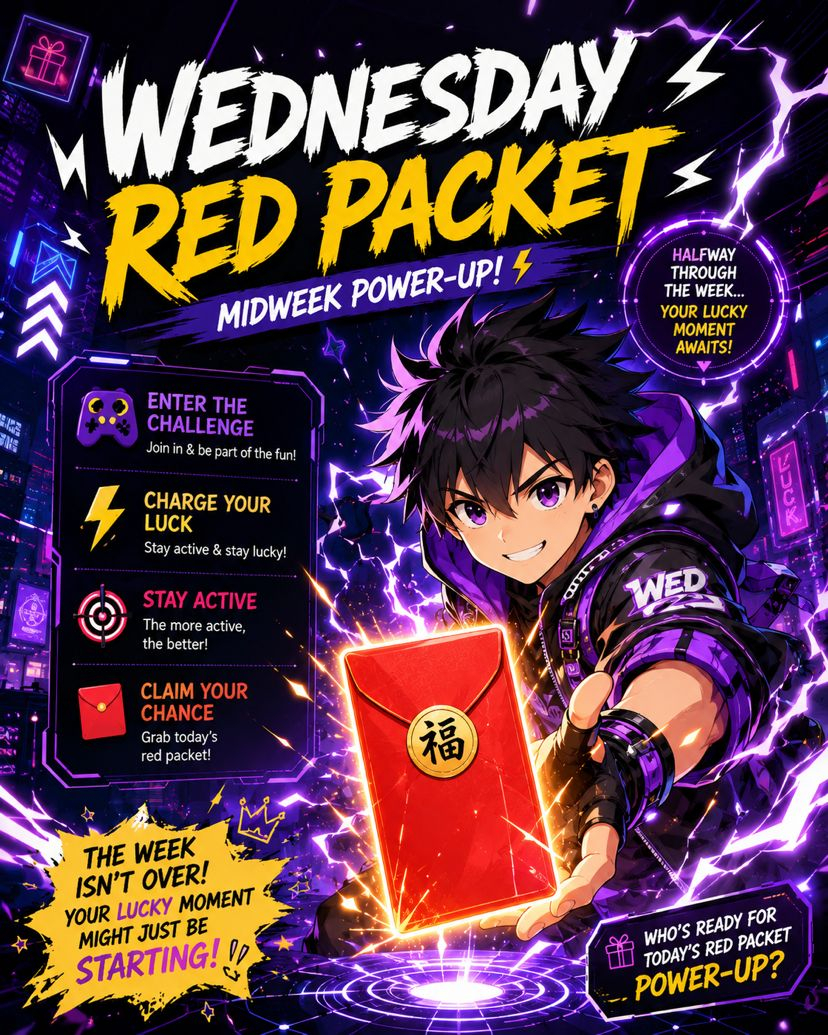
โš”๏ธ Wednesday = Warrior Mode ON! Winners arenโ€™t made on weekends theyโ€™re built through consistent effort every single day. ๐ŸŽ Todayโ€™s Red Packet is LIVE! Claim it, stay disciplined, and keep moving forward. Small wins today become big victories tomorrow. ๐Ÿ’›๐Ÿš€
โš”๏ธ Wednesday = Warrior Mode ON!

Winners arenโ€™t made on weekends theyโ€™re built through consistent effort every single day.

๐ŸŽ Todayโ€™s Red Packet is LIVE!
Claim it, stay disciplined, and keep moving forward.

Small wins today become big victories tomorrow. ๐Ÿ’›๐Ÿš€
ยท
--
๐Ÿ’ช Tuesday is the day of strength. ๐Ÿ’› Every strong week is built one step at a time and today is your chance to start with a little extra luck. ๐ŸŽ ๐ŸŸก Tuesday Red Packet is LIVE! Claim yours before itโ€™s gone, stay consistent, and keep building toward your goals. Wishing the entire Tapu Family a powerful, profitable, and lucky Tuesday ๐Ÿ€๐Ÿš€
๐Ÿ’ช Tuesday is the day of strength. ๐Ÿ’›

Every strong week is built one step at a time and today is your chance to start with a little extra luck. ๐ŸŽ

๐ŸŸก Tuesday Red Packet is LIVE!
Claim yours before itโ€™s gone, stay consistent, and keep building toward your goals.

Wishing the entire Tapu Family a powerful, profitable, and lucky Tuesday ๐Ÿ€๐Ÿš€
ยท
--
๐ŸŽ Monday is here, and so is todayโ€™s Red Packet! ๐Ÿ’› Claim it before it disappears. Wishing everyone a lucky and profitable week ahead! ๐Ÿš€๐Ÿ€
๐ŸŽ Monday is here, and so is todayโ€™s Red Packet! ๐Ÿ’›

Claim it before it disappears. Wishing everyone a lucky and profitable week ahead! ๐Ÿš€๐Ÿ€
ยท
--
๐Ÿ’› 80K Hearts. One Family. ๐Ÿ’› We are now 80,000 members strong, and I donโ€™t see this as just a follower count I see 80K reasons to keep showing up every day. To my Tapu Family, thank you for every like, every comment, every share, every conversation, and every bit of encouragement. Youโ€™ve celebrated my wins, supported me through challenges, and turned this journey into something truly special. This community is built on trust, learning, and helping each other grow. Whether youโ€™ve been here from day one or joined yesterday, youโ€™re an important part of this family. This milestone belongs to all of us. โค๏ธ Letโ€™s continue to learn, earn, and grow together. The best chapters are still ahead, and I canโ€™t wait to celebrate the next milestone with every one of you. With love and gratitude, Tapu ๐Ÿ˜ป๐Ÿ’›โœจ
๐Ÿ’› 80K Hearts. One Family. ๐Ÿ’›

We are now 80,000 members strong, and I donโ€™t see this as just a follower count I see 80K reasons to keep showing up every day.

To my Tapu Family, thank you for every like, every comment, every share, every conversation, and every bit of encouragement. Youโ€™ve celebrated my wins, supported me through challenges, and turned this journey into something truly special.

This community is built on trust, learning, and helping each other grow. Whether youโ€™ve been here from day one or joined yesterday, youโ€™re an important part of this family.

This milestone belongs to all of us. โค๏ธ

Letโ€™s continue to learn, earn, and grow together. The best chapters are still ahead, and I canโ€™t wait to celebrate the next milestone with every one of you.

With love and gratitude,

Tapu ๐Ÿ˜ป๐Ÿ’›โœจ
ยท
--
A small gift for an awesome Friday! ๐Ÿงง Wishing everyone luck, profits, and a fantastic weekend. โœจ
ยท
--
13
13
Tapu13
ยท
--
Click & Claim Exclusive Today Reward ๐ŸŽโค๏ธ๐Ÿ’ซ

Click & Claim Today Big Reward ๐ŸŽ๐ŸŽโค๏ธโค๏ธ๐Ÿ’ซ
ยท
--
Partly True
@grvt_io One thought I keep looking at where crypto is actually becoming useful, and RWAs are one area I canโ€™t ignore anymore. I think the biggest challenge was never the assets themselves. It was how complicated the whole process felt. After reading about GRVTโ€™s partnership with Plume, my first thought was, โ€œThis is trying to simplify the experience, not just launch another product.โ€ Instead of opening a brokerage account, dealing with extra custody, or moving funds across multiple platforms, users can access three tokenized RWA yield strategies from the same self-custodial balance they already use for trading. That idea feels practical to me. Iโ€™ve also been watching the RWA market grow over the past few months. With more than $33 billion in distributed onchain real-world assets and a rapidly expanding holder base, it feels like tokenization is slowly becoming part of everyday crypto instead of just another narrative. GRVT seems to be building around that momentum rather than chasing it. What I like is the flexibility. The Base Yield, Balanced, and Opportunistic funds arenโ€™t designed for the same type of investor. Some people want stability, while others are willing to accept more risk for potentially higher returns. Having those choices inside one platform makes the experience feel much more natural. Still, I wouldnโ€™t mistake convenience for safety. Institutional-grade assets can still carry market and credit risks, and regulations around tokenized investments continue to evolve. I always think itโ€™s worth understanding whatโ€™s behind the yield instead of focusing only on the percentage. Iโ€™ve seen is that crypto wins when it removes unnecessary steps, not when it adds more complexity. If GRVT can keep trading, self-custody, and RWA investing connected through one balance, thatโ€™s a direction Iโ€™ll be watching closely. Do you think self-custodial RWA investing is the future of onchain wealth, or will traditional brokerage platforms continue to dominate this space? #grvt $DODO
@grvt_io One thought I keep looking at where crypto is actually becoming useful, and RWAs are one area I canโ€™t ignore anymore. I think the biggest challenge was never the assets themselves. It was how complicated the whole process felt.

After reading about GRVTโ€™s partnership with Plume, my first thought was, โ€œThis is trying to simplify the experience, not just launch another product.โ€ Instead of opening a brokerage account, dealing with extra custody, or moving funds across multiple platforms, users can access three tokenized RWA yield strategies from the same self-custodial balance they already use for trading. That idea feels practical to me.

Iโ€™ve also been watching the RWA market grow over the past few months. With more than $33 billion in distributed onchain real-world assets and a rapidly expanding holder base, it feels like tokenization is slowly becoming part of everyday crypto instead of just another narrative. GRVT seems to be building around that momentum rather than chasing it.

What I like is the flexibility. The Base Yield, Balanced, and Opportunistic funds arenโ€™t designed for the same type of investor. Some people want stability, while others are willing to accept more risk for potentially higher returns. Having those choices inside one platform makes the experience feel much more natural.

Still, I wouldnโ€™t mistake convenience for safety. Institutional-grade assets can still carry market and credit risks, and regulations around tokenized investments continue to evolve. I always think itโ€™s worth understanding whatโ€™s behind the yield instead of focusing only on the percentage.

Iโ€™ve seen is that crypto wins when it removes unnecessary steps, not when it adds more complexity. If GRVT can keep trading, self-custody, and RWA investing connected through one balance, thatโ€™s a direction Iโ€™ll be watching closely.

Do you think self-custodial RWA investing is the future of onchain wealth, or will traditional brokerage platforms continue to dominate this space?

#grvt

$DODO
self-custodial ๐ŸŸ 
57%
real-world ๐ŸŸฃ
43%
Institutional-grade ๐Ÿ”ต
0%
7 votes โ€ข Voting closed
ยท
--
Verified
Article
Iโ€™ll Be Honestโ€ฆ I Used to Think Smart Contracts Were Enough Until I Discovered Newton Protocol@NewtonProtocol Iโ€™ll be honestโ€ฆ for the longest time, I thought smart contracts were already the final piece of the Web3 puzzle. If code is immutable and transactions are transparent, what else do we really need? Then I started digging into how AI agents, automated trading, and institutional DeFi actually work. Thatโ€™s when I realized something important. A blockchain can execute instructions perfectly, but it doesnโ€™t understand why a transaction is happening or whether it should happen in the first place. That gap is much bigger than most people realize. After spending time reading the Newton Protocol whitepaper, its documentation, and CoinMarketCap overview, I honestly think Newton isnโ€™t trying to build โ€œanother blockchain.โ€ Itโ€™s trying to build something Web3 has quietly been missing all alongโ€”a decentralized decision layer. Think about todayโ€™s DeFi. An AI trading bot can move millions of dollars in seconds. A vault can rebalance assets automatically. Stablecoins can move across multiple chains without asking permission from anyone. Thatโ€™s powerful. But itโ€™s also risky. Who checks whether an AI is following its ownerโ€™s rules? Who verifies that a wallet meets compliance requirements? Who prevents an automated strategy from interacting with a restricted address? Traditional smart contracts simply execute whatever theyโ€™re receive. They donโ€™t evaluate context. Newton Protocol changes that idea. Instead of replacing Ethereum or existing blockchains, it acts like an authorization layer before execution. Developers create programmable policies that can check spending limits, identity requirements, sanctions screening, market conditions, or custom business logic. Those policies are evaluated by a decentralized network, and the result is returned with cryptographic proof before the transaction reaches the chain. From what Iโ€™ve seen, thatโ€™s a pretty practical direction. Everyone talks about AI becoming the future of finance, but AI without guardrails feels incomplete. I wouldnโ€™t want an autonomous agent managing my portfolio if it couldnโ€™t prove it was following predefined rules. Newton seems to be built around exactly that idea. What I also appreciate is that it doesnโ€™t sacrifice decentralization just to make compliance easier. Policy evaluations are performed by decentralized operators secured through EigenLayer, while BLS signature aggregation allows anyone to verify that the decision really came from the network instead of trusting a single company. Sensitive information isnโ€™t permanently stored onchain eitherโ€”only cryptographic commitments and proofs are published, helping preserve user privacy while still keeping verification transparent. I think thatโ€™s where blockchain infrastructure is quietly evolving. At first, infrastructure meant faster block times. Then it meant cheaper Layer 2s. Now it feels like infrastructure is becoming intelligent. Instead of asking โ€œCan this transaction execute?โ€, protocols are beginning to ask โ€œShould this transaction execute?โ€ That difference sounds small, but I think itโ€™ll matter a lot once AI starts managing wallets, DeFi vaults, treasury operations, and tokenized real-world assets at scale. One thing that stood out while reading the docs is how flexible Newtonโ€™s architecture is. Policies arenโ€™t limited to blockchain data alone. They can incorporate trusted offchain informationโ€”identity verification, market signals, proof of reserves, jurisdiction checks, or risk scoresโ€”while remaining verifiable through the protocolโ€™s decentralized policy engine. That makes it useful across stablecoins, RWAs, institutional finance, AI commerce, and automated DeFi strategies. Of course, I donโ€™t think itโ€™s perfect. Every additional infrastructure layer introduces more complexity for developers, and the quality of policy decisions still depends on reliable external data. Even the best decentralized network canโ€™t magically fix inaccurate inputs. Adoption is another challenge because policy engines become more valuable only when wallets, applications, and protocols actually integrate them. Still, I canโ€™t ignore where the industry seems to be heading. AI is becoming more autonomous. DeFi keeps becoming more automated. Real-world assets are steadily moving onchain. If that future arrives, simply executing transactions wonโ€™t be enough anymore. Web3 will also need infrastructure that can verify intent, enforce rules, and produce trust without depending on centralized gatekeepers. Personally, thatโ€™s why Newton Protocol caught my attention. Not because itโ€™s chasing another crypto trend, but because itโ€™s asking a question I think every blockchain will eventually need to answer Before value moves onchainโ€ฆ who verifies that moving it is actually the right decision? #Newt $NEWT $DODO {spot}(DODOUSDT) $VELVET

Iโ€™ll Be Honestโ€ฆ I Used to Think Smart Contracts Were Enough Until I Discovered Newton Protocol

@NewtonProtocol Iโ€™ll be honestโ€ฆ for the longest time, I thought smart contracts were already the final piece of the Web3 puzzle.
If code is immutable and transactions are transparent, what else do we really need?
Then I started digging into how AI agents, automated trading, and institutional DeFi actually work. Thatโ€™s when I realized something important. A blockchain can execute instructions perfectly, but it doesnโ€™t understand why a transaction is happening or whether it should happen in the first place. That gap is much bigger than most people realize.
After spending time reading the Newton Protocol whitepaper, its documentation, and CoinMarketCap overview, I honestly think Newton isnโ€™t trying to build โ€œanother blockchain.โ€ Itโ€™s trying to build something Web3 has quietly been missing all alongโ€”a decentralized decision layer.
Think about todayโ€™s DeFi.
An AI trading bot can move millions of dollars in seconds. A vault can rebalance assets automatically. Stablecoins can move across multiple chains without asking permission from anyone.
Thatโ€™s powerful.
But itโ€™s also risky.
Who checks whether an AI is following its ownerโ€™s rules? Who verifies that a wallet meets compliance requirements? Who prevents an automated strategy from interacting with a restricted address?
Traditional smart contracts simply execute whatever theyโ€™re receive. They donโ€™t evaluate context.
Newton Protocol changes that idea.
Instead of replacing Ethereum or existing blockchains, it acts like an authorization layer before execution. Developers create programmable policies that can check spending limits, identity requirements, sanctions screening, market conditions, or custom business logic. Those policies are evaluated by a decentralized network, and the result is returned with cryptographic proof before the transaction reaches the chain.
From what Iโ€™ve seen, thatโ€™s a pretty practical direction.
Everyone talks about AI becoming the future of finance, but AI without guardrails feels incomplete. I wouldnโ€™t want an autonomous agent managing my portfolio if it couldnโ€™t prove it was following predefined rules.
Newton seems to be built around exactly that idea.
What I also appreciate is that it doesnโ€™t sacrifice decentralization just to make compliance easier. Policy evaluations are performed by decentralized operators secured through EigenLayer, while BLS signature aggregation allows anyone to verify that the decision really came from the network instead of trusting a single company. Sensitive information isnโ€™t permanently stored onchain eitherโ€”only cryptographic commitments and proofs are published, helping preserve user privacy while still keeping verification transparent.
I think thatโ€™s where blockchain infrastructure is quietly evolving.
At first, infrastructure meant faster block times.
Then it meant cheaper Layer 2s.
Now it feels like infrastructure is becoming intelligent.
Instead of asking โ€œCan this transaction execute?โ€, protocols are beginning to ask โ€œShould this transaction execute?โ€
That difference sounds small, but I think itโ€™ll matter a lot once AI starts managing wallets, DeFi vaults, treasury operations, and tokenized real-world assets at scale.
One thing that stood out while reading the docs is how flexible Newtonโ€™s architecture is. Policies arenโ€™t limited to blockchain data alone. They can incorporate trusted offchain informationโ€”identity verification, market signals, proof of reserves, jurisdiction checks, or risk scoresโ€”while remaining verifiable through the protocolโ€™s decentralized policy engine. That makes it useful across stablecoins, RWAs, institutional finance, AI commerce, and automated DeFi strategies.
Of course, I donโ€™t think itโ€™s perfect.
Every additional infrastructure layer introduces more complexity for developers, and the quality of policy decisions still depends on reliable external data. Even the best decentralized network canโ€™t magically fix inaccurate inputs. Adoption is another challenge because policy engines become more valuable only when wallets, applications, and protocols actually integrate them.
Still, I canโ€™t ignore where the industry seems to be heading.
AI is becoming more autonomous.
DeFi keeps becoming more automated.
Real-world assets are steadily moving onchain.
If that future arrives, simply executing transactions wonโ€™t be enough anymore. Web3 will also need infrastructure that can verify intent, enforce rules, and produce trust without depending on centralized gatekeepers.
Personally, thatโ€™s why Newton Protocol caught my attention.
Not because itโ€™s chasing another crypto trend, but because itโ€™s asking a question I think every blockchain will eventually need to answer
Before value moves onchainโ€ฆ who verifies that moving it is actually the right decision?
#Newt $NEWT
$DODO
$VELVET
ยท
--
@NewtonProtocol One thing I keep looking at how RWAs are evolving, and one thing keeps standing out to me. Onchain assets are getting smarter, but without real market context theyโ€™re still making decisions half-blind. Newton Protocolโ€™s integration with Massiveโ€™s U.S. Treasury Yield Data Oracle feels practical rather than flashy. I like that trading policies can check things like yield curve inversions or sudden rate spikes before a transaction goes through. That reminds me more of how institutional risk desks work than the usual โ€œexecute first, hope laterโ€ approach. I still think the quality of any strategy depends on the accuracy and freshness of the data. Even the best guardrails canโ€™t predict every macro surprise. But separating policy logic from smart contracts while keeping every decision verifiable through cryptographic attestations is a direction Iโ€™ve been wanting to see. If AI agents are going to manage capital, shouldnโ€™t macro signals be part of every trading decision instead of an afterthought? What kind of market data would you want Newton Protocol to enforce next before trades execute? #Newt $NEWT $VELVET {future}(VELVETUSDT) $DODO {spot}(DODOUSDT)
@NewtonProtocol One thing I keep looking at how RWAs are evolving, and one thing keeps standing out to me. Onchain assets are getting smarter, but without real market context theyโ€™re still making decisions half-blind.

Newton Protocolโ€™s integration with Massiveโ€™s U.S. Treasury Yield Data Oracle feels practical rather than flashy. I like that trading policies can check things like yield curve inversions or sudden rate spikes before a transaction goes through. That reminds me more of how institutional risk desks work than the usual โ€œexecute first, hope laterโ€ approach.

I still think the quality of any strategy depends on the accuracy and freshness of the data. Even the best guardrails canโ€™t predict every macro surprise. But separating policy logic from smart contracts while keeping every decision verifiable through cryptographic attestations is a direction Iโ€™ve been wanting to see.

If AI agents are going to manage capital, shouldnโ€™t macro signals be part of every trading decision instead of an afterthought?

What kind of market data would you want Newton Protocol to enforce next before trades execute?

#Newt $NEWT

$VELVET
$DODO
Buying Time Bullish ๐ŸŸข
100%
Buying Time Bearish ๐Ÿ”ด
0%
Buying Time Holding ๐ŸŸฃ
0%
1 votes โ€ข Voting closed
Log in to explore more content
Join global crypto users on Binance Square
โšก๏ธ Get latest and useful information about crypto.
๐Ÿ’ฌ Trusted by the worldโ€™s largest crypto exchange.
๐Ÿ‘ Discover real insights from verified creators.
Email / Phone number
Sitemap
Cookie Preferences
Platform T&Cs