

浓妆淡染
18 Posts

浓妆淡染
Report
Block User
做时间的朋友 剩下的交给复利
Open Trade
Frequent Trader
2.1 Years
9 Following
104 Followers
38 Liked
Posts
Portfolio
All
Videos
·
--
Is Alpha boosting trading volume? Is the slippage high? Is there profit to be made?
Is Alpha boosting trading volume? Is the slippage high? Is there profit to be made?
67
·
--
I think many people don’t understand one thing. They believe that market makers and dog-themed bankroll operators push the price of “meme coins” because their costs are very high. In fact, a large amount of the chips (positions) are in the hands of the market maker. When there are fewer tokens in the market, the price will naturally rise. If you sell with your left hand and buy with your right, then you can pull the order book up. What you pay is only that little bit of slippage and trading fees. For example, #cys拉盘所付出的不过撑死二三百万u —this isn’t just about wash trading; it can also be used to open long positions and short positions, and the ones liquidated are the “fuel.” If shorts get liquidated, it requires buying to cover, which further pushes the price higher. A “darker” market maker will also widen the spread between spot and futures, and the funding rate can even trap those who short. Don’t short—it's all fuel.
I think many people don’t understand one thing. They believe that market makers and dog-themed bankroll operators push the price of “meme coins” because their costs are very high. In fact, a large amount of the chips (positions) are in the hands of the market maker. When there are fewer tokens in the market, the price will naturally rise. If you sell with your left hand and buy with your right, then you can pull the order book up. What you pay is only that little bit of slippage and trading fees. For example, #cys拉盘所付出的不过撑死二三百万u —this isn’t just about wash trading; it can also be used to open long positions and short positions, and the ones liquidated are the “fuel.” If shorts get liquidated, it requires buying to cover, which further pushes the price higher. A “darker” market maker will also widen the spread between spot and futures, and the funding rate can even trap those who short. Don’t short—it's all fuel.
1
275
·
--
#cys Don't go to the empty side. The dealer's pump costs are very low. You just need to pay the slippage. Once the price is at a high level and the dealer is controlling it, you can sell with your left hand and buy with your right hand to maintain the run. Most spot funds are already in the dealer's hands, so there's basically not much selling pressure.
#cys Don't go to the empty side. The dealer's pump costs are very low. You just need to pay the slippage. Once the price is at a high level and the dealer is controlling it, you can sell with your left hand and buy with your right hand to maintain the run. Most spot funds are already in the dealer's hands, so there's basically not much selling pressure.
1
578
·
--
The greatest charm of a man is his ability to solve problems $ETH
The greatest charm of a man is his ability to solve problems $ETH
2
991
·
--
Delivering food during the day, working as a security guard at night $BTC
Delivering food during the day, working as a security guard at night $BTC

338
·
--
The Arbitrum project team snatched $70 million from General Jin, who exclaimed that blockchain is a scam $BTC $ETH
The Arbitrum project team snatched $70 million from General Jin, who exclaimed that blockchain is a scam $BTC $ETH
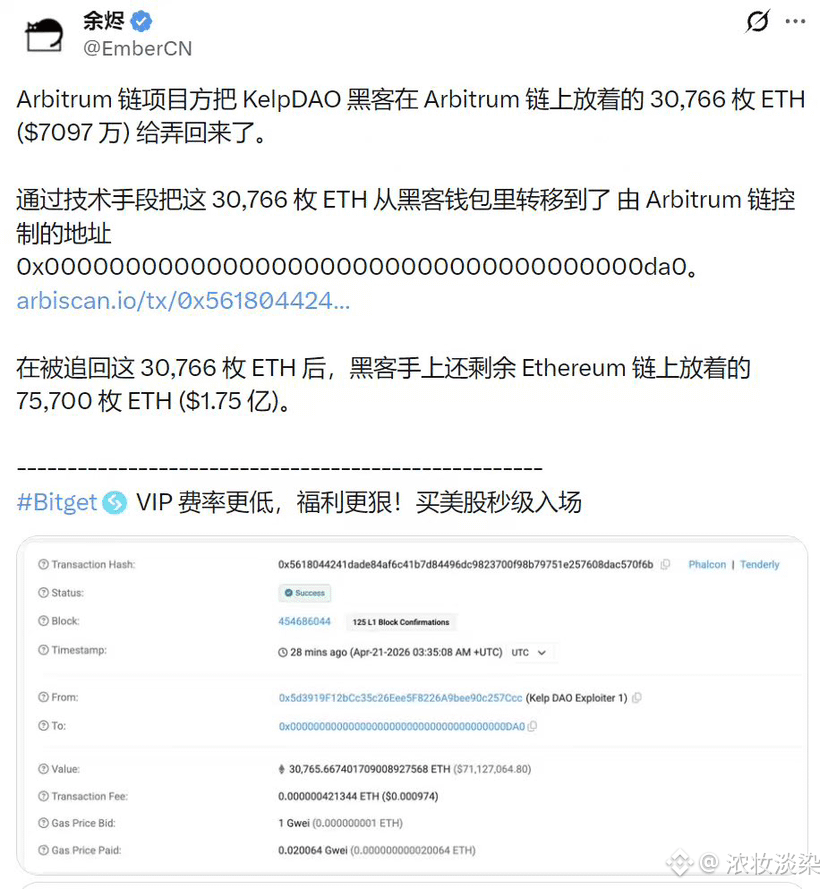
28
·
--
Is it really going to form a weekly double top? Can it replicate the 2021 drop to 69000? Let's wait and see.
Is it really going to form a weekly double top? Can it replicate the 2021 drop to 69000? Let's wait and see.
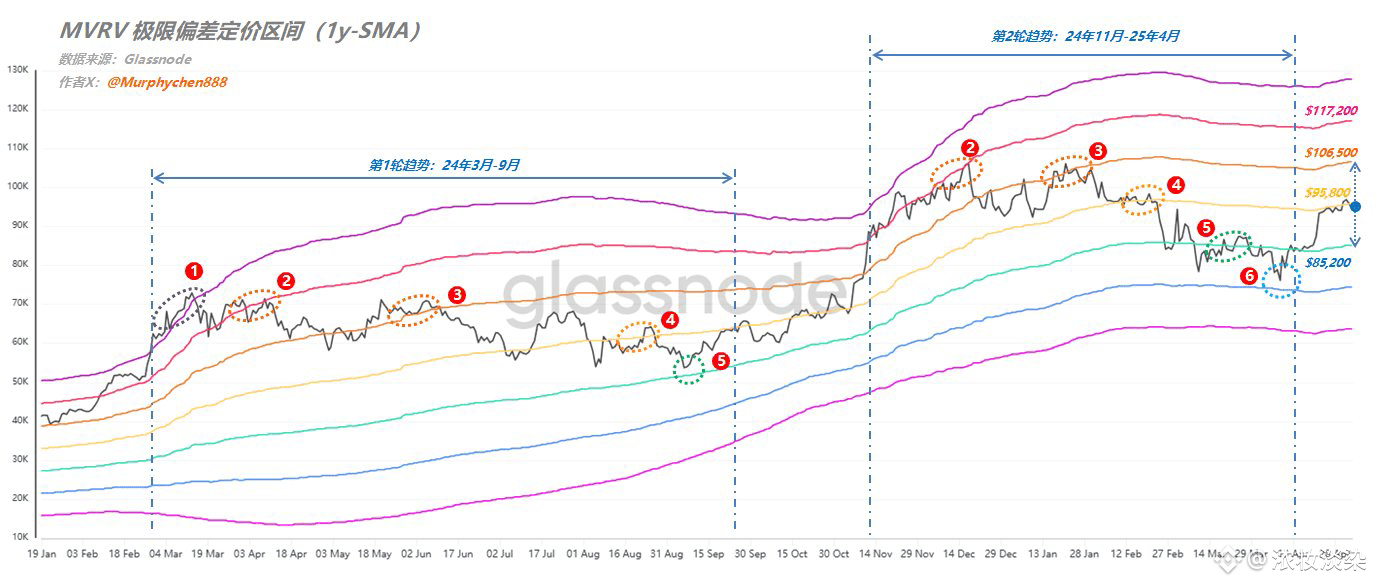
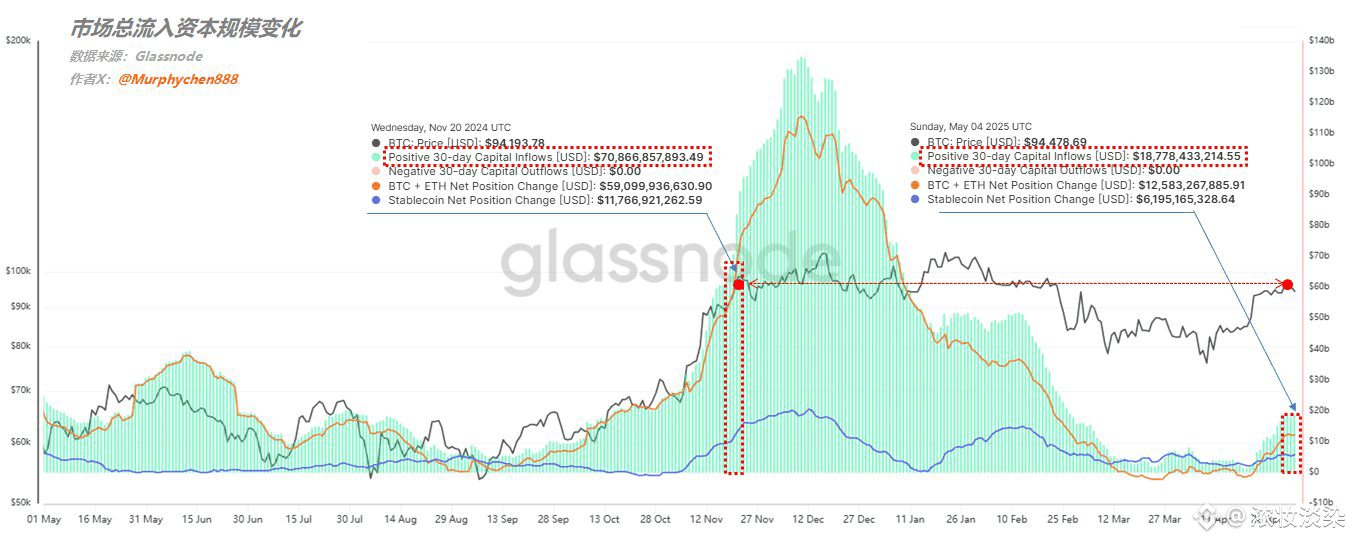
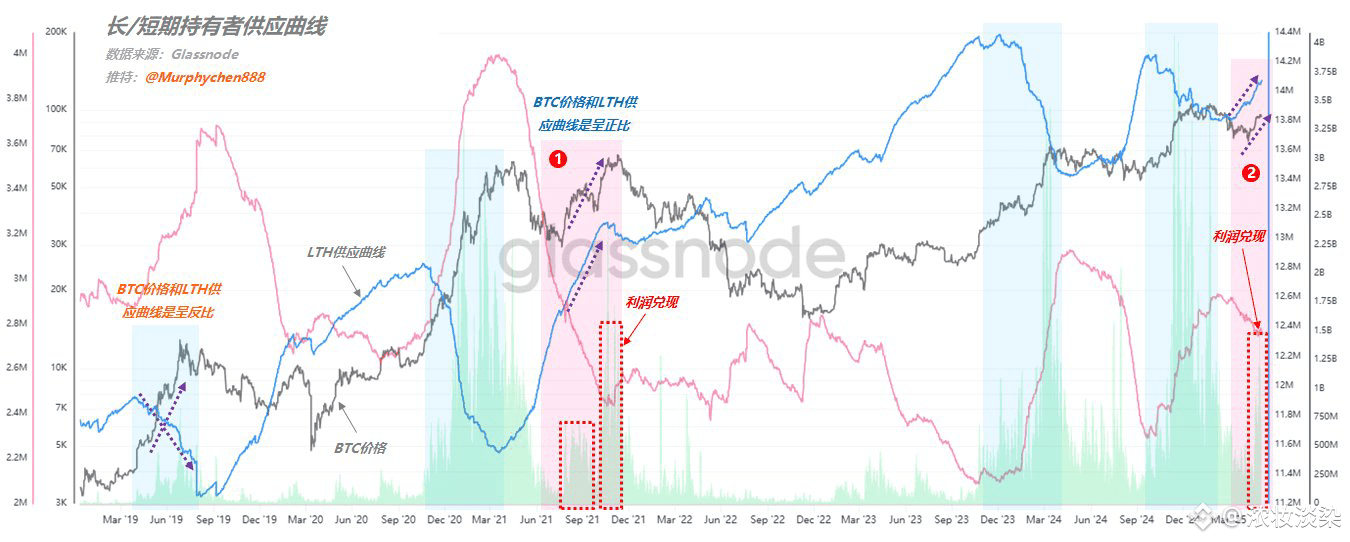
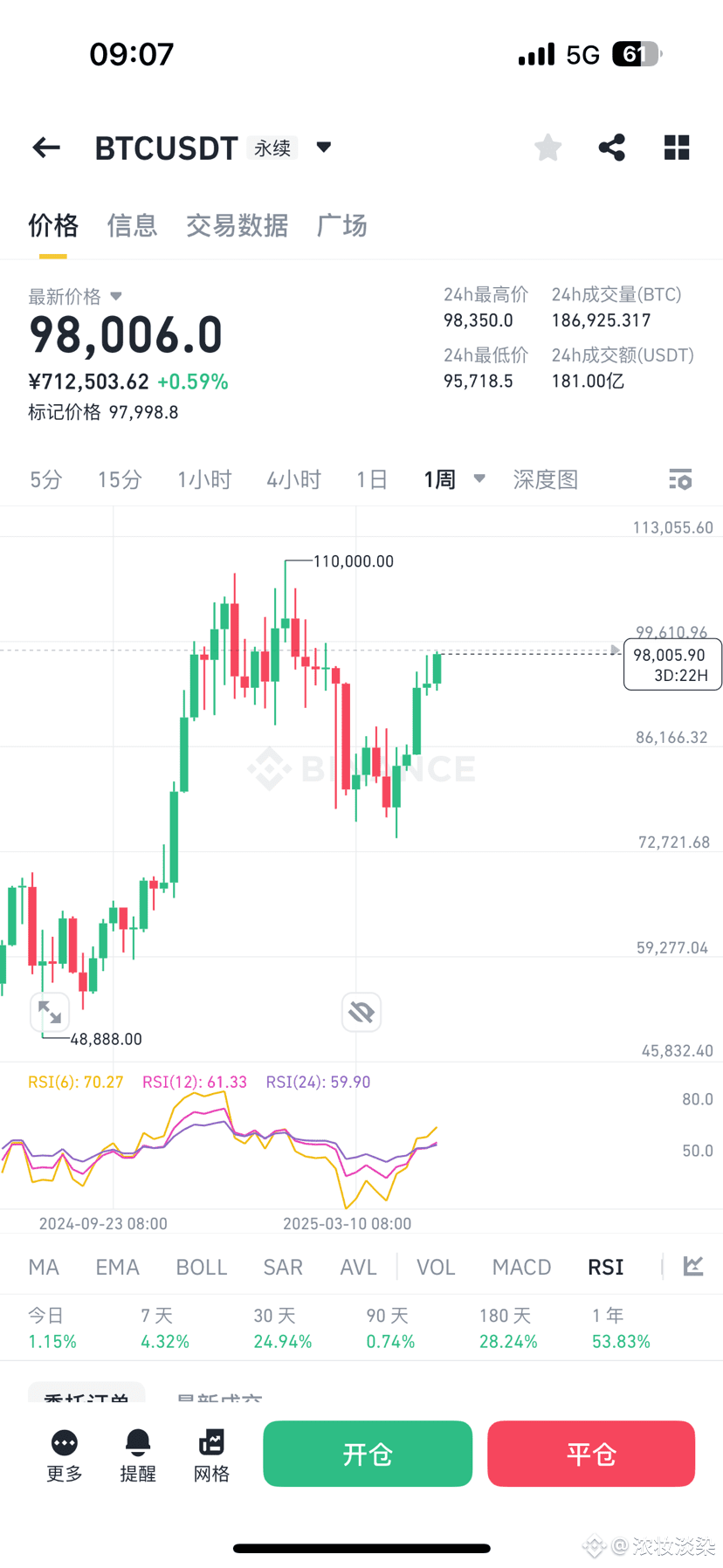
2
2
6.1k
·
--

Article
Analysis of the impact of the failure of the US manufacturing repatriation, the debt crisis and the collapse of the US dollar credit on virtual currency1. The transmission mechanism of the failure of manufacturing reshoring and the debt crisis
1. Structural barriers to manufacturing reshoring
Trump's policy of repatriating manufacturing has run into trouble due to high labor costs in the United States (eight times that of Chinese workers and 15 times that of Vietnamese workers), supply chain disruptions (such as the delay of TSMC's US factory due to lack of supporting industries), and the crowding-out effect of financial capital on the real economy (78% of foreign investment flows to financial assets). This has prevented the United States from reducing its trade deficit through industrial revitalization. In the first quarter of 2025, the trade deficit with China was still as high as US$859.1 billion, the debt scale exceeded US$36 trillion, and the annual interest expenditure reached US$1.8 trillion.
Analysis of the impact of the failure of the US manufacturing repatriation, the debt crisis and the collapse of the US dollar credit on virtual currency
1. The transmission mechanism of the failure of manufacturing reshoring and the debt crisis
1. Structural barriers to manufacturing reshoring
Trump's policy of repatriating manufacturing has run into trouble due to high labor costs in the United States (eight times that of Chinese workers and 15 times that of Vietnamese workers), supply chain disruptions (such as the delay of TSMC's US factory due to lack of supporting industries), and the crowding-out effect of financial capital on the real economy (78% of foreign investment flows to financial assets). This has prevented the United States from reducing its trade deficit through industrial revitalization. In the first quarter of 2025, the trade deficit with China was still as high as US$859.1 billion, the debt scale exceeded US$36 trillion, and the annual interest expenditure reached US$1.8 trillion.
1. Structural barriers to manufacturing reshoring
Trump's policy of repatriating manufacturing has run into trouble due to high labor costs in the United States (eight times that of Chinese workers and 15 times that of Vietnamese workers), supply chain disruptions (such as the delay of TSMC's US factory due to lack of supporting industries), and the crowding-out effect of financial capital on the real economy (78% of foreign investment flows to financial assets). This has prevented the United States from reducing its trade deficit through industrial revitalization. In the first quarter of 2025, the trade deficit with China was still as high as US$859.1 billion, the debt scale exceeded US$36 trillion, and the annual interest expenditure reached US$1.8 trillion.
1.7k
Log in to explore more content
Join global crypto users on Binance Square
⚡️ Get latest and useful information about crypto.
💬 Trusted by the world’s largest crypto exchange.
👍 Discover real insights from verified creators.
Email / Phone number
Trending Topics
UKFCAWinsCourtOrderToRecover851400Pounds
2,307 views
253 Discussing
🚨 CRYPTO REGULATION JUST ENTERED A NEW PHASE: THEY’RE NOT ONLY WRITING RULES — THEY’RE TAKING MONEY BACK.
The UK’s FCA has secured another court-backed asset recovery, reinforcing a broader enforcement push against unauthorized financial and crypto-related activity.
And look at what’s happening simultaneously:
🇬🇧 FCA → enforcement + asset recovery
🇺🇸 SEC → clearer rules for functional crypto assets
🇺🇸 Fed → formal stablecoin supervision under the GENIUS Act
That combination matters.
Regulators are no longer debating whether crypto belongs inside the financial system.
They’re increasingly deciding who gets access, what rules they follow, and what happens when those rules are broken.
The next crypto cycle may not be “regulation vs innovation.”
It may be regulated crypto vs everyone who can’t meet the standard. 👀
$COIN $CRCL $BTC
#ukfcawinscourtordertorecover851400pounds #ChainlinkLaunchesCCIP2WithEnterpriseVerification #GoldFallsTo$4144 #QNTFallsOver40%FromMorningHigh #USDTAdds845900HoldersInPast7Days
KimHotbae
·1 Likes
·1.7k views
ChainlinkLaunchesCCIP2WithEnterpriseVerification
12,839 views
544 Discussing
GoldFallsTo$4144
6,268 views
106 Discussing