
交易员小乐
1.9k Posts

交易员小乐
跟单加聊天室ID:eth6666,贵金属 加密货币 美股 职业交易员
High-Frequency Trader
1.6 Years
3 Following
5.1K+ Followers
6.6K+ Liked
Posts
All
Quotes
Videos
PINNED
Verified
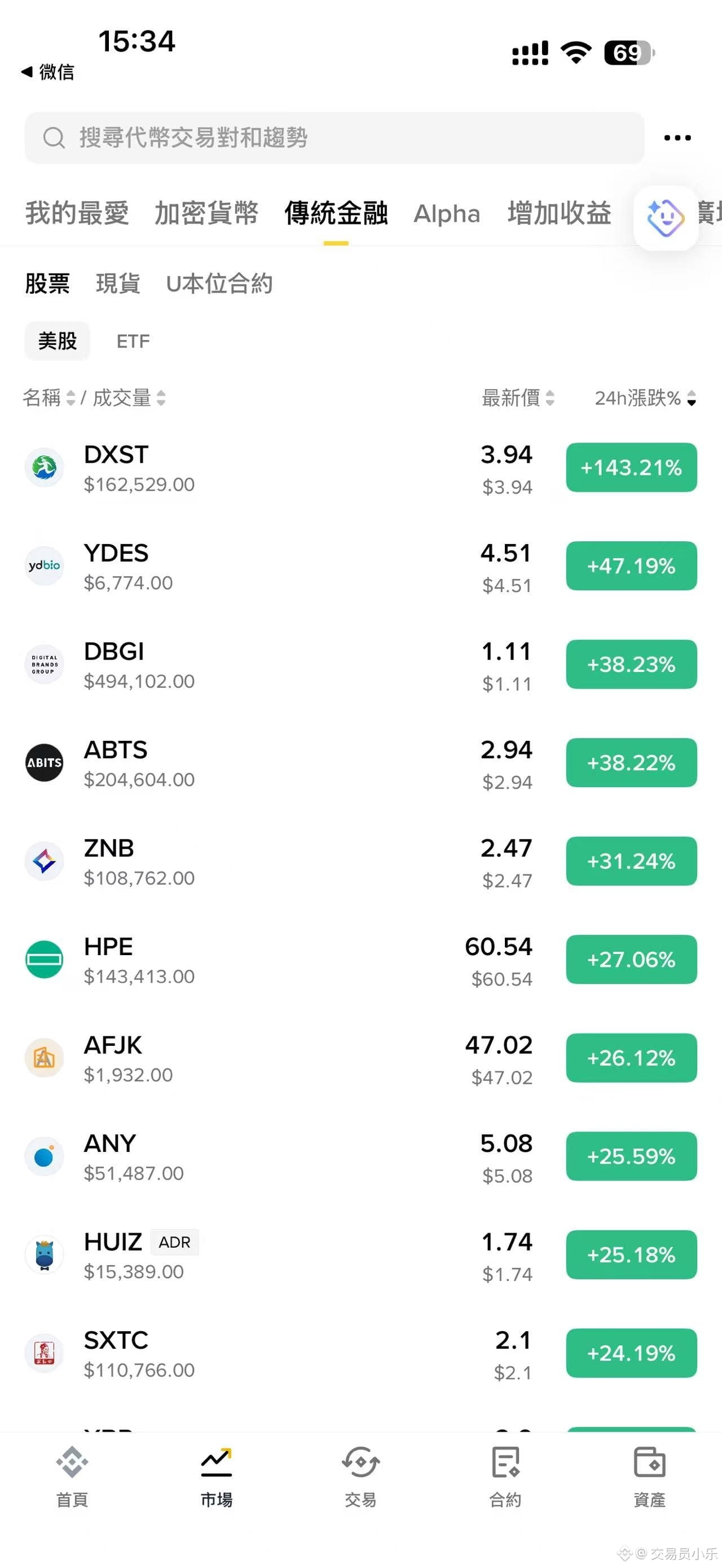
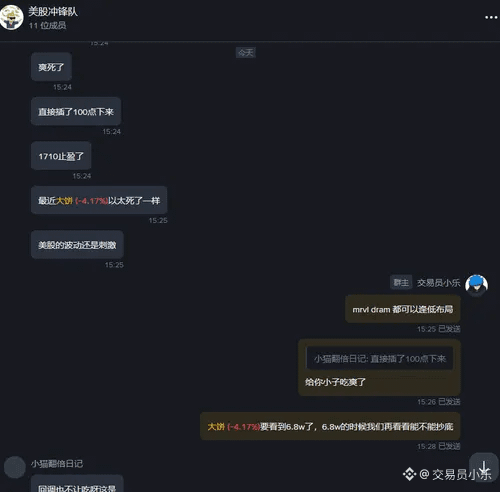
$SNDK Recently, the US stock market has been hitting new highs, while Bitcoin and altcoins have been on a steady decline. Right now, all the liquidity is flowing into the stock market, and we can't just keep our eyes glued to the crypto scene. The liquidity and returns in the stock market are way better than in crypto. By the way, just yesterday, Binance launched a feature for trading US stocks directly with USDT, so you can trade directly with USD. If you're interested in diving into US stocks, feel free to join the chat room, and let's trade US stocks together!!!
点击加入美股冲锋队
点击加入美股冲锋队

PINNED
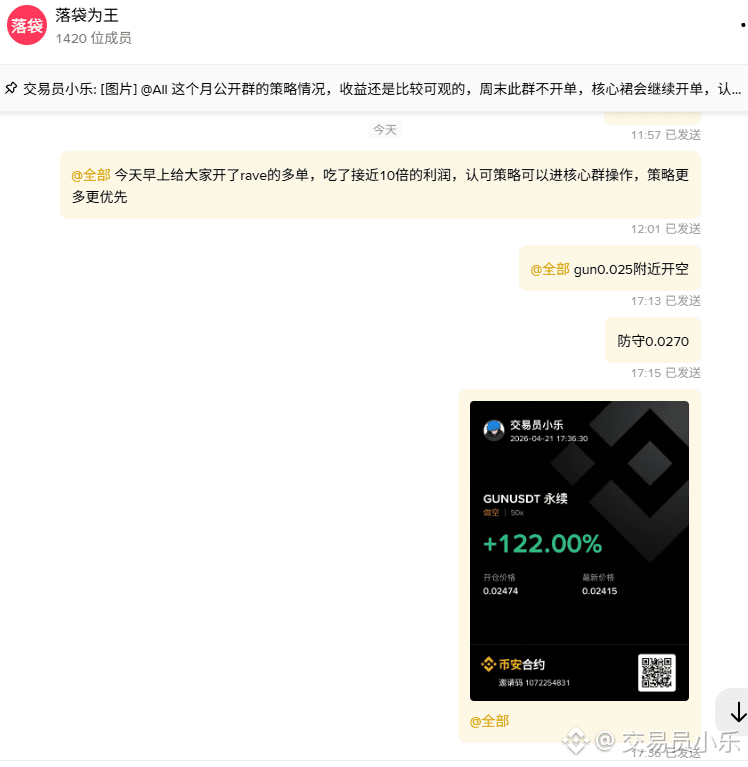
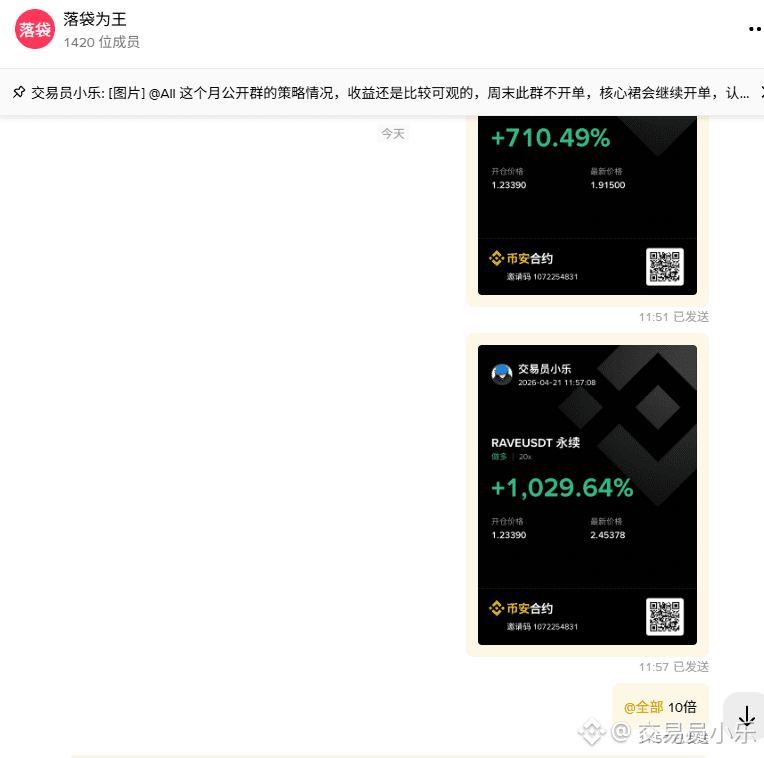
$RAVE $GUN Every day when I wake up, it's just eat, eat, eat!!!
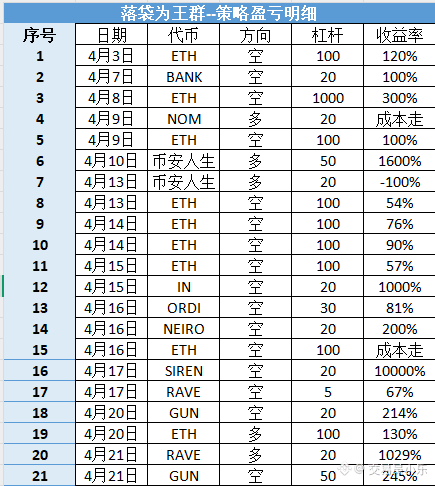
The most intense thing this month is that I opened a short position on siren, bringing fans 100 times the profit.
There are also several trades with profits over 10 times, can you believe it? This is publicly shared without any payment.
Some might think I'm bragging, but everything in the group is recorded and verifiable.
Keep up with my rhythm, it's still possible to earn a little pocket money every day.
The most intense thing this month is that I opened a short position on siren, bringing fans 100 times the profit.
There are also several trades with profits over 10 times, can you believe it? This is publicly shared without any payment.
Some might think I'm bragging, but everything in the group is recorded and verifiable.
Keep up with my rhythm, it's still possible to earn a little pocket money every day.
$SKHYNIX history is always astonishingly similar
I’ve been wondering why every time there’s a crash, there’s always a Korean presence?
In the 1997 Asian financial crisis, Korean companies and banks expanded aggressively by borrowing dollars. When foreign capital pulled out, dollar liquidity snapped, forcing Korea to accept IMF rescue.
In the 2000 dot-com bubble, all of Korea was trading tech stocks. KOSDAQ plunged over just a few months.
In the 2008 financial crisis, U.S. subprime mortgages blew up. But because Korean banks had high foreign-currency liabilities, the won and the stock market were hit hard.
In 2021, China concept stocks: Bil Hwang, a Korean-heritage investor, and his Archegos fund used extreme leverage. The fund’s positions collapsed, triggering multiple investment banks to rush and sell.
In 2022, crypto: Do Kwon of South Korea’s LUNA and UST collapsed, and more than $40 billion disappeared.
And there’s the “kimchi premium” for Bitcoin—at its peak, the price of BTC in Korea was about 30% higher than overseas.
In 2026’s memory cycle, behind Samsung and SK Hynix, once again, a large amount of leveraged capital has appeared.
Korea isn’t always the starting point of every crisis, but it often is where market sentiment becomes the most insane and leverage is at its highest.
I’ve been wondering why every time there’s a crash, there’s always a Korean presence?
In the 1997 Asian financial crisis, Korean companies and banks expanded aggressively by borrowing dollars. When foreign capital pulled out, dollar liquidity snapped, forcing Korea to accept IMF rescue.
In the 2000 dot-com bubble, all of Korea was trading tech stocks. KOSDAQ plunged over just a few months.
In the 2008 financial crisis, U.S. subprime mortgages blew up. But because Korean banks had high foreign-currency liabilities, the won and the stock market were hit hard.
In 2021, China concept stocks: Bil Hwang, a Korean-heritage investor, and his Archegos fund used extreme leverage. The fund’s positions collapsed, triggering multiple investment banks to rush and sell.
In 2022, crypto: Do Kwon of South Korea’s LUNA and UST collapsed, and more than $40 billion disappeared.
And there’s the “kimchi premium” for Bitcoin—at its peak, the price of BTC in Korea was about 30% higher than overseas.
In 2026’s memory cycle, behind Samsung and SK Hynix, once again, a large amount of leveraged capital has appeared.
Korea isn’t always the starting point of every crisis, but it often is where market sentiment becomes the most insane and leverage is at its highest.
Partly True
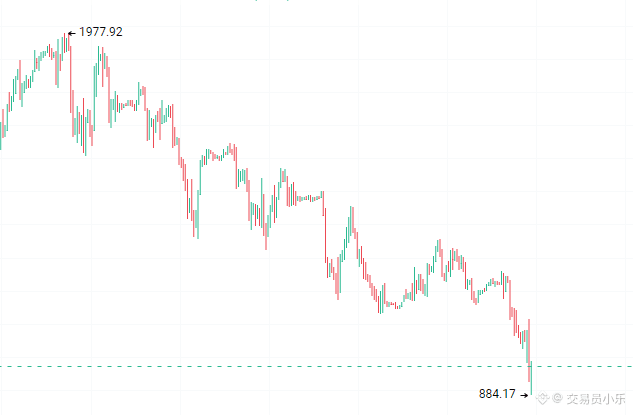
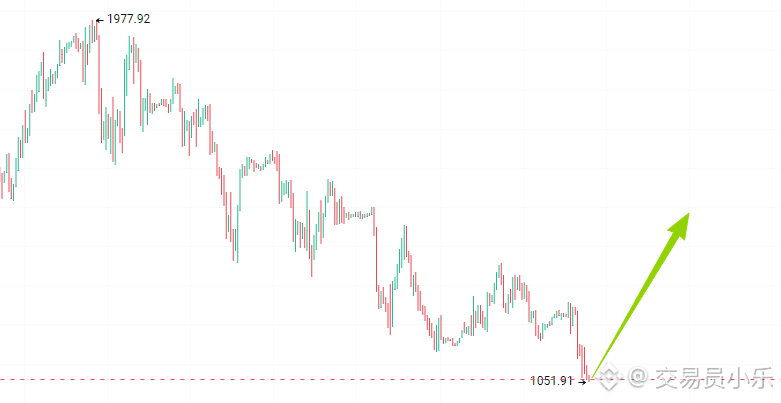
$SKHYNIX SK Hynix directly slashed prices to nearly five-tenths off—at this point, you still don’t dare to buy?
Before, when it was at 1900, everyone chased the price and then got trapped.
But now it’s already half off—why wouldn’t you dare to pick up at the bottom?
Do you want to wait until it rises and then chase after it again?
Buy boldly. This round of de-leveraging in Korean stocks is almost over.
If you’re really not sure, just buy in three batches—each time adding 1/3 of your position.
Get in first, then think about the rest.
Before, when it was at 1900, everyone chased the price and then got trapped.
But now it’s already half off—why wouldn’t you dare to pick up at the bottom?
Do you want to wait until it rises and then chase after it again?
Buy boldly. This round of de-leveraging in Korean stocks is almost over.
If you’re really not sure, just buy in three batches—each time adding 1/3 of your position.
Get in first, then think about the rest.
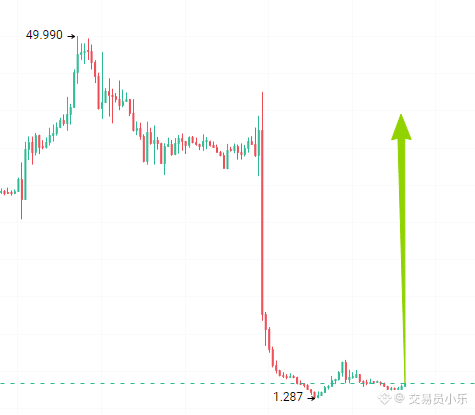
$DEXE Bottom hunting!!!
The base is finished—it's about to bounce back. The buy-side trading volume is gradually increasing. In general, a typical “x/yang coin” 🐶 whale won’t just abandon the position all at once. At this level, you can set up a position here; take profit at 6 dollars.
The base is finished—it's about to bounce back. The buy-side trading volume is gradually increasing. In general, a typical “x/yang coin” 🐶 whale won’t just abandon the position all at once. At this level, you can set up a position here; take profit at 6 dollars.
$SNDK Go long and dive in!! Today has already fallen to the bottom. You can open a long position to bet on a rebound. The risk-reward ratio at this level is relatively high. I'm going in first.
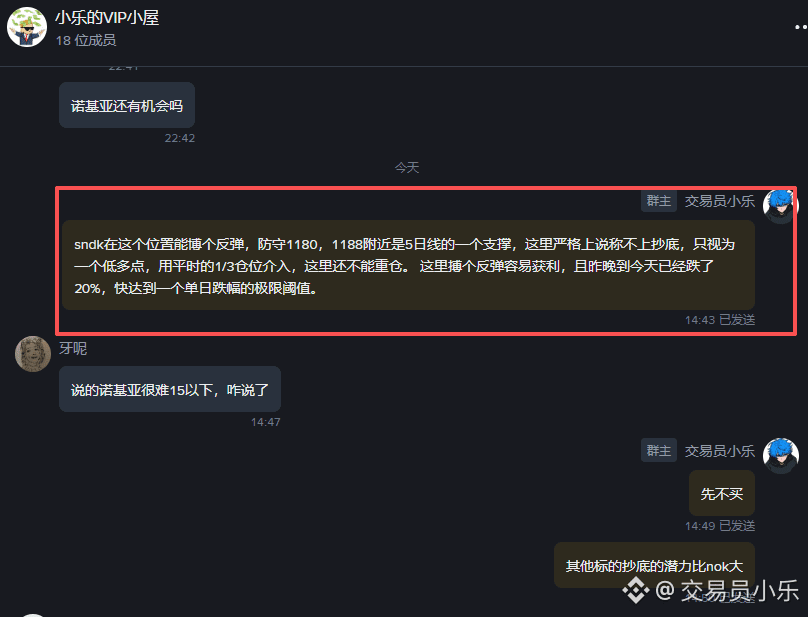
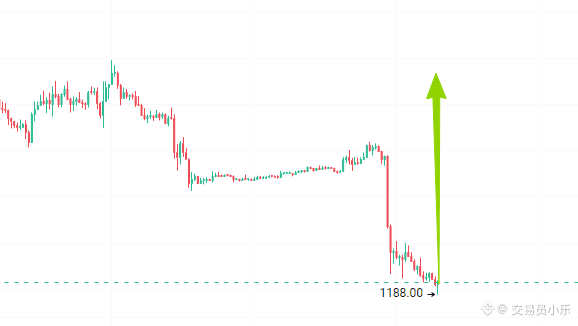
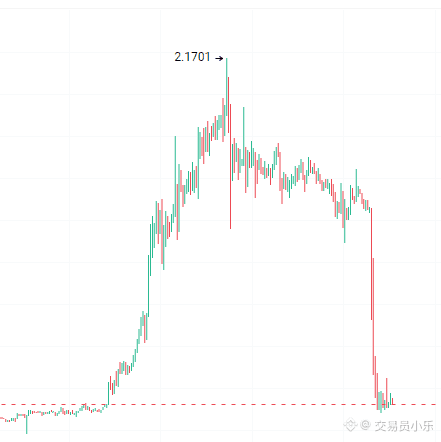
$VELVET go in, it has already dropped to the bottom
Place a bet on a big rebound—don’t use high leverage
Set the stop-loss at the 0.3 level, enter now
This trade will surely be won
Place a bet on a big rebound—don’t use high leverage
Set the stop-loss at the 0.3 level, enter now
This trade will surely be won
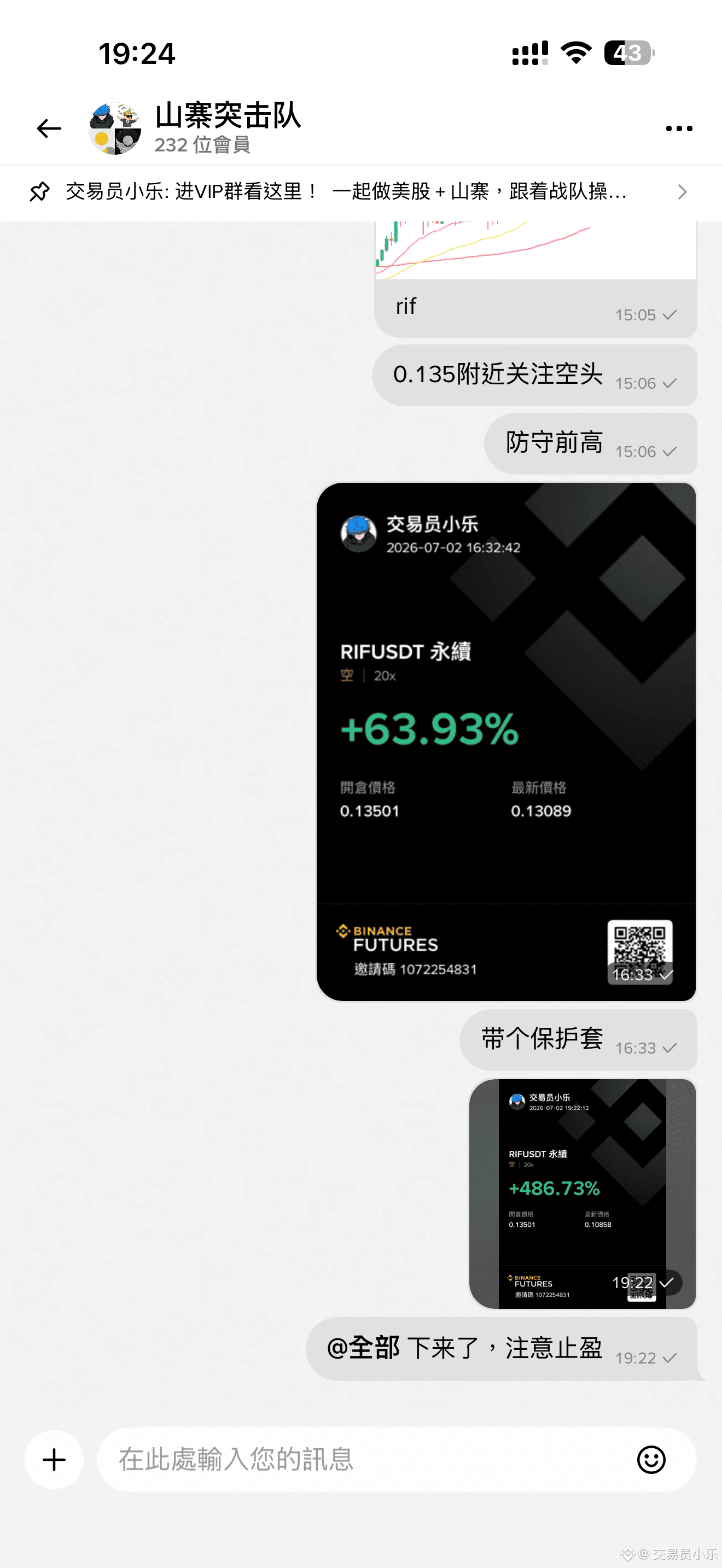
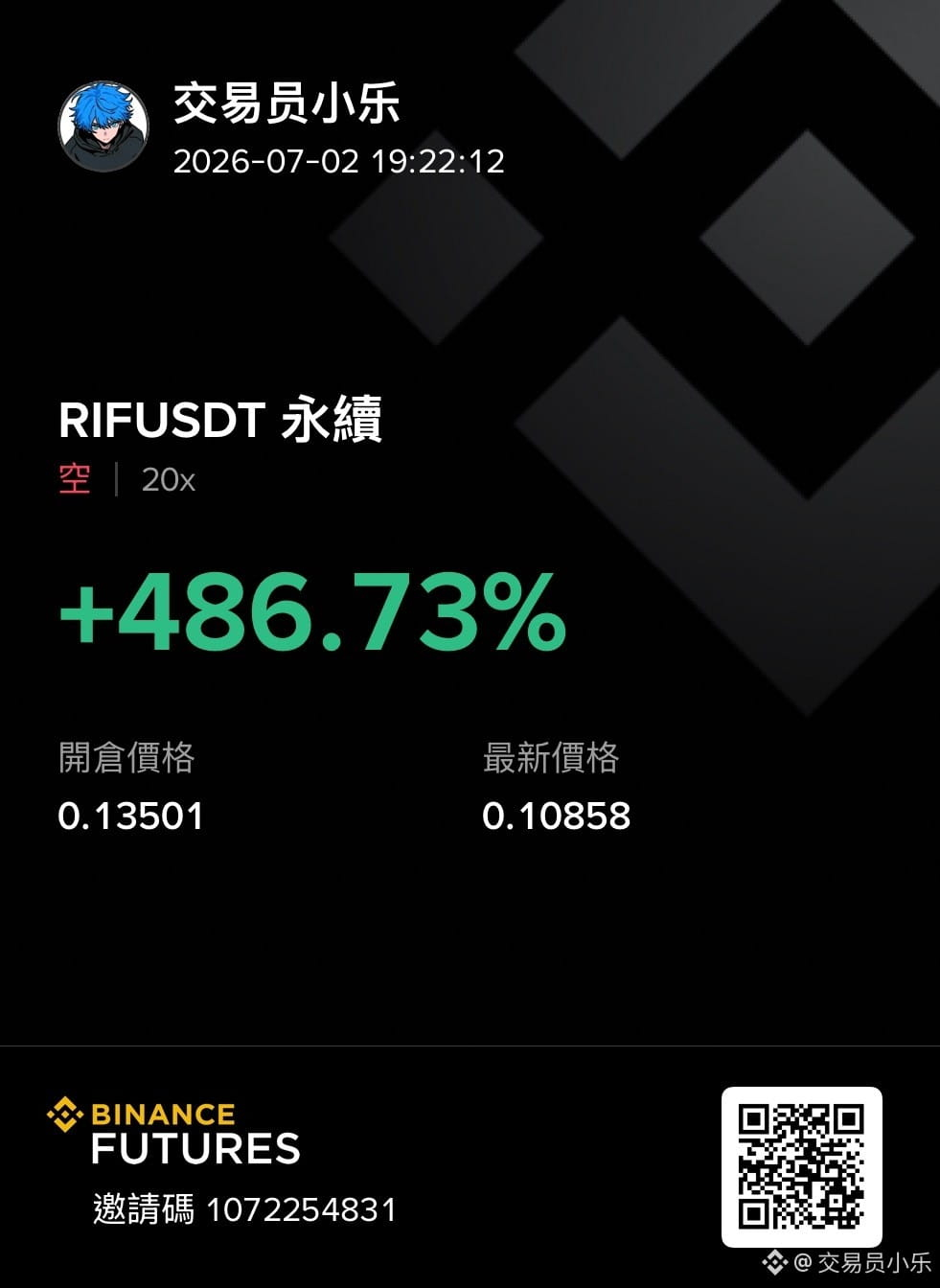
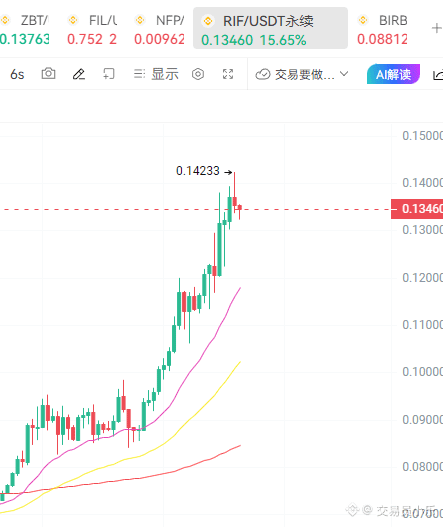
$RIF single took it down!!
Shorted around 0.135 this afternoon
The low dropped to around 0.096
About a 28-point move
Still thinking about this round—hop on
Shorted around 0.135 this afternoon
The low dropped to around 0.096
About a 28-point move
Still thinking about this round—hop on
$COPPER buy non-ferrous metals copper and tin. Demand for power semiconductors is rising. The power semiconductor packaging stage directly consumes large amounts of copper; as packaging copper becomes more expensive, semiconductor manufacturers will raise prices due to cost pressure. Meanwhile, the entire industry chain will benefit from both higher volume and higher prices.
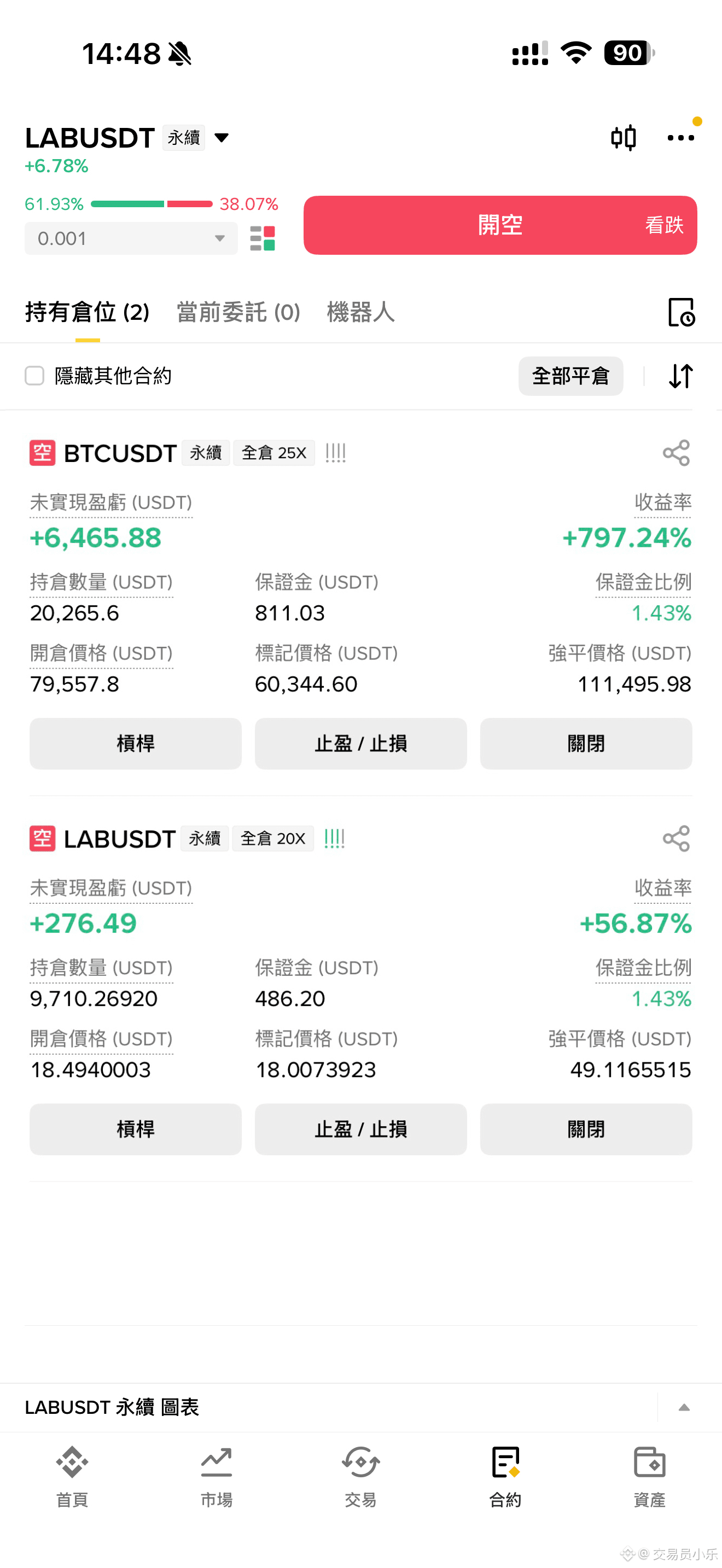
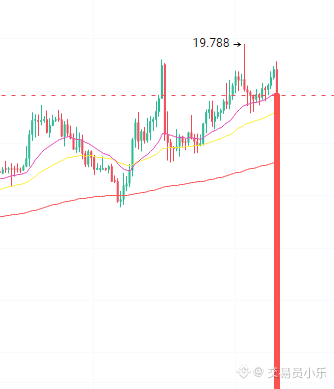
$LAB Finally short it again. If it doesn’t break 20 bucks, I won’t stop-loss. The promised fake coin—its market cap was supposed to be pumped to the highest to $7 billion, but this “birth” lab already has over $8 billion. I don’t believe it can still get pumped anymore. Right now, this fee-charging dog-manipulator is clearly clearly luring more longs. Just wait—only those who dare to chase in will end up paying the fees. Then 🐶 the dealer will start dumping the position. I’ve already shorted into it first.
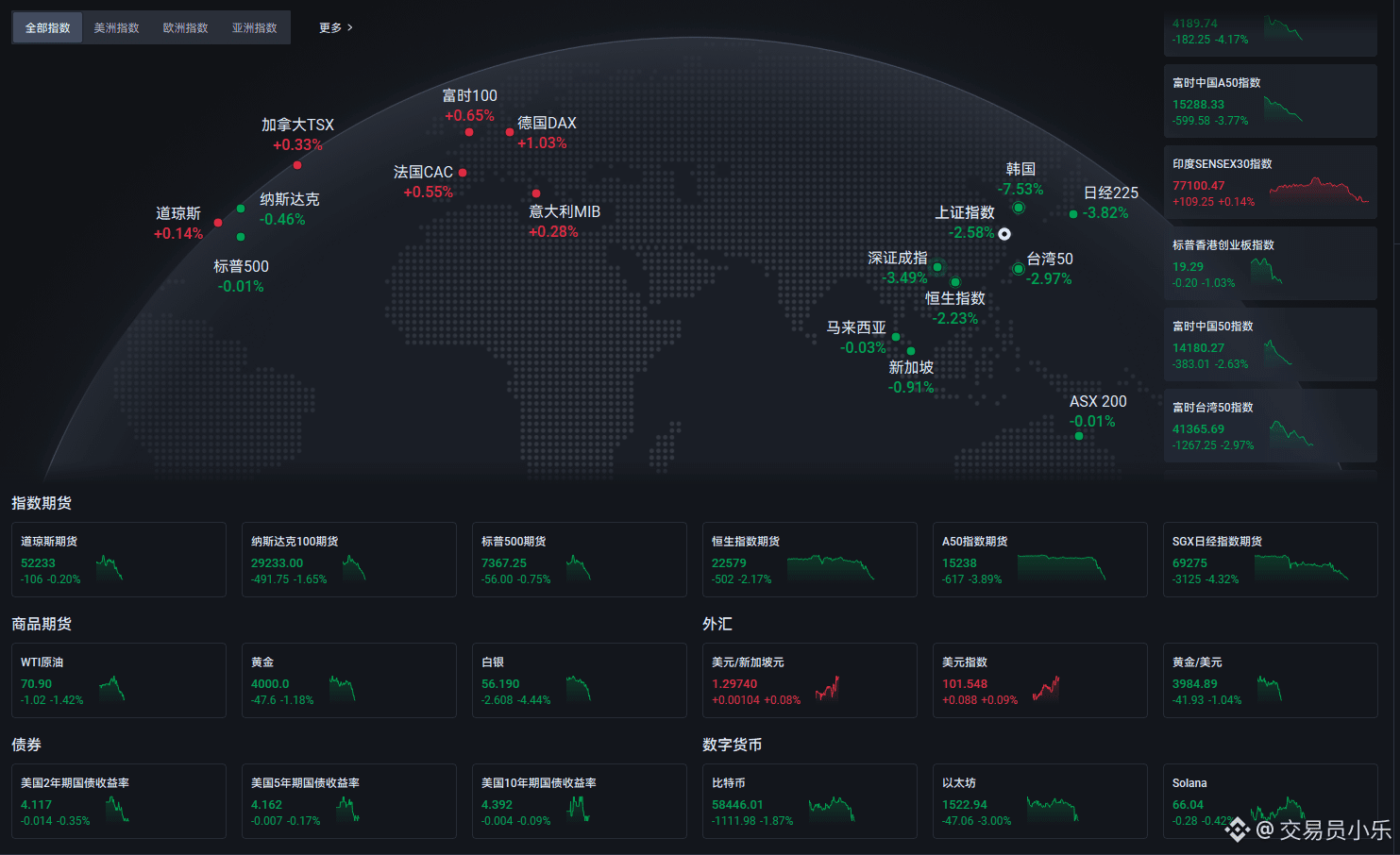
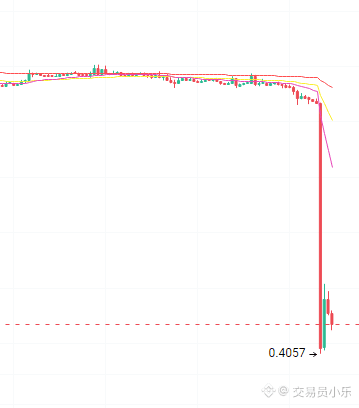
$QQQ Black Friday has arrived, and it’s another day when stocks, bond markets, commodities, and cryptocurrencies all plunge together
Verified
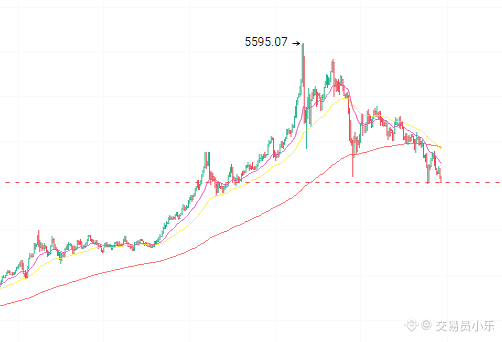
$XAU Everything that Old Trump does is to maintain the dollar's dominance. At first, he controlled the Strait of Hormuz, forcing countries to use more dollars to buy oil, causing the dollar index to rise from 97 all the way to 100.6. After the US signed an MOU with Iran, the market generally believed that oil prices would pull back and the demand for dollars would weaken. However, Old Trump signaled a rate hike through Walsh, stirring up expectations for a rate increase, which suppressed gold prices and allowed the dollar index to continue climbing. At this point, Old Trump's intentions are pretty clear: he wants the dollar to remain strong, gold can rise, but it can't outperform the dollar. As for whether the Fed will actually hike rates? My answer is no. Now that the Strait of Hormuz is open, oil prices will drop, and inflation will come down as well. The most important thing is that US debt has exceeded $39 trillion; raising rates would crash the debt. A rate hike is also unacceptable for the current US stock market; it would be like popping the bubble prematurely. Old Trump won’t let the stock market crash ahead of the midterms, so he, Bessent, and Walsh can only use various methods to keep the dollar as the world's strongest credit currency. However, if a financial crisis occurs, the Fed will not hesitate to release liquidity. I still have faith in gold, but its performance won’t be great in the short term. Let's keep the funds in AI for now; I’ll notify you of opportunities later.
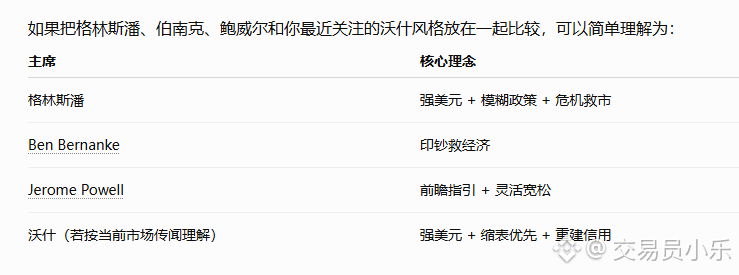
$XAU The US won't just hold interest rates steady, but is also looking at cuts.
Compared to the Powell era, Walsh's style is a complete 180.
After stepping in, he quickly set up five special task forces to overhaul financial regulations and has stressed 'strict monetary discipline' multiple times.
More importantly, he's mirroring the policy playbook from the Greenspan era.
He's keeping future policy moves under wraps, not giving the market clear signals, allowing traders to interpret economic data on their own.
This 'vague policy' might seem to ramp up uncertainty, but it actually gives the Fed more maneuvering room.
When the market can't accurately gauge the policy path, players tend to tighten up their funds, naturally tightening financial conditions.
Essentially, Walsh is doing one thing:
Reestablishing the credibility of the dollar.
Over the past few years, the US flooded the market with massive liquidity via aggressive easing, which has somewhat weakened the dollar's credibility.
Now, the Fed is trying to rebuild trust in the dollar by tapering, tightening its supply, and increasing its scarcity.
This approach aligns closely with mainstream views within the US financial system.
First, build a strong dollar to restore its credibility;
then consider rate cuts and economic stimulus.
Otherwise, easing without a solid credit foundation will only further undermine the dollar's international standing.
Compared to the Powell era, Walsh's style is a complete 180.
After stepping in, he quickly set up five special task forces to overhaul financial regulations and has stressed 'strict monetary discipline' multiple times.
More importantly, he's mirroring the policy playbook from the Greenspan era.
He's keeping future policy moves under wraps, not giving the market clear signals, allowing traders to interpret economic data on their own.
This 'vague policy' might seem to ramp up uncertainty, but it actually gives the Fed more maneuvering room.
When the market can't accurately gauge the policy path, players tend to tighten up their funds, naturally tightening financial conditions.
Essentially, Walsh is doing one thing:
Reestablishing the credibility of the dollar.
Over the past few years, the US flooded the market with massive liquidity via aggressive easing, which has somewhat weakened the dollar's credibility.
Now, the Fed is trying to rebuild trust in the dollar by tapering, tightening its supply, and increasing its scarcity.
This approach aligns closely with mainstream views within the US financial system.
First, build a strong dollar to restore its credibility;
then consider rate cuts and economic stimulus.
Otherwise, easing without a solid credit foundation will only further undermine the dollar's international standing.
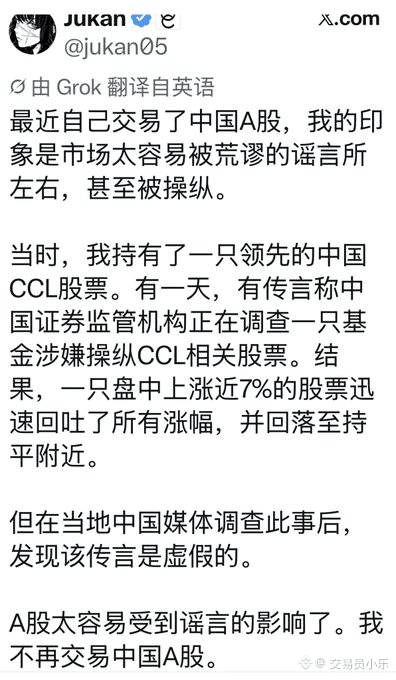
$SNDK Even big players in Korean semiconductors get hit when trading A-shares.
SNDKUS+0.02%
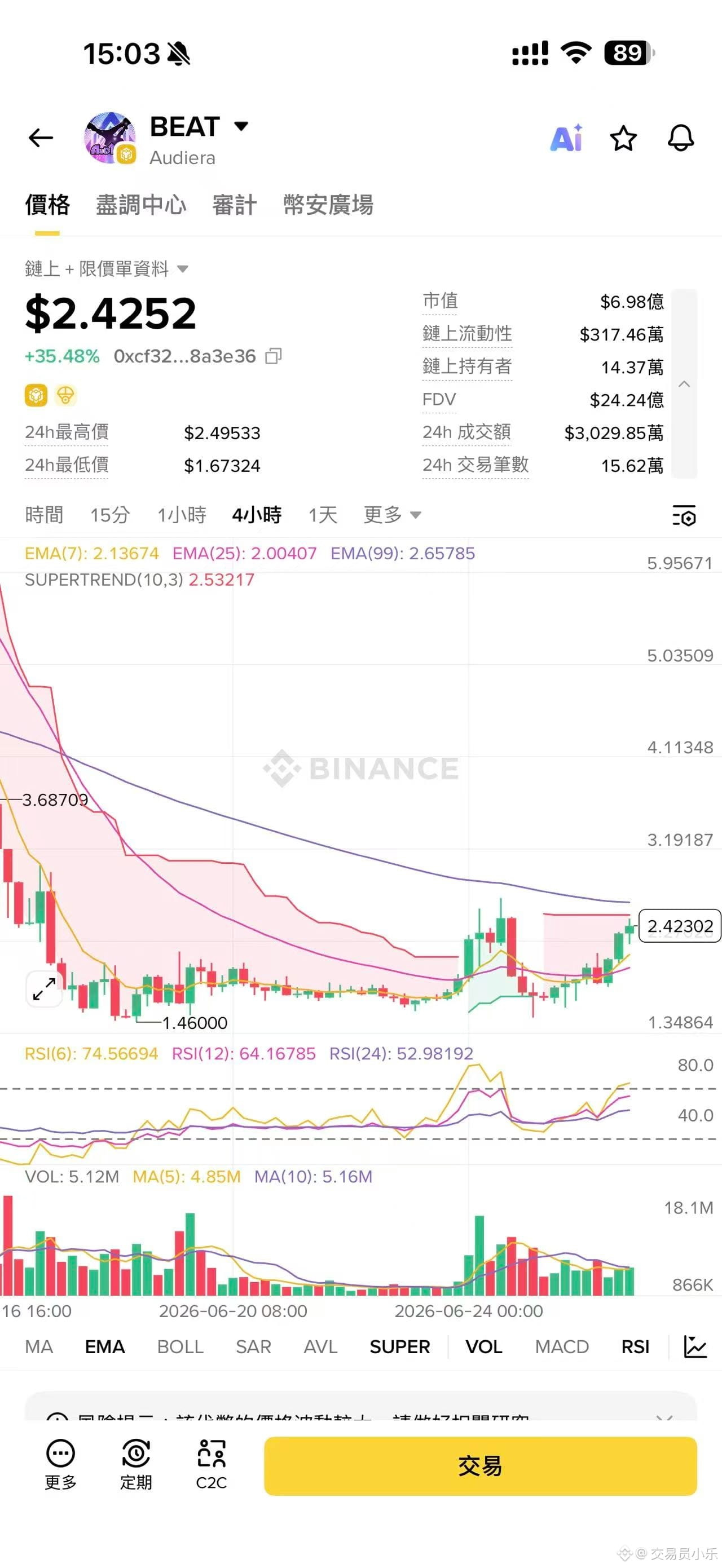
$BEAT is still propping up the market; today you should be able to see numbers starting with 3. The dog firm hasn’t given up on the position yet—follow along and eat another round.
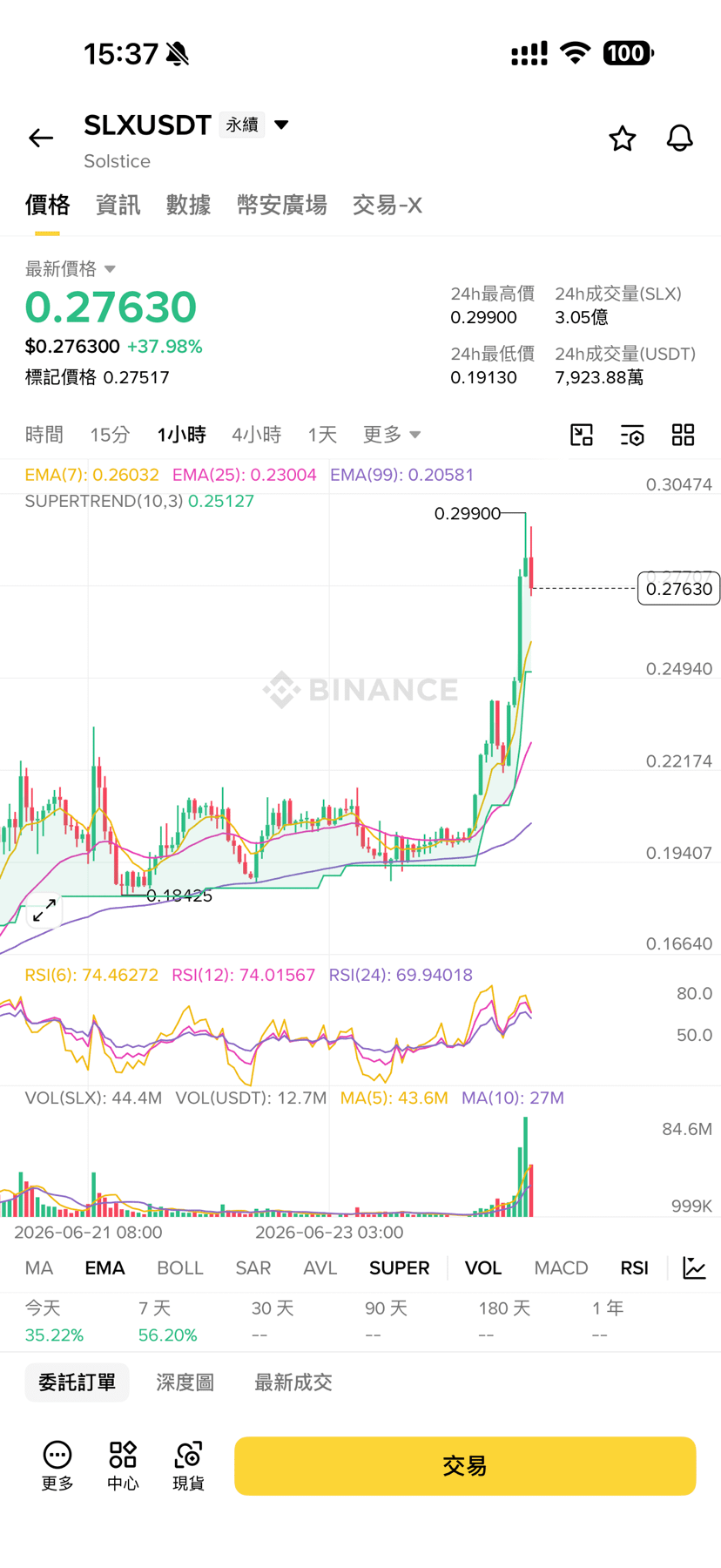
$SLX now put in 20x short for a possible double, stop-loss set at the previous high—I've shorted first
Log in to explore more content