
新币扫地僧
313 Posts

新币扫地僧
带您洞悉项目方发展前景,寻找靠谱好项目,三言两语熟悉新项目。
Open Trade

BNB Holder
High-Frequency Trader
4.3 Years
11 Following
64 Followers
327 Liked
Posts
Portfolio
All
Videos
It was almost perfect. After I clicked on S, it just kept dropping. Even my account showed profit, so I thought, “Looks like I’m safe.” Then I went to take a shower to relax. But then! Did this market just get fitted with a rocket? After I got out, I saw it had made a straight V-shaped reversal and surged all the way from 14 to over 15. I was supposed to make some money for a late-night snack, but now I’m down 85% instead! 😭 That shower was so painful. From now on, before I shower I’ll make sure to set a stop-loss. I’m such a dog. #TradFi晒单
Will Spain tie Argentina in the first half of the final? Honestly, this is a World Cup final! A final, brothers! Who dares to come out and go all-out from the start? Nobody dares! Even if Spain is fierce, they still have to control the ball first and probe.
Argentina are the defending champions, so they definitely can’t afford to make mistakes first. Can they afford to make mistakes? They really can’t make mistakes at all!! In the first half of the final, the probability of a draw is 55–60%, much higher than usual.
If it’s 0-0 or 1-1 going into halftime, isn’t that exactly the kind of script you’d see in a final? Even Messi, superhuman as he is, still needs to stabilize the situation first. Can they stabilize it? Absolutely they can! First half ends level. 0-0 or 1-1, both sides probing each other up until midfield. Don’t hesitate—this is how the first half in the final goes. Get in and let’s go!! #BinancePickAndWin
Argentina are the defending champions, so they definitely can’t afford to make mistakes first. Can they afford to make mistakes? They really can’t make mistakes at all!! In the first half of the final, the probability of a draw is 55–60%, much higher than usual.
If it’s 0-0 or 1-1 going into halftime, isn’t that exactly the kind of script you’d see in a final? Even Messi, superhuman as he is, still needs to stabilize the situation first. Can they stabilize it? Absolutely they can! First half ends level. 0-0 or 1-1, both sides probing each other up until midfield. Don’t hesitate—this is how the first half in the final goes. Get in and let’s go!! #BinancePickAndWin
In the England vs. England for third place match, can France get third? Honestly, look at France’s stats: win rate 57%, odds -188—no way the bookies are missing something. Blinded? Absolutely not!!Mbpappé and the boys’ individual ability is way stronger than England’s. Strong? Extremely strong!!What about England? Tuchel himself said the players don’t want to play the third-place match! Don’t they? They really don’t!!The difference in motivation is nothing short of huge. Huge? Extremely huge!!Third-place matches are usually wide open, with lots of goals. Is that good for France? Definitely good!!Experts predict France will win 2-1 or 3-1. Believe it? You have to!!Listen to me—just pick YES: France wins third place. Don’t hesitate; data doesn’t lie. All aboard!! #BinancePickAndWin
In the Euro England vs. the 3rd-place playoff, can France win third place? Well, look at France’s stats: a 57% win rate, odds of -188— the bookmakers’ eyes aren’t blind. Blind? Absolutely not!! Mbappé and the crew’s individual ability is a whole level above England. Are they strong? Extremely strong!! What about England? Tuchel said it himself: the players don’t want to play the third-place match! Don’t they want to play? They really don’t!! The gap in motivation is not just big—it’s massive. Is it big? It’s extremely big!! Third-place matches are usually open, with lots of goals. Is this good for France or good for France? Definitely good for France!! Experts predict France will win 2-1 or 3-1. Believe it? You have to!! Listen to me—just pick YES: France will take third place. Don’t hesitate; data doesn’t lie. Get on board and that’s it!! #BinancePickAndWin
The two big teams went head-to-head in attack, and the goal count is off the charts! England take on Argentina—will the total goals exceed 3? Well, look at these two teams’ offense: England has Kane and Bellingham, while Argentina has Messi and Lautaro. Once these guys fire up, how could goals be few? They won’t be few!! Even though the semifinal is important, neither of these teams is the type to play it safe. Can they “hide and defend”? They absolutely can’t!! England are young and hot-blooded, and Argentina are desperate to defend their title—nobody will sit back. Can they hold up? They can’t!! If England score first, Argentina will have to push forward. If Argentina score first, England will have to launch a fierce attack. Doesn’t that naturally lead to more goals? More or not? Quite a lot!! The most likely score is 2–1 #BinancePickAndWin
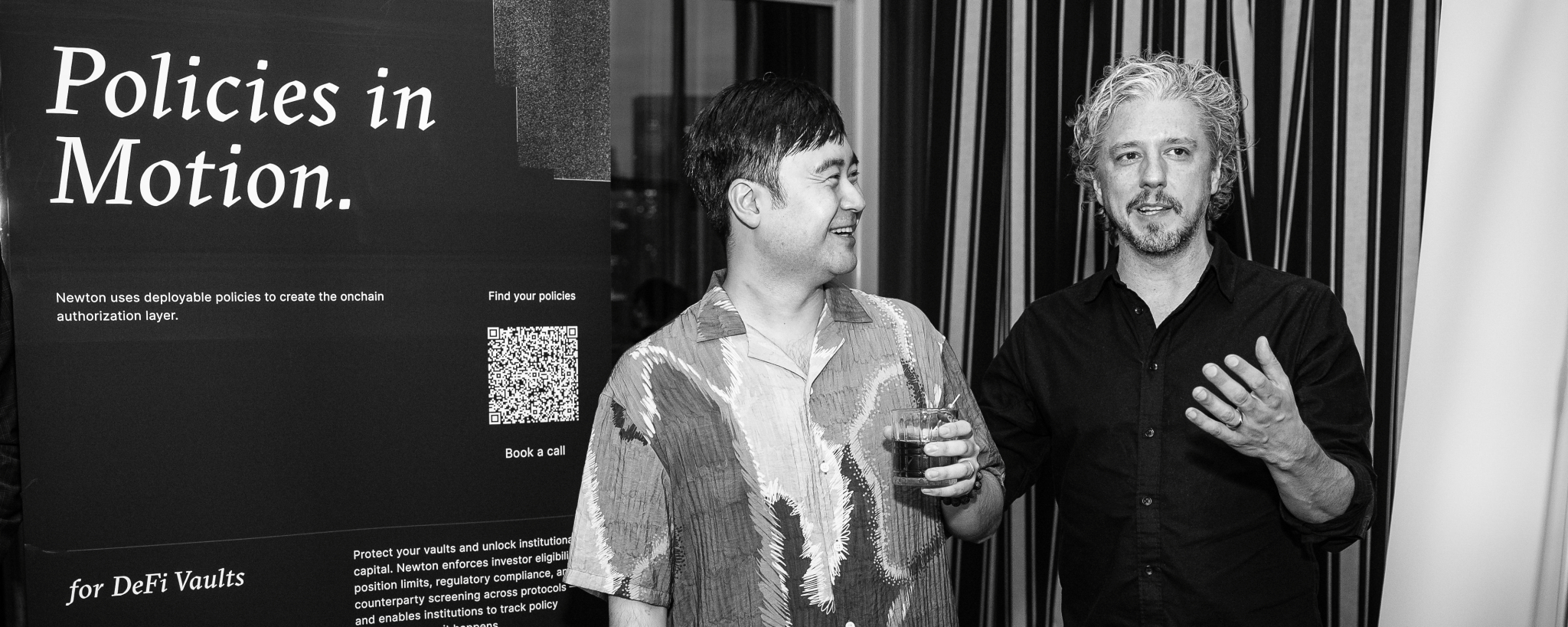
🌐 Real top-tier security is making it “invisible” to the user! Just like how HTTPS quietly encrypts traffic when we browse the web, future DeFi interactions should also be “secure by default.” @NewtonProtocol Mainnet Beta is turning this “invisible security” into reality. As the underlying on-chain authorization layer, Newton automatically performs compliance screening, identity verification, and risk interception in the background before each transaction settles.
Users don’t need to manually configure complex risk-control parameters. Newton Vault SDK will return on-chain signature authentication in milliseconds—silently blocking malicious contracts and abnormal actions, killing danger at the source. Driven by $NEWT , this “secure by default” infrastructure will seamlessly cover multi-chain ecosystems, enabling everyday retail users to enjoy institutional-grade protection with ease, completely putting an end to “authorization anxiety” in on-chain interactions. Do you think this “invisible” on-chain authorization experience will become the standard feature that attracts massive numbers of users to the next generation of DApps? Share your thoughts in the comments!👇 #Newt
Users don’t need to manually configure complex risk-control parameters. Newton Vault SDK will return on-chain signature authentication in milliseconds—silently blocking malicious contracts and abnormal actions, killing danger at the source. Driven by $NEWT , this “secure by default” infrastructure will seamlessly cover multi-chain ecosystems, enabling everyday retail users to enjoy institutional-grade protection with ease, completely putting an end to “authorization anxiety” in on-chain interactions. Do you think this “invisible” on-chain authorization experience will become the standard feature that attracts massive numbers of users to the next generation of DApps? Share your thoughts in the comments!👇 #Newt
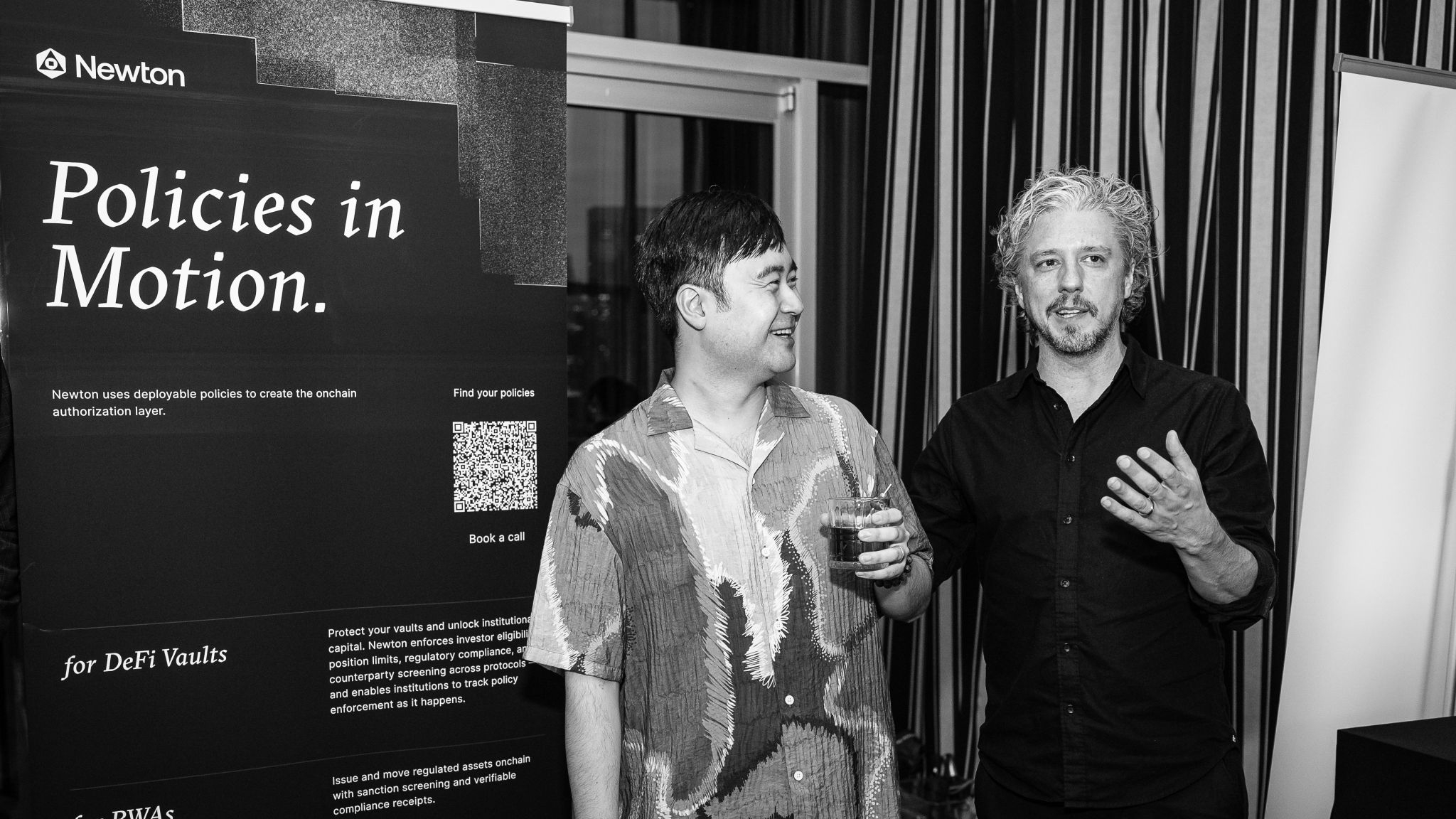
France beats Spain—will they play extra time? Actually, look at Spain’s form: in the past 15 matches, they won 13! And they basically settled things within 90 minutes.
Can they get it done? Absolutely they can!! The last time they met, it ended 5–4, with 9 goals! The winner was decided within 90 minutes. Did they get it? Absolutely they did!! These two teams have fierce attacks—nobody can hold them off. Can you defend successfully? Not at all!!
Once a goal goes in, the match is essentially open—there will definitely be a result. The chance of extra time is just a little over 20%; most semi-finals end in regular time. Once Spain starts controlling the ball and pulling it around, France’s stamina will run out. The final 20 minutes is when Spain begins its massacre. #BinancePickAndWin
Can they get it done? Absolutely they can!! The last time they met, it ended 5–4, with 9 goals! The winner was decided within 90 minutes. Did they get it? Absolutely they did!! These two teams have fierce attacks—nobody can hold them off. Can you defend successfully? Not at all!!
Once a goal goes in, the match is essentially open—there will definitely be a result. The chance of extra time is just a little over 20%; most semi-finals end in regular time. Once Spain starts controlling the ball and pulling it around, France’s stamina will run out. The final 20 minutes is when Spain begins its massacre. #BinancePickAndWin
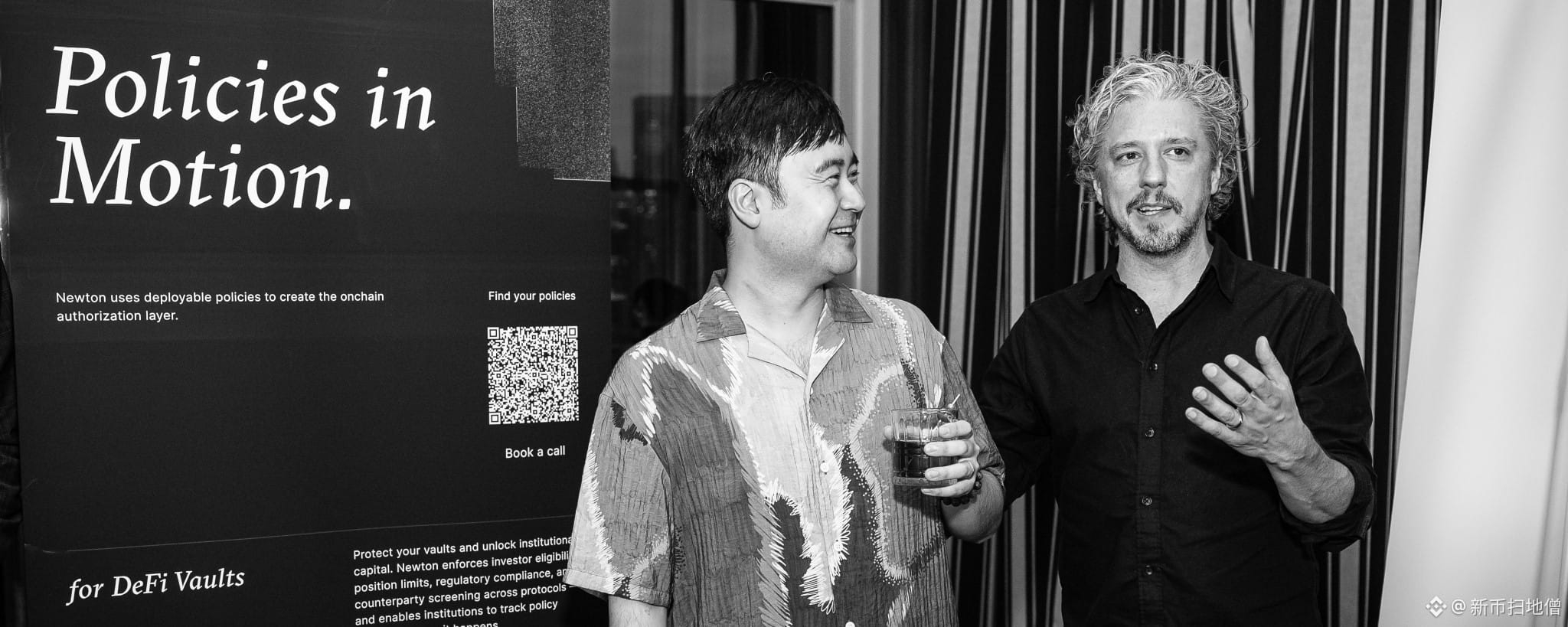
True top-tier security is making it “invisible” for users! Just like HTTPS quietly encrypts when we browse the web, future DeFi interactions should also be “secure by default.”
@NewtonProtocol mainnet Beta is turning this “invisible security” into reality. As a foundational on-chain authorization layer, before each transaction is settled, Newton automatically performs compliance screening, identity verification, and risk interception in the background. Users don’t need to manually configure complex risk-control parameters. The Newton Vault SDK returns on-chain signature authentication in milliseconds, quietly blocking malicious contracts and abnormal actions—killing danger at the cradle.
Driven by $NEWT , this “secure-by-default” infrastructure will seamlessly cover a multi-chain ecosystem, enabling ordinary retail users to enjoy institutional-level protection with ease, and finally bid farewell to the “authorization anxiety” of on-chain interactions.
Do you think this “invisible” on-chain authorization experience will become the standard feature that attracts massive numbers of users to the next generation of DApps? Share your thoughts in the comments!👇 #Newt
@NewtonProtocol mainnet Beta is turning this “invisible security” into reality. As a foundational on-chain authorization layer, before each transaction is settled, Newton automatically performs compliance screening, identity verification, and risk interception in the background. Users don’t need to manually configure complex risk-control parameters. The Newton Vault SDK returns on-chain signature authentication in milliseconds, quietly blocking malicious contracts and abnormal actions—killing danger at the cradle.
Driven by $NEWT , this “secure-by-default” infrastructure will seamlessly cover a multi-chain ecosystem, enabling ordinary retail users to enjoy institutional-level protection with ease, and finally bid farewell to the “authorization anxiety” of on-chain interactions.
Do you think this “invisible” on-chain authorization experience will become the standard feature that attracts massive numbers of users to the next generation of DApps? Share your thoughts in the comments!👇 #Newt
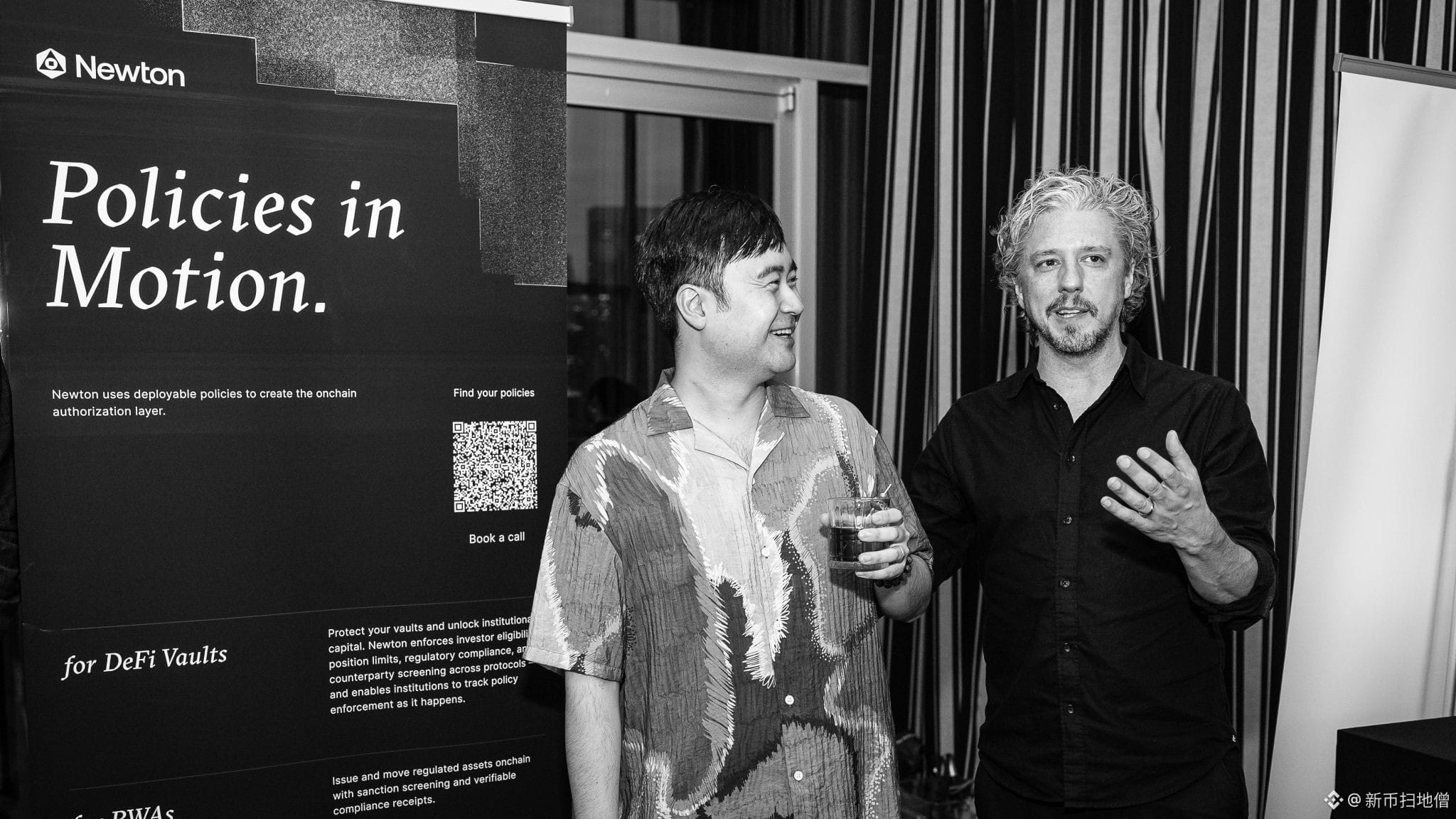
If France kicks Spain, will they play extra time? Well, you know, look at Spain’s form—over the past 15 matches, they’ve won 13! And they basically settle the opponent within 90 minutes.
Can they take care of business? Absolutely, they can!! In their last meeting it was 5–4, with 9 goals. There was a winner within 90 minutes. Did they get the result? Absolutely!! Both teams’ attacks are fierce—no one is going to be able to hold them off. Can you defend? You can’t at all!!
Once a goal goes in, the game is on—definitely there will be a result in regulation. The probability of extra time is only a little over 20%; most of the semi-finals are decided by the end of regular time. When Spain controls the ball and pushes, France’s stamina runs out—those final 20 minutes are Spain’s slaughter time. #BinancePickAndWin
Can they take care of business? Absolutely, they can!! In their last meeting it was 5–4, with 9 goals. There was a winner within 90 minutes. Did they get the result? Absolutely!! Both teams’ attacks are fierce—no one is going to be able to hold them off. Can you defend? You can’t at all!!
Once a goal goes in, the game is on—definitely there will be a result in regulation. The probability of extra time is only a little over 20%; most of the semi-finals are decided by the end of regular time. When Spain controls the ball and pushes, France’s stamina runs out—those final 20 minutes are Spain’s slaughter time. #BinancePickAndWin
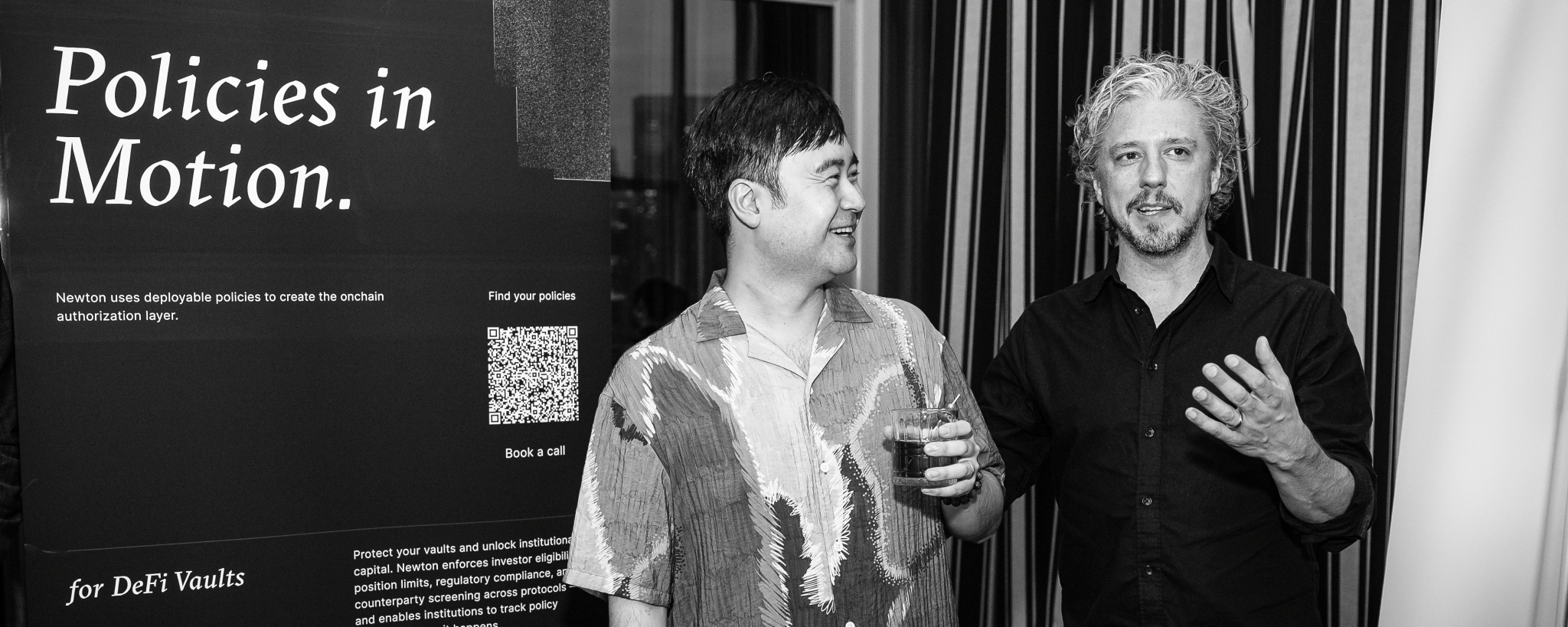
In DeFi, does your wallet address—or the protocols you use—have a “security reputation score”? @NewtonProtocol Mainnet Beta is quietly building a “security reputation network” on-chain!
As an on-chain authorization layer, Newton performs strategy checks before each transaction settlement and returns an authentication bearing an on-chain signature. This means that addresses that pass stringent compliance validation—and protocols that genuinely enforce top-tier risk-control strategies—will be irreversibly recorded on-chain.
Driven by $NEWT , this “execution traceability” not only helps institutional funds accurately identify high-quality, safe DeFi targets, but also gives everyday retail users an intuitive “how to avoid traps” guide. When “on-chain security authentication” becomes a project’s core moat, which track do you think will be the first to widely adopt this “credit scoring” mechanism? Join the discussion in the comments!👇 #Newt
As an on-chain authorization layer, Newton performs strategy checks before each transaction settlement and returns an authentication bearing an on-chain signature. This means that addresses that pass stringent compliance validation—and protocols that genuinely enforce top-tier risk-control strategies—will be irreversibly recorded on-chain.
Driven by $NEWT , this “execution traceability” not only helps institutional funds accurately identify high-quality, safe DeFi targets, but also gives everyday retail users an intuitive “how to avoid traps” guide. When “on-chain security authentication” becomes a project’s core moat, which track do you think will be the first to widely adopt this “credit scoring” mechanism? Join the discussion in the comments!👇 #Newt
Argentina vs Switzerland—how should you look at this match? Honestly, if you check their past head-to-head records, you’ll understand everything.
Argentina: 5 wins, 2 draws against Switzerland—Switzerland has never won a single match! Not one! Guys, the psychological edge here is enormous. Big? Extremely big!! Argentina has been unbeaten in their last 11 World Cup matches, and from 2022 to now they haven’t lost any games. Haven’t lost? Seriously, they haven’t lost!! In their last match, they came back from 2–3 to beat Egypt 3–2. That resilience is incredible.
What about Switzerland? They just won on penalties against Colombia—looks strong, but that’s partly good luck. These Swiss guys over the last five World Cups have made it to the Round of 16 four times and then went home—can this curse be broken? It can’t be broken!! Argentina’s defense and attack are both top-tier, and Messi is still there. With Messi around, are they solid? They’re very solid!! Historical head-to-head records don’t lie. Get on board and let’s go!! #BinancePickAndWin
Argentina: 5 wins, 2 draws against Switzerland—Switzerland has never won a single match! Not one! Guys, the psychological edge here is enormous. Big? Extremely big!! Argentina has been unbeaten in their last 11 World Cup matches, and from 2022 to now they haven’t lost any games. Haven’t lost? Seriously, they haven’t lost!! In their last match, they came back from 2–3 to beat Egypt 3–2. That resilience is incredible.
What about Switzerland? They just won on penalties against Colombia—looks strong, but that’s partly good luck. These Swiss guys over the last five World Cups have made it to the Round of 16 four times and then went home—can this curse be broken? It can’t be broken!! Argentina’s defense and attack are both top-tier, and Messi is still there. With Messi around, are they solid? They’re very solid!! Historical head-to-head records don’t lie. Get on board and let’s go!! #BinancePickAndWin
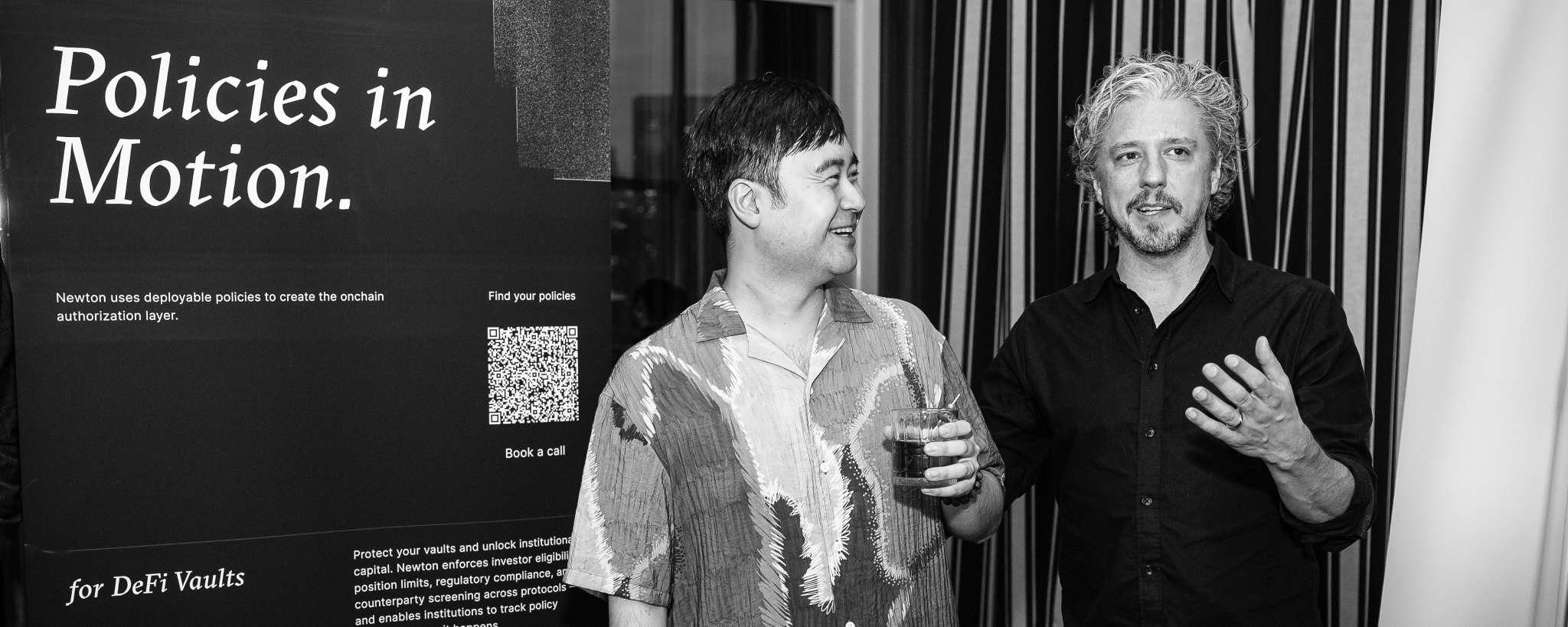
Although on-chain data is transparent, are the protocol’s “risk control actions” truly transparent? After traditional DeFi projects get into trouble, they often can only helplessly say, “We were attacked,” yet they are unable to prove to users on-chain what risk control rules they actually executed at the time.
@NewtonProtocol The mainnet Beta completely changes this black-box situation! Before each transaction is settled, it forces strategy checks and returns pass/fail credentials with an “on-chain signature.”
This means the protocol’s risk control execution records are permanently and tamper-proofly inscribed on the blockchain—truly achieving “verifiable compliance”! Driven by $NEWT , this “risk control trace” mechanism will bring unprecedented audit transparency to DeFi, so institutional funds can check with confidence.
Do you think “on-chain proof of risk control execution” will become a new standard for institutions to evaluate DeFi projects in the future? Join the discussion in the comments!👇 #Newt
@NewtonProtocol The mainnet Beta completely changes this black-box situation! Before each transaction is settled, it forces strategy checks and returns pass/fail credentials with an “on-chain signature.”
This means the protocol’s risk control execution records are permanently and tamper-proofly inscribed on the blockchain—truly achieving “verifiable compliance”! Driven by $NEWT , this “risk control trace” mechanism will bring unprecedented audit transparency to DeFi, so institutional funds can check with confidence.
Do you think “on-chain proof of risk control execution” will become a new standard for institutions to evaluate DeFi projects in the future? Join the discussion in the comments!👇 #Newt
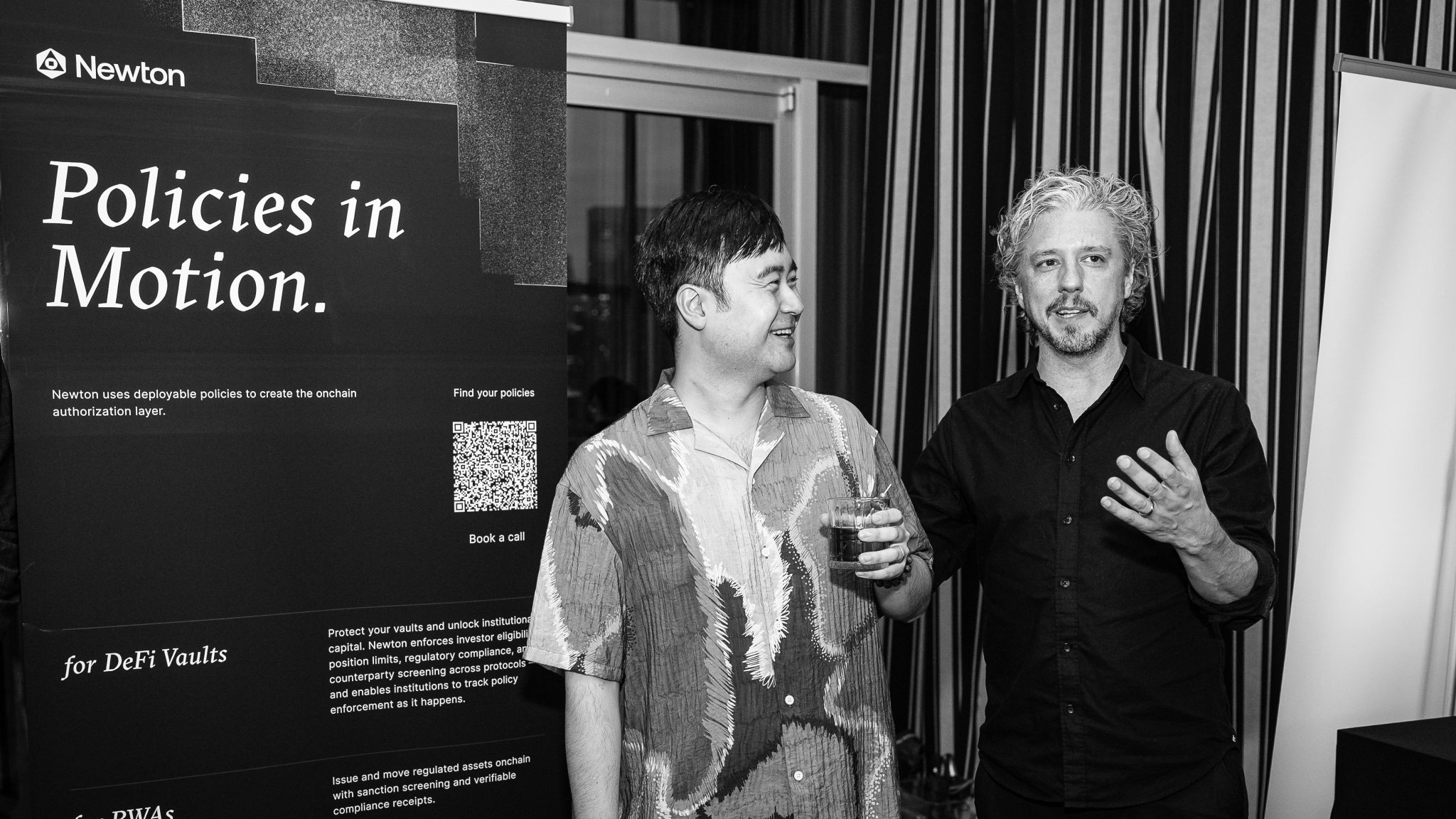
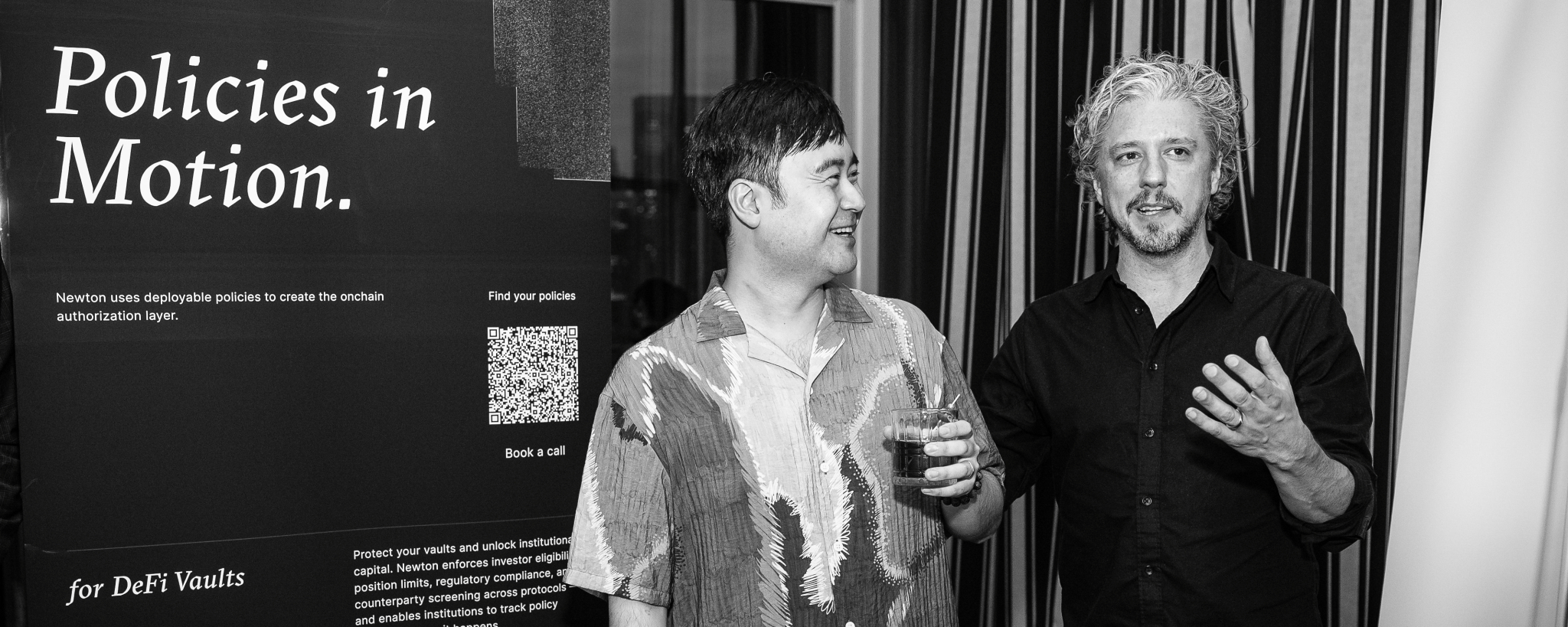
DeFi protocols need top-tier risk control, but building it in-house is too costly; security experts have hard-core strategies, yet can’t find the right scenario to deploy them. How do we solve this supply-demand pain point?
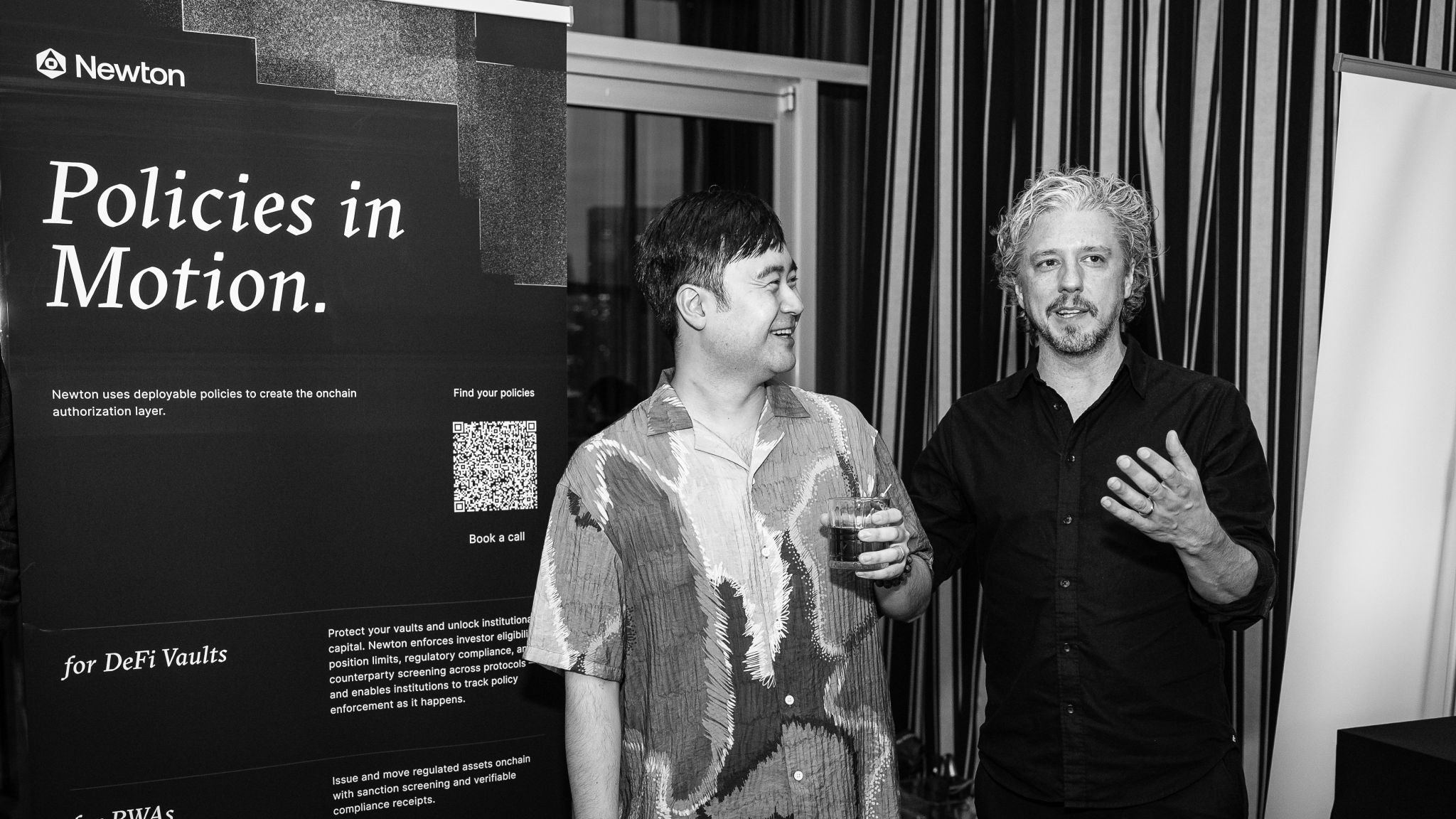
@NewtonProtocol The answer from the Mainnet Beta is: build a decentralized “Internet of Strategies”! Newton turns complex logic like compliance screening and security interception into standardized on-chain modules. Security organizations and developers can package their own strategies on-chain, so protocols across the network can plug them in and call them on demand.
Driven by native token $NEWT , a highly active two-sided market is taking shape: protocol parties spend the token to obtain institutional-grade protection, while strategy providers earn substantial incentives by contributing code. From “repeatedly reinventing the wheel” to “security as a service,” Newton fully reshapes the business closed loop of on-chain risk control! In Newton’s strategy marketplace, which type of risk-control module (e.g., anti-hacking, anti–money laundering, or leverage monitoring) do you think will become the first “hot seller” that protocols compete for? Drop your thoughts in the comments! 👇 #Newt
@NewtonProtocol The answer from the Mainnet Beta is: build a decentralized “Internet of Strategies”! Newton turns complex logic like compliance screening and security interception into standardized on-chain modules. Security organizations and developers can package their own strategies on-chain, so protocols across the network can plug them in and call them on demand.
Driven by native token $NEWT , a highly active two-sided market is taking shape: protocol parties spend the token to obtain institutional-grade protection, while strategy providers earn substantial incentives by contributing code. From “repeatedly reinventing the wheel” to “security as a service,” Newton fully reshapes the business closed loop of on-chain risk control! In Newton’s strategy marketplace, which type of risk-control module (e.g., anti-hacking, anti–money laundering, or leverage monitoring) do you think will become the first “hot seller” that protocols compete for? Drop your thoughts in the comments! 👇 #Newt
The match has plenty of explosive energy—so there’s definitely no shortage of yellow cards! Spain vs. Belgium: will there be more than 4 yellow cards? Actually, this is a quarter-final! Win and advance; lose and go home. Can these brothers be polite? Absolutely not—no way!! Look at the tactical board: Spain wants to keep possession, while Belgium wants to press. Those Belgium boys (Doku, Openda) won’t be able to make their challenges small just to win the ball. They can’t!! For Spain’s counter-attack defense, pulling and grabbing shirts to slow things down—that’s just standard procedure. Standard procedure? Absolutely standard!! A total of 4 yellow cards in the whole match—averaging only 2 per team. In a knockout game, that’s basically “civilized football.” If the referee is even a bit stricter, two tactical fouls and you’re already at 4. Trust me—just pick YES: 4 yellow cards or more. In a matchup between strong teams, if it doesn’t blow up like a rocket showdown, then what even is it? Get on board and let’s go!! #BinancePickAndWin
Log in to explore more content