
八方来财势不可挡
3.2k Posts
八方来财势不可挡
币安广场忠实粉丝!坚信币安会越来越好!Predict 亚太地区推广大使 | BNB持有者 | 币安广场建设者 | 预测市场PREDICT!
569 Following
22.4K+ Followers
14.1K+ Liked
Posts
All
Quotes
Live
PINNED

PINNED



·
--
🎙️ Build Binance Square, hold BNB|Thursday, last night I was bitten by a certain vicious doge from the Biden family, how about you? [emoji] Let's chat~

End
04 h 57 m 12 s
10.2k
44

北辰1688
·
--
BullishWhen BTC drops, the group chat suddenly gets much quieter.
Yesterday we were still discussing how to buy a supercar; today we’ve already started figuring out how to break even 😂
Forget it—let the market turn green, but the vibe can’t turn green.
In the comments, type “888”, and sis, send some red envelopes for those who haven’t gotten off the train yet.
$BTC
Yesterday we were still discussing how to buy a supercar; today we’ve already started figuring out how to break even 😂
Forget it—let the market turn green, but the vibe can’t turn green.
In the comments, type “888”, and sis, send some red envelopes for those who haven’t gotten off the train yet.
$BTC

Quoted content has been removed


奋斗Hustle1688
·
--
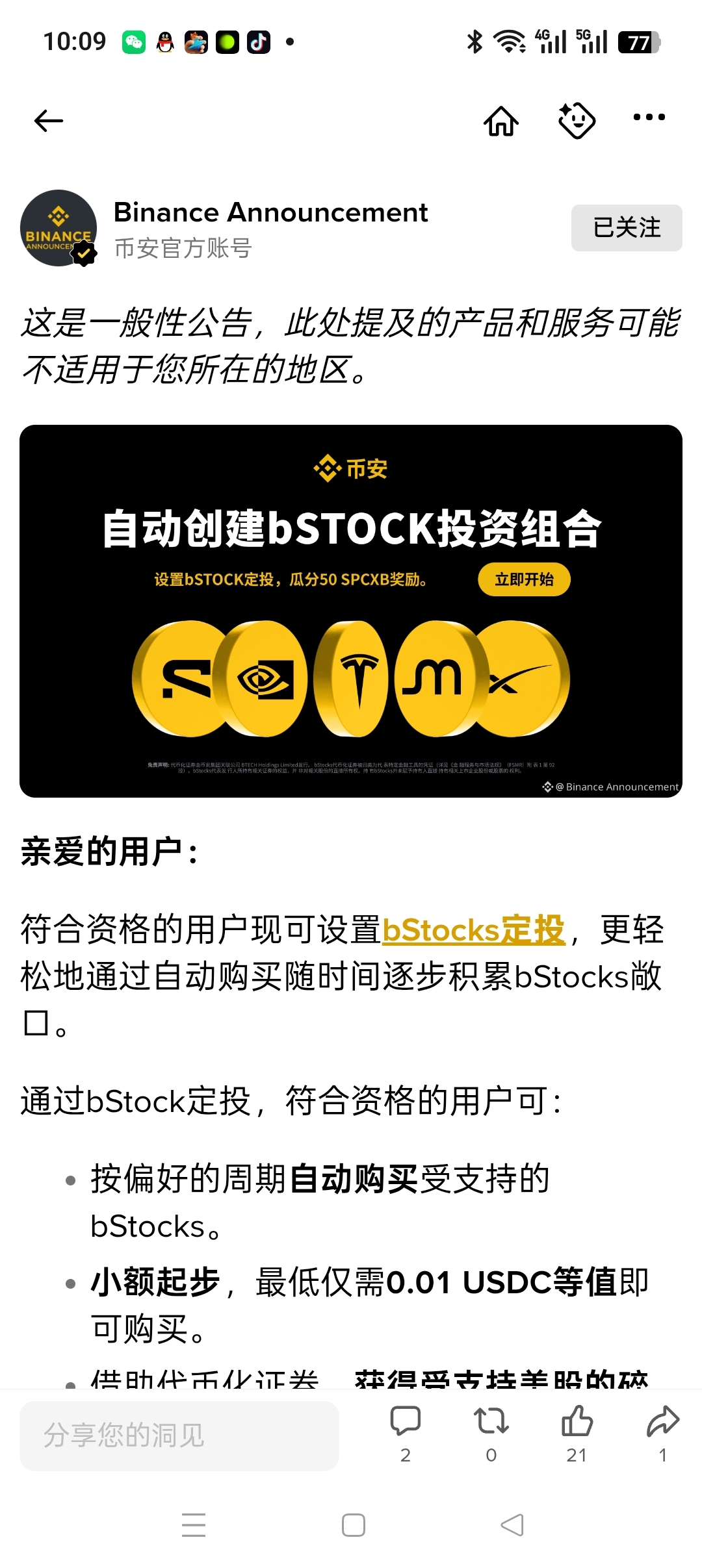
🔔 Big news! Binance launches the “Automatic Stock Investing” feature for US stocks—be a shareholder with just 0.01 U!
Quoted content has been removed
·
--
🎙️ Let's talk about market trends trading and investing in BNB regularly!

End
03 h 26 m 27 s
17.2k
32





南方白龙321
·
--
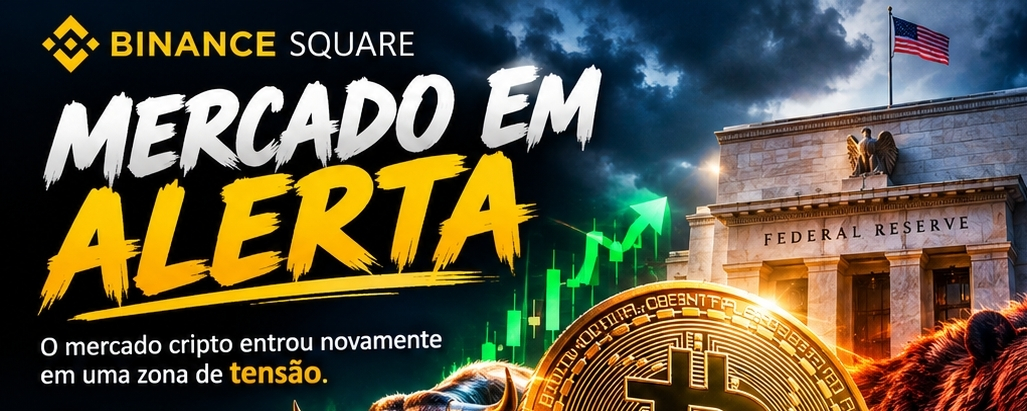
The crypto market has once again entered a zone of tension
Bitcoin is struggling to regain momentum as oil, inflation, and Fed decisions increase uncertainty.
But there is a point that deserves attention: even with macroeconomic pressure, institutional interest in BTC remains strong.
Now the market is waiting for the next U.S. inflation data. They may determine whether we’ll see a new recovery or another wave of selling.
In crypto, a drop doesn’t always mean the trend is over. Sometimes it’s just the market taking a breath before the next move. 👀
But there is a point that deserves attention: even with macroeconomic pressure, institutional interest in BTC remains strong.
Now the market is waiting for the next U.S. inflation data. They may determine whether we’ll see a new recovery or another wave of selling.
In crypto, a drop doesn’t always mean the trend is over. Sometimes it’s just the market taking a breath before the next move. 👀

易琳Ten
·
--
Trading has never been just a test of intelligence
Traditional IQ tests measure language, logic, and spatial reasoning—but none of these determine whether a trader can reach the top of the market.
Real top-tier trading ability comes from three core qualities:
First, probabilistic intuition.
It’s not about predicting the future; it’s about quickly judging win probability amid uncertainty—knowing when to act and when to wait.
Second, emotional control.
When facing massive unrealized losses, consecutive stop-outs, and market panic, you can still stay calm and not be ruled by greed or fear.
Third, pattern recognition ability.
By reading complex price fluctuations, fund flows, and market sentiment, you can capture patterns others can’t see.
Real top-tier trading ability comes from three core qualities:
First, probabilistic intuition.
It’s not about predicting the future; it’s about quickly judging win probability amid uncertainty—knowing when to act and when to wait.
Second, emotional control.
When facing massive unrealized losses, consecutive stop-outs, and market panic, you can still stay calm and not be ruled by greed or fear.
Third, pattern recognition ability.
By reading complex price fluctuations, fund flows, and market sentiment, you can capture patterns others can’t see.


静静Amily
·
--
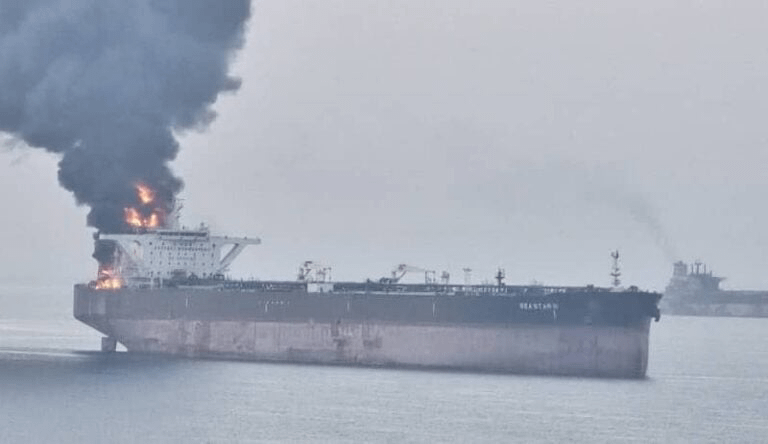
Bullish#美伊互袭油轮冲突升级 United States and Iran, they're starting to fight again. You hit my ship, I hit your ship. $CL Will oil prices go up? 📈$BTC
奋斗Hustle1688
·
--
🔔 Big news! Binance launches the “Automatic Stock Investing” feature for US stocks—be a shareholder with just 0.01 U!
心月势不可挡
·
--
Follow me and get a red envelope 🧧🧧🧧🍰🍰🍰 There’s a gold mine for you~
🧧🧧🧧🍰🍰🍰🎉🎉🎉
🧧🧧🧧🍰🍰🍰🎉🎉🎉


路人1688luren
·
--
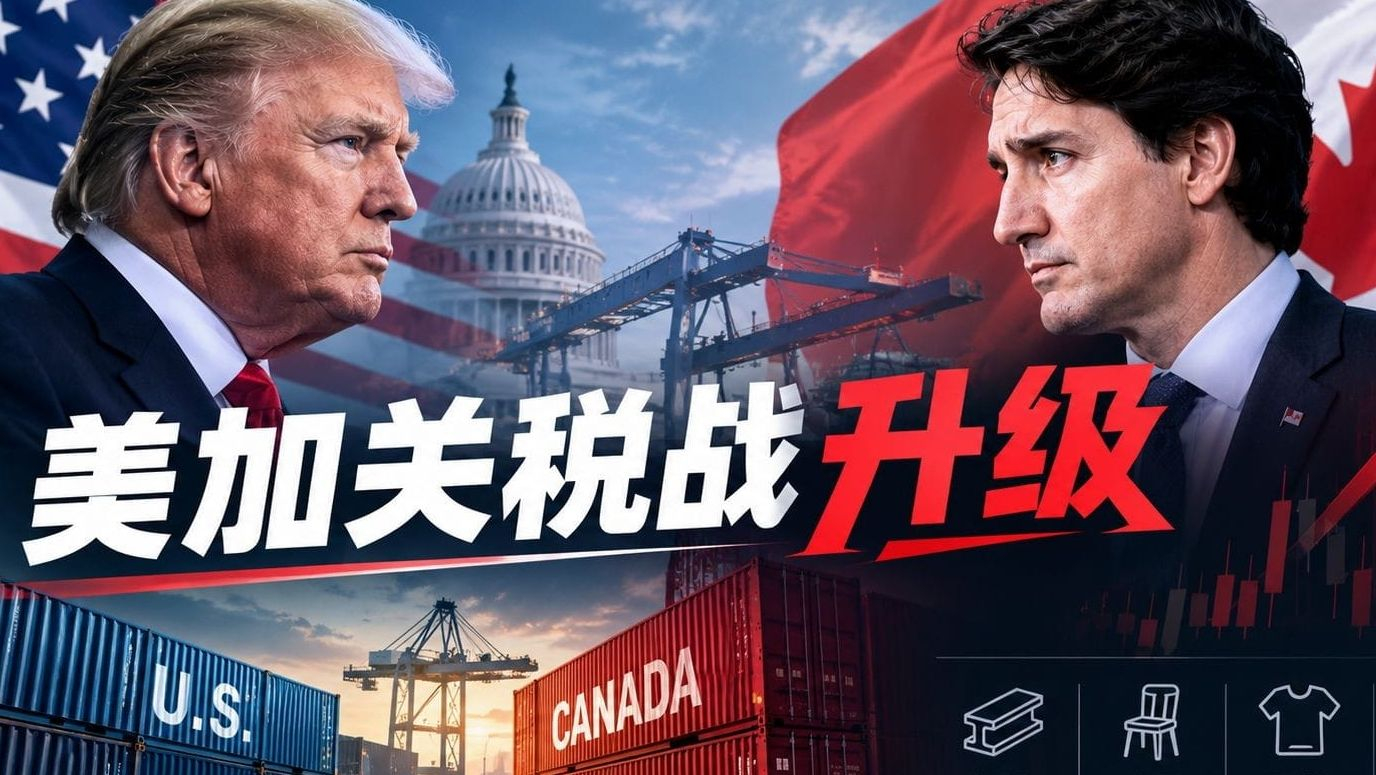
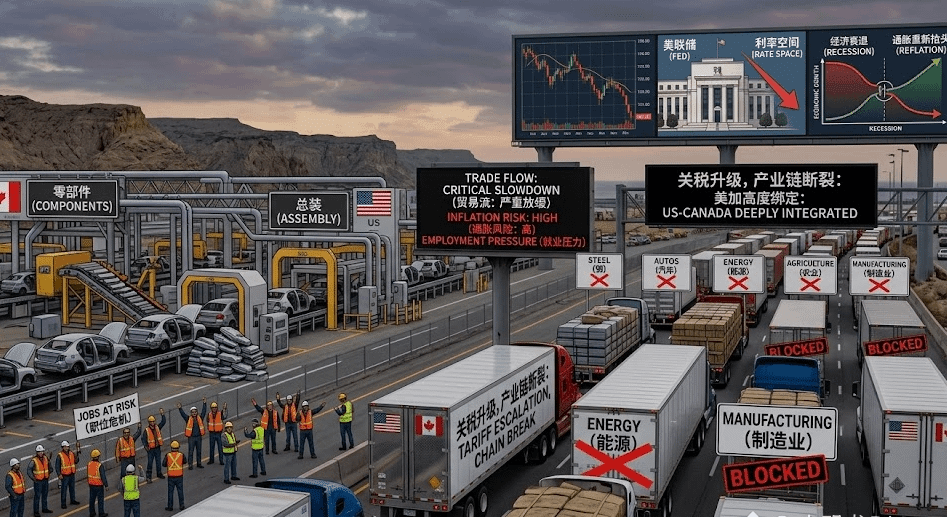
#美加关税战升级 According to a report by Bloomberg, Canada on Tuesday imposed new tariffs ranging from 15% to 50% on hundreds of U.S. products. Prime Minister Trudeau is betting that President Donald Trump will take a hard line, ultimately strengthening Ottawa’s negotiating leverage with its largest trading partner. The Trudeau government raised import duties on many U.S. steel products from 25% to 50%, and, starting at 12:01 a.m. New York time, added tariffs to a range of consumer goods including motorcycles, cosmetics, and cheese. The move is expected to hit U.S. exporters hardest in states such as Michigan and Ohio, which have close trade ties with Canada and whose election prospects were tight in the midterms in November.
For Trudeau, it is a calculated gamble—one year earlier, he had cancelled many of the retaliatory tariffs implemented by former Prime Minister Trudeau. Officials in the Trump administration have repeatedly said they will not tolerate retaliation, noting that only Canada and China have used retaliatory tariffs, while refusing to say how or when Trump would respond. Brian Clow, a former senior Canadian adviser responsible for relations with the U.S. during the Trudeau era, said the retaliatory tariffs are intended to make U.S. businesses and consumers feel the real cost of the trade war, thereby giving Washington motivation to return to the negotiating table. He added that Canada is not looking for a trade war; it wants to end it $BNB
For Trudeau, it is a calculated gamble—one year earlier, he had cancelled many of the retaliatory tariffs implemented by former Prime Minister Trudeau. Officials in the Trump administration have repeatedly said they will not tolerate retaliation, noting that only Canada and China have used retaliatory tariffs, while refusing to say how or when Trump would respond. Brian Clow, a former senior Canadian adviser responsible for relations with the U.S. during the Trudeau era, said the retaliatory tariffs are intended to make U.S. businesses and consumers feel the real cost of the trade war, thereby giving Washington motivation to return to the negotiating table. He added that Canada is not looking for a trade war; it wants to end it $BNB

Log in to explore more content