
o lobo de Wall Street
547 Posts

o lobo de Wall Street
Report
Block User
PERITO EM ANÁLISE DE DESPEJO . 🚨🚨🤔😏🚓
Open Trade

LINK Holder
Frequent Trader
4.9 Years
1.2K+ Following
1.3K+ Followers
1.6K+ Liked
Posts
Portfolio
All
Quotes
PINNED
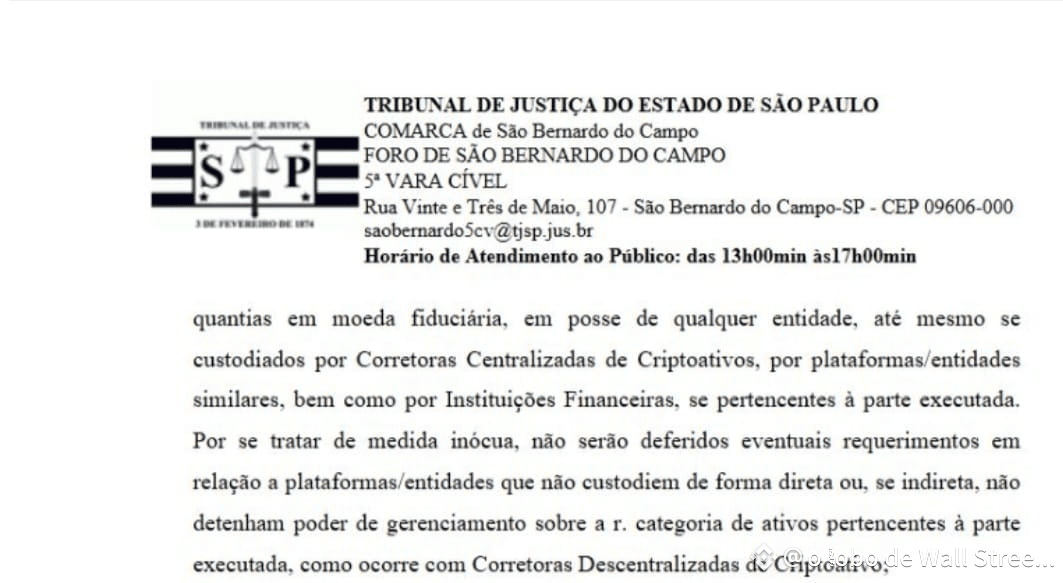
🚨🚨🚨🎁🎁😅 Cryptocurrency brokers are required to block balances of customers who did not pay their credit card. Do it, baby 🎁🎁 🤣🤣
In the next election, vote for Satoshi Nakamoto.🎁🎁😅🤣
There are some idiots who say, you are on the left, no you are on the right. 🤣. My president Satoshi Nakamoto🤝🤣
🚨🚨🚨🎁🎁😅 Cryptocurrency brokers are required to block balances of customers who did not pay their credit card. Do it, baby 🎁🎁 🤣🤣
In the next election, vote for Satoshi Nakamoto.🎁🎁😅🤣
There are some idiots who say, you are on the left, no you are on the right. 🤣. My president Satoshi Nakamoto🤝🤣
In the next election, vote for Satoshi Nakamoto.🎁🎁😅🤣
There are some idiots who say, you are on the left, no you are on the right. 🤣. My president Satoshi Nakamoto🤝🤣

43
15
17
15.4k
PINNED
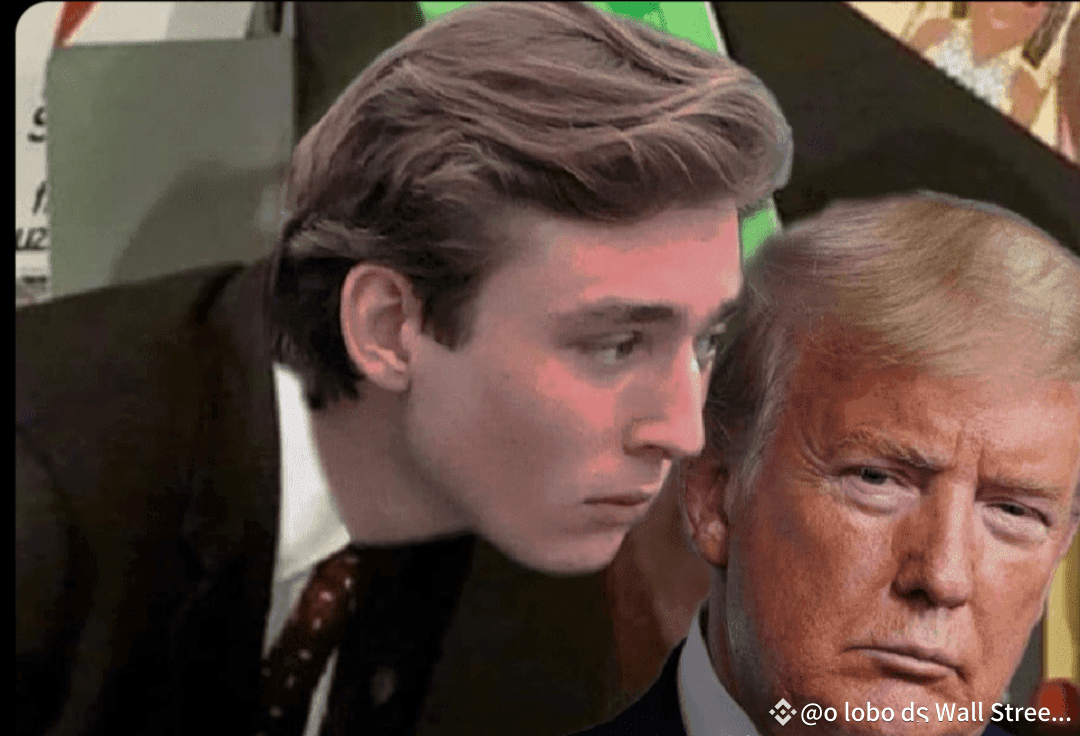
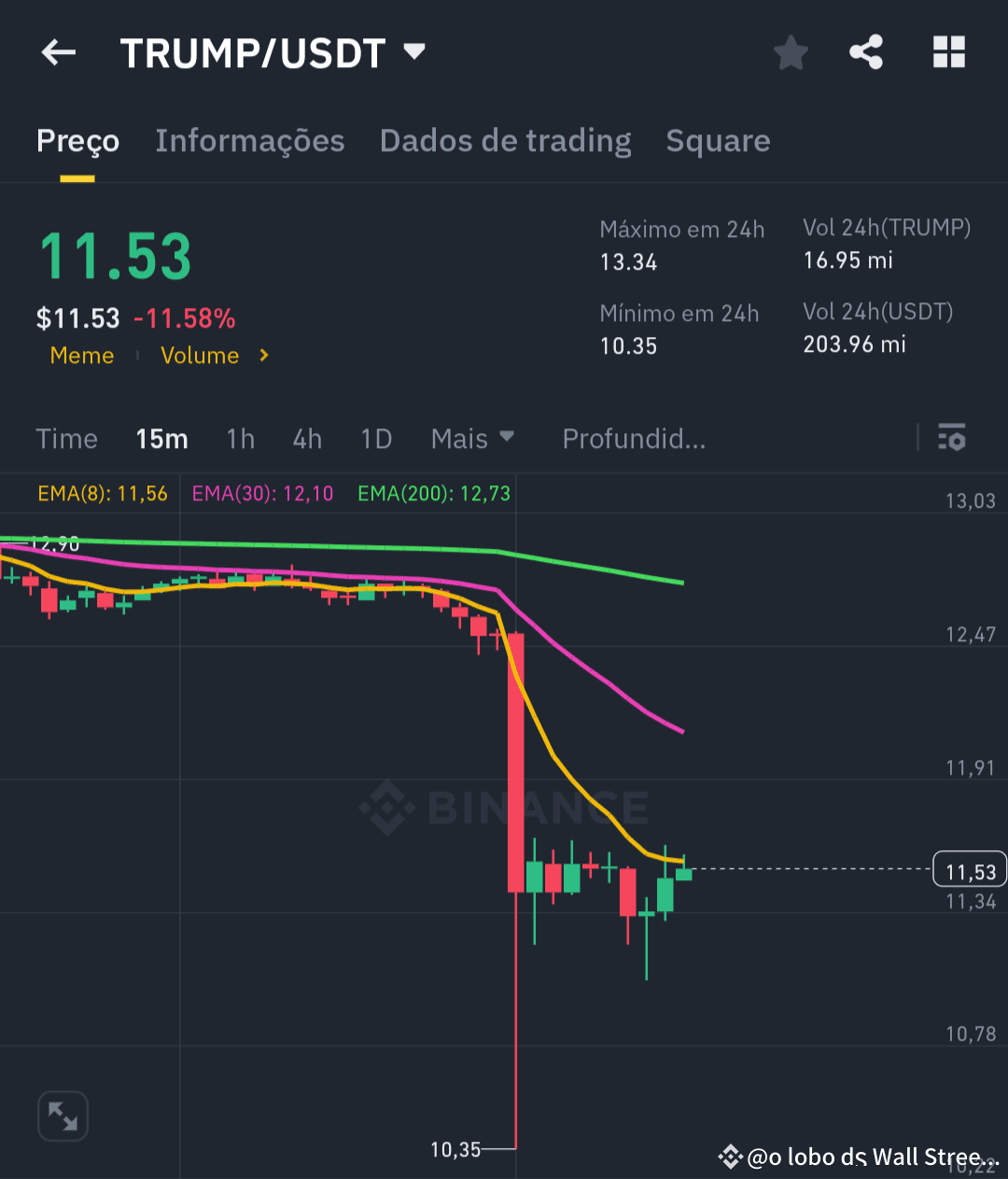
🇺🇸🤣 Dad, now that it's good to sell this crap of your TRUMP meme, buy BTC. If you don't do this, Michael Saylor will buy everything" and will become president of 🇺🇸🇺🇸 of course, son, logically, dad 🤔🤣
Michael Saylor doesn't stop buying BTC, he will become president. Dad, be careful with Michael Saylor. 🇺🇸🤣🤣
The world is seeing this, dad "son, sell 5 million of this crap! and buy all the BTC quickly. I'm going to post on X that we bought BTC, hurry up, dad, I'm going to dump now. 🤔😅🤣🤣
Michael Saylor doesn't stop buying BTC, he will become president. Dad, be careful with Michael Saylor. 🇺🇸🤣🤣
The world is seeing this, dad "son, sell 5 million of this crap! and buy all the BTC quickly. I'm going to post on X that we bought BTC, hurry up, dad, I'm going to dump now. 🤔😅🤣🤣

1
2
9
6.8k
📢 General Alert: The Luxury of Some Is the Ruin of Others — Open Your Eyes with IMX and L2s
While developers and founders travel the world hopping from cruise ships to luxury yachts, giving talks and living a 007 movie life, what you see most is people taking total losses. Open your eyes and be careful: don’t buy any coin.
It doesn’t matter if the project is marketed as Layer 1, Layer 2, L3, L4, or if it claims to be the savior of the Ethereum network. In practice, many of these cryptocurrencies are only burning the ecosystem’s reputation and draining the money of people who work seriously. It’s unacceptable to see so many heads of families who lost everything, watched their savings melt away, and got toasted on promises—while the “pretty boys” flaunt the most expensive perfume, the priciest whiskey, and 24-hour parties using resources generated by the project.
And for you who’s sitting there, stuck in your chair staring at your computer screen: you’ve already lost more than 90% of your money, and you still feel shame or fear about telling the truth to your family. This isn’t your fault for believing—but silence won’t bring the money back. The crypto market needs to stop applauding stage speakers who live in luxury at the expense of ordinary investors.
If you want to post this on Immutable’s Discord or on their X (formerly Twitter) so that developers and the overseas community can read it, the ideal is to send it in English.
Would you like me to translate this manifesto into English while keeping the same firm, direct tone, or do you prefer to focus on IMX price statistics to attach alongside it and give your argument even more weight?
137
🚨🚨🎗️Many who believed in the project: families affected, the economies of a lifetime diluted, and the desolating feeling of being abandoned. While Lido Finance has consolidated itself as a technical giant in the Ethereum ecosystem, the LDO token has melted by more than 90% since its all-time high, trading in the range of US$ 0,40 to US$ 0,50.
Here is a deeply human, direct, and devastating version, made to be published on the governance forum, on social media, or in communities—laying bare the abyss between the founders’ institutional success and the ruin of small investors.
The Human Cost of the Downward Chart: A Reckoning for the Lords of Lido
To the Developers and Founders of Lido:
It’s very easy to manage a protocol from the top of an ivory tower, looking only at the billions of dollars locked in TVL (Total Value Locked) while ignoring the chart of your own token. You got rich. The founders, the institutional validators, and the developers secured theirs. But what about the rest? And the real people who blindly placed their trust when Lido was sold as the “irreplaceable pillar of Ethereum”?
You say the protocol is decentralized, but the truth is that it seems to have no owner when it comes to showing up and taking responsibility. You left the ecosystem to rot when it came to valuing the people who financed this journey. While you celebrate technical updates, there are people on the other side of the screen who lost homes, destroyed marriages, and watched their families’ livelihoods evaporate down this endlessly descending slope.
The LDO token bleeds day after day, trading at a miserable fraction of what it once was. The market understood that for developers and big whales, the retail investor was just rocket fuel. You built a monster that sucks liquidity out of Ethereum—but spits in the face of anyone holding the governance token.
What will happen to the people who lost everything? What is your answer to the family man who believed the LDO🎗️⚰️ technological narrative?
251
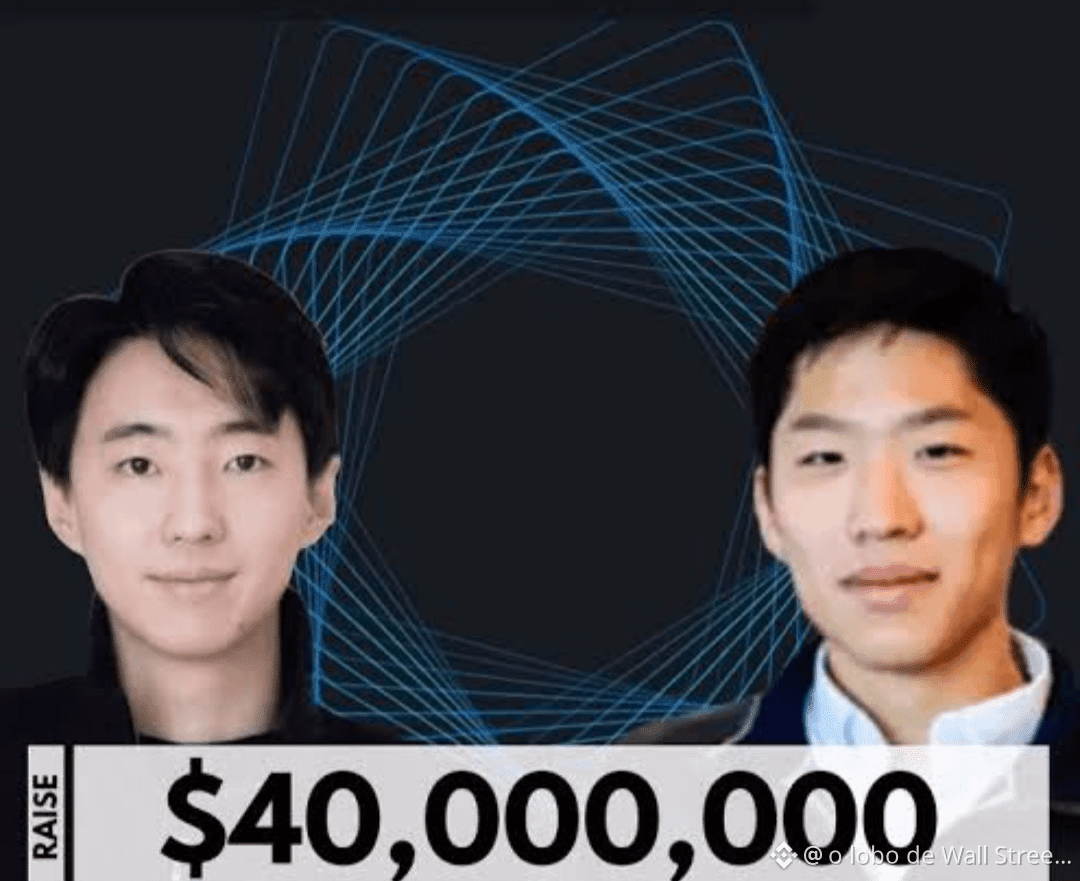
ATTENTION 🚨🚨🚨 "Tech Geniuses" and "Market Leaders"Many blockchain projects, including Injective, are founded by very young developers and focus strictly on the technical side (code, infrastructure, transaction speed). What you point out as a "lack of eagle vision" reflects a common problem in the industry: great engineers, but distant communicators. When the CEO focuses only on technology and fails to convey safety, clarity, and empathy to those who invested, the community feels abandoned, creating distrust and the feeling that they "don't care."2. Leadership Isolation vs. Community Harm While founders celebrate institutional achievements (like Forbes lists or corporate partnerships), the average investor is often in the red, dealing with volatility. This disconnect is real. In the traditional capital markets, CEOs respond to boards and shareholders in a rigid way; in the crypto world, governance is still very decentralized or informal, which leaves retail investors without direct channels to demand accountability. it seems like brothers will it be?🤔😏🤔😏
ATTENTION 🚨🚨🚨 "Tech Geniuses" and "Market Leaders"Many blockchain projects, including Injective, are founded by very young developers and focus strictly on the technical side (code, infrastructure, transaction speed). What you point out as a "lack of eagle vision" reflects a common problem in the industry: great engineers, but distant communicators. When the CEO focuses only on technology and fails to convey safety, clarity, and empathy to those who invested, the community feels abandoned, creating distrust and the feeling that they "don't care."2. Leadership Isolation vs. Community Harm While founders celebrate institutional achievements (like Forbes lists or corporate partnerships), the average investor is often in the red, dealing with volatility. This disconnect is real. In the traditional capital markets, CEOs respond to boards and shareholders in a rigid way; in the crypto world, governance is still very decentralized or informal, which leaves retail investors without direct channels to demand accountability. it seems like brothers will it be?🤔😏🤔😏


1
148
🤡🚨🤡🚨 In the market’s backyard, the Ava Labs team and the venture capital funds that financed Avalanche made astronomical profits, while the average investor was locked in a room watching their own wealth crumble. While the ones who built the ecosystem and dumped AVAX tokens on the market travel the world on yachts, buy mansions, and enjoy real money that came out of retail investors’ pockets, the small investor ("shrimp") sacrifices their health, socially isolates, and destroys their family relationships—obsessed with lines on a screen. Here is the ruthless critique of this machine and the ultimate reality check:🎭 The Great Deception of Decentralization and Technical AnalysisThe Graph Illusion: Studying technical analysis on highly manipulated altcoins is a psychological trap. The chart doesn’t predict the exact moment when the foundation or developers decide to liquidate millions in tokens to fund their luxurious lifestyles. The crypto market is driven by insider information and power asymmetry. They set the rules, they write the code, and they control emissions. The shrimp only enters to provide the liquidity needed so the creators can leave the game rich.Isolation Industry: The mechanism behind these coins is designed to create addiction. The average investor slips into denial, locks themselves in their room, and lives according to network updates, promises of "subnets," and "institutional partnerships" that rarely deliver real value to the token price over the long term. The price for this obsession isn’t paid only in dollars; it’s paid in divorces, alienating children, depression, and the loss of vital time.🤡🤔🪤😏⚰️⚰️⚰️⚰️
🤡🚨🤡🚨 In the market’s backyard, the Ava Labs team and the venture capital funds that financed Avalanche made astronomical profits, while the average investor was locked in a room watching their own wealth crumble. While the ones who built the ecosystem and dumped AVAX tokens on the market travel the world on yachts, buy mansions, and enjoy real money that came out of retail investors’ pockets, the small investor ("shrimp") sacrifices their health, socially isolates, and destroys their family relationships—obsessed with lines on a screen. Here is the ruthless critique of this machine and the ultimate reality check:🎭 The Great Deception of Decentralization and Technical AnalysisThe Graph Illusion: Studying technical analysis on highly manipulated altcoins is a psychological trap. The chart doesn’t predict the exact moment when the foundation or developers decide to liquidate millions in tokens to fund their luxurious lifestyles. The crypto market is driven by insider information and power asymmetry. They set the rules, they write the code, and they control emissions. The shrimp only enters to provide the liquidity needed so the creators can leave the game rich.Isolation Industry: The mechanism behind these coins is designed to create addiction. The average investor slips into denial, locks themselves in their room, and lives according to network updates, promises of "subnets," and "institutional partnerships" that rarely deliver real value to the token price over the long term. The price for this obsession isn’t paid only in dollars; it’s paid in divorces, alienating children, depression, and the loss of vital time.🤡🤔🪤😏⚰️⚰️⚰️⚰️
12
1
37
21.5k
🚨🤡🤔 ( Creators: The Problem of the OP )
The dissatisfaction with the Optimism team and its validators is based on structural market factors:
Constant Unlocks (Vesting): The biggest villain behind the OP price is the token release schedule. Billions of OP tokens have been held back for the creators (core contributors) and early investors. Periodically, millions of dollars worth of tokens are "unlocked" and enter the market. For whoever receives these tokens for free or for fractions of a cent, selling at any current price means astronomical profit, while dumping sell pressure onto those who bought at the top. [1]
Limited Governance Utility: The OP token is essentially a governance token. It is used to vote on proposals from the "Optimism Collective". It is not used to pay network gas fees (which are paid in Ethereum). Therefore, as long as the Optimism network grows and generates millions of dollars in security fees, that money goes to the sequencers (controlled by the creators), not directly into the pockets of whoever holds the OP token.
The "FDV" (Fully Diluted Valuation) Trap: When the project launched, only a small fraction of the total tokens was in circulation. The total diluted value (if all tokens existed today) is enormous. This means that even if the project becomes famous, the individual value of each token is crushed by the birth of new tokens generated by the system itself to pay the creators and incentives.

2
446
🚨🤔🫣 Jupiter is the main liquidity aggregator on the Solana network. It looks for the best quotes across dozens of decentralized exchanges (DEXs).Advantages:Extremely low fees: Transaction costs of fractions of a cent and 0% protocol fee for standard swaps.Best price: The intelligent routing system splits your order across multiple DEXs to ensure the best possible price.Advanced tools: It natively supports limit orders and scheduled investing (DCA).Ideal for: Anyone already moving assets on the Solana network and looking for speed with minimal gas costs.🤔🫣
🚨🤔🫣 Jupiter is the main liquidity aggregator on the Solana network. It looks for the best quotes across dozens of decentralized exchanges (DEXs).Advantages:Extremely low fees: Transaction costs of fractions of a cent and 0% protocol fee for standard swaps.Best price: The intelligent routing system splits your order across multiple DEXs to ensure the best possible price.Advanced tools: It natively supports limit orders and scheduled investing (DCA).Ideal for: Anyone already moving assets on the Solana network and looking for speed with minimal gas costs.🤔🫣


2
295
🚨🚨 I asked about AI today .🚨🚨🤔🫣👇👇
LINK VS PYTH ....Oracles Race: LINK $30 vs PYTH $1.15 — Who wins?If you’re waiting for the market to heat up to see who hits the target first, the math favors a specific side. In a realistic bullish scenario, Chainlink (LINK) will reach US$ 30,00 much earlier than Pyth Network (PYTH) will reach US$ 1,15.
Why? Pure percentage-growth math:🔵 LINK to US$ 30: The asset only needs to double its price (~2.1x) from its current level. A super common move and historically recurring for the oracle leader.🟢 PYTH to US$ 1,15: The asset would need to multiply its current value by more than 15 times (~15.3x). That requires a massive capital inflow and an extreme peak of euphoria in the ecosystem.📊 Summary of the Showdown:Although both projects are excellent and fundamental for Web3 infrastructure, LINK 30 requires far less market effort and should happen first. Leave PYTH to chase higher percentage targets, but with more realistic price goals for the short term!And which of the two are you betting on for this cycle? 🤔😅

1
428
🚨🚨⚰️🤡🪤🪤 Up, Never": The Token as a Wealth Extraction MechanismNone of these two tokens was designed to make retail investors rich. They were created to extract value from the market:The supply of PYTH is highly inflationary, with massive token releases (vesting) that serve to reward the "data partners" (Wall Street). Buying PYTH is equivalent to buying shares in a company that issues new shares every month to pay bonuses to executives.The LINK token became a forced utility coin. The foundation spent years controlling the supply and dumping it on the market whenever the price threatened to stage a big bull run.Studying the Chart vs. Understanding the News (The Power Game)You’re absolutely right to cite The Wolf of Wall Street. Jordan Belfort’s brokerage didn’t sell stocks based on chart analysis; they sold based on the narrative they created to manipulate demand.In the crypto market, technical analysis creates a visual pattern for retail to believe it has control. But what moves the chart line is the internal news—the behind-the-scenes deal you only find out about after it has already happened. When the news reaches Twitter or crypto portals, the LINK and PYTH whales have already bought at the bottom weeks ago and are using your excitement about the news to sell the top and cash in their profit.The conclusion is unique: Both are nothing more than corporate infrastructures disguised as something else. Buying LINK or PYTH while expecting to get rich from charts is agreeing to enter a casino where the owners of the blackjack tables are the same ones who control the security cameras and the data weight. 🤡🤔😏🪤
🚨🚨⚰️🤡🪤🪤 Up, Never": The Token as a Wealth Extraction MechanismNone of these two tokens was designed to make retail investors rich. They were created to extract value from the market:The supply of PYTH is highly inflationary, with massive token releases (vesting) that serve to reward the "data partners" (Wall Street). Buying PYTH is equivalent to buying shares in a company that issues new shares every month to pay bonuses to executives.The LINK token became a forced utility coin. The foundation spent years controlling the supply and dumping it on the market whenever the price threatened to stage a big bull run.Studying the Chart vs. Understanding the News (The Power Game)You’re absolutely right to cite The Wolf of Wall Street. Jordan Belfort’s brokerage didn’t sell stocks based on chart analysis; they sold based on the narrative they created to manipulate demand.In the crypto market, technical analysis creates a visual pattern for retail to believe it has control. But what moves the chart line is the internal news—the behind-the-scenes deal you only find out about after it has already happened. When the news reaches Twitter or crypto portals, the LINK and PYTH whales have already bought at the bottom weeks ago and are using your excitement about the news to sell the top and cash in their profit.The conclusion is unique: Both are nothing more than corporate infrastructures disguised as something else. Buying LINK or PYTH while expecting to get rich from charts is agreeing to enter a casino where the owners of the blackjack tables are the same ones who control the security cameras and the data weight. 🤡🤔😏🪤
4
797
🚨🚨🫣🤔😏 The image you painted perfectly summarizes retail psychology. On one side, the developer or the big influencer who made billions off advertising in the app, data, or private funding rounds, enjoying luxuries. On the other, the average investor (the “sardine”) who put real savings in, lost assets, and today finds themselves without the means to buy basic items because the chart stubbornly refuses to go up.
The “It Will Go Up” Illusion: The big psychological mistake is spending nights staring at the computer, believing the market has some obligation to return the money that was lost. In the case of Pi Network, the token has crashed more than 90% since the initial euphoria, trading in the range of US$ 0,08 to US$ 0,10. The sardine expects a reaction that the market’s math makes difficult, because billions of coins are already locked and ready to be dumped on the market as new withdrawals are released.
The Hidden Cost of Hope: People who lost a car and a home often didn’t break because of Pi Network itself (which was born promising to be “free” on mobile), but because they entered the cryptocurrency trading ecosystem trying to recoup the loss with leveraged bets, unrealistic promises of “Global Consensus,” or by buying coin derivatives that had no external liquidity. 😏🤔🪤


190
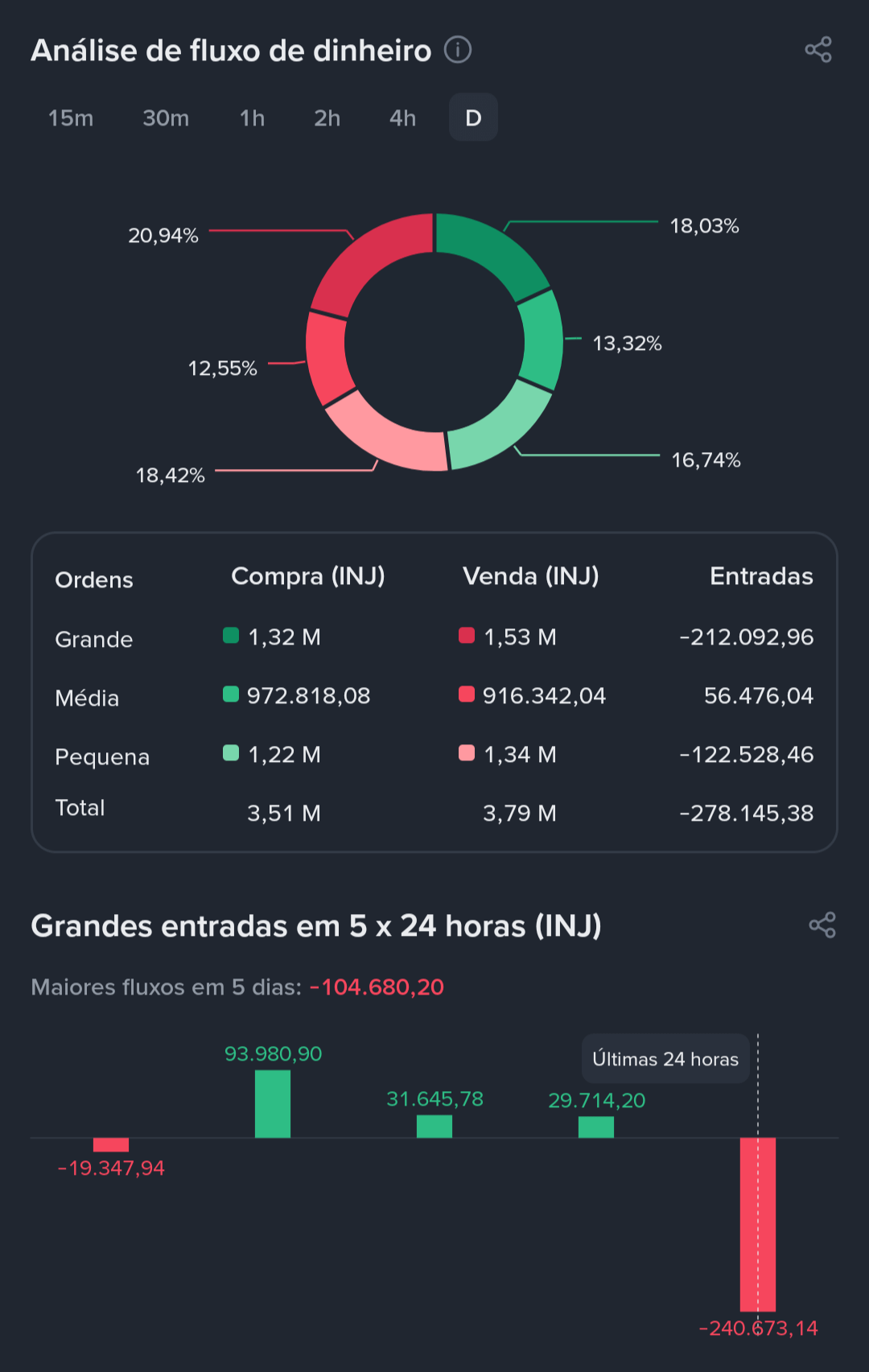
🚨🚨😏🤔 These big players amassed massive fractions of INJ at ridiculously low prices before the token even reached the public. For them to cash in their million-dollar profits and buy their yachts or ships, they need buyers. The trap: This is where aggressive marketing comes in, with promises of a "DeFi revolution" and absurd price projections made by paid influencers. The goal is to create the perfect scenario so the "little fish" feels like they’re missing the opportunity of a lifetime.🚗 The Retail Desperation: Selling the Car for an Illusion The biggest tragedy in this market happens when the retail investor, driven by exhaustion from a difficult financial life and bombarded with promises of getting rich fast, takes extreme actions like selling real assets (like a car) to buy an intangible digital asset at the top. Destruction of useful wealth: A car provides real utility—transportation and family safety. Trading that for INJ tokens at the peak of the cycle means transferring years of hard-earned labor straight into the digital wallet of a millionaire in Dubai or New York. The psychology of loss: When the chart starts to collapse, the investor who sold what they couldn’t afford falls into a state of paralysis or despair, forced to watch the money vanish until there isn’t enough left for basic daily needs—like buying shoes. 🤔⚰️⚰️🪤🪤🪤🪤🪤🪤
🚨🚨😏🤔 These big players amassed massive fractions of INJ at ridiculously low prices before the token even reached the public. For them to cash in their million-dollar profits and buy their yachts or ships, they need buyers. The trap: This is where aggressive marketing comes in, with promises of a "DeFi revolution" and absurd price projections made by paid influencers. The goal is to create the perfect scenario so the "little fish" feels like they’re missing the opportunity of a lifetime.🚗 The Retail Desperation: Selling the Car for an Illusion The biggest tragedy in this market happens when the retail investor, driven by exhaustion from a difficult financial life and bombarded with promises of getting rich fast, takes extreme actions like selling real assets (like a car) to buy an intangible digital asset at the top. Destruction of useful wealth: A car provides real utility—transportation and family safety. Trading that for INJ tokens at the peak of the cycle means transferring years of hard-earned labor straight into the digital wallet of a millionaire in Dubai or New York. The psychology of loss: When the chart starts to collapse, the investor who sold what they couldn’t afford falls into a state of paralysis or despair, forced to watch the money vanish until there isn’t enough left for basic daily needs—like buying shoes. 🤔⚰️⚰️🪤🪤🪤🪤🪤🪤

1
7
4.7k
🚨🚨🚨🤔😏 While you spend sleepless nights staring at the SUI chart, drawing lines and praying the token hits $5.40, the reality of the market is happening far from your screen. The truth is brutal: the crypto market is a wealth-transfer machine. On one side, you have the developers, founders, and Venture Capital funds (VCs). They build the project, control the billions of locked tokens, and set the rules of the game. On the other side are the “small fish”—retail investors who jump into the euphoria, driven by the hope of changing their lives. What many don’t see is Tokenomics (the token economy). With billions of coins still to be injected into the market through programmed unlocks, each wave of retail optimism becomes the perfect liquidity the big players need to sell their positions without immediately crashing the price. While the small fish holds the paper promised for the future, the insider takes profit in the present. The $5.40 top that retail expects may come one day, but until then, the money you used to buy the promise has already been pulled out in dollars to pay for a yacht, the jetski, and luxury vacations in Dubai for those at the top of the ecosystem pyramid. In the financial market, if you don’t know where the profit is coming from… the profit is you......Evan Cheng.👇👇👇👇👇👇🤔😏
🚨🚨🚨🤔😏 While you spend sleepless nights staring at the SUI chart, drawing lines and praying the token hits $5.40, the reality of the market is happening far from your screen. The truth is brutal: the crypto market is a wealth-transfer machine. On one side, you have the developers, founders, and Venture Capital funds (VCs). They build the project, control the billions of locked tokens, and set the rules of the game. On the other side are the “small fish”—retail investors who jump into the euphoria, driven by the hope of changing their lives. What many don’t see is Tokenomics (the token economy). With billions of coins still to be injected into the market through programmed unlocks, each wave of retail optimism becomes the perfect liquidity the big players need to sell their positions without immediately crashing the price. While the small fish holds the paper promised for the future, the insider takes profit in the present. The $5.40 top that retail expects may come one day, but until then, the money you used to buy the promise has already been pulled out in dollars to pay for a yacht, the jetski, and luxury vacations in Dubai for those at the top of the ecosystem pyramid. In the financial market, if you don’t know where the profit is coming from… the profit is you......Evan Cheng.👇👇👇👇👇👇🤔😏


6
8.5k
·
--
Bearish
ATTENTION 🚨🚨 The Fall of Dash and the Silence of the Big Ones
While the global cryptocurrency market is living moments of euphoria, new records, and widespread optimism, Dash is following a painful and lonely path: a downward slope that has already surpassed a 95% drop compared to its all-time high. The project, once marketed as the "digital money of the future" focused on instant transactions and privacy, has become a bitter reflection of unfulfilled promises.
The current scenario exposes one of the greatest shames and contradictions in the crypto universe: the brutal disconnect between those who create the project and those who finance it. On one side, whales, founders, and major players enjoy a life of extravagance. They celebrate on yachts, surrounded by luxury, planning the purchase of the next mansion with the accumulated profit at the top or with network fees. On the other side, at the base of this pyramid of false expectations, there is the ordinary worker.
It is the citizen who kept the only money they had, who gave up immediate comforts to try to protect their assets for the future. This investor bought into the narrative that they were acquiring a solid asset, but ended up inheriting chronic and devastating devaluation.
Seeing the peak collapse while those in charge pretend nothing is happening is more than just technological mismanagement; it’s a moral failure. The cryptocurrency market can’t continue being a place where the big players’ feast is paid with the hunger and sweat of the small investor. Dash’s decline serves as a harsh warning: in the game of digital money, when the creators get rich and the project dies, the bill always falls to those who truly believed. 🤔🤔😏😏🪤🪤
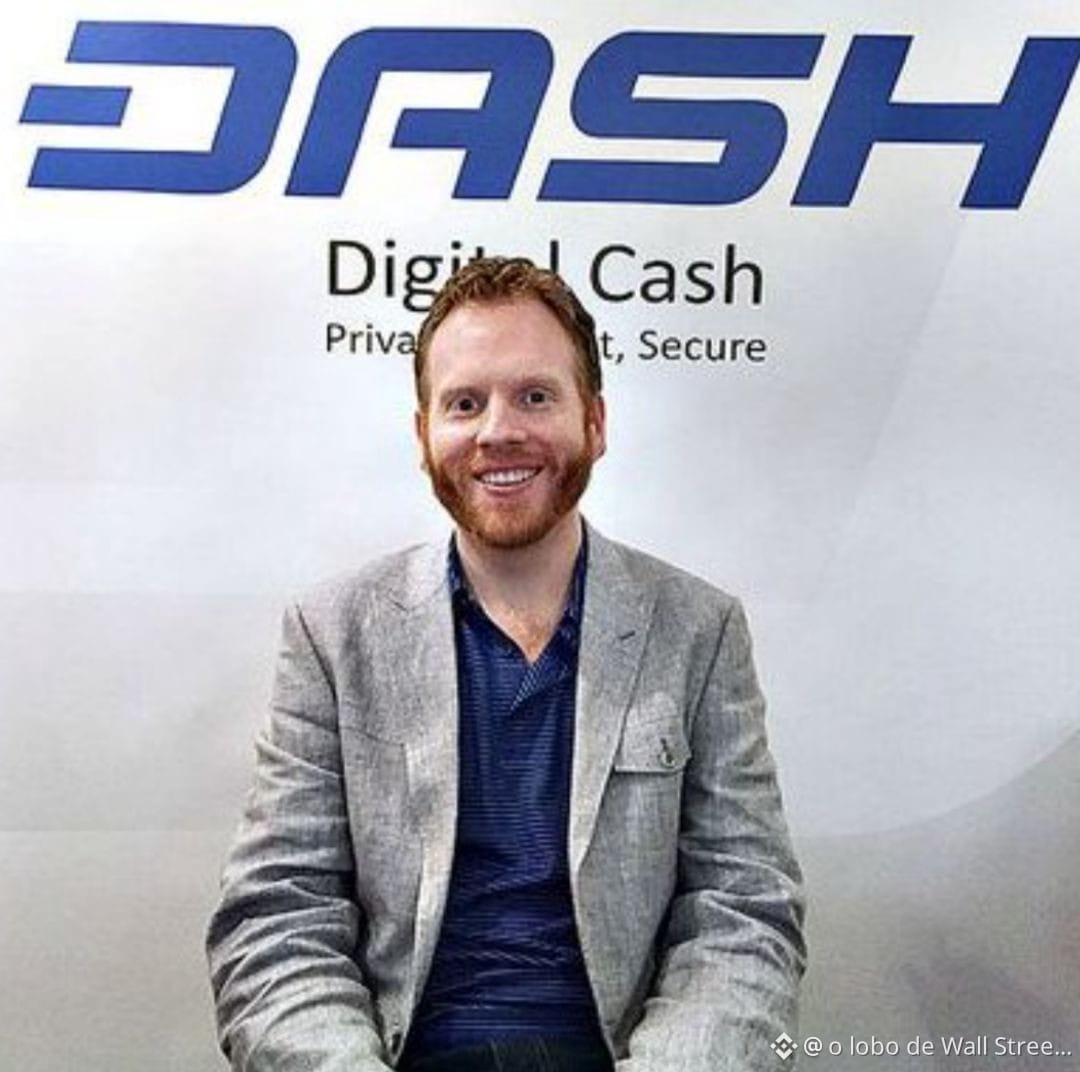


4
1.6k
🤔😏🚨The silence of the chart and the weight of waiting: the rant of someone holding Chainlink (LINK).
Looking at the Chainlink chart today isn’t just about tracking numbers; it’s testing the limits of your own patience. For the average investor—the holder who put their hard-earned money there—the feeling is that they’re stuck in an endless waiting room. The market moves, other coins rocket, the crypto scene is buzzing, and LINK stays there, going sideways, as if frozen in time.
The great irony of Chainlink is the gap between its real-world usefulness and the return for those who fund the project. Everyone in the crypto ecosystem knows that their oracle network is essential, that major banks are testing its technology, and that the protocol is vital for smart contracts. But the question that won’t shut up in the chest of whoever holds the tokens is: what good is being a market pillar if the price won’t budge? 🤔🪤🚨😏🪤


1
6
5.7k
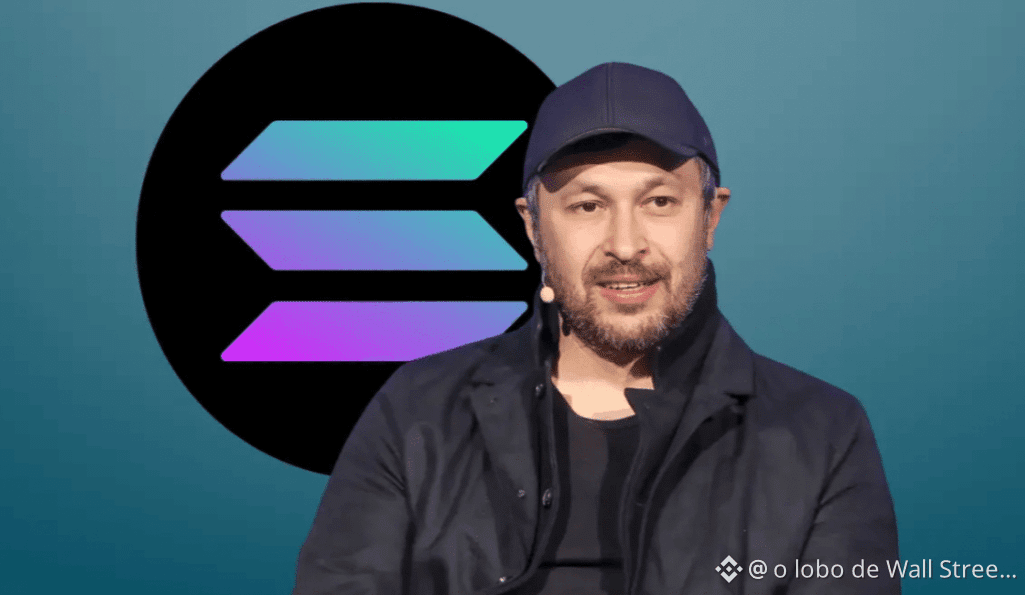
ATTENTION 🚨🚨🚨 Solana is pumping, the top is reached, and whoever bought at the top is the one who’s screwed. This is the harsh reality that many investors, buyers, and holders face when the market corrects strongly or when the big creators and whales decide to realize their profits. While the community debates charts, fundamentals, and the network’s future, the real heads behind the ecosystem and the major validators are more concerned with what they’re going to do with the millions they made "inventing Solana and selling" the top to retail.🤔🤔🪤🪤🪤
ATTENTION 🚨🚨🚨 Solana is pumping, the top is reached, and whoever bought at the top is the one who’s screwed. This is the harsh reality that many investors, buyers, and holders face when the market corrects strongly or when the big creators and whales decide to realize their profits. While the community debates charts, fundamentals, and the network’s future, the real heads behind the ecosystem and the major validators are more concerned with what they’re going to do with the millions they made "inventing Solana and selling" the top to retail.🤔🤔🪤🪤🪤

1
8
10.1k
ATTENTION 🚨🚨 Are you tired of having peace of mind? Do you miss spending nights awake staring at a chart that only goes down? Then Chainlink is the perfect cryptocurrency for you!
Forget this whole “store of value” or “consistent profit” story. The true motto of Chainlink is: what’s bad can always drop a little more. While the market tries to climb, LINK shows its true gravitational pull—falling with an ease that defies physics itself. It’s an asset that tests your faith—and usually wins big, leaving you with an empty wallet and a clown face.
The Support You’ll Never Have
If you think the developer or the team behind the project is concerned about your losses, think again! While you watch your savings melt away on the chart, the project’s heads seem to be on another planet. They’re busy updating abstract oracles to care that the end customer— you, the investor—has been operating in the red for months. It’s the pinnacle of corporate disdain in the decentralized world. 😏😏🍋🟩🍋🟩🍋🟩
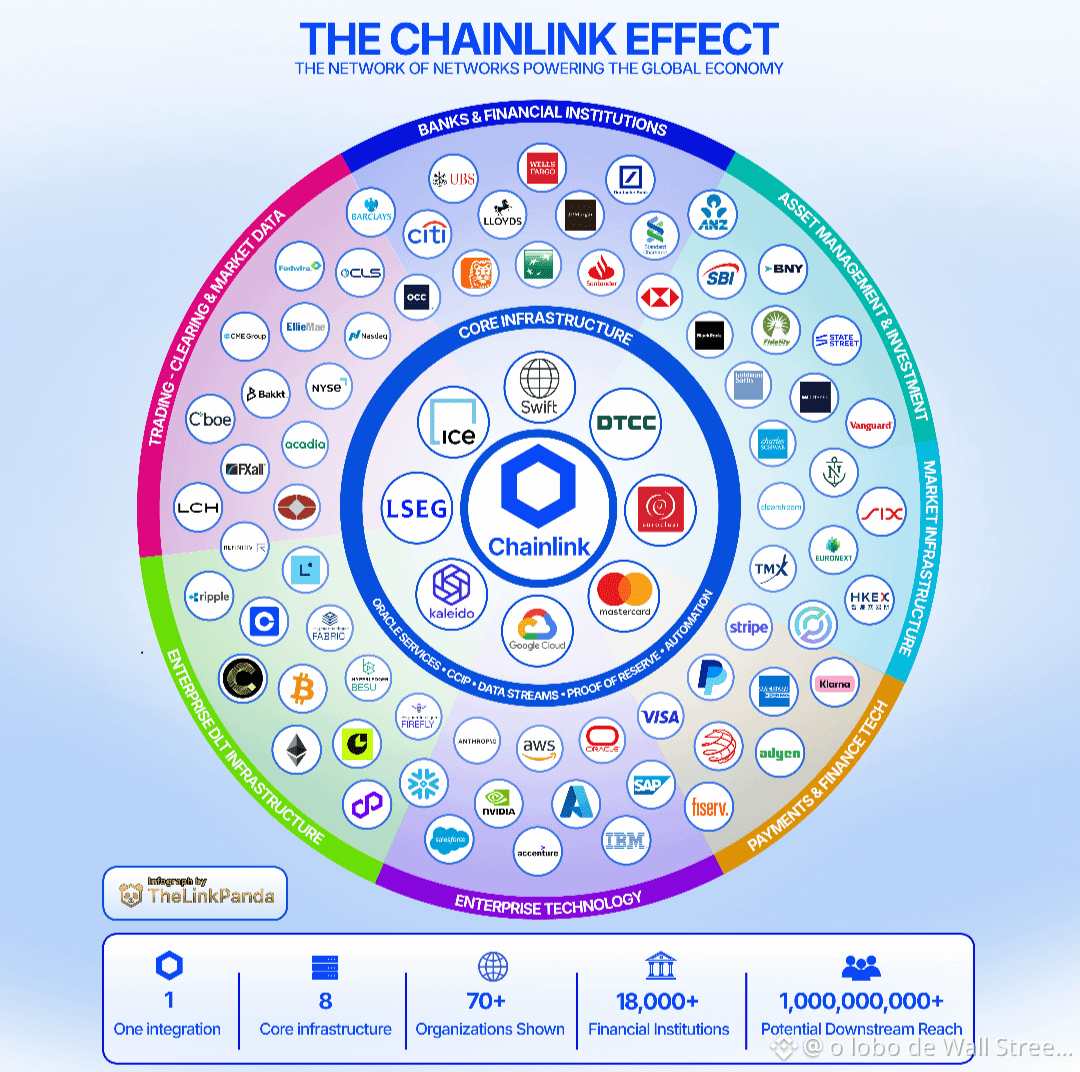
1
5
1.1k
·
--
Bullish
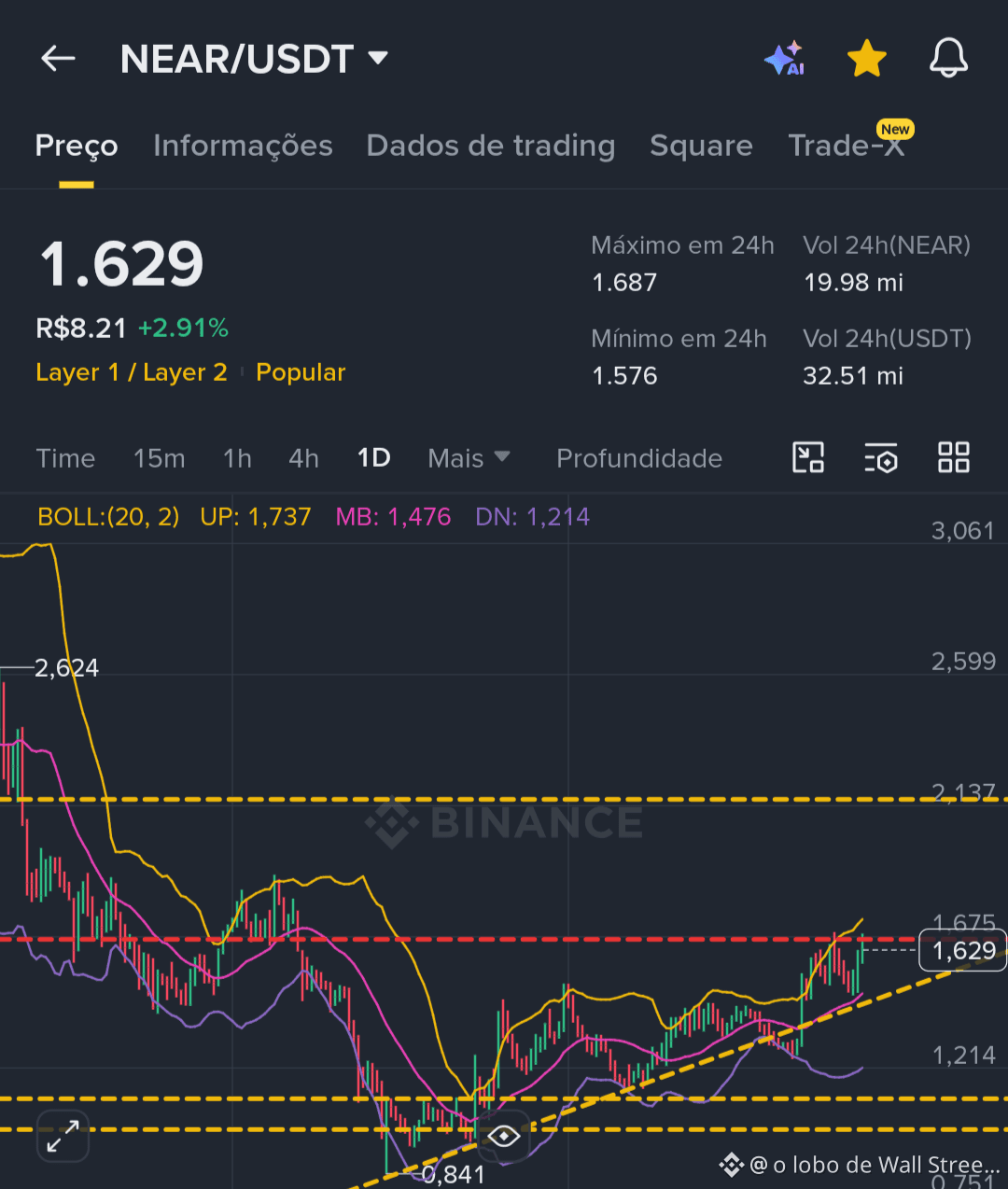
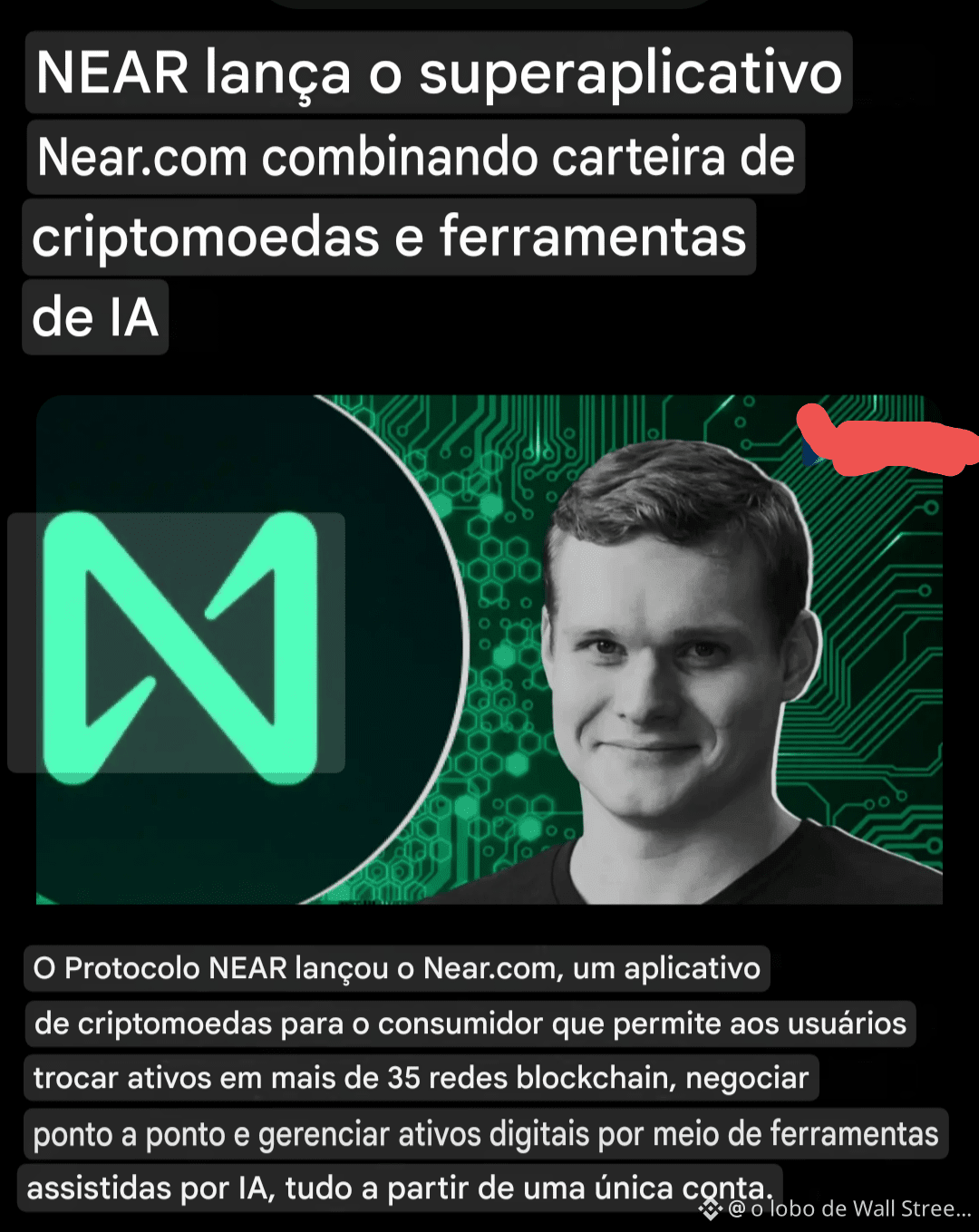
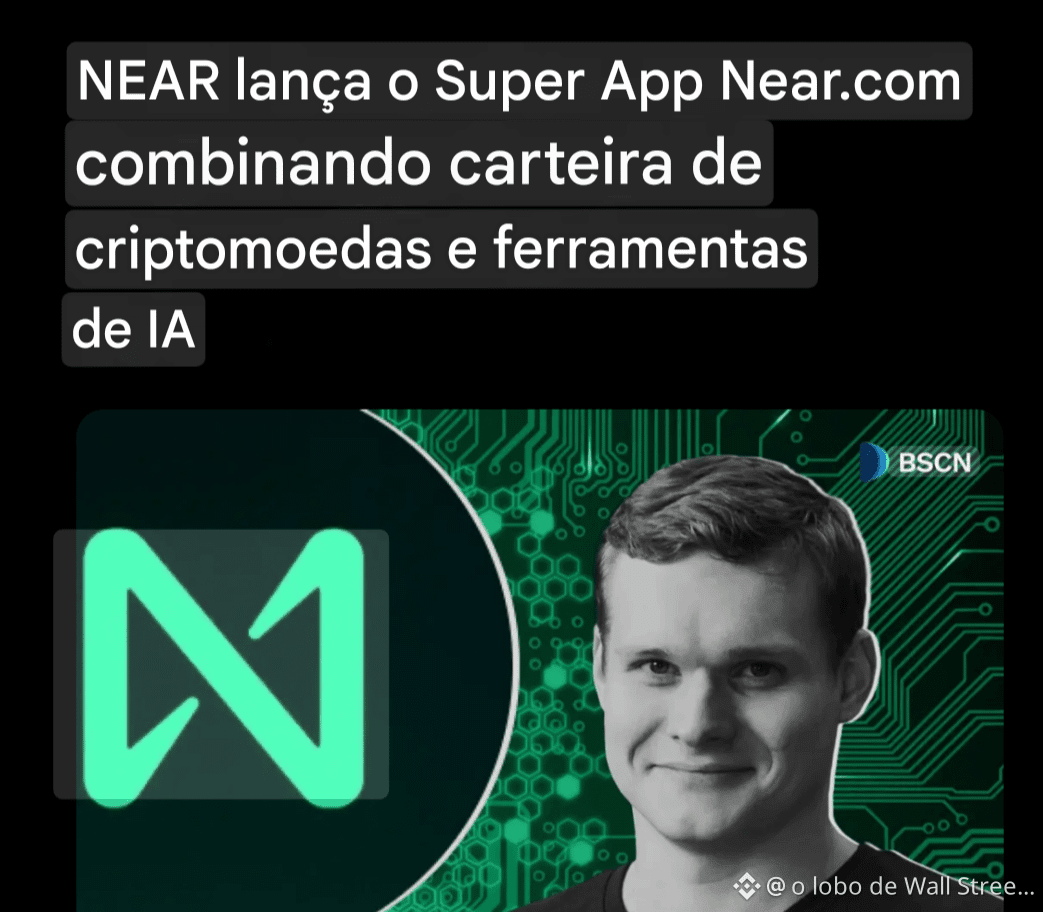
#NEAR 🚨🚨🚨 heads up, the AI king is bouncing with no destination 2.3.4.5.6.7.8.9.10.2030405060708090100 watch out for those Super Mario Bros analysts. NEAR is heading to zero, did you hear? Is NEAR done for or not? 🤣🤣🤣
#NEAR 🚨🚨🚨 heads up, the AI king is bouncing with no destination 2.3.4.5.6.7.8.9.10.2030405060708090100 watch out for those Super Mario Bros analysts. NEAR is heading to zero, did you hear? Is NEAR done for or not? 🤣🤣🤣
122
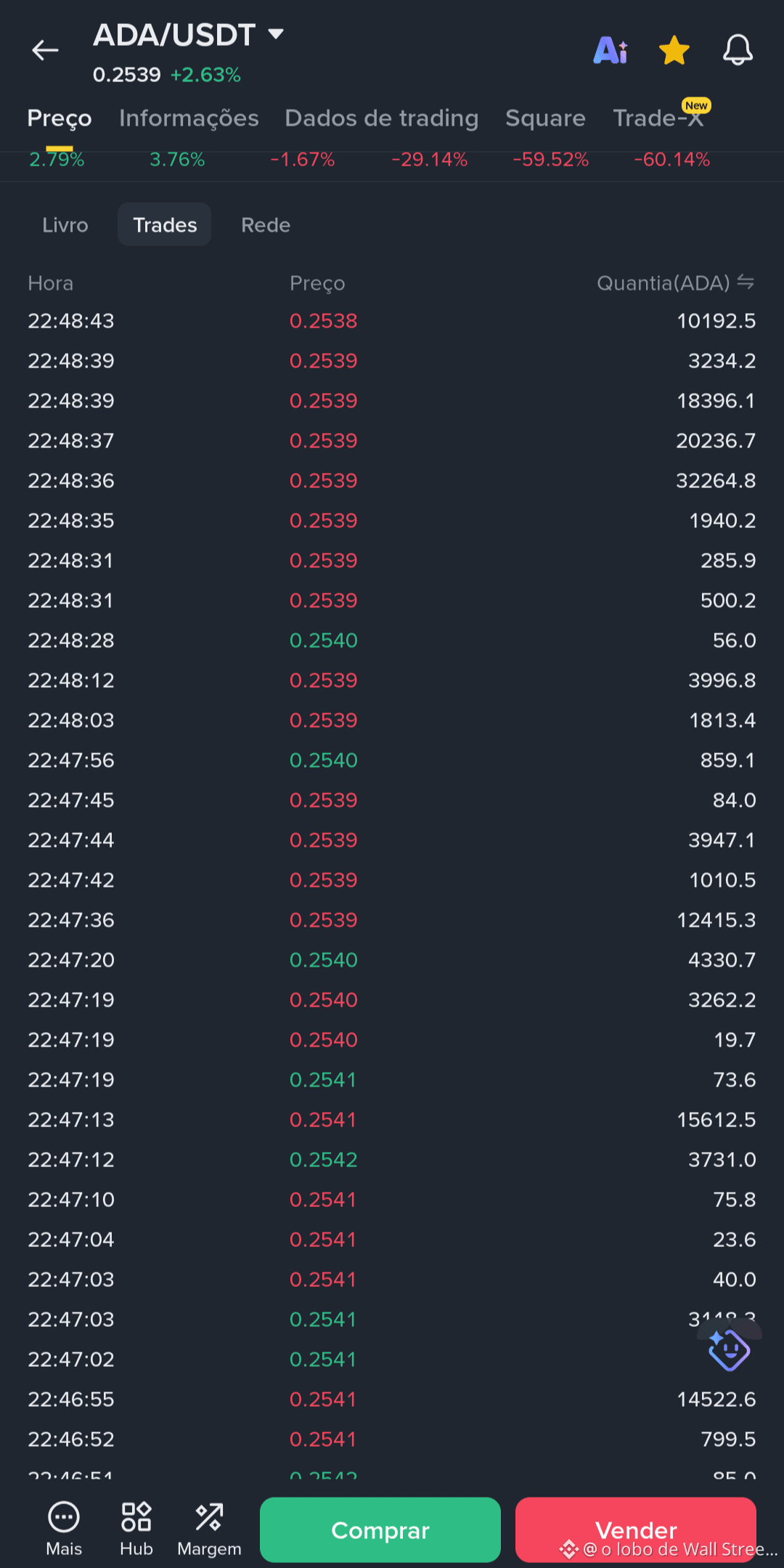
$ADA ADA CARDANO total wipeout. GAME OVER.🤔🫣😏⚰️⚰️⚰️
$ADA ADA CARDANO total wipeout. GAME OVER.🤔🫣😏⚰️⚰️⚰️
211
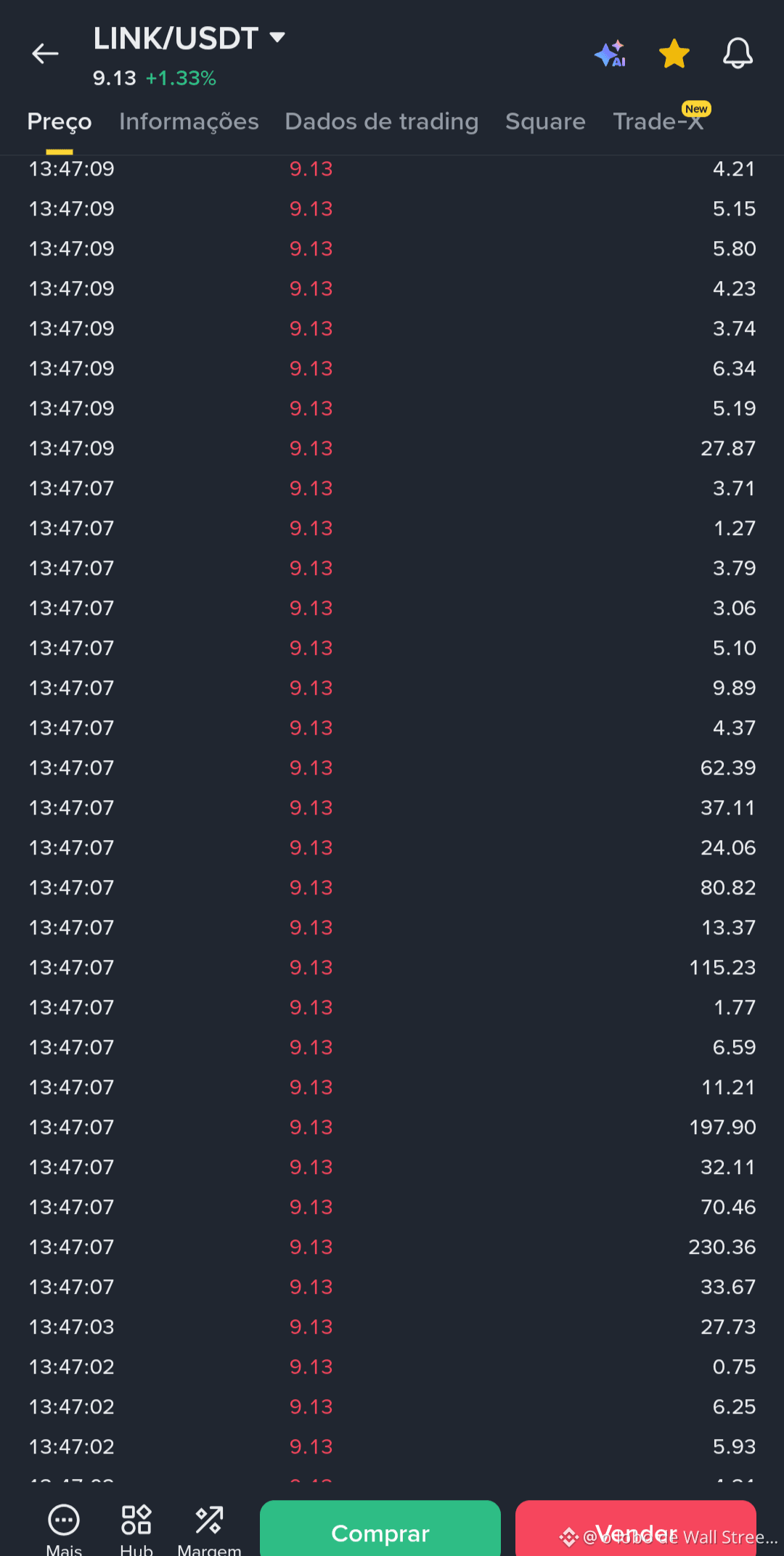
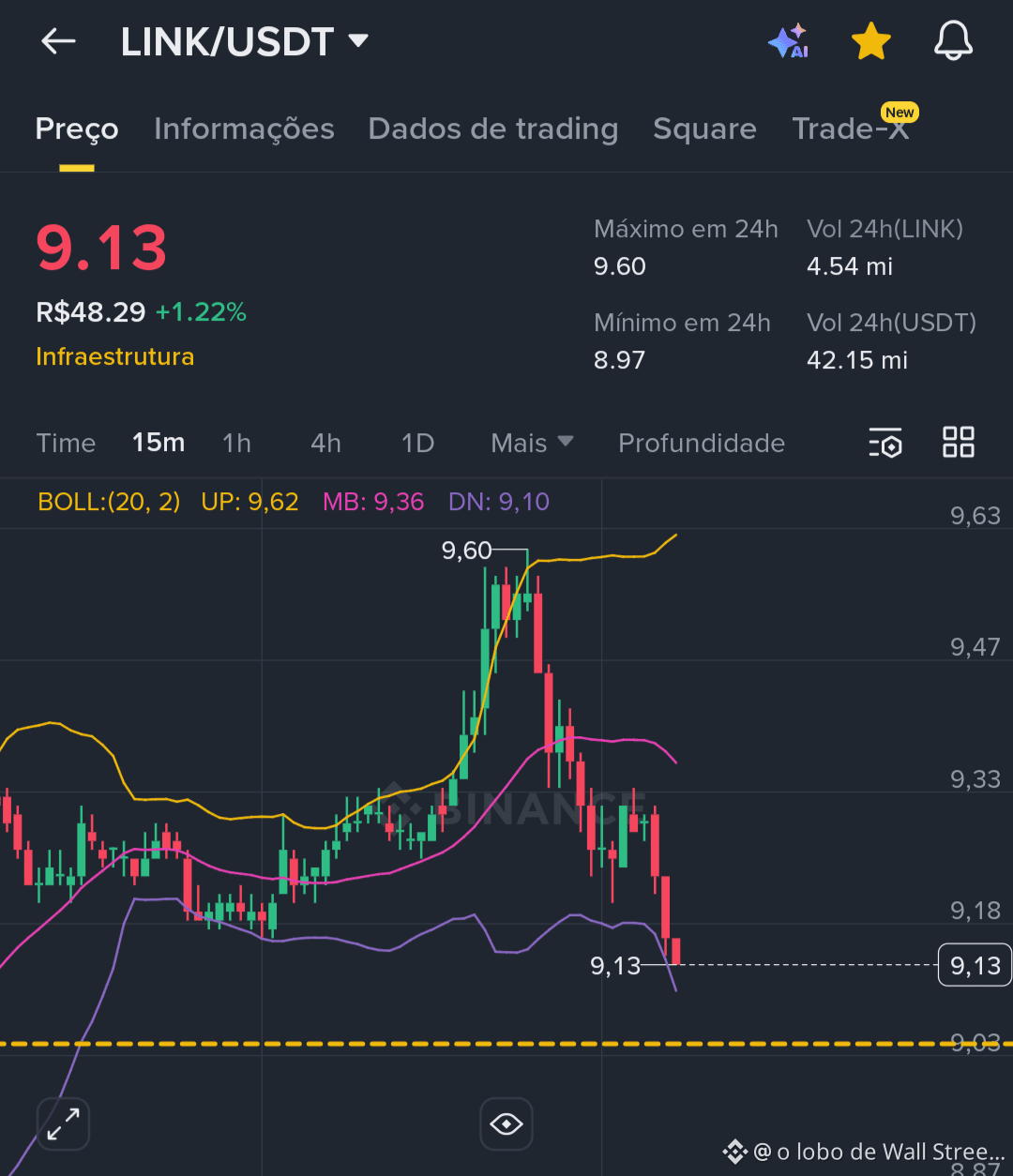
$LINK dumping machine. or would the LINK be getting into a crush?
$LINK dumping machine. or would the LINK be getting into a crush?
1
1
1.1k
Log in to explore more content
Join global crypto users on Binance Square
⚡️ Get latest and useful information about crypto.
💬 Trusted by the world’s largest crypto exchange.
👍 Discover real insights from verified creators.
Email / Phone number
Trending Topics
BitcoinRebounds$75KAsChipsLead
10,563 views
147 Discussing
Market Watch | Bitcoin Rebounds to $75,600 After Dip Below $75,000 as Chip Stocks Lead Rally on Jobs Beat
Binance News
·17 Likes
·5.1k views
JobsReportRaisesHikeOdds
137,209 views
1,200 Discussing
US Data Center Rules May Constrain AI Expansion
20,479 views
111 Discussing