
天才交易员赛杜
16 Posts

天才交易员赛杜
Report
Block User
Open Trade
Frequent Trader
1.6 Years
8 Following
18 Followers
12 Liked
Posts
Portfolio
·
--
California has sued OpenAI outright, and this is bigger than you might think
Honestly, I was taken aback when I saw this news.
California Attorney General Bonta said that OpenAI was sued earlier this week, with the lawsuit filed on November 16. The reason is pretty straightforward: OpenAI “failed to ensure the safety of its models, putting public safety at risk.”
Take note: this isn’t some small organization protesting. It’s the California attorney general taking action personally. The top prosecutor of a state is suing the world’s hottest AI company over model safety.
What makes this interesting? Let me break it down.
First, AI has advanced incredibly fast over the past two years. Each model is more powerful than the last, but people have long questioned whether safety is being taken seriously enough. California is now answering that question with a lawsuit, turning “AI safety” from an industry discussion into a legal issue.
Second, California is no ordinary state. It’s home to many of America’s biggest tech companies, and when California takes action, other states may well follow. Once this door is opened, OpenAI may face not just one lawsuit, but a wave of regulatory pressure.
Third, this is a signal to the entire AI industry: until now, companies have competed over whose model is smarter and scores higher on benchmarks. Going forward, they may also have to compete over whose safety measures are more robust. Speed alone won’t cut it; stability matters too.
Of course, the lawsuit has only just begun. It’s hard to say how it will end or whether there will be a settlement. But one thing is certain—AI is no longer above the law. The regulatory hammer is beginning to fall, one strike at a time.
What do you think? Is California’s lawsuit a wake-up call for the AI industry, or is it going too far?
The above reflects personal opinions only and does not constitute investment advice.
#OpenAI #人工智能 #AI监管 #加州 #Tech News

2
·
--
A pipeline at a Libyan oilfield was bombed, sending European natural gas prices soaring 8.6% overnight! Brent crude breaks above $93
The oil pipeline at Libya’s largest oilfield has been deliberately shut down!
Daily output has plunged by 350,000 barrels, instantly opening up a supply shortfall.
Expectations of a cold snap collided with tight supplies, sending European benchmark natural gas futures soaring as much as 8.6%, while Brent crude surged past $93 a barrel!
With energy markets on edge, inflation and central bank policy calculations will have to be reconsidered. Oil and gas prices are both climbing, so global markets are in for a sleepless night.
How long will this energy disruption continue to escalate? Will oil prices keep climbing? Keep a close eye on upcoming supply updates.
#原油 #天然气 #利比亚 #能源 #Inflation
The above is solely a personal opinion and does not constitute investment advice.

293
·
--
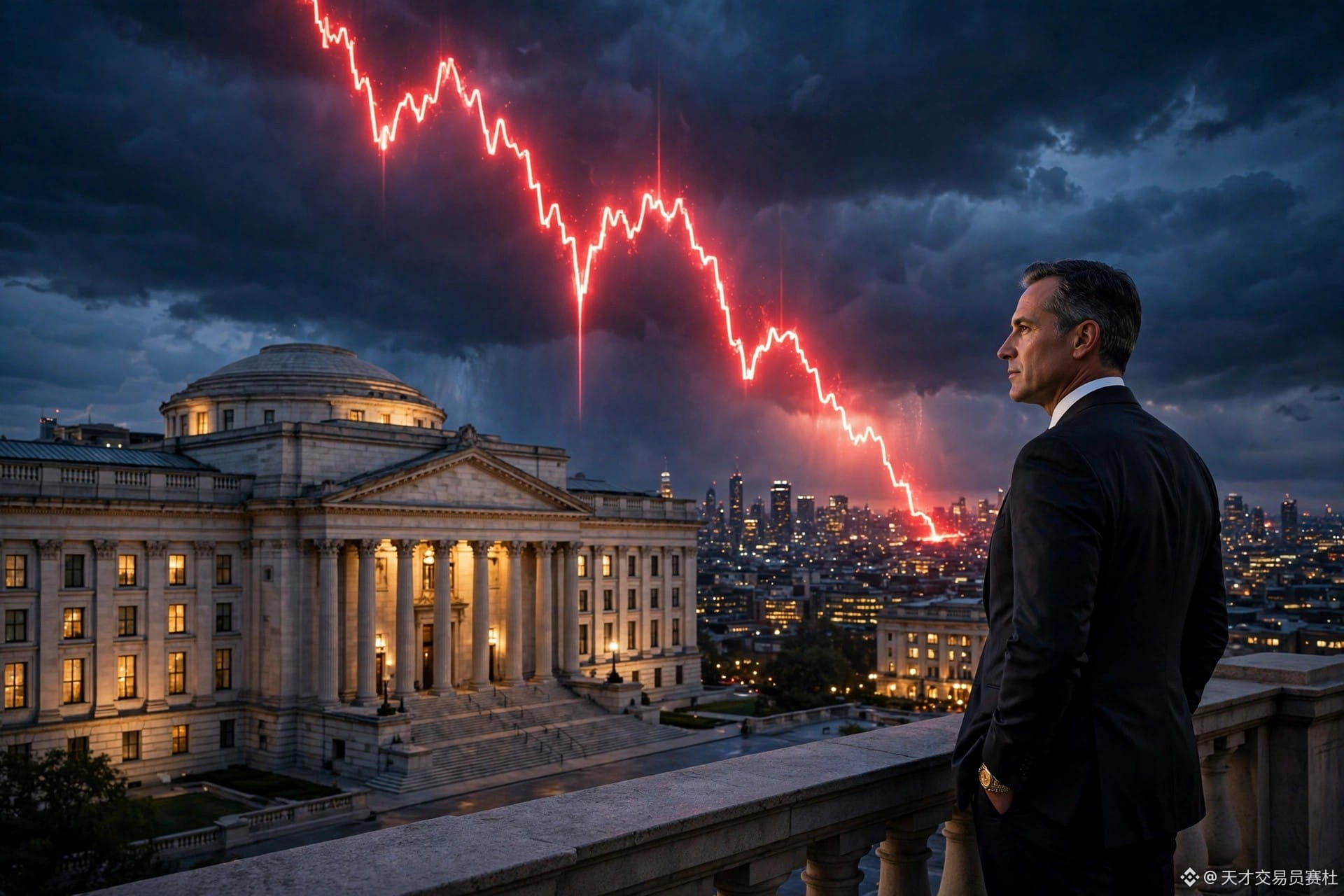
Ackman publicly challenges the Fed: A 2% inflation target is unrealistic; 3% is the answer
Billionaire and Pershing Square CEO Bill Ackman publicly took aim at the Federal Reserve today, saying the Fed is likely to “make another mistake” at its December 9 policy meeting.
His case is based not on empty rhetoric, but on three sets of numbers.
First, borrowing costs are already exorbitantly high. SpaceX has just secured debt financing at an 8.259% interest rate, while the interest rate on the unsecured bonds it issued at its IPO was below 6%. If borrowing is this expensive even for SpaceX, it’s easy to imagine how tough things are for ordinary businesses.
Second, the stock market has already voted with its feet. U.S. stocks suffered a sharp sell-off last week, with both the S&P 500 and the Dow falling more than 10% from recent highs and officially entering correction territory. The cost of equity financing has also risen sharply.
Third, market bets on rate hikes are starting to fade. A week ago, traders had priced in a December rate hike with 100% certainty, and at one point even saw a greater than 10% chance of a large 50-basis-point hike. Now, CME FedWatch shows a 91.4% probability of a 25-basis-point rate hike in December, while the probability of rates remaining unchanged has risen to 8.6%.
Ackman’s central argument is that the 2% inflation target itself is outdated. Geopolitical risks, global military spending, deglobalization, tariffs, and massive investments in AI infrastructure and related energy are all realities that did not exist when the 2% target was originally set. In today’s world, a 3% inflation target is more realistic.
His warning is also direct: If the Fed keeps raising rates in a futile attempt to push inflation back down to 2%, it will only drive the U.S. and global economies into recession.
Of course, this is just Ackman’s opinion. Whether the Fed will listen will become clear on December 9. But one thing is already clear: The debate over inflation targets is moving from academic circles to the heart of the markets.
#美联储 #通胀 #阿克曼 #加息 #Macroeconomics
The above is solely a personal opinion and does not constitute investment advice.
57
·
--
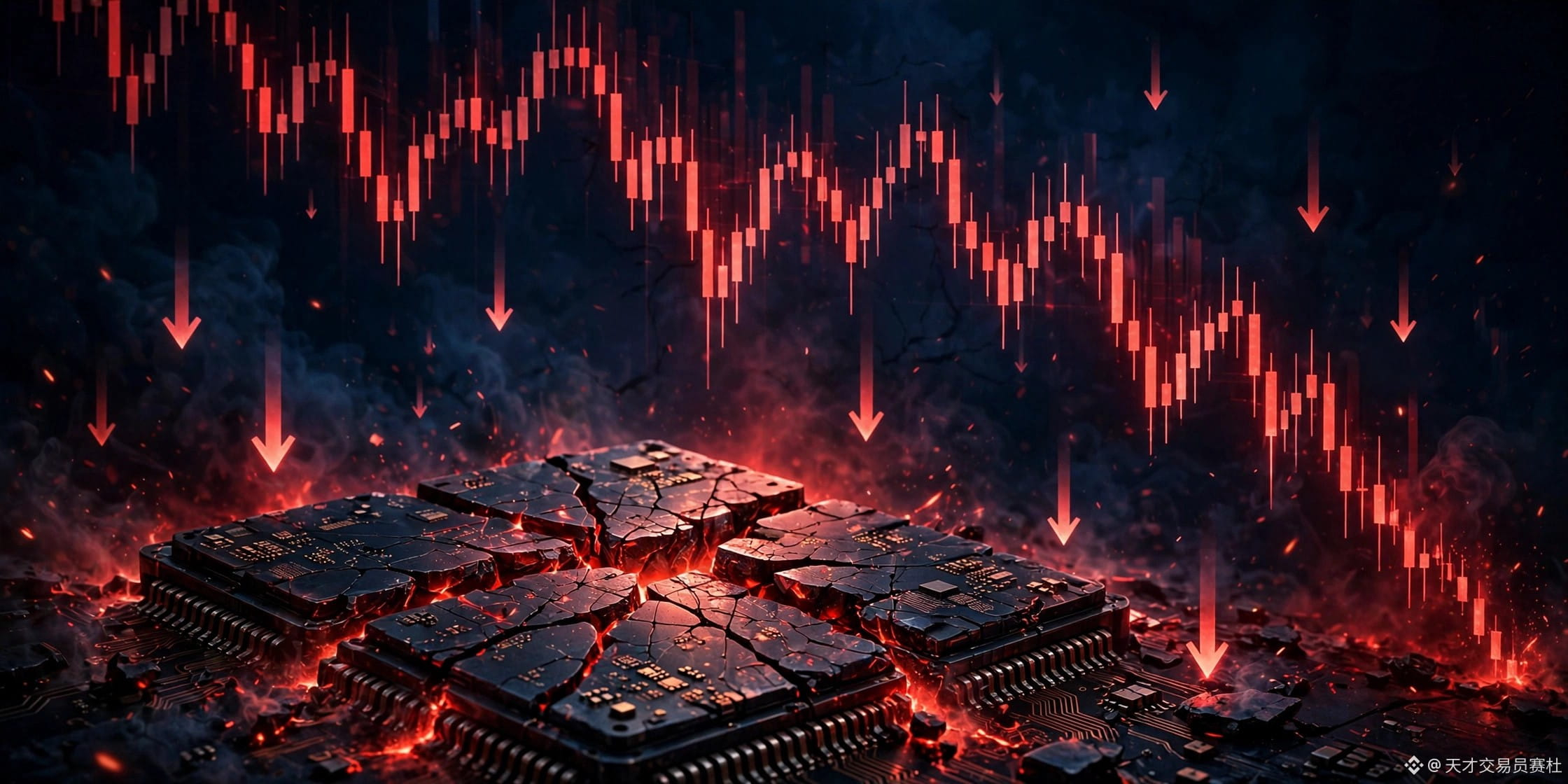
Overnight, U.S. stocks officially entered a technical correction.
The S&P 500 and Dow have both fallen more than 10% from their recent highs, entering correction territory. The catalyst for this sell-off is clear: deleveraging in AI trades.
JPMorgan’s assessment is straightforward: this correction is being driven primarily by deleveraging in AI trades. Goldman Sachs, meanwhile, sees potential opportunities amid the panic selling, though it says the current environment is different from previous ones. Even emerging-market stocks are poised to erase all their gains so far this year.
The numbers speak for themselves: At the close on November 20, the Nasdaq fell 5.28% to 22,617.73; Nvidia plunged 14.01% in a single day to $125.53; TSMC fell 9.48%, Broadcom dropped 12.19%, and AMD slid 13.25%. Nearly the entire AI supply chain was in free fall.
But the turnaround came quickly. In overnight trading on Monday, tech stocks began to rebound, with Nvidia up more than 5%. At the same time, interest-rate futures pricing for a Fed rate hike in December eased from 100% a week ago to around 91%–95%.
Has the panic run its course, or is this just a one-day bounce? Tonight’s U.S. market open will be the first test.
#美股 #英伟达 #AI #标普500 #TechnicalCorrection
The above reflects personal opinions only and does not constitute investment advice.
116
·
--
Semiconductor exports surge 294%: 3 sets of data show just how strong AI demand is
1. Exports nearly quadrupled
The latest data from the Korea Customs Service show that semiconductor exports rose 294.4% year over year from November 1 to 20. This isn’t a modest recovery—it’s a genuine explosive surge, and demand for AI hardware is still accelerating.
2. The trade surplus doubled, too
Over the same period, South Korea’s overall trade surplus reached $27.11 billion, up 101.5% year over year, while imports also grew by 39.4%. Strong exports and strong imports suggest the entire supply chain is operating at full capacity.
3. The contrast is the most thought-provoking
Just a few days ago, last Friday, the Philadelphia Semiconductor Index plunged nearly 11%, Nvidia fell 14% in a single day, and TSMC, AMD, and SK Hynix all tumbled. Stock prices are gripped by fear, yet actual orders are surging—the market mood and industry fundamentals are heading in opposite directions.
In a nutshell: AI demand hasn’t cooled; the market’s patience has. What remains to be seen is whether this export growth can continue through year-end, and whether chip stock valuations can keep pace with the speed of order growth.
The above reflects personal opinions only and does not constitute investment advice.
#半导体 #AI芯片 #韩国出口 #英伟达 #TechStocks

230
·
--
Partly True
Gold rebounds to $3,587 overnight—could it really hit $4,300 in 2027?
First, a question: if you hold gold, have you suddenly felt a little more at ease over the past couple of days?
Last night, precious metals staged an impressive comeback. Spot gold rose 1.43% in a day to $3,587.48 per ounce, while silver climbed even more sharply, gaining 3% to $42.43 per ounce. Meanwhile, both U.S. and Brent crude fell more than 1%, while European natural gas surged 7.12% to €94.76 per megawatt-hour. Safe-haven assets rose, energy prices diverged, and investors’ sentiment was all reflected in the prices.
What really set the market abuzz was a research report from CICC: under its base-case scenario, the average COMEX gold price could be around $4,300 per ounce in 2027. What does that mean? Compared with the current price of $3,587, that leaves roughly 20% room to rise. The report’s assumptions are also clear: the federal funds rate ceiling rises to 4.25%, and central banks worldwide buy 1,000 tonnes of gold a year.
But don’t get too excited just yet. CICC itself has highlighted the key factor: the Fed resuming rate hikes is the main force expected to weigh on gold prices in 2026. And right now, CME data show the probability of a 25-basis-point rate hike in December has reached 91.4%. Can these two figures—a rate hike weighing on gold and a $4,300 target—both be right?
The answer lies in the details. Rate hikes do put pressure on gold, but if the rate ceiling stops at 4.25%, the marginal impact of further hikes will gradually diminish. Meanwhile, central banks buying 1,000 tonnes of gold a year provides real, tangible support. What’s more, U.S. Treasury Secretary Bessent has publicly warned that excessive tightening could put the U.S. economy at risk, and that the financial system is already showing signs of fragility. The Fed may not dare to keep swinging the rate-hike axe indefinitely.
So $4,300 isn’t a number plucked out of thin air; it’s a conditional forecast: interest rates must peak, and central banks must keep buying gold. Both conditions are essential. If, after a December hike, the market concludes that it was the last one, gold’s upside potential could truly open up.
Of course, a research report’s forecast is still just a forecast. $4,300 is the midpoint under the base-case scenario, not a guarantee. In the short term, gold’s direction will still depend on what the Fed says at its December meeting.
But at least one thing is already clear: this gold rally isn’t happening in isolation. Silver and natural gas are moving too, as investors reassess risk.
Do you think gold can reach $4,300 in 2027?
#黄金 #白银 #金价 #美联储 #PreciousMetals
The above reflects personal views only and does not constitute investment advice.

604
·
--
How Will the AI Industry Chain Evolve in 2027? CITIC Securities Offers a Three-Stage Roadmap
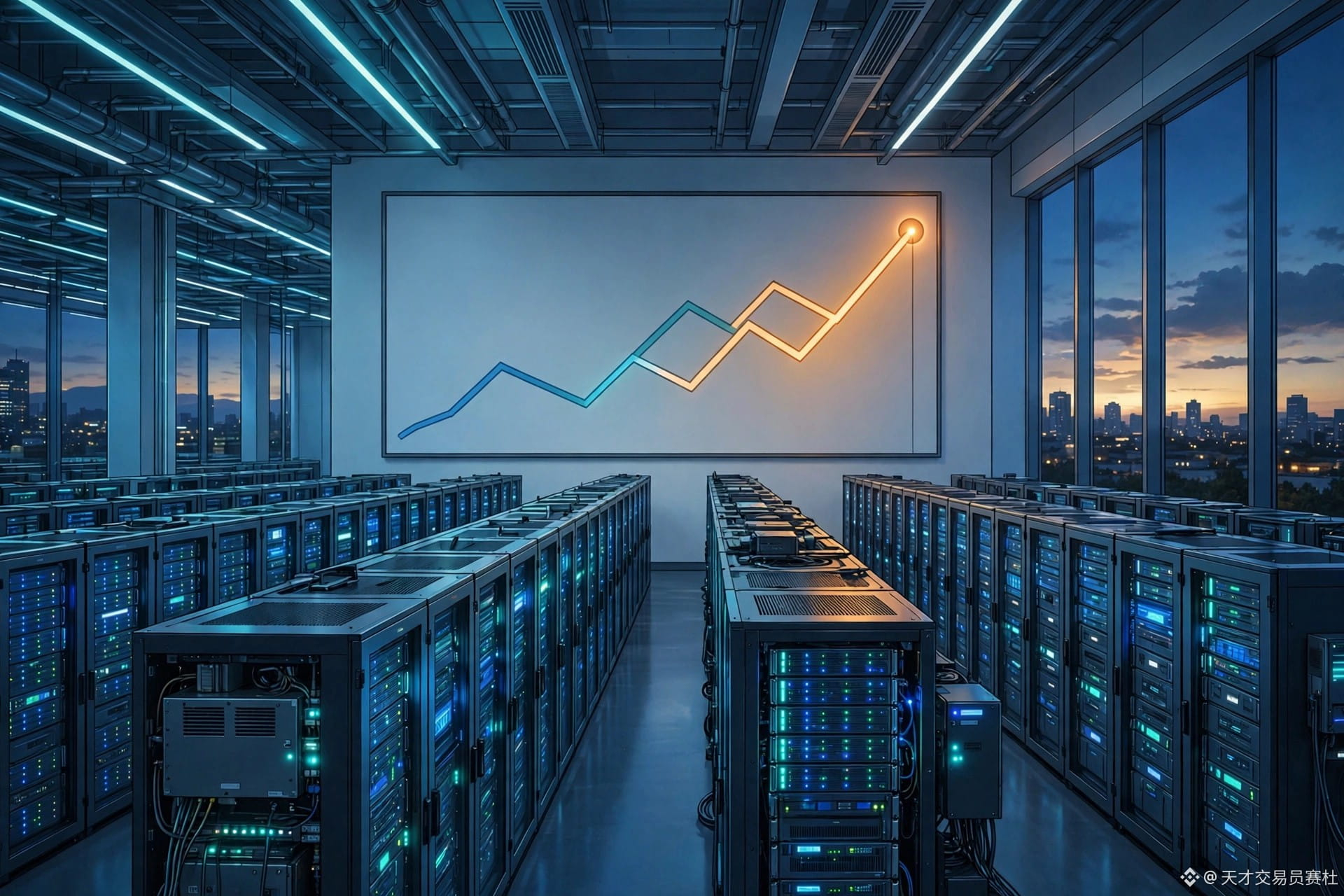
CITIC Securities’ latest research report presents a clear view of the U.S.-listed AI industry chain in 2027: the year won’t follow a straight line, but will instead unfold in three stages—pressure at the start of the year, a recovery in the middle, and divergence toward year-end.
The first stage runs from now through the first quarter of next year, when pressure will be greatest. Tighter data center regulation, coupled with a mismatch between cloud providers’ capital spending and operating cash flow, will weigh on valuations. Financing pressure on emerging cloud service providers will also intensify. Put simply, companies are spending faster than they’re making money, and the market is starting to scrutinize the numbers.
The second stage, spanning the second and third quarters of next year, could be a turning point. If regulatory policies in Texas gradually become clearer, and the actual restrictions prove less stringent than the market expects, the policy risk premium will recede, potentially allowing upstream hardware stocks to lead a valuation recovery. Once weaker players are shaken out, industry leaders may further consolidate their advantages.
The third stage begins in the fourth quarter of next year, when the market starts to differentiate. Expectations for returns from AI commercialization will continue to rise. Potential financing gaps in 2028 and pressure from private credit refinancing will also become more apparent, potentially triggering a repricing of credit risk. Capital will increasingly concentrate in companies with more predictable earnings.
Viewed alongside recent market moves, this outlook makes sense: on November 20, U.S. stocks plunged, with Nvidia down 14% in a single day and AMD down 13.25%. The entire AI sector is being repriced. The report suggests that the correction may not be over, but the 2027 script is already laid out in three acts. The two key variables are how strict regulation will be and when AI will actually start making money.
For investors, the report’s value lies in its timing framework: during sharp drops, don’t focus solely on share prices. Tracking changes in these two variables is more useful than trying to call the bottom.
#AI产业链 #中信证券 #美股 #数据中心 #Chips
The views above are personal opinions only and do not constitute investment advice.
·
--
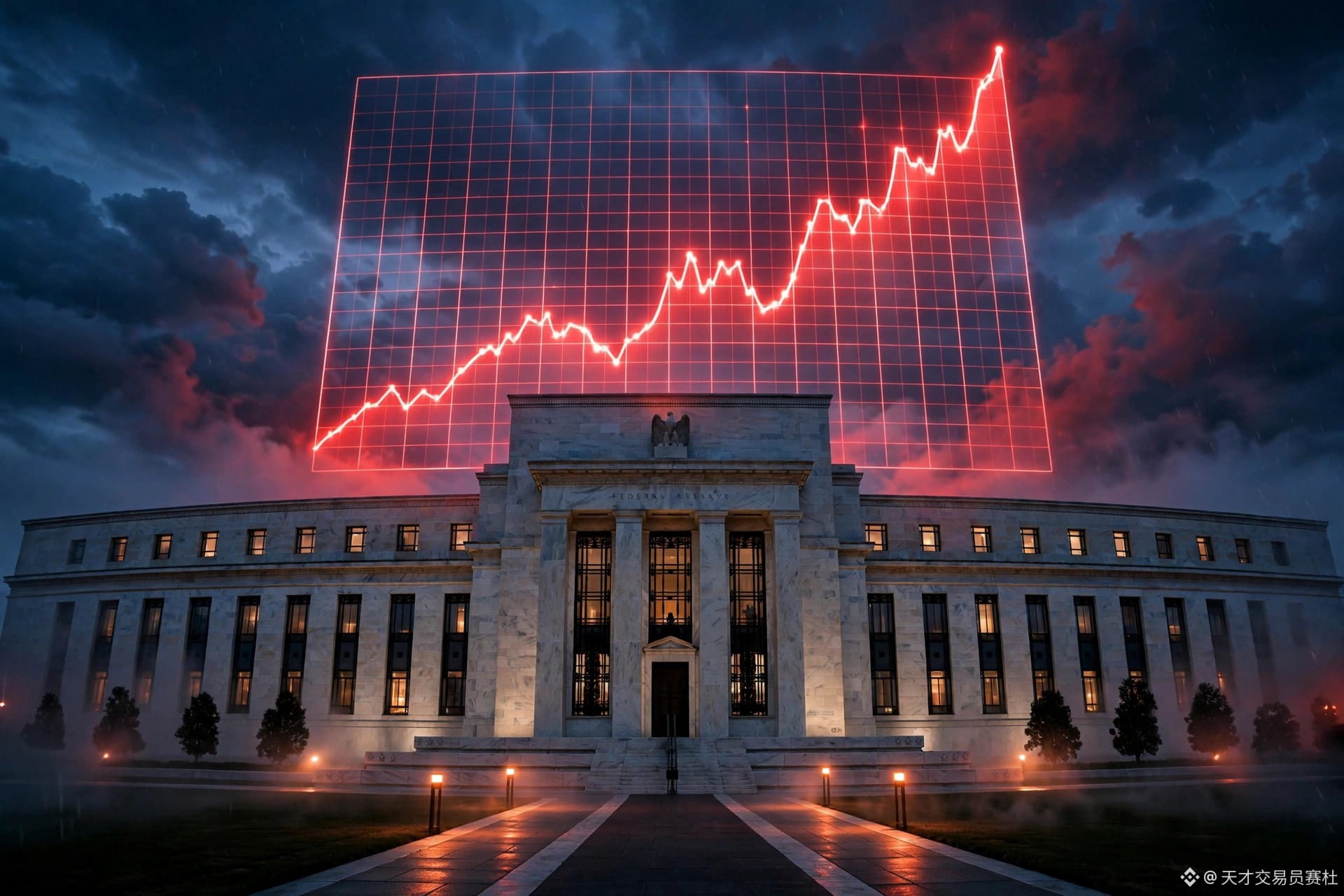
Let’s talk inflation: With 3.8% on the table, a Fed rate hike in December may be unavoidable
Honestly, I did a double take when I saw that number.
A Bloomberg survey is out: The U.S. PCE Price Index for October is expected to rise 3.8% year over year. What does that mean? The Fed’s target is 2%—this is almost double. And it’s not just the headline figure: Core PCE is accelerating too, which suggests this round of price increases isn’t limited to one or two items; prices are rising across the board.
Even more concerning is another figure: Consumer spending rose 0.1% month over month in October. What does that tell us? Prices are going up, but people are still spending. Consumer spending was strong throughout the previous two quarters, and the momentum hasn’t eased at all heading into the holiday shopping season. Inflation hasn’t curbed spending; people are spending more even as prices rise. That’s what’s giving the Fed the biggest headache.
So now the market is betting on one thing: A rate hike in December is all but certain.
Put simply, the Fed is caught between a rock and a hard place. Raise rates, and borrowing costs climb, hurting businesses and the stock market. Don’t raise them, and inflation stays elevated—making things worse the longer it lasts. With 3.8% staring us in the face, the balance has clearly tipped toward a rate hike.
The key now is to watch two things: First, whether the official PCE data really comes in as high as 3.8%; and second, what Fed officials say in the coming days. If the data confirms the forecast, the market probably won’t have much doubt about what happens at the December meeting.
For everyday investors, the impact is pretty direct: As interest rates rise, the cost of capital goes up, putting more pressure on the valuations of growth and tech stocks. If the dollar strengthens, gold and Bitcoin could also get shaken up. U.S. stocks have already taken a beating lately, and with rate-hike expectations piling on, we may need to buckle up in the short term.
Of course, this is only a survey forecast, and things could change before the official data comes out. But the direction is already clear: Inflation hasn’t backed down, and the Fed probably won’t be able to let up.
#美联储 #通胀 #PCE #加息 #U.S. stocks
The views above are personal opinions only and do not constitute investment advice.
28
·
--
One remark from Musk: Is AI running out of money?
Musk's latest warning: The AI industry could face a funding shortfall of hundreds of billions of dollars next year.
His reasoning is straightforward: powering, cooling, and reliably operating large-scale computing equipment is extremely difficult. If revenue generation is delayed by a few months, the industry's working capital gap could reach hundreds of billions of dollars.
He's not the only one sounding bearish. A research report from CICC also noted that negative narratives about global AI are increasing, and with expectations of Fed rate hikes heating up, financing conditions are tightening.
The market has already moved: At the close of U.S. markets on November 20, the Nasdaq fell 5.28%; Nvidia plunged 14.01% to $125.53; AMD fell 13.25%; Broadcom fell 12.19%; and TSMC fell 9.48%. The valuation logic for the AI sector is shifting from “How big can it get?” to “Where will the money come from?”
It's worth noting that this is currently Musk's assessment and warning, not something that has already happened. What needs to be verified is the financing data over the next few quarters and the earnings reports from the major players.
But one signal is already clear: The pace at which the computing power race is burning through cash is starting to outstrip the pace at which it generates profits.
#人工智能 #马斯克 #英伟达 #美股 #Chips
The above reflects personal views only and does not constitute investment advice.
167
·
--
A Loud Blast in the Baltic Sea: Russian Cargo Ship Attacked—5 Key Points at a Glance
① The incident
A Russian cargo ship, the Sparta II, bound for Kaliningrad, caught fire after being attacked by a drone in international waters in the Gulf of Finland. The ship later drifted into Finnish waters.
② Who was responsible?
The Finnish Border Guard said the attack was likely carried out by Ukraine. Note: This is only Finland’s preliminary assessment; no final official conclusion has been reached.
③ Finland’s response
Finland promptly imposed temporary restrictions on air and sea traffic, controlling access to the airspace and waters around the incident.
④ Why it matters
The Russia-Ukraine conflict is spreading toward the Baltic Sea. Tensions between NATO and Russia could rise further, while regional shipping faces new uncertainties over safety.
⑤ What it means for markets
Rising geopolitical risks are often first reflected in energy and shipping markets. The security situation along Baltic Sea routes deserves close attention.
The above reflects personal opinion only and does not constitute investment advice.
#俄乌冲突 #波罗的海 #地缘政治 #航运 #CrudeOil

1
2.1k
·
--
U.S. military bases attacked—will oil prices spiral out of control? The Middle East tonight, and global markets are holding their breath
If you open a market app tonight, don’t look at whether prices are up or down just yet—look first at the Strait of Hormuz.
According to reports, Iran’s Revolutionary Guard said it had struck two U.S. military bases in Bahrain and hit two “Patriot” air-defense radars. Bahrain said a civilian facility was attacked and caught fire. U.S. officials said there were no casualties or losses. Jordan and the six Gulf Cooperation Council states have condemned the attacks as a threat to regional security.
Meanwhile, Iran said it had shot down several U.S. military drones and hit an F-16—a claim the U.S. says is false. Iran’s deputy foreign minister said nuclear talks have not yet begun.
What is really putting markets on edge is another development: The UAE is maintaining oil exports by expanding its fleet and sending ships through the Strait of Hormuz in nighttime convoys. ADNOC has become a key force in Gulf oil transport during wartime; since April, more than 20 vessels it operates have been attacked. Qatar and Germany have also jointly condemned attacks and threats against merchant ships.
Why should every trader be watching this? The Strait of Hormuz is a vital artery for global crude oil shipments. If shipping security deteriorates, oil prices, inflation expectations, and risk aversion could all flare up at once.
But first, stay calm: The U.S. says there have been no casualties, and the situation remains in a phase where “conflict and negotiations are unfolding in parallel.” There are only two real turning points—whether talks resume, and whether shipping through the strait is disrupted.
Tonight, will you look at oil prices first, or gold?
#中东局势 #原油 #黄金 #伊朗 #U.S.Stocks
The above is solely my personal opinion and does not constitute investment advice.

554
·
--
Credit card rates cut from 22.2% to 10%? Let’s do the math before getting carried away
Trump’s latest remarks: He is willing to work with the incoming Democratic Congress to push for a 10% cap on U.S. credit card interest rates, fulfilling a campaign promise he made in 2024. The median U.S. credit card interest rate is currently around 22.2%, and banks and credit card companies have already voiced strong opposition.
Let’s do the math:
First, the cardholder’s perspective. A drop from 22.2% to 10% would cut interest costs by more than half. For households that rely on credit cards to make ends meet over the long term, that would mean real relief.
Second, the issuer’s perspective. Credit cards are among the most profitable businesses for U.S. banks. If the interest margin narrows, credit limits and approval standards for high-risk customers are likely to tighten as well. Not everyone may get to enjoy the interest savings.
Third, the path to implementation. This is just a statement of intent, not a bill. A rate cap would need to be passed into law by Congress, and banks have historically wielded strong lobbying power. There is still a long way to go from a promise to a law.
One other data point is worth noting: When U.S. stocks closed last Friday, JPMorgan Chase fell 3.04%, and bank stocks broadly weakened. Market sentiment toward the financial sector was already shaky.
Bottom line: The 10% figure is eye-catching, but what matters is not the slogan—it’s whether Congress can actually write it into law, and whether banks will offset it by tightening credit. Watch the legislative progress first, then assess the impact.
#信用卡利率 #特朗普 #美国经济 #消费信贷 #U.S.Stocks
The above is solely a personal opinion and does not constitute investment advice.
97
·
--
After Jensen Huang’s departure, Nvidia falls for seven straight sessions! SEC investigation sends shares crashing 14%!
Breaking! Nvidia, the king of AI stocks on Wall Street, suffered an epic crash on Friday!
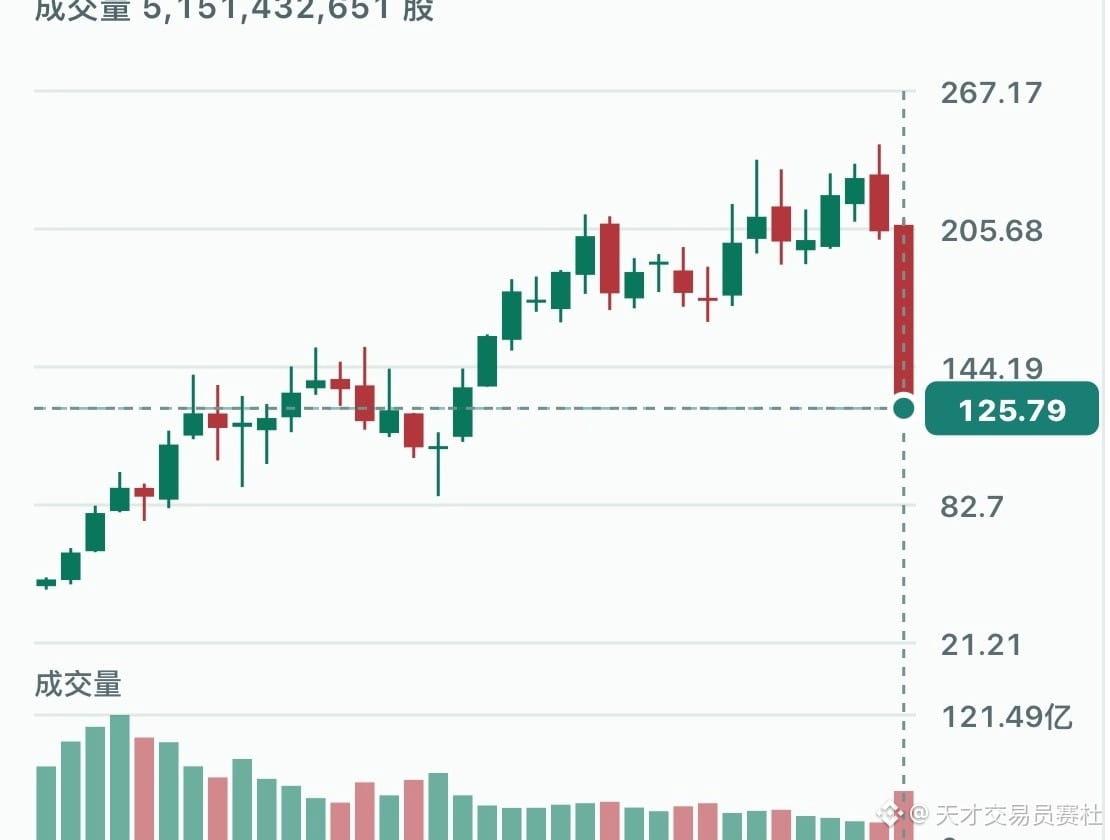
Its share price plunged 14.01% in a single day, closing at $125.53. Its market value shrank by about $500 billion in one day! This marked its seventh consecutive trading-day decline. Shares plunged 22.92% over the week—the biggest weekly drop since the 2008 financial crisis!
Even more alarming, since its October peak, Nvidia has lost nearly half its value. A staggering $2.7 trillion has been wiped out—more than the entire cryptocurrency market combined!
Why couldn’t even its earnings report save it? Revenue for the third quarter reached $115.8 billion, up 103% year over year, and its guidance also beat expectations. But the market wasn’t buying it!
Three blows struck at once: Founder Jensen Huang suddenly stepped down on November 12, with the CFO taking over temporarily; California’s attorney general issued an investigative subpoena; and Reuters reported that the SEC is investigating Nvidia’s accounting practices!
And with Anthropic’s shares nearly falling below their IPO price on just the second day of trading, the alarm bells are ringing over an AI bubble bursting. The market is no longer willing to pay a premium for the AI story!
If $125 doesn’t hold, where’s the next support level? No one dares to say.
The above is solely my personal opinion and does not constitute investment advice.
$NVDA #NVDA #英伟达 #美股 #AI
80
·
--
U.S. stocks plunge overnight! Ten AI giants tumble together, chip stocks crash across the board, and the Nasdaq plunges 5%!Breaking! U.S. stocks endured a Black Friday this Friday, as AI and chip stocks were completely wiped out!
The top ten decliners were all AI-related stocks: Nvidia plunged 14.01%, AMD followed with a 13.25% drop, SK Hynix fell 13.11%, Broadcom dropped 12.19%, TSMC fell 9.48%, and even newly listed Anthropic sank 8.50%, coming within a hair's breadth of falling below its IPO price!
Tesla fell 7.64%, Meta fell 5.93%, Amazon fell 4.10%, SpaceX fell 7.69%, and the Nasdaq Composite plunged 5.28%—the entire market was awash in red!
The only stock still rising was Walmart, up 1.52%, making it the sole safe haven on a night of carnage.
U.S. stocks plunge overnight! Ten AI giants tumble together, chip stocks crash across the board, and the Nasdaq plunges 5%!
Breaking! U.S. stocks endured a Black Friday this Friday, as AI and chip stocks were completely wiped out!
The top ten decliners were all AI-related stocks: Nvidia plunged 14.01%, AMD followed with a 13.25% drop, SK Hynix fell 13.11%, Broadcom dropped 12.19%, TSMC fell 9.48%, and even newly listed Anthropic sank 8.50%, coming within a hair's breadth of falling below its IPO price!
Tesla fell 7.64%, Meta fell 5.93%, Amazon fell 4.10%, SpaceX fell 7.69%, and the Nasdaq Composite plunged 5.28%—the entire market was awash in red!
The only stock still rising was Walmart, up 1.52%, making it the sole safe haven on a night of carnage.
207
·
--
Market Meltdown! Bitcoin Plunges Overnight, $1.5 Billion in Leverage Vanishes in an Instant, and Global Markets Are in Turmoil!Breaking! Bitcoin suffered an epic crash on Friday!
Prices plunged from their highs. The $59,000 mark was breached in an instant, with Bitcoin nearly hitting $55,000! In just 24 hours, around $1.5 billion in leveraged positions were ruthlessly liquidated. Countless accounts were wiped out overnight, and the market was awash in blood!
This storm is about far more than crypto! The AI myth on Wall Street has come crashing down, the Nasdaq has plunged, the Fed’s rate-hike sword hangs overhead, and global capital is fleeing in a frenzy—with Bitcoin suffering the worst losses in this mass sell-off!
The line between life and death is $57,700! If it breaks, a bottomless abyss lies below! And the crushing resistance overhead at $62,000–$63,000 is like a mountain, leaving the rebound gasping for air!
Market Meltdown! Bitcoin Plunges Overnight, $1.5 Billion in Leverage Vanishes in an Instant, and Global Markets Are in Turmoil!
Breaking! Bitcoin suffered an epic crash on Friday!
Prices plunged from their highs. The $59,000 mark was breached in an instant, with Bitcoin nearly hitting $55,000! In just 24 hours, around $1.5 billion in leveraged positions were ruthlessly liquidated. Countless accounts were wiped out overnight, and the market was awash in blood!
This storm is about far more than crypto! The AI myth on Wall Street has come crashing down, the Nasdaq has plunged, the Fed’s rate-hike sword hangs overhead, and global capital is fleeing in a frenzy—with Bitcoin suffering the worst losses in this mass sell-off!
The line between life and death is $57,700! If it breaks, a bottomless abyss lies below! And the crushing resistance overhead at $62,000–$63,000 is like a mountain, leaving the rebound gasping for air!
347
Log in to explore more content
Join global crypto users on Binance Square
⚡️ Get latest and useful information about crypto.
💬 Trusted by the world’s largest crypto exchange.
👍 Discover real insights from verified creators.
Email / Phone number
Trending Topics
WillMarketsStageAThanksgivingReliefRally?
52,605 views
891 Discussing
Was $55K the bottom for $BTC ? Honestly... i don't think so 😅
Bitcoin has recovered above $61K after crashing to $55,130... and now everyone is talking about a possible Thanksgiving relief rally.
But buddies... look at the bigger picture.
Bitcoin is still down nearly 30% from $87K, $ETH is struggling around $1,727 after touching $1,538 and $ZEC is barely recovering near $784 after that brutal selloff.
A few green candles won't suddenly fix all this damage 🥲
Now... could we see a Thanksgiving rally? Definitely possible 😁
Especially if buyers keep defending $60K and BTC manages to push back toward $64K-$65K.
But a relief rally and a real market reversal are TWO different things.
I still think another dip below $55K is possible if this recovery loses strength.
That's why i am not chasing this bounce... just accumulating slowly, keeping USDT ready for lower entries.
If we get a proper recovery, good. If we get another dump, i wanna have cash ready 💪🏻
What do you think... Thanksgiving rally or another trap before the next dump? 👀
#WillMarketsStageAThanksgivingReliefRally?
ParvezMayar
·18 Likes
·8.5k views
WillOctCorePCEShiftFedHikeExpectations?
9,976 views
230 Discussing
BessentSoftensStanceOnHuang’sNvidiaReturn
34,753 views
600 Discussing