

CJ_GraceWang1688
欢迎👏🏼滴滴👏🏼 X: @GraceWang1688
Open Trade
Frequent Trader
2.1 Years
182 Following
22.3K+ Followers
7.2K+ Liked
Posts
Portfolio
All
Quotes
Live
PINNED
PINNED

CJ_W
·
--
🧧🧧🧧🧧🧧🧧
#加密美股齐跌,下轮反弹的驱动力在哪?
#ETH🔥🔥🔥🔥🔥🔥
#加密美股齐跌,下轮反弹的驱动力在哪?
#ETH🔥🔥🔥🔥🔥🔥
CJ_GraceWang1688
·
--
🎁🎁🎁🎁🎁🎁
#加密市场大幅回调,多名巨鲸遭遇清算
$BTC up up 🆙
#加密市场大幅回调,多名巨鲸遭遇清算
$BTC up up 🆙
CJ_W
·
--
🧧🧧🧧🧧🧧🧧
#加密美股齐跌,下轮反弹的驱动力在哪?
#ETH🔥🔥🔥🔥🔥🔥
#加密美股齐跌,下轮反弹的驱动力在哪?
#ETH🔥🔥🔥🔥🔥🔥
CJ_GraceWang1688
·
--
🎁🎁🎁🎁🎁🎁
#加密市场大幅回调,多名巨鲸遭遇清算
$BTC up up 🆙
#加密市场大幅回调,多名巨鲸遭遇清算
$BTC up up 🆙
CJ_W
·
--
🧧🧧🧧🧧🧧🧧
#加密美股齐跌,下轮反弹的驱动力在哪?
#ETH🔥🔥🔥🔥🔥🔥
#加密美股齐跌,下轮反弹的驱动力在哪?
#ETH🔥🔥🔥🔥🔥🔥
CJ_GraceWang1688
·
--
🎁🎁🎁🎁🎁🎁
#加密市场大幅回调,多名巨鲸遭遇清算
$BTC up up 🆙
#加密市场大幅回调,多名巨鲸遭遇清算
$BTC up up 🆙

黑猫SabTheTrader
·
--
[Replay] 🔴 Making money the honest way is pretty boring, huh? After the Nasdaq plunged, where should we look for opportunities tonight?
01 h 00 m 24 s · 241 views


進步Advance analysis
·
--
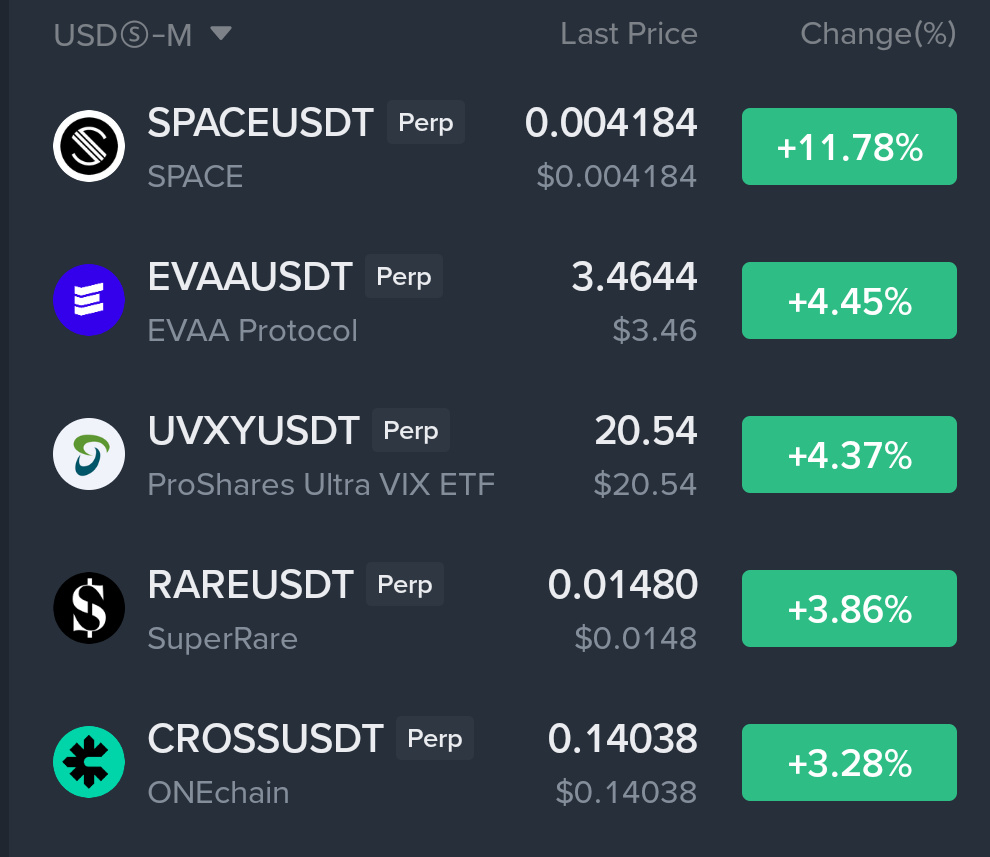
most Grainer coin
$SPACE $UVXYB
$LINK
$SPACE $UVXYB
$LINK
黑猫SabTheTrader
·
--
#高盛与Millennium各持超12亿美元比特币ETF 🧧Long or Short $BTC ? 🎁🎁🎁🧧🧧🧧
CJ_W
·
--
🧧🧧🧧🧧🧧🧧
#加密美股齐跌,下轮反弹的驱动力在哪?
#ETH🔥🔥🔥🔥🔥🔥
#加密美股齐跌,下轮反弹的驱动力在哪?
#ETH🔥🔥🔥🔥🔥🔥

Ahli Hidaya
·
--
🚨 BREAKING: Ex-Robinhood Engineer Pleads Guilty to Crypto Insider Trading on Hyperliquid
A former Robinhood software engineer, Huaisong Xiang, has pleaded guilty to federal wire fraud in Manhattan after using confidential internal listing data to front-run crypto markets.
Key Details from the DOJ:
The Scheme: Between 2025 and 2026, Xiang accessed a private internal Slack channel containing upcoming Robinhood token listing plans and traded perpetual futures ahead of at least 11 public announcements (including tokens like $RENDER,$ONDO, POPCAT, andMOODENG).
* The Platform: All leveraged trades were executed off-platform on the decentralized exchange Hyperliquid.
The Penalty: He generated $125,523 in illicit profits—which he has agreed to forfeit in full—and now faces up to 20 years in prison ahead of his sentencing on February 25, 2027.
* Company Response: Robinhood noted that its own internal probe flagged the misconduct and reported it directly to law enforcement. (Charges against a second former engineer, Hefu Chai, remain pending.)
Takeaway: Regulators are actively tracking on-chain perpetuals and DEX activity. Using non-public exchange listing alpha on decentralized venues no longer keeps traders off the DOJ's radar.
What’s your take on insider trading enforcement moving onto DEXs? Drop your thoughts below! 👇
#CryptoNews #Robinhood #Hyperliquid #DOJ #InsiderTrading #DeFi
(Note: Main directly aapke Binance Square account par post nahi kar sakta, isliye aap upar diye gaye text ko copy karke seedha Binance Square par paste aur publish kar sakte hain.)$HYPE
$USDC #dyor



Fabi_4043
·
--
Follow and like my profile 🧧🧧
$MSFTB
#BitcoinExtendsLosingStreakToSixWeeks
$MSFTB
#BitcoinExtendsLosingStreakToSixWeeks


king Gulfam
·
--
Bullish#FutureTradingSignals
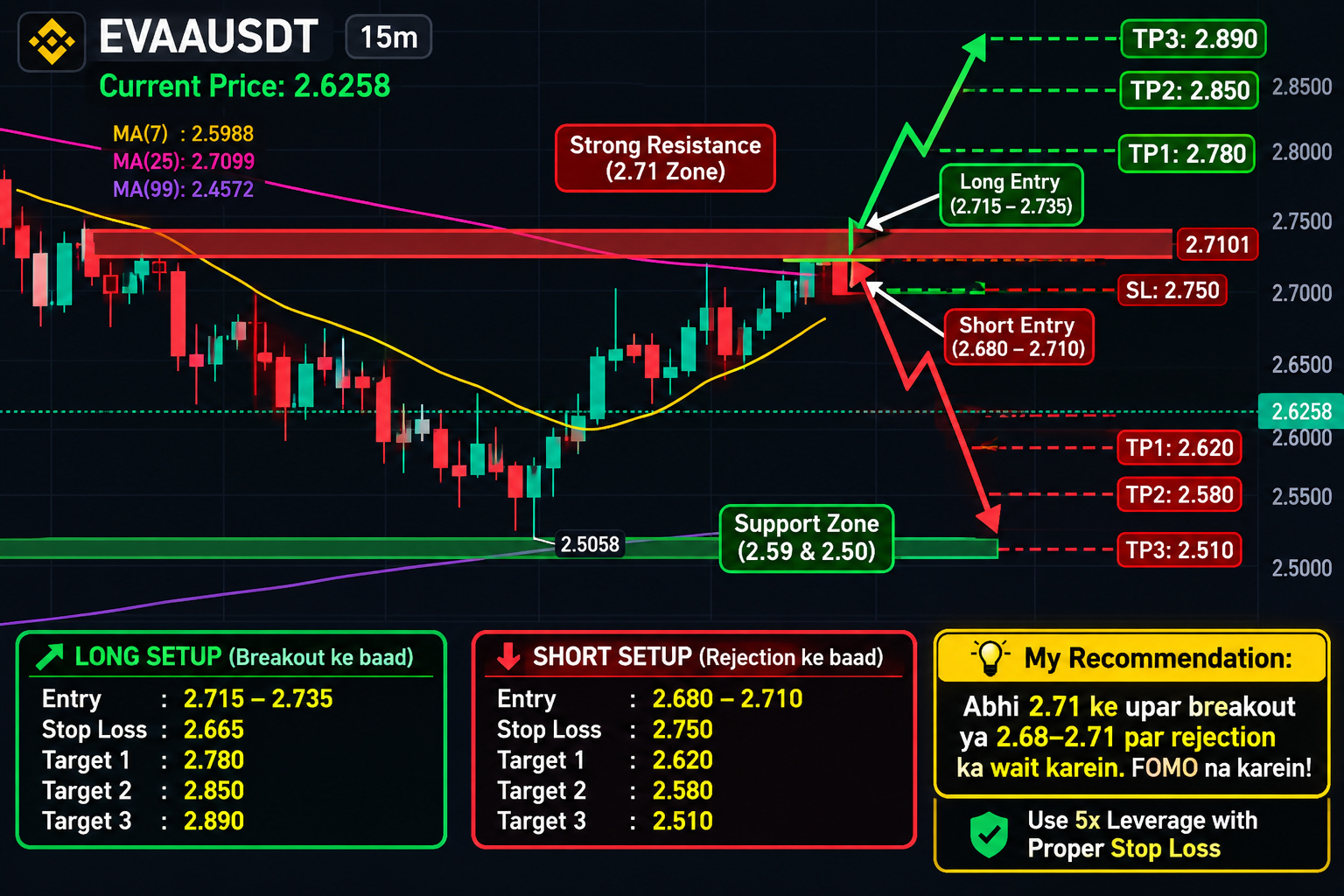
🚀 EVAAUSDT Trading Analysis |
Current Price: 2.6258
Key Resistance: 2.7100
Support Zones: 2.5900 and 2.5058
📈 LONG SETUP (After Breakout)
Entry: 2.715 – 2.735
Stop Loss: 2.665
TP1: 2.780
TP2: 2.850
TP3: 2.890
📉 SHORT SETUP (After Rejection)
Entry: 2.680 – 2.710
Stop Loss: 2.750
TP1: 2.620
TP2: 2.580
TP3: 2.510
⚠️ Use 5x leverage with proper risk management and always place a stop loss.
Trade Smart. Protect Your Capital!
$EVAA
$AKE
$BNB
#EVAA #EVAAUSDT #CryptoTrading

慢就是快Mike
·
--
$INTWB Be sure to patiently wait for Intel's explosive rebound!


NAJAF_999
·
--
‼️$INJ 🧧 Reward is here ‼️
I’m sharing $INJ 🧧 rewards with the community as a Bigger thank-you.
✨ Just claim your reward and enjoy! ✨
Claim it. Get rewarded
@Injective $INJ #injective #crypto
I’m sharing $INJ 🧧 rewards with the community as a Bigger thank-you.
✨ Just claim your reward and enjoy! ✨
Claim it. Get rewarded
@Injective $INJ #injective #crypto


奕泽YIZZE-1688
·
--
$BTC sees a notable shift in institutional flows! Spot ETFs post $1.56 billion in net outflows for the year—what does this mean?
According to a November 13 report by CoinDesk, U.S.-listed spot Bitcoin ETFs have recorded cumulative net outflows of about $1.56 billion so far this year.
More notably, these ETFs were still showing year-to-date net inflows of about $1.01 billion as recently as October 29, but funds have continued to flow out since then, bringing about a significant change in a short time.
What does this mean?
First, spot ETFs have long been viewed as an important window into Bitcoin demand in traditional financial markets. Continued institutional inflows usually mean the market is receiving additional buying demand; conversely, sustained outflows can put some pressure on the market.

Log in to explore more content