
币圈小贝贝
98 Posts

币圈小贝贝
Report
Block User
6年市场经验,公众号.比特柠檬,记录市场真实逻辑,研究下一步会去哪
12 Following
1.6K+ Followers
654 Liked
Posts
All
Live
·
--
Verified
Another important time point for Ethereum has been set.
The “Glamsterdam” upgrade plan will land on the Sepolia testnet on October 6 for testing—this is also one of the more important steps in this year’s Ethereum scaling roadmap.
Fan group: [加入聊天室](https://app.binance.com/uni-qr/6d5gRrvm)
October 6 is only for testnet nodes and does not mean the mainnet will be officially upgraded on October 6.
Currently, Ethereum’s official roadmap still targets the Glamsterdam mainnet for Q4 2026; the exact date hasn’t been finalized yet. The development team is also continuing Devnet testing and client adaptation.
What’s truly worth paying attention to with this upgrade is that it’s not just a simple increase in transaction throughput. It involves re-optimizing Ethereum L1’s block processing approach from the ground up.
One key change is ePBS—pushing responsibilities related to block proposal and block building deeper into the protocol layer. This reduces reliance on external relays and additional trust mechanisms, while paving the way for larger block capacity and subsequent parallel processing.
In addition, Glamsterdam also touches multiple areas such as state data costs, transaction Gas, and node synchronization. The goal is to increase Ethereum’s capacity without letting hardware pressure on nodes run out of control.
However, for now, you can’t directly interpret this as “Upgrade confirmed = ETH will rise immediately.”
Because even in the testing phase, there are still some technical issues. The development team needs to continue validating compatibility across different clients and ensuring network stability. The Sepolia plan for October 6 also depends on the results of subsequent tests.
So for ETH, in the short term the market may focus on upgrade expectations. Over the long term, what really matters is whether this upgrade can be rolled out smoothly—and whether it can truly unlock Ethereum’s L1 scaling capacity in the future.
If later testing goes smoothly, market attention may shift back to Ethereum’s throughput, Gas costs, the L2 ecosystem, and the overall network demand.
Technical upgrades are a process, not a date.
October 6 can be treated first as a viewing window. What’s truly important is the test results and the subsequent mainnet progress 👀 #ETH
Another important time point for Ethereum has been set.
The “Glamsterdam” upgrade plan will land on the Sepolia testnet on October 6 for testing—this is also one of the more important steps in this year’s Ethereum scaling roadmap.
Fan group: 加入聊天室
October 6 is only for testnet nodes and does not mean the mainnet will be officially upgraded on October 6.
Currently, Ethereum’s official roadmap still targets the Glamsterdam mainnet for Q4 2026; the exact date hasn’t been finalized yet. The development team is also continuing Devnet testing and client adaptation.
What’s truly worth paying attention to with this upgrade is that it’s not just a simple increase in transaction throughput. It involves re-optimizing Ethereum L1’s block processing approach from the ground up.
One key change is ePBS—pushing responsibilities related to block proposal and block building deeper into the protocol layer. This reduces reliance on external relays and additional trust mechanisms, while paving the way for larger block capacity and subsequent parallel processing.
In addition, Glamsterdam also touches multiple areas such as state data costs, transaction Gas, and node synchronization. The goal is to increase Ethereum’s capacity without letting hardware pressure on nodes run out of control.
However, for now, you can’t directly interpret this as “Upgrade confirmed = ETH will rise immediately.”
Because even in the testing phase, there are still some technical issues. The development team needs to continue validating compatibility across different clients and ensuring network stability. The Sepolia plan for October 6 also depends on the results of subsequent tests.
So for ETH, in the short term the market may focus on upgrade expectations. Over the long term, what really matters is whether this upgrade can be rolled out smoothly—and whether it can truly unlock Ethereum’s L1 scaling capacity in the future.
If later testing goes smoothly, market attention may shift back to Ethereum’s throughput, Gas costs, the L2 ecosystem, and the overall network demand.
Technical upgrades are a process, not a date.
October 6 can be treated first as a viewing window. What’s truly important is the test results and the subsequent mainnet progress 👀 #ETH
The “Glamsterdam” upgrade plan will land on the Sepolia testnet on October 6 for testing—this is also one of the more important steps in this year’s Ethereum scaling roadmap.
Fan group: 加入聊天室
October 6 is only for testnet nodes and does not mean the mainnet will be officially upgraded on October 6.
Currently, Ethereum’s official roadmap still targets the Glamsterdam mainnet for Q4 2026; the exact date hasn’t been finalized yet. The development team is also continuing Devnet testing and client adaptation.
What’s truly worth paying attention to with this upgrade is that it’s not just a simple increase in transaction throughput. It involves re-optimizing Ethereum L1’s block processing approach from the ground up.
One key change is ePBS—pushing responsibilities related to block proposal and block building deeper into the protocol layer. This reduces reliance on external relays and additional trust mechanisms, while paving the way for larger block capacity and subsequent parallel processing.
In addition, Glamsterdam also touches multiple areas such as state data costs, transaction Gas, and node synchronization. The goal is to increase Ethereum’s capacity without letting hardware pressure on nodes run out of control.
However, for now, you can’t directly interpret this as “Upgrade confirmed = ETH will rise immediately.”
Because even in the testing phase, there are still some technical issues. The development team needs to continue validating compatibility across different clients and ensuring network stability. The Sepolia plan for October 6 also depends on the results of subsequent tests.
So for ETH, in the short term the market may focus on upgrade expectations. Over the long term, what really matters is whether this upgrade can be rolled out smoothly—and whether it can truly unlock Ethereum’s L1 scaling capacity in the future.
If later testing goes smoothly, market attention may shift back to Ethereum’s throughput, Gas costs, the L2 ecosystem, and the overall network demand.
Technical upgrades are a process, not a date.
October 6 can be treated first as a viewing window. What’s truly important is the test results and the subsequent mainnet progress 👀 #ETH

2
2.1k
·
--
This Bank of Japan rate hike may be even more worth paying attention to than simply looking at the “25 basis points”
On September 18, the Bank of Japan raised its policy rate from 1% to 1.25%, the highest level in 31 years. And this hike was approved 7 to 2, meaning Japan is further moving away from the long period of ultra-low interest rates.
Trending news: [领取策略](https://app.binance.com/uni-qr/6d5gRrvm)
The signals released by Kazuo Ueda are not exactly mild.
He said that if Japan faces a clear risk of inflation overshooting, consecutive rate hikes—or even larger hikes—cannot be ruled out. However, the specific pace will still depend on the subsequent inflation, wage growth, energy prices, and changes in the financial environment.
In the past, a lot of capital was accustomed to using low-cost yen financing, and then investing in overseas stocks, bonds, and various risk assets. This is what the market often refers to as the yen carry trade.
Now that Japan’s interest rates continue to rise, the cost of this kind of financing is starting to increase. If the yen also strengthens at the same time, some carry-trade funding may reassess its positions in overseas assets, and even trigger a return of funds to Japan.
For “big pie” and “small pie,” this logic is also worth keeping an eye on.
The U.S. Federal Reserve has just raised rates, and the Bank of Japan is now continuing to tighten. The global interest-rate environment for major central banks is changing. If the yen carry trade further contracts later on, liquidity in risk assets may be affected.
But for now, it also can’t be simply understood as “Japan rate hikes = big pie must fall.”
The Bank of Japan itself has also emphasized that it does not want the financial environment to tighten too quickly, nor will it mechanically adjust policy in order to control the exchange rate. So what is truly worth watching is the pace of subsequent rate hikes, and whether the yen and global capital flows will show more obvious changes.
Next, there is an important variable for the market: whether the Bank of Japan will continue pushing the rate to 1.5% or even higher.
If Japan really enters a sustained rate-hiking phase, the impact may not be limited to Japan’s economy—it could also affect the financing costs of global carry-trade funds and risk-asset capital.
That’s the real part of this Japan rate hike that deserves attention.
Every day, follow the market for a round—see how the trends change, how money moves, and where opportunities might be hiding. #BTC
This Bank of Japan rate hike may be even more worth paying attention to than simply looking at the “25 basis points”
On September 18, the Bank of Japan raised its policy rate from 1% to 1.25%, the highest level in 31 years. And this hike was approved 7 to 2, meaning Japan is further moving away from the long period of ultra-low interest rates.
Trending news: 领取策略
The signals released by Kazuo Ueda are not exactly mild.
He said that if Japan faces a clear risk of inflation overshooting, consecutive rate hikes—or even larger hikes—cannot be ruled out. However, the specific pace will still depend on the subsequent inflation, wage growth, energy prices, and changes in the financial environment.
In the past, a lot of capital was accustomed to using low-cost yen financing, and then investing in overseas stocks, bonds, and various risk assets. This is what the market often refers to as the yen carry trade.
Now that Japan’s interest rates continue to rise, the cost of this kind of financing is starting to increase. If the yen also strengthens at the same time, some carry-trade funding may reassess its positions in overseas assets, and even trigger a return of funds to Japan.
For “big pie” and “small pie,” this logic is also worth keeping an eye on.
The U.S. Federal Reserve has just raised rates, and the Bank of Japan is now continuing to tighten. The global interest-rate environment for major central banks is changing. If the yen carry trade further contracts later on, liquidity in risk assets may be affected.
But for now, it also can’t be simply understood as “Japan rate hikes = big pie must fall.”
The Bank of Japan itself has also emphasized that it does not want the financial environment to tighten too quickly, nor will it mechanically adjust policy in order to control the exchange rate. So what is truly worth watching is the pace of subsequent rate hikes, and whether the yen and global capital flows will show more obvious changes.
Next, there is an important variable for the market: whether the Bank of Japan will continue pushing the rate to 1.5% or even higher.
If Japan really enters a sustained rate-hiking phase, the impact may not be limited to Japan’s economy—it could also affect the financing costs of global carry-trade funds and risk-asset capital.
That’s the real part of this Japan rate hike that deserves attention.
Every day, follow the market for a round—see how the trends change, how money moves, and where opportunities might be hiding. #BTC
On September 18, the Bank of Japan raised its policy rate from 1% to 1.25%, the highest level in 31 years. And this hike was approved 7 to 2, meaning Japan is further moving away from the long period of ultra-low interest rates.
Trending news: 领取策略
The signals released by Kazuo Ueda are not exactly mild.
He said that if Japan faces a clear risk of inflation overshooting, consecutive rate hikes—or even larger hikes—cannot be ruled out. However, the specific pace will still depend on the subsequent inflation, wage growth, energy prices, and changes in the financial environment.
In the past, a lot of capital was accustomed to using low-cost yen financing, and then investing in overseas stocks, bonds, and various risk assets. This is what the market often refers to as the yen carry trade.
Now that Japan’s interest rates continue to rise, the cost of this kind of financing is starting to increase. If the yen also strengthens at the same time, some carry-trade funding may reassess its positions in overseas assets, and even trigger a return of funds to Japan.
For “big pie” and “small pie,” this logic is also worth keeping an eye on.
The U.S. Federal Reserve has just raised rates, and the Bank of Japan is now continuing to tighten. The global interest-rate environment for major central banks is changing. If the yen carry trade further contracts later on, liquidity in risk assets may be affected.
But for now, it also can’t be simply understood as “Japan rate hikes = big pie must fall.”
The Bank of Japan itself has also emphasized that it does not want the financial environment to tighten too quickly, nor will it mechanically adjust policy in order to control the exchange rate. So what is truly worth watching is the pace of subsequent rate hikes, and whether the yen and global capital flows will show more obvious changes.
Next, there is an important variable for the market: whether the Bank of Japan will continue pushing the rate to 1.5% or even higher.
If Japan really enters a sustained rate-hiking phase, the impact may not be limited to Japan’s economy—it could also affect the financing costs of global carry-trade funds and risk-asset capital.
That’s the real part of this Japan rate hike that deserves attention.
Every day, follow the market for a round—see how the trends change, how money moves, and where opportunities might be hiding. #BTC

922
·
--
JPMorgan mentioned a rather interesting phenomenon this time.
It’s not that gold is about to fall, and it’s not just a simple “everything will take off soon” kind of talk. Instead, based on institutional positioning, BTC currently has a fairly clear amount of “defensive positioning.”
Chat room: [看懂各大新闻](https://app.binance.com/uni-qr/6d5gRrvm)
After the Fed meeting at the end of July this year, both BTC and gold ETFs saw renewed inflows. The logic behind it is mainly the market’s concerns about currency depreciation, fiscal deficits, and macro uncertainty.
But the issue is that the pace of capital recovery is not the same on both sides. Gold ETFs have already basically recouped all the capital outflows from early 2026, while BTC ETFs have only recovered about half so far.
What’s even more noteworthy is IBIT.
JPMorgan’s data shows that the short positions in BlackRock’s IBIT are close to this year’s highs, while GLD’s gold ETF short positions are actually below the historical average.
The options market shows a similar pattern. IBIT’s open interest in puts/calls is clearly higher than GLD’s, indicating that institutions still have a heavier need to hedge against a BTC decline.
This creates a very interesting capital structure.
Right now, it’s not that institutions aren’t touching BTC at all. Instead, they’re allocating to it while also using shorts and options to protect themselves. So if, later on, market sentiment improves and the hedging demand starts to drop, the defensive positions that were previously placed on BTC could potentially turn into price support.
BTC isn’t facing just a “whether new capital is coming in” question anymore. It also depends on how much of the institutional capital that has already entered is actually being used defensively versus how much is truly intended for long-term holding.
This is also why JPMorgan believes that if ETF hedging demand continues to decline, BTC relative to gold could receive more support.
Of course, this logic doesn’t automatically mean that #BTC will definitely outperform gold right away.
At the moment, gold ETFs are still recovering faster, and BTC ETFs have only regained part of the previously outflowed capital. In addition, recent uncertainties around inflation, real yields, and crypto regulation will still affect institutional allocation timing.
So what’s really worth watching next isn’t just ETF net inflows.
It’s IBIT’s short positioning, the Put/Call structure, and whether these defensive positions have begun to decline.
If these data do show changes, that’s when we may get a more direct signal that market sentiment could be turning.
JPMorgan mentioned a rather interesting phenomenon this time.
It’s not that gold is about to fall, and it’s not just a simple “everything will take off soon” kind of talk. Instead, based on institutional positioning, BTC currently has a fairly clear amount of “defensive positioning.”
Chat room: 看懂各大新闻
After the Fed meeting at the end of July this year, both BTC and gold ETFs saw renewed inflows. The logic behind it is mainly the market’s concerns about currency depreciation, fiscal deficits, and macro uncertainty.
But the issue is that the pace of capital recovery is not the same on both sides. Gold ETFs have already basically recouped all the capital outflows from early 2026, while BTC ETFs have only recovered about half so far.
What’s even more noteworthy is IBIT.
JPMorgan’s data shows that the short positions in BlackRock’s IBIT are close to this year’s highs, while GLD’s gold ETF short positions are actually below the historical average.
The options market shows a similar pattern. IBIT’s open interest in puts/calls is clearly higher than GLD’s, indicating that institutions still have a heavier need to hedge against a BTC decline.
This creates a very interesting capital structure.
Right now, it’s not that institutions aren’t touching BTC at all. Instead, they’re allocating to it while also using shorts and options to protect themselves. So if, later on, market sentiment improves and the hedging demand starts to drop, the defensive positions that were previously placed on BTC could potentially turn into price support.
BTC isn’t facing just a “whether new capital is coming in” question anymore. It also depends on how much of the institutional capital that has already entered is actually being used defensively versus how much is truly intended for long-term holding.
This is also why JPMorgan believes that if ETF hedging demand continues to decline, BTC relative to gold could receive more support.
Of course, this logic doesn’t automatically mean that #BTC will definitely outperform gold right away.
At the moment, gold ETFs are still recovering faster, and BTC ETFs have only regained part of the previously outflowed capital. In addition, recent uncertainties around inflation, real yields, and crypto regulation will still affect institutional allocation timing.
So what’s really worth watching next isn’t just ETF net inflows.
It’s IBIT’s short positioning, the Put/Call structure, and whether these defensive positions have begun to decline.
If these data do show changes, that’s when we may get a more direct signal that market sentiment could be turning.
It’s not that gold is about to fall, and it’s not just a simple “everything will take off soon” kind of talk. Instead, based on institutional positioning, BTC currently has a fairly clear amount of “defensive positioning.”
Chat room: 看懂各大新闻
After the Fed meeting at the end of July this year, both BTC and gold ETFs saw renewed inflows. The logic behind it is mainly the market’s concerns about currency depreciation, fiscal deficits, and macro uncertainty.
But the issue is that the pace of capital recovery is not the same on both sides. Gold ETFs have already basically recouped all the capital outflows from early 2026, while BTC ETFs have only recovered about half so far.
What’s even more noteworthy is IBIT.
JPMorgan’s data shows that the short positions in BlackRock’s IBIT are close to this year’s highs, while GLD’s gold ETF short positions are actually below the historical average.
The options market shows a similar pattern. IBIT’s open interest in puts/calls is clearly higher than GLD’s, indicating that institutions still have a heavier need to hedge against a BTC decline.
This creates a very interesting capital structure.
Right now, it’s not that institutions aren’t touching BTC at all. Instead, they’re allocating to it while also using shorts and options to protect themselves. So if, later on, market sentiment improves and the hedging demand starts to drop, the defensive positions that were previously placed on BTC could potentially turn into price support.
BTC isn’t facing just a “whether new capital is coming in” question anymore. It also depends on how much of the institutional capital that has already entered is actually being used defensively versus how much is truly intended for long-term holding.
This is also why JPMorgan believes that if ETF hedging demand continues to decline, BTC relative to gold could receive more support.
Of course, this logic doesn’t automatically mean that #BTC will definitely outperform gold right away.
At the moment, gold ETFs are still recovering faster, and BTC ETFs have only regained part of the previously outflowed capital. In addition, recent uncertainties around inflation, real yields, and crypto regulation will still affect institutional allocation timing.
So what’s really worth watching next isn’t just ETF net inflows.
It’s IBIT’s short positioning, the Put/Call structure, and whether these defensive positions have begun to decline.
If these data do show changes, that’s when we may get a more direct signal that market sentiment could be turning.

128
·
--
SOL reclaims the area around $100, and the market is starting to eye the $130 target again.
Currently, SOL is trading in a range around $101–105. In the short term, the first truly important level that needs to be broken is $105. If SOL can break above $105 with volume and hold there, some technical analysts believe the next phase could continue to test $110, $120, or even the $130 area. But if it only briefly spikes above $105 and then falls back below $100, that would look more like a false breakout.
Chat room: [查看每日策略](https://app.binance.com/uni-qr/6d5gRrvm)
Another notable change is Solana spot ETF fund flows.
On September 16, the Solana ETF recorded about $837,000 in net inflows. Specifically, Bitwise’s BSOL saw inflows of around $2.69 million, while Grayscale’s GSOL saw outflows of about $1.85 million. Overall, the total still remained net inflow.
That figure on its own isn’t particularly extraordinary, but in the current market environment it has meaning.
When both the BTC and ETH ETFs show clear net outflows, yet SOL and XRP can still maintain net inflows, it suggests some capital is starting to seek assets with higher volatility/beta.
However, you also can’t directly interpret this as: “ETF inflows mean SOL must go up.”
What matters is whether the fund flows can continue, and whether SOL can turn $100—from a psychological support level—into a real price support level.
Right now, you can focus on three key levels:
$100 is an important dividing line between bulls and bears.
$105 is the short-term breakout confirmation level.
$110 is a previously clear resistance zone. If SOL can continuously hold above $110 later on, then the $130 target will become much more worthy of the market’s attention.
On the other hand, if SOL falls back below $100—especially if it breaks down further and loses the $97–98 range—this rebound structure would weaken significantly, and the market may return to around $90 to look for support.
So what you really should watch at #sol isn’t just shouting “$130.”
It’s whether $100 can be defended, whether $105 can be broken through, and whether ETF inflows keep coming in.
If these three signals can appear together, SOL’s next leg of the market could become much more interesting. The market changes every day—I'll help you filter out the signals that are truly worth paying attention to, and look at what might happen next 👀
SOL reclaims the area around $100, and the market is starting to eye the $130 target again.
Currently, SOL is trading in a range around $101–105. In the short term, the first truly important level that needs to be broken is $105. If SOL can break above $105 with volume and hold there, some technical analysts believe the next phase could continue to test $110, $120, or even the $130 area. But if it only briefly spikes above $105 and then falls back below $100, that would look more like a false breakout.
Chat room: 查看每日策略
Another notable change is Solana spot ETF fund flows.
On September 16, the Solana ETF recorded about $837,000 in net inflows. Specifically, Bitwise’s BSOL saw inflows of around $2.69 million, while Grayscale’s GSOL saw outflows of about $1.85 million. Overall, the total still remained net inflow.
That figure on its own isn’t particularly extraordinary, but in the current market environment it has meaning.
When both the BTC and ETH ETFs show clear net outflows, yet SOL and XRP can still maintain net inflows, it suggests some capital is starting to seek assets with higher volatility/beta.
However, you also can’t directly interpret this as: “ETF inflows mean SOL must go up.”
What matters is whether the fund flows can continue, and whether SOL can turn $100—from a psychological support level—into a real price support level.
Right now, you can focus on three key levels:
$100 is an important dividing line between bulls and bears.
$105 is the short-term breakout confirmation level.
$110 is a previously clear resistance zone. If SOL can continuously hold above $110 later on, then the $130 target will become much more worthy of the market’s attention.
On the other hand, if SOL falls back below $100—especially if it breaks down further and loses the $97–98 range—this rebound structure would weaken significantly, and the market may return to around $90 to look for support.
So what you really should watch at #sol isn’t just shouting “$130.”
It’s whether $100 can be defended, whether $105 can be broken through, and whether ETF inflows keep coming in.
If these three signals can appear together, SOL’s next leg of the market could become much more interesting. The market changes every day—I'll help you filter out the signals that are truly worth paying attention to, and look at what might happen next 👀
Currently, SOL is trading in a range around $101–105. In the short term, the first truly important level that needs to be broken is $105. If SOL can break above $105 with volume and hold there, some technical analysts believe the next phase could continue to test $110, $120, or even the $130 area. But if it only briefly spikes above $105 and then falls back below $100, that would look more like a false breakout.
Chat room: 查看每日策略
Another notable change is Solana spot ETF fund flows.
On September 16, the Solana ETF recorded about $837,000 in net inflows. Specifically, Bitwise’s BSOL saw inflows of around $2.69 million, while Grayscale’s GSOL saw outflows of about $1.85 million. Overall, the total still remained net inflow.
That figure on its own isn’t particularly extraordinary, but in the current market environment it has meaning.
When both the BTC and ETH ETFs show clear net outflows, yet SOL and XRP can still maintain net inflows, it suggests some capital is starting to seek assets with higher volatility/beta.
However, you also can’t directly interpret this as: “ETF inflows mean SOL must go up.”
What matters is whether the fund flows can continue, and whether SOL can turn $100—from a psychological support level—into a real price support level.
Right now, you can focus on three key levels:
$100 is an important dividing line between bulls and bears.
$105 is the short-term breakout confirmation level.
$110 is a previously clear resistance zone. If SOL can continuously hold above $110 later on, then the $130 target will become much more worthy of the market’s attention.
On the other hand, if SOL falls back below $100—especially if it breaks down further and loses the $97–98 range—this rebound structure would weaken significantly, and the market may return to around $90 to look for support.
So what you really should watch at #sol isn’t just shouting “$130.”
It’s whether $100 can be defended, whether $105 can be broken through, and whether ETF inflows keep coming in.
If these three signals can appear together, SOL’s next leg of the market could become much more interesting. The market changes every day—I'll help you filter out the signals that are truly worth paying attention to, and look at what might happen next 👀

387
·
--
A new development in US-Russia relations has recently emerged that is drawing market attention.
The Trump administration is considering discussing certain economic and business cooperation with Russia before the Russia-Ukraine conflict is formally over, rather than waiting until a comprehensive peace agreement is in place before resuming economic ties.
Group chat: [加入公开粉丝群](https://app.binance.com/uni-qr/6d5gRrvm)
The directions being discussed include energy, investment, and other areas where US companies may potentially re-enter in the future. However, what specific agreements would be signed has not yet been finalized.
If this direction does move forward, its significance would be more than just “the US and Russia doing business.”
In the past, a large part of the US’s economic policy toward Russia relied on pressure through sanctions, energy restrictions, and the financial system. Now, if economic incentives are added at the same time, it effectively combines “pressure” and “bargaining chips” in the same strategy.
What’s even more noteworthy is that this change is happening against the backdrop of the Russia-Ukraine negotiations still failing to produce major breakthroughs.
Trump has repeatedly said he wants to end the war as soon as possible and restore US-Russia relations. The US envoy has also continued to push negotiations between Moscow and Kyiv. However, the territorial issue remains one of the core disputes that is hardest to resolve.
So what the market really needs to watch now is not simply whether the war will end immediately.
Instead, it is whether the US will first start releasing de-escalation signals from economic areas such as energy and investment, and whether these changes could further affect Russia’s energy supply, Europe’s energy prices, and global inflation expectations.
For $BTC and $ETH, geopolitical changes like this do not directly determine prices. But if energy prices, inflation expectations, and global risk appetite shift as a result, the effects may still ultimately transmit to the crypto market through macro liquidity.
In addition, the latest round of Russia-sanctions legislation recently passed by the US Congress creates a clear policy tug-of-war with this approach. Russia has also said that if the new sanctions take effect, it could further increase the difficulty of peace talks.
So going forward, the market is really watching two lines of action:
one is sanctions and pressure, and the other is economic cooperation and negotiations.
Which line begins to take the lead may be the key to how market expectations will be truly impacted later. #BTC
A new development in US-Russia relations has recently emerged that is drawing market attention.
The Trump administration is considering discussing certain economic and business cooperation with Russia before the Russia-Ukraine conflict is formally over, rather than waiting until a comprehensive peace agreement is in place before resuming economic ties.
Group chat: 加入公开粉丝群
The directions being discussed include energy, investment, and other areas where US companies may potentially re-enter in the future. However, what specific agreements would be signed has not yet been finalized.
If this direction does move forward, its significance would be more than just “the US and Russia doing business.”
In the past, a large part of the US’s economic policy toward Russia relied on pressure through sanctions, energy restrictions, and the financial system. Now, if economic incentives are added at the same time, it effectively combines “pressure” and “bargaining chips” in the same strategy.
What’s even more noteworthy is that this change is happening against the backdrop of the Russia-Ukraine negotiations still failing to produce major breakthroughs.
Trump has repeatedly said he wants to end the war as soon as possible and restore US-Russia relations. The US envoy has also continued to push negotiations between Moscow and Kyiv. However, the territorial issue remains one of the core disputes that is hardest to resolve.
So what the market really needs to watch now is not simply whether the war will end immediately.
Instead, it is whether the US will first start releasing de-escalation signals from economic areas such as energy and investment, and whether these changes could further affect Russia’s energy supply, Europe’s energy prices, and global inflation expectations.
For $BTC and $ETH, geopolitical changes like this do not directly determine prices. But if energy prices, inflation expectations, and global risk appetite shift as a result, the effects may still ultimately transmit to the crypto market through macro liquidity.
In addition, the latest round of Russia-sanctions legislation recently passed by the US Congress creates a clear policy tug-of-war with this approach. Russia has also said that if the new sanctions take effect, it could further increase the difficulty of peace talks.
So going forward, the market is really watching two lines of action:
one is sanctions and pressure, and the other is economic cooperation and negotiations.
Which line begins to take the lead may be the key to how market expectations will be truly impacted later. #BTC
The Trump administration is considering discussing certain economic and business cooperation with Russia before the Russia-Ukraine conflict is formally over, rather than waiting until a comprehensive peace agreement is in place before resuming economic ties.
Group chat: 加入公开粉丝群
The directions being discussed include energy, investment, and other areas where US companies may potentially re-enter in the future. However, what specific agreements would be signed has not yet been finalized.
If this direction does move forward, its significance would be more than just “the US and Russia doing business.”
In the past, a large part of the US’s economic policy toward Russia relied on pressure through sanctions, energy restrictions, and the financial system. Now, if economic incentives are added at the same time, it effectively combines “pressure” and “bargaining chips” in the same strategy.
What’s even more noteworthy is that this change is happening against the backdrop of the Russia-Ukraine negotiations still failing to produce major breakthroughs.
Trump has repeatedly said he wants to end the war as soon as possible and restore US-Russia relations. The US envoy has also continued to push negotiations between Moscow and Kyiv. However, the territorial issue remains one of the core disputes that is hardest to resolve.
So what the market really needs to watch now is not simply whether the war will end immediately.
Instead, it is whether the US will first start releasing de-escalation signals from economic areas such as energy and investment, and whether these changes could further affect Russia’s energy supply, Europe’s energy prices, and global inflation expectations.
For $BTC and $ETH, geopolitical changes like this do not directly determine prices. But if energy prices, inflation expectations, and global risk appetite shift as a result, the effects may still ultimately transmit to the crypto market through macro liquidity.
In addition, the latest round of Russia-sanctions legislation recently passed by the US Congress creates a clear policy tug-of-war with this approach. Russia has also said that if the new sanctions take effect, it could further increase the difficulty of peace talks.
So going forward, the market is really watching two lines of action:
one is sanctions and pressure, and the other is economic cooperation and negotiations.
Which line begins to take the lead may be the key to how market expectations will be truly impacted later. #BTC
93
·
--
$BTC $ETH The U.S. has taken action again.
This time, it wasn’t targeting some ordinary trading account, but about $61 million worth of crypto assets.
Real-time trading plan: [热点新闻](https://app.binance.com/uni-qr/6d5gRrvm)
Prosecutors in the Southern District of New York filed a civil forfeiture lawsuit, claiming that this batch of funds is related to sanctioned Iranian oil and petroleum-products transactions. The filing alleges that the funds ultimately flowed to the Iranian government and military-related entities.
Even more noteworthy is that the Department of Justice says its investigation uncovered an on-chain address network referred to as “Entity A.” In the past, it was involved in the transfer of more than $1.5 billion in Iranian oil–related funds. Some of that money was moved and hidden through crypto addresses, trading platforms, and other financial channels.
What’s really worth the crypto community’s attention isn’t actually the $61 million figure.
It’s that U.S. law enforcement is getting increasingly comfortable following funds directly along on-chain addresses—then mapping on-chain activity to the traditional financial system, trading platforms, and real-world companies.
This means the belief that “once funds enter the blockchain, they’re hard to trace” is becoming less and less convincing.
Of course, there’s also one key point to keep in mind.
The DOJ filed a civil forfeiture lawsuit, and the contents at this stage are still claims by prosecutors. They do not mean the allegations have been finally established by the court.
However, from a regulatory perspective, the signal is getting clearer and clearer.
In the future, U.S. investigations into sanctions evasion, illicit fund flows, and cross-border transfers are very likely to continue analyzing on-chain data alongside the traditional financial system.
For mainstream assets like #BTC and #ETH , this doesn’t necessarily mean there’s something wrong with the network itself.
What really needs attention is whether compliance pressure on trading platforms, stablecoins, non-custodial wallets, and cross-border fund movements will continue to increase.
As the market becomes more mature, on-chain transparency may actually become an important tool for regulators to track funds 👀
$BTC $ETH The U.S. has taken action again.
This time, it wasn’t targeting some ordinary trading account, but about $61 million worth of crypto assets.
Real-time trading plan: 热点新闻
Prosecutors in the Southern District of New York filed a civil forfeiture lawsuit, claiming that this batch of funds is related to sanctioned Iranian oil and petroleum-products transactions. The filing alleges that the funds ultimately flowed to the Iranian government and military-related entities.
Even more noteworthy is that the Department of Justice says its investigation uncovered an on-chain address network referred to as “Entity A.” In the past, it was involved in the transfer of more than $1.5 billion in Iranian oil–related funds. Some of that money was moved and hidden through crypto addresses, trading platforms, and other financial channels.
What’s really worth the crypto community’s attention isn’t actually the $61 million figure.
It’s that U.S. law enforcement is getting increasingly comfortable following funds directly along on-chain addresses—then mapping on-chain activity to the traditional financial system, trading platforms, and real-world companies.
This means the belief that “once funds enter the blockchain, they’re hard to trace” is becoming less and less convincing.
Of course, there’s also one key point to keep in mind.
The DOJ filed a civil forfeiture lawsuit, and the contents at this stage are still claims by prosecutors. They do not mean the allegations have been finally established by the court.
However, from a regulatory perspective, the signal is getting clearer and clearer.
In the future, U.S. investigations into sanctions evasion, illicit fund flows, and cross-border transfers are very likely to continue analyzing on-chain data alongside the traditional financial system.
For mainstream assets like #BTC and #ETH , this doesn’t necessarily mean there’s something wrong with the network itself.
What really needs attention is whether compliance pressure on trading platforms, stablecoins, non-custodial wallets, and cross-border fund movements will continue to increase.
As the market becomes more mature, on-chain transparency may actually become an important tool for regulators to track funds 👀
This time, it wasn’t targeting some ordinary trading account, but about $61 million worth of crypto assets.
Real-time trading plan: 热点新闻
Prosecutors in the Southern District of New York filed a civil forfeiture lawsuit, claiming that this batch of funds is related to sanctioned Iranian oil and petroleum-products transactions. The filing alleges that the funds ultimately flowed to the Iranian government and military-related entities.
Even more noteworthy is that the Department of Justice says its investigation uncovered an on-chain address network referred to as “Entity A.” In the past, it was involved in the transfer of more than $1.5 billion in Iranian oil–related funds. Some of that money was moved and hidden through crypto addresses, trading platforms, and other financial channels.
What’s really worth the crypto community’s attention isn’t actually the $61 million figure.
It’s that U.S. law enforcement is getting increasingly comfortable following funds directly along on-chain addresses—then mapping on-chain activity to the traditional financial system, trading platforms, and real-world companies.
This means the belief that “once funds enter the blockchain, they’re hard to trace” is becoming less and less convincing.
Of course, there’s also one key point to keep in mind.
The DOJ filed a civil forfeiture lawsuit, and the contents at this stage are still claims by prosecutors. They do not mean the allegations have been finally established by the court.
However, from a regulatory perspective, the signal is getting clearer and clearer.
In the future, U.S. investigations into sanctions evasion, illicit fund flows, and cross-border transfers are very likely to continue analyzing on-chain data alongside the traditional financial system.
For mainstream assets like #BTC and #ETH , this doesn’t necessarily mean there’s something wrong with the network itself.
What really needs attention is whether compliance pressure on trading platforms, stablecoins, non-custodial wallets, and cross-border fund movements will continue to increase.
As the market becomes more mature, on-chain transparency may actually become an important tool for regulators to track funds 👀

325
·
--
The recent trend of Bitcoin has been quite interesting these past two days.
After the Fed raised rates by 25 basis points in September, BTC briefly surged to around $76,500, then gave back all of those gains. But today, the price has returned to the vicinity of $76,000 again—meaning the market is gradually digesting the first wave of impact from the rate hike.
Group chat: [领取策略](https://app.binance.com/uni-qr/6d5gRrvm)
What’s really worth watching now isn’t just “the Fed hiked rates, so BTC should go down.”
Because this time, the market has started pricing in a more realistic question: will there be further rate hikes afterward?
Currently, 16 Fed officials are expected to have at least one more rate hike this year. That suggests interest-rate pressure hasn’t fully ended. But if expectations for additional hikes cool down gradually, pressure on risk assets may also ease.
Another change is also crucial.
The yield on the 10-year U.S. Treasury briefly broke above 5% the day before, then slid back to around 4.9%. Oil prices also pulled back. After these factors eased, U.S. stocks and tech stocks strengthened again. The Nasdaq rose 1.69% in a single day, and BTC followed with a rebound.
So right now #BTC looks more like it is searching for balance again around $76,000. The next thing to watch is whether the $76,500 to $78,000 zone can truly hold. Then below, pay attention to the buy-support strength around $75,000.
If later the Treasury yields continue to fall and risk assets maintain their recovery, discussion about BTC retesting $80,000 will naturally heat up. But if expectations for further hikes in October rise again, and capital continues to flow out of spot ETFs, the overhead pressure won’t be small either.
What matters most in the market now is no longer simply watching whether prices rise or fall after a single rate hike—it’s whether this interest-rate shock can truly be absorbed by the market.
We’ve already整理 the key market focus for today. Spend a little less chasing the news, and a little more time understanding the impact behind the headlines 👀
The recent trend of Bitcoin has been quite interesting these past two days.
After the Fed raised rates by 25 basis points in September, BTC briefly surged to around $76,500, then gave back all of those gains. But today, the price has returned to the vicinity of $76,000 again—meaning the market is gradually digesting the first wave of impact from the rate hike.
Group chat: 领取策略
What’s really worth watching now isn’t just “the Fed hiked rates, so BTC should go down.”
Because this time, the market has started pricing in a more realistic question: will there be further rate hikes afterward?
Currently, 16 Fed officials are expected to have at least one more rate hike this year. That suggests interest-rate pressure hasn’t fully ended. But if expectations for additional hikes cool down gradually, pressure on risk assets may also ease.
Another change is also crucial.
The yield on the 10-year U.S. Treasury briefly broke above 5% the day before, then slid back to around 4.9%. Oil prices also pulled back. After these factors eased, U.S. stocks and tech stocks strengthened again. The Nasdaq rose 1.69% in a single day, and BTC followed with a rebound.
So right now #BTC looks more like it is searching for balance again around $76,000. The next thing to watch is whether the $76,500 to $78,000 zone can truly hold. Then below, pay attention to the buy-support strength around $75,000.
If later the Treasury yields continue to fall and risk assets maintain their recovery, discussion about BTC retesting $80,000 will naturally heat up. But if expectations for further hikes in October rise again, and capital continues to flow out of spot ETFs, the overhead pressure won’t be small either.
What matters most in the market now is no longer simply watching whether prices rise or fall after a single rate hike—it’s whether this interest-rate shock can truly be absorbed by the market.
We’ve already整理 the key market focus for today. Spend a little less chasing the news, and a little more time understanding the impact behind the headlines 👀
After the Fed raised rates by 25 basis points in September, BTC briefly surged to around $76,500, then gave back all of those gains. But today, the price has returned to the vicinity of $76,000 again—meaning the market is gradually digesting the first wave of impact from the rate hike.
Group chat: 领取策略
What’s really worth watching now isn’t just “the Fed hiked rates, so BTC should go down.”
Because this time, the market has started pricing in a more realistic question: will there be further rate hikes afterward?
Currently, 16 Fed officials are expected to have at least one more rate hike this year. That suggests interest-rate pressure hasn’t fully ended. But if expectations for additional hikes cool down gradually, pressure on risk assets may also ease.
Another change is also crucial.
The yield on the 10-year U.S. Treasury briefly broke above 5% the day before, then slid back to around 4.9%. Oil prices also pulled back. After these factors eased, U.S. stocks and tech stocks strengthened again. The Nasdaq rose 1.69% in a single day, and BTC followed with a rebound.
So right now #BTC looks more like it is searching for balance again around $76,000. The next thing to watch is whether the $76,500 to $78,000 zone can truly hold. Then below, pay attention to the buy-support strength around $75,000.
If later the Treasury yields continue to fall and risk assets maintain their recovery, discussion about BTC retesting $80,000 will naturally heat up. But if expectations for further hikes in October rise again, and capital continues to flow out of spot ETFs, the overhead pressure won’t be small either.
What matters most in the market now is no longer simply watching whether prices rise or fall after a single rate hike—it’s whether this interest-rate shock can truly be absorbed by the market.
We’ve already整理 the key market focus for today. Spend a little less chasing the news, and a little more time understanding the impact behind the headlines 👀
282
·
--
The most critical thing for “Er Bing” right now isn’t whether it can surge higher immediately, but whether it can continue to hold the 2400 level.
Get the daily strategy: [加入聊天室](https://app.binance.com/uni-qr/6d5gRrvm)
Over the past few days, after ETH pulled back around 2400, there has been clear support/absorption. It has now returned to around $2470. The market is currently watching the overhead resistance zone at $2530–$2570. Only if there is an effective breakout above $2570 will the technical picture truly open up more upside space.
More notably, whales have indeed been consistently buying recently.
On-chain data shows that, within 8 hours, a large holder spent about $13 million USDC to buy 5,368 ETH, with an average cost of roughly $2,422—right around the support area near $2400. This suggests some big capital is treating the pullback as a spot to redeploy.
At the same time, the proportion of ETH available on exchanges continues to decline, meaning the amount of ETH that can be traded at any moment is decreasing.
But here’s also something to keep in mind: exchange outflows and whale buys only indicate a change in capital behavior; they don’t directly mean that the price is guaranteed to rise. After all, there were also cases where large amounts of ETH flowed into exchanges previously. What truly determines the trend is whether demand can keep increasing.
So right now, the picture for Er Bing is actually very clear.
Around 2400 is the key short-term defense level. 2440–2460 is the first area where price may turn back to strength. 2500 is the crucial point to further confirm strength or weakness. The real area to watch is $2530–$2570 resistance. If it can break through $2570 with volume, then the $2600–$2700 range will come into view, and even a retest of the $3000 area could be on the table.
Conversely, if 2400 is lost again, be careful—this rebound may turn out to be just a repair move within a range, and the downside could retest around $2355.
So don’t just focus on “how much the whale bought.”
What really matters is whether, after big money buys, the price can truly absorb and clear the $2570 resistance.
Every day the market brings new changes. I’ll help you filter out the signals that are truly worth paying attention to—and then look at what might happen next 👀#ETH
The most critical thing for “Er Bing” right now isn’t whether it can surge higher immediately, but whether it can continue to hold the 2400 level.
Get the daily strategy: 加入聊天室
Over the past few days, after ETH pulled back around 2400, there has been clear support/absorption. It has now returned to around $2470. The market is currently watching the overhead resistance zone at $2530–$2570. Only if there is an effective breakout above $2570 will the technical picture truly open up more upside space.
More notably, whales have indeed been consistently buying recently.
On-chain data shows that, within 8 hours, a large holder spent about $13 million USDC to buy 5,368 ETH, with an average cost of roughly $2,422—right around the support area near $2400. This suggests some big capital is treating the pullback as a spot to redeploy.
At the same time, the proportion of ETH available on exchanges continues to decline, meaning the amount of ETH that can be traded at any moment is decreasing.
But here’s also something to keep in mind: exchange outflows and whale buys only indicate a change in capital behavior; they don’t directly mean that the price is guaranteed to rise. After all, there were also cases where large amounts of ETH flowed into exchanges previously. What truly determines the trend is whether demand can keep increasing.
So right now, the picture for Er Bing is actually very clear.
Around 2400 is the key short-term defense level. 2440–2460 is the first area where price may turn back to strength. 2500 is the crucial point to further confirm strength or weakness. The real area to watch is $2530–$2570 resistance. If it can break through $2570 with volume, then the $2600–$2700 range will come into view, and even a retest of the $3000 area could be on the table.
Conversely, if 2400 is lost again, be careful—this rebound may turn out to be just a repair move within a range, and the downside could retest around $2355.
So don’t just focus on “how much the whale bought.”
What really matters is whether, after big money buys, the price can truly absorb and clear the $2570 resistance.
Every day the market brings new changes. I’ll help you filter out the signals that are truly worth paying attention to—and then look at what might happen next 👀#ETH
Get the daily strategy: 加入聊天室
Over the past few days, after ETH pulled back around 2400, there has been clear support/absorption. It has now returned to around $2470. The market is currently watching the overhead resistance zone at $2530–$2570. Only if there is an effective breakout above $2570 will the technical picture truly open up more upside space.
More notably, whales have indeed been consistently buying recently.
On-chain data shows that, within 8 hours, a large holder spent about $13 million USDC to buy 5,368 ETH, with an average cost of roughly $2,422—right around the support area near $2400. This suggests some big capital is treating the pullback as a spot to redeploy.
At the same time, the proportion of ETH available on exchanges continues to decline, meaning the amount of ETH that can be traded at any moment is decreasing.
But here’s also something to keep in mind: exchange outflows and whale buys only indicate a change in capital behavior; they don’t directly mean that the price is guaranteed to rise. After all, there were also cases where large amounts of ETH flowed into exchanges previously. What truly determines the trend is whether demand can keep increasing.
So right now, the picture for Er Bing is actually very clear.
Around 2400 is the key short-term defense level. 2440–2460 is the first area where price may turn back to strength. 2500 is the crucial point to further confirm strength or weakness. The real area to watch is $2530–$2570 resistance. If it can break through $2570 with volume, then the $2600–$2700 range will come into view, and even a retest of the $3000 area could be on the table.
Conversely, if 2400 is lost again, be careful—this rebound may turn out to be just a repair move within a range, and the downside could retest around $2355.
So don’t just focus on “how much the whale bought.”
What really matters is whether, after big money buys, the price can truly absorb and clear the $2570 resistance.
Every day the market brings new changes. I’ll help you filter out the signals that are truly worth paying attention to—and then look at what might happen next 👀#ETH

253
·
--
$ETH $ZEC $DOGE $SHIB
In the past few days, the fake/duplicate coin market has a fairly clear characteristic.
It’s not that there’s no momentum—rather, many coins are stuck around key levels. To move stronger, they need to break through; to turn weaker, they first need to break below support. So right now is actually a stage where big volatility is more likely.
Chat room 🍀[看懂各大新闻](https://app.binance.com/uni-qr/6d5gRrvm)
First, look at 2“bǐng”/Binance?—ETH is currently consolidating around $2,450. $2,400 is an important support in the short term. The main resistance zone is above $2,500–$2,560.
If it can regain and hold above $2,500, then after that it can test $2,560—the chart would have a chance to reopen room for upside. Conversely, if $2,400 keeps failing, the market needs to watch for a pullback to even lower levels. ETH’s core right now is still consolidation, waiting for a directional breakout.
ZEC’s走势 (price action) is clearly much stronger. After breaking above $1,250–$1,300 earlier, it continued pushing up to around $1,376. Now the real psychological level has become $1,400.
If it continues to break out with increased volume here, it may enter a new phase of price discovery—but the issue is also obvious: the prior rally was too fast, and the RSI is already nearing a relatively hot/excessive zone. So after the breakout, you also need to guard against sharp oscillations.
DOGE isn’t as strong. Recently it’s been capped by $0.09–$0.095, and it’s currently around $0.083.
For the short term, first watch whether $0.081–$0.082 can hold. Only if it regains $0.084–$0.085 will there be a chance to challenge above $0.09 again. Otherwise, if support breaks, the earlier upside structure will weaken noticeably.
Now look at SHIB. Currently the price is around $0.0000051. $0.0000050–$0.0000051 is an important support. Above that, around $0.0000055, is the most obvious breakout level right now.
So these coins all share a common point.
The market has already moved to a critical area. What’s really worth watching isn’t how many percentage points a coin gained today, but whether it can turn key resistance into support—or whether key support ultimately gets broken down.
Next, if the market shows a volume-backed breakout, the volatility of these coins may increase significantly.
Every day the market brings new developments. I’ll help you filter out the truly meaningful signals, and then we’ll look at what might happen next 👀 #zec #SHIN
$ETH $ZEC $DOGE $SHIB
In the past few days, the fake/duplicate coin market has a fairly clear characteristic.
It’s not that there’s no momentum—rather, many coins are stuck around key levels. To move stronger, they need to break through; to turn weaker, they first need to break below support. So right now is actually a stage where big volatility is more likely.
Chat room 🍀看懂各大新闻
First, look at 2“bǐng”/Binance?—ETH is currently consolidating around $2,450. $2,400 is an important support in the short term. The main resistance zone is above $2,500–$2,560.
If it can regain and hold above $2,500, then after that it can test $2,560—the chart would have a chance to reopen room for upside. Conversely, if $2,400 keeps failing, the market needs to watch for a pullback to even lower levels. ETH’s core right now is still consolidation, waiting for a directional breakout.
ZEC’s走势 (price action) is clearly much stronger. After breaking above $1,250–$1,300 earlier, it continued pushing up to around $1,376. Now the real psychological level has become $1,400.
If it continues to break out with increased volume here, it may enter a new phase of price discovery—but the issue is also obvious: the prior rally was too fast, and the RSI is already nearing a relatively hot/excessive zone. So after the breakout, you also need to guard against sharp oscillations.
DOGE isn’t as strong. Recently it’s been capped by $0.09–$0.095, and it’s currently around $0.083.
For the short term, first watch whether $0.081–$0.082 can hold. Only if it regains $0.084–$0.085 will there be a chance to challenge above $0.09 again. Otherwise, if support breaks, the earlier upside structure will weaken noticeably.
Now look at SHIB. Currently the price is around $0.0000051. $0.0000050–$0.0000051 is an important support. Above that, around $0.0000055, is the most obvious breakout level right now.
So these coins all share a common point.
The market has already moved to a critical area. What’s really worth watching isn’t how many percentage points a coin gained today, but whether it can turn key resistance into support—or whether key support ultimately gets broken down.
Next, if the market shows a volume-backed breakout, the volatility of these coins may increase significantly.
Every day the market brings new developments. I’ll help you filter out the truly meaningful signals, and then we’ll look at what might happen next 👀 #zec #SHIN
In the past few days, the fake/duplicate coin market has a fairly clear characteristic.
It’s not that there’s no momentum—rather, many coins are stuck around key levels. To move stronger, they need to break through; to turn weaker, they first need to break below support. So right now is actually a stage where big volatility is more likely.
Chat room 🍀看懂各大新闻
First, look at 2“bǐng”/Binance?—ETH is currently consolidating around $2,450. $2,400 is an important support in the short term. The main resistance zone is above $2,500–$2,560.
If it can regain and hold above $2,500, then after that it can test $2,560—the chart would have a chance to reopen room for upside. Conversely, if $2,400 keeps failing, the market needs to watch for a pullback to even lower levels. ETH’s core right now is still consolidation, waiting for a directional breakout.
ZEC’s走势 (price action) is clearly much stronger. After breaking above $1,250–$1,300 earlier, it continued pushing up to around $1,376. Now the real psychological level has become $1,400.
If it continues to break out with increased volume here, it may enter a new phase of price discovery—but the issue is also obvious: the prior rally was too fast, and the RSI is already nearing a relatively hot/excessive zone. So after the breakout, you also need to guard against sharp oscillations.
DOGE isn’t as strong. Recently it’s been capped by $0.09–$0.095, and it’s currently around $0.083.
For the short term, first watch whether $0.081–$0.082 can hold. Only if it regains $0.084–$0.085 will there be a chance to challenge above $0.09 again. Otherwise, if support breaks, the earlier upside structure will weaken noticeably.
Now look at SHIB. Currently the price is around $0.0000051. $0.0000050–$0.0000051 is an important support. Above that, around $0.0000055, is the most obvious breakout level right now.
So these coins all share a common point.
The market has already moved to a critical area. What’s really worth watching isn’t how many percentage points a coin gained today, but whether it can turn key resistance into support—or whether key support ultimately gets broken down.
Next, if the market shows a volume-backed breakout, the volatility of these coins may increase significantly.
Every day the market brings new developments. I’ll help you filter out the truly meaningful signals, and then we’ll look at what might happen next 👀 #zec #SHIN

439
·
--
The UK has pushed forward its regulation of P2P encrypted trading once again.
This time, the FCA, together with the UK’s HM Revenue & Customs and the Metropolitan Police, carried out actions against three locations suspected of operating unregistered P2P crypto businesses, and issued stop-operations notices to all three locations.
Fan group 👉🏻[了解最新行情分析](https://app.binance.com/uni-qr/6d5gRrvm)
This is already the second round of similar actions this year. In April, the FCA conducted actions targeting eight locations in London. The evidence collected then has since been used for subsequent criminal investigations and enforcement actions.
There’s a detail worth noting here.
The UK does not prohibit individuals from conducting P2P transactions with each other. Instead, if P2P trading of crypto assets is carried out as a business activity, it must meet the relevant FCA registration requirements.
At present, no P2P crypto trading business in the UK has obtained FCA registration. Therefore, regulators are currently focusing on operators that conduct business activities outside of registration and anti-money-laundering frameworks.
The FCA believes that unregistered P2P services could become a channel for illegal fund transfers and money laundering—this is also why tax authorities and the police appear together in this operation.
So what’s truly worth关注 is not whether the UK will “ban P2P.” Rather, the UK is gradually moving the crypto market from relatively lenient anti-money-laundering oversight toward a more complete financial regulatory framework.
In June this year, the FCA already published a new regulatory framework for crypto assets covering multiple areas, including capital requirements, market manipulation, stablecoins, and crypto trading platforms and custodians. The formal application window will open on September 30, 2026, and the new rules are expected to take effect on October 25, 2027.
This means that in the future, in the UK, it’s not enough to simply have traffic and customers for doing crypto business.
Registration, fund security, anti-money laundering, market conduct, and operational risk will become increasingly important.
For those chasing the “big pie” and the “small pie,” tighter regulation itself doesn’t necessarily mean a bearish outlook for the market, but it will affect trading channels and compliance costs for industry participants.
The signals the UK is sending are already quite clear.
It’s not shutting down the crypto market—it’s gradually bringing crypto businesses under a more complete financial regulatory system.
The market changes every day. Help you filter out the signals that are truly worth paying attention to, and then take a look at what might happen next 👀 #BTC #ETH
The UK has pushed forward its regulation of P2P encrypted trading once again.
This time, the FCA, together with the UK’s HM Revenue & Customs and the Metropolitan Police, carried out actions against three locations suspected of operating unregistered P2P crypto businesses, and issued stop-operations notices to all three locations.
Fan group 👉🏻了解最新行情分析
This is already the second round of similar actions this year. In April, the FCA conducted actions targeting eight locations in London. The evidence collected then has since been used for subsequent criminal investigations and enforcement actions.
There’s a detail worth noting here.
The UK does not prohibit individuals from conducting P2P transactions with each other. Instead, if P2P trading of crypto assets is carried out as a business activity, it must meet the relevant FCA registration requirements.
At present, no P2P crypto trading business in the UK has obtained FCA registration. Therefore, regulators are currently focusing on operators that conduct business activities outside of registration and anti-money-laundering frameworks.
The FCA believes that unregistered P2P services could become a channel for illegal fund transfers and money laundering—this is also why tax authorities and the police appear together in this operation.
So what’s truly worth关注 is not whether the UK will “ban P2P.” Rather, the UK is gradually moving the crypto market from relatively lenient anti-money-laundering oversight toward a more complete financial regulatory framework.
In June this year, the FCA already published a new regulatory framework for crypto assets covering multiple areas, including capital requirements, market manipulation, stablecoins, and crypto trading platforms and custodians. The formal application window will open on September 30, 2026, and the new rules are expected to take effect on October 25, 2027.
This means that in the future, in the UK, it’s not enough to simply have traffic and customers for doing crypto business.
Registration, fund security, anti-money laundering, market conduct, and operational risk will become increasingly important.
For those chasing the “big pie” and the “small pie,” tighter regulation itself doesn’t necessarily mean a bearish outlook for the market, but it will affect trading channels and compliance costs for industry participants.
The signals the UK is sending are already quite clear.
It’s not shutting down the crypto market—it’s gradually bringing crypto businesses under a more complete financial regulatory system.
The market changes every day. Help you filter out the signals that are truly worth paying attention to, and then take a look at what might happen next 👀 #BTC #ETH
This time, the FCA, together with the UK’s HM Revenue & Customs and the Metropolitan Police, carried out actions against three locations suspected of operating unregistered P2P crypto businesses, and issued stop-operations notices to all three locations.
Fan group 👉🏻了解最新行情分析
This is already the second round of similar actions this year. In April, the FCA conducted actions targeting eight locations in London. The evidence collected then has since been used for subsequent criminal investigations and enforcement actions.
There’s a detail worth noting here.
The UK does not prohibit individuals from conducting P2P transactions with each other. Instead, if P2P trading of crypto assets is carried out as a business activity, it must meet the relevant FCA registration requirements.
At present, no P2P crypto trading business in the UK has obtained FCA registration. Therefore, regulators are currently focusing on operators that conduct business activities outside of registration and anti-money-laundering frameworks.
The FCA believes that unregistered P2P services could become a channel for illegal fund transfers and money laundering—this is also why tax authorities and the police appear together in this operation.
So what’s truly worth关注 is not whether the UK will “ban P2P.” Rather, the UK is gradually moving the crypto market from relatively lenient anti-money-laundering oversight toward a more complete financial regulatory framework.
In June this year, the FCA already published a new regulatory framework for crypto assets covering multiple areas, including capital requirements, market manipulation, stablecoins, and crypto trading platforms and custodians. The formal application window will open on September 30, 2026, and the new rules are expected to take effect on October 25, 2027.
This means that in the future, in the UK, it’s not enough to simply have traffic and customers for doing crypto business.
Registration, fund security, anti-money laundering, market conduct, and operational risk will become increasingly important.
For those chasing the “big pie” and the “small pie,” tighter regulation itself doesn’t necessarily mean a bearish outlook for the market, but it will affect trading channels and compliance costs for industry participants.
The signals the UK is sending are already quite clear.
It’s not shutting down the crypto market—it’s gradually bringing crypto businesses under a more complete financial regulatory system.
The market changes every day. Help you filter out the signals that are truly worth paying attention to, and then take a look at what might happen next 👀 #BTC #ETH

9
·
--
Verified
The Bank of Japan’s latest rate hike has largely already been priced in by the market in advance—
At present, the market basically has a 25-basis-point hike in September priced in. If the policy rate rises from 1% to 1.25%, it would reach the highest level in 31 years. So what’s really worth watching isn’t whether they hike or not, but what the Bank of Japan plans to do after the hike.
Breaking news 🤖 [每日行情实时策略](https://app.binance.com/uni-qr/6d5gRrvm)
If, for example, they only follow market expectations and raise rates by 25 basis points, but Ueda and Kazuo don’t, in their subsequent remarks, give a clearer signal that further hikes are coming, then this rate hike could actually trigger a “good news, sell the fact” scenario.
Recently, the yen has been clearly influenced by policy expectations. Meanwhile, the U.S. has just entered a new hiking cycle, and the interest rate differential between the U.S. and Japan remains large. If the Bank of Japan’s pace of further hikes is relatively slow, the yen could still face pressure.
On the other hand, if the Bank of Japan starts emphasizing inflation risks, a weaker yen, and import costs—and hints that tightening will continue—then what the market is trading won’t be a single rate hike. Instead, it would be that Japan’s entire monetary policy is moving into a faster normalization cycle.
This is also something the global markets should pay attention to.
Because the yen has long been an important funding currency for global capital. If Japanese rates keep moving higher, some investors’ borrowing costs will rise, and it could even affect carry trades and the flow of capital into global risk assets.
For “the big picture” and “the next picture,” this impact usually doesn’t show up directly on a single candlestick chart, but rather filters through gradually via the U.S. dollar, global liquidity, and risk appetite.
So what the market should truly focus on this time isn’t the 25 basis points themselves.
It’s the few key sentences after the hike—what they’re telling the market: “Let’s see after one hike,” or are they preparing to open the space for another round of sustained rate hikes? 👀
The market changes every day. Let me help you filter out the signals that truly matter, and then see what might happen next. 👀 #BTC #ETH
The Bank of Japan’s latest rate hike has largely already been priced in by the market in advance—
At present, the market basically has a 25-basis-point hike in September priced in. If the policy rate rises from 1% to 1.25%, it would reach the highest level in 31 years. So what’s really worth watching isn’t whether they hike or not, but what the Bank of Japan plans to do after the hike.
Breaking news 🤖 每日行情实时策略
If, for example, they only follow market expectations and raise rates by 25 basis points, but Ueda and Kazuo don’t, in their subsequent remarks, give a clearer signal that further hikes are coming, then this rate hike could actually trigger a “good news, sell the fact” scenario.
Recently, the yen has been clearly influenced by policy expectations. Meanwhile, the U.S. has just entered a new hiking cycle, and the interest rate differential between the U.S. and Japan remains large. If the Bank of Japan’s pace of further hikes is relatively slow, the yen could still face pressure.
On the other hand, if the Bank of Japan starts emphasizing inflation risks, a weaker yen, and import costs—and hints that tightening will continue—then what the market is trading won’t be a single rate hike. Instead, it would be that Japan’s entire monetary policy is moving into a faster normalization cycle.
This is also something the global markets should pay attention to.
Because the yen has long been an important funding currency for global capital. If Japanese rates keep moving higher, some investors’ borrowing costs will rise, and it could even affect carry trades and the flow of capital into global risk assets.
For “the big picture” and “the next picture,” this impact usually doesn’t show up directly on a single candlestick chart, but rather filters through gradually via the U.S. dollar, global liquidity, and risk appetite.
So what the market should truly focus on this time isn’t the 25 basis points themselves.
It’s the few key sentences after the hike—what they’re telling the market: “Let’s see after one hike,” or are they preparing to open the space for another round of sustained rate hikes? 👀
The market changes every day. Let me help you filter out the signals that truly matter, and then see what might happen next. 👀 #BTC #ETH
At present, the market basically has a 25-basis-point hike in September priced in. If the policy rate rises from 1% to 1.25%, it would reach the highest level in 31 years. So what’s really worth watching isn’t whether they hike or not, but what the Bank of Japan plans to do after the hike.
Breaking news 🤖 每日行情实时策略
If, for example, they only follow market expectations and raise rates by 25 basis points, but Ueda and Kazuo don’t, in their subsequent remarks, give a clearer signal that further hikes are coming, then this rate hike could actually trigger a “good news, sell the fact” scenario.
Recently, the yen has been clearly influenced by policy expectations. Meanwhile, the U.S. has just entered a new hiking cycle, and the interest rate differential between the U.S. and Japan remains large. If the Bank of Japan’s pace of further hikes is relatively slow, the yen could still face pressure.
On the other hand, if the Bank of Japan starts emphasizing inflation risks, a weaker yen, and import costs—and hints that tightening will continue—then what the market is trading won’t be a single rate hike. Instead, it would be that Japan’s entire monetary policy is moving into a faster normalization cycle.
This is also something the global markets should pay attention to.
Because the yen has long been an important funding currency for global capital. If Japanese rates keep moving higher, some investors’ borrowing costs will rise, and it could even affect carry trades and the flow of capital into global risk assets.
For “the big picture” and “the next picture,” this impact usually doesn’t show up directly on a single candlestick chart, but rather filters through gradually via the U.S. dollar, global liquidity, and risk appetite.
So what the market should truly focus on this time isn’t the 25 basis points themselves.
It’s the few key sentences after the hike—what they’re telling the market: “Let’s see after one hike,” or are they preparing to open the space for another round of sustained rate hikes? 👀
The market changes every day. Let me help you filter out the signals that truly matter, and then see what might happen next. 👀 #BTC #ETH

942
·
--
$OPENAI OpenAI has recently added another crucial piece to the puzzle
The company hired Brian McCarthy from SpaceX to serve as Vice President of Global Sales, tasked with further expanding enterprise customers and global commercialization efforts
Group chat 💥[了解最新行情分析](https://app.binance.com/uni-qr/6d5gRrvm)
This position is still newly created by OpenAI, not simply replacing a departing executive. And he will directly work with the newly appointed Chief Revenue Officer, Dali Rajic, to continue building the global sales team
In the past, McCarthy has long led enterprise sales and global revenue operations. He has driven business growth at companies including Cursor under SpaceX, as well as Rubrik, ThoughtSpot, and AppDynamics
This move to join OpenAI sends a fairly clear signal
OpenAI is no longer just “building model capabilities.” It’s now competing on a more practical issue—how to actually sell AI into enterprises
A user base of #chatgpt is one thing, but whether enterprise customers can consistently sign large deals is another
Especially now, competitors like Anthropic are also steadily taking share in the enterprise AI market, and enterprise customers are becoming one of the most important revenue sources for AI companies
So #OpenAI ’s recent consecutive strengthening of the sales team is essentially placing commercialization capability in a more central position
For the AI industry as a whole, this also means competition is gradually shifting from “whose model is stronger” to “who can truly turn models into the infrastructure enterprises rely on long-term”
Model capability sets the ceiling, while sales and enterprise deployment capability determine whether revenue can keep up
Next, what’s worth watching isn’t only what new models OpenAI might release, but also how many enterprise customers it can win—and whether those customers can truly translate into sustained revenue
The next phase of AI commercialization may increasingly look like a competition of enterprise services and global sales capabilities 👀
The key focus areas in today’s AI market have already been laid out. Spend less time chasing headlines, and more time understanding the implications behind the news
$OPENAI OpenAI has recently added another crucial piece to the puzzle
The company hired Brian McCarthy from SpaceX to serve as Vice President of Global Sales, tasked with further expanding enterprise customers and global commercialization efforts
Group chat 💥了解最新行情分析
This position is still newly created by OpenAI, not simply replacing a departing executive. And he will directly work with the newly appointed Chief Revenue Officer, Dali Rajic, to continue building the global sales team
In the past, McCarthy has long led enterprise sales and global revenue operations. He has driven business growth at companies including Cursor under SpaceX, as well as Rubrik, ThoughtSpot, and AppDynamics
This move to join OpenAI sends a fairly clear signal
OpenAI is no longer just “building model capabilities.” It’s now competing on a more practical issue—how to actually sell AI into enterprises
A user base of #chatgpt is one thing, but whether enterprise customers can consistently sign large deals is another
Especially now, competitors like Anthropic are also steadily taking share in the enterprise AI market, and enterprise customers are becoming one of the most important revenue sources for AI companies
So #OpenAI ’s recent consecutive strengthening of the sales team is essentially placing commercialization capability in a more central position
For the AI industry as a whole, this also means competition is gradually shifting from “whose model is stronger” to “who can truly turn models into the infrastructure enterprises rely on long-term”
Model capability sets the ceiling, while sales and enterprise deployment capability determine whether revenue can keep up
Next, what’s worth watching isn’t only what new models OpenAI might release, but also how many enterprise customers it can win—and whether those customers can truly translate into sustained revenue
The next phase of AI commercialization may increasingly look like a competition of enterprise services and global sales capabilities 👀
The key focus areas in today’s AI market have already been laid out. Spend less time chasing headlines, and more time understanding the implications behind the news
The company hired Brian McCarthy from SpaceX to serve as Vice President of Global Sales, tasked with further expanding enterprise customers and global commercialization efforts
Group chat 💥了解最新行情分析
This position is still newly created by OpenAI, not simply replacing a departing executive. And he will directly work with the newly appointed Chief Revenue Officer, Dali Rajic, to continue building the global sales team
In the past, McCarthy has long led enterprise sales and global revenue operations. He has driven business growth at companies including Cursor under SpaceX, as well as Rubrik, ThoughtSpot, and AppDynamics
This move to join OpenAI sends a fairly clear signal
OpenAI is no longer just “building model capabilities.” It’s now competing on a more practical issue—how to actually sell AI into enterprises
A user base of #chatgpt is one thing, but whether enterprise customers can consistently sign large deals is another
Especially now, competitors like Anthropic are also steadily taking share in the enterprise AI market, and enterprise customers are becoming one of the most important revenue sources for AI companies
So #OpenAI ’s recent consecutive strengthening of the sales team is essentially placing commercialization capability in a more central position
For the AI industry as a whole, this also means competition is gradually shifting from “whose model is stronger” to “who can truly turn models into the infrastructure enterprises rely on long-term”
Model capability sets the ceiling, while sales and enterprise deployment capability determine whether revenue can keep up
Next, what’s worth watching isn’t only what new models OpenAI might release, but also how many enterprise customers it can win—and whether those customers can truly translate into sustained revenue
The next phase of AI commercialization may increasingly look like a competition of enterprise services and global sales capabilities 👀
The key focus areas in today’s AI market have already been laid out. Spend less time chasing headlines, and more time understanding the implications behind the news

38
·
--
$BTC $ETH AI is currently changing how hackers attack the crypto industry—and this time, what’s being exploited is actually the blockchain itself
According to the latest research, in the past year, cases where hackers embedded malicious software instructions into blockchain transactions and smart contracts increased from an average of about 2 per day to 11 per day, a growth of 440%
Real-time trade updates 🍀 [看懂各大新闻](https://app.binance.com/uni-qr/6d5gRrvm)
This approach is called a Blockchain Dead Drop
Hackers don’t put all the attack instructions on traditional servers. Instead, they write some instructions or infrastructure information into the public chain. Infected devices then read that information from the chain and continue with the subsequent actions
Servers can be shut down, domains can be taken down, but data written into the blockchain is very difficult to delete directly. So attackers are effectively leveraging the blockchain’s “hard-to-tamper-with” nature to add a layer of persistence to their attack infrastructure
AI is lowering the barrier to these attacks
Chainalysis found that as stronger open-weight AI models have emerged, attackers can generate malicious code and modify attack tools faster—and even run and adjust the models themselves—no longer relying entirely on third-party AI platforms
And this isn’t just aimed at one specific project
In the first half of this year, the crypto industry already saw 207 hacking incidents, up about 150% year-over-year. This suggests the problems introduced by AI are combining with existing methods like smart contract vulnerabilities, malicious downloads, supply-chain attacks, and more
So in the future, when looking at security issues in the crypto industry, it may not be enough to only focus on “whether exchanges haven’t been hacked” or “whether a certain protocol has a vulnerability.”
AI is making attacks more automated, and blockchain gives attackers a more persistent channel for instructions
In turn, this will also push exchanges, wallets, and on-chain security companies to strengthen monitoring of abnormal transactions, malicious contracts, and on-chain data
Blockchain transparency is essentially a double-edged sword
The traces left by attackers are hard to delete—but because everything is recorded on-chain, security organizations can also use this permanent data to trace attack infrastructure and the connections between different hacker groups
Maybe it’s not about whether AI will make hackers disappear
But rather, after AI and blockchain are combined, whoever can detect anomalies faster will have a better chance of taking the initiative
$BTC $ETH AI is currently changing how hackers attack the crypto industry—and this time, what’s being exploited is actually the blockchain itself
According to the latest research, in the past year, cases where hackers embedded malicious software instructions into blockchain transactions and smart contracts increased from an average of about 2 per day to 11 per day, a growth of 440%
Real-time trade updates 🍀 看懂各大新闻
This approach is called a Blockchain Dead Drop
Hackers don’t put all the attack instructions on traditional servers. Instead, they write some instructions or infrastructure information into the public chain. Infected devices then read that information from the chain and continue with the subsequent actions
Servers can be shut down, domains can be taken down, but data written into the blockchain is very difficult to delete directly. So attackers are effectively leveraging the blockchain’s “hard-to-tamper-with” nature to add a layer of persistence to their attack infrastructure
AI is lowering the barrier to these attacks
Chainalysis found that as stronger open-weight AI models have emerged, attackers can generate malicious code and modify attack tools faster—and even run and adjust the models themselves—no longer relying entirely on third-party AI platforms
And this isn’t just aimed at one specific project
In the first half of this year, the crypto industry already saw 207 hacking incidents, up about 150% year-over-year. This suggests the problems introduced by AI are combining with existing methods like smart contract vulnerabilities, malicious downloads, supply-chain attacks, and more
So in the future, when looking at security issues in the crypto industry, it may not be enough to only focus on “whether exchanges haven’t been hacked” or “whether a certain protocol has a vulnerability.”
AI is making attacks more automated, and blockchain gives attackers a more persistent channel for instructions
In turn, this will also push exchanges, wallets, and on-chain security companies to strengthen monitoring of abnormal transactions, malicious contracts, and on-chain data
Blockchain transparency is essentially a double-edged sword
The traces left by attackers are hard to delete—but because everything is recorded on-chain, security organizations can also use this permanent data to trace attack infrastructure and the connections between different hacker groups
Maybe it’s not about whether AI will make hackers disappear
But rather, after AI and blockchain are combined, whoever can detect anomalies faster will have a better chance of taking the initiative
According to the latest research, in the past year, cases where hackers embedded malicious software instructions into blockchain transactions and smart contracts increased from an average of about 2 per day to 11 per day, a growth of 440%
Real-time trade updates 🍀 看懂各大新闻
This approach is called a Blockchain Dead Drop
Hackers don’t put all the attack instructions on traditional servers. Instead, they write some instructions or infrastructure information into the public chain. Infected devices then read that information from the chain and continue with the subsequent actions
Servers can be shut down, domains can be taken down, but data written into the blockchain is very difficult to delete directly. So attackers are effectively leveraging the blockchain’s “hard-to-tamper-with” nature to add a layer of persistence to their attack infrastructure
AI is lowering the barrier to these attacks
Chainalysis found that as stronger open-weight AI models have emerged, attackers can generate malicious code and modify attack tools faster—and even run and adjust the models themselves—no longer relying entirely on third-party AI platforms
And this isn’t just aimed at one specific project
In the first half of this year, the crypto industry already saw 207 hacking incidents, up about 150% year-over-year. This suggests the problems introduced by AI are combining with existing methods like smart contract vulnerabilities, malicious downloads, supply-chain attacks, and more
So in the future, when looking at security issues in the crypto industry, it may not be enough to only focus on “whether exchanges haven’t been hacked” or “whether a certain protocol has a vulnerability.”
AI is making attacks more automated, and blockchain gives attackers a more persistent channel for instructions
In turn, this will also push exchanges, wallets, and on-chain security companies to strengthen monitoring of abnormal transactions, malicious contracts, and on-chain data
Blockchain transparency is essentially a double-edged sword
The traces left by attackers are hard to delete—but because everything is recorded on-chain, security organizations can also use this permanent data to trace attack infrastructure and the connections between different hacker groups
Maybe it’s not about whether AI will make hackers disappear
But rather, after AI and blockchain are combined, whoever can detect anomalies faster will have a better chance of taking the initiative

101
·
--
The U.S. approves the sale of F-35s to Saudi Arabia. The amount is substantial this time— the potential deal size reaches $24.3 billion, including 48 F-35 fighter jets, 49 engines, and related communications equipment, parts, and support systems.
Get the free strategy 👇🏻
[加入免费聊天室](https://app.binance.com/uni-qr/6d5gRrvm)
But the key point is not just the arms deal itself, but the timing.
The situation in the Middle East is still tense, and Saudi Arabia is in an environment where regional security risks are rising. By pushing this arms sale, the U.S. is effectively further strengthening defense cooperation between the U.S. and Saudi Arabia.
The U.S. State Department said the potential deal is mainly intended to enhance Saudi Arabia’s homeland defense capabilities and strengthen coordination between Saudi Arabia, the U.S., and regional partners. It also said the deal would not change the military balance in the region.
However, this deal has not been fully finalized yet.
According to the U.S. arms sales process, Congress has 30 days to review it. The final quantity, price, and delivery timelines may also change due to subsequent negotiations. In addition, the F-35 itself has production scheduling issues, so actual deliveries may take longer.
What the market should focus on more is the other track.
If the security situation in the Middle East continues to escalate, the assets most likely to be repriced by capital again are crude oil, the U.S. dollar, U.S. Treasury yields, and global risk assets.
Especially now that oil prices are already at high levels: if geopolitical conflict further affects energy transport, inflationary pressure could rise again. And inflation and interest-rate expectations, in turn, will affect high-volatility assets such as #BTC and #ETH .
So this piece of news itself may not be a direct negative for Big Pan and Little Pan. What’s truly worth watching is whether the Middle East situation will continue to push up energy prices, and whether high oil prices will cause the market to revisit the logic of “inflation + high interest rates + pressure on risk assets.”
Also, what the U.S. State Department approved is a potential sale. There will be a Congressional review afterward. It’s not approved today and delivered tomorrow.
Next, let’s see whether this arms sale can move forward smoothly, and whether the Middle East situation and oil prices will continue to escalate 👀
The U.S. approves the sale of F-35s to Saudi Arabia. The amount is substantial this time— the potential deal size reaches $24.3 billion, including 48 F-35 fighter jets, 49 engines, and related communications equipment, parts, and support systems.
Get the free strategy 👇🏻
加入免费聊天室
But the key point is not just the arms deal itself, but the timing.
The situation in the Middle East is still tense, and Saudi Arabia is in an environment where regional security risks are rising. By pushing this arms sale, the U.S. is effectively further strengthening defense cooperation between the U.S. and Saudi Arabia.
The U.S. State Department said the potential deal is mainly intended to enhance Saudi Arabia’s homeland defense capabilities and strengthen coordination between Saudi Arabia, the U.S., and regional partners. It also said the deal would not change the military balance in the region.
However, this deal has not been fully finalized yet.
According to the U.S. arms sales process, Congress has 30 days to review it. The final quantity, price, and delivery timelines may also change due to subsequent negotiations. In addition, the F-35 itself has production scheduling issues, so actual deliveries may take longer.
What the market should focus on more is the other track.
If the security situation in the Middle East continues to escalate, the assets most likely to be repriced by capital again are crude oil, the U.S. dollar, U.S. Treasury yields, and global risk assets.
Especially now that oil prices are already at high levels: if geopolitical conflict further affects energy transport, inflationary pressure could rise again. And inflation and interest-rate expectations, in turn, will affect high-volatility assets such as #BTC and #ETH .
So this piece of news itself may not be a direct negative for Big Pan and Little Pan. What’s truly worth watching is whether the Middle East situation will continue to push up energy prices, and whether high oil prices will cause the market to revisit the logic of “inflation + high interest rates + pressure on risk assets.”
Also, what the U.S. State Department approved is a potential sale. There will be a Congressional review afterward. It’s not approved today and delivered tomorrow.
Next, let’s see whether this arms sale can move forward smoothly, and whether the Middle East situation and oil prices will continue to escalate 👀
Get the free strategy 👇🏻
加入免费聊天室
But the key point is not just the arms deal itself, but the timing.
The situation in the Middle East is still tense, and Saudi Arabia is in an environment where regional security risks are rising. By pushing this arms sale, the U.S. is effectively further strengthening defense cooperation between the U.S. and Saudi Arabia.
The U.S. State Department said the potential deal is mainly intended to enhance Saudi Arabia’s homeland defense capabilities and strengthen coordination between Saudi Arabia, the U.S., and regional partners. It also said the deal would not change the military balance in the region.
However, this deal has not been fully finalized yet.
According to the U.S. arms sales process, Congress has 30 days to review it. The final quantity, price, and delivery timelines may also change due to subsequent negotiations. In addition, the F-35 itself has production scheduling issues, so actual deliveries may take longer.
What the market should focus on more is the other track.
If the security situation in the Middle East continues to escalate, the assets most likely to be repriced by capital again are crude oil, the U.S. dollar, U.S. Treasury yields, and global risk assets.
Especially now that oil prices are already at high levels: if geopolitical conflict further affects energy transport, inflationary pressure could rise again. And inflation and interest-rate expectations, in turn, will affect high-volatility assets such as #BTC and #ETH .
So this piece of news itself may not be a direct negative for Big Pan and Little Pan. What’s truly worth watching is whether the Middle East situation will continue to push up energy prices, and whether high oil prices will cause the market to revisit the logic of “inflation + high interest rates + pressure on risk assets.”
Also, what the U.S. State Department approved is a potential sale. There will be a Congressional review afterward. It’s not approved today and delivered tomorrow.
Next, let’s see whether this arms sale can move forward smoothly, and whether the Middle East situation and oil prices will continue to escalate 👀

112
·
--
Verified
$BTC $ETH The most obvious recent problem with the “big pie” (BTC) isn’t a sudden crash—it’s that it keeps failing to break through the $80,000 level again and again
After the rally in August, BTC has repeatedly tried to push above $80,000, but every time it gets close to that area, sell pressure noticeably increases. Now the Federal Reserve has entered another rate-hike cycle, and market worries about future liquidity have picked up again.
Trading plan 🍑 [快乐聊天室](https://app.binance.com/uni-qr/6d5gRrvm)
On September 16, the Federal Reserve will raise interest rates by 25 basis points to 3.75%–4%. This will be the first rate hike in more than three years, and among 18 officials, 16 expect at least one more hike in 2026.
What the market is worried about isn’t just whether this hike happens, but whether the subsequent rate path will remain tight. If high rates stay in place for longer, they will weigh on the valuation and risk appetite for high-volatility assets like BTC.
Procedural voting on the CLARITY Act has also been blocked, making funds that had been hoping for clearer U.S. crypto regulation more cautious again.
The bill didn’t pass its procedural step—not a final rejection of the entire crypto regulatory framework. Negotiations between parties may continue, and there is still a chance that the SEC and CFTC could push rules forward under their existing authorities. So this is more like a slowdown in regulatory progress, not a complete end.
Previously, when BTC neared $80,000, there were multiple instances of sharp rallies that then reversed. In addition, ETF flows have recently shown volatility. On the day of the Fed’s rate decision, U.S. spot BTC ETFs recorded about $296 million in net outflows, suggesting that some capital chose to reduce exposure after macro uncertainty increased.
Above $80,000, you need fresh buying to absorb the earlier profit-taking, and you also need ETF flows to stabilize again with renewed net inflows. If these two conditions don’t appear, it’s not surprising for BTC to keep churning between $76,000 and $80,000.
If, going forward, ETFs show sustained net inflows again, Treasury yields and inflation pressures begin to ease—and on top of that, regulatory expectations start to heat up again—then the $80,000 level may finally have a chance to slowly turn from a pressure point into a new support.
Don’t just watch a single candlestick in the short term.
What really matters is whether the funds are back—and whether these two suppressing factors, macro conditions and regulation, have started to loosen 👀
There’s a lot of market news, but the truly important things aren’t that many. Every day, I help you filter for the key points worth paying attention to 🔎 #BTC
$BTC $ETH The most obvious recent problem with the “big pie” (BTC) isn’t a sudden crash—it’s that it keeps failing to break through the $80,000 level again and again
After the rally in August, BTC has repeatedly tried to push above $80,000, but every time it gets close to that area, sell pressure noticeably increases. Now the Federal Reserve has entered another rate-hike cycle, and market worries about future liquidity have picked up again.
Trading plan 🍑 快乐聊天室
On September 16, the Federal Reserve will raise interest rates by 25 basis points to 3.75%–4%. This will be the first rate hike in more than three years, and among 18 officials, 16 expect at least one more hike in 2026.
What the market is worried about isn’t just whether this hike happens, but whether the subsequent rate path will remain tight. If high rates stay in place for longer, they will weigh on the valuation and risk appetite for high-volatility assets like BTC.
Procedural voting on the CLARITY Act has also been blocked, making funds that had been hoping for clearer U.S. crypto regulation more cautious again.
The bill didn’t pass its procedural step—not a final rejection of the entire crypto regulatory framework. Negotiations between parties may continue, and there is still a chance that the SEC and CFTC could push rules forward under their existing authorities. So this is more like a slowdown in regulatory progress, not a complete end.
Previously, when BTC neared $80,000, there were multiple instances of sharp rallies that then reversed. In addition, ETF flows have recently shown volatility. On the day of the Fed’s rate decision, U.S. spot BTC ETFs recorded about $296 million in net outflows, suggesting that some capital chose to reduce exposure after macro uncertainty increased.
Above $80,000, you need fresh buying to absorb the earlier profit-taking, and you also need ETF flows to stabilize again with renewed net inflows. If these two conditions don’t appear, it’s not surprising for BTC to keep churning between $76,000 and $80,000.
If, going forward, ETFs show sustained net inflows again, Treasury yields and inflation pressures begin to ease—and on top of that, regulatory expectations start to heat up again—then the $80,000 level may finally have a chance to slowly turn from a pressure point into a new support.
Don’t just watch a single candlestick in the short term.
What really matters is whether the funds are back—and whether these two suppressing factors, macro conditions and regulation, have started to loosen 👀
There’s a lot of market news, but the truly important things aren’t that many. Every day, I help you filter for the key points worth paying attention to 🔎 #BTC
After the rally in August, BTC has repeatedly tried to push above $80,000, but every time it gets close to that area, sell pressure noticeably increases. Now the Federal Reserve has entered another rate-hike cycle, and market worries about future liquidity have picked up again.
Trading plan 🍑 快乐聊天室
On September 16, the Federal Reserve will raise interest rates by 25 basis points to 3.75%–4%. This will be the first rate hike in more than three years, and among 18 officials, 16 expect at least one more hike in 2026.
What the market is worried about isn’t just whether this hike happens, but whether the subsequent rate path will remain tight. If high rates stay in place for longer, they will weigh on the valuation and risk appetite for high-volatility assets like BTC.
Procedural voting on the CLARITY Act has also been blocked, making funds that had been hoping for clearer U.S. crypto regulation more cautious again.
The bill didn’t pass its procedural step—not a final rejection of the entire crypto regulatory framework. Negotiations between parties may continue, and there is still a chance that the SEC and CFTC could push rules forward under their existing authorities. So this is more like a slowdown in regulatory progress, not a complete end.
Previously, when BTC neared $80,000, there were multiple instances of sharp rallies that then reversed. In addition, ETF flows have recently shown volatility. On the day of the Fed’s rate decision, U.S. spot BTC ETFs recorded about $296 million in net outflows, suggesting that some capital chose to reduce exposure after macro uncertainty increased.
Above $80,000, you need fresh buying to absorb the earlier profit-taking, and you also need ETF flows to stabilize again with renewed net inflows. If these two conditions don’t appear, it’s not surprising for BTC to keep churning between $76,000 and $80,000.
If, going forward, ETFs show sustained net inflows again, Treasury yields and inflation pressures begin to ease—and on top of that, regulatory expectations start to heat up again—then the $80,000 level may finally have a chance to slowly turn from a pressure point into a new support.
Don’t just watch a single candlestick in the short term.
What really matters is whether the funds are back—and whether these two suppressing factors, macro conditions and regulation, have started to loosen 👀
There’s a lot of market news, but the truly important things aren’t that many. Every day, I help you filter for the key points worth paying attention to 🔎 #BTC
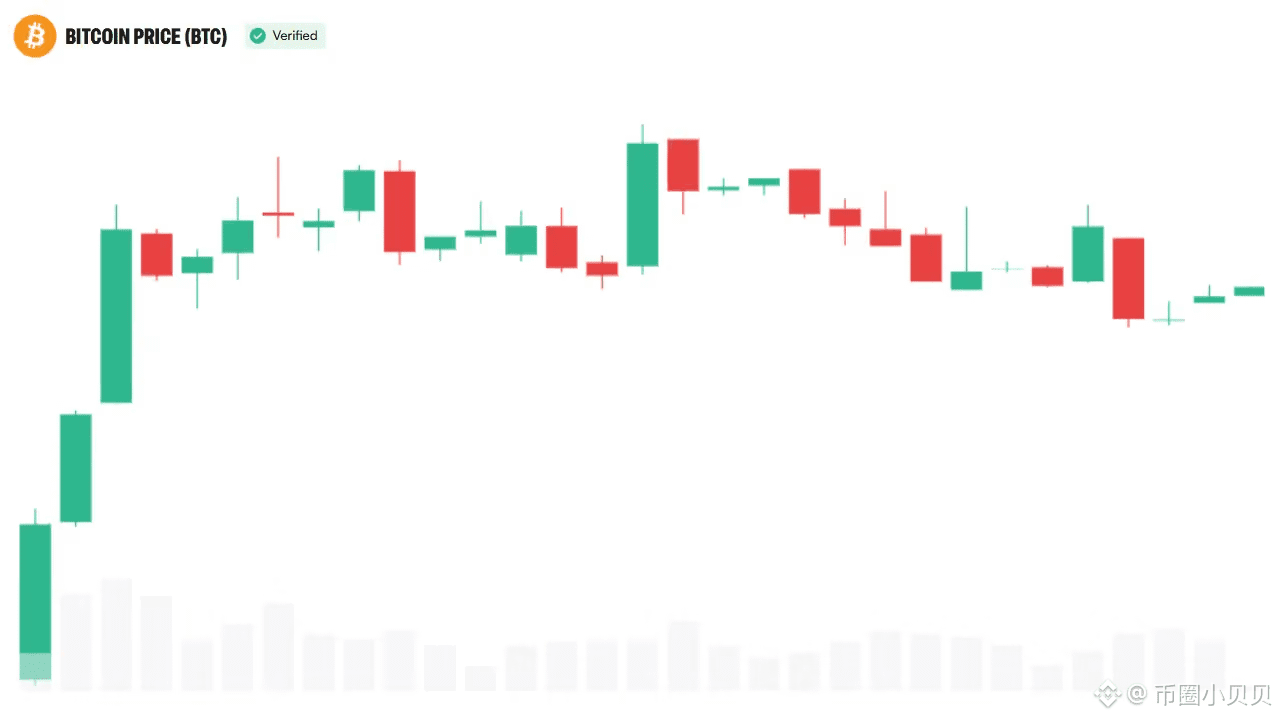
783
·
--
Verified
India is now stabilizing the rupee and is working out a rather special plan
It’s not just about the central bank continually selling dollars—India is instead turning its attention directly to overseas Indians
The Reserve Bank of India has introduced a special FX swap mechanism to encourage banks to make their foreign-currency deposits more attractive to non-resident Indian customers, so that overseas Indians’ dollar funds flow into India’s banking system
Real-time trading plan 🫶🏻[加入公开粉丝群](https://app.binance.com/uni-qr/6d5gRrvm)
The impact of this program has been even more obvious than initially expected. As of August 21, the FX inflows brought by these mechanisms have already reached about $73 billion, of which FCNR(B) deposits account for roughly $65.4 billion—an extremely large scale
Why is India putting so much importance on this money now?
Because the pressure on the rupee isn’t only a domestic issue. A stronger dollar, US interest rates, rising oil prices, and cross-border capital flows—all directly affect India’s foreign-exchange market
Recently, the rupee even fell to around 96. The market also believes the RBI has been continuously intervening in the FX market, while managing liquidity in the banking system via measures such as USD/INR swap operations
So, in essence, overseas Indians’ deposits are like adding an additional layer of FX buffer for India. Once funds come in, they can increase foreign-exchange reserves and give the central bank more room to operate when facing pressure from rupee depreciation
But there is an important point to note here
This does not mean the pressure on the rupee has disappeared, because if the dollar remains strong, oil prices stay high, and yields on US Treasuries continue to rise, India will still need to deal with pressures coming from external capital and import costs
Even recently, the RBI has been withdrawing excess liquidity from the banking system by selling bonds and the like—showing that stabilizing the exchange rate and managing domestic liquidity still need to be balanced at the same time
Put this in the context of the global market, and it gets even more interesting
More and more countries are trying to bring overseas capital back, because in an environment where dollar liquidity is relatively tight and global interest rates remain high, whoever has a larger foreign-exchange buffer has an extra layer of room to handle currency fluctuations
So what India is really worth watching this time isn’t just short-term rupee gains or losses
but the fact that a country is starting to actively turn its own overseas funds into a tool to stabilize its domestic financial system 👀
India is now stabilizing the rupee and is working out a rather special plan
It’s not just about the central bank continually selling dollars—India is instead turning its attention directly to overseas Indians
The Reserve Bank of India has introduced a special FX swap mechanism to encourage banks to make their foreign-currency deposits more attractive to non-resident Indian customers, so that overseas Indians’ dollar funds flow into India’s banking system
Real-time trading plan 🫶🏻加入公开粉丝群
The impact of this program has been even more obvious than initially expected. As of August 21, the FX inflows brought by these mechanisms have already reached about $73 billion, of which FCNR(B) deposits account for roughly $65.4 billion—an extremely large scale
Why is India putting so much importance on this money now?
Because the pressure on the rupee isn’t only a domestic issue. A stronger dollar, US interest rates, rising oil prices, and cross-border capital flows—all directly affect India’s foreign-exchange market
Recently, the rupee even fell to around 96. The market also believes the RBI has been continuously intervening in the FX market, while managing liquidity in the banking system via measures such as USD/INR swap operations
So, in essence, overseas Indians’ deposits are like adding an additional layer of FX buffer for India. Once funds come in, they can increase foreign-exchange reserves and give the central bank more room to operate when facing pressure from rupee depreciation
But there is an important point to note here
This does not mean the pressure on the rupee has disappeared, because if the dollar remains strong, oil prices stay high, and yields on US Treasuries continue to rise, India will still need to deal with pressures coming from external capital and import costs
Even recently, the RBI has been withdrawing excess liquidity from the banking system by selling bonds and the like—showing that stabilizing the exchange rate and managing domestic liquidity still need to be balanced at the same time
Put this in the context of the global market, and it gets even more interesting
More and more countries are trying to bring overseas capital back, because in an environment where dollar liquidity is relatively tight and global interest rates remain high, whoever has a larger foreign-exchange buffer has an extra layer of room to handle currency fluctuations
So what India is really worth watching this time isn’t just short-term rupee gains or losses
but the fact that a country is starting to actively turn its own overseas funds into a tool to stabilize its domestic financial system 👀
It’s not just about the central bank continually selling dollars—India is instead turning its attention directly to overseas Indians
The Reserve Bank of India has introduced a special FX swap mechanism to encourage banks to make their foreign-currency deposits more attractive to non-resident Indian customers, so that overseas Indians’ dollar funds flow into India’s banking system
Real-time trading plan 🫶🏻加入公开粉丝群
The impact of this program has been even more obvious than initially expected. As of August 21, the FX inflows brought by these mechanisms have already reached about $73 billion, of which FCNR(B) deposits account for roughly $65.4 billion—an extremely large scale
Why is India putting so much importance on this money now?
Because the pressure on the rupee isn’t only a domestic issue. A stronger dollar, US interest rates, rising oil prices, and cross-border capital flows—all directly affect India’s foreign-exchange market
Recently, the rupee even fell to around 96. The market also believes the RBI has been continuously intervening in the FX market, while managing liquidity in the banking system via measures such as USD/INR swap operations
So, in essence, overseas Indians’ deposits are like adding an additional layer of FX buffer for India. Once funds come in, they can increase foreign-exchange reserves and give the central bank more room to operate when facing pressure from rupee depreciation
But there is an important point to note here
This does not mean the pressure on the rupee has disappeared, because if the dollar remains strong, oil prices stay high, and yields on US Treasuries continue to rise, India will still need to deal with pressures coming from external capital and import costs
Even recently, the RBI has been withdrawing excess liquidity from the banking system by selling bonds and the like—showing that stabilizing the exchange rate and managing domestic liquidity still need to be balanced at the same time
Put this in the context of the global market, and it gets even more interesting
More and more countries are trying to bring overseas capital back, because in an environment where dollar liquidity is relatively tight and global interest rates remain high, whoever has a larger foreign-exchange buffer has an extra layer of room to handle currency fluctuations
So what India is really worth watching this time isn’t just short-term rupee gains or losses
but the fact that a country is starting to actively turn its own overseas funds into a tool to stabilize its domestic financial system 👀

25
·
--
$BTC $MSTR Many people who look at Bitcoin still stay at the “how high will the price go?” level.
But a noteworthy change recently is that on BTC, a new layer of financial market is slowly emerging—and its scale could be far larger than what we’re seeing today.
I’ll share a real-time market outlook 🙊[加入免费聊天室](https://app.binance.com/uni-qr/6d5gRrvm)
Dan Hillery of UTXO mentioned that the size of the digital credit market has already reached roughly $16 billion. And he believes that as Bitcoin financialization continues to advance, this market could even grow toward the $150 billion—on the order of magnitude of BTC itself ($15000 billion).
Note: this isn’t saying that BTC’s market cap is about to be surpassed right away. We’re talking about something entirely different— a market for credit, yield, and structured financial products built around BTC.
Now you can already see some early forms.
For example, STRC from #strategy and other senior securities in essence further packages a BTC balance sheet into credit-like products that traditional investors can understand.
UTXO also breaks this financialization into different layers: from BTC itself, to products that directly represent BTC, to securities built on BTC, and finally to structured products on top of those securities.
This means that in the future, Bitcoin’s value may not be only “how much someone is willing to pay for a coin.”
Instead, more and more financial products will begin to be priced on BTC, raise funding with it, generate yield, and distribute risk.
Previously, when everyone bought #BTC , they were buying an asset.
In the future, the market may increasingly be about “creating financial products” on top of BTC.
Of course, risks here also can’t be ignored.
Credit products are not the same as BTC spot. Priority, interest rates, liquidity, leverage, and the issuer’s balance sheet will all affect the final risk.
So if the digital credit market truly continues to expand, what’s more worth paying attention to for BTC may not be how much additional capital comes in, but how BTC’s role in the broader financial system is changing.
If this path continues to develop, Bitcoin may not just be a digital asset—it could increasingly function as a foundational asset that can support credit and capital-market products.
This shift may be worth monitoring long-term more than short-term up-and-down moves of $1,000 to $2,000 👀
$BTC $MSTR Many people who look at Bitcoin still stay at the “how high will the price go?” level.
But a noteworthy change recently is that on BTC, a new layer of financial market is slowly emerging—and its scale could be far larger than what we’re seeing today.
I’ll share a real-time market outlook 🙊加入免费聊天室
Dan Hillery of UTXO mentioned that the size of the digital credit market has already reached roughly $16 billion. And he believes that as Bitcoin financialization continues to advance, this market could even grow toward the $150 billion—on the order of magnitude of BTC itself ($15000 billion).
Note: this isn’t saying that BTC’s market cap is about to be surpassed right away. We’re talking about something entirely different— a market for credit, yield, and structured financial products built around BTC.
Now you can already see some early forms.
For example, STRC from #strategy and other senior securities in essence further packages a BTC balance sheet into credit-like products that traditional investors can understand.
UTXO also breaks this financialization into different layers: from BTC itself, to products that directly represent BTC, to securities built on BTC, and finally to structured products on top of those securities.
This means that in the future, Bitcoin’s value may not be only “how much someone is willing to pay for a coin.”
Instead, more and more financial products will begin to be priced on BTC, raise funding with it, generate yield, and distribute risk.
Previously, when everyone bought #BTC , they were buying an asset.
In the future, the market may increasingly be about “creating financial products” on top of BTC.
Of course, risks here also can’t be ignored.
Credit products are not the same as BTC spot. Priority, interest rates, liquidity, leverage, and the issuer’s balance sheet will all affect the final risk.
So if the digital credit market truly continues to expand, what’s more worth paying attention to for BTC may not be how much additional capital comes in, but how BTC’s role in the broader financial system is changing.
If this path continues to develop, Bitcoin may not just be a digital asset—it could increasingly function as a foundational asset that can support credit and capital-market products.
This shift may be worth monitoring long-term more than short-term up-and-down moves of $1,000 to $2,000 👀
But a noteworthy change recently is that on BTC, a new layer of financial market is slowly emerging—and its scale could be far larger than what we’re seeing today.
I’ll share a real-time market outlook 🙊加入免费聊天室
Dan Hillery of UTXO mentioned that the size of the digital credit market has already reached roughly $16 billion. And he believes that as Bitcoin financialization continues to advance, this market could even grow toward the $150 billion—on the order of magnitude of BTC itself ($15000 billion).
Note: this isn’t saying that BTC’s market cap is about to be surpassed right away. We’re talking about something entirely different— a market for credit, yield, and structured financial products built around BTC.
Now you can already see some early forms.
For example, STRC from #strategy and other senior securities in essence further packages a BTC balance sheet into credit-like products that traditional investors can understand.
UTXO also breaks this financialization into different layers: from BTC itself, to products that directly represent BTC, to securities built on BTC, and finally to structured products on top of those securities.
This means that in the future, Bitcoin’s value may not be only “how much someone is willing to pay for a coin.”
Instead, more and more financial products will begin to be priced on BTC, raise funding with it, generate yield, and distribute risk.
Previously, when everyone bought #BTC , they were buying an asset.
In the future, the market may increasingly be about “creating financial products” on top of BTC.
Of course, risks here also can’t be ignored.
Credit products are not the same as BTC spot. Priority, interest rates, liquidity, leverage, and the issuer’s balance sheet will all affect the final risk.
So if the digital credit market truly continues to expand, what’s more worth paying attention to for BTC may not be how much additional capital comes in, but how BTC’s role in the broader financial system is changing.
If this path continues to develop, Bitcoin may not just be a digital asset—it could increasingly function as a foundational asset that can support credit and capital-market products.
This shift may be worth monitoring long-term more than short-term up-and-down moves of $1,000 to $2,000 👀

123
·
--
The pressure South Korea has faced recently is no longer just about trade.
On one side, U.S. President Trump has continued to push South Korea to implement its investment arrangements with the United States. On the other side, security and military cooperation are also involved. They are negotiating several lines at the same time. What the Lee Jae-myung administration is dealing with now is a relatively complex policy balancing act.
Trending news ❤️[快乐聊天室](https://app.binance.com/uni-qr/6d5gRrvm)
Under last year’s U.S.-South Korea trade agreement, South Korea promised to invest $350 billion in the United States. In return, the U.S. set an upper limit on tariffs for Korean goods at 15%. But to date, neither side has fully worked out how this investment will be carried out in practice.
Of that amount, $150 billion has already been earmarked for the shipbuilding industry. The remaining roughly $200 billion for projects is still under discussion, including large-scale investment plans such as energy and nuclear power. The South Korean government has even postponed the meeting originally scheduled to brief the National Assembly on its investment plan, indicating that concrete terms are still in dispute.
Meanwhile, the U.S. is also pushing South Korea to take on a larger role in security issues in the Strait of Hormuz.
As a result, the problem has shifted from simply “how much money is invested” to being a package deal involving trade, energy, security, and foreign policy. South Korea needs to consider its alliance with the United States, as well as domestic different voices regarding large-scale overseas investment and military involvement.
What’s even more noteworthy is that these negotiations may also affect South Korea’s plans for semiconductors, energy, and manufacturing.
South Korea is home to major chip companies such as Samsung and SK hynix. At the same time, the U.S. is pushing for more AI and advanced manufacturing industries to take root domestically. In other words, South Korea’s investment in the U.S., chip trade, and future supply-chain arrangements are actually all interconnected.
So when looking at South Korea’s current policies, you can’t just focus on a single line like “Trump is pressuring them.”
What really needs to be watched is how the final allocation of the $350 billion investment will be determined, what trade terms South Korea will be able to secure, and whether security issues will become further linked to economic negotiations.
If these changes continue to expand, the impact will not only be felt in South Korea itself—it could also ripple into Asia’s manufacturing industry, semiconductor supply chains, and where dollar capital flows. What the market truly needs to pay attention to is whether these policy negotiations ultimately change the direction of corporate investment and capital flows 👀 #SKHYNIX
The pressure South Korea has faced recently is no longer just about trade.
On one side, U.S. President Trump has continued to push South Korea to implement its investment arrangements with the United States. On the other side, security and military cooperation are also involved. They are negotiating several lines at the same time. What the Lee Jae-myung administration is dealing with now is a relatively complex policy balancing act.
Trending news ❤️快乐聊天室
Under last year’s U.S.-South Korea trade agreement, South Korea promised to invest $350 billion in the United States. In return, the U.S. set an upper limit on tariffs for Korean goods at 15%. But to date, neither side has fully worked out how this investment will be carried out in practice.
Of that amount, $150 billion has already been earmarked for the shipbuilding industry. The remaining roughly $200 billion for projects is still under discussion, including large-scale investment plans such as energy and nuclear power. The South Korean government has even postponed the meeting originally scheduled to brief the National Assembly on its investment plan, indicating that concrete terms are still in dispute.
Meanwhile, the U.S. is also pushing South Korea to take on a larger role in security issues in the Strait of Hormuz.
As a result, the problem has shifted from simply “how much money is invested” to being a package deal involving trade, energy, security, and foreign policy. South Korea needs to consider its alliance with the United States, as well as domestic different voices regarding large-scale overseas investment and military involvement.
What’s even more noteworthy is that these negotiations may also affect South Korea’s plans for semiconductors, energy, and manufacturing.
South Korea is home to major chip companies such as Samsung and SK hynix. At the same time, the U.S. is pushing for more AI and advanced manufacturing industries to take root domestically. In other words, South Korea’s investment in the U.S., chip trade, and future supply-chain arrangements are actually all interconnected.
So when looking at South Korea’s current policies, you can’t just focus on a single line like “Trump is pressuring them.”
What really needs to be watched is how the final allocation of the $350 billion investment will be determined, what trade terms South Korea will be able to secure, and whether security issues will become further linked to economic negotiations.
If these changes continue to expand, the impact will not only be felt in South Korea itself—it could also ripple into Asia’s manufacturing industry, semiconductor supply chains, and where dollar capital flows. What the market truly needs to pay attention to is whether these policy negotiations ultimately change the direction of corporate investment and capital flows 👀 #SKHYNIX
On one side, U.S. President Trump has continued to push South Korea to implement its investment arrangements with the United States. On the other side, security and military cooperation are also involved. They are negotiating several lines at the same time. What the Lee Jae-myung administration is dealing with now is a relatively complex policy balancing act.
Trending news ❤️快乐聊天室
Under last year’s U.S.-South Korea trade agreement, South Korea promised to invest $350 billion in the United States. In return, the U.S. set an upper limit on tariffs for Korean goods at 15%. But to date, neither side has fully worked out how this investment will be carried out in practice.
Of that amount, $150 billion has already been earmarked for the shipbuilding industry. The remaining roughly $200 billion for projects is still under discussion, including large-scale investment plans such as energy and nuclear power. The South Korean government has even postponed the meeting originally scheduled to brief the National Assembly on its investment plan, indicating that concrete terms are still in dispute.
Meanwhile, the U.S. is also pushing South Korea to take on a larger role in security issues in the Strait of Hormuz.
As a result, the problem has shifted from simply “how much money is invested” to being a package deal involving trade, energy, security, and foreign policy. South Korea needs to consider its alliance with the United States, as well as domestic different voices regarding large-scale overseas investment and military involvement.
What’s even more noteworthy is that these negotiations may also affect South Korea’s plans for semiconductors, energy, and manufacturing.
South Korea is home to major chip companies such as Samsung and SK hynix. At the same time, the U.S. is pushing for more AI and advanced manufacturing industries to take root domestically. In other words, South Korea’s investment in the U.S., chip trade, and future supply-chain arrangements are actually all interconnected.
So when looking at South Korea’s current policies, you can’t just focus on a single line like “Trump is pressuring them.”
What really needs to be watched is how the final allocation of the $350 billion investment will be determined, what trade terms South Korea will be able to secure, and whether security issues will become further linked to economic negotiations.
If these changes continue to expand, the impact will not only be felt in South Korea itself—it could also ripple into Asia’s manufacturing industry, semiconductor supply chains, and where dollar capital flows. What the market truly needs to pay attention to is whether these policy negotiations ultimately change the direction of corporate investment and capital flows 👀 #SKHYNIX

178
·
--
$BTC $ETH #CLARITYAct Good news—there are new developments.
Earlier, a procedural vote in the Senate failed to advance the bill by a margin of 49 to 50. But now, seven Democratic senators—including Gillibrand—have renewed signals that this setback does not mean the negotiations are over. They are still willing to push for bipartisan cooperation.
Daily strategy 🤖[加入公开粉丝群](https://app.binance.com/uni-qr/6d5gRrvm)
The question is that the market and the industry are not getting any more optimistic just because of this statement.
After all, to move the CLARITY Act forward, it’s not just a matter of resolving simple partisan differences. Multiple complex issues need to be addressed, including crypto regulatory authority, token classification, DeFi versus self-custody, stablecoins, and conflicts of interest involving officials.
Also, previously the Senate needed 60 votes to proceed, and the actual vote is still clearly far from that threshold. So even if negotiations restart now and move toward a real legislative process, there’s still a long way to go in between.
That’s why some in the industry believe the more realistic path may be shifting from “passing legislation in Congress” to “regulators take the first step.”
The SEC and CFTC are already moving forward with relevant rulemaking. In the future, they may first build regulatory frameworks around areas like token classification, DeFi, self-custody, and the tokenization of assets.
But the biggest difference between the two is obvious.
Laws passed by Congress are generally more stable, whereas rules set by regulatory agencies may still be adjusted in the future. So what the market truly wants is a set of market-structure rules that can remain stable long term.
So this round of renewed Democratic negotiations feels, to the market, more like “the window is reopening,” rather than the CLARITY Act having definitively returned to a clear path toward passage.
For the short term, it’s enough to watch two things.
One is what specific amendment proposals these seven Democratic senators will come up with next. The other is whether the SEC and CFTC will continue推进 their own regulatory rules while the legislative process is stalled.
If bipartisan compromise really does emerge later on, policy expectations for crypto market structure could heat up again.
But until the specific text and voting outcomes are released, the market still needs to separate “renegotiation” from “actual passage.” 👀
There’s a lot of market news, but truly important items aren’t that many. I’ll help you filter the key points worth watching every day 🔎
$BTC $ETH #CLARITYAct Good news—there are new developments.
Earlier, a procedural vote in the Senate failed to advance the bill by a margin of 49 to 50. But now, seven Democratic senators—including Gillibrand—have renewed signals that this setback does not mean the negotiations are over. They are still willing to push for bipartisan cooperation.
Daily strategy 🤖加入公开粉丝群
The question is that the market and the industry are not getting any more optimistic just because of this statement.
After all, to move the CLARITY Act forward, it’s not just a matter of resolving simple partisan differences. Multiple complex issues need to be addressed, including crypto regulatory authority, token classification, DeFi versus self-custody, stablecoins, and conflicts of interest involving officials.
Also, previously the Senate needed 60 votes to proceed, and the actual vote is still clearly far from that threshold. So even if negotiations restart now and move toward a real legislative process, there’s still a long way to go in between.
That’s why some in the industry believe the more realistic path may be shifting from “passing legislation in Congress” to “regulators take the first step.”
The SEC and CFTC are already moving forward with relevant rulemaking. In the future, they may first build regulatory frameworks around areas like token classification, DeFi, self-custody, and the tokenization of assets.
But the biggest difference between the two is obvious.
Laws passed by Congress are generally more stable, whereas rules set by regulatory agencies may still be adjusted in the future. So what the market truly wants is a set of market-structure rules that can remain stable long term.
So this round of renewed Democratic negotiations feels, to the market, more like “the window is reopening,” rather than the CLARITY Act having definitively returned to a clear path toward passage.
For the short term, it’s enough to watch two things.
One is what specific amendment proposals these seven Democratic senators will come up with next. The other is whether the SEC and CFTC will continue推进 their own regulatory rules while the legislative process is stalled.
If bipartisan compromise really does emerge later on, policy expectations for crypto market structure could heat up again.
But until the specific text and voting outcomes are released, the market still needs to separate “renegotiation” from “actual passage.” 👀
There’s a lot of market news, but truly important items aren’t that many. I’ll help you filter the key points worth watching every day 🔎
Earlier, a procedural vote in the Senate failed to advance the bill by a margin of 49 to 50. But now, seven Democratic senators—including Gillibrand—have renewed signals that this setback does not mean the negotiations are over. They are still willing to push for bipartisan cooperation.
Daily strategy 🤖加入公开粉丝群
The question is that the market and the industry are not getting any more optimistic just because of this statement.
After all, to move the CLARITY Act forward, it’s not just a matter of resolving simple partisan differences. Multiple complex issues need to be addressed, including crypto regulatory authority, token classification, DeFi versus self-custody, stablecoins, and conflicts of interest involving officials.
Also, previously the Senate needed 60 votes to proceed, and the actual vote is still clearly far from that threshold. So even if negotiations restart now and move toward a real legislative process, there’s still a long way to go in between.
That’s why some in the industry believe the more realistic path may be shifting from “passing legislation in Congress” to “regulators take the first step.”
The SEC and CFTC are already moving forward with relevant rulemaking. In the future, they may first build regulatory frameworks around areas like token classification, DeFi, self-custody, and the tokenization of assets.
But the biggest difference between the two is obvious.
Laws passed by Congress are generally more stable, whereas rules set by regulatory agencies may still be adjusted in the future. So what the market truly wants is a set of market-structure rules that can remain stable long term.
So this round of renewed Democratic negotiations feels, to the market, more like “the window is reopening,” rather than the CLARITY Act having definitively returned to a clear path toward passage.
For the short term, it’s enough to watch two things.
One is what specific amendment proposals these seven Democratic senators will come up with next. The other is whether the SEC and CFTC will continue推进 their own regulatory rules while the legislative process is stalled.
If bipartisan compromise really does emerge later on, policy expectations for crypto market structure could heat up again.
But until the specific text and voting outcomes are released, the market still needs to separate “renegotiation” from “actual passage.” 👀
There’s a lot of market news, but truly important items aren’t that many. I’ll help you filter the key points worth watching every day 🔎

255
·
--
$BTC $ETH After the Fed’s rate hike was implemented this time, the market’s first reaction was indeed quite intense. However, the assessment from Grayscale is worth paying attention to.
They believe this rate hike is closer to a policy adjustment within a cycle rather than the restart of a prolonged tightening cycle similar to 2022.
Public group 🔥[看懂各大新闻](https://app.binance.com/uni-qr/6d5gRrvm)
Starting in March 2022, the Fed raised rates steadily. By July 2023, the cumulative increase totaled 525 basis points. This truly changed the market’s liquidity environment, and it also clearly raised the opportunity cost of holding non-yielding assets like BTC.
Now, the situation is different. In September, this move was only 25 basis points, pushing the interest rate range to 3.75%–4%. If, afterward, there are only one or two more hikes, that doesn’t necessarily mean the market is about to enter another long-term,持续 tightening cycle right away.
That’s also why Grayscale thinks there’s no need to simply interpret this rate hike as a “replay of 2022.”
Of course, this doesn’t mean BTC has nothing to fear from interest rates.
What really needs to be watched is whether the Fed will continue hiking, and whether inflation and U.S. Treasury yields will keep moving upward.
If rates are adjusted only slightly and the market has already priced it in early, the impact may be limited.
But if inflation re-accelerates, and the 10-year U.S. Treasury yield stays at a high level, with the cost of capital continuing to rise, risk assets will still face pressure.
So, looking at #BTC now, you shouldn’t focus only on the words “rate hike.”
More importantly, determine whether this is just one or two policy adjustments—or the beginning of a new round of long-term tightening.
Grayscale’s view is fairly clear for now: don’t directly equate this rate hike with the major tightening cycle of 2022.
What’s worth keeping an eye on next is the policy path in October, inflation data, and changes in Treasury yields.
Every day, I’ll help you break down new market developments—looking not only at surface-level gains and losses, but also at what capital and sentiment are really doing 👀
$BTC $ETH After the Fed’s rate hike was implemented this time, the market’s first reaction was indeed quite intense. However, the assessment from Grayscale is worth paying attention to.
They believe this rate hike is closer to a policy adjustment within a cycle rather than the restart of a prolonged tightening cycle similar to 2022.
Public group 🔥看懂各大新闻
Starting in March 2022, the Fed raised rates steadily. By July 2023, the cumulative increase totaled 525 basis points. This truly changed the market’s liquidity environment, and it also clearly raised the opportunity cost of holding non-yielding assets like BTC.
Now, the situation is different. In September, this move was only 25 basis points, pushing the interest rate range to 3.75%–4%. If, afterward, there are only one or two more hikes, that doesn’t necessarily mean the market is about to enter another long-term,持续 tightening cycle right away.
That’s also why Grayscale thinks there’s no need to simply interpret this rate hike as a “replay of 2022.”
Of course, this doesn’t mean BTC has nothing to fear from interest rates.
What really needs to be watched is whether the Fed will continue hiking, and whether inflation and U.S. Treasury yields will keep moving upward.
If rates are adjusted only slightly and the market has already priced it in early, the impact may be limited.
But if inflation re-accelerates, and the 10-year U.S. Treasury yield stays at a high level, with the cost of capital continuing to rise, risk assets will still face pressure.
So, looking at #BTC now, you shouldn’t focus only on the words “rate hike.”
More importantly, determine whether this is just one or two policy adjustments—or the beginning of a new round of long-term tightening.
Grayscale’s view is fairly clear for now: don’t directly equate this rate hike with the major tightening cycle of 2022.
What’s worth keeping an eye on next is the policy path in October, inflation data, and changes in Treasury yields.
Every day, I’ll help you break down new market developments—looking not only at surface-level gains and losses, but also at what capital and sentiment are really doing 👀
They believe this rate hike is closer to a policy adjustment within a cycle rather than the restart of a prolonged tightening cycle similar to 2022.
Public group 🔥看懂各大新闻
Starting in March 2022, the Fed raised rates steadily. By July 2023, the cumulative increase totaled 525 basis points. This truly changed the market’s liquidity environment, and it also clearly raised the opportunity cost of holding non-yielding assets like BTC.
Now, the situation is different. In September, this move was only 25 basis points, pushing the interest rate range to 3.75%–4%. If, afterward, there are only one or two more hikes, that doesn’t necessarily mean the market is about to enter another long-term,持续 tightening cycle right away.
That’s also why Grayscale thinks there’s no need to simply interpret this rate hike as a “replay of 2022.”
Of course, this doesn’t mean BTC has nothing to fear from interest rates.
What really needs to be watched is whether the Fed will continue hiking, and whether inflation and U.S. Treasury yields will keep moving upward.
If rates are adjusted only slightly and the market has already priced it in early, the impact may be limited.
But if inflation re-accelerates, and the 10-year U.S. Treasury yield stays at a high level, with the cost of capital continuing to rise, risk assets will still face pressure.
So, looking at #BTC now, you shouldn’t focus only on the words “rate hike.”
More importantly, determine whether this is just one or two policy adjustments—or the beginning of a new round of long-term tightening.
Grayscale’s view is fairly clear for now: don’t directly equate this rate hike with the major tightening cycle of 2022.
What’s worth keeping an eye on next is the policy path in October, inflation data, and changes in Treasury yields.
Every day, I’ll help you break down new market developments—looking not only at surface-level gains and losses, but also at what capital and sentiment are really doing 👀

423
Log in to explore more content
Join global crypto users on Binance Square
⚡️ Get latest and useful information about crypto.
💬 Trusted by the world’s largest crypto exchange.
👍 Discover real insights from verified creators.
Email / Phone number
Trending Topics
BTCBreaks80K
25,801 views
748 Discussing
🚨 BITCOIN $80K IS BACK IN FOCUS! 🔥
BTC is pushing toward the $80,000 psychological resistance after reclaiming the $78K zone. A clean breakout and hold above $80K could bring $82K–$85K into focus next. 📈
But traders need to watch the rejection zone carefully — losing $77K–$78K could trigger another pullback.
🎯 Key levels:
• 🔥 Breakout: $80K
• 🚀 Next zone: $82K–$85K
• ⚠️ Support: $77K–$78K
$80K isn’t just a number — it’s the level bulls need to conquer.
Are we about to see the next BTC breakout? 👇
#bitcoin #BTC #BinanceSquare #btcbreaks80k
$BTC
ASHFAQ NAEEM
·4 Likes
·4.8k views
BuffettBecomesBerkshireChairmanEmeritus
3,081 views
201 Discussing
ZcashSpotETFTops$230MMonthlyInflow
1,204 views
47 Discussing