

AH啊豪
5.2k Posts

AH啊豪
 Square Verified+
Report
Block User
项目早期撸毛人|撸到A8退圈|链上勤耕耘,空投看天命。
High-Frequency Trader
5.7 Years
610 Following
51.9K+ Followers
28.9K+ Liked
Posts
All
Quotes
Live
PINNED
·
--
The primary market MeMe sector is already bursting with stars!
Now even Binance events are moving toward the wallet direction. This trend has already emerged, and MeMe projects listed on Alpha are even taking off like a rocket! If you still haven’t linked a wallet referral code, hurry up and do it now!
Limited-time personal event: To complete the season assessment, anyone who binds the Ah Hao wallet referral code will receive 2U as a reward, and the reward ratio is also the highest allowed on the platform, with automatic return!
After binding, send a screenshot in the group and receive it directly!
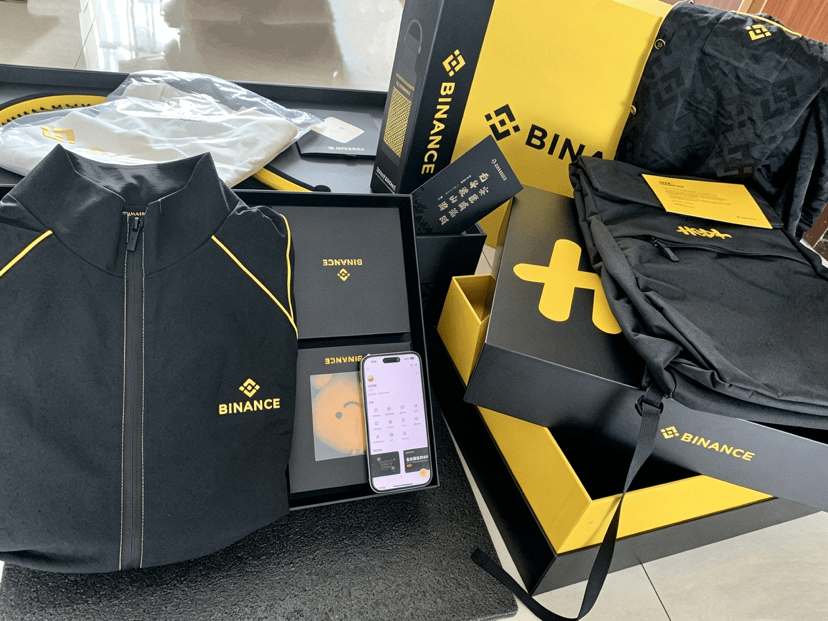
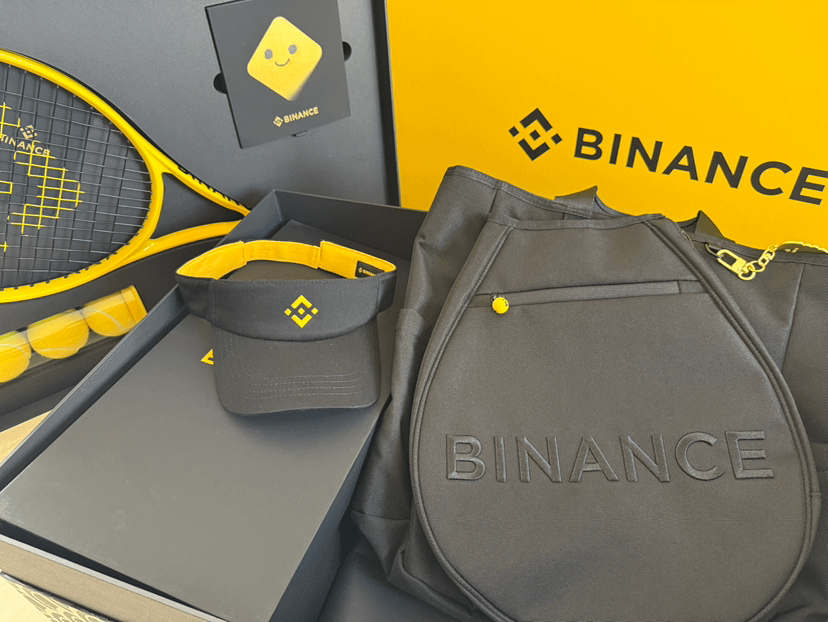
In addition, the 500th person will receive Binance insulated cup merch,
The 550th person will receive a Binance pendant,
The 588th person will receive a Binance T-shirt (M size, EU size),
The 650th person will receive Binance slippers!
If your trading volume is large or you are a team leader, you can choose more merch!
Binding steps:
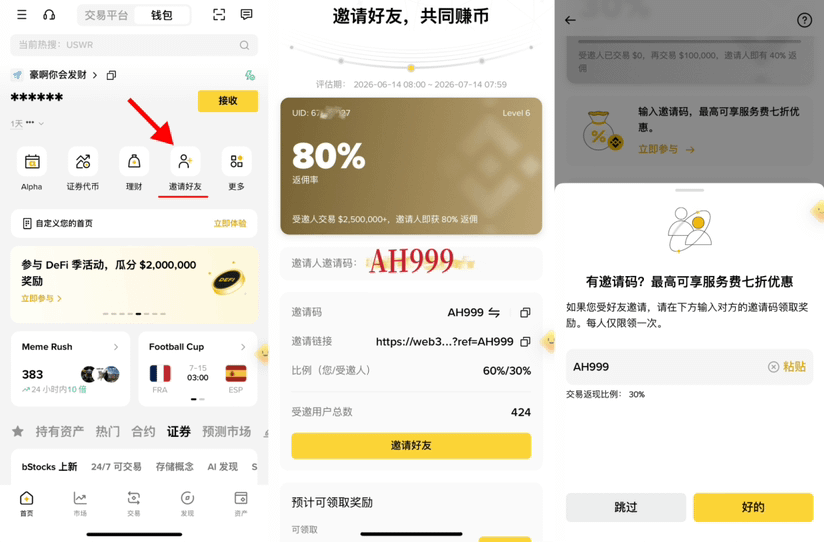
Enter the Binance Wallet → Home → Select Invite Friends → Enter AH999 → Bind and then send a screenshot to the group → Receive 2U or merch!
#BinanceWallet
The primary market MeMe sector is already bursting with stars!
Now even Binance events are moving toward the wallet direction. This trend has already emerged, and MeMe projects listed on Alpha are even taking off like a rocket! If you still haven’t linked a wallet referral code, hurry up and do it now!
Limited-time personal event: To complete the season assessment, anyone who binds the Ah Hao wallet referral code will receive 2U as a reward, and the reward ratio is also the highest allowed on the platform, with automatic return!
After binding, send a screenshot in the group and receive it directly!
In addition, the 500th person will receive Binance insulated cup merch,
The 550th person will receive a Binance pendant,
The 588th person will receive a Binance T-shirt (M size, EU size),
The 650th person will receive Binance slippers!
If your trading volume is large or you are a team leader, you can choose more merch!
Binding steps:
Enter the Binance Wallet → Home → Select Invite Friends → Enter AH999 → Bind and then send a screenshot to the group → Receive 2U or merch!
#BinanceWallet
Now even Binance events are moving toward the wallet direction. This trend has already emerged, and MeMe projects listed on Alpha are even taking off like a rocket! If you still haven’t linked a wallet referral code, hurry up and do it now!
Limited-time personal event: To complete the season assessment, anyone who binds the Ah Hao wallet referral code will receive 2U as a reward, and the reward ratio is also the highest allowed on the platform, with automatic return!
After binding, send a screenshot in the group and receive it directly!
In addition, the 500th person will receive Binance insulated cup merch,
The 550th person will receive a Binance pendant,
The 588th person will receive a Binance T-shirt (M size, EU size),
The 650th person will receive Binance slippers!
If your trading volume is large or you are a team leader, you can choose more merch!
Binding steps:
Enter the Binance Wallet → Home → Select Invite Friends → Enter AH999 → Bind and then send a screenshot to the group → Receive 2U or merch!
#BinanceWallet
15
20
2.1k
·
--
Bearish
30D trade $ZEC 745.4K USDT
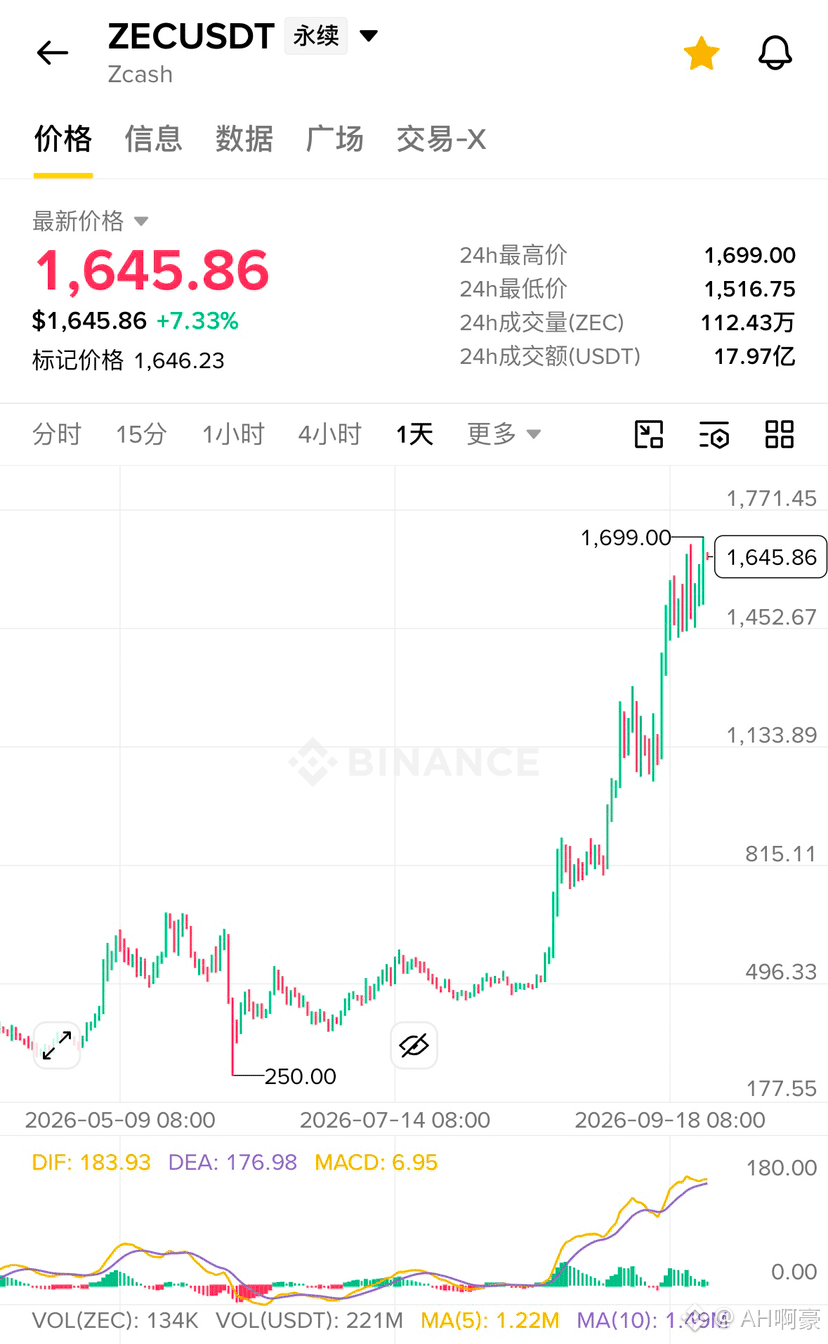
Ever since ZEC reached 1000, I’ve been starting to short. It’s already been blown up 3 times. I’ve stopped out so many times I don’t even know how many!
If I’m guilty, punish me by law,
not let $ZEC torture me!
$ZEC
#ZEC突破1600美元创新高
{future}(ZECUSDT)
Ever since ZEC reached 1000, I’ve been starting to short. It’s already been blown up 3 times. I’ve stopped out so many times I don’t even know how many!
If I’m guilty, punish me by law,
not let $ZEC torture me!
$ZEC
#ZEC突破1600美元创新高
If I’m guilty, punish me by law,
not let $ZEC torture me!
$ZEC
#ZEC突破1600美元创新高
27
1
18
20.8k
·
--
Bearish
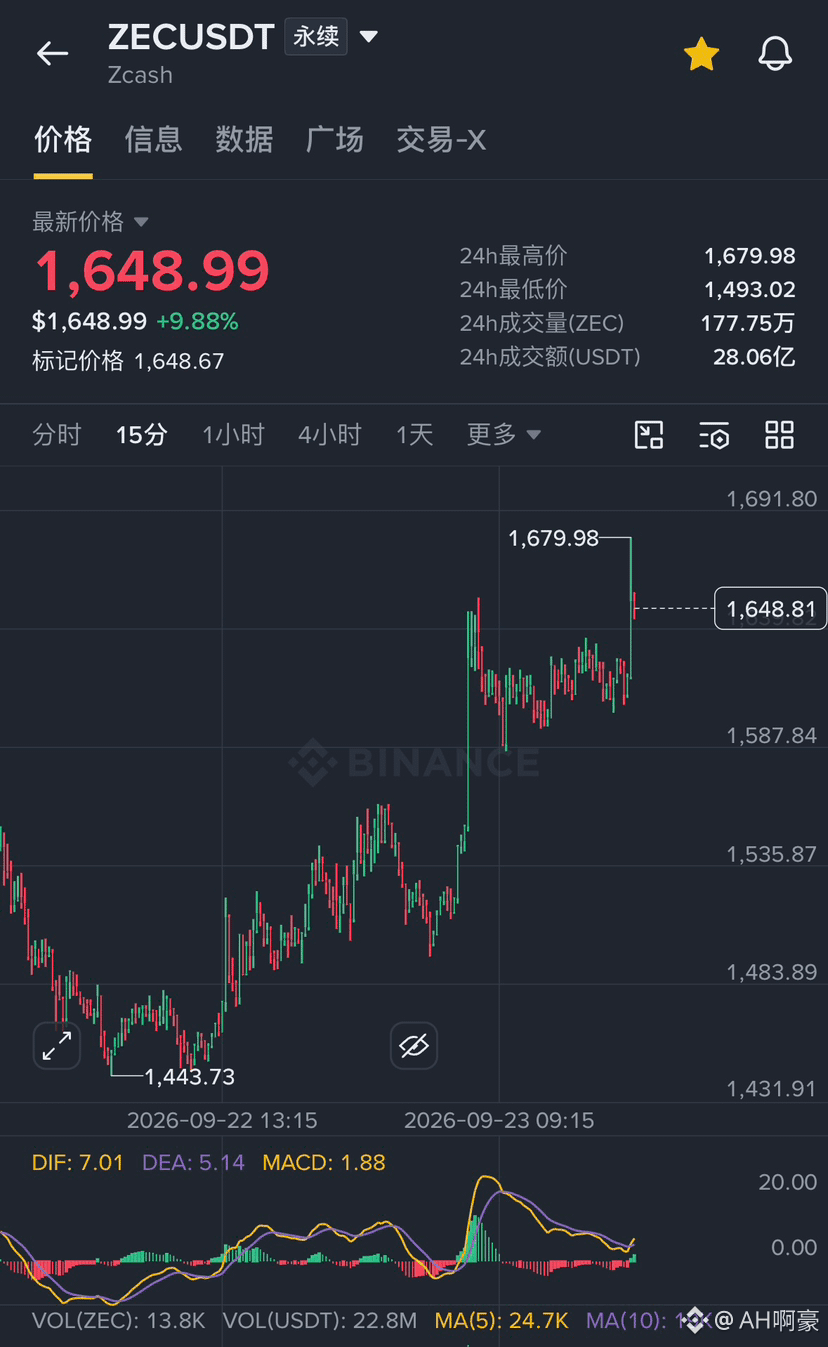
What the hell! This ZEC is really not for humans to play— the emptier it gets, the more it goes up. It’s already spiked several times!
Why keep stubbornly fighting it? I’m really bleeding out!
I’m genuinely beaten into submission. Now I’ll just keep a position to hold onto the hope/memory, and at least I opened 20 stop-losses yesterday for 1600, so I neither got margin-liquidated nor kept stubbornly holding to death!
#ZEC突破1600美元创新高
What the hell! This ZEC is really not for humans to play— the emptier it gets, the more it goes up. It’s already spiked several times!
Why keep stubbornly fighting it? I’m really bleeding out!
I’m genuinely beaten into submission. Now I’ll just keep a position to hold onto the hope/memory, and at least I opened 20 stop-losses yesterday for 1600, so I neither got margin-liquidated nor kept stubbornly holding to death!
#ZEC突破1600美元创新高
Why keep stubbornly fighting it? I’m really bleeding out!
I’m genuinely beaten into submission. Now I’ll just keep a position to hold onto the hope/memory, and at least I opened 20 stop-losses yesterday for 1600, so I neither got margin-liquidated nor kept stubbornly holding to death!
#ZEC突破1600美元创新高
6
7
3k
·
--
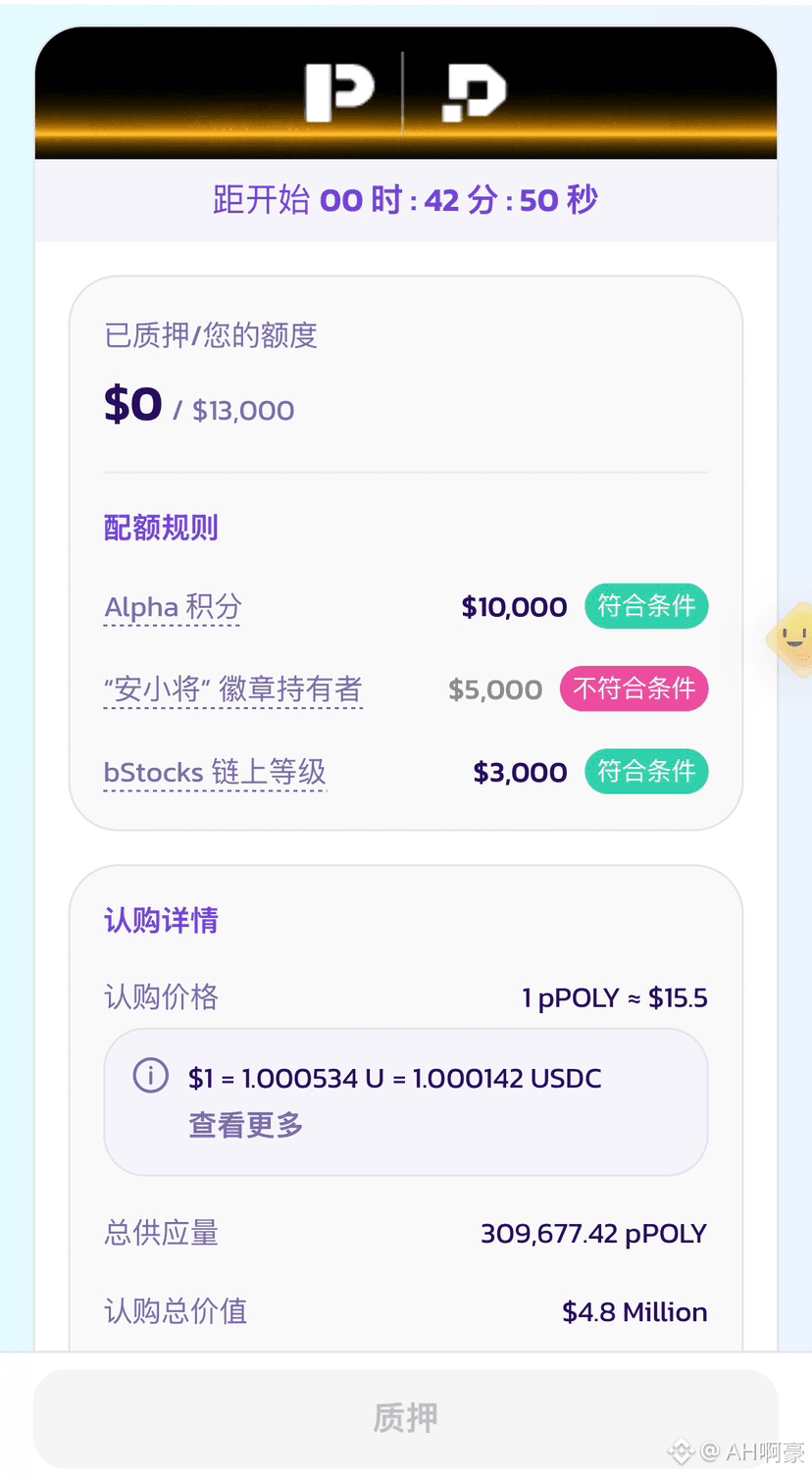
The Binance wallet’s new Pre-Access event for the upcoming subscription (打新) that I’ve been eagerly waiting for is about to start—are you ready to go all in?!
I heard it’s first-come, first-served. I don’t know which token they’ll use, so I’ll prepare some USDC first…
The basic allocation is around 13,000, so it feels like it’ll be fully subscribed in just a few minutes.
The Binance wallet’s new Pre-Access event for the upcoming subscription (打新) that I’ve been eagerly waiting for is about to start—are you ready to go all in?!
I heard it’s first-come, first-served. I don’t know which token they’ll use, so I’ll prepare some USDC first…
The basic allocation is around 13,000, so it feels like it’ll be fully subscribed in just a few minutes.
I heard it’s first-come, first-served. I don’t know which token they’ll use, so I’ll prepare some USDC first…
The basic allocation is around 13,000, so it feels like it’ll be fully subscribed in just a few minutes.
5
2
2.1k
·
--
Bearish
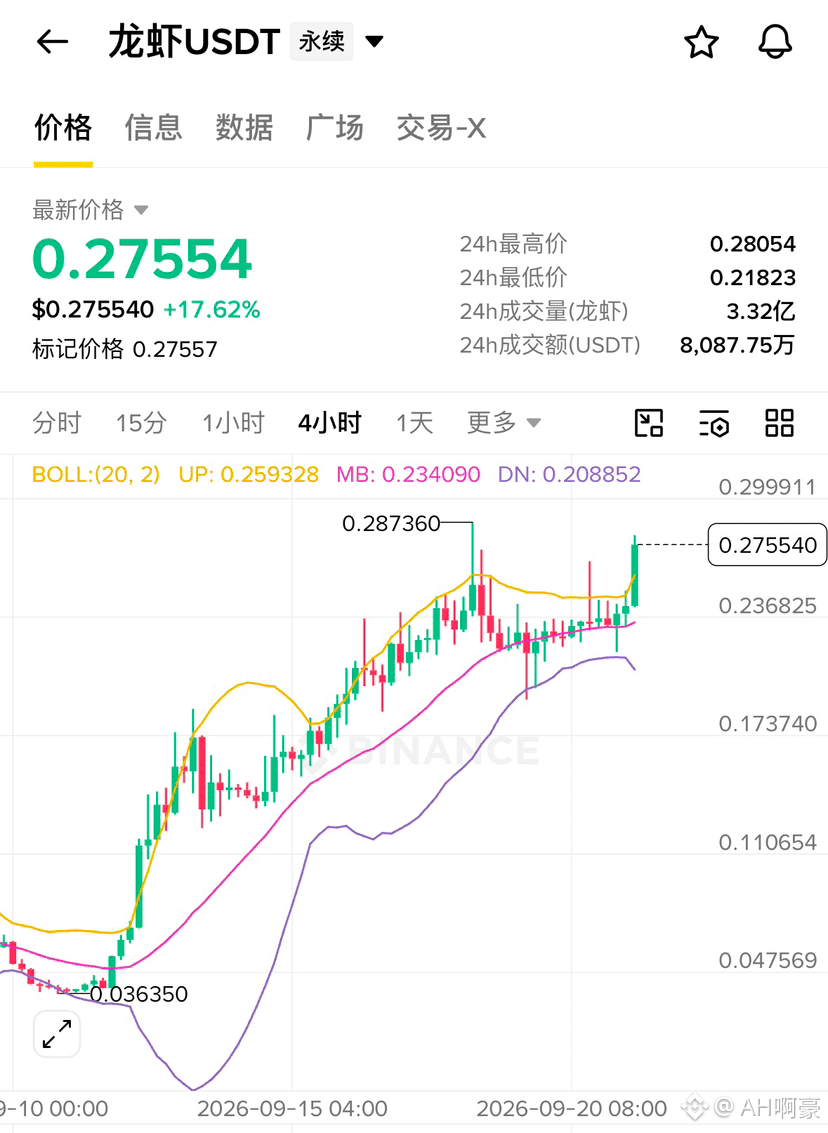
The lobster is about to make another new high—there are a bunch of small short positions that got liquidated, and now they’re eating them up and trapping me. I’m just waiting for a waterfall!
The more it goes up, the more I short— the more it goes up, the more excited I get!
$龙虾
#龙虾
#Ethereum breaks $2700
The lobster is about to make another new high—there are a bunch of small short positions that got liquidated, and now they’re eating them up and trapping me. I’m just waiting for a waterfall!
The more it goes up, the more I short— the more it goes up, the more excited I get!
$龙虾
#龙虾
#Ethereum breaks $2700
The more it goes up, the more I short— the more it goes up, the more excited I get!
$龙虾
#龙虾
#Ethereum breaks $2700
1
1.4k
·
--
Bearish
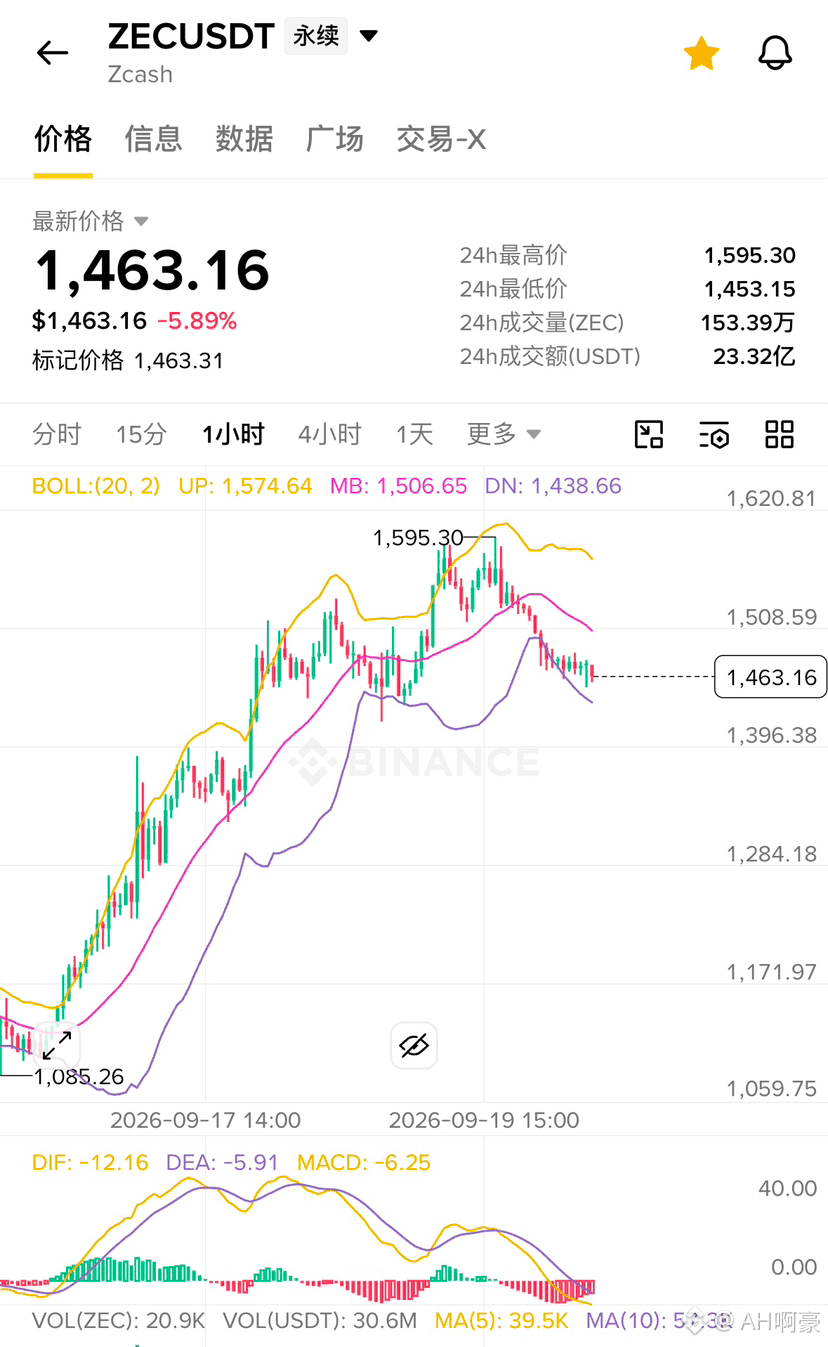
After waiting through the clouds to see the moon bright, ZEC finally came down as expected!
Unfortunately, it got blown out a few times, so I didn’t dare to add more, and I could only hold an ant-sized position. Yesterday I saw a double top and wanted to add, but then I canceled. During the counter-order, I kept adding; when the floating profit came, I wanted to run—haha!
Now the ZEC hourly chart has already broken down. If the market consolidates or moves downward, it’s very likely to keep falling. The strong support level is around 1420. Today I’ll continue short $ZEC .
#日本央行加息至31年高位
After waiting through the clouds to see the moon bright, ZEC finally came down as expected!
Unfortunately, it got blown out a few times, so I didn’t dare to add more, and I could only hold an ant-sized position. Yesterday I saw a double top and wanted to add, but then I canceled. During the counter-order, I kept adding; when the floating profit came, I wanted to run—haha!
Now the ZEC hourly chart has already broken down. If the market consolidates or moves downward, it’s very likely to keep falling. The strong support level is around 1420. Today I’ll continue short $ZEC .
#日本央行加息至31年高位
Unfortunately, it got blown out a few times, so I didn’t dare to add more, and I could only hold an ant-sized position. Yesterday I saw a double top and wanted to add, but then I canceled. During the counter-order, I kept adding; when the floating profit came, I wanted to run—haha!
Now the ZEC hourly chart has already broken down. If the market consolidates or moves downward, it’s very likely to keep falling. The strong support level is around 1420. Today I’ll continue short $ZEC .
#日本央行加息至31年高位
3
1
2.6k
·
--
Bullish
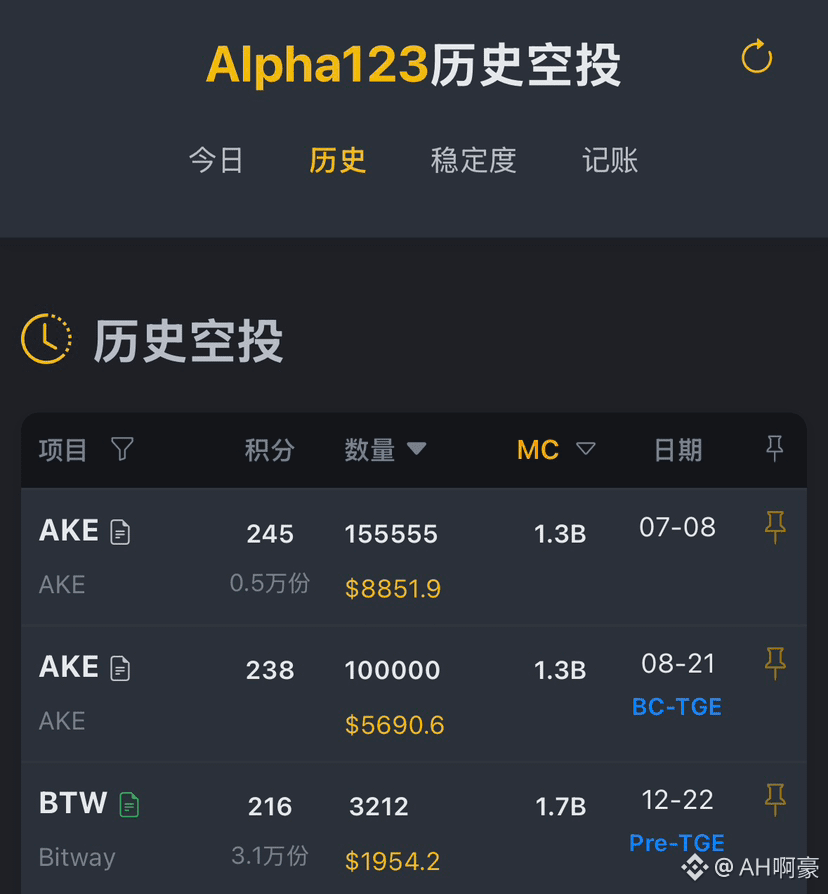
This year, the strongest Alpha demon king has appeared again!
After I missed the MYX air drop last year, I told myself that from now on I would keep an open mind about every Alpha air drop—what if another demon king shows up?
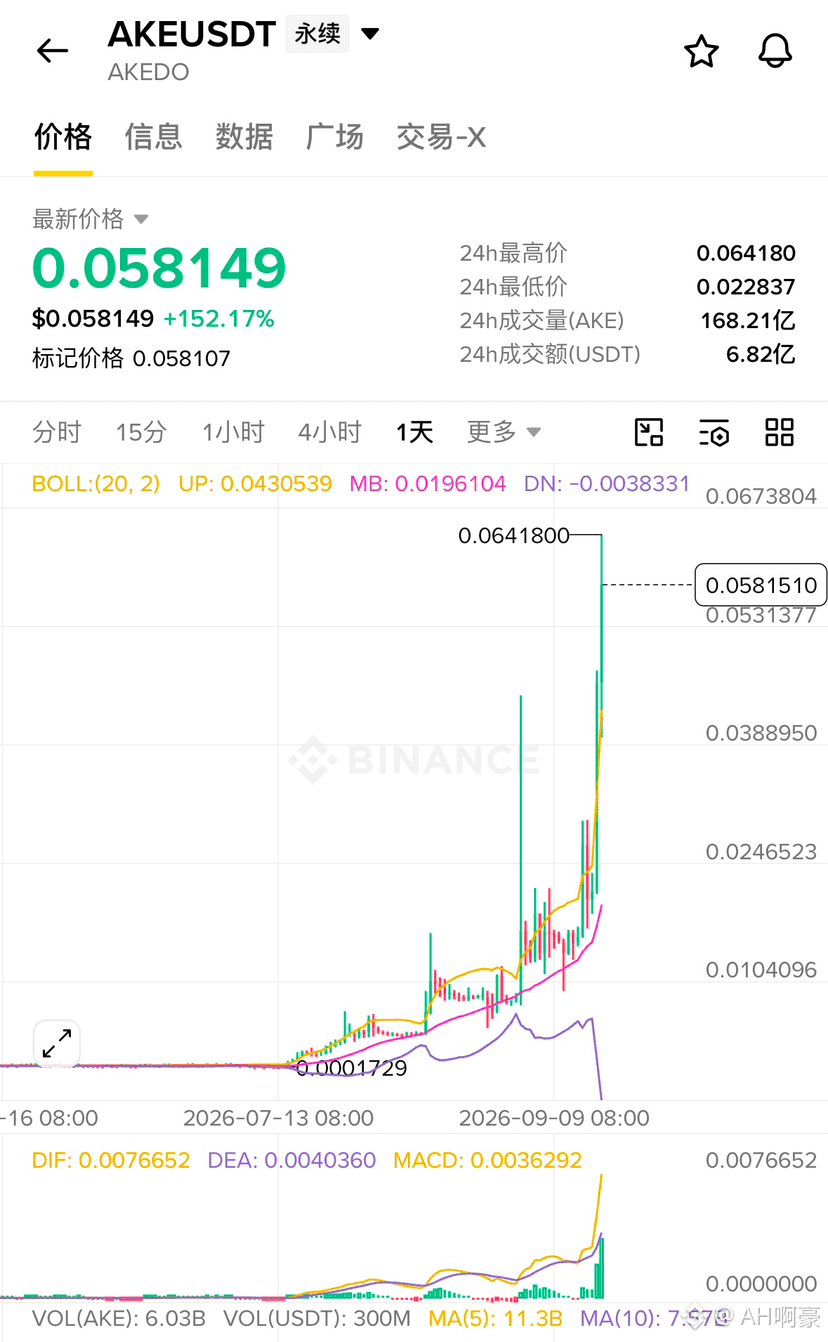
I did it! I sent all the air drops I got to a cold wallet. The demon king appeared too, but after looking around everywhere, I couldn’t find AKE. That’s when I realized I probably didn’t have enough points back then, so I didn’t manage to抢 it! $AKE
Now it’s worth $9,000. Dear Alpha user, we’ve air dropped you a car again—won’t you, yet again, just turn it into a set of wheels?
#比特币市值超越特斯拉
{future}(AKEUSDT)
This year, the strongest Alpha demon king has appeared again!
After I missed the MYX air drop last year, I told myself that from now on I would keep an open mind about every Alpha air drop—what if another demon king shows up?
I did it! I sent all the air drops I got to a cold wallet. The demon king appeared too, but after looking around everywhere, I couldn’t find AKE. That’s when I realized I probably didn’t have enough points back then, so I didn’t manage to抢 it! $AKE
Now it’s worth $9,000. Dear Alpha user, we’ve air dropped you a car again—won’t you, yet again, just turn it into a set of wheels?
#比特币市值超越特斯拉
After I missed the MYX air drop last year, I told myself that from now on I would keep an open mind about every Alpha air drop—what if another demon king shows up?
I did it! I sent all the air drops I got to a cold wallet. The demon king appeared too, but after looking around everywhere, I couldn’t find AKE. That’s when I realized I probably didn’t have enough points back then, so I didn’t manage to抢 it! $AKE
Now it’s worth $9,000. Dear Alpha user, we’ve air dropped you a car again—won’t you, yet again, just turn it into a set of wheels?
#比特币市值超越特斯拉
23
36
22.4k
·
--
Finally got to ride a wave of ETH gains,
made back what I earned from liquidating ZEC positions!
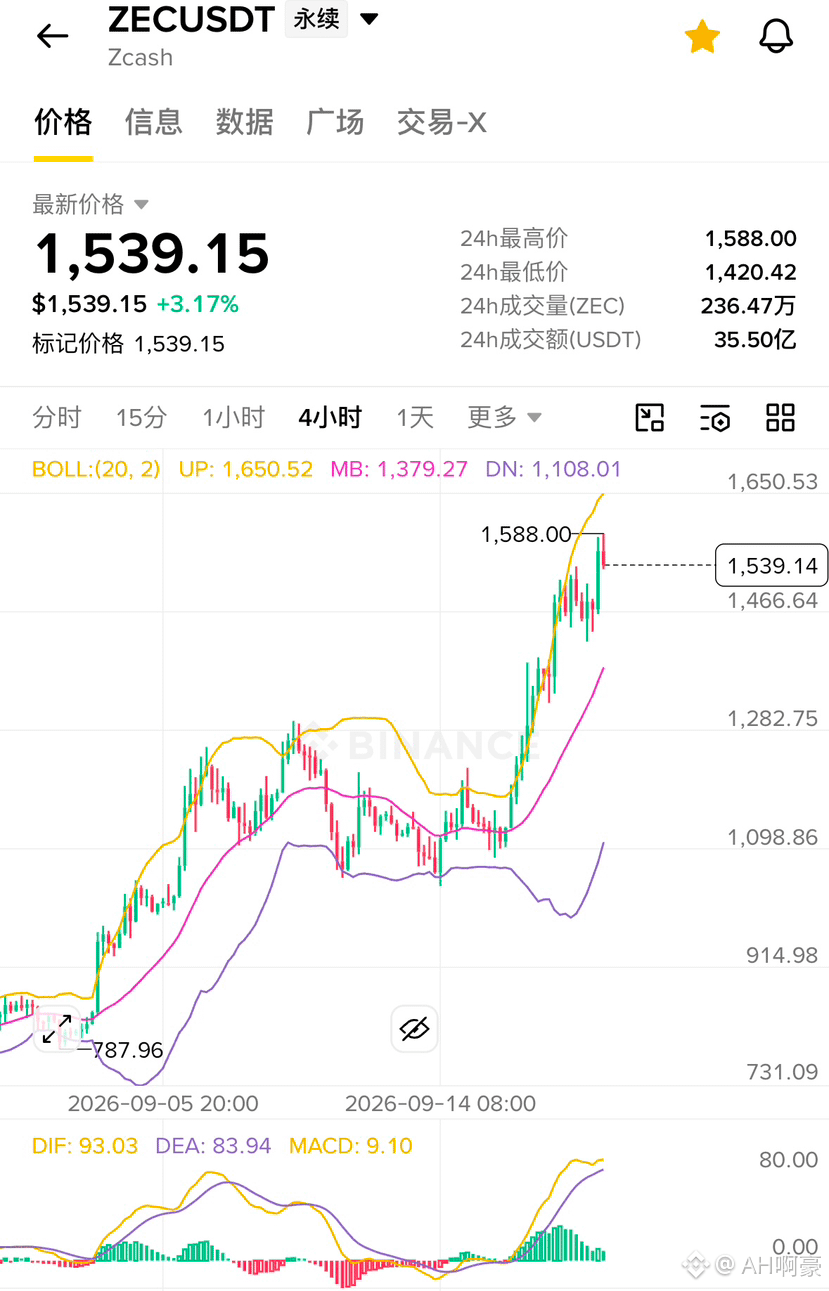
Keep shorting ZEC— I don’t believe it won’t get squeezed twice more; I’ve tried and I won’t lose twice.
No more than three times—now that you can see those shorts have been wiped out, you know it’s time to enter. It’s already up to 1600; the short sellers are basically dead— it can’t keep going up forever!
#比特币突破8万美元大关
#以太坊重回2600美元
Finally got to ride a wave of ETH gains,
made back what I earned from liquidating ZEC positions!
Keep shorting ZEC— I don’t believe it won’t get squeezed twice more; I’ve tried and I won’t lose twice.
No more than three times—now that you can see those shorts have been wiped out, you know it’s time to enter. It’s already up to 1600; the short sellers are basically dead— it can’t keep going up forever!
#比特币突破8万美元大关
#以太坊重回2600美元
made back what I earned from liquidating ZEC positions!
Keep shorting ZEC— I don’t believe it won’t get squeezed twice more; I’ve tried and I won’t lose twice.
No more than three times—now that you can see those shorts have been wiped out, you know it’s time to enter. It’s already up to 1600; the short sellers are basically dead— it can’t keep going up forever!
#比特币突破8万美元大关
#以太坊重回2600美元
2
1.4k
·
--
Bullish
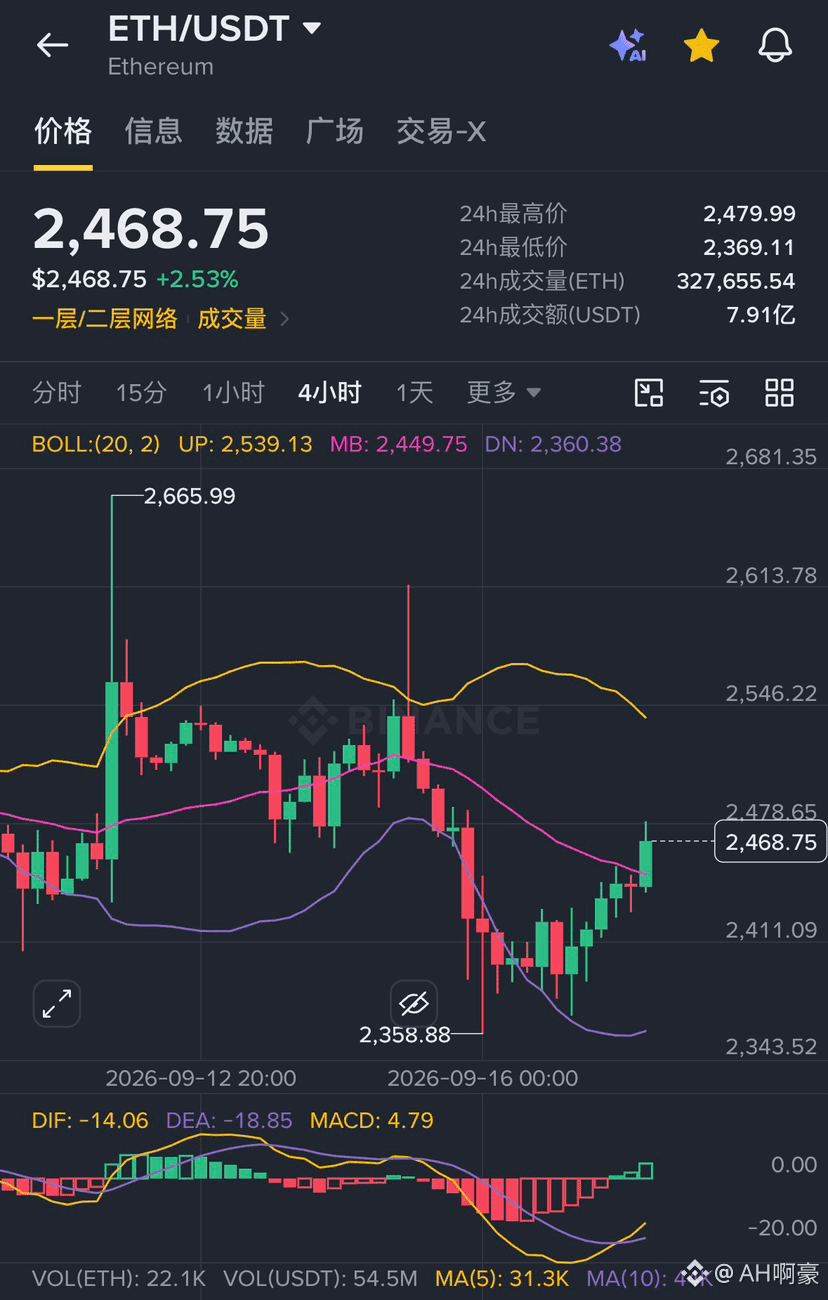
Bad news fully absorbed is good news!
The angle has been laid out,
can we come to a new recent high?
Yesterday I got completely wrecked by ZEC, seriously TMD.
Can my aunt let me get some blood back? Please, please!
#美联储SEP预计2026利率4.1%
#美众院推进比特币储备法案
Bad news fully absorbed is good news!
The angle has been laid out,
can we come to a new recent high?
Yesterday I got completely wrecked by ZEC, seriously TMD.
Can my aunt let me get some blood back? Please, please!
#美联储SEP预计2026利率4.1%
#美众院推进比特币储备法案
The angle has been laid out,
can we come to a new recent high?
Yesterday I got completely wrecked by ZEC, seriously TMD.
Can my aunt let me get some blood back? Please, please!
#美联储SEP预计2026利率4.1%
#美众院推进比特币储备法案
2
2
2.5k
·
--
Bearish
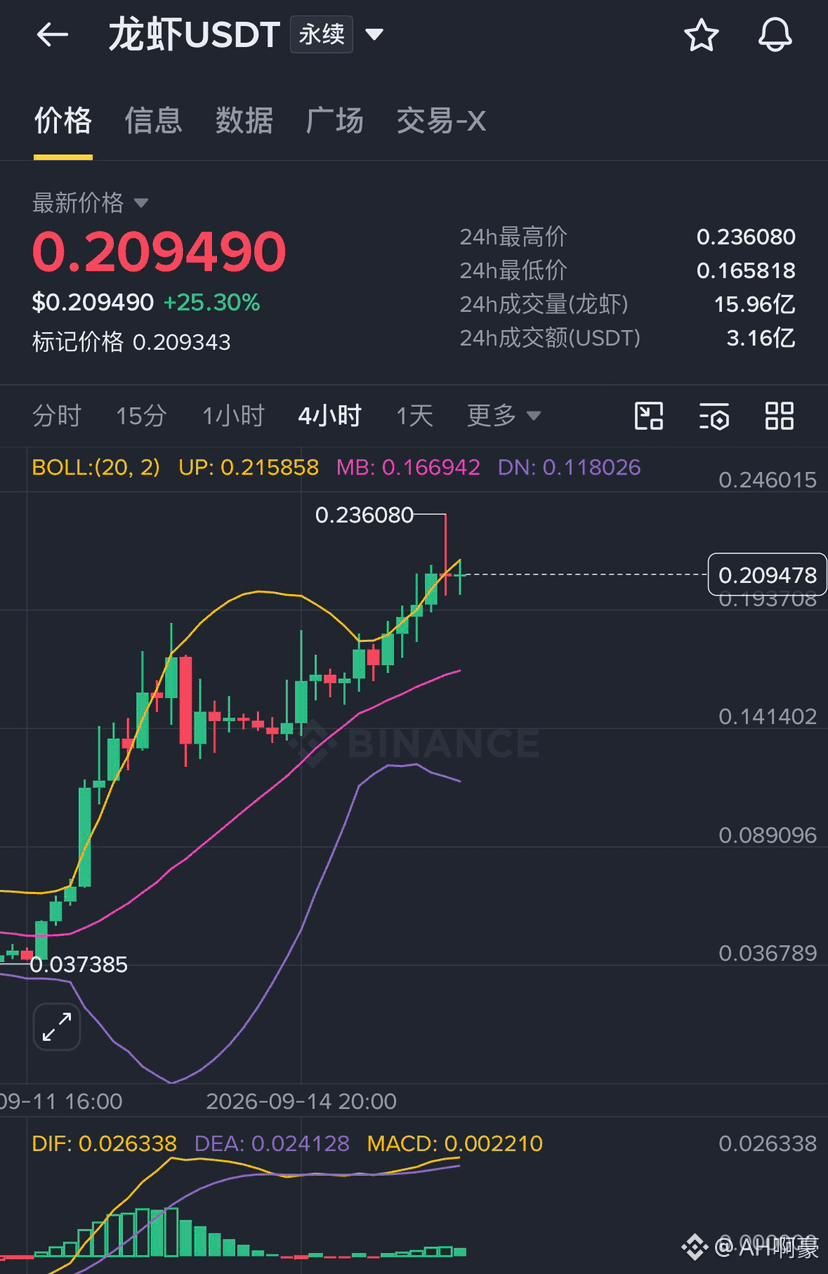
I think $龙虾 can enter the market—let it go quiet!
On the four-hour line, it formed a long upper wick while rallying to the 0.236080 high point, then got smashed back to around 0.209, pulling out a very long upper wick. The bulls tried to break into a new high, but sell pressure from above directly slammed the market; sell orders at the high level piled up and surged. The price briefly pierced above the Bollinger Band upper rail at 0.2158, but couldn’t hold—then quickly dropped back inside the Bollinger channel.
The bulls are exhausted; it’s time for the bears’ celebration!
A bunch of people are trapped around 0.1, and they still don’t dare to short—so when will they wait until?
You can enter with a small position to test the waters!
#Bitcoin drops 4%
I think $龙虾 can enter the market—let it go quiet!
On the four-hour line, it formed a long upper wick while rallying to the 0.236080 high point, then got smashed back to around 0.209, pulling out a very long upper wick. The bulls tried to break into a new high, but sell pressure from above directly slammed the market; sell orders at the high level piled up and surged. The price briefly pierced above the Bollinger Band upper rail at 0.2158, but couldn’t hold—then quickly dropped back inside the Bollinger channel.
The bulls are exhausted; it’s time for the bears’ celebration!
A bunch of people are trapped around 0.1, and they still don’t dare to short—so when will they wait until?
You can enter with a small position to test the waters!
#Bitcoin drops 4%
On the four-hour line, it formed a long upper wick while rallying to the 0.236080 high point, then got smashed back to around 0.209, pulling out a very long upper wick. The bulls tried to break into a new high, but sell pressure from above directly slammed the market; sell orders at the high level piled up and surged. The price briefly pierced above the Bollinger Band upper rail at 0.2158, but couldn’t hold—then quickly dropped back inside the Bollinger channel.
The bulls are exhausted; it’s time for the bears’ celebration!
A bunch of people are trapped around 0.1, and they still don’t dare to short—so when will they wait until?
You can enter with a small position to test the waters!
#Bitcoin drops 4%
2
3
1.4k
·
--
Bearish
Verified
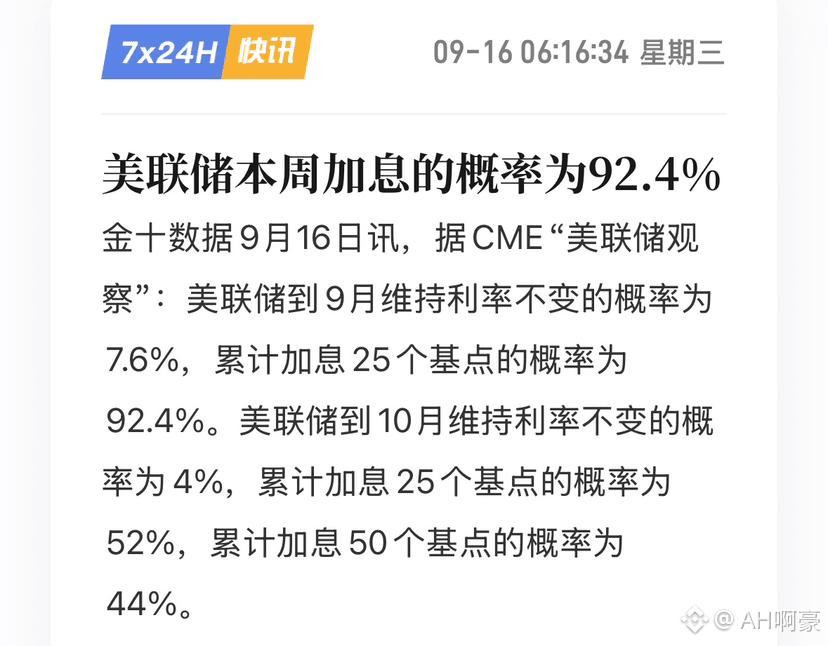
Tonight’s Federal Reserve interest rate decision—hikes are basically a sure thing. The market has priced in a probability of around 90%. The August core CPI month-on-month rose to 0.3%, clearly surpassing the psychological threshold of 0.2%. Goldman Sachs and JPMorgan have both changed their stance within the week, moving from “hold steady” to “a rate hike in September.” But I think the real focus tonight isn’t whether they hike—it’s what happens after the hike. This is very likely not a one-off, but the starting point for a new round of tightening.
In the crypto market, I’ve been bearish these past few days, and it’s been consistently working out. BTC has been grinding around the 76,000 level repeatedly, while ETH has directly fallen below 2,400, with a larger drawdown than BTC. A rate hike being carried out is itself a signal of tighter liquidity. If the dot plot also releases the message that another increase could come within the year, then if BTC effectively breaks below 76,000, the next level to watch would be 74,000 to 75,000. And ETH doesn’t need to be said further—high-beta assets tend to move inversely in a tightening environment.
As for US stocks and gold, I’m also bearish. CICC says short-term disruptions in US stocks provide a better entry point, which is said from a buyer’s perspective. But on the trading side, the initial valuation pressure from a rate hike is real—especially for rate-sensitive sectors like the Nasdaq. Gold has already fallen to around 4,253 and hit a one-month low. As real interest rates move higher, the opportunity cost of holding gold rises as well. TD Securities’ downside target is 4,200.
My personal view: the rate hike being implemented isn’t “bad news exhausted”; it’s the beginning of a sequence of hikes. Don’t rush to bottom-fish. And don’t go against the market. Stay mainly bearish and follow the big trend.
#美联储加息是否已成定局
Tonight’s Federal Reserve interest rate decision—hikes are basically a sure thing. The market has priced in a probability of around 90%. The August core CPI month-on-month rose to 0.3%, clearly surpassing the psychological threshold of 0.2%. Goldman Sachs and JPMorgan have both changed their stance within the week, moving from “hold steady” to “a rate hike in September.” But I think the real focus tonight isn’t whether they hike—it’s what happens after the hike. This is very likely not a one-off, but the starting point for a new round of tightening.
In the crypto market, I’ve been bearish these past few days, and it’s been consistently working out. BTC has been grinding around the 76,000 level repeatedly, while ETH has directly fallen below 2,400, with a larger drawdown than BTC. A rate hike being carried out is itself a signal of tighter liquidity. If the dot plot also releases the message that another increase could come within the year, then if BTC effectively breaks below 76,000, the next level to watch would be 74,000 to 75,000. And ETH doesn’t need to be said further—high-beta assets tend to move inversely in a tightening environment.
As for US stocks and gold, I’m also bearish. CICC says short-term disruptions in US stocks provide a better entry point, which is said from a buyer’s perspective. But on the trading side, the initial valuation pressure from a rate hike is real—especially for rate-sensitive sectors like the Nasdaq. Gold has already fallen to around 4,253 and hit a one-month low. As real interest rates move higher, the opportunity cost of holding gold rises as well. TD Securities’ downside target is 4,200.
My personal view: the rate hike being implemented isn’t “bad news exhausted”; it’s the beginning of a sequence of hikes. Don’t rush to bottom-fish. And don’t go against the market. Stay mainly bearish and follow the big trend.
#美联储加息是否已成定局
In the crypto market, I’ve been bearish these past few days, and it’s been consistently working out. BTC has been grinding around the 76,000 level repeatedly, while ETH has directly fallen below 2,400, with a larger drawdown than BTC. A rate hike being carried out is itself a signal of tighter liquidity. If the dot plot also releases the message that another increase could come within the year, then if BTC effectively breaks below 76,000, the next level to watch would be 74,000 to 75,000. And ETH doesn’t need to be said further—high-beta assets tend to move inversely in a tightening environment.
As for US stocks and gold, I’m also bearish. CICC says short-term disruptions in US stocks provide a better entry point, which is said from a buyer’s perspective. But on the trading side, the initial valuation pressure from a rate hike is real—especially for rate-sensitive sectors like the Nasdaq. Gold has already fallen to around 4,253 and hit a one-month low. As real interest rates move higher, the opportunity cost of holding gold rises as well. TD Securities’ downside target is 4,200.
My personal view: the rate hike being implemented isn’t “bad news exhausted”; it’s the beginning of a sequence of hikes. Don’t rush to bottom-fish. And don’t go against the market. Stay mainly bearish and follow the big trend.
#美联储加息是否已成定局
2
2
1.3k
·
--
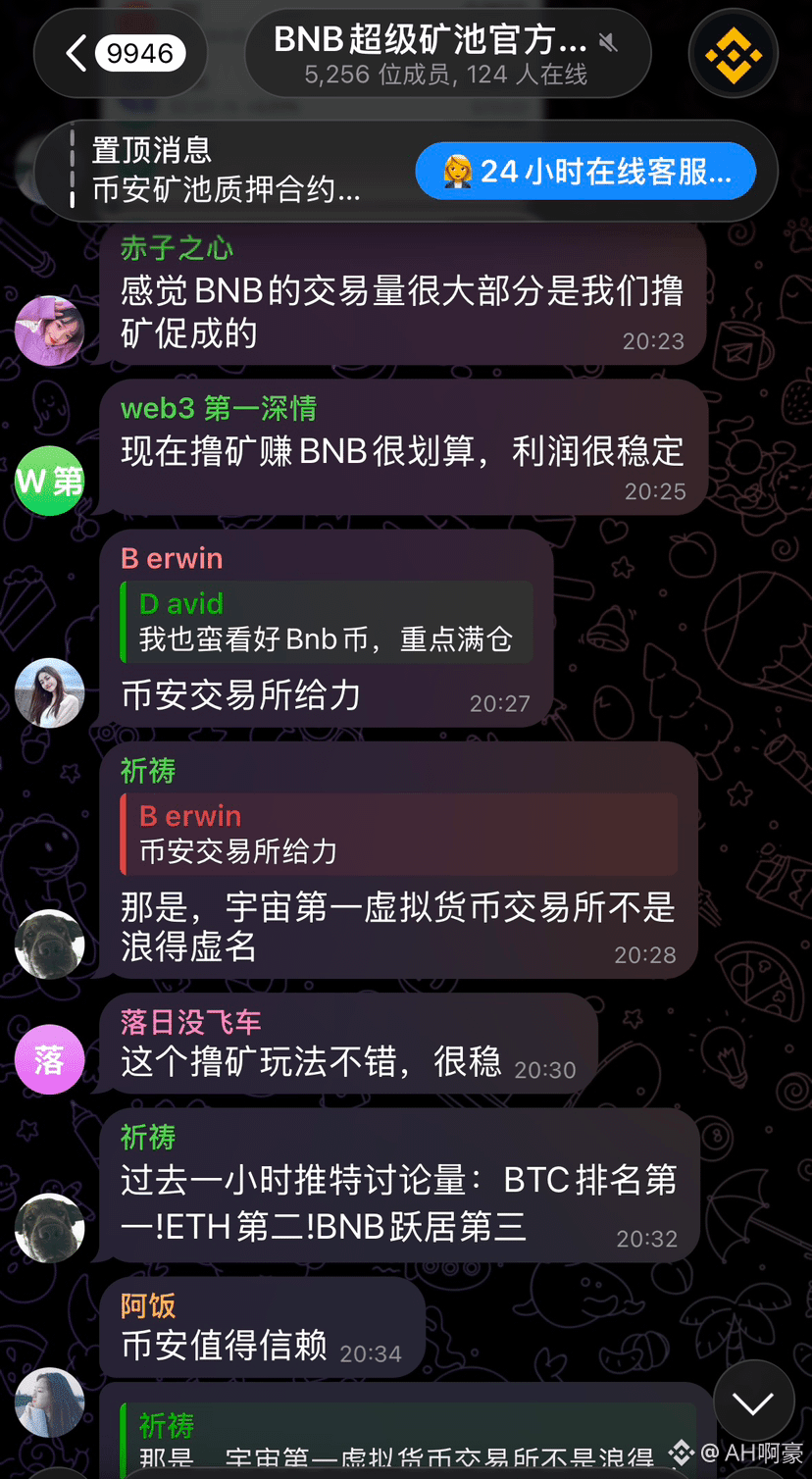
#币安安全星期四 scams are always evolving with the times. I saw a scam on TG that’s old-fashioned, yet somehow people are still getting fooled! If you play Web3, you can’t avoid Telegram groups—often you’ll be automatically added into those scam groups. I even had a community called “BNB Super Mining Pool.” It was packaged to look exactly like the official community. And even the admins copied it one-for-one—they even pulled me in. It has probably been over two years, meaning it has survived for more than two years. So the number of victims is likely not small. Their basic scheme is to get you to stake BNB into the mining pool, and then they pay you “dividends.” The main thing that hooks people is that there are countless bots chatting, keeping the group active. It makes you feel like this is real, and there are also “customer service” reps—everything is done quite convincingly! But if you read their chats carefully, you’ll notice the AI vibe is too strong. There’s no real emotion. And yet people still get scammed. So no matter what activity you join, you should participate only on Binance and follow official announcements. If you can’t tell for sure, just ask Binance official customer support directly. Now Binance is the largest institution in the universe—there are endless scams that try to “collide with” Binance. Remember: don’t panic when something happens. Don’t click random links. If you can’t tell the difference, contact official customer support immediately!
#币安安全星期四 scams are always evolving with the times. I saw a scam on TG that’s old-fashioned, yet somehow people are still getting fooled! If you play Web3, you can’t avoid Telegram groups—often you’ll be automatically added into those scam groups. I even had a community called “BNB Super Mining Pool.” It was packaged to look exactly like the official community. And even the admins copied it one-for-one—they even pulled me in. It has probably been over two years, meaning it has survived for more than two years. So the number of victims is likely not small. Their basic scheme is to get you to stake BNB into the mining pool, and then they pay you “dividends.” The main thing that hooks people is that there are countless bots chatting, keeping the group active. It makes you feel like this is real, and there are also “customer service” reps—everything is done quite convincingly! But if you read their chats carefully, you’ll notice the AI vibe is too strong. There’s no real emotion. And yet people still get scammed. So no matter what activity you join, you should participate only on Binance and follow official announcements. If you can’t tell for sure, just ask Binance official customer support directly. Now Binance is the largest institution in the universe—there are endless scams that try to “collide with” Binance. Remember: don’t panic when something happens. Don’t click random links. If you can’t tell the difference, contact official customer support immediately!


币安Binance华语
·
--
Teachers' Day #币安安全星期四 Special Plan 「Web3 Mandatory Course」
🧑🏫 The real danger and failure are the best teachers on the road to growth
In Web3, what time did you narrowly avoid a scam—or fail—giving you the most unforgettable lesson?
Repost and share your story and experience. 10 outstanding sharers will each receive 100U 🏆
And we also wish every teacher who helped us grow a Happy Teachers' Day 💛
🧑🏫 The real danger and failure are the best teachers on the road to growth
In Web3, what time did you narrowly avoid a scam—or fail—giving you the most unforgettable lesson?
Repost and share your story and experience. 10 outstanding sharers will each receive 100U 🏆
And we also wish every teacher who helped us grow a Happy Teachers' Day 💛
2
4
516
·
--
Bearish
Verified
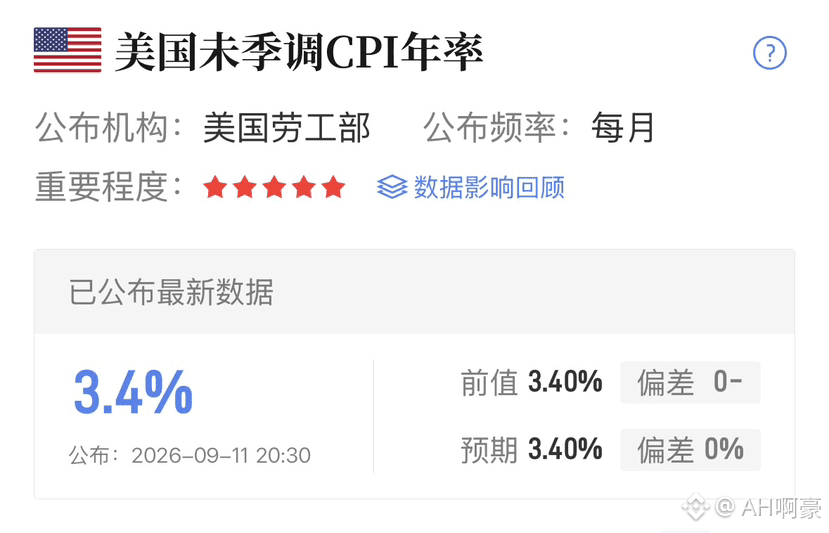
I think yesterday’s peak is very likely to be the highest point for the next two months. Last night the CPI was released: overall came in at 3.4% and month-over-month at 0.4%, both in line with expectations. But the core CPI was 0.3% month-over-month, which was a bit higher than the market’s expected 0.2%. Just this 0.1% deviation directly pushed the probability of a September rate hike from the 60%+ range to over 85%. Even Goldman Sachs changed its stance—from holding rates steady to betting on a 25-basis-point hike.
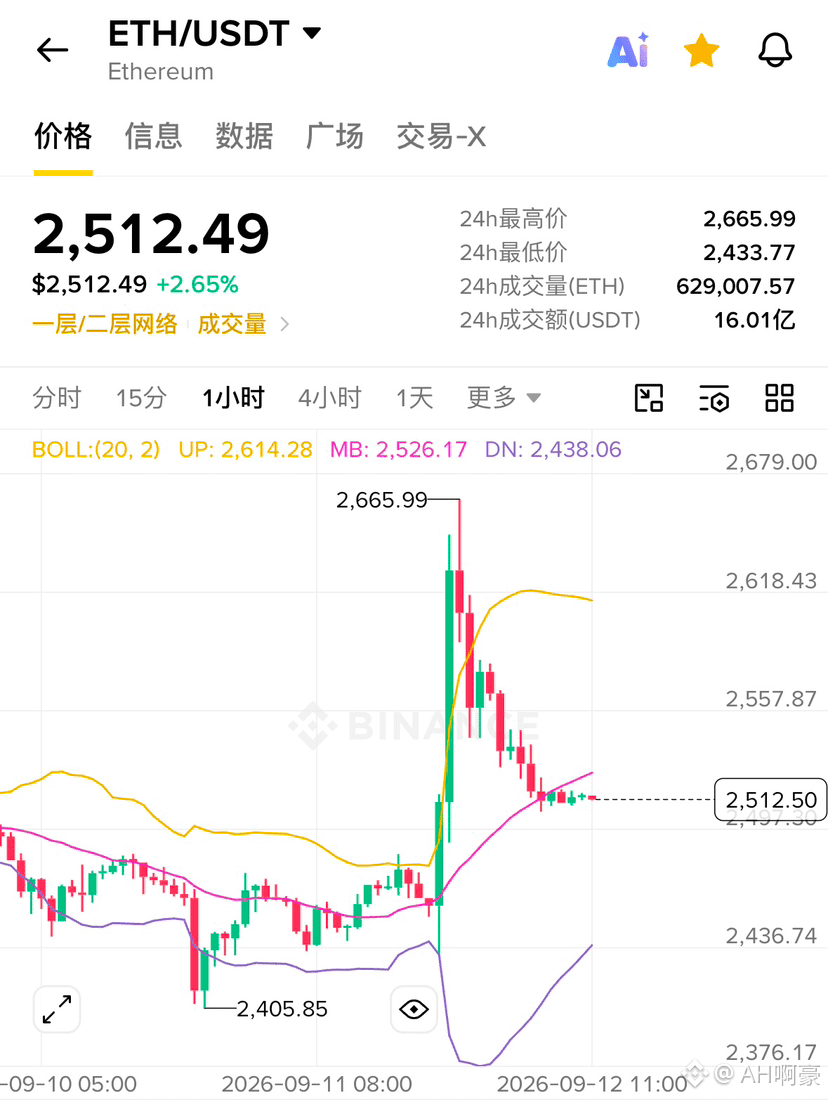
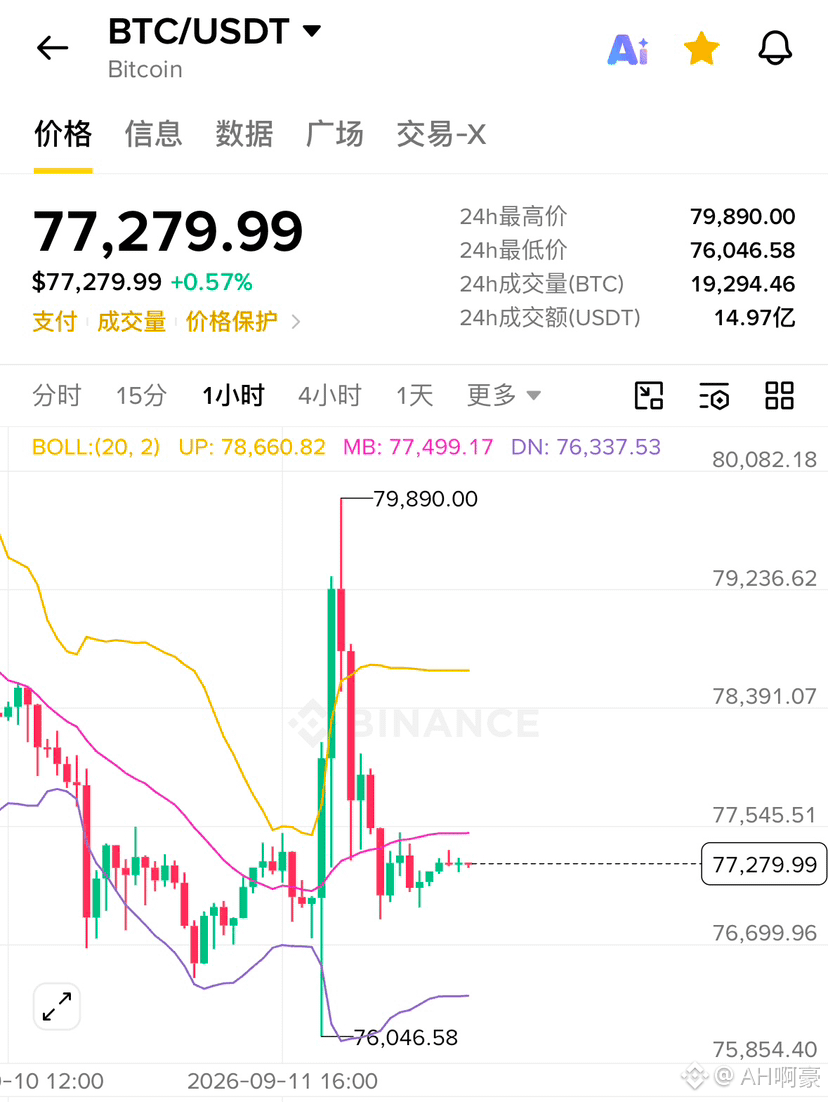
After the data came out, Bitcoin surged straight up to nearly 80,000, then quickly got knocked back to around 77,000. The second-largest crypto, ETH, also had a violent move up, gaining about 200 points. After that, just as expected, it slowly drifted downward and retraced, with a 24-hour amplitude of more than 3%.
In plain terms, this is a classic “good news, sell the news” setup. Before the CPI was released, the market had already dropped for a round. Shorts took profit around 76,000, and that temporarily pushed a rebound. But the rebound couldn’t hold—there was too much selling pressure overhead, leading to a double kill of both longs and shorts.
My view: this rebound looks more like a bull trap rather than a trend reversal. The core CPI running a bit hot suggests inflation still has some stickiness. Rate-hike expectations are weighing on liquidity, so the crypto market is unlikely to break out into an independent trend in the short term. People who chased higher yesterday are very likely trapped.
I think going forward, the dominant strategy is still to short. Don’t fight the trend—start with a small position and short gradually. Add a bit each time price breaks below a support level. I prefer right-side trading. Remember: in a high-volatility, choppy market, never YOLO with a heavy position. It’s not urgent to chase—wait until a real trend is clearly formed! #CPI数据来袭能否触发9月加息
I think yesterday’s peak is very likely to be the highest point for the next two months. Last night the CPI was released: overall came in at 3.4% and month-over-month at 0.4%, both in line with expectations. But the core CPI was 0.3% month-over-month, which was a bit higher than the market’s expected 0.2%. Just this 0.1% deviation directly pushed the probability of a September rate hike from the 60%+ range to over 85%. Even Goldman Sachs changed its stance—from holding rates steady to betting on a 25-basis-point hike.
After the data came out, Bitcoin surged straight up to nearly 80,000, then quickly got knocked back to around 77,000. The second-largest crypto, ETH, also had a violent move up, gaining about 200 points. After that, just as expected, it slowly drifted downward and retraced, with a 24-hour amplitude of more than 3%.
In plain terms, this is a classic “good news, sell the news” setup. Before the CPI was released, the market had already dropped for a round. Shorts took profit around 76,000, and that temporarily pushed a rebound. But the rebound couldn’t hold—there was too much selling pressure overhead, leading to a double kill of both longs and shorts.
My view: this rebound looks more like a bull trap rather than a trend reversal. The core CPI running a bit hot suggests inflation still has some stickiness. Rate-hike expectations are weighing on liquidity, so the crypto market is unlikely to break out into an independent trend in the short term. People who chased higher yesterday are very likely trapped.
I think going forward, the dominant strategy is still to short. Don’t fight the trend—start with a small position and short gradually. Add a bit each time price breaks below a support level. I prefer right-side trading. Remember: in a high-volatility, choppy market, never YOLO with a heavy position. It’s not urgent to chase—wait until a real trend is clearly formed! #CPI数据来袭能否触发9月加息
After the data came out, Bitcoin surged straight up to nearly 80,000, then quickly got knocked back to around 77,000. The second-largest crypto, ETH, also had a violent move up, gaining about 200 points. After that, just as expected, it slowly drifted downward and retraced, with a 24-hour amplitude of more than 3%.
In plain terms, this is a classic “good news, sell the news” setup. Before the CPI was released, the market had already dropped for a round. Shorts took profit around 76,000, and that temporarily pushed a rebound. But the rebound couldn’t hold—there was too much selling pressure overhead, leading to a double kill of both longs and shorts.
My view: this rebound looks more like a bull trap rather than a trend reversal. The core CPI running a bit hot suggests inflation still has some stickiness. Rate-hike expectations are weighing on liquidity, so the crypto market is unlikely to break out into an independent trend in the short term. People who chased higher yesterday are very likely trapped.
I think going forward, the dominant strategy is still to short. Don’t fight the trend—start with a small position and short gradually. Add a bit each time price breaks below a support level. I prefer right-side trading. Remember: in a high-volatility, choppy market, never YOLO with a heavy position. It’s not urgent to chase—wait until a real trend is clearly formed! #CPI数据来袭能否触发9月加息
2
1
4k
·
--
Partly True
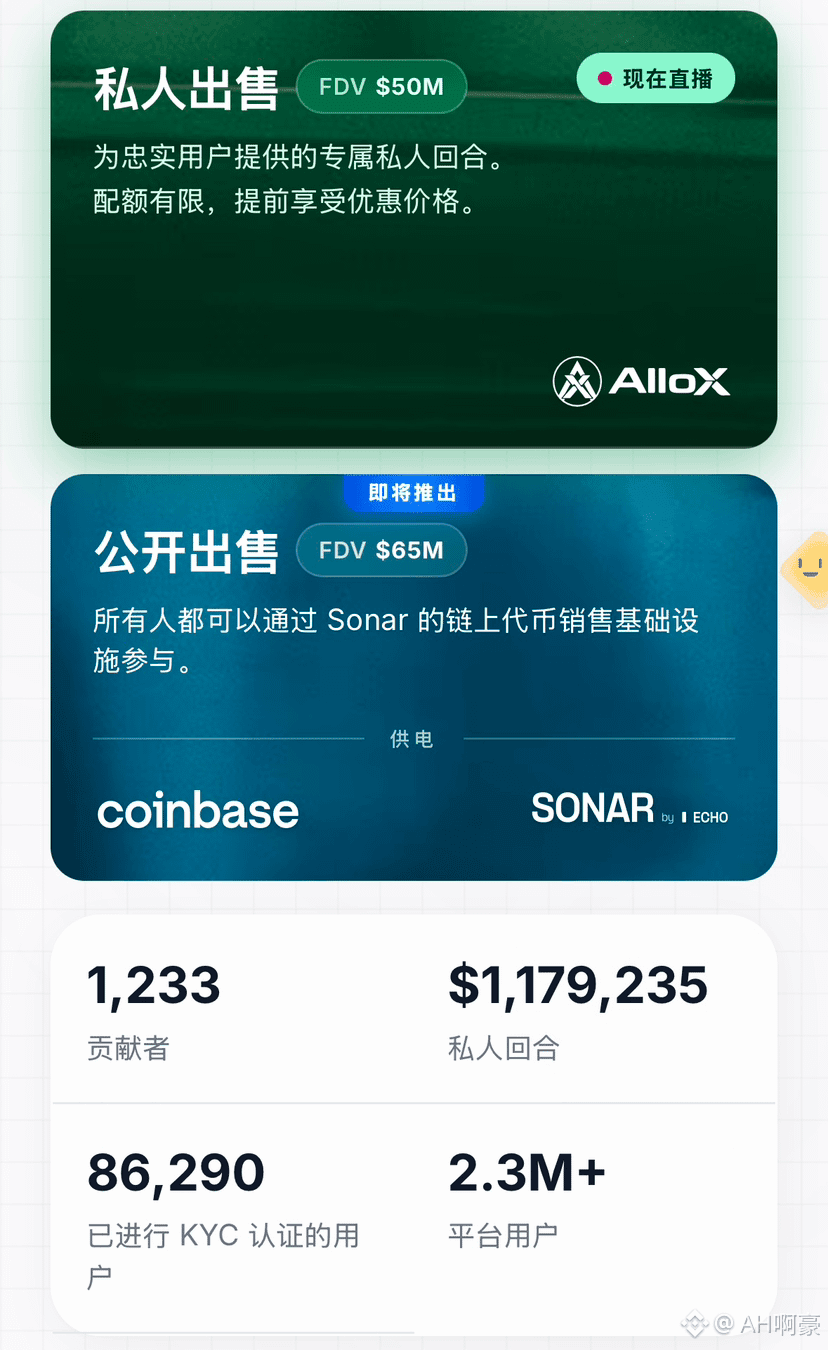
Complain about AlloX! It’s so disgusting!
After finishing the wallet quests, I kept doing community quests. Originally, I created combinations every day to get those so-called diamonds. According to their ratio, one diamond equals five bucks. I stuck with it for a while, and only then did I realize this is basically a hard, hard-to-swallow biscuit. Other people just casually go for thousands of diamonds—do you think the project team is here to do charity? Sure, doing tasks has losses, but if you go by the U ratio, you can still make money. And in the end, as long as it lets you get your losses back, that’s already pretty good!
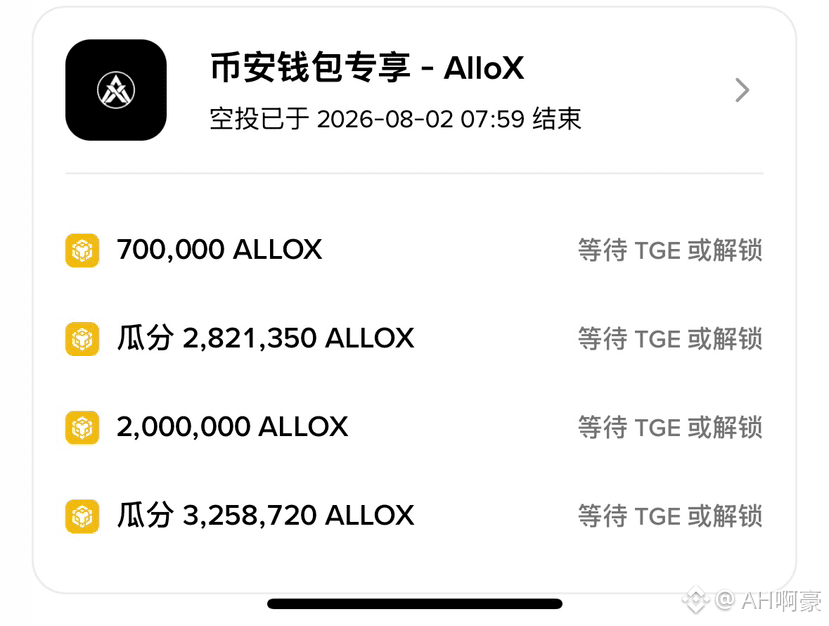
Then there was the private placement a few days ago. I started by putting in a few hundred bucks at a price of 0.05. I kept waiting for it to end to see what the public offering price would be. But after it ended and so many days passed, I found out that everyone could buy in. That’s basically selling dishes for them, right?
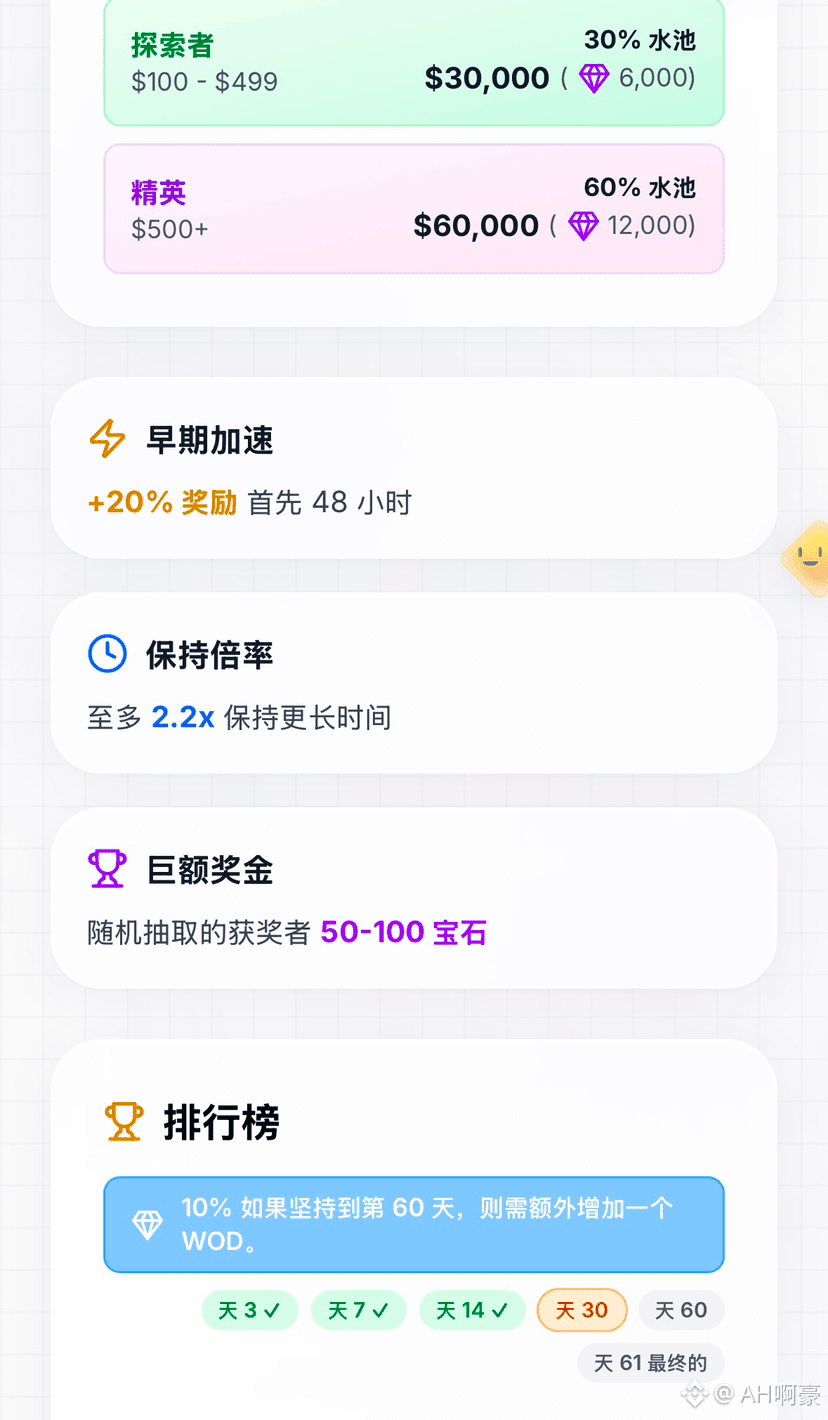
Let’s talk about another event where people pledged Wod. I’m also a sucker. I went in early in the morning and even made the “early bird” tier. As of today, the Wod I pledged has already shrunk by a third. What’s even funnier is that originally, pledging for 30 days would end the event—but today I checked and they extended it again, pushing it to 60 days. Are they trying to have us take the Wod all the way to zero? This is definitely here to help $WOD get their bags out!!
Originally they said Q3 launch—this year, and then we’ll have a lucky and prosperous one! It’s been a very, very long time since I saw a project that’s at least decent.
#美国初请失业金人数升至20.6万
Complain about AlloX! It’s so disgusting!
After finishing the wallet quests, I kept doing community quests. Originally, I created combinations every day to get those so-called diamonds. According to their ratio, one diamond equals five bucks. I stuck with it for a while, and only then did I realize this is basically a hard, hard-to-swallow biscuit. Other people just casually go for thousands of diamonds—do you think the project team is here to do charity? Sure, doing tasks has losses, but if you go by the U ratio, you can still make money. And in the end, as long as it lets you get your losses back, that’s already pretty good!
Then there was the private placement a few days ago. I started by putting in a few hundred bucks at a price of 0.05. I kept waiting for it to end to see what the public offering price would be. But after it ended and so many days passed, I found out that everyone could buy in. That’s basically selling dishes for them, right?
Let’s talk about another event where people pledged Wod. I’m also a sucker. I went in early in the morning and even made the “early bird” tier. As of today, the Wod I pledged has already shrunk by a third. What’s even funnier is that originally, pledging for 30 days would end the event—but today I checked and they extended it again, pushing it to 60 days. Are they trying to have us take the Wod all the way to zero? This is definitely here to help $WOD get their bags out!!
Originally they said Q3 launch—this year, and then we’ll have a lucky and prosperous one! It’s been a very, very long time since I saw a project that’s at least decent.
#美国初请失业金人数升至20.6万
After finishing the wallet quests, I kept doing community quests. Originally, I created combinations every day to get those so-called diamonds. According to their ratio, one diamond equals five bucks. I stuck with it for a while, and only then did I realize this is basically a hard, hard-to-swallow biscuit. Other people just casually go for thousands of diamonds—do you think the project team is here to do charity? Sure, doing tasks has losses, but if you go by the U ratio, you can still make money. And in the end, as long as it lets you get your losses back, that’s already pretty good!
Then there was the private placement a few days ago. I started by putting in a few hundred bucks at a price of 0.05. I kept waiting for it to end to see what the public offering price would be. But after it ended and so many days passed, I found out that everyone could buy in. That’s basically selling dishes for them, right?
Let’s talk about another event where people pledged Wod. I’m also a sucker. I went in early in the morning and even made the “early bird” tier. As of today, the Wod I pledged has already shrunk by a third. What’s even funnier is that originally, pledging for 30 days would end the event—but today I checked and they extended it again, pushing it to 60 days. Are they trying to have us take the Wod all the way to zero? This is definitely here to help $WOD get their bags out!!
Originally they said Q3 launch—this year, and then we’ll have a lucky and prosperous one! It’s been a very, very long time since I saw a project that’s at least decent.
#美国初请失业金人数升至20.6万
18
22
5.9k
·
--
Bullish
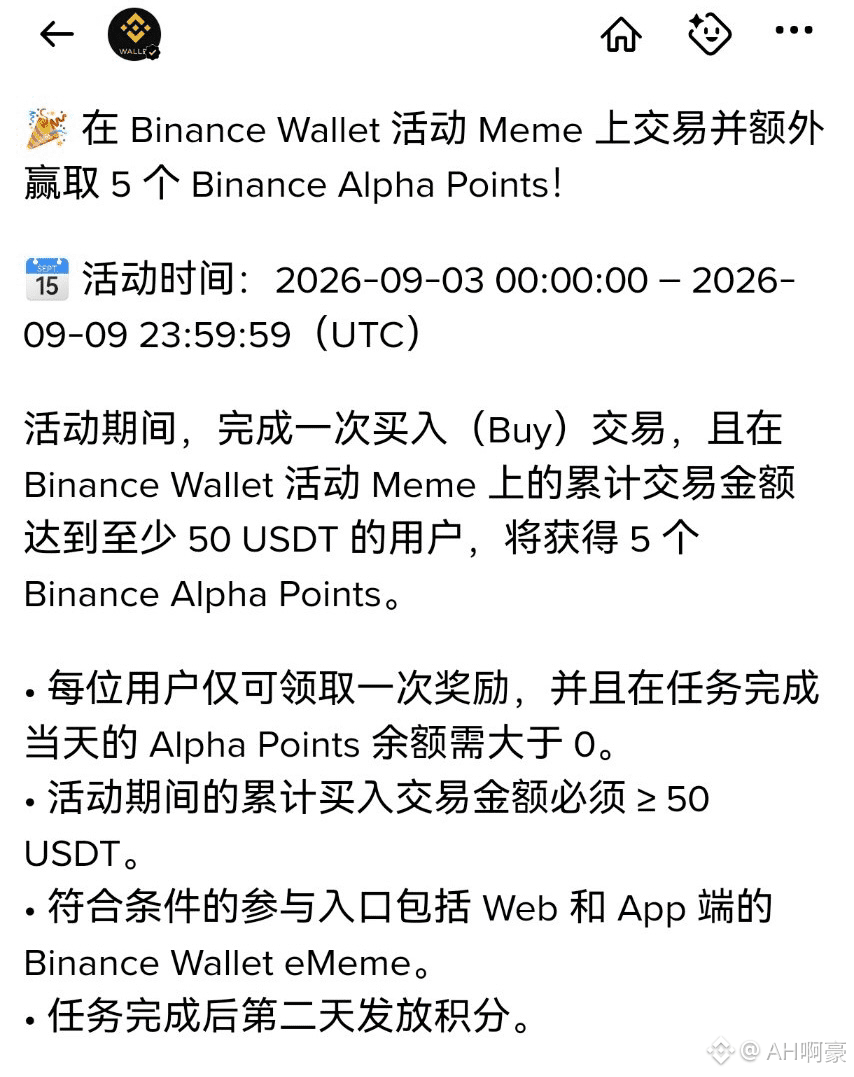
Dear Alpha users, the much-anticipated airdrop is still on the way. Now we’re bringing you an extra bonus activity so you won’t get lost on the path to a full score airdrop. Keep your highest points at all times—never worry again that the next airdrop score won’t be enough!
To complete the task, wallet transactions totaling $50 in MeMe are required.
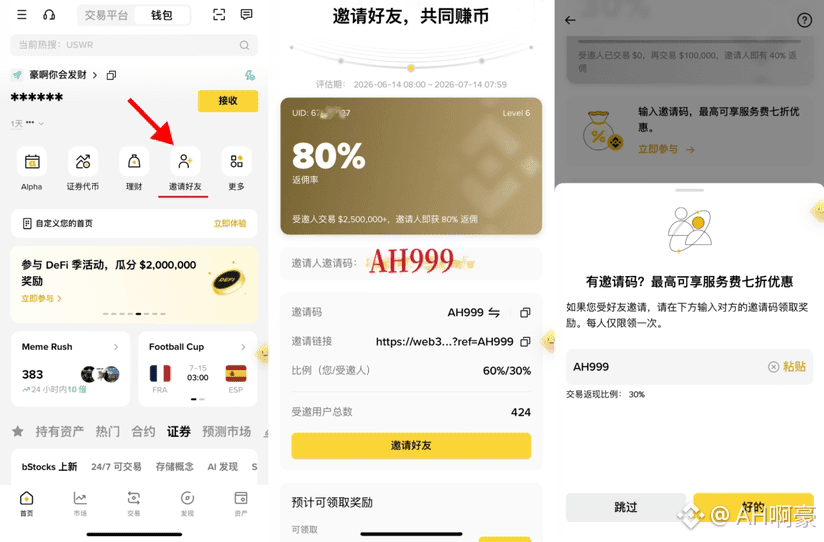
Bind Ah Hao’s wallet invite code before you trade: AH999
If you’re unsure how to do it, you can check the images below!
You will get 30% of the trading fee refunded—this is already the maximum ratio allowed by the platform.
We already have 400+ brothers who have bound their accounts, keeping the costs of “farming” as low as possible. Choose the MeMe you want—stick to a few mainstream coins. Buy and sell immediately. If you still don’t feel secure, you can also use a futures contract hedge!
The deadline is the 9th of September. It’s recommended that you wait a bit: first bind the invite code. Then, when new coin announcements come out, do it the day before. Or alternatively, do it the day before the deadline. Make sure you go all in on the details!
#美联储加息概率升至68%
$牛来
$龙虾
Dear Alpha users, the much-anticipated airdrop is still on the way. Now we’re bringing you an extra bonus activity so you won’t get lost on the path to a full score airdrop. Keep your highest points at all times—never worry again that the next airdrop score won’t be enough!
To complete the task, wallet transactions totaling $50 in MeMe are required.
Bind Ah Hao’s wallet invite code before you trade: AH999
If you’re unsure how to do it, you can check the images below!
You will get 30% of the trading fee refunded—this is already the maximum ratio allowed by the platform.
We already have 400+ brothers who have bound their accounts, keeping the costs of “farming” as low as possible. Choose the MeMe you want—stick to a few mainstream coins. Buy and sell immediately. If you still don’t feel secure, you can also use a futures contract hedge!
The deadline is the 9th of September. It’s recommended that you wait a bit: first bind the invite code. Then, when new coin announcements come out, do it the day before. Or alternatively, do it the day before the deadline. Make sure you go all in on the details!
#美联储加息概率升至68%
$牛来
$龙虾
To complete the task, wallet transactions totaling $50 in MeMe are required.
Bind Ah Hao’s wallet invite code before you trade: AH999
If you’re unsure how to do it, you can check the images below!
You will get 30% of the trading fee refunded—this is already the maximum ratio allowed by the platform.
We already have 400+ brothers who have bound their accounts, keeping the costs of “farming” as low as possible. Choose the MeMe you want—stick to a few mainstream coins. Buy and sell immediately. If you still don’t feel secure, you can also use a futures contract hedge!
The deadline is the 9th of September. It’s recommended that you wait a bit: first bind the invite code. Then, when new coin announcements come out, do it the day before. Or alternatively, do it the day before the deadline. Make sure you go all in on the details!
#美联储加息概率升至68%
$牛来
$龙虾
4
4
5.5k
·
--
Bearish
This wave of little bulls is very likely on the eve of a breakout. Last year, Ethereum also surged to above 2500, then consolidated for two months and directly broke into an uptrend. This time, it should be waiting for the U.S. midterm elections in November, and then releasing favorable signals to kick off a bull market!
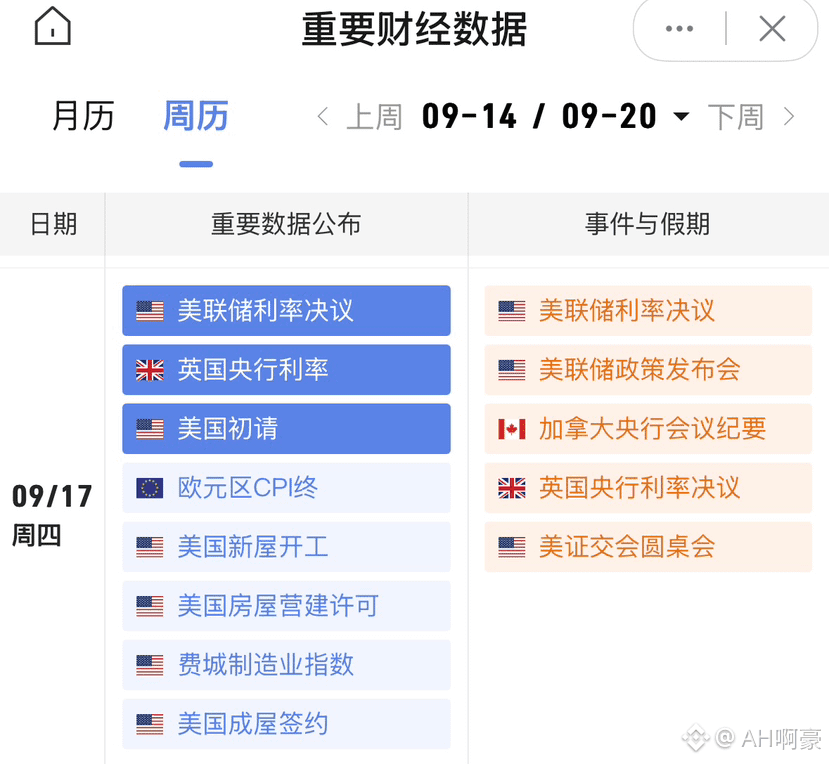
Now I’ve opened several long positions, and my average entry is between 2200 and 2300. In two days and the day after, there will be a big market move: the U.S. initial jobless claims and non-farm payroll data will be released. In the short term, that looks bearish. If the Fed doesn’t release anything on the 17th, basically it will either be a drop or a fakeout. And it has already issued several hawkish signals. However, if it issues too many, I think it will very likely pull up in the opposite direction!
I hope I can get to buy into longs—let me get on board!
These are all my personal views.
Please don’t interfere with your own opinions!
#美国加密关联股指8月涨8.81%
#比特币守稳78000美元上方
$ETH
{future}(ETHUSDT)
This wave of little bulls is very likely on the eve of a breakout. Last year, Ethereum also surged to above 2500, then consolidated for two months and directly broke into an uptrend. This time, it should be waiting for the U.S. midterm elections in November, and then releasing favorable signals to kick off a bull market!
Now I’ve opened several long positions, and my average entry is between 2200 and 2300. In two days and the day after, there will be a big market move: the U.S. initial jobless claims and non-farm payroll data will be released. In the short term, that looks bearish. If the Fed doesn’t release anything on the 17th, basically it will either be a drop or a fakeout. And it has already issued several hawkish signals. However, if it issues too many, I think it will very likely pull up in the opposite direction!
I hope I can get to buy into longs—let me get on board!
These are all my personal views.
Please don’t interfere with your own opinions!
#美国加密关联股指8月涨8.81%
#比特币守稳78000美元上方
$ETH
Now I’ve opened several long positions, and my average entry is between 2200 and 2300. In two days and the day after, there will be a big market move: the U.S. initial jobless claims and non-farm payroll data will be released. In the short term, that looks bearish. If the Fed doesn’t release anything on the 17th, basically it will either be a drop or a fakeout. And it has already issued several hawkish signals. However, if it issues too many, I think it will very likely pull up in the opposite direction!
I hope I can get to buy into longs—let me get on board!
These are all my personal views.
Please don’t interfere with your own opinions!
#美国加密关联股指8月涨8.81%
#比特币守稳78000美元上方
$ETH
4
7
8.3k
·
--
Bullish
Verified
There is an important event today! Don’t miss it!
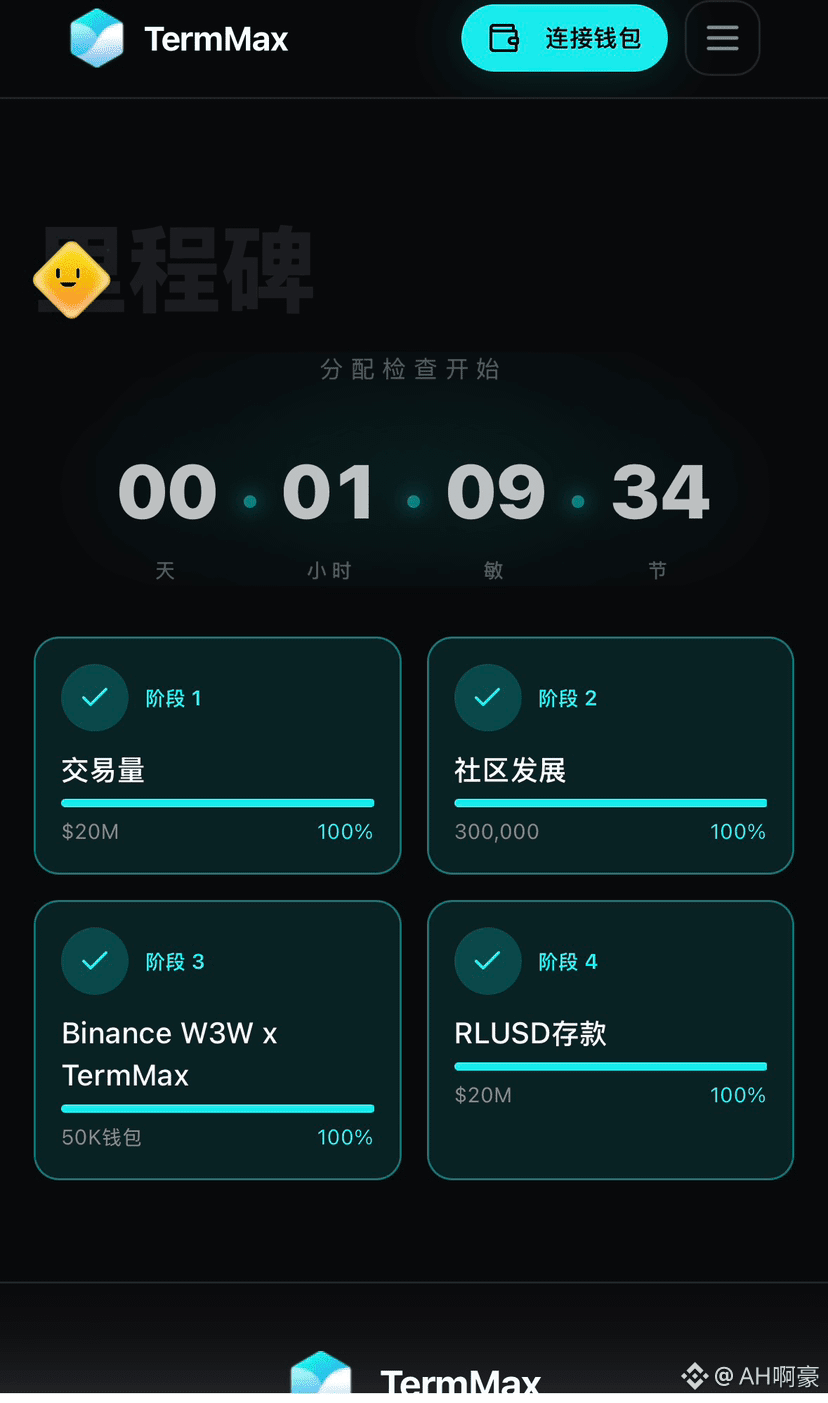
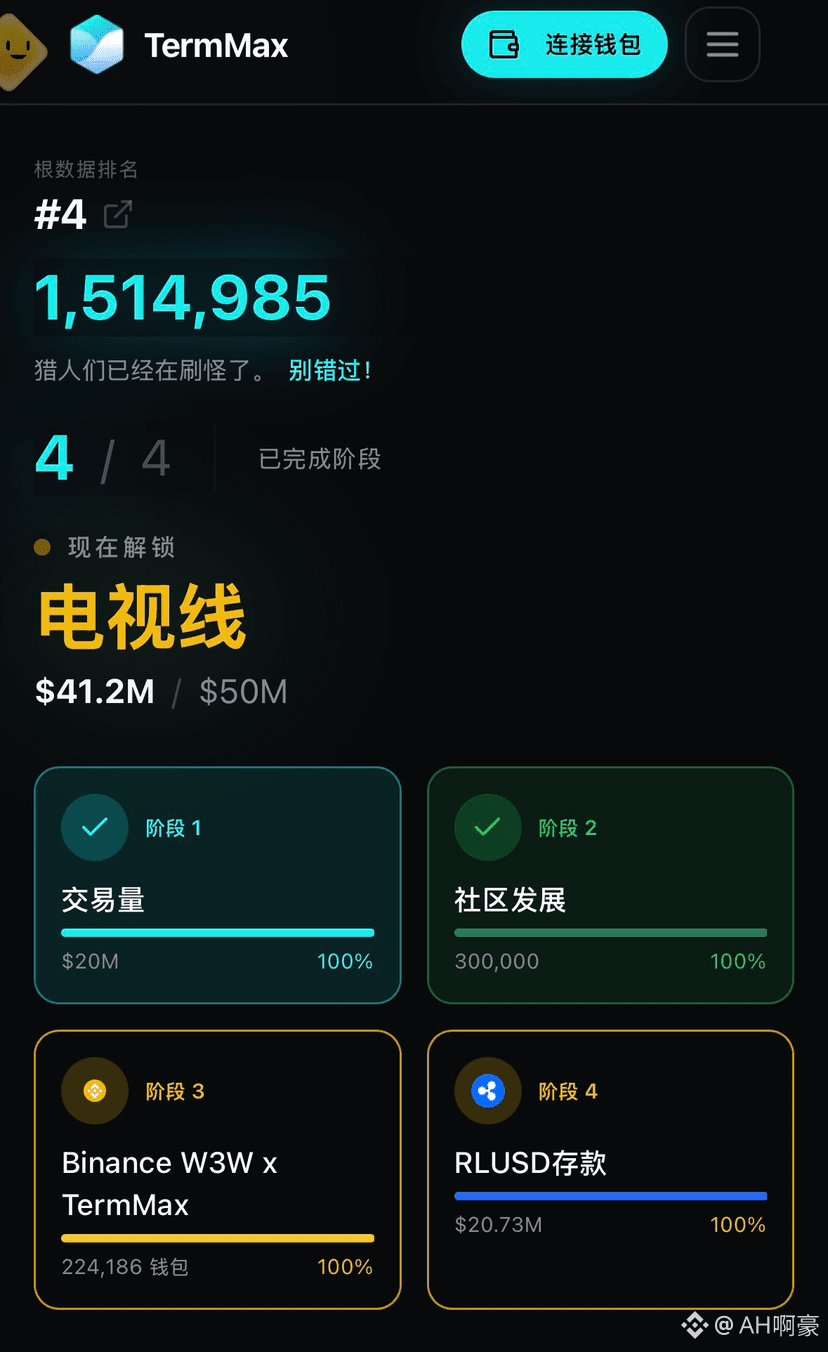
TMX should be able to query the community airdrop right away. When I went in to claim the daily reward today, I found the @termmax community airdrop allocation countdown screen. You should be able to check later this afternoon to see how many tokens can be allocated.
I’ve been working on this project for over a year, and I really hope we’ll get a great result!
I’ve always remembered a line from TermMax’s whitepaper: “TMX isn't funding a roadmap. The protocol is thriving.”
Meaning, we’re not issuing tokens to raise money for development—the machine is already running, and token issuance is just like adding a revenue distribution controller to it.
That passage still makes me feel quite positive about it. I just hope it isn’t self-promotion!
Actually, I found that TermMax’s asset breakdown is written very clearly. FT is a zero-coupon bond-like fixed-rate token: lenders buy at a discount, redeem at face value at maturity, and the yield is locked in from the moment you enter. XT is a yield token. 1 FT plus 1 XT equals 1 debt token.
Borrowers receive XT at the same time they get the loan, so they can immediately sell it to obtain liquidity—the borrowing cost is fixed right at the entry point.
GT is a leveraged NFT that packages both collateral and debt information into a single NFT, enabling you to reach your target leverage in one click.
And I saw that TermMax has already upgraded V1 to V2.
The core upgrades of V2 are described explicitly in the whitepaper. Atomic Orders allows the same liquidity to cover multiple markets at the same time. Idle Fund Deployment automatically routes unmatched funds to capture floating yields from Aave and Morpho—basically to eliminate idle funds with zero yield in the system.
#termmax
Now TMX has everything ready. All that’s left is for the 25th TGE to kick off the explosion. I can see that the market sentiment around TMX is indeed very high right now, and it also makes me have a small expectation for its launch.
Friends, you can go check later to see how many tokens you can get allocated!
There is an important event today! Don’t miss it!
TMX should be able to query the community airdrop right away. When I went in to claim the daily reward today, I found the @TermMax community airdrop allocation countdown screen. You should be able to check later this afternoon to see how many tokens can be allocated.
I’ve been working on this project for over a year, and I really hope we’ll get a great result!
I’ve always remembered a line from TermMax’s whitepaper: “TMX isn't funding a roadmap. The protocol is thriving.”
Meaning, we’re not issuing tokens to raise money for development—the machine is already running, and token issuance is just like adding a revenue distribution controller to it.
That passage still makes me feel quite positive about it. I just hope it isn’t self-promotion!
Actually, I found that TermMax’s asset breakdown is written very clearly. FT is a zero-coupon bond-like fixed-rate token: lenders buy at a discount, redeem at face value at maturity, and the yield is locked in from the moment you enter. XT is a yield token. 1 FT plus 1 XT equals 1 debt token.
Borrowers receive XT at the same time they get the loan, so they can immediately sell it to obtain liquidity—the borrowing cost is fixed right at the entry point.
GT is a leveraged NFT that packages both collateral and debt information into a single NFT, enabling you to reach your target leverage in one click.
And I saw that TermMax has already upgraded V1 to V2.
The core upgrades of V2 are described explicitly in the whitepaper. Atomic Orders allows the same liquidity to cover multiple markets at the same time. Idle Fund Deployment automatically routes unmatched funds to capture floating yields from Aave and Morpho—basically to eliminate idle funds with zero yield in the system.
#termmax
Now TMX has everything ready. All that’s left is for the 25th TGE to kick off the explosion. I can see that the market sentiment around TMX is indeed very high right now, and it also makes me have a small expectation for its launch.
Friends, you can go check later to see how many tokens you can get allocated!
TMX should be able to query the community airdrop right away. When I went in to claim the daily reward today, I found the @TermMax community airdrop allocation countdown screen. You should be able to check later this afternoon to see how many tokens can be allocated.
I’ve been working on this project for over a year, and I really hope we’ll get a great result!
I’ve always remembered a line from TermMax’s whitepaper: “TMX isn't funding a roadmap. The protocol is thriving.”
Meaning, we’re not issuing tokens to raise money for development—the machine is already running, and token issuance is just like adding a revenue distribution controller to it.
That passage still makes me feel quite positive about it. I just hope it isn’t self-promotion!
Actually, I found that TermMax’s asset breakdown is written very clearly. FT is a zero-coupon bond-like fixed-rate token: lenders buy at a discount, redeem at face value at maturity, and the yield is locked in from the moment you enter. XT is a yield token. 1 FT plus 1 XT equals 1 debt token.
Borrowers receive XT at the same time they get the loan, so they can immediately sell it to obtain liquidity—the borrowing cost is fixed right at the entry point.
GT is a leveraged NFT that packages both collateral and debt information into a single NFT, enabling you to reach your target leverage in one click.
And I saw that TermMax has already upgraded V1 to V2.
The core upgrades of V2 are described explicitly in the whitepaper. Atomic Orders allows the same liquidity to cover multiple markets at the same time. Idle Fund Deployment automatically routes unmatched funds to capture floating yields from Aave and Morpho—basically to eliminate idle funds with zero yield in the system.
#termmax
Now TMX has everything ready. All that’s left is for the 25th TGE to kick off the explosion. I can see that the market sentiment around TMX is indeed very high right now, and it also makes me have a small expectation for its launch.
Friends, you can go check later to see how many tokens you can get allocated!
25
15
2.8k
·
--
Partly True
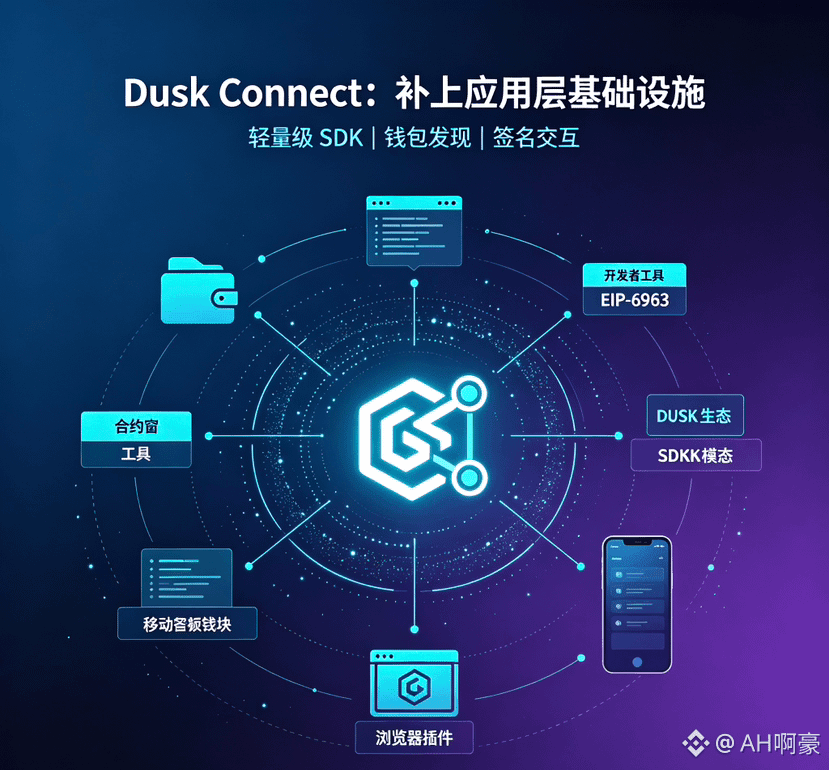
Yesterday was Chinese Qixi Festival. Without a girlfriend to accompany me, I went out for late-night snacks with a few brothers, and we ended up talking about Dusk’s mainnet data. Different people’s interpretations can lead to two completely different conclusions.
The optimistic camp claims that the active addresses remain stable at around 19,000, while the daily transaction volume reaches the hundreds of thousands of dollars. After the bidirectional bridge went live, on-chain activity once surged by nearly 47%. After the mainnet launch, the coin price rose by 60% within the first week, with the weekly increase landing in the 85–90% range.
Those who take a more pessimistic view point out that in more than 70% of blocks, the number of transactions is fewer than two, and empty blocks occur frequently. Daily average transaction counts barely break 1,000, and the number of active addresses per day across the whole network is even less than 80.
It’s hard to directly determine which set of claims is true or false. Most likely, both sides aren’t lying—only the statistical scope and reference standards differ.
The figure of 19,000 active addresses is indeed plausible, and it’s also possible that the daily active addresses are fewer than 80. The former counts accumulated active addresses over a period, while the latter filters for unique active accounts within a single day. The two sets of numbers don’t represent the same metric. But there’s one objective fact that can’t be avoided: compared with mainstream public chains, Dusk’s current on-chain activity still shows a noticeable gap. The overall depth of the DEX liquidity pools is relatively thin, so the platform can only attract liquidity by offering relatively high annualized rewards.
I’m not saying that Dusk’s future development will necessarily stall. The mainnet has only been live for a little over half a year. For a brand-new public chain, it’s normal for activity to be low at the beginning. The only thing is that the fan community shouldn’t selectively release only good-news data, and skeptics shouldn’t dismiss the project outright based only on negative numbers.
Personally, I’ll focus on tracking three things going forward. First, when the assets corresponding to NPEX will truly be implemented and run on-chain. Second, after the Boreas upgrade is completed, how the network’s real stability performs. Third, whether the OpenDusk plan can genuinely energize the entire community. As for all kinds of other public opinion and commentary, most of it is just noise.
#dusk $DUSK @Dusk
Yesterday was Chinese Qixi Festival. Without a girlfriend to accompany me, I went out for late-night snacks with a few brothers, and we ended up talking about Dusk’s mainnet data. Different people’s interpretations can lead to two completely different conclusions.
The optimistic camp claims that the active addresses remain stable at around 19,000, while the daily transaction volume reaches the hundreds of thousands of dollars. After the bidirectional bridge went live, on-chain activity once surged by nearly 47%. After the mainnet launch, the coin price rose by 60% within the first week, with the weekly increase landing in the 85–90% range.
Those who take a more pessimistic view point out that in more than 70% of blocks, the number of transactions is fewer than two, and empty blocks occur frequently. Daily average transaction counts barely break 1,000, and the number of active addresses per day across the whole network is even less than 80.
It’s hard to directly determine which set of claims is true or false. Most likely, both sides aren’t lying—only the statistical scope and reference standards differ.
The figure of 19,000 active addresses is indeed plausible, and it’s also possible that the daily active addresses are fewer than 80. The former counts accumulated active addresses over a period, while the latter filters for unique active accounts within a single day. The two sets of numbers don’t represent the same metric. But there’s one objective fact that can’t be avoided: compared with mainstream public chains, Dusk’s current on-chain activity still shows a noticeable gap. The overall depth of the DEX liquidity pools is relatively thin, so the platform can only attract liquidity by offering relatively high annualized rewards.
I’m not saying that Dusk’s future development will necessarily stall. The mainnet has only been live for a little over half a year. For a brand-new public chain, it’s normal for activity to be low at the beginning. The only thing is that the fan community shouldn’t selectively release only good-news data, and skeptics shouldn’t dismiss the project outright based only on negative numbers.
Personally, I’ll focus on tracking three things going forward. First, when the assets corresponding to NPEX will truly be implemented and run on-chain. Second, after the Boreas upgrade is completed, how the network’s real stability performs. Third, whether the OpenDusk plan can genuinely energize the entire community. As for all kinds of other public opinion and commentary, most of it is just noise.
#dusk $DUSK @Dusk
The optimistic camp claims that the active addresses remain stable at around 19,000, while the daily transaction volume reaches the hundreds of thousands of dollars. After the bidirectional bridge went live, on-chain activity once surged by nearly 47%. After the mainnet launch, the coin price rose by 60% within the first week, with the weekly increase landing in the 85–90% range.
Those who take a more pessimistic view point out that in more than 70% of blocks, the number of transactions is fewer than two, and empty blocks occur frequently. Daily average transaction counts barely break 1,000, and the number of active addresses per day across the whole network is even less than 80.
It’s hard to directly determine which set of claims is true or false. Most likely, both sides aren’t lying—only the statistical scope and reference standards differ.
The figure of 19,000 active addresses is indeed plausible, and it’s also possible that the daily active addresses are fewer than 80. The former counts accumulated active addresses over a period, while the latter filters for unique active accounts within a single day. The two sets of numbers don’t represent the same metric. But there’s one objective fact that can’t be avoided: compared with mainstream public chains, Dusk’s current on-chain activity still shows a noticeable gap. The overall depth of the DEX liquidity pools is relatively thin, so the platform can only attract liquidity by offering relatively high annualized rewards.
I’m not saying that Dusk’s future development will necessarily stall. The mainnet has only been live for a little over half a year. For a brand-new public chain, it’s normal for activity to be low at the beginning. The only thing is that the fan community shouldn’t selectively release only good-news data, and skeptics shouldn’t dismiss the project outright based only on negative numbers.
Personally, I’ll focus on tracking three things going forward. First, when the assets corresponding to NPEX will truly be implemented and run on-chain. Second, after the Boreas upgrade is completed, how the network’s real stability performs. Third, whether the OpenDusk plan can genuinely energize the entire community. As for all kinds of other public opinion and commentary, most of it is just noise.
#dusk $DUSK @Dusk

9
5
1.2k
·
--
Bullish
Verified
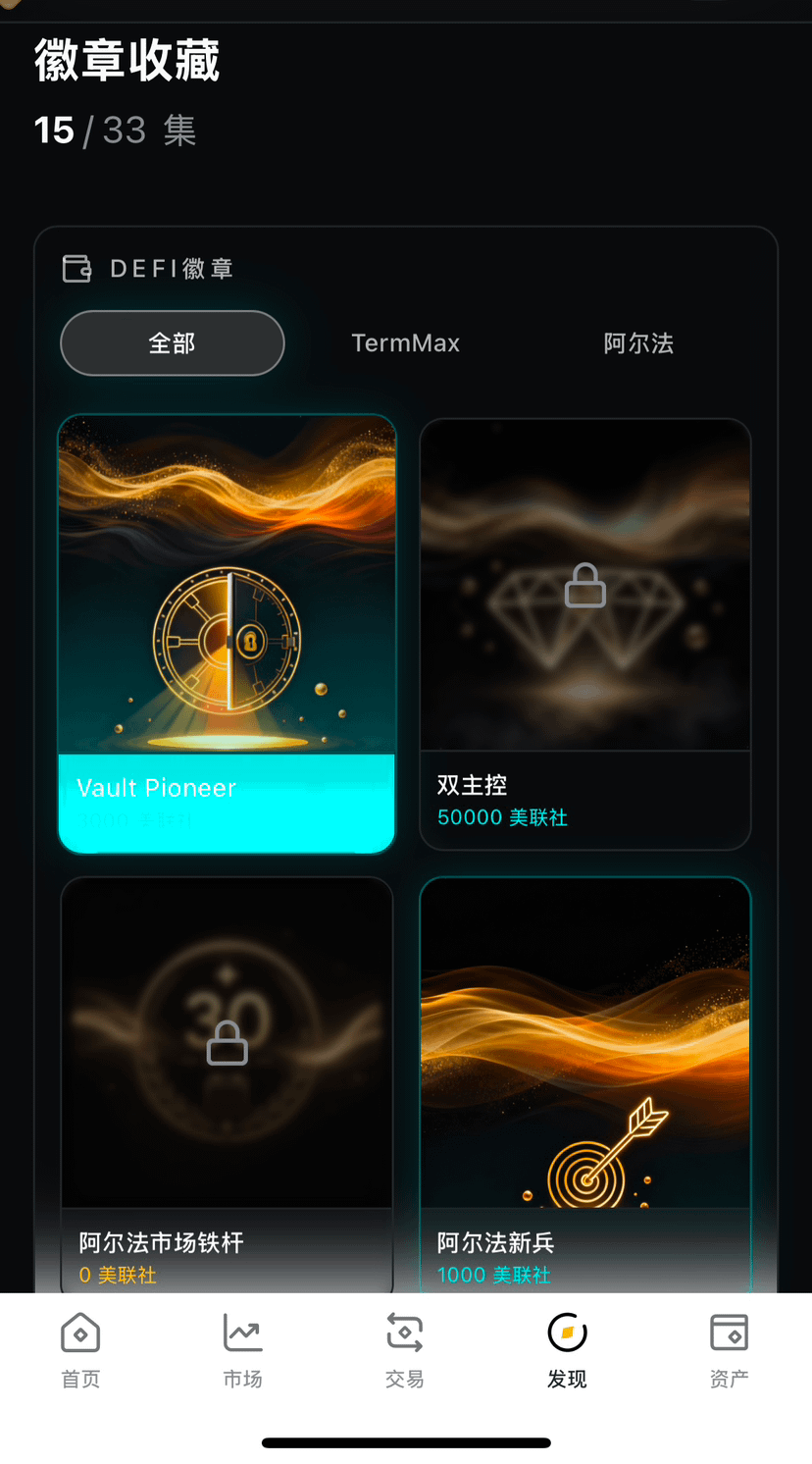
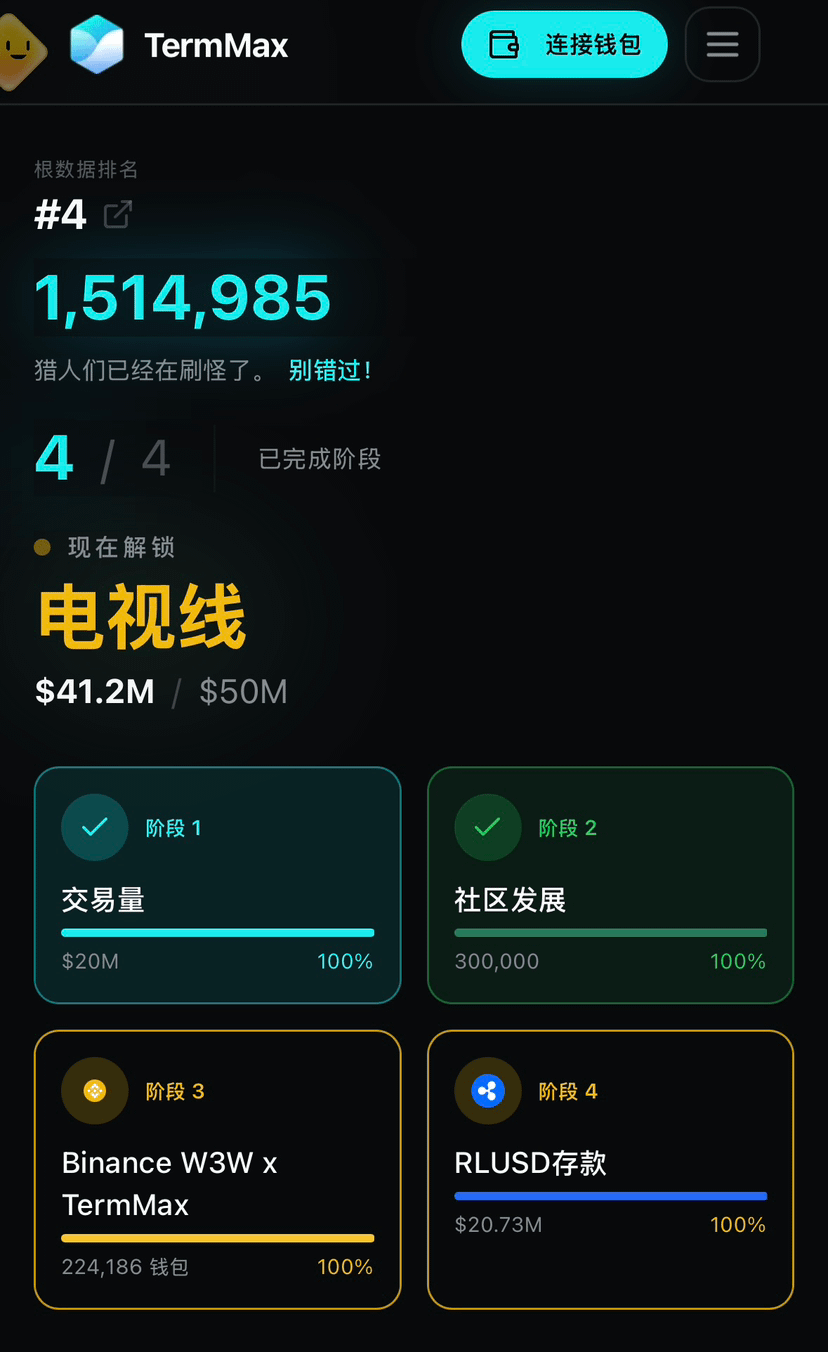
TermMax has really been gaining a lot of attention lately. On one side there’s the 25 TGE; on the other, there are the Booster campaign and the Creator Center event. And on March 25, the Token Terminal daily active address rankings had it placed second among DeFi lending protocols, only behind Aave. Its TVL broke through $100 million, spanning 8 chains. It even became a Canton Network validator.
Gradually, I’m getting dizzy from all this hype…
But after reading all these announcements, there are a few questions I still can’t quite figure out.
First is the definition of TVL. Data differs significantly across channels—some say $64 million, some say $71 million, and some even claim it’s over $100 million. If even the most basic figure for locked value can’t be clarified, then where does the credibility of an “ecosystem thriving” narrative come from? I also urgently want the accurate numbers.
Second is TMX’s value capture. Total supply is 1 billion tokens, and initial circulating supply at TGE is about 20%. But is TMX’s core function governance, or can it directly capture protocol revenues? If it’s only a governance token, then what supports its value? And when it launches on the 25th, will it get overwhelmed by a big sell-off?
Third is the actual distribution of liquidity. Although it’s deployed across 8 chains, will the capital be concentrated only on Ethereum? Multi-chain deployment and multi-chain activity are two different things. Personally, I’m still more inclined toward the BSC chain—after all, the “noble chain” isn’t something everyone can afford to use!
I don’t deny TermMax’s direction or the practicality of the project itself. Fixed interest rates fill a real gap in DeFi, and the logic of combining it with RWA is also coherent. V2 is also truly addressing the liquidity fragmentation problem from V1. These are all tangible achievements of @termmax . But no matter how attractive the early “promises” are, if a big dump happens right after launch, it will disappoint the community co-builders. So I hope the project team also has the bigger picture—so that in this bull market, we can see another project token that’s even better!#termmax
TermMax has really been gaining a lot of attention lately. On one side there’s the 25 TGE; on the other, there are the Booster campaign and the Creator Center event. And on March 25, the Token Terminal daily active address rankings had it placed second among DeFi lending protocols, only behind Aave. Its TVL broke through $100 million, spanning 8 chains. It even became a Canton Network validator.
Gradually, I’m getting dizzy from all this hype…
But after reading all these announcements, there are a few questions I still can’t quite figure out.
First is the definition of TVL. Data differs significantly across channels—some say $64 million, some say $71 million, and some even claim it’s over $100 million. If even the most basic figure for locked value can’t be clarified, then where does the credibility of an “ecosystem thriving” narrative come from? I also urgently want the accurate numbers.
Second is TMX’s value capture. Total supply is 1 billion tokens, and initial circulating supply at TGE is about 20%. But is TMX’s core function governance, or can it directly capture protocol revenues? If it’s only a governance token, then what supports its value? And when it launches on the 25th, will it get overwhelmed by a big sell-off?
Third is the actual distribution of liquidity. Although it’s deployed across 8 chains, will the capital be concentrated only on Ethereum? Multi-chain deployment and multi-chain activity are two different things. Personally, I’m still more inclined toward the BSC chain—after all, the “noble chain” isn’t something everyone can afford to use!
I don’t deny TermMax’s direction or the practicality of the project itself. Fixed interest rates fill a real gap in DeFi, and the logic of combining it with RWA is also coherent. V2 is also truly addressing the liquidity fragmentation problem from V1. These are all tangible achievements of @TermMax . But no matter how attractive the early “promises” are, if a big dump happens right after launch, it will disappoint the community co-builders. So I hope the project team also has the bigger picture—so that in this bull market, we can see another project token that’s even better!#termmax
Gradually, I’m getting dizzy from all this hype…
But after reading all these announcements, there are a few questions I still can’t quite figure out.
First is the definition of TVL. Data differs significantly across channels—some say $64 million, some say $71 million, and some even claim it’s over $100 million. If even the most basic figure for locked value can’t be clarified, then where does the credibility of an “ecosystem thriving” narrative come from? I also urgently want the accurate numbers.
Second is TMX’s value capture. Total supply is 1 billion tokens, and initial circulating supply at TGE is about 20%. But is TMX’s core function governance, or can it directly capture protocol revenues? If it’s only a governance token, then what supports its value? And when it launches on the 25th, will it get overwhelmed by a big sell-off?
Third is the actual distribution of liquidity. Although it’s deployed across 8 chains, will the capital be concentrated only on Ethereum? Multi-chain deployment and multi-chain activity are two different things. Personally, I’m still more inclined toward the BSC chain—after all, the “noble chain” isn’t something everyone can afford to use!
I don’t deny TermMax’s direction or the practicality of the project itself. Fixed interest rates fill a real gap in DeFi, and the logic of combining it with RWA is also coherent. V2 is also truly addressing the liquidity fragmentation problem from V1. These are all tangible achievements of @TermMax . But no matter how attractive the early “promises” are, if a big dump happens right after launch, it will disappoint the community co-builders. So I hope the project team also has the bigger picture—so that in this bull market, we can see another project token that’s even better!#termmax

27
16
1.5k
·
--
Bullish
Verified
Review TermMax’s documentation and find that its tokenized design is more interesting than I imagined.
A single loan is split into two tokens. The FT Fixed Token is a zero-coupon bond-style fixed-rate token: today you buy it for 0.95 USDC, and you get back 1 USDC at maturity. The yield is locked in from the moment you enter.
The GT Gearing Token is a leveraged NFT that records the total collateral and debt amount of the leverage position. 1 FT plus 1 GT equals the complete debt structure, but the principal and interest are physically separated. @termmax
The core logic of this design is that GT and FT trading encapsulate the complex leverage and lending workflow into simple token trades. Users don’t need to repeatedly operate across multiple protocols—everything can be completed with a single click: fixed-rate borrowing and leverage looping.
On top of that, V2 adds several key upgrades. Composable Base Yield automatically stacks floating yield from AaveMorpho on any unmatched funds. Atomic Order lets a single liquidity transaction cover multiple markets at once. One-click Rollover allows borrowers to roll their position directly into a market with a later maturity date, or switch to Morpho’s floating-rate market—borrowers can finally actively manage the duration of their fixed-rate debt.
The technical logic is indeed seamless. But no matter how elegant the tokenized design is, it still has to be built on real liquidity. The pricing relationship between GT and FT, as well as the arbitrage mechanisms across markets with different maturity dates—these are quite elegant in theory. I’ll keep observing whether running it in practice introduces new complexity. #termmax
Review TermMax’s documentation and find that its tokenized design is more interesting than I imagined.
A single loan is split into two tokens. The FT Fixed Token is a zero-coupon bond-style fixed-rate token: today you buy it for 0.95 USDC, and you get back 1 USDC at maturity. The yield is locked in from the moment you enter.
The GT Gearing Token is a leveraged NFT that records the total collateral and debt amount of the leverage position. 1 FT plus 1 GT equals the complete debt structure, but the principal and interest are physically separated. @TermMax
The core logic of this design is that GT and FT trading encapsulate the complex leverage and lending workflow into simple token trades. Users don’t need to repeatedly operate across multiple protocols—everything can be completed with a single click: fixed-rate borrowing and leverage looping.
On top of that, V2 adds several key upgrades. Composable Base Yield automatically stacks floating yield from AaveMorpho on any unmatched funds. Atomic Order lets a single liquidity transaction cover multiple markets at once. One-click Rollover allows borrowers to roll their position directly into a market with a later maturity date, or switch to Morpho’s floating-rate market—borrowers can finally actively manage the duration of their fixed-rate debt.
The technical logic is indeed seamless. But no matter how elegant the tokenized design is, it still has to be built on real liquidity. The pricing relationship between GT and FT, as well as the arbitrage mechanisms across markets with different maturity dates—these are quite elegant in theory. I’ll keep observing whether running it in practice introduces new complexity. #termmax
A single loan is split into two tokens. The FT Fixed Token is a zero-coupon bond-style fixed-rate token: today you buy it for 0.95 USDC, and you get back 1 USDC at maturity. The yield is locked in from the moment you enter.
The GT Gearing Token is a leveraged NFT that records the total collateral and debt amount of the leverage position. 1 FT plus 1 GT equals the complete debt structure, but the principal and interest are physically separated. @TermMax
The core logic of this design is that GT and FT trading encapsulate the complex leverage and lending workflow into simple token trades. Users don’t need to repeatedly operate across multiple protocols—everything can be completed with a single click: fixed-rate borrowing and leverage looping.
On top of that, V2 adds several key upgrades. Composable Base Yield automatically stacks floating yield from AaveMorpho on any unmatched funds. Atomic Order lets a single liquidity transaction cover multiple markets at once. One-click Rollover allows borrowers to roll their position directly into a market with a later maturity date, or switch to Morpho’s floating-rate market—borrowers can finally actively manage the duration of their fixed-rate debt.
The technical logic is indeed seamless. But no matter how elegant the tokenized design is, it still has to be built on real liquidity. The pricing relationship between GT and FT, as well as the arbitrage mechanisms across markets with different maturity dates—these are quite elegant in theory. I’ll keep observing whether running it in practice introduces new complexity. #termmax
25
17
2.1k
Log in to explore more content
Join global crypto users on Binance Square
⚡️ Get latest and useful information about crypto.
💬 Trusted by the world’s largest crypto exchange.
👍 Discover real insights from verified creators.
Email / Phone number