
king Gulfam
 Square Verified
Open Trade

BTC Holder
High-Frequency Trader
6.2 Years
2.9K+ Following
35.2K+ Followers
21.7K+ Liked
Posts
Portfolio
All
Quotes
Live
PINNED


Sara_ k
·
--
.
Don’t let your crypto sit idle earn daily rewards with #BinanceEarn and grow your holdings effortlessly.
.
claim web3 rewards 🧧🧧🧧🧧🧧👈
.
Don’t let your crypto sit idle earn daily rewards with #BinanceEarn and grow your holdings effortlessly.
.
claim web3 rewards 🧧🧧🧧🧧🧧👈
.


NAJAF_999
·
--
‼️$DOGE 🧧 Reward is here ‼️
I’m sharing $DOGE 🧧 rewards with the community as a Bigger thank-you.
✨ Just claim your reward and enjoy! ✨
Claim it. Get rewarded
@DOGE_ $DOGE #DOGE
I’m sharing $DOGE 🧧 rewards with the community as a Bigger thank-you.
✨ Just claim your reward and enjoy! ✨
Claim it. Get rewarded
@DOGE_ $DOGE #DOGE


江阳ETH
·
--
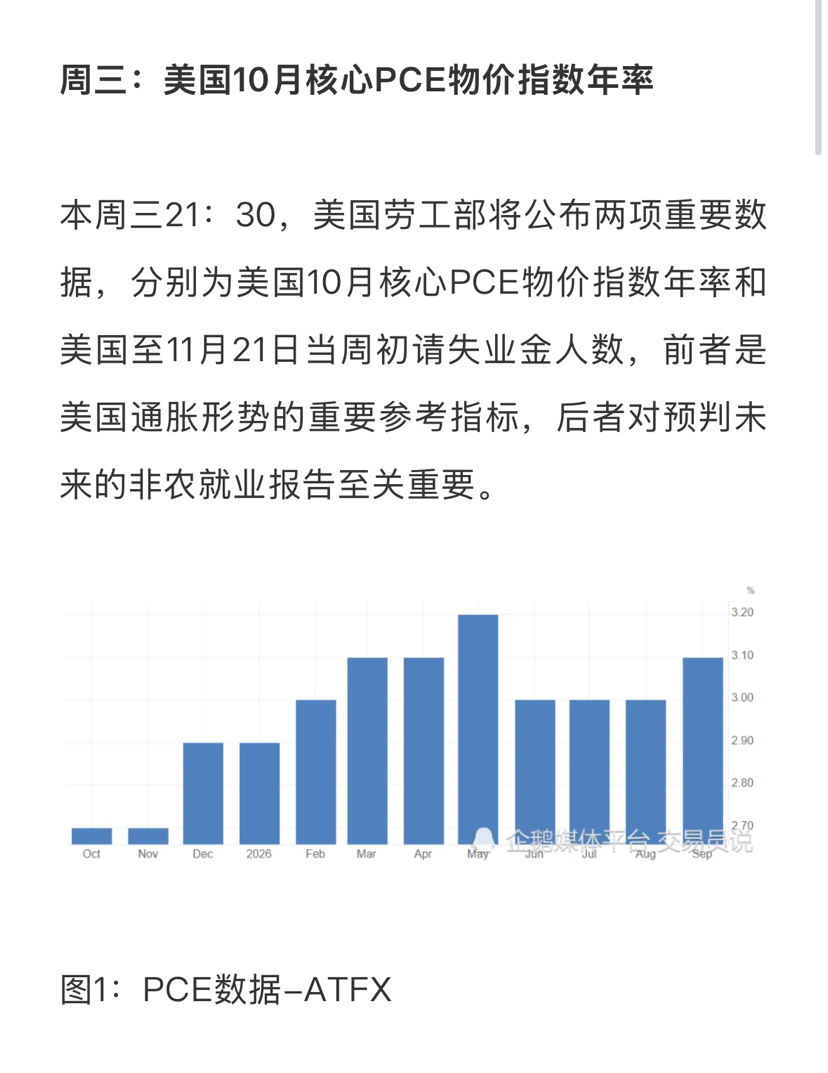
#美国10月核心PCE即将揭晓,加息预期如何变化?
$BTC
$BTC

Geocrypto2026
·
--
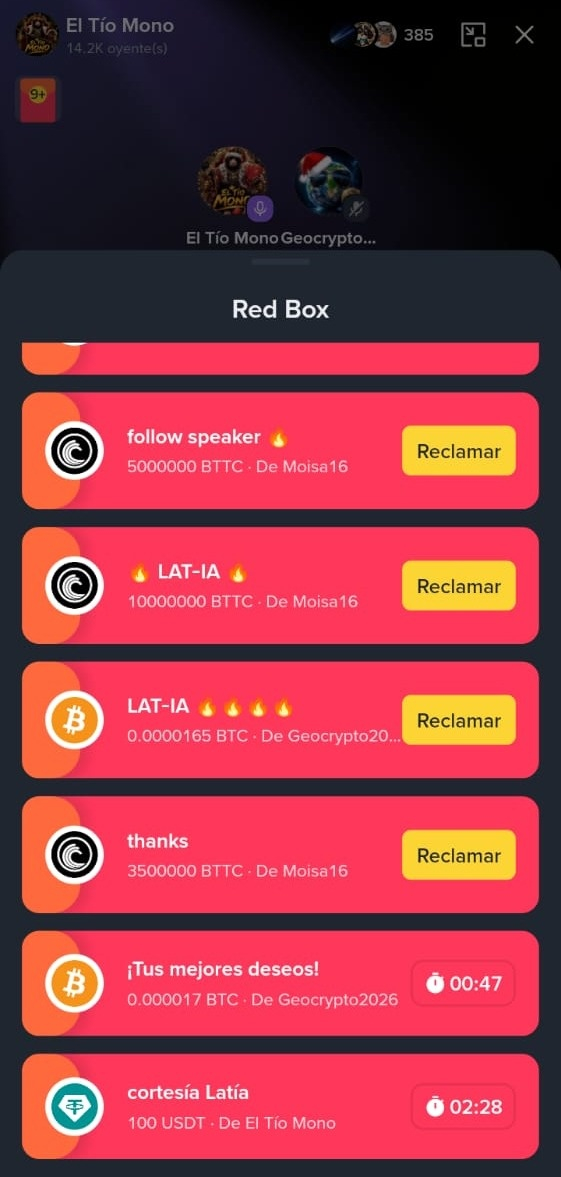
BullishIncredible energy on the live stream with El Tío Mono and the LAT-IA community! 🔥🎁 With BTTC, BTC, and USDT Red Packets courtesy of @El Tío Mono , @Vyz13 , @99PARAGUAYO , @FerDanzigPY , @Cripto_SharkVE , the community is still active, earning rewards live. Have you claimed yours before they run out? 🚀✨ #BinanceSquare #RedBox #CryptoCommunity

Syco 疯子
·
--
🌹Forgiveness is a balm for the soul,
A gesture of peace that soothes hearts,
Forget the wounds and start anew.
Forgiveness: it is freedom.
🌹Forgiveness is a choice and an act of
COurage,
Letting go and releasing the pains,
Forgiveness is healing for oneself and for others:
it is a new beginning.
Kindly✨,
@Syco 疯子 $KULR.US
$KUST.US
A gesture of peace that soothes hearts,
Forget the wounds and start anew.
Forgiveness: it is freedom.
🌹Forgiveness is a choice and an act of
COurage,
Letting go and releasing the pains,
Forgiveness is healing for oneself and for others:
it is a new beginning.
Kindly✨,
@Syco 疯子 $KULR.US
$KUST.US


Ae在币圈三年
·
--
The fortune-teller gave it out
But I don’t have enough points, so I can only claim the minimum benefit
The benefit will be issued in a week
But I don’t have enough points, so I can only claim the minimum benefit
The benefit will be issued in a week

Node知行
·
--
My biggest takeaway boils down to four words: respect the market. The crypto world is full of opportunities—and pitfalls. Just when you think you’ve figured it out, the market will quickly teach you a lesson. Don’t mistake luck for skill, or one market rally for proof of your ability. What you earn through luck, you’ll often end up losing through lack of skill. 🎁🎁🎁🎁🎁🎁🎁🎁🎁🎁🎁


Zoyaa-
·
--
CLAIM REWARD FROM HERE 💖💝💖💙💜💗💓💞
$BTC $ETH $BNB
$BTC $ETH $BNB


Nadyisom
·
--
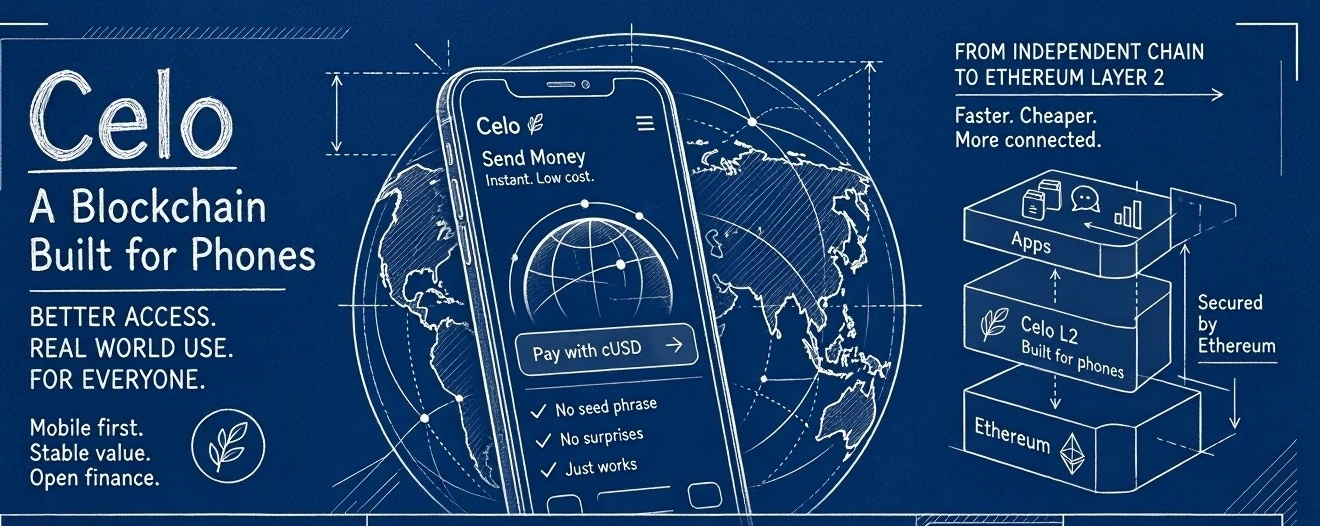
Celo: A Blockchain Built for Phones
Most people who try crypto give up early. The wallet asks for a 24-word seed phrase. The fees are unpredictable. The app needs you to buy a token before you can do anything, and that token has nothing to do with what you want to pay for. Celo was started to fix exactly these problems.
Where Celo Came From
Celo started in 2017 as a project focused on payments and financial access for people who don't have a bank account, or who have a bank account that charges too much for small transfers. The early team wanted a blockchain that a normal phone could use without special hardware or deep technical knowledge.
The main network went live in 2020. It was its own proof-of-stake blockchain, which means it had its own validators, its own security, and its own token. From the start, Celo was designed to run smart contracts, so developers could build apps on it using the same tools they use for Ethereum.
The network was built around a few ideas
Mobile first, so the main way to use it is a phone
Low and predictable fees
Stablecoins as a normal part of the system, not an extra
Compatibility with Ethereum developer tools
The Big Change: Celo Becomes an Ethereum Layer 2
In 2025, Celo made a major change. It moved from running as its own independent chain to becoming an Ethereum Layer 2 network. A Layer 2 is a blockchain that runs on top of Ethereum and posts its transaction data back to Ethereum. Ethereum handles final security, and the Layer 2 handles most of the day-to-day transaction work, usually faster and cheaper.
Celo made this move for a few reasons:
Ethereum has the largest developer community and the most security research behind it.
Being part of the Ethereum ecosystem makes it easier to move assets and apps between networks.
Running on shared infrastructure means Celo doesn't have to maintain as much of its own base layer.
For users, the change mostly stays out of sight. Apps still work the same way. But it does affect how fees are paid and how the network is secured, so the details matter. If you read older articles about Celo, check the date. Many descriptions from before the migration no longer match how the network works.
What the CELO Token Is Used For
The CELO token has a few main roles. Some of these have changed since the migration, so I'll explain each one with that in mind.
Governance
This is the clearest role. CELO holders can vote on changes to the protocol. That includes upgrades, changes to network parameters, and decisions about how community funds are spent. Governance happens on-chain, which means votes are recorded on the blockchain and can be checked by anyone.
If you hold CELO and want a say in how the network develops, governance is where that happens.
Staking and Network Participation
CELO holders can use their tokens to vote for validators on the network. Validators are the operators who process transactions and keep the chain secure. People who stake CELO help decide which validators get selected. Validators and the people who support them can earn rewards for helping run the network.
Staking involves risk
If a validator misbehaves, the network can penalize it, and that can affect the people who staked with it. Before staking, look at how the mechanism works now, since the details changed with the L2 migration.
Gas and Fees
This is where things get more nuanced, and where older descriptions can be misleading.
On the original Celo chain, CELO was the native gas token. Celo also introduced a feature called fee abstraction, which lets users pay transaction fees in supported stablecoins. This was a big part of the pitch: someone could send a stablecoin and pay the fee in the same stablecoin, without ever holding CELO.
After the move to an Ethereum Layer 2, the gas model changed. Gas on the network is now paid in ETH, and CELO's role is focused more on governance and staking. Fee abstraction and stablecoin payments remain a core part of the user experience, so check the current docs to see exactly which tokens can be used for fees in which situations.
So if you've read that CELO pays all gas fees, that's outdated. Keep that in mind when you read older guides.
What Celo Wants to Offer Users
Celo's design centers on making crypto usable for ordinary people. Here are the main things it tries to offer.
Phone-Based Wallets
Many crypto wallets assume you're comfortable with technical concepts like private keys and seed phrases. Celo's approach has been to make wallets simpler. Some wallet apps built on Celo let people sign up with a phone number or a social login. The app then manages the underlying keys in a way that is meant to be easier for beginners.
This tradeoff matters. Convenience and self-custody pull against each other. A wallet that is easier to recover is also a wallet where you rely more on the app and its recovery system. Anyone using these tools should understand exactly how recovery works and what they are trusting.
Stablecoins
Celo has a history of building stablecoins into its system. Stablecoins are tokens designed to hold a steady value, usually pegged to a currency like the US dollar or the euro. For payments, this matters because people generally don't want their money going up and down in value while they're trying to send it or spend it.
Mento, the team behind Celo's stablecoin system, has issued tokens for different currencies. The names and specific tokens have changed over time, so check current listings before you rely on any one of them.
Low Fees and Quick Transactions
Celo aims for fees that are low enough for small payments, and transactions that confirm quickly enough to feel practical. As a Layer 2, Celo benefits from the infrastructure underneath it, but actual fees and speeds depend on network conditions. Don't treat any number in an article as a guarantee. Check current fees on a block explorer or the docs before you plan around them.
Developer Tools
Because Celo is compatible with the Ethereum Virtual Machine, developers can use familiar tools such as Solidity, common libraries, and standard wallets. This lowers the cost of building on Celo. A team that already has an Ethereum app can often deploy it to Celo with few changes.
Mobile Payments and Apps
Celo has supported apps designed for everyday use, including payment and rewards applications. Some of these have been aimed at specific markets, such as users in regions where mobile money is common. The point is to show real, practical uses rather than speculation.
Honest picture
the value of any network depends on whether people actually use it. Celo's goals are clear, but adoption is an ongoing question. Look at real usage data, not just announcements.
How Celo Compares to Other Networks
Celo competes with many other chains. Here is a rough way to think about the difference.
Ethereum is the largest smart contract platform, with the most developers and the deepest liquidity. Celo now sits within the Ethereum ecosystem as a Layer 2.
Other Layer 2 networks also aim for low fees and fast transactions. Celo's differences are its focus on mobile use, its stablecoin system, and its phone-friendly wallet approach.
Payment-focused chains often emphasize speed and cost above everything else. Celo puts more weight on user onboarding and stablecoin payments.
No network is best for everything. A developer building a trading app might choose a different chain than someone building a payment app for users in a region with limited banking.
Risks and Things to Watch
Changing design. Celo has changed significantly, from an independent chain to a Layer 2. More changes may come. A setup that works today may look different in a year.
Smart contract risk. Apps on Celo run code, and code can have bugs. Audited apps still carry risk. Start with small amounts when trying something new.
Stablecoin risk. Stablecoins can lose their peg. Understand what backs a stablecoin before you hold it in size.
Wallet and recovery risk. Simple wallets that use phone numbers or social logins make recovery easier. They also introduce dependence on the app provider and its systems. Know how your wallet works before you put significant money in it.
Token value CELO's price can move a lot. Its usefulness on the network doesn't guarantee its market value. Don't buy it because a description sounds good.
Information gaps. Crypto information goes out of date quickly. Articles, videos, and forum posts from before the Layer 2 migration may describe a network that no longer exists in that form. Always check the date, then check the official docs.
Getting Started with Celo
1. Read the current documentation at docs.celo.org to understand the network as it is now.
2. Choose a wallet you trust. Look at how it handles keys and recovery.
3. Start with a small amount. Get comfortable with sending, receiving, and paying fees before you move larger sums.
4. Check fees and token options before each transaction, since the rules around gas and stablecoins can differ by app.
5. If you plan to stake or vote, read the governance and staking guides first. Understand what you're committing to.
Treat the first few weeks as learning. There's no need to rush.
Who Celo Might Suit Celo could be a good fit for:
People who want to send small amounts of stablecoins without learning much about crypto
Developers who want Ethereum compatibility with a focus on mobile users
Projects building payment or savings tools for everyday people
Token holders who want to take part in governance
It may be less suited to people who need the deepest liquidity, the widest range of tokens, or the most mature set of trading tools. Ethereum itself, or larger Layer 2 networks, may serve those needs better.
Where Things Stand
Celo set out to make crypto feel less like a technical hobby and more like a normal payment tool. Its move to an Ethereum Layer 2 was a major step, meant to tie the network into a larger and more established ecosystem. Its stablecoin system, fee abstraction, and phone-friendly wallets all point in the same direction: making the first experience easy.
Whether that works depends on real use. Watch what people actually do on the network, not just what the announcements say. Check the official docs, read recent sources, and be careful with money.
In this article I describes @celo as I understand it Before you make any decision, check docs and a current block explorer. If something in this article conflicts with the official docs, trust the docs and dyor
#CeloFestival $CELO

Apex_Trader_181
·
--
🚨 BREAKING: THE US IS TEAMING UP WITH TRM LABS TO TRACE CRYPTO STOLEN THROUGH SCAMS.

Bikramx_
·
--
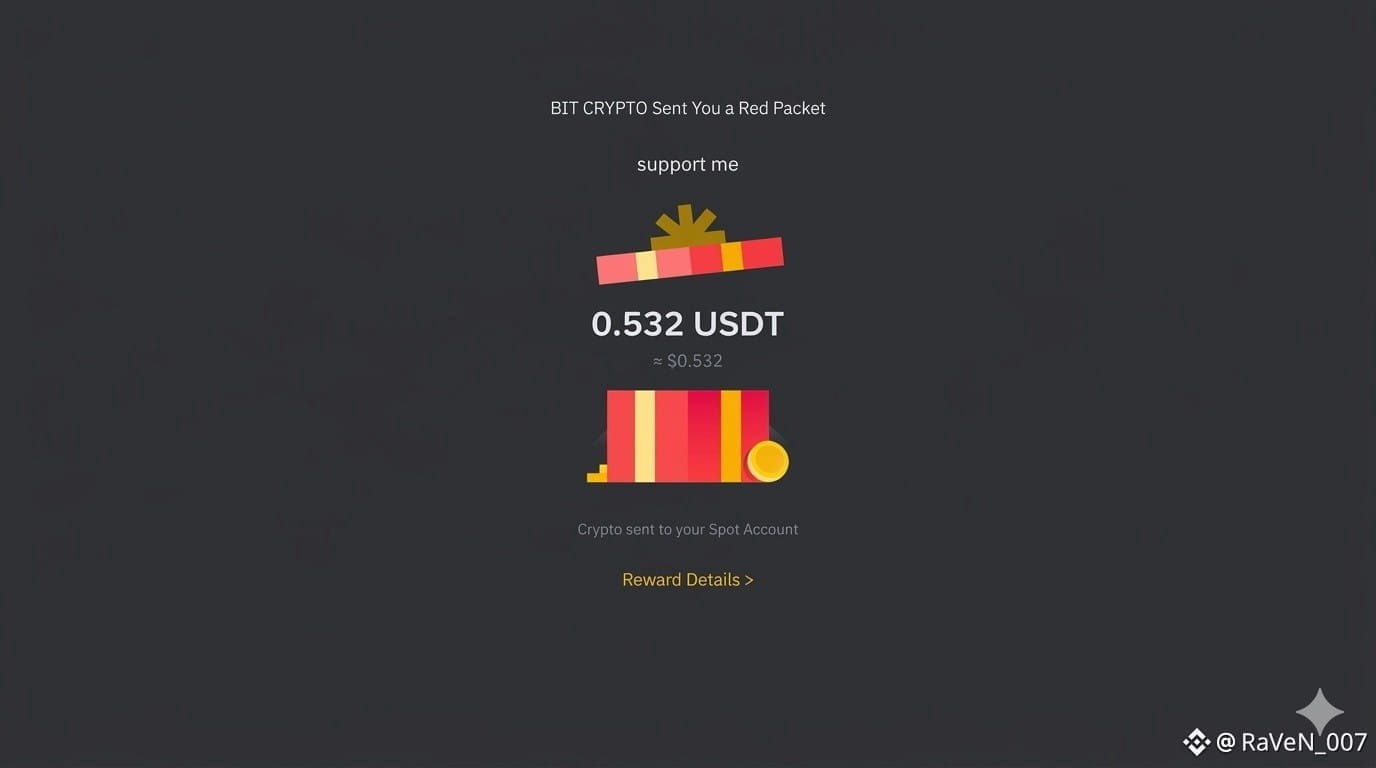
SCAN THE CODE TO CLAIM.. ...


Bilawal Ashiq
·
--
🧧🧧Clam Like Repost SOL Pls 🧧🧧🧧
$SOL
$SOL

Maria Cool X
·
--
claim 🛄



SaitamaSHAHIN
·
--
Go fast #ClaimYourReward
🎁🎁🎁🎁🎁🎁🎁🎁🎁🎁🎁🎁🎁🎁🎁🎁🎁🎁🎁🎁💸💸💸💸💸💸💸💸💸💸💸💸💸💸🎁🎁🎁🎁🎁🎁🎁🎁🎁🎁🎁🎁
🎁🎁🎁🎁🎁🎁🎁🎁🎁🎁🎁🎁🎁🎁🎁🎁🎁🎁🎁🎁💸💸💸💸💸💸💸💸💸💸💸💸💸💸🎁🎁🎁🎁🎁🎁🎁🎁🎁🎁🎁🎁

BLOCK Rayne
·
--
🎁🎁Reply today to receive the red envelope 🎁🎁$SOL
🌹Thank you for helping to share and spread the word THS🌹
🌹Thank you for helping to share and spread the word THS🌹


蟹 bro
·
--
Claim your token-following gift 🎁
1,000 available for a limited time 🔥🔥
1,000 available for a limited time 🔥🔥


磊哥1688
·
--
Even if I fail, I still want to know how far short of the finish line I'll fall.
Even if I fail, I still want to know how far I am from the finish line when I fall.
Even if I fail, I still want to know how far I am from the finish line when I fall.


奕泽YIZZE-1688
·
--
$BTC Latest News: AI Discovers Bitcoin Core Vulnerability; Official Fix Released!
On November 20, Bitcoin Core publicly disclosed a medium-severity vulnerability designated CVE-2026-117348. The vulnerability could allow a malicious node to repeatedly send specific transaction information, temporarily preventing other nodes from properly processing block and transaction messages.
Simply put, an attacker can submit the same transaction identifier up to 50,000 times in a single message, forcing affected nodes to repeat checks. Each malicious message could even cause processing delays of several seconds.
More notably, the vulnerability was first discovered by Loupe, an AI-powered automated scanning project from Block’s Spiral team.
Log in to explore more content