
ENSIGN TRADING
4.6k Posts

ENSIGN TRADING
Report
Block User
Digital Entrepreneur/P2P BLOCK MERCHANT

Top Voices

Level 1 Creator
Open Trade

SOL Holder
Frequent Trader
5.3 Years
8 Following
27.2K+ Followers
21.8K+ Liked
2 Badges
Posts
Portfolio
All
Quotes
Videos
BTC was $1 in 2011. Wish I bought then.
BTC was $4 in 2012. Wish I bought then.
BTC was $320 in 2014. Wish I bought then.
BTC was $200 in 2015. Wish I bought then.
BTC was $3,200 in 2018. Wish I bought then.
BTC was $4,000 in 2020. Wish I bought then.
BTC was $16,500 in 2022. Wish I bought then.
BTC was $1 in 2011. Wish I bought then.
BTC was $4 in 2012. Wish I bought then.
BTC was $320 in 2014. Wish I bought then.
BTC was $200 in 2015. Wish I bought then.
BTC was $3,200 in 2018. Wish I bought then.
BTC was $4,000 in 2020. Wish I bought then.
BTC was $16,500 in 2022. Wish I bought then.
BTC was $4 in 2012. Wish I bought then.
BTC was $320 in 2014. Wish I bought then.
BTC was $200 in 2015. Wish I bought then.
BTC was $3,200 in 2018. Wish I bought then.
BTC was $4,000 in 2020. Wish I bought then.
BTC was $16,500 in 2022. Wish I bought then.
1
3
548
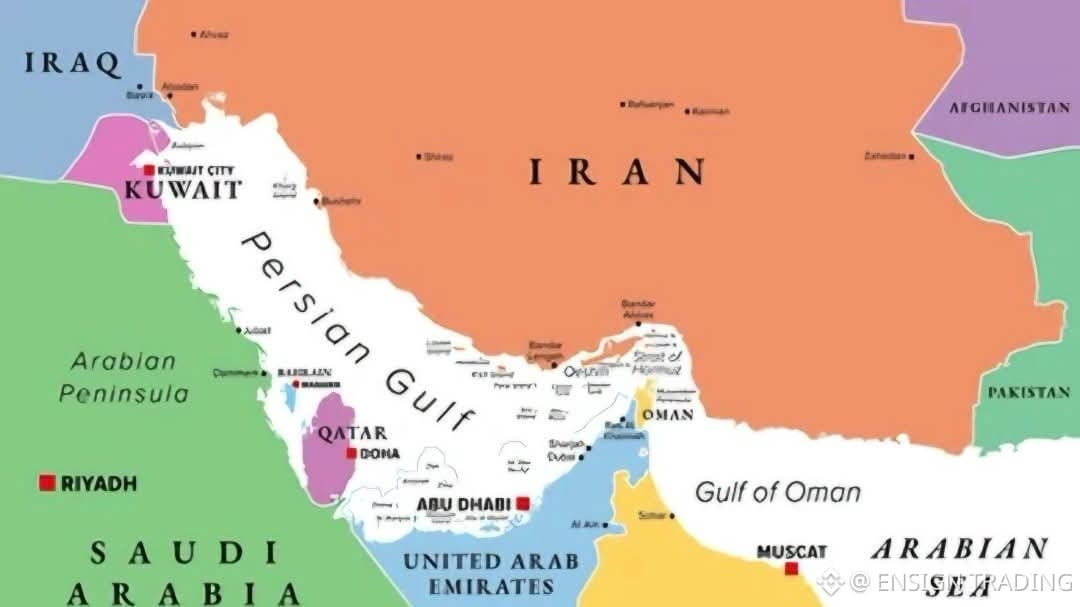
𝗕𝗥𝗘𝗔𝗞𝗜𝗡𝗚 🇮🇷 🇴🇲 🇧🇭 Gulf Meeting on New Strait of Hormuz Shipping Route Postponed Indefinitely
A regional foreign ministers’ meeting scheduled for Monday in Salalah, Oman, to discuss a proposed new safe maritime route through the Strait of Hormuz has been postponed indefinitely as efforts to reach a regional consensus stalled.
Oman announced the postponement late Sunday, saying the meeting would be delayed in order to reach greater consensus among the countries involved. The talks were expected to bring together Iran, Iraq and Gulf states to discuss arrangements for commercial vessels navigating the strategic waterway.
Bahrain had already announced that it would not participate in the proposed meeting, citing the lack of restored diplomatic relations with Iran. The setback raises further uncertainty over efforts by Iran and Oman to establish a temporary maritime corridor aimed at reducing risks to commercial shipping through the Strait of Hormuz.
𝗕𝗥𝗘𝗔𝗞𝗜𝗡𝗚 🇮🇷 🇴🇲 🇧🇭 Gulf Meeting on New Strait of Hormuz Shipping Route Postponed Indefinitely
A regional foreign ministers’ meeting scheduled for Monday in Salalah, Oman, to discuss a proposed new safe maritime route through the Strait of Hormuz has been postponed indefinitely as efforts to reach a regional consensus stalled.
Oman announced the postponement late Sunday, saying the meeting would be delayed in order to reach greater consensus among the countries involved. The talks were expected to bring together Iran, Iraq and Gulf states to discuss arrangements for commercial vessels navigating the strategic waterway.
Bahrain had already announced that it would not participate in the proposed meeting, citing the lack of restored diplomatic relations with Iran. The setback raises further uncertainty over efforts by Iran and Oman to establish a temporary maritime corridor aimed at reducing risks to commercial shipping through the Strait of Hormuz.
A regional foreign ministers’ meeting scheduled for Monday in Salalah, Oman, to discuss a proposed new safe maritime route through the Strait of Hormuz has been postponed indefinitely as efforts to reach a regional consensus stalled.
Oman announced the postponement late Sunday, saying the meeting would be delayed in order to reach greater consensus among the countries involved. The talks were expected to bring together Iran, Iraq and Gulf states to discuss arrangements for commercial vessels navigating the strategic waterway.
Bahrain had already announced that it would not participate in the proposed meeting, citing the lack of restored diplomatic relations with Iran. The setback raises further uncertainty over efforts by Iran and Oman to establish a temporary maritime corridor aimed at reducing risks to commercial shipping through the Strait of Hormuz.
2
1
4
702
·
--
Bullish
LONG
⚡️⚡️ #VVV/USDT ⚡️⚡️
Leverage: Cross (25х)
Entry Targets:
23.611
Take-Profit Targets:
1) 23.96517
2) 24.20128
3) 24.43739
4) 24.79155
5) 25.02766
6) 25.38183
7) 🚀🚀🚀
Stop Targets:
5-10%
⚡️⚡️ #USELESS/USDT ⚡️⚡️
Leverage: Cross (50х)
Entry Targets:
0.22060
Take-Profit Targets:
1) 0.22391
2) 0.22612
3) 0.22832
4) 0.23163
5) 0.23384
6) 0.23715
7) 🚀🚀🚀
Stop Targets:
5-10%
⚡️⚡️ #VELODROME/USDT ⚡️⚡️
Leverage: Cross (50х)
Entry Targets:
0.02487
Take-Profit Targets:
1) 0.02524
2) 0.02549
3) 0.02574
4) 0.02611
5) 0.02636
6) 0.02674
7) 🚀🚀🚀
Stop Targets:
5-10%
⚡️⚡️ #SAFE/USDT ⚡️⚡️
Leverage: Cross (50х)
Entry Targets:
0.09894
Take-Profit Targets:
1) 0.10042
2) 0.10141
3) 0.10240
4) 0.10389
5) 0.10488
6) 0.10636
7) 🚀🚀🚀
Stop Targets:
5-10%
⚡️⚡️ #TRX/USDT ⚡️⚡️
Leverage: Cross (75х)
Entry Targets:
0.33927
Take-Profit Targets:
1) 0.34436
2) 0.34775
3) 0.35114
4) 0.35623
5) 0.35963
6) 0.36472
7) 🚀🚀🚀
Stop Targets:
5-10%
⚡️⚡️ #UNI/USDT ⚡️⚡️
Leverage: Cross (75х)
Entry Targets:
6.155
Take-Profit Targets:
1) 6.24733
2) 6.30888
3) 6.37043
4) 6.46275
5) 6.52430
6) 6.61663
7) 🚀🚀🚀
Stop Targets:
5-10%
LONG
⚡️⚡️ #VVV/USDT ⚡️⚡️
Leverage: Cross (25х)
Entry Targets:
23.611
Take-Profit Targets:
1) 23.96517
2) 24.20128
3) 24.43739
4) 24.79155
5) 25.02766
6) 25.38183
7) 🚀🚀🚀
Stop Targets:
5-10%
⚡️⚡️ #USELESS/USDT ⚡️⚡️
Leverage: Cross (50х)
Entry Targets:
0.22060
Take-Profit Targets:
1) 0.22391
2) 0.22612
3) 0.22832
4) 0.23163
5) 0.23384
6) 0.23715
7) 🚀🚀🚀
Stop Targets:
5-10%
⚡️⚡️ #VELODROME/USDT ⚡️⚡️
Leverage: Cross (50х)
Entry Targets:
0.02487
Take-Profit Targets:
1) 0.02524
2) 0.02549
3) 0.02574
4) 0.02611
5) 0.02636
6) 0.02674
7) 🚀🚀🚀
Stop Targets:
5-10%
⚡️⚡️ #SAFE/USDT ⚡️⚡️
Leverage: Cross (50х)
Entry Targets:
0.09894
Take-Profit Targets:
1) 0.10042
2) 0.10141
3) 0.10240
4) 0.10389
5) 0.10488
6) 0.10636
7) 🚀🚀🚀
Stop Targets:
5-10%
⚡️⚡️ #TRX/USDT ⚡️⚡️
Leverage: Cross (75х)
Entry Targets:
0.33927
Take-Profit Targets:
1) 0.34436
2) 0.34775
3) 0.35114
4) 0.35623
5) 0.35963
6) 0.36472
7) 🚀🚀🚀
Stop Targets:
5-10%
⚡️⚡️ #UNI/USDT ⚡️⚡️
Leverage: Cross (75х)
Entry Targets:
6.155
Take-Profit Targets:
1) 6.24733
2) 6.30888
3) 6.37043
4) 6.46275
5) 6.52430
6) 6.61663
7) 🚀🚀🚀
Stop Targets:
5-10%
⚡️⚡️ #VVV/USDT ⚡️⚡️
Leverage: Cross (25х)
Entry Targets:
23.611
Take-Profit Targets:
1) 23.96517
2) 24.20128
3) 24.43739
4) 24.79155
5) 25.02766
6) 25.38183
7) 🚀🚀🚀
Stop Targets:
5-10%
⚡️⚡️ #USELESS/USDT ⚡️⚡️
Leverage: Cross (50х)
Entry Targets:
0.22060
Take-Profit Targets:
1) 0.22391
2) 0.22612
3) 0.22832
4) 0.23163
5) 0.23384
6) 0.23715
7) 🚀🚀🚀
Stop Targets:
5-10%
⚡️⚡️ #VELODROME/USDT ⚡️⚡️
Leverage: Cross (50х)
Entry Targets:
0.02487
Take-Profit Targets:
1) 0.02524
2) 0.02549
3) 0.02574
4) 0.02611
5) 0.02636
6) 0.02674
7) 🚀🚀🚀
Stop Targets:
5-10%
⚡️⚡️ #SAFE/USDT ⚡️⚡️
Leverage: Cross (50х)
Entry Targets:
0.09894
Take-Profit Targets:
1) 0.10042
2) 0.10141
3) 0.10240
4) 0.10389
5) 0.10488
6) 0.10636
7) 🚀🚀🚀
Stop Targets:
5-10%
⚡️⚡️ #TRX/USDT ⚡️⚡️
Leverage: Cross (75х)
Entry Targets:
0.33927
Take-Profit Targets:
1) 0.34436
2) 0.34775
3) 0.35114
4) 0.35623
5) 0.35963
6) 0.36472
7) 🚀🚀🚀
Stop Targets:
5-10%
⚡️⚡️ #UNI/USDT ⚡️⚡️
Leverage: Cross (75х)
Entry Targets:
6.155
Take-Profit Targets:
1) 6.24733
2) 6.30888
3) 6.37043
4) 6.46275
5) 6.52430
6) 6.61663
7) 🚀🚀🚀
Stop Targets:
5-10%
26
6
10
1.1k
Most of you will get rich this cycle
Like GENUINELY rich
Then LOSE it all by being emotionally attached to your bags.
You’ll watch your portfolio 10x
Then refuse to sell “long term hold bro.”
6 months later, you’re down 80%, blaming kols and the moon.
Let me make this simple:
Even $BTC, $ETH, $XEP crash 70–90% every single cycle.
This isn’t stocks.
This isn’t ISA.
This is crypto.
Everything will die.
If you don’t sell into strength, you’ll be the exit liquidity for those who do.
Stop holding like it’s religion.
Accumulate → Ride Momentum → Exit smart → Rebuy lower
That’s the formula.
I’m telling you this
Because i genuinely want to see my followers win this cycle
Follow me or repeat the same stupid mistakes.
Most of you will get rich this cycle
Like GENUINELY rich
Then LOSE it all by being emotionally attached to your bags.
You’ll watch your portfolio 10x
Then refuse to sell “long term hold bro.”
6 months later, you’re down 80%, blaming kols and the moon.
Let me make this simple:
Even $BTC, $ETH, $XEP crash 70–90% every single cycle.
This isn’t stocks.
This isn’t ISA.
This is crypto.
Everything will die.
If you don’t sell into strength, you’ll be the exit liquidity for those who do.
Stop holding like it’s religion.
Accumulate → Ride Momentum → Exit smart → Rebuy lower
That’s the formula.
I’m telling you this
Because i genuinely want to see my followers win this cycle
Follow me or repeat the same stupid mistakes.
Like GENUINELY rich
Then LOSE it all by being emotionally attached to your bags.
You’ll watch your portfolio 10x
Then refuse to sell “long term hold bro.”
6 months later, you’re down 80%, blaming kols and the moon.
Let me make this simple:
Even $BTC, $ETH, $XEP crash 70–90% every single cycle.
This isn’t stocks.
This isn’t ISA.
This is crypto.
Everything will die.
If you don’t sell into strength, you’ll be the exit liquidity for those who do.
Stop holding like it’s religion.
Accumulate → Ride Momentum → Exit smart → Rebuy lower
That’s the formula.
I’m telling you this
Because i genuinely want to see my followers win this cycle
Follow me or repeat the same stupid mistakes.
1
1
3
318
Apple is officially entering the foldable smartphone market.
More than seven years after Samsung debuted the first Galaxy Fold, Apple announced the iPhone Duo, a book-style foldable built for multitasking, productivity, and media consumption.
The device has a 5.4-inch outer display that unfolds into a 7.6-inch screen, the largest ever on an iPhone.
The iPhone Duo starts at $1,999 and features a titanium frame, Apple's new A20 Pro chip, a fingerprint scanner built into the side button instead of Face ID, and an under-display selfie camera on the inner screen.
It will be available in white and blue, with preorders beginning Oct. 16 ahead of its Oct. 23 release.
Apple is officially entering the foldable smartphone market.
More than seven years after Samsung debuted the first Galaxy Fold, Apple announced the iPhone Duo, a book-style foldable built for multitasking, productivity, and media consumption.
The device has a 5.4-inch outer display that unfolds into a 7.6-inch screen, the largest ever on an iPhone.
The iPhone Duo starts at $1,999 and features a titanium frame, Apple's new A20 Pro chip, a fingerprint scanner built into the side button instead of Face ID, and an under-display selfie camera on the inner screen.
It will be available in white and blue, with preorders beginning Oct. 16 ahead of its Oct. 23 release.
More than seven years after Samsung debuted the first Galaxy Fold, Apple announced the iPhone Duo, a book-style foldable built for multitasking, productivity, and media consumption.
The device has a 5.4-inch outer display that unfolds into a 7.6-inch screen, the largest ever on an iPhone.
The iPhone Duo starts at $1,999 and features a titanium frame, Apple's new A20 Pro chip, a fingerprint scanner built into the side button instead of Face ID, and an under-display selfie camera on the inner screen.
It will be available in white and blue, with preorders beginning Oct. 16 ahead of its Oct. 23 release.

61
9
19
563
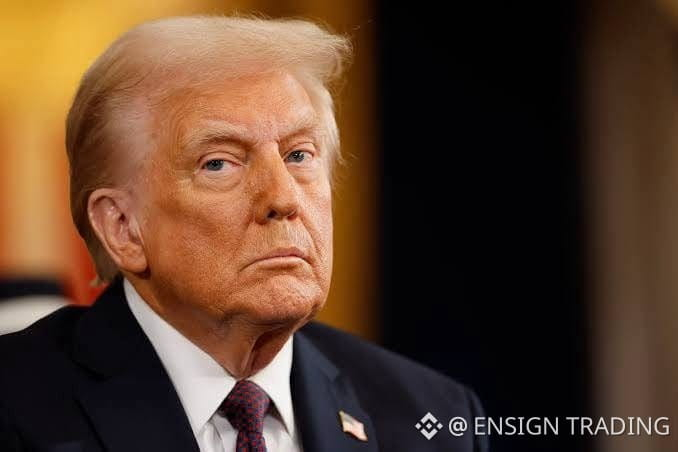
Trump bought stocks in Dell worth millions of dollars.
Nine days later, he told Americans:
“Go out and buy a Dell computer.”
Remember, he didn’t tell them to buy Dell stock.
No.
He told consumers to buy Dell computers.
Then boom.
Dell stock climbed.
Trump cash out
Dell cashed in on the attention.
This is not your regular president.
Watch the crypto and stock market closely 
This is an influencer.
Trump bought stocks in Dell worth millions of dollars.
Nine days later, he told Americans:
“Go out and buy a Dell computer.”
Remember, he didn’t tell them to buy Dell stock.
No.
He told consumers to buy Dell computers.
Then boom.
Dell stock climbed.
Trump cash out
Dell cashed in on the attention.
This is not your regular president.
Watch the crypto and stock market closely 
This is an influencer.
Nine days later, he told Americans:
“Go out and buy a Dell computer.”
Remember, he didn’t tell them to buy Dell stock.
No.
He told consumers to buy Dell computers.
Then boom.
Dell stock climbed.
Trump cash out
Dell cashed in on the attention.
This is not your regular president.
Watch the crypto and stock market closely 
This is an influencer.
2
4
623
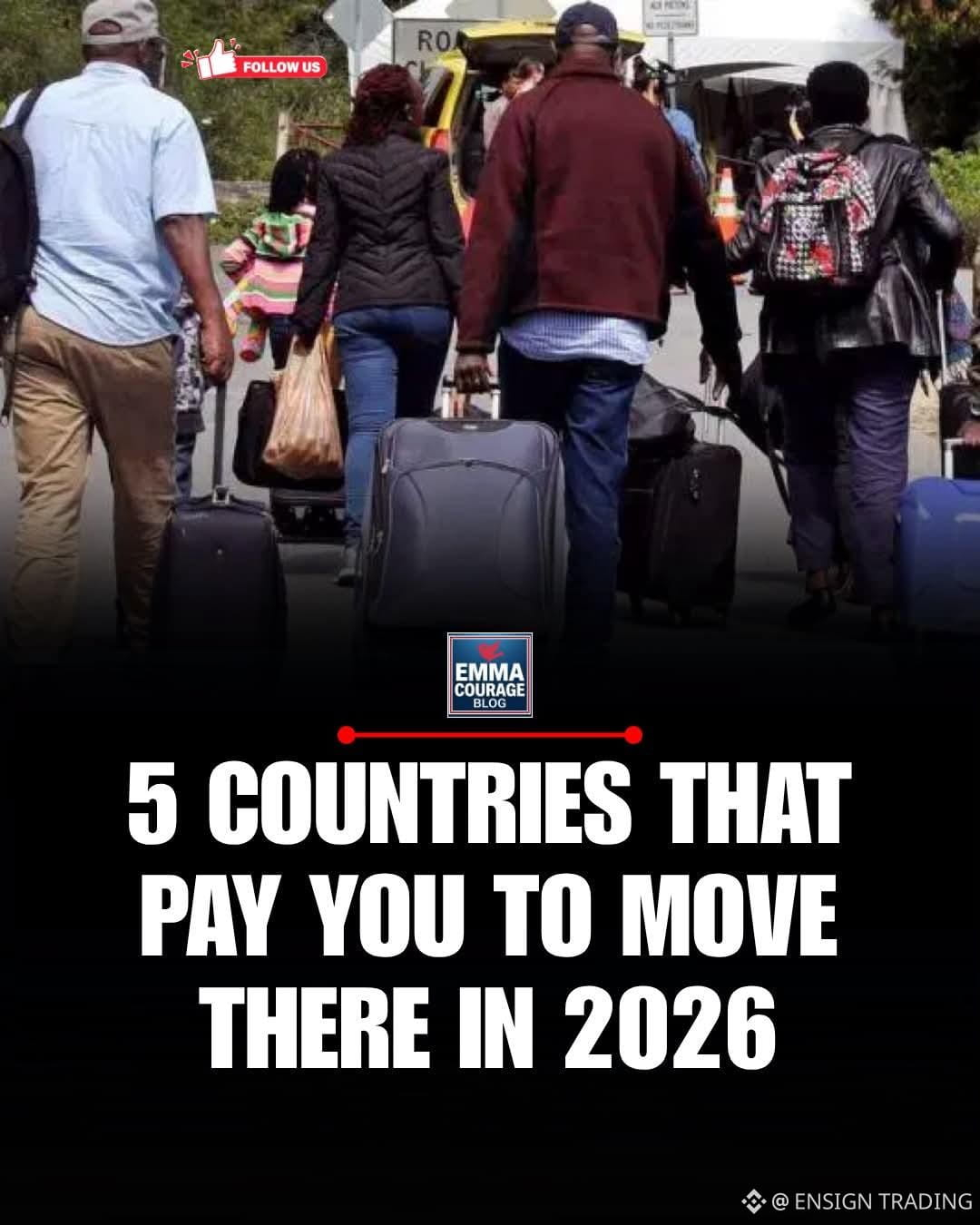
RELOCATION DEALS: Some countries and communities are offering financial incentives to attract new residents, workers, entrepreneurs and families in 2026, particularly in areas facing population decline or abandoned properties.
Here are five destinations with notable relocation incentives:
🇮🇪 IRELAND: Eligible applicants can receive up to €50,000 to renovate a qualifying vacant property, or up to €70,000 for a derelict property.
Higher grants are available for qualifying properties on offshore islands. Applicants must meet property and occupancy conditions.
🇯🇵 JAPAN: Eligible people relocating from the Tokyo metropolitan area to participating regional communities can receive up to ¥1 million for a household or ¥600,000 for an individual. Families may also qualify for additional support for children. Conditions vary by municipality.
🇵🇹 PORTUGAL: The Emprego Interior MAIS programme provides financial assistance to eligible workers and entrepreneurs who relocate to qualifying inland areas for employment or to establish a business. Support can also cover family members and transportation of belongings.
🇮🇹 ITALY: Several regions and municipalities offer incentives to attract residents and businesses to smaller or depopulated communities.
Calabria, for example, has allocated €5 million to its mountain-village initiative, with support focused largely on new businesses, remote workers and pensioners.
🇨🇭 SWITZERLAND: The village of Albinen has offered incentives of around CHF25,000 per adult and CHF10,000 per child to qualifying residents who meet strict conditions, including property and residency requirements.
⚠️ IMPORTANT: These programmes do not generally mean foreigners are simply paid to move abroad.
Most require applicants to meet specific conditions, such as securing employment, starting a business, buying or renovating property, or committing to live in a particular location for a set period.
Also, relocation incentives do not automatically grant immigration or work rights.
RELOCATION DEALS: Some countries and communities are offering financial incentives to attract new residents, workers, entrepreneurs and families in 2026, particularly in areas facing population decline or abandoned properties.
Here are five destinations with notable relocation incentives:
🇮🇪 IRELAND: Eligible applicants can receive up to €50,000 to renovate a qualifying vacant property, or up to €70,000 for a derelict property.
Higher grants are available for qualifying properties on offshore islands. Applicants must meet property and occupancy conditions.
🇯🇵 JAPAN: Eligible people relocating from the Tokyo metropolitan area to participating regional communities can receive up to ¥1 million for a household or ¥600,000 for an individual. Families may also qualify for additional support for children. Conditions vary by municipality.
🇵🇹 PORTUGAL: The Emprego Interior MAIS programme provides financial assistance to eligible workers and entrepreneurs who relocate to qualifying inland areas for employment or to establish a business. Support can also cover family members and transportation of belongings.
🇮🇹 ITALY: Several regions and municipalities offer incentives to attract residents and businesses to smaller or depopulated communities.
Calabria, for example, has allocated €5 million to its mountain-village initiative, with support focused largely on new businesses, remote workers and pensioners.
🇨🇭 SWITZERLAND: The village of Albinen has offered incentives of around CHF25,000 per adult and CHF10,000 per child to qualifying residents who meet strict conditions, including property and residency requirements.
⚠️ IMPORTANT: These programmes do not generally mean foreigners are simply paid to move abroad.
Most require applicants to meet specific conditions, such as securing employment, starting a business, buying or renovating property, or committing to live in a particular location for a set period.
Also, relocation incentives do not automatically grant immigration or work rights.
Here are five destinations with notable relocation incentives:
🇮🇪 IRELAND: Eligible applicants can receive up to €50,000 to renovate a qualifying vacant property, or up to €70,000 for a derelict property.
Higher grants are available for qualifying properties on offshore islands. Applicants must meet property and occupancy conditions.
🇯🇵 JAPAN: Eligible people relocating from the Tokyo metropolitan area to participating regional communities can receive up to ¥1 million for a household or ¥600,000 for an individual. Families may also qualify for additional support for children. Conditions vary by municipality.
🇵🇹 PORTUGAL: The Emprego Interior MAIS programme provides financial assistance to eligible workers and entrepreneurs who relocate to qualifying inland areas for employment or to establish a business. Support can also cover family members and transportation of belongings.
🇮🇹 ITALY: Several regions and municipalities offer incentives to attract residents and businesses to smaller or depopulated communities.
Calabria, for example, has allocated €5 million to its mountain-village initiative, with support focused largely on new businesses, remote workers and pensioners.
🇨🇭 SWITZERLAND: The village of Albinen has offered incentives of around CHF25,000 per adult and CHF10,000 per child to qualifying residents who meet strict conditions, including property and residency requirements.
⚠️ IMPORTANT: These programmes do not generally mean foreigners are simply paid to move abroad.
Most require applicants to meet specific conditions, such as securing employment, starting a business, buying or renovating property, or committing to live in a particular location for a set period.
Also, relocation incentives do not automatically grant immigration or work rights.
1
320
Breaking 🚨;
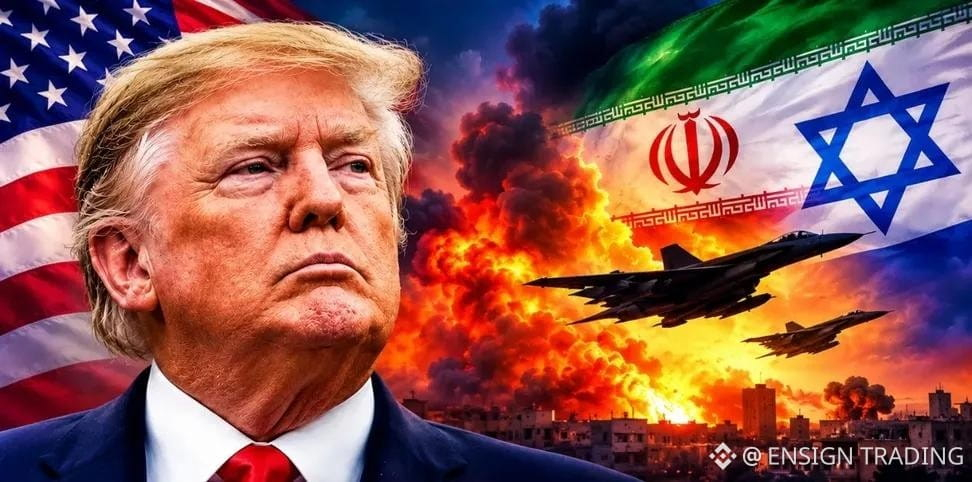
🇺🇸 USA: "I am warning you directly, Tehran! If your regional proxies launch one more attack on our forces or military assets, we will strike deep inside your homeland and erase your energy grid from existence!" ⚠️🚀💥
🇮🇷 Iran: "You talk big from across the ocean! The moment you launch a single missile, our hypersonic arsenal will turn all your bases in the Middle East into a fiery graveyard. Try us and see if your troops make it back alive!" ⚡🔥💣
Breaking 🚨;
🇺🇸 USA: "I am warning you directly, Tehran! If your regional proxies launch one more attack on our forces or military assets, we will strike deep inside your homeland and erase your energy grid from existence!" ⚠️🚀💥
🇮🇷 Iran: "You talk big from across the ocean! The moment you launch a single missile, our hypersonic arsenal will turn all your bases in the Middle East into a fiery graveyard. Try us and see if your troops make it back alive!" ⚡🔥💣
🇺🇸 USA: "I am warning you directly, Tehran! If your regional proxies launch one more attack on our forces or military assets, we will strike deep inside your homeland and erase your energy grid from existence!" ⚠️🚀💥
🇮🇷 Iran: "You talk big from across the ocean! The moment you launch a single missile, our hypersonic arsenal will turn all your bases in the Middle East into a fiery graveyard. Try us and see if your troops make it back alive!" ⚡🔥💣
2
312
·
--
Bullish
🚨🇺🇸🇮🇱🇮🇷 SIX MONTHS OF WAR CHANGED EVERYTHING...
Six months after the U.S. and Israel attacked Iran, the Middle East has been dramatically transformed, but not in the way they intended.
The U.S. and Israel reportedly hoped the February 28 attack would topple Iran’s clerical leadership and ultimately replace it with a pro-Western government.
Instead, the Islamic Republic survived the assassination of its top leaders and weeks of devastating bombardment.
And Tehran discovered an extraordinarily powerful weapon of leverage.
The Strait of Hormuz.
Iran’s ability to disrupt one of the world’s most important shipping routes has given Tehran leverage over global energy markets and forced Gulf states to confront uncomfortable questions about their own security.
Those Gulf countries have also witnessed serious gaps in the American security umbrella they have depended on for decades, with some reportedly beginning to look at alternatives.
Israel, meanwhile, has inflicted enormous damage on its enemies without completely defeating them.
After nearly three years of war in Gaza, further territorial seizures and now the Iran conflict, the country also risks what the article describes as a generational rupture with the United States.
And another major U.S.-Israeli ambition has moved even further away.
Saudi-Israeli normalization.
Former senior U.S. diplomat Barbara Leaf says the campaign has produced something very different from the government Washington hoped would emerge.
A “hardened and very radical regime.”
She says Iran’s confidence has grown that it can not only survive the war, but ultimately prevail and reshape the regional order itself.
Six months ago, the goal was to transform the Middle East.
The question now is who actually transformed it?
🚨🇺🇸🇮🇱🇮🇷 SIX MONTHS OF WAR CHANGED EVERYTHING...
Six months after the U.S. and Israel attacked Iran, the Middle East has been dramatically transformed, but not in the way they intended.
The U.S. and Israel reportedly hoped the February 28 attack would topple Iran’s clerical leadership and ultimately replace it with a pro-Western government.
Instead, the Islamic Republic survived the assassination of its top leaders and weeks of devastating bombardment.
And Tehran discovered an extraordinarily powerful weapon of leverage.
The Strait of Hormuz.
Iran’s ability to disrupt one of the world’s most important shipping routes has given Tehran leverage over global energy markets and forced Gulf states to confront uncomfortable questions about their own security.
Those Gulf countries have also witnessed serious gaps in the American security umbrella they have depended on for decades, with some reportedly beginning to look at alternatives.
Israel, meanwhile, has inflicted enormous damage on its enemies without completely defeating them.
After nearly three years of war in Gaza, further territorial seizures and now the Iran conflict, the country also risks what the article describes as a generational rupture with the United States.
And another major U.S.-Israeli ambition has moved even further away.
Saudi-Israeli normalization.
Former senior U.S. diplomat Barbara Leaf says the campaign has produced something very different from the government Washington hoped would emerge.
A “hardened and very radical regime.”
She says Iran’s confidence has grown that it can not only survive the war, but ultimately prevail and reshape the regional order itself.
Six months ago, the goal was to transform the Middle East.
The question now is who actually transformed it?
Six months after the U.S. and Israel attacked Iran, the Middle East has been dramatically transformed, but not in the way they intended.
The U.S. and Israel reportedly hoped the February 28 attack would topple Iran’s clerical leadership and ultimately replace it with a pro-Western government.
Instead, the Islamic Republic survived the assassination of its top leaders and weeks of devastating bombardment.
And Tehran discovered an extraordinarily powerful weapon of leverage.
The Strait of Hormuz.
Iran’s ability to disrupt one of the world’s most important shipping routes has given Tehran leverage over global energy markets and forced Gulf states to confront uncomfortable questions about their own security.
Those Gulf countries have also witnessed serious gaps in the American security umbrella they have depended on for decades, with some reportedly beginning to look at alternatives.
Israel, meanwhile, has inflicted enormous damage on its enemies without completely defeating them.
After nearly three years of war in Gaza, further territorial seizures and now the Iran conflict, the country also risks what the article describes as a generational rupture with the United States.
And another major U.S.-Israeli ambition has moved even further away.
Saudi-Israeli normalization.
Former senior U.S. diplomat Barbara Leaf says the campaign has produced something very different from the government Washington hoped would emerge.
A “hardened and very radical regime.”
She says Iran’s confidence has grown that it can not only survive the war, but ultimately prevail and reshape the regional order itself.
Six months ago, the goal was to transform the Middle East.
The question now is who actually transformed it?
1
433
·
--
Bullish
BTC 76k > 85k > 74k
24 - 31 august 2026
Might be a start bull run but not confirmed. We play around 73-85 for at least 2 weeks.
For now it’s a bull trap till confirmation.
BTC 76k > 85k > 74k
24 - 31 august 2026
Might be a start bull run but not confirmed. We play around 73-85 for at least 2 weeks.
For now it’s a bull trap till confirmation.
24 - 31 august 2026
Might be a start bull run but not confirmed. We play around 73-85 for at least 2 weeks.
For now it’s a bull trap till confirmation.
2
466
BoG, SEC target 2027 for full implementation of Virtual Asset lawGovernment is targeting 2027 for the full operationalisation of its Virtual Asset Service Providers Act, 2025 (Act 1154), as the Bank of Ghana (BoG) and the Securities and Exchange Commission (SEC) work to develop the regulatory framework for the rapidly evolving sector.
Governor of the Bank of Ghana, Dr Johnson Asiama, said the two institutions are developing operational guidelines and implementing policy sandboxes to support the effective implementation of the law.
Speaking at the inauguration of the Virtual Assets Coordinating Committee (VACC), Dr Asiama said the legislation was a critical step in bringing Ghana’s growing virtual asset sector under a formal regulatory framework.
“The operational guidelines are being developed by the designated regulatory authorities, i.e., the Bank of Ghana and the Securities and Exchange Commission, alongside the implementation of policy sandboxes by both institutions towards fully operationalizing the Act by 2027.”
The Act was enacted following concerns raised by Ghana’s 2024 national Anti-Money Laundering, Counter-Terrorist Financing and Proliferation Financing (AML-CFT-PF) risk assessment.
According to Dr Asiama, the assessment revealed significant adoption and use of virtual assets in Ghana, alongside increasing links between the sector and the formal financial system.
“The report highlighted the urgent need for a legal and regulatory framework to govern the evolving virtual asset sector. So, fast forward, we now have Act 1154 before us.”
Regulatory framework
The Governor said the development of operational guidelines and policy sandboxes by the BoG and SEC would help provide the regulatory infrastructure needed to implement the law.
The policy sandboxes are expected to provide a controlled environment for regulators to assess emerging virtual asset products, services and business models while the broader regulatory framework is being developed.
Dr Asiama said the establishment of the VACC is another important component of the implementation process, as it will bring together key institutions responsible for overseeing different aspects of the sector.
The committee comprises representatives from the Bank of Ghana, SEC, Ministry of Finance, Cyber Security Authority and Financial Intelligence Centre, with provision for other relevant institutions to be co-opted when necessary.
He said the committee would provide a statutory platform for coordinated regulatory and supervisory action.
“The inauguration of the virtual assets coordinating committee is therefore critical to the effective implementation of the Virtual Assets Providers Act 2025 Act 1154, as it will provide the statutory platform for coordinated regulatory and supervisory actions among the relevant institutions.”
Balancing regulation and innovation
Dr Asiama stressed that Ghana’s regulatory approach must keep pace with developments in digital finance while creating room for responsible innovation.
“The pace at which virtual assets and digital finance are evolving globally, this leaves us little room for a passive approach.”
He said effective coordination and information sharing would be critical to developing a virtual asset ecosystem that is safe and well regulated without undermining innovation and inclusion.
“Effective coordination, timely information sharing, and a shared commitment to safeguarding the integrity of our financial system, these will be essential if we are to build a virtual asset ecosystem, an ecosystem that is safe, an ecosystem that is well regulated, and an ecosystem that is supportive of innovation and inclusion.”
The Governor said the VACC would also help strengthen Ghana’s response to risks associated with virtual assets, including money laundering, terrorist financing, cybersecurity and consumer protection.
“The committee will facilitate harmonized implementation of the Act and its subsidiary regulatory instruments, strengthen information sharing and interagency cooperation, support coordinated responses to emerging risks, and enhance Ghana’s ability to address money laundering, terrorist financing, cybersecurity, consumer protection, and other risks that are associated with virtual assets.”
Dr Asiama described the inauguration of the VACC as an important transition from the enactment of the legislation to the establishment of a functioning regulatory framework.
“This inauguration this afternoon therefore marks an important transition from the enactment of the legislation to the establishment of an effective, coordinated, and sustainable virtual asset regulatory framework in Ghana.”
BoG, SEC target 2027 for full implementation of Virtual Asset law
Government is targeting 2027 for the full operationalisation of its Virtual Asset Service Providers Act, 2025 (Act 1154), as the Bank of Ghana (BoG) and the Securities and Exchange Commission (SEC) work to develop the regulatory framework for the rapidly evolving sector.
Governor of the Bank of Ghana, Dr Johnson Asiama, said the two institutions are developing operational guidelines and implementing policy sandboxes to support the effective implementation of the law.
Speaking at the inauguration of the Virtual Assets Coordinating Committee (VACC), Dr Asiama said the legislation was a critical step in bringing Ghana’s growing virtual asset sector under a formal regulatory framework.
“The operational guidelines are being developed by the designated regulatory authorities, i.e., the Bank of Ghana and the Securities and Exchange Commission, alongside the implementation of policy sandboxes by both institutions towards fully operationalizing the Act by 2027.”
The Act was enacted following concerns raised by Ghana’s 2024 national Anti-Money Laundering, Counter-Terrorist Financing and Proliferation Financing (AML-CFT-PF) risk assessment.
According to Dr Asiama, the assessment revealed significant adoption and use of virtual assets in Ghana, alongside increasing links between the sector and the formal financial system.
“The report highlighted the urgent need for a legal and regulatory framework to govern the evolving virtual asset sector. So, fast forward, we now have Act 1154 before us.”
Regulatory framework
The Governor said the development of operational guidelines and policy sandboxes by the BoG and SEC would help provide the regulatory infrastructure needed to implement the law.
The policy sandboxes are expected to provide a controlled environment for regulators to assess emerging virtual asset products, services and business models while the broader regulatory framework is being developed.
Dr Asiama said the establishment of the VACC is another important component of the implementation process, as it will bring together key institutions responsible for overseeing different aspects of the sector.
The committee comprises representatives from the Bank of Ghana, SEC, Ministry of Finance, Cyber Security Authority and Financial Intelligence Centre, with provision for other relevant institutions to be co-opted when necessary.
He said the committee would provide a statutory platform for coordinated regulatory and supervisory action.
“The inauguration of the virtual assets coordinating committee is therefore critical to the effective implementation of the Virtual Assets Providers Act 2025 Act 1154, as it will provide the statutory platform for coordinated regulatory and supervisory actions among the relevant institutions.”
Balancing regulation and innovation
Dr Asiama stressed that Ghana’s regulatory approach must keep pace with developments in digital finance while creating room for responsible innovation.
“The pace at which virtual assets and digital finance are evolving globally, this leaves us little room for a passive approach.”
He said effective coordination and information sharing would be critical to developing a virtual asset ecosystem that is safe and well regulated without undermining innovation and inclusion.
“Effective coordination, timely information sharing, and a shared commitment to safeguarding the integrity of our financial system, these will be essential if we are to build a virtual asset ecosystem, an ecosystem that is safe, an ecosystem that is well regulated, and an ecosystem that is supportive of innovation and inclusion.”
The Governor said the VACC would also help strengthen Ghana’s response to risks associated with virtual assets, including money laundering, terrorist financing, cybersecurity and consumer protection.
“The committee will facilitate harmonized implementation of the Act and its subsidiary regulatory instruments, strengthen information sharing and interagency cooperation, support coordinated responses to emerging risks, and enhance Ghana’s ability to address money laundering, terrorist financing, cybersecurity, consumer protection, and other risks that are associated with virtual assets.”
Dr Asiama described the inauguration of the VACC as an important transition from the enactment of the legislation to the establishment of a functioning regulatory framework.
“This inauguration this afternoon therefore marks an important transition from the enactment of the legislation to the establishment of an effective, coordinated, and sustainable virtual asset regulatory framework in Ghana.”
Governor of the Bank of Ghana, Dr Johnson Asiama, said the two institutions are developing operational guidelines and implementing policy sandboxes to support the effective implementation of the law.
Speaking at the inauguration of the Virtual Assets Coordinating Committee (VACC), Dr Asiama said the legislation was a critical step in bringing Ghana’s growing virtual asset sector under a formal regulatory framework.
“The operational guidelines are being developed by the designated regulatory authorities, i.e., the Bank of Ghana and the Securities and Exchange Commission, alongside the implementation of policy sandboxes by both institutions towards fully operationalizing the Act by 2027.”
The Act was enacted following concerns raised by Ghana’s 2024 national Anti-Money Laundering, Counter-Terrorist Financing and Proliferation Financing (AML-CFT-PF) risk assessment.
According to Dr Asiama, the assessment revealed significant adoption and use of virtual assets in Ghana, alongside increasing links between the sector and the formal financial system.
“The report highlighted the urgent need for a legal and regulatory framework to govern the evolving virtual asset sector. So, fast forward, we now have Act 1154 before us.”
Regulatory framework
The Governor said the development of operational guidelines and policy sandboxes by the BoG and SEC would help provide the regulatory infrastructure needed to implement the law.
The policy sandboxes are expected to provide a controlled environment for regulators to assess emerging virtual asset products, services and business models while the broader regulatory framework is being developed.
Dr Asiama said the establishment of the VACC is another important component of the implementation process, as it will bring together key institutions responsible for overseeing different aspects of the sector.
The committee comprises representatives from the Bank of Ghana, SEC, Ministry of Finance, Cyber Security Authority and Financial Intelligence Centre, with provision for other relevant institutions to be co-opted when necessary.
He said the committee would provide a statutory platform for coordinated regulatory and supervisory action.
“The inauguration of the virtual assets coordinating committee is therefore critical to the effective implementation of the Virtual Assets Providers Act 2025 Act 1154, as it will provide the statutory platform for coordinated regulatory and supervisory actions among the relevant institutions.”
Balancing regulation and innovation
Dr Asiama stressed that Ghana’s regulatory approach must keep pace with developments in digital finance while creating room for responsible innovation.
“The pace at which virtual assets and digital finance are evolving globally, this leaves us little room for a passive approach.”
He said effective coordination and information sharing would be critical to developing a virtual asset ecosystem that is safe and well regulated without undermining innovation and inclusion.
“Effective coordination, timely information sharing, and a shared commitment to safeguarding the integrity of our financial system, these will be essential if we are to build a virtual asset ecosystem, an ecosystem that is safe, an ecosystem that is well regulated, and an ecosystem that is supportive of innovation and inclusion.”
The Governor said the VACC would also help strengthen Ghana’s response to risks associated with virtual assets, including money laundering, terrorist financing, cybersecurity and consumer protection.
“The committee will facilitate harmonized implementation of the Act and its subsidiary regulatory instruments, strengthen information sharing and interagency cooperation, support coordinated responses to emerging risks, and enhance Ghana’s ability to address money laundering, terrorist financing, cybersecurity, consumer protection, and other risks that are associated with virtual assets.”
Dr Asiama described the inauguration of the VACC as an important transition from the enactment of the legislation to the establishment of a functioning regulatory framework.
“This inauguration this afternoon therefore marks an important transition from the enactment of the legislation to the establishment of an effective, coordinated, and sustainable virtual asset regulatory framework in Ghana.”
1
299
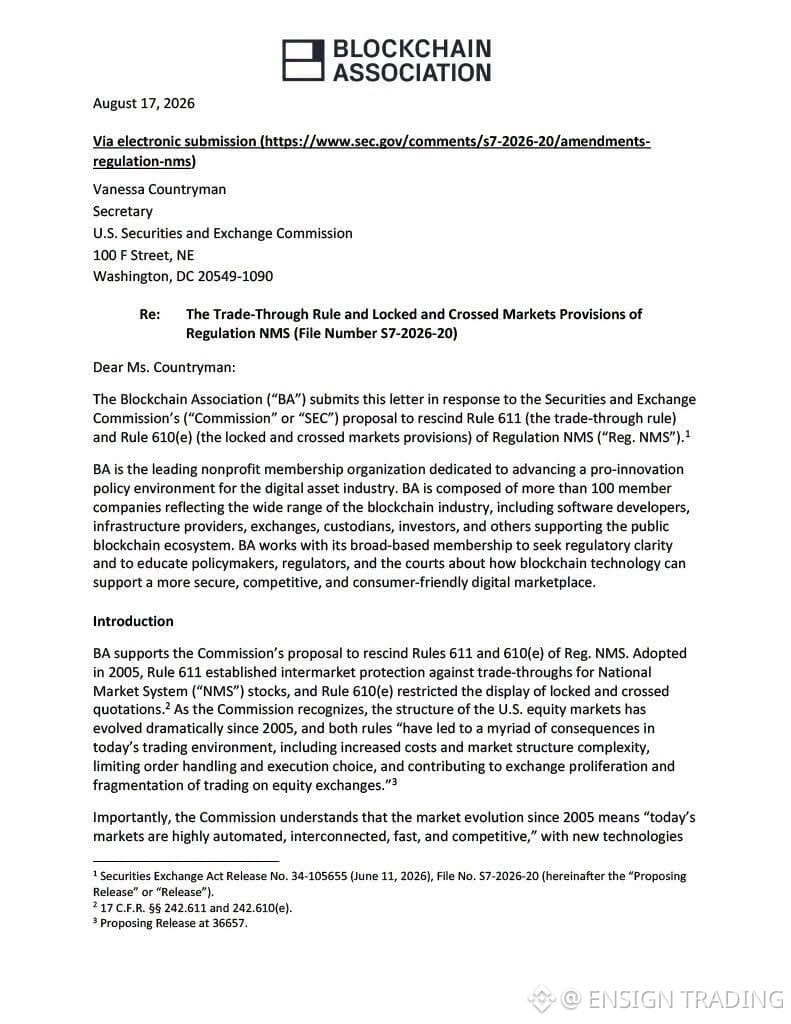
🇺🇸 NOW: Blockchain Association submits a comment letter urging the SEC to rescind outdated Rules 611 and 610(e), pushing for market structure to catch up with tokenization.
🇺🇸 NOW: Blockchain Association submits a comment letter urging the SEC to rescind outdated Rules 611 and 610(e), pushing for market structure to catch up with tokenization.
1
557
·
--
Bullish
LONG
⚡️⚡️ #YGG/USDT ⚡️⚡️
Leverage: Cross (50х)
Entry Targets:
0.01966
Take-Profit Targets:
1) 0.01995
2) 0.02015
3) 0.02035
4) 0.02064
5) 0.02084
6) 0.02113
7) 🚀🚀🚀
Stop Targets:
5-10%
⚡️⚡️ #XAI/USDT ⚡️⚡️
Leverage: Cross (20х)
Entry Targets:
0.006768
Take-Profit Targets:
1) 0.00687
2) 0.00694
3) 0.00700
4) 0.00711
5) 0.00717
6) 0.00728
7) 🚀🚀🚀
Stop Targets:
5-10%
⚡️⚡️ #TAG/USDT ⚡️⚡️
Leverage: Cross (25х)
Entry Targets:
0.000931
Take-Profit Targets:
1) 0.00094
2) 0.00095
3) 0.00096
4) 0.00098
5) 0.00099
6) 0.00100
7) 🚀🚀🚀
Stop Targets:
5-10%
⚡️⚡️ #NXPC/USDT ⚡️⚡️
Leverage: Cross (50х)
Entry Targets:
0.1856
Take-Profit Targets:
1) 0.18838
2) 0.19024
3) 0.19210
4) 0.19488
5) 0.19674
6) 0.19952
7) 🚀🚀🚀
Stop Targets:
5-10%
⚡️⚡️ #WCT/USDT ⚡️⚡️
Leverage: Cross (25х)
Entry Targets:
0.03418
Take-Profit Targets:
1) 0.03469
2) 0.03503
3) 0.03538
4) 0.03589
5) 0.03623
6) 0.03674
7) 🚀🚀🚀
Stop Targets:
5-10%
LONG
⚡️⚡️ #YGG/USDT ⚡️⚡️
Leverage: Cross (50х)
Entry Targets:
0.01966
Take-Profit Targets:
1) 0.01995
2) 0.02015
3) 0.02035
4) 0.02064
5) 0.02084
6) 0.02113
7) 🚀🚀🚀
Stop Targets:
5-10%
⚡️⚡️ #XAI/USDT ⚡️⚡️
Leverage: Cross (20х)
Entry Targets:
0.006768
Take-Profit Targets:
1) 0.00687
2) 0.00694
3) 0.00700
4) 0.00711
5) 0.00717
6) 0.00728
7) 🚀🚀🚀
Stop Targets:
5-10%
⚡️⚡️ #TAG/USDT ⚡️⚡️
Leverage: Cross (25х)
Entry Targets:
0.000931
Take-Profit Targets:
1) 0.00094
2) 0.00095
3) 0.00096
4) 0.00098
5) 0.00099
6) 0.00100
7) 🚀🚀🚀
Stop Targets:
5-10%
⚡️⚡️ #NXPC/USDT ⚡️⚡️
Leverage: Cross (50х)
Entry Targets:
0.1856
Take-Profit Targets:
1) 0.18838
2) 0.19024
3) 0.19210
4) 0.19488
5) 0.19674
6) 0.19952
7) 🚀🚀🚀
Stop Targets:
5-10%
⚡️⚡️ #WCT/USDT ⚡️⚡️
Leverage: Cross (25х)
Entry Targets:
0.03418
Take-Profit Targets:
1) 0.03469
2) 0.03503
3) 0.03538
4) 0.03589
5) 0.03623
6) 0.03674
7) 🚀🚀🚀
Stop Targets:
5-10%
⚡️⚡️ #YGG/USDT ⚡️⚡️
Leverage: Cross (50х)
Entry Targets:
0.01966
Take-Profit Targets:
1) 0.01995
2) 0.02015
3) 0.02035
4) 0.02064
5) 0.02084
6) 0.02113
7) 🚀🚀🚀
Stop Targets:
5-10%
⚡️⚡️ #XAI/USDT ⚡️⚡️
Leverage: Cross (20х)
Entry Targets:
0.006768
Take-Profit Targets:
1) 0.00687
2) 0.00694
3) 0.00700
4) 0.00711
5) 0.00717
6) 0.00728
7) 🚀🚀🚀
Stop Targets:
5-10%
⚡️⚡️ #TAG/USDT ⚡️⚡️
Leverage: Cross (25х)
Entry Targets:
0.000931
Take-Profit Targets:
1) 0.00094
2) 0.00095
3) 0.00096
4) 0.00098
5) 0.00099
6) 0.00100
7) 🚀🚀🚀
Stop Targets:
5-10%
⚡️⚡️ #NXPC/USDT ⚡️⚡️
Leverage: Cross (50х)
Entry Targets:
0.1856
Take-Profit Targets:
1) 0.18838
2) 0.19024
3) 0.19210
4) 0.19488
5) 0.19674
6) 0.19952
7) 🚀🚀🚀
Stop Targets:
5-10%
⚡️⚡️ #WCT/USDT ⚡️⚡️
Leverage: Cross (25х)
Entry Targets:
0.03418
Take-Profit Targets:
1) 0.03469
2) 0.03503
3) 0.03538
4) 0.03589
5) 0.03623
6) 0.03674
7) 🚀🚀🚀
Stop Targets:
5-10%
1
389
·
--
Bullish
LONG
⚡️⚡️ #XRP/USDT ⚡️⚡️
Leverage: Cross (125х)
Entry Targets:
1.0046
Take-Profit Targets:
1) 1.01967
2) 1.02972
3) 1.03976
4) 1.05483
5) 1.06488
6) 1.07995
7) 🚀🚀🚀
Stop Targets:
5-10%
⚡️⚡️ #XPL/USDT ⚡️⚡️
Leverage: Cross (75х)
Entry Targets:
0.07734
Take-Profit Targets:
1) 0.07850
2) 0.07927
3) 0.08005
4) 0.08121
5) 0.08198
6) 0.08314
7) 🚀🚀🚀
Stop Targets:
5-10%
⚡️⚡️ #TAKE/USDT ⚡️⚡️
Leverage: Cross (10х)
Entry Targets:
0.04375
Take-Profit Targets:
1) 0.04441
2) 0.04484
3) 0.04528
4) 0.04594
5) 0.04638
6) 0.04703
7) 🚀🚀🚀
Stop Targets:
5-10%
LONG
⚡️⚡️ #XRP/USDT ⚡️⚡️
Leverage: Cross (125х)
Entry Targets:
1.0046
Take-Profit Targets:
1) 1.01967
2) 1.02972
3) 1.03976
4) 1.05483
5) 1.06488
6) 1.07995
7) 🚀🚀🚀
Stop Targets:
5-10%
⚡️⚡️ #XPL/USDT ⚡️⚡️
Leverage: Cross (75х)
Entry Targets:
0.07734
Take-Profit Targets:
1) 0.07850
2) 0.07927
3) 0.08005
4) 0.08121
5) 0.08198
6) 0.08314
7) 🚀🚀🚀
Stop Targets:
5-10%
⚡️⚡️ #TAKE/USDT ⚡️⚡️
Leverage: Cross (10х)
Entry Targets:
0.04375
Take-Profit Targets:
1) 0.04441
2) 0.04484
3) 0.04528
4) 0.04594
5) 0.04638
6) 0.04703
7) 🚀🚀🚀
Stop Targets:
5-10%
⚡️⚡️ #XRP/USDT ⚡️⚡️
Leverage: Cross (125х)
Entry Targets:
1.0046
Take-Profit Targets:
1) 1.01967
2) 1.02972
3) 1.03976
4) 1.05483
5) 1.06488
6) 1.07995
7) 🚀🚀🚀
Stop Targets:
5-10%
⚡️⚡️ #XPL/USDT ⚡️⚡️
Leverage: Cross (75х)
Entry Targets:
0.07734
Take-Profit Targets:
1) 0.07850
2) 0.07927
3) 0.08005
4) 0.08121
5) 0.08198
6) 0.08314
7) 🚀🚀🚀
Stop Targets:
5-10%
⚡️⚡️ #TAKE/USDT ⚡️⚡️
Leverage: Cross (10х)
Entry Targets:
0.04375
Take-Profit Targets:
1) 0.04441
2) 0.04484
3) 0.04528
4) 0.04594
5) 0.04638
6) 0.04703
7) 🚀🚀🚀
Stop Targets:
5-10%
1
507
🇷🇺 Russia has approved the trading of Bitcoin, Ethereum, and USDT on domestic exchanges.
🇷🇺 Russia has approved the trading of Bitcoin, Ethereum, and USDT on domestic exchanges.
1
674
·
--
Bearish
SHORT
⚡️⚡️ #ACX/USDT ⚡️⚡️
Leverage: Cross (50х)
Entry Targets:
0.03999
Take-Profit Targets:
1) 0.03939
2) 0.03899
3) 0.03859
4) 0.03799
5) 0.03759
6) 0.03699
7) 🚀🚀🚀
Stop Targets:
5-10%
⚡️⚡️ #1000000BOB/USDT ⚡️⚡️
Leverage: Cross (10х)
Entry Targets:
0.01364
Take-Profit Targets:
1) 0.01344
2) 0.01330
3) 0.01316
4) 0.01296
5) 0.01282
6) 0.01262
7) 🚀🚀🚀
Stop Targets:
5-10%
⚡️⚡️ #AAVE/USDT ⚡️⚡️
Leverage: Cross (50х)
Entry Targets:
98.60
Take-Profit Targets:
1) 97.12100
2) 96.13500
3) 95.14900
4) 93.67000
5) 92.68400
6) 91.20500
7) 🚀🚀🚀
Stop Targets:
5-10%
⚡️⚡️ #ANKR/USDT ⚡️⚡️
Leverage: Cross (25х)
Entry Targets:
0.003297
Take-Profit Targets:
1) 0.00325
2) 0.00321
3) 0.00318
4) 0.00313
5) 0.00310
6) 0.00305
7) 🚀🚀🚀
Stop Targets:
5-10%
SHORT
⚡️⚡️ #ACX/USDT ⚡️⚡️
Leverage: Cross (50х)
Entry Targets:
0.03999
Take-Profit Targets:
1) 0.03939
2) 0.03899
3) 0.03859
4) 0.03799
5) 0.03759
6) 0.03699
7) 🚀🚀🚀
Stop Targets:
5-10%
⚡️⚡️ #1000000BOB/USDT ⚡️⚡️
Leverage: Cross (10х)
Entry Targets:
0.01364
Take-Profit Targets:
1) 0.01344
2) 0.01330
3) 0.01316
4) 0.01296
5) 0.01282
6) 0.01262
7) 🚀🚀🚀
Stop Targets:
5-10%
⚡️⚡️ #AAVE/USDT ⚡️⚡️
Leverage: Cross (50х)
Entry Targets:
98.60
Take-Profit Targets:
1) 97.12100
2) 96.13500
3) 95.14900
4) 93.67000
5) 92.68400
6) 91.20500
7) 🚀🚀🚀
Stop Targets:
5-10%
⚡️⚡️ #ANKR/USDT ⚡️⚡️
Leverage: Cross (25х)
Entry Targets:
0.003297
Take-Profit Targets:
1) 0.00325
2) 0.00321
3) 0.00318
4) 0.00313
5) 0.00310
6) 0.00305
7) 🚀🚀🚀
Stop Targets:
5-10%
⚡️⚡️ #ACX/USDT ⚡️⚡️
Leverage: Cross (50х)
Entry Targets:
0.03999
Take-Profit Targets:
1) 0.03939
2) 0.03899
3) 0.03859
4) 0.03799
5) 0.03759
6) 0.03699
7) 🚀🚀🚀
Stop Targets:
5-10%
⚡️⚡️ #1000000BOB/USDT ⚡️⚡️
Leverage: Cross (10х)
Entry Targets:
0.01364
Take-Profit Targets:
1) 0.01344
2) 0.01330
3) 0.01316
4) 0.01296
5) 0.01282
6) 0.01262
7) 🚀🚀🚀
Stop Targets:
5-10%
⚡️⚡️ #AAVE/USDT ⚡️⚡️
Leverage: Cross (50х)
Entry Targets:
98.60
Take-Profit Targets:
1) 97.12100
2) 96.13500
3) 95.14900
4) 93.67000
5) 92.68400
6) 91.20500
7) 🚀🚀🚀
Stop Targets:
5-10%
⚡️⚡️ #ANKR/USDT ⚡️⚡️
Leverage: Cross (25х)
Entry Targets:
0.003297
Take-Profit Targets:
1) 0.00325
2) 0.00321
3) 0.00318
4) 0.00313
5) 0.00310
6) 0.00305
7) 🚀🚀🚀
Stop Targets:
5-10%
1
759
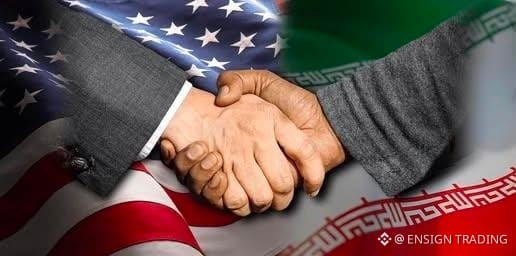
BREAKING: 🇺🇸🇮🇷 Big breakthrough near on reviving the US-Iran MoU peace agreement, according to mediators.
Markets are expected to stabilize once the deal is officially reached! 📈
BREAKING: 🇺🇸🇮🇷 Big breakthrough near on reviving the US-Iran MoU peace agreement, according to mediators.
Markets are expected to stabilize once the deal is officially reached! 📈
Markets are expected to stabilize once the deal is officially reached! 📈
2
492
BREAKING: Iran Ceases Hostilities with U.S. — The Hidden Strategy Behind the MoveToday's most important geopolitical development. The news that has shaken the Middle East today. Iran officially announced a ceasefire with America citing humanitarian concerns and the need to protect civilians in the region. Simultaneously Iran opened the Strait of Hormuz for all commercial vessels. But the most significant part of this announcement is what Iran has said alongside it. They have made it crystal clear that this ceasefire is not a surrender. Not even close.
Iran's announcement states that all military capabilities remain fully intact. All missile and drone production continues underground. The IRGC's operational readiness has not been reduced by even one percent. Iran's Foreign Minister Araghchi said this ceasefire is a strategic pause not a strategic retreat. He then delivered the most important line. He said we have proven to the world that the most powerful military on earth cannot force Iran to surrender.
That proof has been established permanently in the pages of history. So why is Iran announcing a ceasefire now. Tehran University Professor Marandi explained today that Iran has achieved all its primary strategic objectives. Iran wanted to demonstrate that American military supremacy in the Middle East is a myth. That has been demonstrated. Iran wanted to show that Hormuz is under Iranian control. That has been shown. Iran wanted to establish that regime change from outside is impossible.
That has been established. Iran wanted to force America into a negotiated settlement on Iranian terms. That process has begun. Marandi then said that continuing the war beyond this point would primarily harm ordinary Iranian citizens and the region's civilian populations. Iran does not want that. Meanwhile on the American side the response has been notably muted. Trump posted on social media saying the ceasefire is a good thing for the world. He said nothing about victory.
Nothing about Iran surrendering. Nothing about nuclear program elimination. Nothing about Hormuz returning to pre-war status. University of Chicago Professor Robert Pape said this silence from Trump is the loudest possible admission of defeat. He said when you start a war promising complete and total obliteration and end it with a social media post saying ceasefire is good then the entire world understands what happened.
British Sky News military expert Professor Michael Clarke said today that history will record April 8 as the day America lost this war. Everything after that was just the inevitable playing out of that defeat. Professor Jeffrey Sachs said today that America spent hundreds of billions of dollars used up critical weapons stockpiles that were meant for a potential conflict with China lost the respect of its allies and gained absolutely nothing.
He said this is the most expensive nothing in American military history. CNN's headline right now says Iran ceasefire opens Hormuz but questions remain about final deal. The questions are all American questions. Iran has no questions. Iran knows exactly where it stands. The Houthis in Yemen also announced suspension of strikes on Saudi shipping following Iran's ceasefire announcement. But they made clear this suspension lasts only as long as Saudi Arabia refrains from further aggression.
What has Iran actually won from this war. Let me count clearly. America has been exposed as a power that cannot achieve its military objectives against a sanctioned nation of 90 million people. Iran's missile and drone technology has proven superior to American interception systems in real battlefield conditions. The Strait of Hormuz is now permanently established as being under Iranian oversight. Every country in the world has seen that Iran can close 20 percent of global oil supply at will.
American military bases across the Middle East have been shown to be vulnerable. The petrodollar system has been further weakened. Saudi Arabia has been humiliated by the Houthis despite American protection. Israel has been shown to be unable to function without direct American military support. And most importantly Iran has survived. Professor Pape said today that within 18 months Iran will be recognized as a superpower of the world.
He said the economic opportunities opening up for Iran now that sanctions will be lifted combined with Iran's demonstrated military capability means the transformation will be rapid. British media The Atlantic published today with the headline The American Century Ended in the Strait of Hormuz. Yes you are reading that correctly. An American publication is saying the American century ended in Hormuz. Imperialist America came to destroy a 5000 year old civilization in 5 hours.
That civilization is still standing. And the civilization that came to destroy it is now counting its losses. History will remember Iran's resistance. And history will remember the shame of the Arab sheikhs who watched from the sidelines while serving their American masters. Iran has shown the world how to survive. How to resist. How to win.
BREAKING: Iran Ceases Hostilities with U.S. — The Hidden Strategy Behind the Move
Today's most important geopolitical development. The news that has shaken the Middle East today. Iran officially announced a ceasefire with America citing humanitarian concerns and the need to protect civilians in the region. Simultaneously Iran opened the Strait of Hormuz for all commercial vessels. But the most significant part of this announcement is what Iran has said alongside it. They have made it crystal clear that this ceasefire is not a surrender. Not even close.
Iran's announcement states that all military capabilities remain fully intact. All missile and drone production continues underground. The IRGC's operational readiness has not been reduced by even one percent. Iran's Foreign Minister Araghchi said this ceasefire is a strategic pause not a strategic retreat. He then delivered the most important line. He said we have proven to the world that the most powerful military on earth cannot force Iran to surrender.
That proof has been established permanently in the pages of history. So why is Iran announcing a ceasefire now. Tehran University Professor Marandi explained today that Iran has achieved all its primary strategic objectives. Iran wanted to demonstrate that American military supremacy in the Middle East is a myth. That has been demonstrated. Iran wanted to show that Hormuz is under Iranian control. That has been shown. Iran wanted to establish that regime change from outside is impossible.
That has been established. Iran wanted to force America into a negotiated settlement on Iranian terms. That process has begun. Marandi then said that continuing the war beyond this point would primarily harm ordinary Iranian citizens and the region's civilian populations. Iran does not want that. Meanwhile on the American side the response has been notably muted. Trump posted on social media saying the ceasefire is a good thing for the world. He said nothing about victory.
Nothing about Iran surrendering. Nothing about nuclear program elimination. Nothing about Hormuz returning to pre-war status. University of Chicago Professor Robert Pape said this silence from Trump is the loudest possible admission of defeat. He said when you start a war promising complete and total obliteration and end it with a social media post saying ceasefire is good then the entire world understands what happened.
British Sky News military expert Professor Michael Clarke said today that history will record April 8 as the day America lost this war. Everything after that was just the inevitable playing out of that defeat. Professor Jeffrey Sachs said today that America spent hundreds of billions of dollars used up critical weapons stockpiles that were meant for a potential conflict with China lost the respect of its allies and gained absolutely nothing.
He said this is the most expensive nothing in American military history. CNN's headline right now says Iran ceasefire opens Hormuz but questions remain about final deal. The questions are all American questions. Iran has no questions. Iran knows exactly where it stands. The Houthis in Yemen also announced suspension of strikes on Saudi shipping following Iran's ceasefire announcement. But they made clear this suspension lasts only as long as Saudi Arabia refrains from further aggression.
What has Iran actually won from this war. Let me count clearly. America has been exposed as a power that cannot achieve its military objectives against a sanctioned nation of 90 million people. Iran's missile and drone technology has proven superior to American interception systems in real battlefield conditions. The Strait of Hormuz is now permanently established as being under Iranian oversight. Every country in the world has seen that Iran can close 20 percent of global oil supply at will.
American military bases across the Middle East have been shown to be vulnerable. The petrodollar system has been further weakened. Saudi Arabia has been humiliated by the Houthis despite American protection. Israel has been shown to be unable to function without direct American military support. And most importantly Iran has survived. Professor Pape said today that within 18 months Iran will be recognized as a superpower of the world.
He said the economic opportunities opening up for Iran now that sanctions will be lifted combined with Iran's demonstrated military capability means the transformation will be rapid. British media The Atlantic published today with the headline The American Century Ended in the Strait of Hormuz. Yes you are reading that correctly. An American publication is saying the American century ended in Hormuz. Imperialist America came to destroy a 5000 year old civilization in 5 hours.
That civilization is still standing. And the civilization that came to destroy it is now counting its losses. History will remember Iran's resistance. And history will remember the shame of the Arab sheikhs who watched from the sidelines while serving their American masters. Iran has shown the world how to survive. How to resist. How to win.
Iran's announcement states that all military capabilities remain fully intact. All missile and drone production continues underground. The IRGC's operational readiness has not been reduced by even one percent. Iran's Foreign Minister Araghchi said this ceasefire is a strategic pause not a strategic retreat. He then delivered the most important line. He said we have proven to the world that the most powerful military on earth cannot force Iran to surrender.
That proof has been established permanently in the pages of history. So why is Iran announcing a ceasefire now. Tehran University Professor Marandi explained today that Iran has achieved all its primary strategic objectives. Iran wanted to demonstrate that American military supremacy in the Middle East is a myth. That has been demonstrated. Iran wanted to show that Hormuz is under Iranian control. That has been shown. Iran wanted to establish that regime change from outside is impossible.
That has been established. Iran wanted to force America into a negotiated settlement on Iranian terms. That process has begun. Marandi then said that continuing the war beyond this point would primarily harm ordinary Iranian citizens and the region's civilian populations. Iran does not want that. Meanwhile on the American side the response has been notably muted. Trump posted on social media saying the ceasefire is a good thing for the world. He said nothing about victory.
Nothing about Iran surrendering. Nothing about nuclear program elimination. Nothing about Hormuz returning to pre-war status. University of Chicago Professor Robert Pape said this silence from Trump is the loudest possible admission of defeat. He said when you start a war promising complete and total obliteration and end it with a social media post saying ceasefire is good then the entire world understands what happened.
British Sky News military expert Professor Michael Clarke said today that history will record April 8 as the day America lost this war. Everything after that was just the inevitable playing out of that defeat. Professor Jeffrey Sachs said today that America spent hundreds of billions of dollars used up critical weapons stockpiles that were meant for a potential conflict with China lost the respect of its allies and gained absolutely nothing.
He said this is the most expensive nothing in American military history. CNN's headline right now says Iran ceasefire opens Hormuz but questions remain about final deal. The questions are all American questions. Iran has no questions. Iran knows exactly where it stands. The Houthis in Yemen also announced suspension of strikes on Saudi shipping following Iran's ceasefire announcement. But they made clear this suspension lasts only as long as Saudi Arabia refrains from further aggression.
What has Iran actually won from this war. Let me count clearly. America has been exposed as a power that cannot achieve its military objectives against a sanctioned nation of 90 million people. Iran's missile and drone technology has proven superior to American interception systems in real battlefield conditions. The Strait of Hormuz is now permanently established as being under Iranian oversight. Every country in the world has seen that Iran can close 20 percent of global oil supply at will.
American military bases across the Middle East have been shown to be vulnerable. The petrodollar system has been further weakened. Saudi Arabia has been humiliated by the Houthis despite American protection. Israel has been shown to be unable to function without direct American military support. And most importantly Iran has survived. Professor Pape said today that within 18 months Iran will be recognized as a superpower of the world.
He said the economic opportunities opening up for Iran now that sanctions will be lifted combined with Iran's demonstrated military capability means the transformation will be rapid. British media The Atlantic published today with the headline The American Century Ended in the Strait of Hormuz. Yes you are reading that correctly. An American publication is saying the American century ended in Hormuz. Imperialist America came to destroy a 5000 year old civilization in 5 hours.
That civilization is still standing. And the civilization that came to destroy it is now counting its losses. History will remember Iran's resistance. And history will remember the shame of the Arab sheikhs who watched from the sidelines while serving their American masters. Iran has shown the world how to survive. How to resist. How to win.
2
329
·
--
Bearish
Short
⚡️⚡️ #BEAM/USDT ⚡️⚡️
Leverage: Cross (50х)
Entry Targets:
0.001636
Take-Profit Targets:
1) 0.00161
2) 0.00160
3) 0.00158
4) 0.00155
5) 0.00154
6) 0.00151
7) 🚀🚀🚀
Stop Targets:
5-10%
⚡️⚡️ #SIREN/USDT ⚡️⚡️
Leverage: Cross (25х)
Entry Targets:
0.03234
Take-Profit Targets:
1) 0.03185
2) 0.03153
3) 0.03121
4) 0.03072
5) 0.03040
6) 0.02991
7) 🚀🚀🚀
Stop Targets:
5-10%
⚡️⚡️ #EDU/USDT ⚡️⚡️
Leverage: Cross (50х)
Entry Targets:
0.03156
Take-Profit Targets:
1) 0.03109
2) 0.03077
3) 0.03046
4) 0.02998
5) 0.02967
6) 0.02919
7) 🚀🚀🚀
Stop Targets:
5-10%
Short
⚡️⚡️ #BEAM/USDT ⚡️⚡️
Leverage: Cross (50х)
Entry Targets:
0.001636
Take-Profit Targets:
1) 0.00161
2) 0.00160
3) 0.00158
4) 0.00155
5) 0.00154
6) 0.00151
7) 🚀🚀🚀
Stop Targets:
5-10%
⚡️⚡️ #SIREN/USDT ⚡️⚡️
Leverage: Cross (25х)
Entry Targets:
0.03234
Take-Profit Targets:
1) 0.03185
2) 0.03153
3) 0.03121
4) 0.03072
5) 0.03040
6) 0.02991
7) 🚀🚀🚀
Stop Targets:
5-10%
⚡️⚡️ #EDU/USDT ⚡️⚡️
Leverage: Cross (50х)
Entry Targets:
0.03156
Take-Profit Targets:
1) 0.03109
2) 0.03077
3) 0.03046
4) 0.02998
5) 0.02967
6) 0.02919
7) 🚀🚀🚀
Stop Targets:
5-10%
⚡️⚡️ #BEAM/USDT ⚡️⚡️
Leverage: Cross (50х)
Entry Targets:
0.001636
Take-Profit Targets:
1) 0.00161
2) 0.00160
3) 0.00158
4) 0.00155
5) 0.00154
6) 0.00151
7) 🚀🚀🚀
Stop Targets:
5-10%
⚡️⚡️ #SIREN/USDT ⚡️⚡️
Leverage: Cross (25х)
Entry Targets:
0.03234
Take-Profit Targets:
1) 0.03185
2) 0.03153
3) 0.03121
4) 0.03072
5) 0.03040
6) 0.02991
7) 🚀🚀🚀
Stop Targets:
5-10%
⚡️⚡️ #EDU/USDT ⚡️⚡️
Leverage: Cross (50х)
Entry Targets:
0.03156
Take-Profit Targets:
1) 0.03109
2) 0.03077
3) 0.03046
4) 0.02998
5) 0.02967
6) 0.02919
7) 🚀🚀🚀
Stop Targets:
5-10%
1
2
542
Article
WHY WE KEEP FALLING FOR ONLINE INVESTMENT SCAMS🚨.The names change, but the trick is always the same.
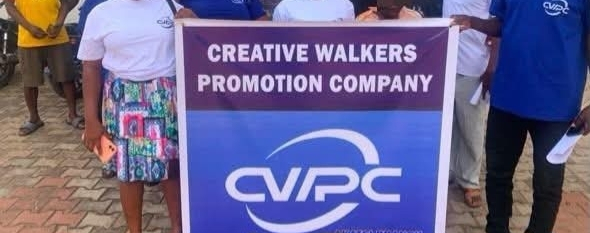
Whether it's the recent crash of CWPC or apps like Darazz, Daily Trade, Ghstore, KUKA, and Edollar, the story always ends the same way: the app stops working, the bosses run away, and people lose their money.
Ghana's Cyber Security Authority (CSA) recently warned that in just the first six months of 2026, they saw 352 of these fake investment cases, costing Ghanaians over GHS 3.4 million.
The scammers use social media to find people, accept money via Mobile Money, and pretend they work with big global brands just to look real.
Some of them even undertake philanthropic activities to appear more legitimate, like CWPC which was providing groceries and other relief items for people affected by the recent floods.
So, why do smart people keep falling into this same trap? It usually comes down to three simple reasons:
1. The Promise of Easy Money
When things are financially tough, we all want an extra way to make money.
When an app promises huge profits just for doing simple tasks like liking posts, our common sense takes a back seat.
Deep down, we know real businesses don't double your money overnight, but the hope of getting rich quickly makes us ignore the red flags.
2. The "I Can Get Out Early" Game.
A lot of people who join these apps aren't actually fooled. They KNOW it’s a scam that will eventually crash.
But they think they are smarter than everyone else. They tell themselves: "I am joining early. I will make a quick profit, take my money out, and leave before the platform collapses."
The problem? You can never guess when the scammers will decide to lock the app and run away. You are playing a dangerous game with your life savings.
3. Getting Greedy And Refusing to Pull Out
This is how the "smart" investors get caught. In the beginning, the app actually pays out. You put in a small amount, and you successfully withdraw a profit.
You start to trust it. Instead of taking your original money out and walking away, greed kicks in.
You think, "Wow, if my small money gave me this much, let me put in a much bigger amount!" Or you leave your profits inside so they can grow.
Scammers do this on purpose. They give you a little profit to make you deposit even more money or invite your friends.
By the time the app vanishes, you haven't made anything you've lost your original capital plus everything you thought you won.
How to Protect Yourself:
1. Be very careful with any online platform promising unusually high profits.
2. Don't join random WhatsApp groups or reply to strange messages claiming to be from big companies.
3. Always check with official government regulators before putting your money into any online investment.
If you see a suspicious platform, you can report it directly to the CSA by calling or texting 292, or emailing report@csa.gov.gh.
There is no shortcut to real wealth! Protect your hard-earned money.
#FinancialLiteracy #Ghana #CyberSecurity #StaySafe #InvestmentScams
WHY WE KEEP FALLING FOR ONLINE INVESTMENT SCAMS🚨.
The names change, but the trick is always the same.
Whether it's the recent crash of CWPC or apps like Darazz, Daily Trade, Ghstore, KUKA, and Edollar, the story always ends the same way: the app stops working, the bosses run away, and people lose their money.
Ghana's Cyber Security Authority (CSA) recently warned that in just the first six months of 2026, they saw 352 of these fake investment cases, costing Ghanaians over GHS 3.4 million.
The scammers use social media to find people, accept money via Mobile Money, and pretend they work with big global brands just to look real.
Some of them even undertake philanthropic activities to appear more legitimate, like CWPC which was providing groceries and other relief items for people affected by the recent floods.
So, why do smart people keep falling into this same trap? It usually comes down to three simple reasons:
1. The Promise of Easy Money
When things are financially tough, we all want an extra way to make money.
When an app promises huge profits just for doing simple tasks like liking posts, our common sense takes a back seat.
Deep down, we know real businesses don't double your money overnight, but the hope of getting rich quickly makes us ignore the red flags.
2. The "I Can Get Out Early" Game.
A lot of people who join these apps aren't actually fooled. They KNOW it’s a scam that will eventually crash.
But they think they are smarter than everyone else. They tell themselves: "I am joining early. I will make a quick profit, take my money out, and leave before the platform collapses."
The problem? You can never guess when the scammers will decide to lock the app and run away. You are playing a dangerous game with your life savings.
3. Getting Greedy And Refusing to Pull Out
This is how the "smart" investors get caught. In the beginning, the app actually pays out. You put in a small amount, and you successfully withdraw a profit.
You start to trust it. Instead of taking your original money out and walking away, greed kicks in.
You think, "Wow, if my small money gave me this much, let me put in a much bigger amount!" Or you leave your profits inside so they can grow.
Scammers do this on purpose. They give you a little profit to make you deposit even more money or invite your friends.
By the time the app vanishes, you haven't made anything you've lost your original capital plus everything you thought you won.
How to Protect Yourself:
1. Be very careful with any online platform promising unusually high profits.
2. Don't join random WhatsApp groups or reply to strange messages claiming to be from big companies.
3. Always check with official government regulators before putting your money into any online investment.
If you see a suspicious platform, you can report it directly to the CSA by calling or texting 292, or emailing report@csa.gov.gh.
There is no shortcut to real wealth! Protect your hard-earned money.
#FinancialLiteracy #Ghana #CyberSecurity #StaySafe #InvestmentScams
Whether it's the recent crash of CWPC or apps like Darazz, Daily Trade, Ghstore, KUKA, and Edollar, the story always ends the same way: the app stops working, the bosses run away, and people lose their money.
Ghana's Cyber Security Authority (CSA) recently warned that in just the first six months of 2026, they saw 352 of these fake investment cases, costing Ghanaians over GHS 3.4 million.
The scammers use social media to find people, accept money via Mobile Money, and pretend they work with big global brands just to look real.
Some of them even undertake philanthropic activities to appear more legitimate, like CWPC which was providing groceries and other relief items for people affected by the recent floods.
So, why do smart people keep falling into this same trap? It usually comes down to three simple reasons:
1. The Promise of Easy Money
When things are financially tough, we all want an extra way to make money.
When an app promises huge profits just for doing simple tasks like liking posts, our common sense takes a back seat.
Deep down, we know real businesses don't double your money overnight, but the hope of getting rich quickly makes us ignore the red flags.
2. The "I Can Get Out Early" Game.
A lot of people who join these apps aren't actually fooled. They KNOW it’s a scam that will eventually crash.
But they think they are smarter than everyone else. They tell themselves: "I am joining early. I will make a quick profit, take my money out, and leave before the platform collapses."
The problem? You can never guess when the scammers will decide to lock the app and run away. You are playing a dangerous game with your life savings.
3. Getting Greedy And Refusing to Pull Out
This is how the "smart" investors get caught. In the beginning, the app actually pays out. You put in a small amount, and you successfully withdraw a profit.
You start to trust it. Instead of taking your original money out and walking away, greed kicks in.
You think, "Wow, if my small money gave me this much, let me put in a much bigger amount!" Or you leave your profits inside so they can grow.
Scammers do this on purpose. They give you a little profit to make you deposit even more money or invite your friends.
By the time the app vanishes, you haven't made anything you've lost your original capital plus everything you thought you won.
How to Protect Yourself:
1. Be very careful with any online platform promising unusually high profits.
2. Don't join random WhatsApp groups or reply to strange messages claiming to be from big companies.
3. Always check with official government regulators before putting your money into any online investment.
If you see a suspicious platform, you can report it directly to the CSA by calling or texting 292, or emailing report@csa.gov.gh.
There is no shortcut to real wealth! Protect your hard-earned money.
#FinancialLiteracy #Ghana #CyberSecurity #StaySafe #InvestmentScams
2
517
Log in to explore more content
Join global crypto users on Binance Square
⚡️ Get latest and useful information about crypto.
💬 Trusted by the world’s largest crypto exchange.
👍 Discover real insights from verified creators.
Email / Phone number
Trending Topics
AIStocksWhatNext
36,457 views
69 Discussing
Share & Win Traffic Reward in our Trending Hashtag Campaign
✨Topic: What Other Investment Opportunities Remain as AI Stocks Keep Rising?
👉How to Join:
Publish a short post or article with hashtag #AIStocksWhatNext
Share whether you’re bullish or bearish, and post your AI stock holdings or trade — using the trade widget may improve your eligibility.
You can also strengthen your post by sharing data or charts, and avoiding AI-generated images.
✍️Create content based on the below angles:
- Nvidia says chip sales will double next year, and top AI companies keep hitting record revenue, the compute spend behind it is just as staggering. Is AI demand really taking off? And how long can it last? AI stocks are up across the board. Is this a real breakout, or just a short-term bounce?
- Industry leaders are calling to slow down AI development, while Trump plans to build an “AI Force”, claiming AI could account for 25% of U.S. GDP in the future. Whose side are you on? Will state-level backing be a long-term win for AI stocks?
- Are you buying AI stocks? Share your AI-related trade/holdings with our trade sharing widget.
⏰Campaign Period:
- 2026-09-22 7:00 - 2026-09-24 4:00 UTC
🎁Reward:
- Qualified posts that comply with the above guidelines and contain more than 100 words will be reviewed and may receive a random traffic boost of 500 to 3,000 views. You will receive a notification from your feed secretary if your post is selected.
- Get a chance to have your article featured on Binance Square Official
Need ideas for your post? Visit the topic page #AIStocksWhatNext or the Square Guide on How to Post for Better Reach.
Binance Square Official
·135 Likes
·155.6k views
TokenizedStockPlatformsCouldLaunchNextQuarter
13 views
0 Discussing
StrategyAdds950Bitcoin
1,640 views
0 Discussing