
NFTs have a bad reputation in the gaming community, and most players don’t want them in games. This is strange because gamers don’t actually
Owning the skins they paid for now, minting them as NFTs allows them to sell their skins on the secondary market. So what’s the catch?
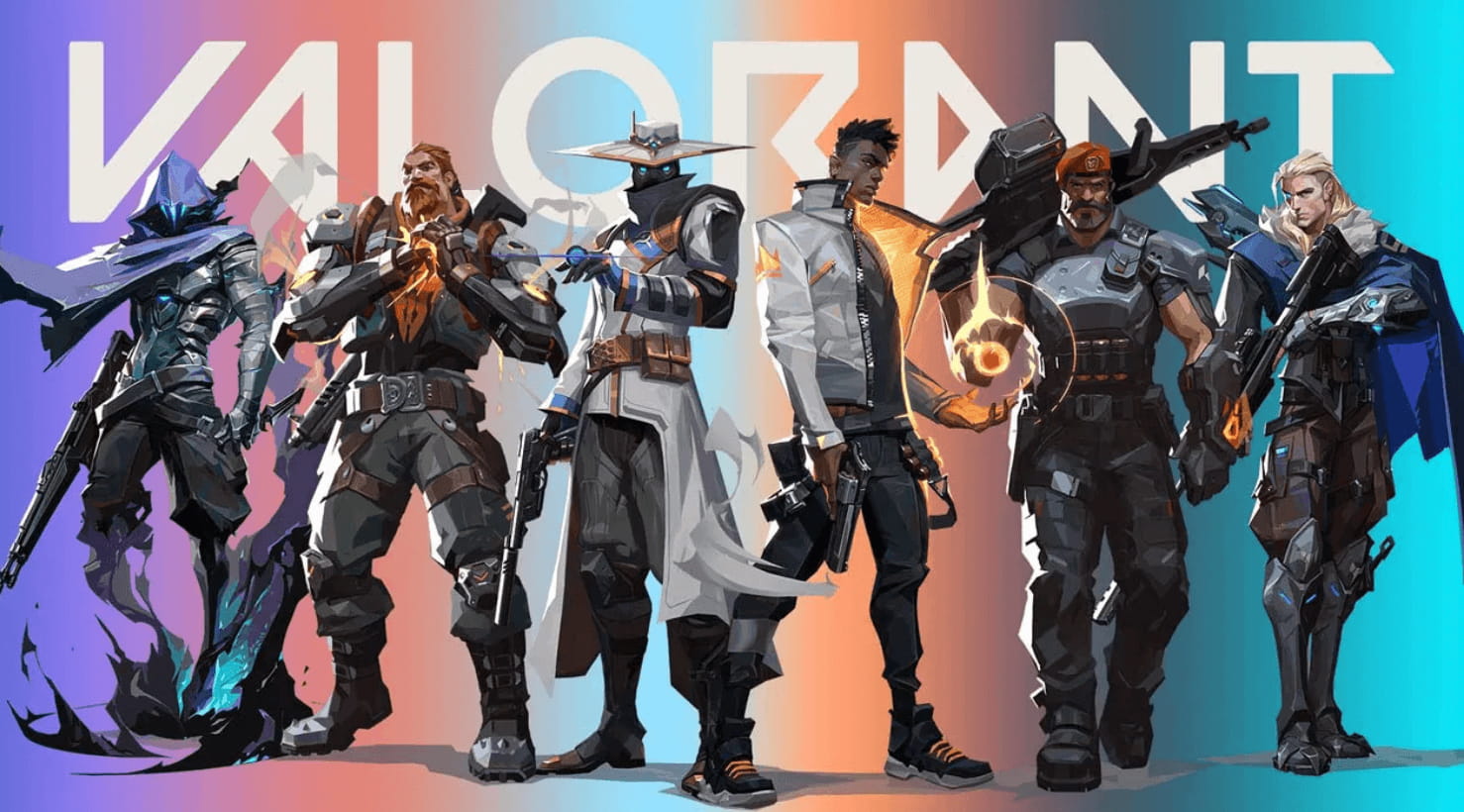
Agent skins for Valorant.
What's wrong with today's gaming skins market?
Game developers lock virtual items like skins into closed private markets that only they control. These markets are private monopolies that profit the developers handsomely. But operating these markets comes at a cost: gamers don’t actually own their skins and other virtual items.
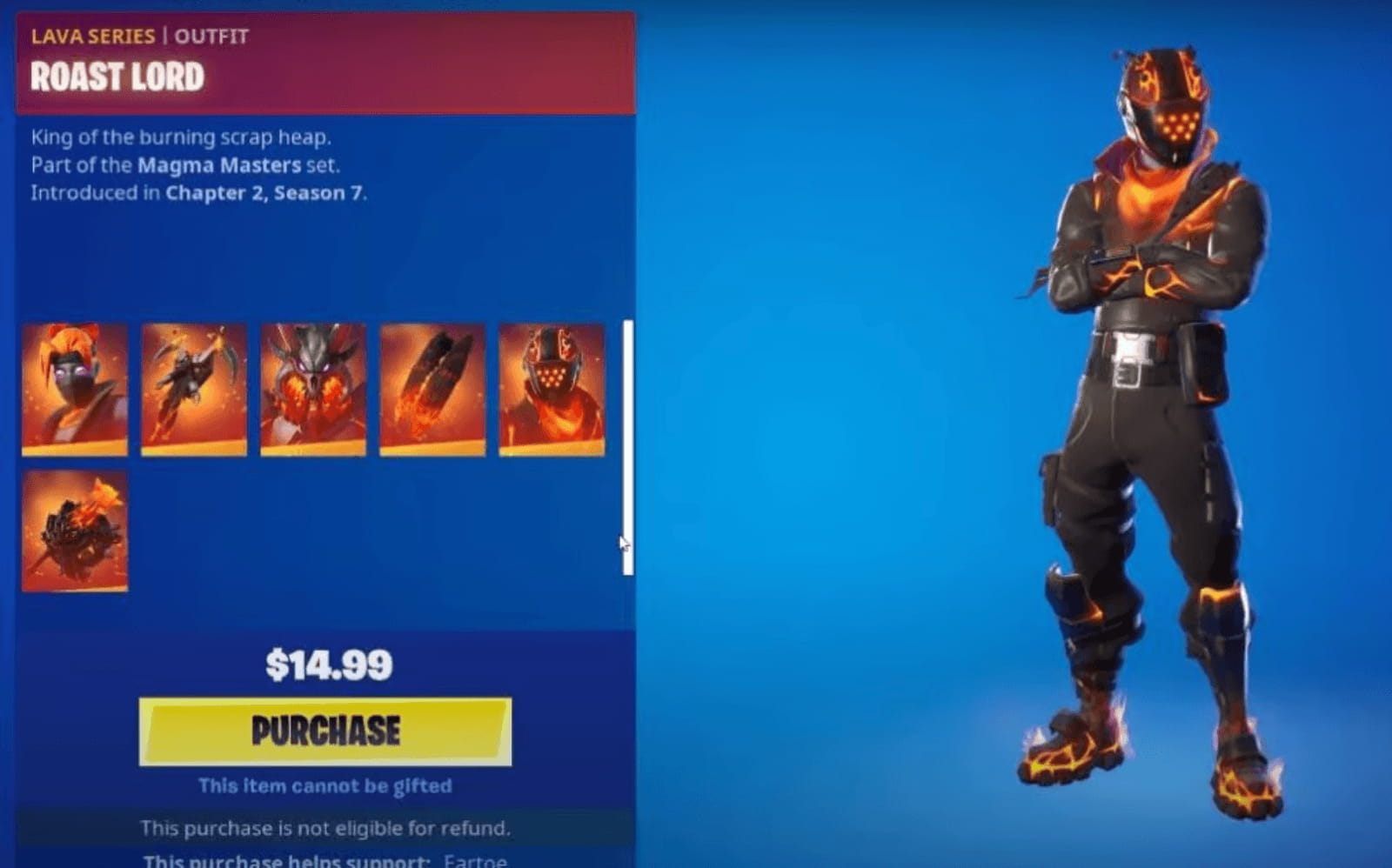
Instead, skins, games, accounts, and even in-game money are licensed only to gamers, even if they were purchased with real money. Access to these virtual goods can be revoked at any time for any reason, which is very unfair to players. But more and more gamers want their skins to be presented in the form of NFTs, which means they can truly own these skins and sell them on the secondary market. This will create a fairer market for gamers who support the industry.
How big is the gaming industry today?
In 2022, the global gaming market is worth $250 billion, more than twice the value of the global film industry. In-game items such as skins account for $50 billion of this $25 trillion. Some of these in-game items have sold for millions of dollars, with cosmetic skins for weapons and characters often selling for six figures.
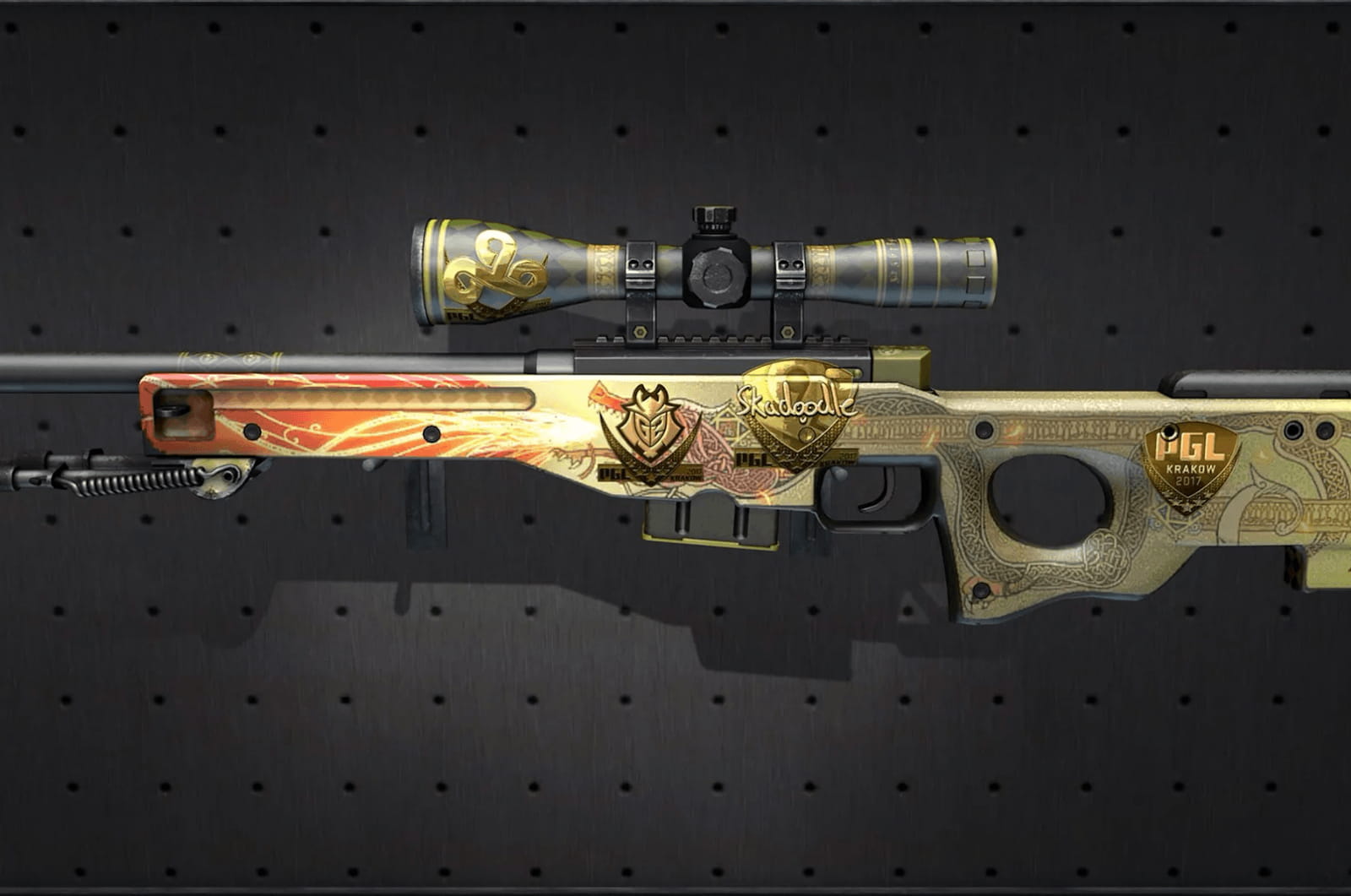
A unique "Dragon Legend" skin in "Counter-Strike: Global Offensive" is priced at $61,000.
Developers create and sell these skins for next to nothing, and they’ve done extremely well. Fortnite studio Epic Games, for example, made $50 million from just one set of Fortnite skins, more than double what it made from its partnerships with Star Wars and Marvel.
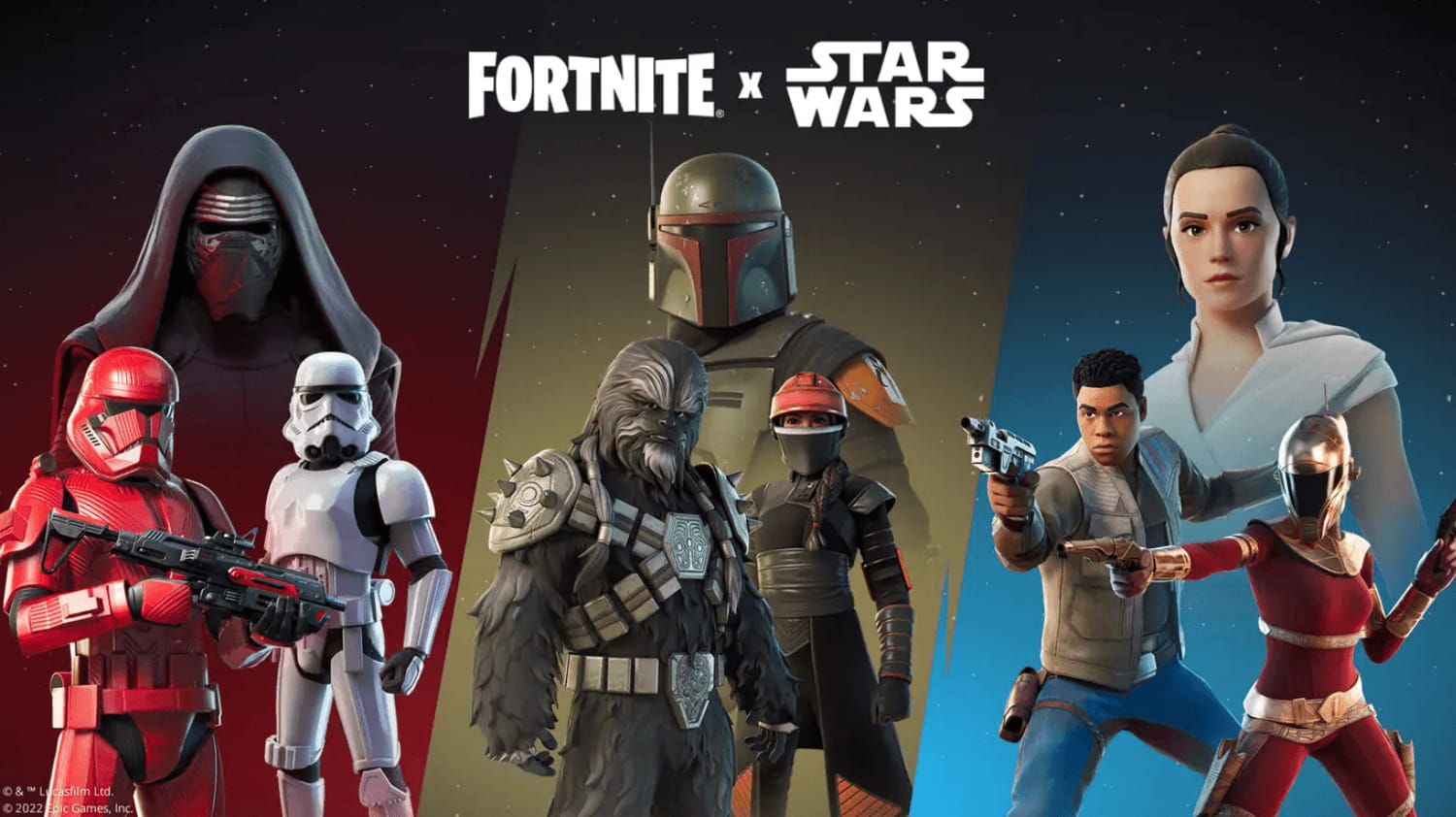
Star Wars Skin Pack for Fortnite by Epic Games.
For those who don't play video games, the idea of spending thousands of dollars on virtual skins may seem far-fetched or even downright silly. But remember, just as fashionistas spend thousands of dollars on the latest trends and car fanatics dig deep for custom rims and alloys, avid gamers will also happily spend money on the latest virtual goods.
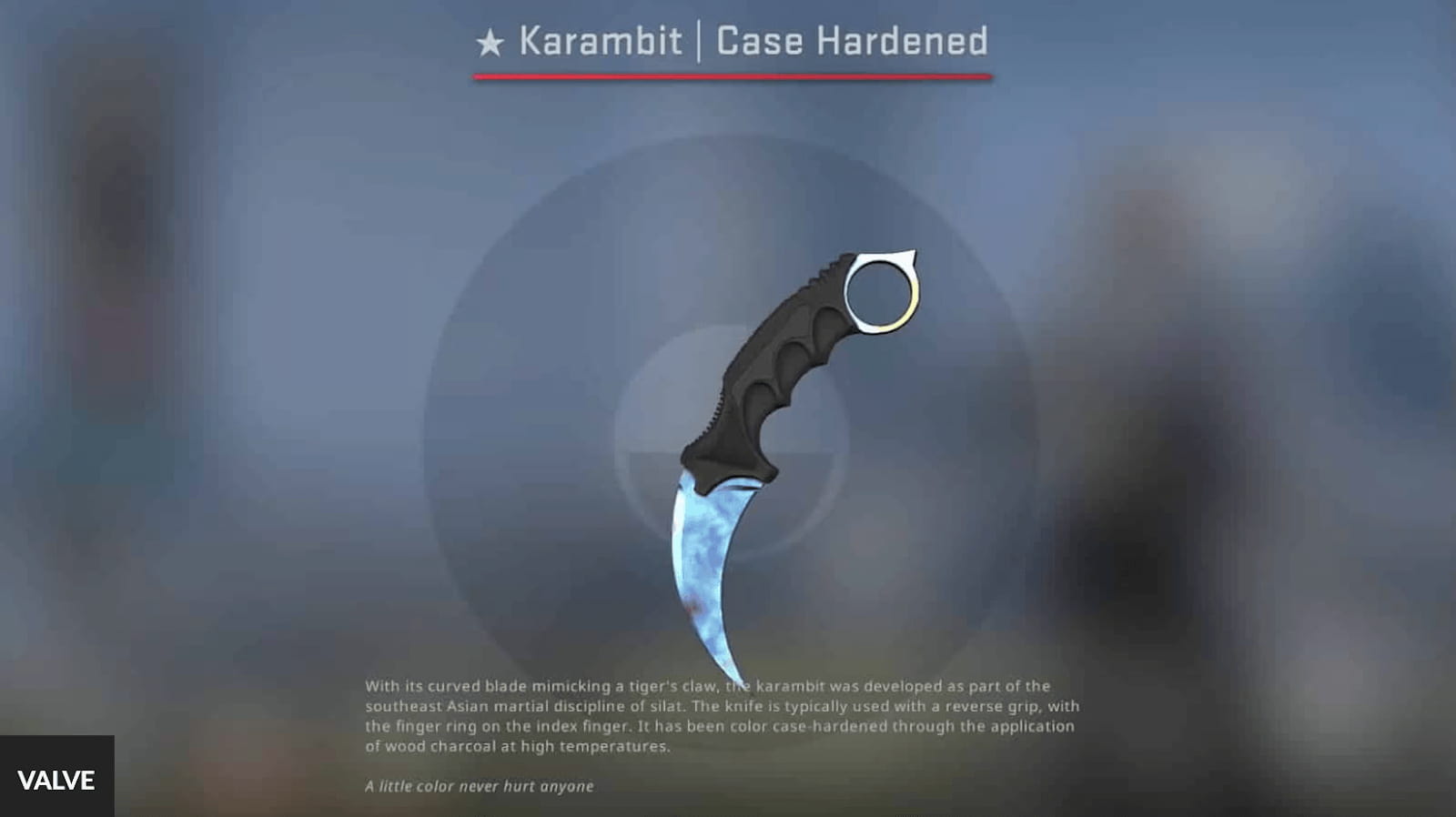
The owner of the hardened Karambit in CS:GO rejected an offer of €1.2 million.
But unlike high-end fashion and supercars, gamers don’t actually own the items they purchase. They’re locked in closed markets controlled by the developers, which prevents gamers from reselling them on secondary markets for cash.
Developers correctly believe that this closed market model allows them to sell games at more affordable prices: wealthy players spend a lot of money on skins, so the developers can lower the retail price of the game itself. This is basically just a different pricing model, where the base price of the product is lower, but players can choose to buy extras (like skins) that are not technically necessary to play the game itself, but help fund the game's development.
Today, most games offer skins via loot boxes, which have been partially banned in the Netherlands, Austria, and some other countries because they function the same way as slot machines, except that the lucky winners receive virtual items instead of nickels and dimes.
How do loot boxes work?
When you pay to unlock a loot box, a roulette-like wheel of items spins and spins, and you get whatever item it lands on. Most items are worth less than what you paid for the loot box, but a small percentage are worth a lot more.
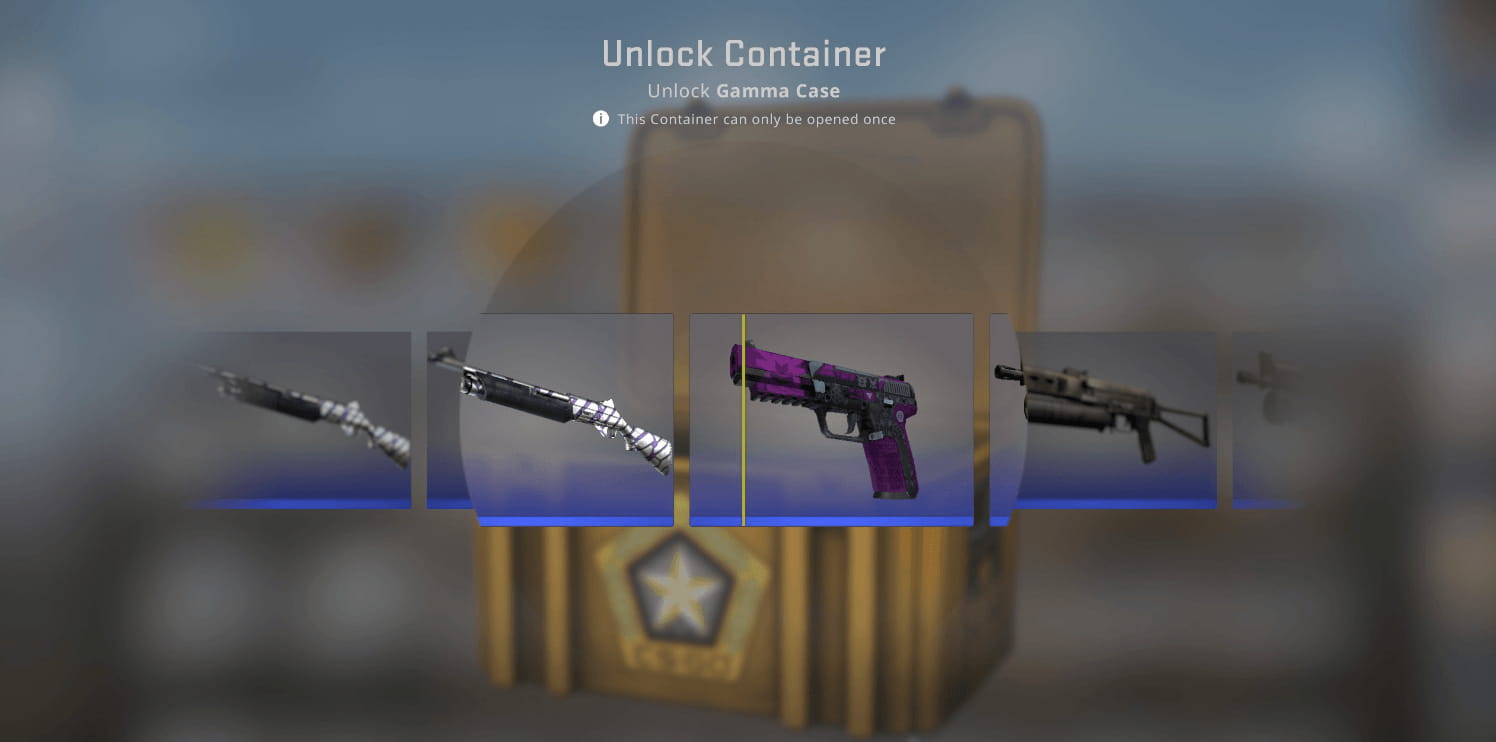
The roulette-style loot box animation from Counter-Strike: Global Offensive.
Games often dangle these rare and valuable items in front of your nose to encourage you to buy more loot boxes and “get lucky”, even though the chances of this happening are roughly the same as with a real slot machine. It’s easy to see why the UK government, in its investigation into whether loot boxes qualify as a form of gambling, found “a stable and consistent association between loot box use and problem gambling”, which leads to a range of “mental health, financial and gambling-related harms”, “which are higher for children and adolescents”. It’s clear that the only real difference between loot boxes and slot machines is that kids can buy loot boxes but can’t play on slot machines.
Can a centralized market solve this problem?
Some platforms like Steam have a marketplace with millions of skins from thousands of different games, which at first glance seems to solve this problem: players can buy skins from games they don't own and trade them with millions of other players.
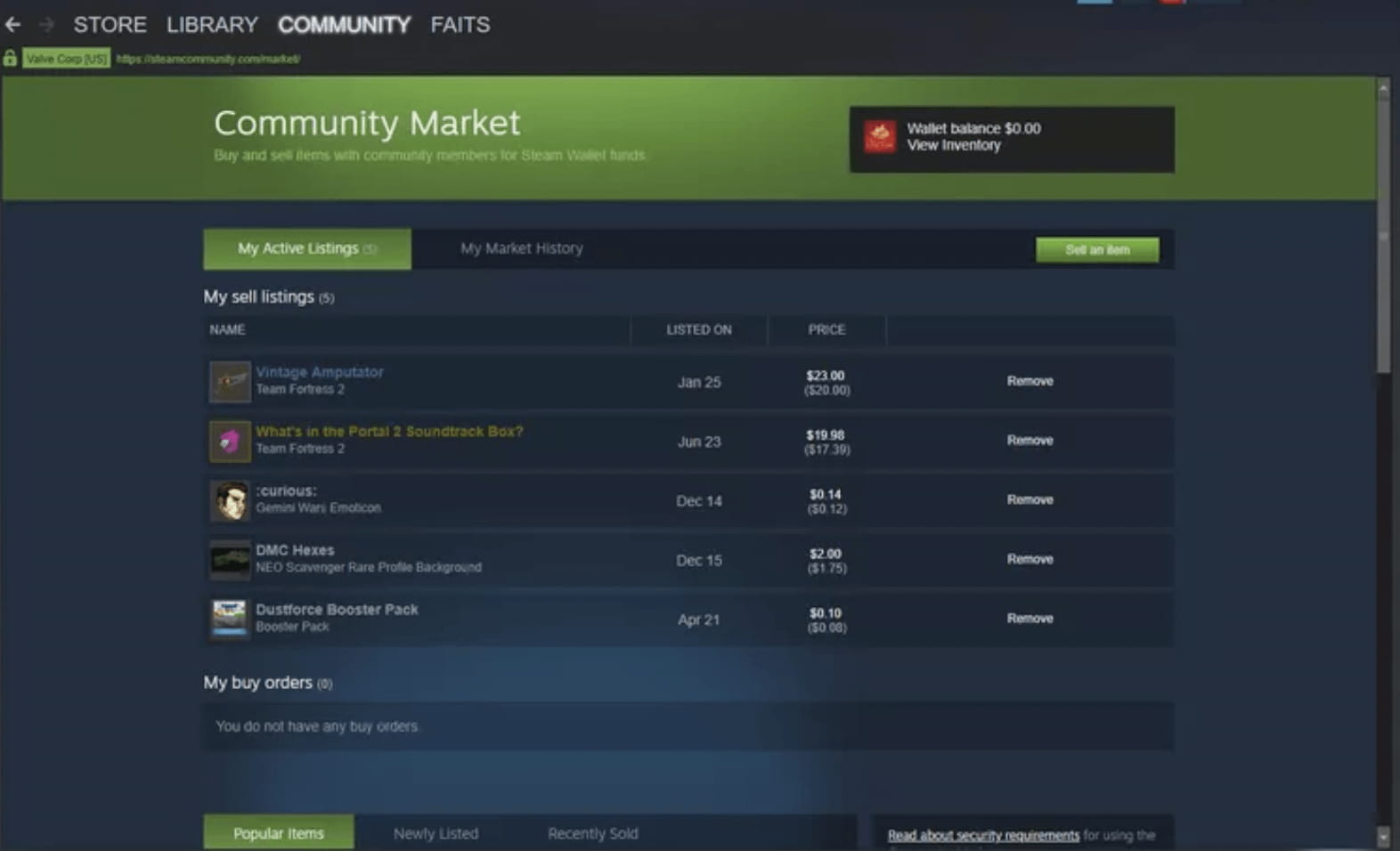
Steam's Community Marketplace.
But it's still a closed, centralized marketplace, which is just a bigger version of the same problem. You can't sell Steam items outside of the Steam Marketplace, so Valve, which owns Steam, controls the entire market, just like Fortnite, World of Warcraft, and PUBG. You also can't withdraw cash from Steam or most other platforms, which means that once you buy a skin, your money is locked up.
What are the problems with centralized marketplaces like Steam?
These centralized skin markets are hurting gamers and the gaming industry itself because: (1) developers can block people from accessing their accounts for arbitrary reasons, preventing them from accessing their skins, which is unfair to gamers; (2) people can only buy skins for their own games, which limits the growth of the skin market; (3) if players decide they no longer want their skins, they can’t resell them for cash because doing so would make loot boxes subject to gambling regulation; and (4) developers often shut down game servers when they release new games (EA’s FIFA does this every year), rendering players’ in-game purchases useless and worthless, which is extremely unfair to gamers who put money into developers’ pockets by buying loot boxes and skins. Steam’s FAQ section provides a clear example of (1) in action: “Steam accounts cannot be bought or sold,” the policy states. “Accounts are for the personal use of their creator only.” This policy means that no one actually owns their own Steam account; if they did, then they would be legally allowed to sell the stuff.
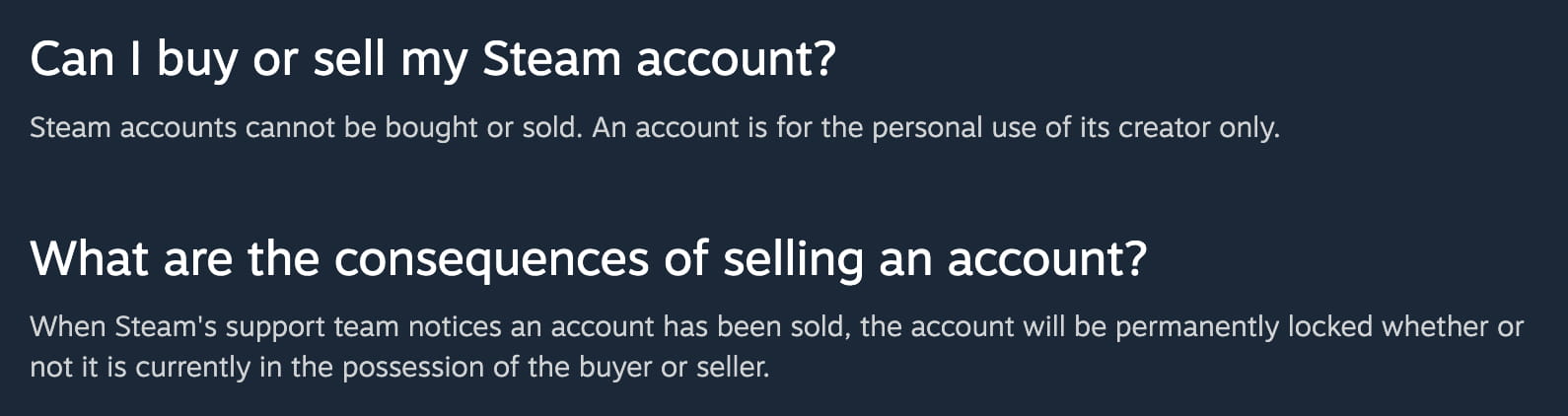
Steam's policy on selling accounts.
The same Steam policy also states that if a person buys or sells their account, they will permanently lose access to "purchased or activated games" and "inventory items purchased or acquired through gameplay," meaning their games and skins.
Steam’s subscriber agreement (which players must sign if they want to use the platform) explains exactly how (3) works: “Wallet funds cannot be transferred or withdrawn to a bank account,” the agreement states.
It also states that "Steam Wallet funds do not constitute personal property, have no value outside of Steam, and may only be used to purchase subscriptions and related content through Steam." This essentially means that if you purchase a skin with real money, there is no direct way to get your money out again. Of course, Steam isn't the only platform that uses this type of strategy or operates in this way. Other games and platforms, like Activision's World of Warcraft, work the same way. In fact, nearly every other game and platform operates the same way as Steam and Activision Blizzard, which means that across the gaming industry, most gamers who purchase skins can't trade them for value.
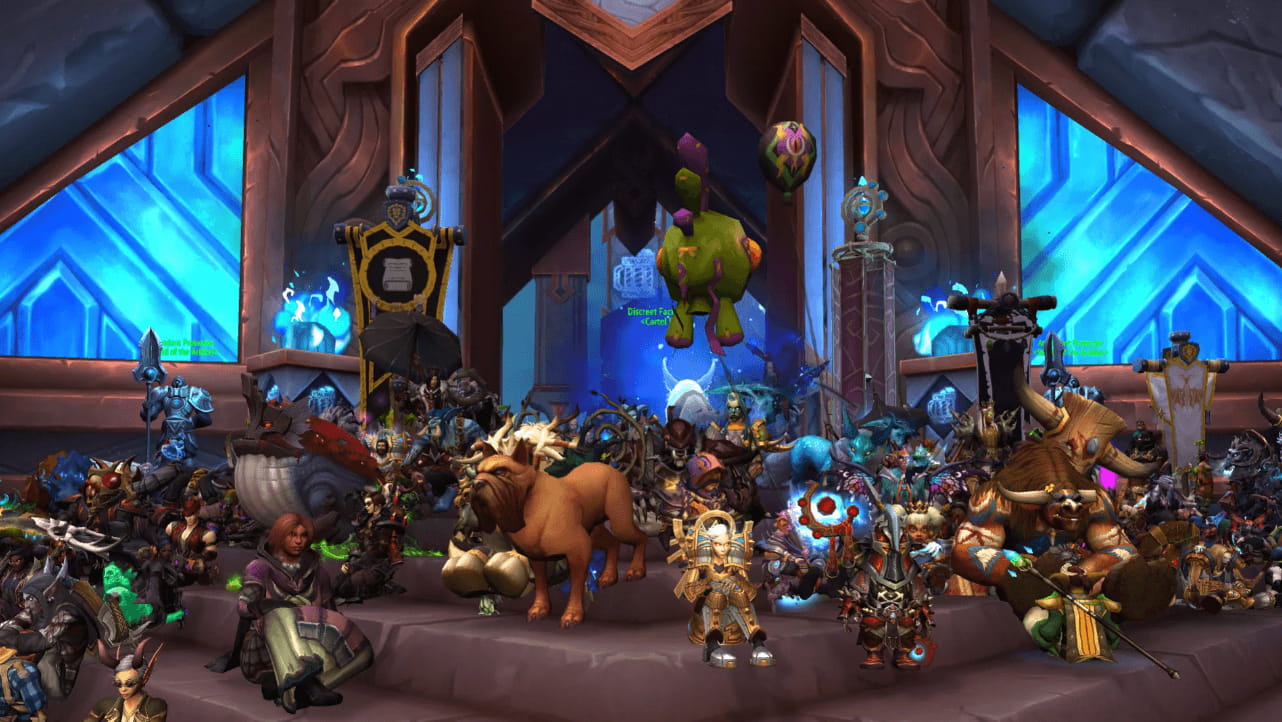
Activision's World of Warcraft.
Can NFTs help create a fairer skin market?
By using NFTs, or non-fungible tokens, developers might be able to make the skins market fairer than it is now without losing too much profit.
NFTs have been around since 2014. The technology experienced a brief heyday in 2021 thanks to sales of digital artworks like Beeple's Everydays, which sold for $69 million. Since then, the price of digital art has dropped dramatically. But even so, gamers are starting to take an interest in using NFTs to support the skins market.
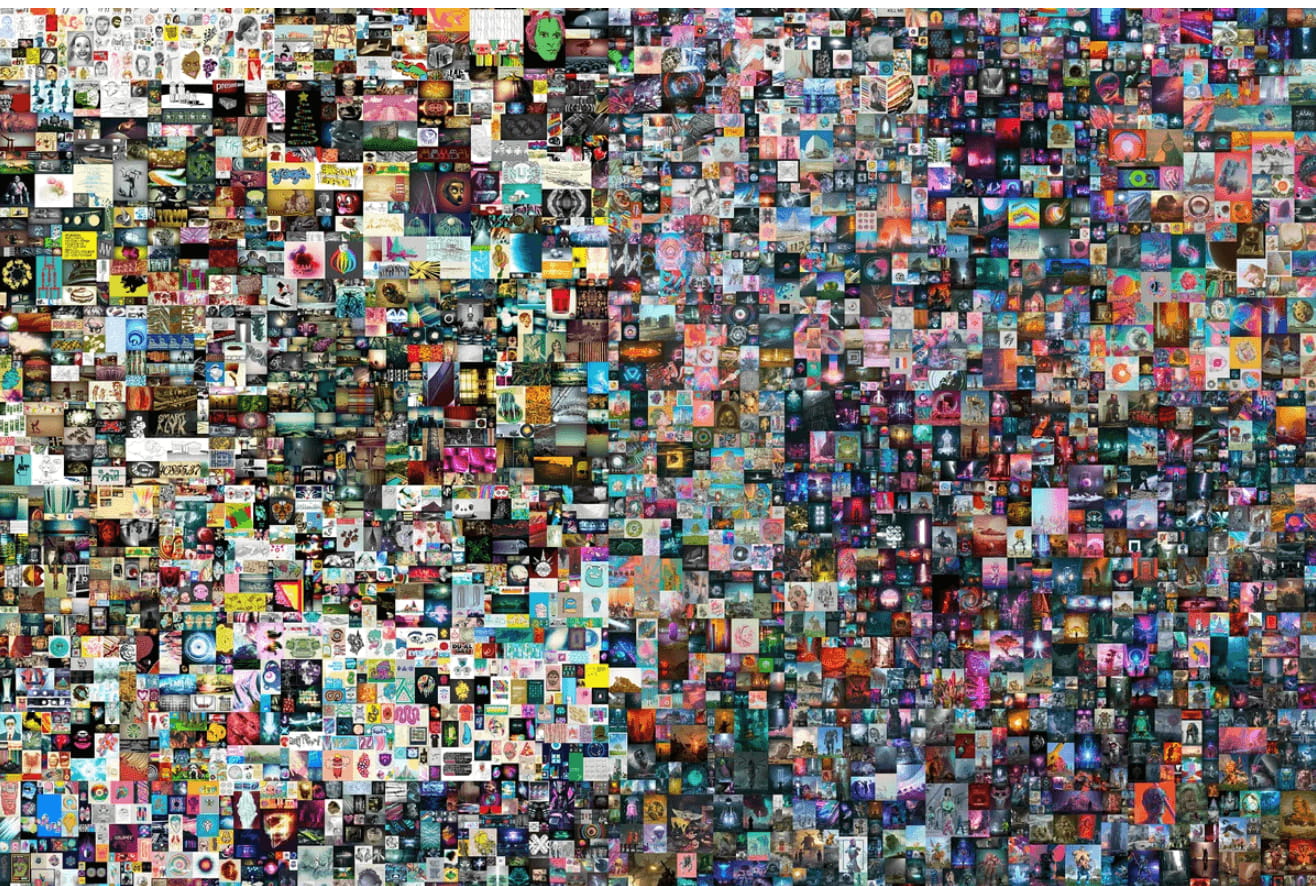
Beeple’s “Everydays,” a collage of 5,000 images, is being sold through Christie’s.
What are NFTs?
In case you missed NFTs in the summer of 2021, NFTs exist on a blockchain, a public ledger. Each NFT is unique: it cannot be copied or replicated. It can be linked to or represent any virtual or tangible item: like a work of art, an ID document, or even a land deed, and you can store NFTs in a digital wallet, just like cryptocurrency.
NFTs are probably most useful for verifying ownership of digital items, such as in-game skins or digital artwork. But NFTs have thousands of use cases: supply chains, event ticketing, and art, to name a few.
How do NFTs improve the technology we already have?
Creators can embed rules and conditions that are activated every time an NFT is bought or sold, giving them more control over their products than they do today.
For example, a musician could sell a copy of her latest track as an NFT, which listeners could resell on the secondary market, provided they sell it for less than the list price, and 10% of any resale profits would go into the musician’s wallet. These conditions apply everywhere, and certainly to NFT skins.
This is where people often get confused about NFTs. Owning an NFT that represents something like a music track or digital artwork doesn’t really stop someone from copying it and profiting from it, just like owning the copyright to a song doesn’t really stop someone from using its melody in music. However, it does help you prove that you own something, and most importantly, it can be easily and legally transferred or sold to someone else, unlike today’s iTunes tracks or game skins.
Can developers create NFT game skins?
Given their unique and useful properties, NFTs are likely to thrive in the gaming industry.
Age of Rust is a blockchain-based game that was removed from the Steam platform for incorporating NFTs into its mechanics.
Developers can incorporate the technology into their games so that every time a player unlocks a new skin, it is automatically minted as an NFT and ready to sell. To use the skin in the game, players can save it in their game wallet; similarly, they can send new skins to external wallets to sell on the virtual market.
From the front end, this will likely be the same way that the skin market works today. All the changes will happen on the back end and allow gamers to truly own their skins and sell them anywhere and to whomever they want.
Perhaps most importantly, by embedding rules into each NFT skin, developers can continue to make money every time a skin is purchased and resold. They don’t lose any profit, and their customers are better off.
Why do some gamers not want to use NFTs in games?
Most gamers are strongly opposed to using NFTs in games, and developers don’t care about them. Steam, for example, even banned all blockchain-based games on its platform. Explaining the move, Valve president Gabe Newell said that people in the NFT space “are generally not good actors” and that “something illegal is going on behind the scenes.” Newell neglected to provide any evidence or data to support these claims.
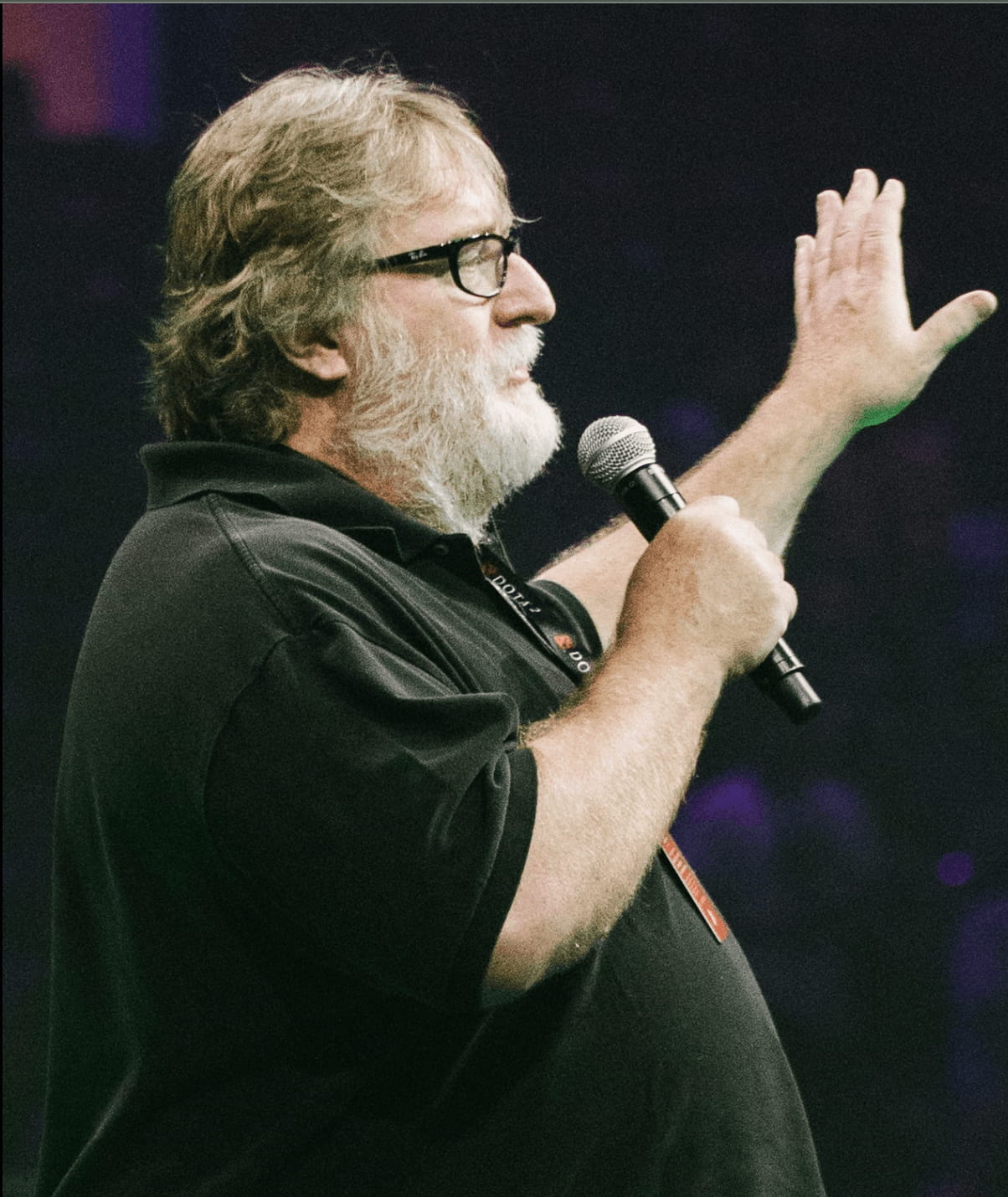
Gabe Newell (Source: Wikipedia).
According to Eurogamer, Steam's decision has been "well received" by the wider gaming community. In fact, on Reddit and various gaming forums, gamers are unanimous in their opposition to NFT skins. One of the most common scenarios is that they are scams or some kind of pyramid scheme. This criticism often stems from the belief that all NFTs are digital art and that the problems of the digital art market (scams and pyramid schemes) have permeated all NFT-related projects - even those that have nothing to do with digital art at all. But this is not the case.
NFTs are a technology with thousands of different use cases - only one of which is for buying and selling digital art. Even if all digital art suddenly became worthless, it would not change the fact that NFTs are a fundamentally useful and valuable technology.
Another common criticism of NFTs is that their minting and trading use too much computing power and energy, releasing large amounts of carbon into the atmosphere.
Indeed, until Ethereum, the network where most NFTs are traded, switched to a proof-of-stake system, emissions across the network dropped by 99.99%. For context, it now uses one-tenth the energy of AirBnb and one-hundredth of PayPal. Therefore, the environmental impact of minting and trading NFTs is negligible—probably less than the impact of the games themselves.
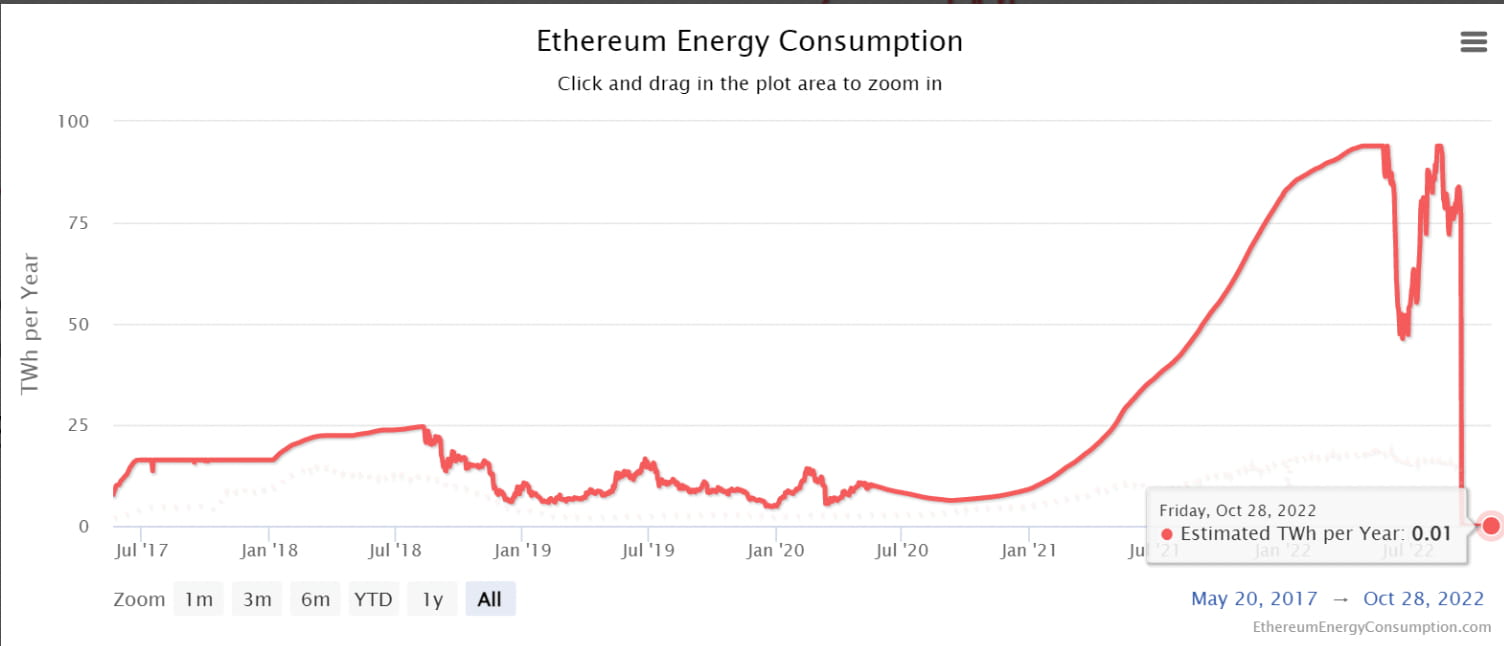
Energy consumption of the Ethereum network after the “merge”.
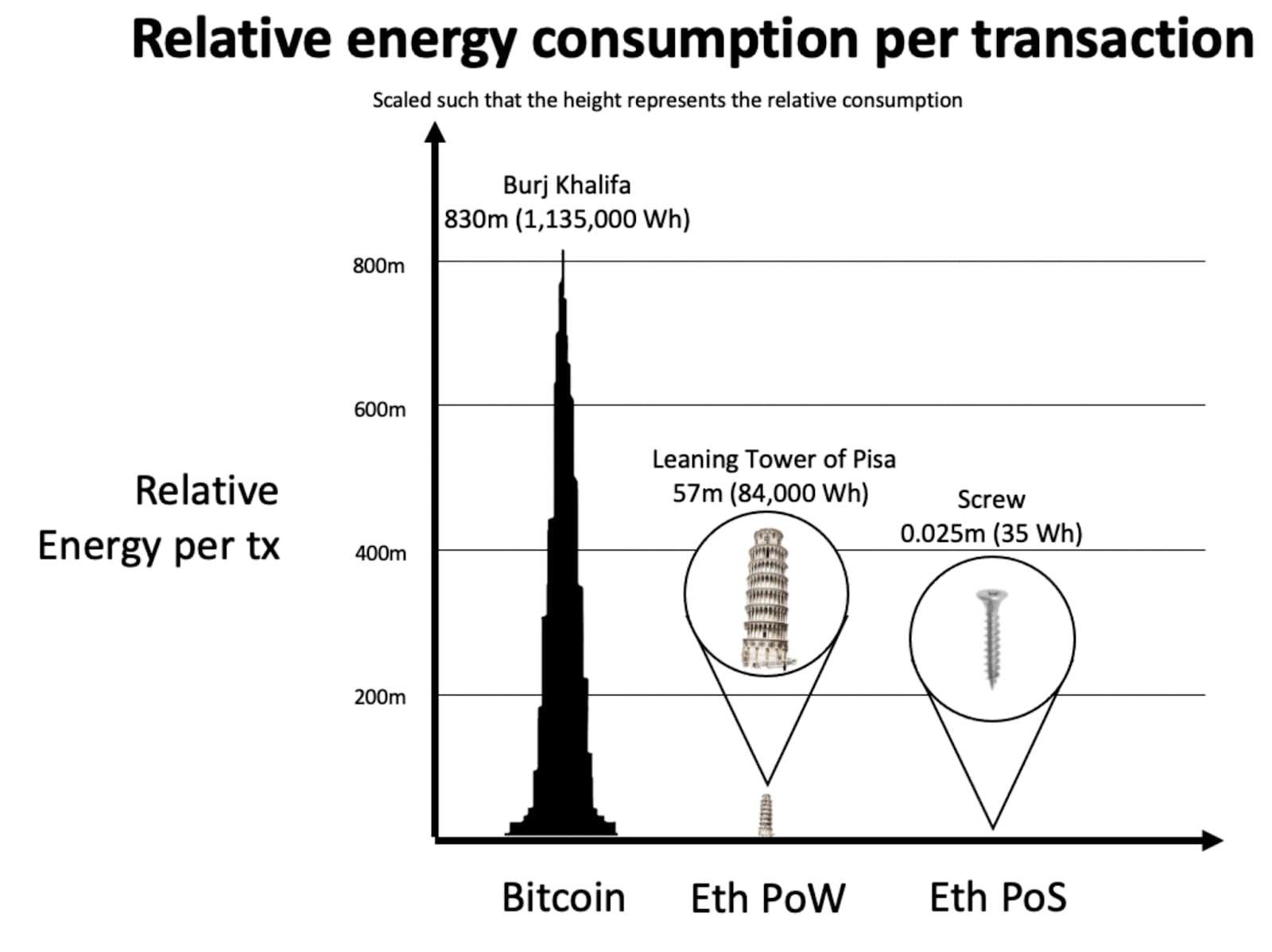
Energy consumption of Ethereum after the merger compared to Ethereum and Bitcoin before the merger.
Another concern is that if developers incorporate NFTs into their games, producers and studios will become even more financially driven than they are now, and the quality of games will suffer.
Now, while it's undeniable that some studios will do this, there's no reason to think that all will, or that they will be successful. Most of the joyless, cash-grabbing P2E games we've seen so far have failed, never reaching anywhere near the player counts of free-to-play games like Dota 2, or games without any P2E elements like CS: GO, Fortnite, or Minecraft.
It’s likely that players will continue to play the games they want to play, no matter how many P2E games offer them additional income. Therefore, many of the concerns gamers have about incorporating NFTs into games are unfounded. But even so, the broader gaming community — and developers in particular — remain firmly opposed to NFTs.
To change this, big developers like Activision and Valve want to see the technology behind NFTS actually work with skins and their profits protected.
Because if NFTs made trading skins annoying, or if studios lost money by implementing them, then the proliferation of NFT gaming skins might not happen.
Currently, major developers use NFT to create game skins
Epic Games is the only major developer so far trying to get ahead of this curve.
Its new zombie/battle royale game – Last Remains – will include NFT skins that players can choose to purchase.
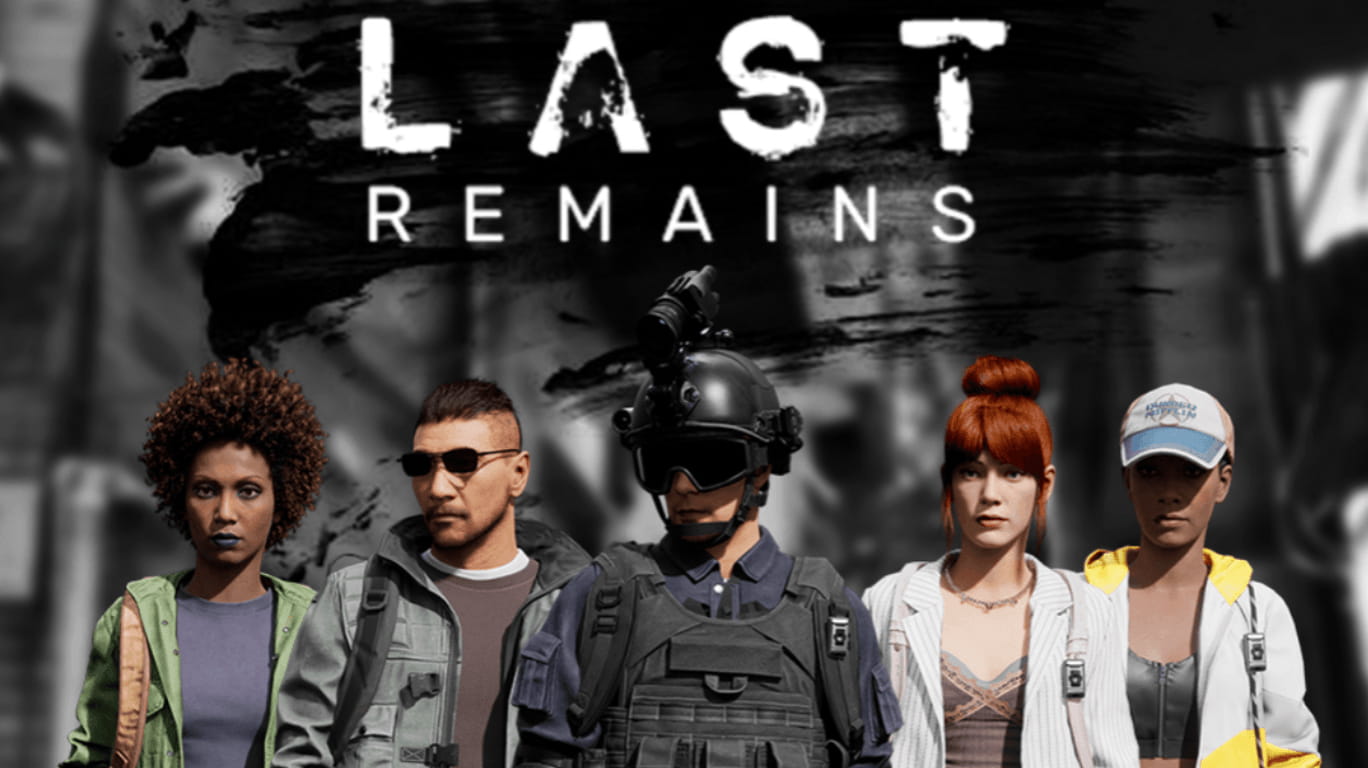
The last remains.
The NFT character acts as a battle pass, letting the holder mint all looted rewards, including weapon skins, animations, taunts, gear, and characters, as NFTs that can be traded on OpenSea.
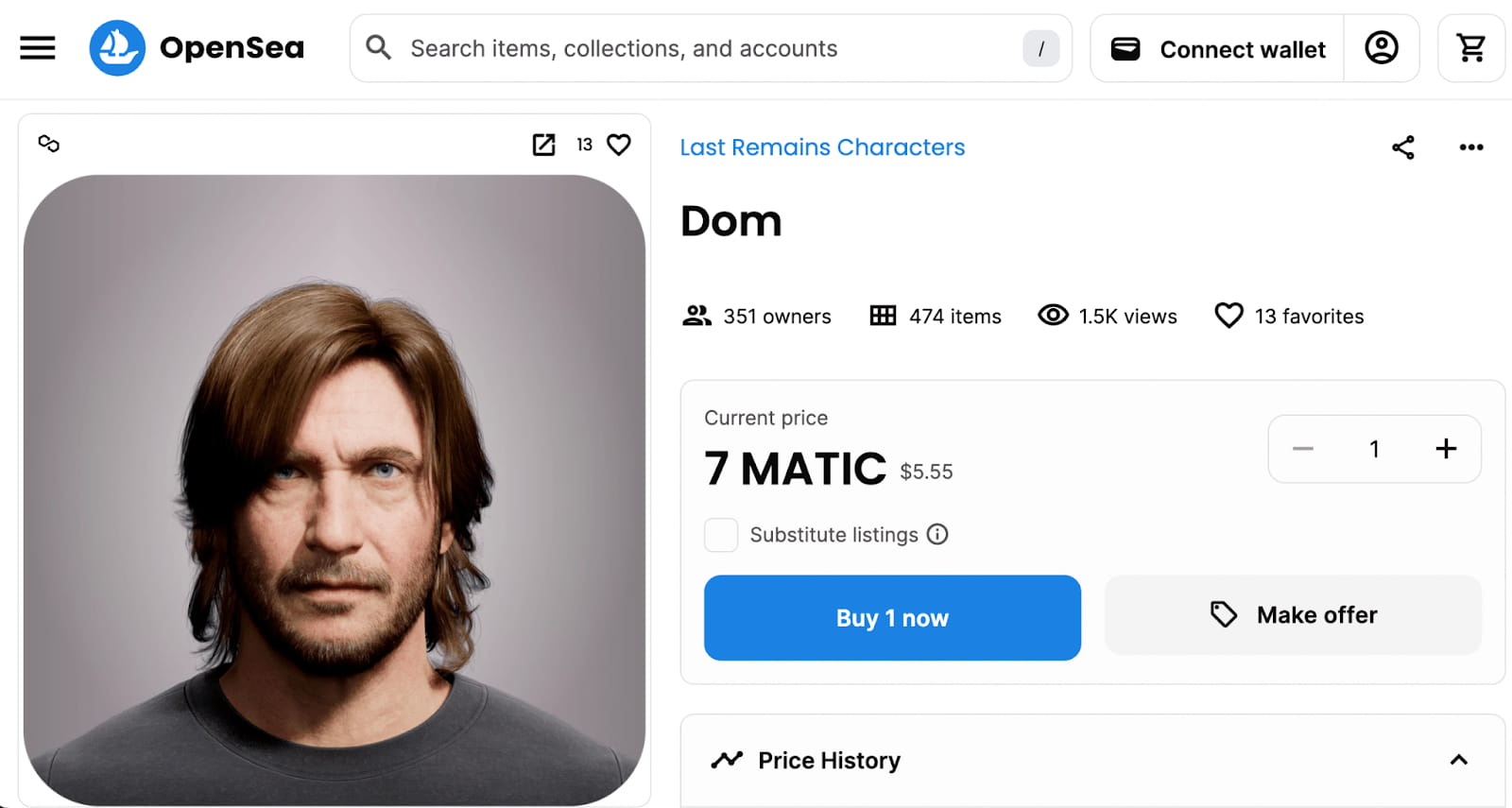
The Last Remnant battle pass/character NFTs are available for sale on OpenSea.
If players don’t own the NFT character, or they don’t want to purchase one, their loot is still “soul-bound to their Epic Games account,” just like most other games right now.
The game is currently in beta testing; players who purchased the first round of NFT characters can test the game, and open access will launch in December of this year.
in conclusion
Regardless of how well NFT skins work out for Epic Games and other developers, some companies like Valve will do everything in their power to keep their skins in a closed market. After all, why would any company voluntarily give up a highly profitable monopoly?
But ultimately, if gamers get behind NFT skins and migrate en masse to games that support them, Valve and other companies will have no choice but to adopt NFTs or risk being left behind.
There’s still a long way to go before major developers are convinced of the value NFTs can bring to their customers. It may take even longer for gamers to reconsider their stance on NFT skins.
But if the next generation of games include NFT skins, the global gaming industry — and especially gamers — could benefit greatly from it.