


“You have to realize that behind Beeple’s $69 million in sales there are a lot of legitimate artists supported by very low prices,” said Matt Kane, a digital creator.
In effect, NFTs provide art buyers with an immutable record of ownership, while at the same time allowing them to receive the original artwork in the mail if it was physically created.
Regardless, a blockchain-based contract will always be public proof of a transaction that occurred directly from artist to client, a value proposition that applies to both the most well-known creators and emerging players in the space.
If an art collector believes in the quality of a work, she can reward its creator directly for her work. Here are 7 artists whose lives were changed by the invention and proliferation of NFTs.
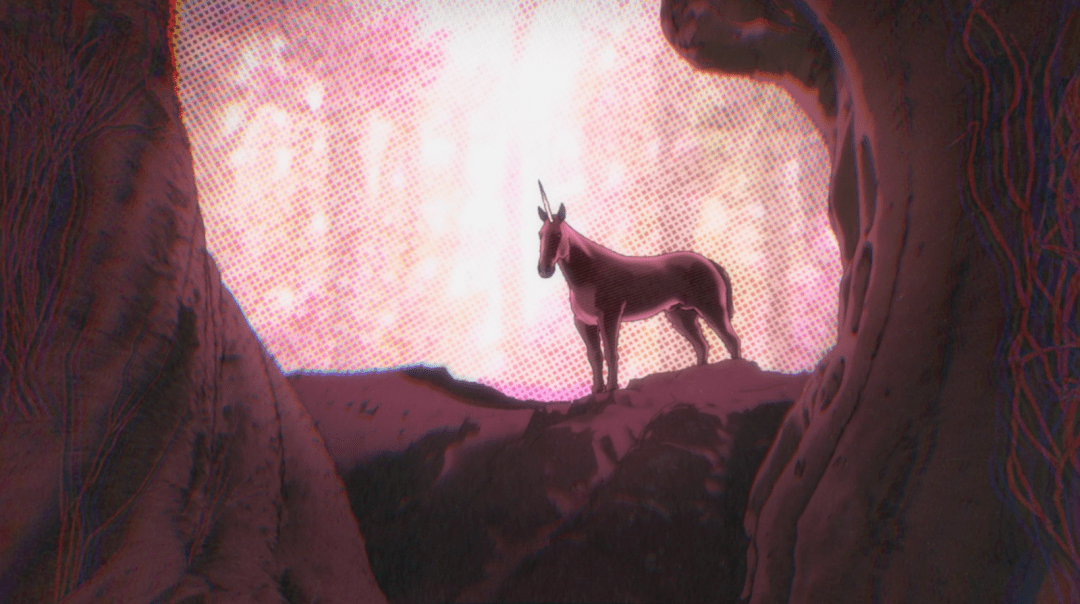
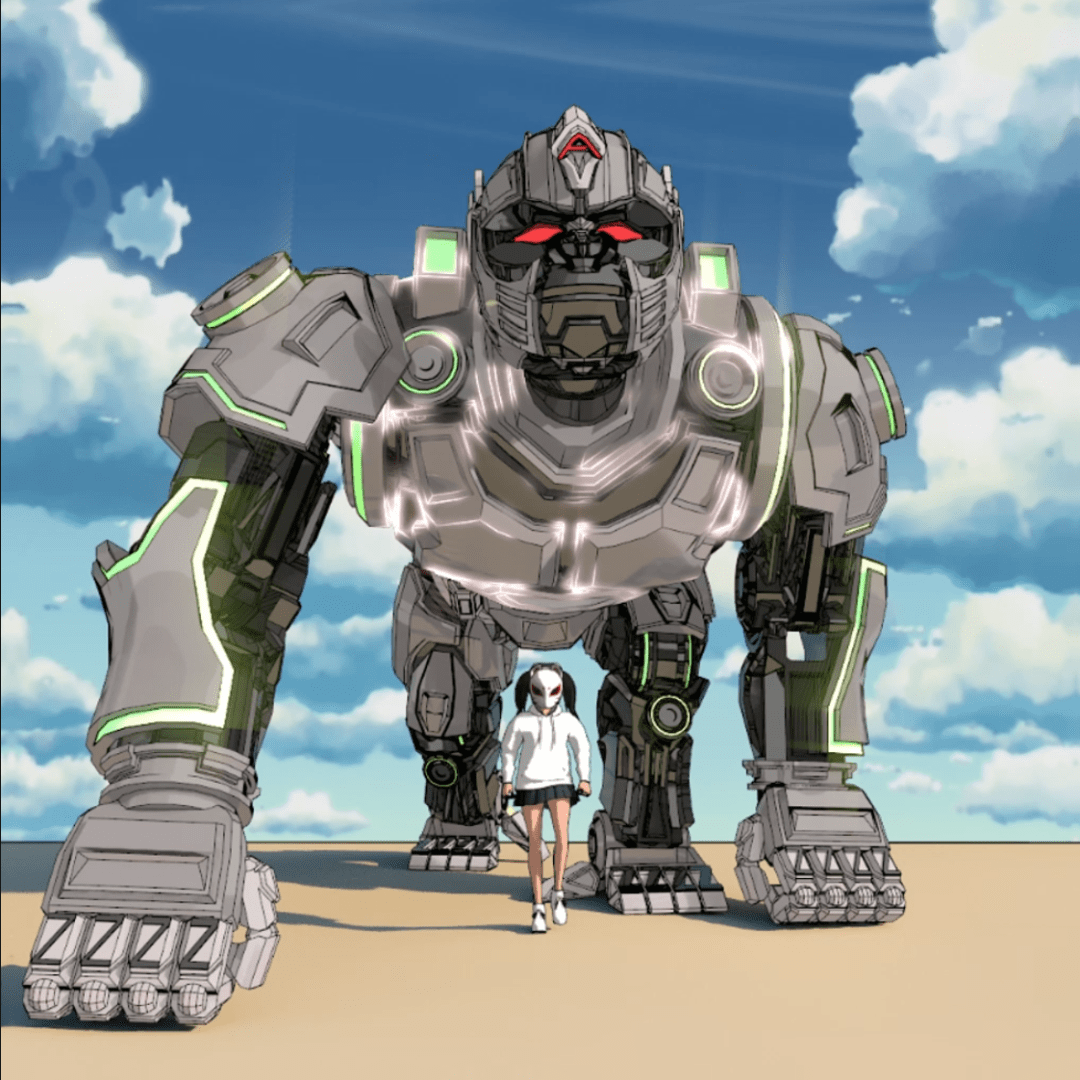
1. Emily Young (pppleasr)
Emily Yang, who goes by the pen name pplpleasr, a New York-based digital artist who made a fortune selling her work as NFTs, hit a low point after her job offer at Apple was rescinded and she faced a series of rejections due to the COVID-19 outbreak.
At that stage, she began to create art for art’s sake, whereas before, her art creation had always been done in the context of school or professional assignments, and around the same time, a friend of hers introduced her to the world of DeFi, DAOs, and NFTs.
She was fascinated by the crypto communities she encountered on Twitter, “and I couldn’t help but notice two things,” Yang recalled. “One, the community, the culture around memes, and the sense of humor resonated highly with my own, and two, the lack of creative talent working to promote the space.”
From there, through recommendations and a keen entrepreneurial spirit, Yang began creating 3D animations for DeFi projects, and by building up her portfolio, she eventually got the opportunity to attend the NFT Virtual Summit organized by Andreesen Horowitz (a16z) and the Stanford Center for Blockchain Research.
Next, she was commissioned to create a video trailer for Uniswap V3, and two of her most notable pieces, Apes Together Strong and x * y = k, were the result of these projects, which she later auctioned as NFTs for $111,186 and $986,911 respectively.
Notably, a DAO community called PleasrDAO formed around her to purchase her work as an investment.
Initially, pplpleasr's main motivation for getting involved in NFTs was the need to make a living in turbulent times. Today, she has taken on a greater responsibility to promote the NFT and DeFi movement, that is, she devotes a large part of the proceeds from NFT sales to charitable causes in the field.
2. Victor Langlois (FEWOCiOUS)
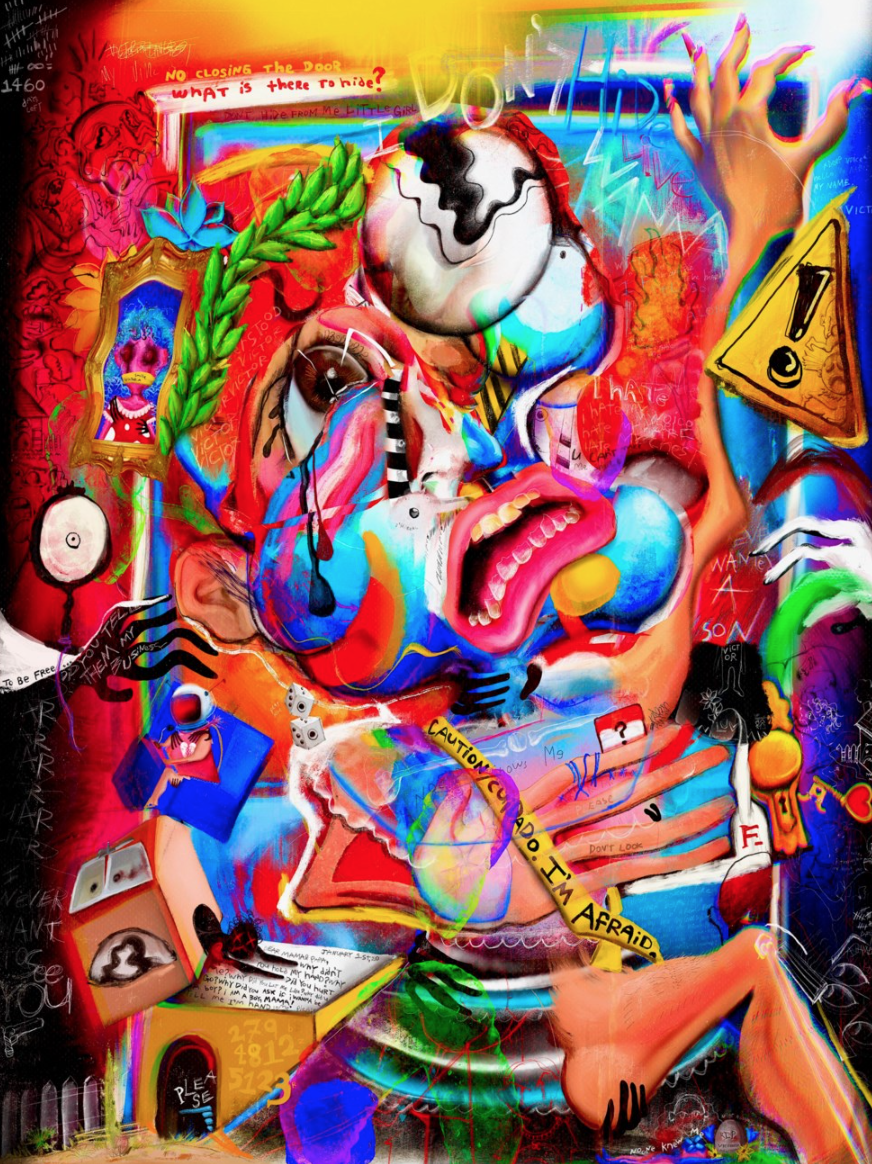
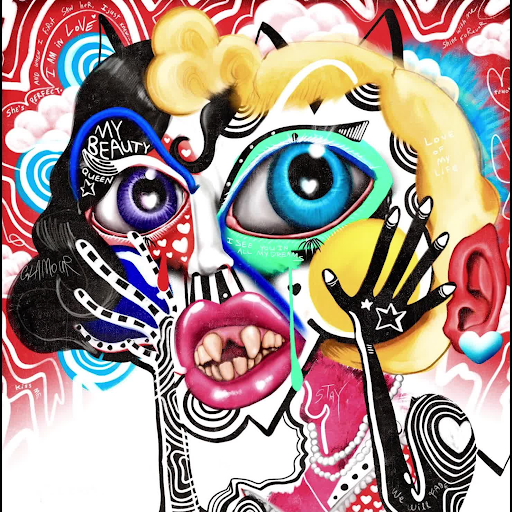
Victor Langlois, better known as FEWOCiOUS, is a Seattle-based NFT artist best known for having his work not only enter the prestigious Christie’s auction house but also crash the website due to competition from bidders, and his story tells the difficult story of discovering one’s gender identity and picking oneself up again after leaving a brutal family background.
His most expensive artwork to date, “Timeless Beauty,” sold for $550,000, bringing his total NFT sales value to $18 million, with his first NFT work, “i Always Think of You,” purchased for just over $1,000.
Langlois’ Christie’s collection is described on its website as “his inspiring journey from Las Vegas to Seattle, from Victoria to Victor Langlois.”
It features artwork that makes up his diary, where drawings and text overlap, and it tells a story of struggle, catharsis, and self-reflection as he finally accepts that he is transgender.
Because he had disciplinarian guardians with a closed-minded attitude toward queer rights, his only outlet was his art, and even outside of the home environment of school, he would paint digitally on a tablet to hide his deepest expressive impulses for fear of retaliation.
Years later, after figuring out how to promote and monetize his art, he sold his work for millions of dollars, and the truth of his creative ideas and jaw-dropping stories became apparent.
3. Vyankka(Squirterer)
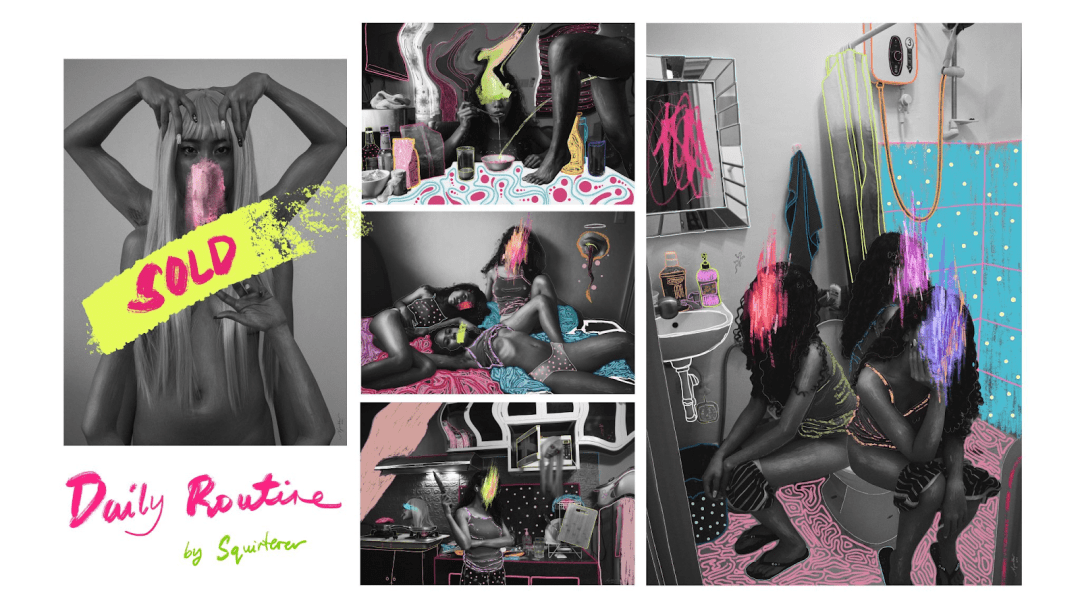
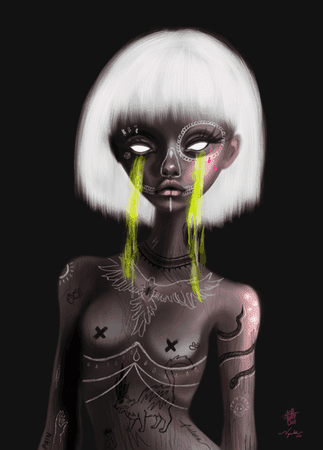
Vyankka, who goes by the pseudonym Squirterer, is a 24-year-old digital artist from the Philippines who has earned a considerable income by selling NFTs online. She lives in Davao City on the southern island of Mindanao in the Philippines, and has made all of her income from selling crypto art since 2018.
Squirterer initially started creating digital art on a $50 tablet, and later, thanks to the ETH and Hive rewards she earned from selling NFTs and blogging about her artwork, she was able to purchase an iPad Pro to create her own work.
Squirterer learned everything she needed to know about cryptocurrencies and decentralized platforms on Hive, where she published pieces focused on her art. In fact, she learned how to convert Hives to ETH, and ETH to pesos, first through Coins.ph and then through Bittrex and Binance.
She suffers from post-traumatic stress disorder (PTSD) and has always wanted to pursue a career in fine art but was told she couldn't because she was "too emotional", to which she tweeted: "You're too emotional! Fine I'll make money from it."
Her most notable work to date is a collaboration with Kitty Bast titled Fearless, which sold for 5 ETH, trading at $16,859 at the time.
4. Michelle Sonnenha del Mundo
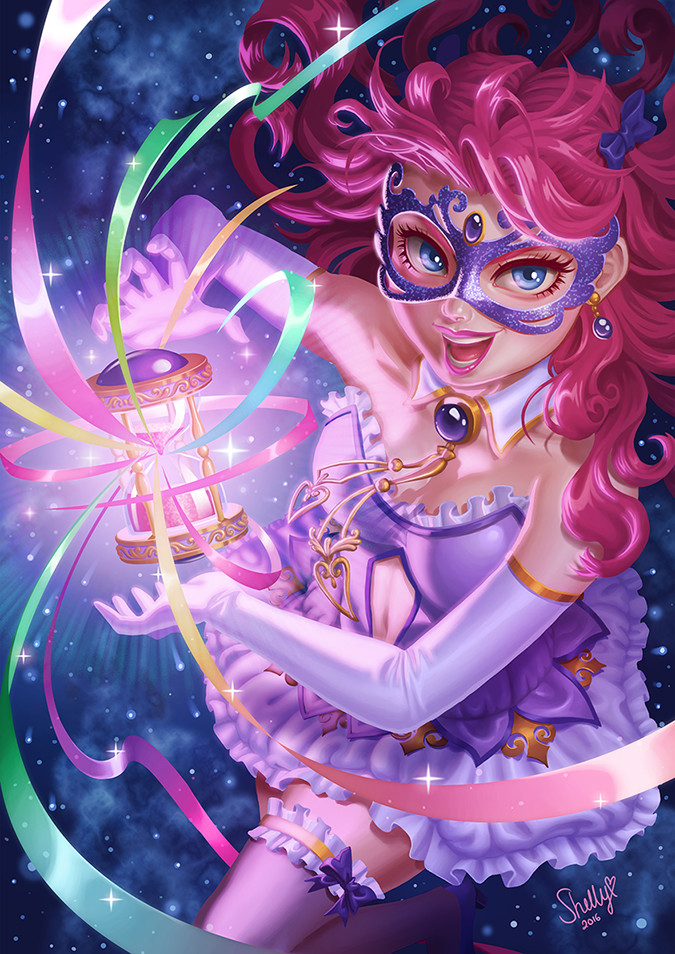
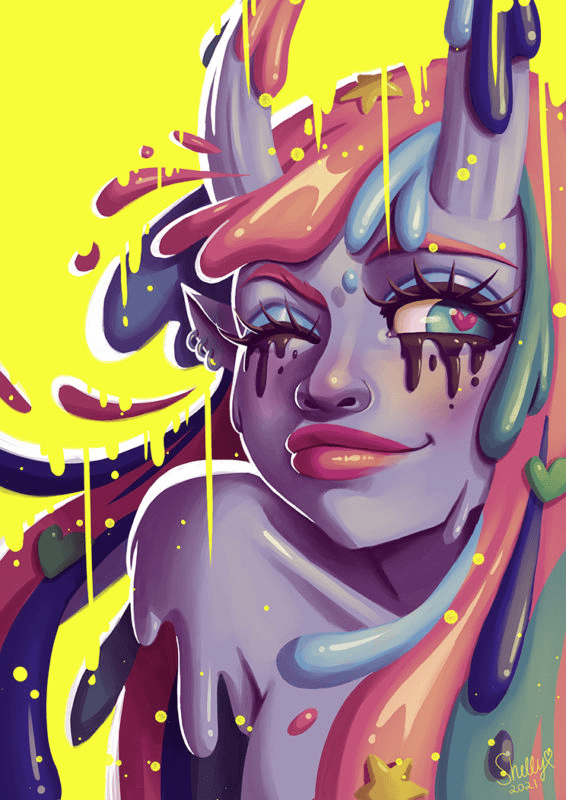
Michelle Soneja del Mundo, more commonly known as Shelly Soneja, a digital artist and art director from the Philippines, says the concept of digital scarcity is “a game changer, especially for digital artists.”
Amazingly, the 10 editions of the first artwork she minted sold out at 0.1 ETH each, which at the time was the equivalent of $38 each.
“For people in developed countries, this may not be a lot,” she said. But it means a lot to her because she is “from Asia, from a developing country on top of that, and a digital artist who has never really seen that much money.”
Today, Soneja works at blockchain gaming studio Altitude Games, and as part of her tenure she released an NFT avatar project called DJEnerates.
Currently, OpenSea’s floor price is 0.04 ETH ($134) and the trading volume is 152 ETH ($510,000).
The project’s website announced that the exclusive membership for 10,000 people includes the Metaverse Club:
“DJENERATES will be able to attend events in the Metaverse and party with us all night long in Decentraland, special DJENERATES collectors will have access to the VIP Amnesia balcony at Decentral Games, and all DJENS will be invited to our October launch party at Decentral Games.”
5. Alejandra Glaze
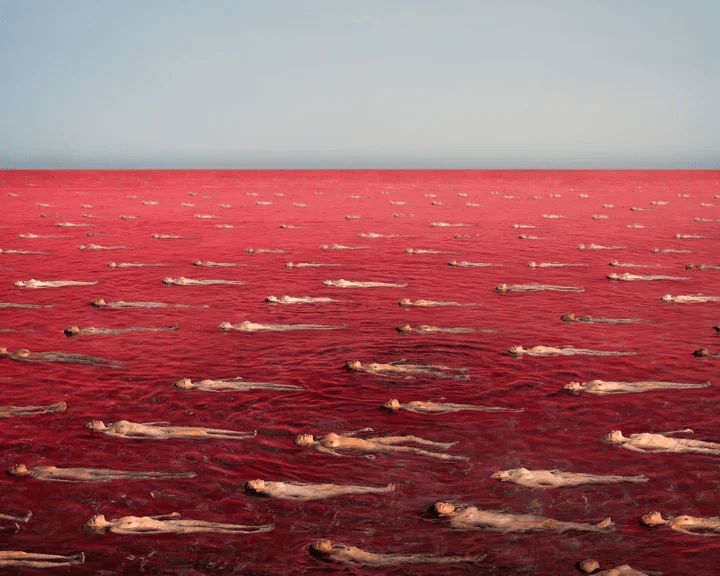
Alejandra Glez, a 24-year-old Cuban feminist artist, was the first person in Cuba to mint and sell NFTs, and in just 8 minutes, she earned no less than 3 ETH, equivalent to $5,700 at the time.
This is especially important considering that the monthly minimum wage in Cuba is 480 pesos, or about $20 USD, and given that Cuba’s economy has been severely affected by the COVID-19 pandemic and its impact on travel and tourism, Glaze is paving the way for other artists to follow in her footsteps.
Glez’s NFTs are meant to be thought-provoking and reflective of the way society treats women, and her diptych Presence and Absence is a tribute to all the women around the world who have been victims of the injustices she purposely exposes.
In her own words, she does this “by exploring the lives of women who have been murdered, immigrant women who have endured extreme hardship, and victims of gender-based violence.”
In fact, she praised NFTs as a medium through which she can fully express herself without having to go through the hassle of pleasing galleries or curators, revealing, “What’s most important to me is that these drops contain my unapologetically feminist work, and that it’s not art created purely for the sake of minting.”

6. Jackon Osinage
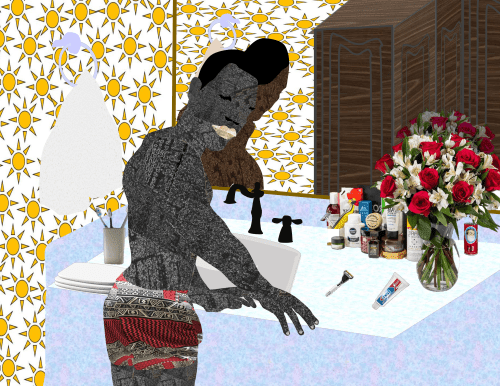
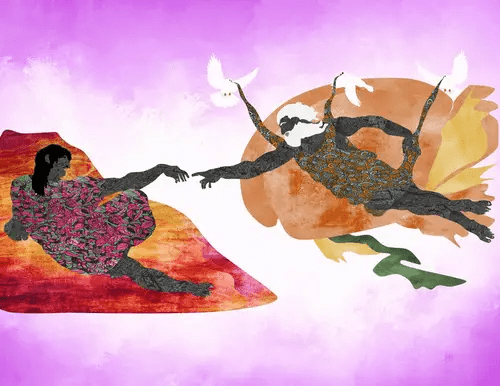
Jason Osinachi is a digital artist from Aba, Nigeria, who as a young aspiring writer would use Microsoft Word to write poetry and short stories.
When he gets bored and needs a break to focus, he fiddles with the drawing tools on his software.
Today, he is one of Africa’s foremost NFT artists, earning a US dollar income that allows him to live comfortably, and fifteen years later, he uses only a touchscreen HP laptop to draw his art.
Osinachi’s most expensive work, “Resignation,” was sold for 20 ETH, or $35,919 at the time of the transaction.
Additionally, his digital paintings “Mirror Mirror” and “Am I Pretty” were purchased at auction for 9 and 13.2 ETH, equivalent to $16,227 and $23,633, respectively.
Osinachi has a long history of creating art and trying to make a living from it, but with limited success, he eventually became an academic librarian but never stopped creating and trying to make a living from his craft.
When the NFT craze hit in March 2020, he had already spent two years learning the basics of minting NFTs online.
In December 2019, NFT art collectors bought Osinachi's work for 1 ETH, when the cryptocurrency was only $150. Now, he sells a work completed in a day for tens of ETH.
7. Muhammad Rifqi Ardiansyah(rubahitam)
Rifqi Ardiansyah, also known as rubahitam, an NFT artist from Yogyakarta, Indonesia, sold a total of 50 artworks for a total of 44.978 ETH, equivalent to $155,333.
As a result, Rifqi Ardiansyah said: "Crypto art has changed my life." As a freelance animation designer, it allows him to express his ideas freely.
“No modifications, no restorations, no tweaks, no notes provided by the client,” he commented. Thanks to the NFTs he sells online, Ardiansyah earns nearly five times what he typically makes from commissioned work.
At 25, Ardiansyah recognised that the Indonesian art market had fundamentally changed, with the Deloitte 2019 Art and Finance report showing that the Southeast Asian auction market was only worth $41 million.
By comparison, the industry is $2.5 billion in the U.S., $112 million in China and $92 million in South Asia.
Due to lack of alternative opportunities, Southeast Asian artists are hired domestically and internationally for their cheap labor, but they do not have any copyright to their craft. With the advent of NFTs, art collectors can now bypass the middlemen and interact directly with artists.
Therefore, they can reward disenfranchised creators for their artistic labor, so, with NFTs, local artists can end their exploitative treatment by art dealers and secondary salespeople.
Conclusion
This article tells the story of NFTs, a technology that bridges the opportunity gap and levels the playing field among artists around the world. Whether it’s musicians, game developers, or any company looking to attach an immutable digital contract to a limited edition product, NFTs are transforming multiple industries.
Critics of NFTs disrupting the art market would argue that not only do they concentrate wealth primarily in the hands of a few, but they also put vulnerable groups at risk through environmental damage, and indeed, the high barrier to entry for minting NFTs can be prohibitive for digital artists from low-income countries.
For a technology that promises equality, the choice between putting food on the table or paying a month’s income in gas fees to mint an NFT is a foreboding dilemma, especially when the outcomes of NFT auctions are mostly uncertain.
Nonetheless, the astounding rags-to-riches story and the emergence of purpose-built blockchains designed to eliminate current technological setbacks offer a different perspective, and in reality, NFTs have become a net positive for the global art economy.
After listening to their stories, as an artist or NFT enthusiast, do you want to try it? What if you succeed? Interested friends can consult the editor for relevant knowledge, or you can refer to the following NFT collection and upload your own work:
opensea.io/collection/essays-of-college-life
OpenSea content you care about
Explore | Collect | Sell | Buy

Bookmark and follow OpenSea Binance Channel
Get the latest news