
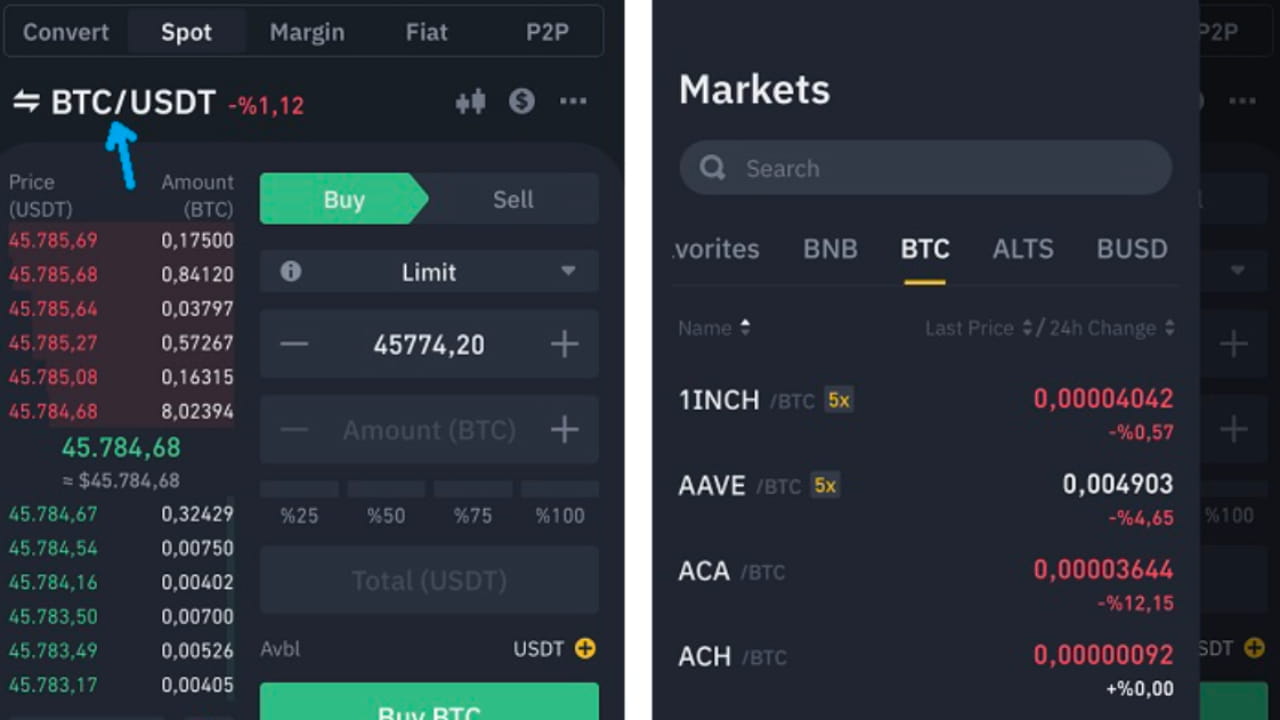

Introduction: In the world of cryptocurrency trading, two popular strategies are crypto futures and spot trading. Each approach has its unique characteristics and potential benefits. In this article, we will explore the key differences between crypto futures and spot trading, delve into common mistakes traders make, and provide examples of decision-making when facing liquidation prices.
Understanding Crypto Futures Trading:
Definition: Crypto futures trading involves speculating on the future price of an asset without owning the underlying asset itself. Traders enter into a contract to buy or sell an asset at a predetermined price and time in the future.
Leverage and Margin: One key feature of futures trading is leverage, which allows traders to control larger positions with a smaller amount of capital. However, this amplifies both profits and losses. Margin refers to the collateral required to open and maintain a futures position.
Long and Short Positions: In futures trading, traders can profit from both rising and falling markets. Going long means buying a contract in anticipation of price appreciation, while going short involves selling a contract with the expectation of price decline.
Understanding Spot Trading:
Definition: Spot trading involves buying or selling cryptocurrencies at the current market price for immediate delivery. It is a straightforward method where traders own the actual asset.
Ownership and Market Volatility: Spot trading provides direct ownership of the cryptocurrency, allowing traders to use the assets as desired. However, the trader is directly exposed to the volatility of the market.
Improving Common Trading Mistakes:
Lack of Risk Management: One common mistake is neglecting risk management. Traders should set stop-loss orders to limit potential losses and take-profit orders to secure profits. Adhering to predetermined risk-reward ratios helps maintain a disciplined approach.
Emotional Trading: Emotional decision-making often leads to impulsive actions. Traders should develop a trading plan, stick to it, and avoid making decisions based solely on fear, greed, or external noise.
Insufficient Research and Analysis: Inadequate market research and analysis can result in poor trading decisions. Traders should conduct thorough fundamental and technical analysis, considering factors such as news, market trends, and indicators to make informed choices.
Decision-Making Near Liquidation Points:
Risk Monitoring: Traders should constantly monitor their open positions, particularly when approaching liquidation prices. Utilize platforms like Binance, which provide real-time updates on margin levels and liquidation prices.
Margin and Account Management: Maintaining sufficient margin levels and avoiding excessive leverage is crucial to prevent liquidation. Traders should actively manage their positions, add funds when necessary, and consider adjusting leverage based on market conditions.
Cut Losses or Add Margin: When the price nears the liquidation level, traders have two choices. They can cut their losses by closing the position or add additional margin to maintain the position and potentially benefit from a price reversal.
Conclusion: Choosing between crypto futures and spot trading depends on individual trading preferences, risk tolerance, and investment goals. While futures trading offers leverage and the ability to profit from market fluctuations, spot trading provides direct asset ownership. To improve trading performance, it is crucial to address common mistakes such as poor risk management and emotional decision-making. When facing liquidation points, traders should closely monitor their positions, actively manage margins, and make informed decisions based on their risk appetite and market conditions. Remember, success in trading comes with continuous learning, disciplined execution, and a well-defined trading strategy.