

There are multiple blockchain networks vying for Ethereum smart contract and DeFi market share. Projects such as BNB Smart Chain, Cardano, Solana, Tron, Polkadot, and Avalanche are the most famous “Ethereum killers.”
Ethereum (ETH) is a blockchain protocol that supports decentralized applications and smart contracts. It is the second largest cryptocurrency by market capitalization and the most widely used decentralized finance (DeFi) and non-fungible token (NFT) platform.
However, it also faces some challenges, such as high gas fees, network congestion, scalability issues, and environmental issues. As a result, many other blockchain platforms have emerged as potential competitors or alternatives to Ethereum, offering different features and benefits.
In this article, we’ll look at the most prominent Ethereum competitors and look at the pros and cons of 6 cryptocurrency projects that are vying to be the next Ethereum.

What is the next Ethereum? Analysis of the top six “Ethereum killers”
When we talk about the “next Ethereum,” we’re referring to cryptocurrency projects leveraging blockchain and smart contract technology to develop DeFi and NFT solutions, which Ethereum currently dominates due to its first-mover advantage. In the following sections, we’ll look at six projects with strong feature sets and active communities that could challenge Ethereum’s dominant market share in the future
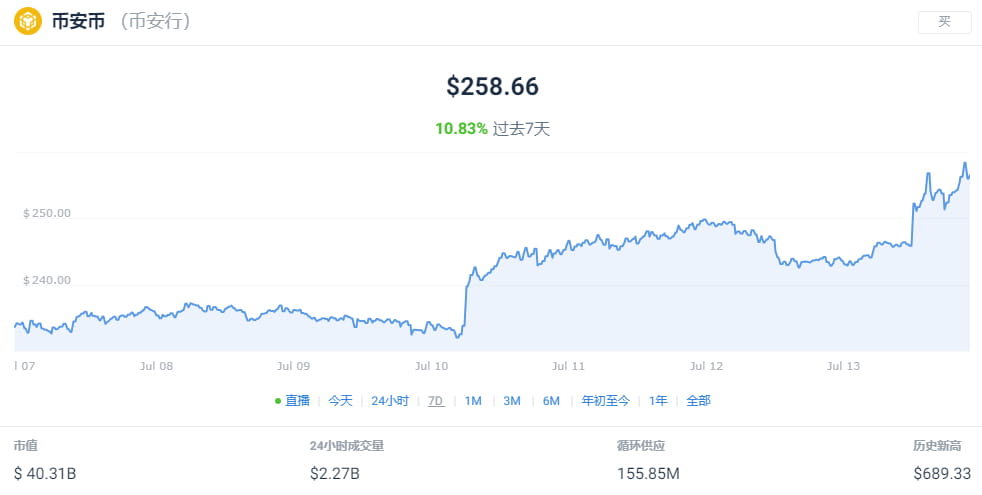
1.BNB smart chain
BNB Smart Chain (BSC) is a blockchain platform launched by the popular cryptocurrency exchange Binance. BSC is powered by its native token BNB and aims to provide an alternative to the Ethereum network by offering faster and cheaper transactions. It does this by using a different consensus mechanism called Proof of Stake (PoSA). BSC’s compatibility with the Ethereum Virtual Machine (EVM) enables developers to easily migrate their dApps from Ethereum to BSC by taking advantage of its high throughput and low fees.
Why is BNB Smart Chain considered the next Ethereum?
Thanks to a large number of users, familiar features inspired by the Ethereum blockchain, and support from the world's largest cryptocurrency exchange, BNB Smart Chain is considered the top Ethereum killer.
2.Cardano
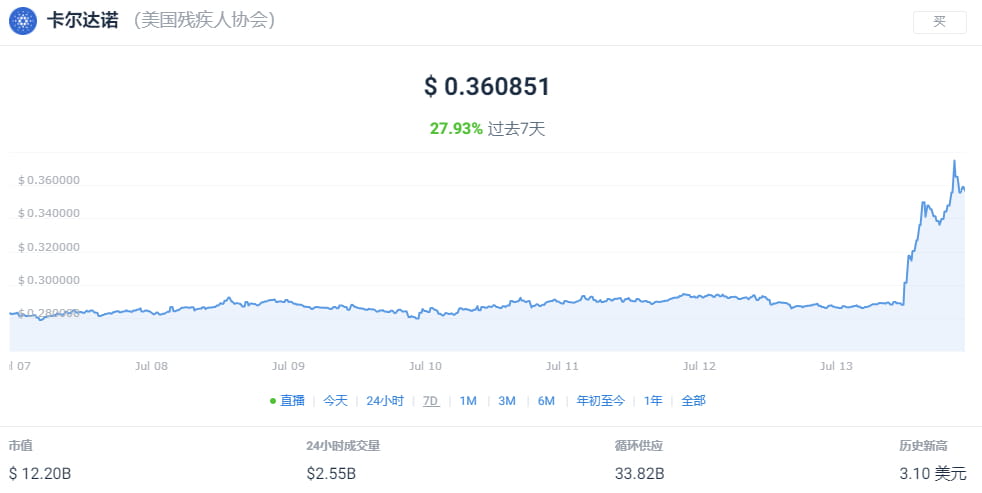
Cardano (ADA) is a blockchain platform designed to provide a secure and sustainable infrastructure for the development of decentralized applications and smart contracts. Cardano is built using peer-reviewed academic methods and boasts high levels of security and scalability. It uses a unique consensus algorithm called Ouroboros that ensures the network remains decentralized while maintaining fast transaction processing.
Why is Cardano considered the next Ethereum?
Cardano is not only one of the most popular crypto projects, but also one of the most actively developed blockchains in the space, making it not only one of Ethereum’s top killers, but also a potentially good one in general invest.
3.SUN
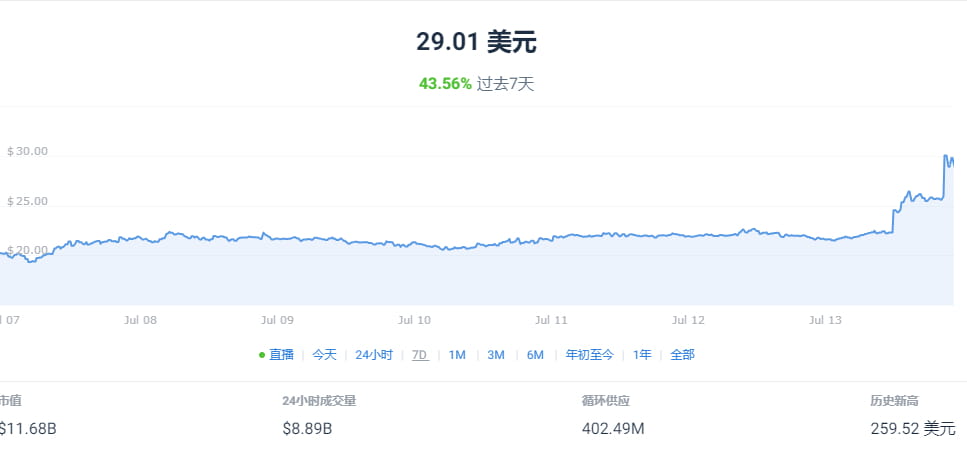
Solana (SOL) is a high-performance blockchain platform designed for decentralized applications and cryptocurrencies. It utilizes a unique combination of Proof-of-Stake (PoS) and Proof-of-History (PoH) mechanisms to enable fast transactions and low fees. Solana's scalability and throughput make it an attractive choice for developers looking to build complex applications that require high-performance functionality.
Why is Solana considered the next Ethereum?
Solana is one of the most energy-efficient and cheapest cryptonetworks for value transfer. Additionally, Solana has a healthy dApp ecosystem and an active community, although SOL suffered a rapid price drop last year due to its association with the now-defunct FTX exchange.
4. TRX
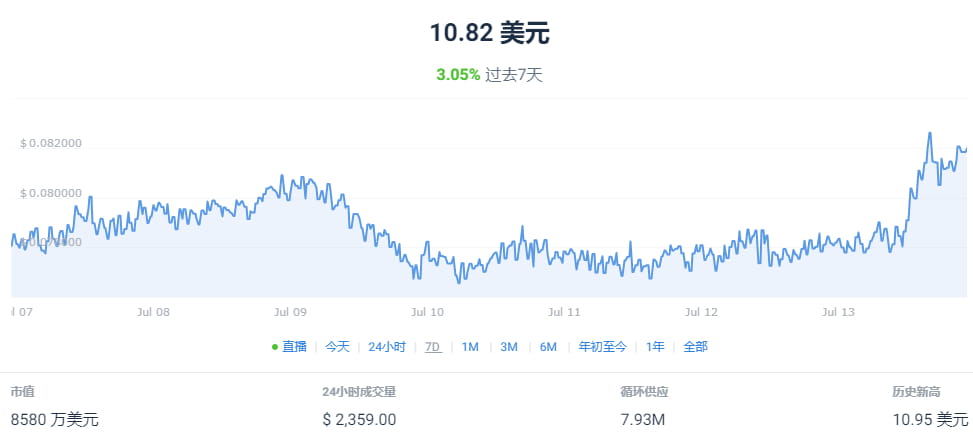
Tron (TRX) is a blockchain platform designed to create a decentralized digital entertainment ecosystem. It focuses on providing decentralized infrastructure for content creators and consumers in the entertainment industry. Tron offers high throughput and low transaction fees, making it suitable for applications such as gaming, social media, and digital content distribution.
Why is Tron considered the next Ethereum?
Over the years, Tron has become a reliable alternative to Ethereum due to its transaction speed and overlapping features. In addition, Tron has also sought to expand its product range in recent years, integrating decentralized file sharing capabilities through the acquisition of BitTorrent (BTT) and launching the decentralized stablecoin USDD.
5. DOT
Polkadot (DOT) is a multi-chain platform that can transfer any type of data or assets across different blockchains. Its goal is to create a decentralized Internet where different blockchains can communicate and share information securely. Polkadot’s unique architecture allows interoperability between different chains, facilitates seamless data transfer, and enables developers to take advantage of multiple blockchains simultaneously.
Why is Polkadot considered the next Ethereum?
Polkadot was conceived by Gavin Wood, a computer scientist and co-founder of Ethereum. Wood launched Polkadot with the goal of increasing scalability through "parachains," which are capable of processing transactions in parallel, allowing Polkadot to handle larger transaction volumes than Ethereum.
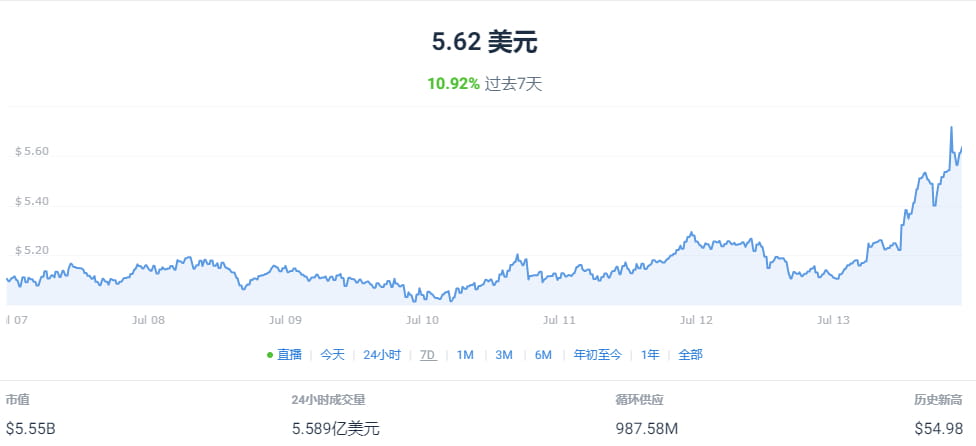
6. AVAX
Avalanche (AVAX) is a highly scalable blockchain platform that prioritizes speed, security, and decentralization. It uses a novel consensus protocol called Avalanche that enables high throughput and fast finality. Avalanche's unique consensus approach makes it highly resistant to attacks and allows for fast transaction confirmations, making it an attractive option for developers looking for a scalable and secure blockchain platform.
Why is Avalanche considered the next Ethereum?
Avalanche focuses on overcoming some of Ethereum’s scalability and speed limitations. While the blockchain itself is capable of handling around 150 times the number of transactions as Ethereum, Avalanche has struggled to build an ecosystem of dApps and NFTs that can challenge Ethereum, at least so far.