
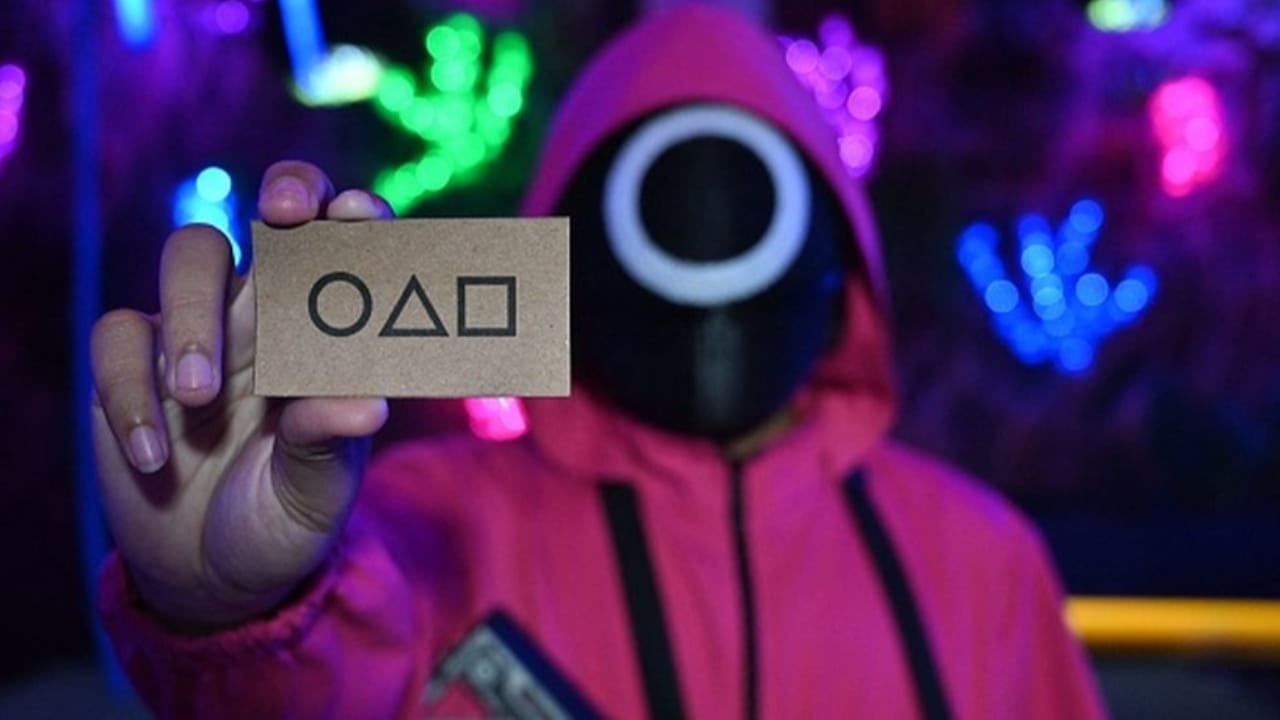
In 5 minutes, 40,000 accounts were cleared, and “Squid Coin” fell to US$0.0007. Investors: “It’s really a squid game.”
Another crazy virtual currency scam has come to an end.
After Netflix’s online drama “Squid Game” became popular, a “Squid Coin” (SQUID) named after the brand was born in the virtual currency market. After the currency was released, it started a surge mode. In the past week, the highest increase reached 2,300 times, and the currency price reached an astonishing US$2,861.8 (approximately RMB 18,309).
However, on November 1, Eastern Time, Squid Coin suddenly crashed, falling from US$2,861 per coin to US$0.0007 within 5 minutes, a drop of 99.999976%. According to data from the blockchain tracking analysis platform BscScan, about 40,000 people still held the virtual currency after the flash crash.

Hot squid coins
Soared after issuance
According to reports, Squidcoin is an exclusive token for a gaming platform with the same name as Squid Game. The platform imitates the six-round competition in the TV series, and the prize money won by the final winner will be distributed in the form of Squidcoin.
Different from the TV series, the platform said: "We obviously will not provide fatal consequences!" Moreover, the jackpot in the TV series is capped at $38.5 million, while this simulated game will not limit the upper limit of the final prize or limit participants. quantity.
However, players must first pay a preset price of Squid Coins to participate in each game, and some rounds also require users to purchase custom NFTs (non-fungible tokens, similar to game skins or props in this game) that are sold on the platform. . Some of the NFTs feature characters from the show, including a guard wearing a red suit and a black mask.
According to the white paper, Squid Coin began pre-sale on October 20 and “sold out within 1 second.” Squid Coin was officially issued on October 29, with an issuance price of 1 cent per coin, and surged nearly 2,400% 24 hours after its issuance, reaching $2.22, with a market value of more than $174 million. In the following days, the price of Squid Coin continued to rise, reaching $2861.8 before crashing on November 1.
With the price of squid coins skyrocketing, participating in the above games is not cheap. If you want to participate in the final game, players must pay 15,000 squid coins and purchase an NFT. The entry fee for each round is split equally between the developers (10%) and the reward pool (90%).
The platform also offers a pinball pool where holders can earn tokens by staking, using their cryptocurrency holdings as collateral to earn passive income.

"Squid Game" poster Image source: Douban
The issuer has run away
Squidcoin has had many flaws before
According to media reports, the founder of Squid Coin once stated that the project is Netflix’s official token partner. And established a strategic partnership with the virtual currency platform CoinGecko.
However, in an interview with the media, CoinGecko co-founder Bobby Ong refuted these claims: "Squid Coin does not meet our listing standards, so it will not be listed for trading on Coinchecko. It is most likely a scam."
In the days leading up to the crash, investors complained that they were unable to sell their Squidcoin holdings on Pancakeswap, the only virtual currency platform that trades the currency. Later, the founder of Squid Coin explained that this was because the project deployed an innovative "anti-dumping technology" that restricts people from selling tokens when demand drops.

According to media reports, there have been many flaws in the project. For example, the official website was registered less than a month ago and the total usage time was less than three weeks. There are also many grammatical errors in the description of the project. The founder of Squid Coin does not have a profile on LinkedIn. Personal information, etc.
The reasons behind the flash crash and the identity of the developer of this coin are still unclear. At present, the website of this coin has been offline, the social media accounts associated with it have been suspended, and its Twitter account has refused to accept direct messages (DMs). According to Yousra Anwar, editor of CoinMarketCap, developers who spoof cryptocurrencies generally do not disclose their identities. Therefore, once investors notice that the funds are moving in an unusual way, these developers can escape the supervision and review of various countries.
In addition, according to media reports, the issuer of the project has now absconded with the funds, and investors have lost at least $2.1 million. Analysis shows that the founder of the project used the TornadoCash protocol to hide transaction details, thereby transferring funds and cashing out an equivalent amount of Binance Coin (BNB). The address has now been noted as "involved in a scam."
On social media, some netizens exclaimed: "I have witnessed another escape story", while others lamented that "cryptocurrencies will probably be like this in the future" and "this currency itself is a squid game."
According to media reports, this scam is often referred to as a "rug pull" by cryptocurrency investors. The so-called "rug pull" refers to the cryptocurrency developer suddenly withdrawing support, abandoning a project without warning, and quickly taking away investors' funds. This "Squid Coin" is a typical "rug pull" scam in the cryptocurrency field.