


It is not an exaggeration to describe the trend of BTC since June this year as "ups and downs". To be precise, it should be a big fall followed by a big rise. BTC price was first affected by the black swan event of Binance being sued and negative factors such as the withdrawal of liquidity from US bonds in early June, and BTC once fell to a minimum of 24,800. Just when the market was desperate, BlackRock, the world's largest asset management company with more than 10 trillion US dollars in assets under management and nearly 100% ETF approval record, applied to the SEC for a Bitcoin spot ETF. Traditional institutions such as WisdomTree, Invesco, and Fidelity Investments began to apply one after another. At the same time, EDX, an exchange specializing in serving institutions, was officially launched in the United States.
The news of a series of traditional financial institutions entering the crypto world has stimulated investors' nerves. In the context of Bitcoin's upcoming halving, are institutions choosing to enter the market at this time to "get on board" this round of halving? Regardless of the answer, the price of Bitcoin has rebounded from 24,800 to a maximum of 31,000, and it seems that "the bull is back."
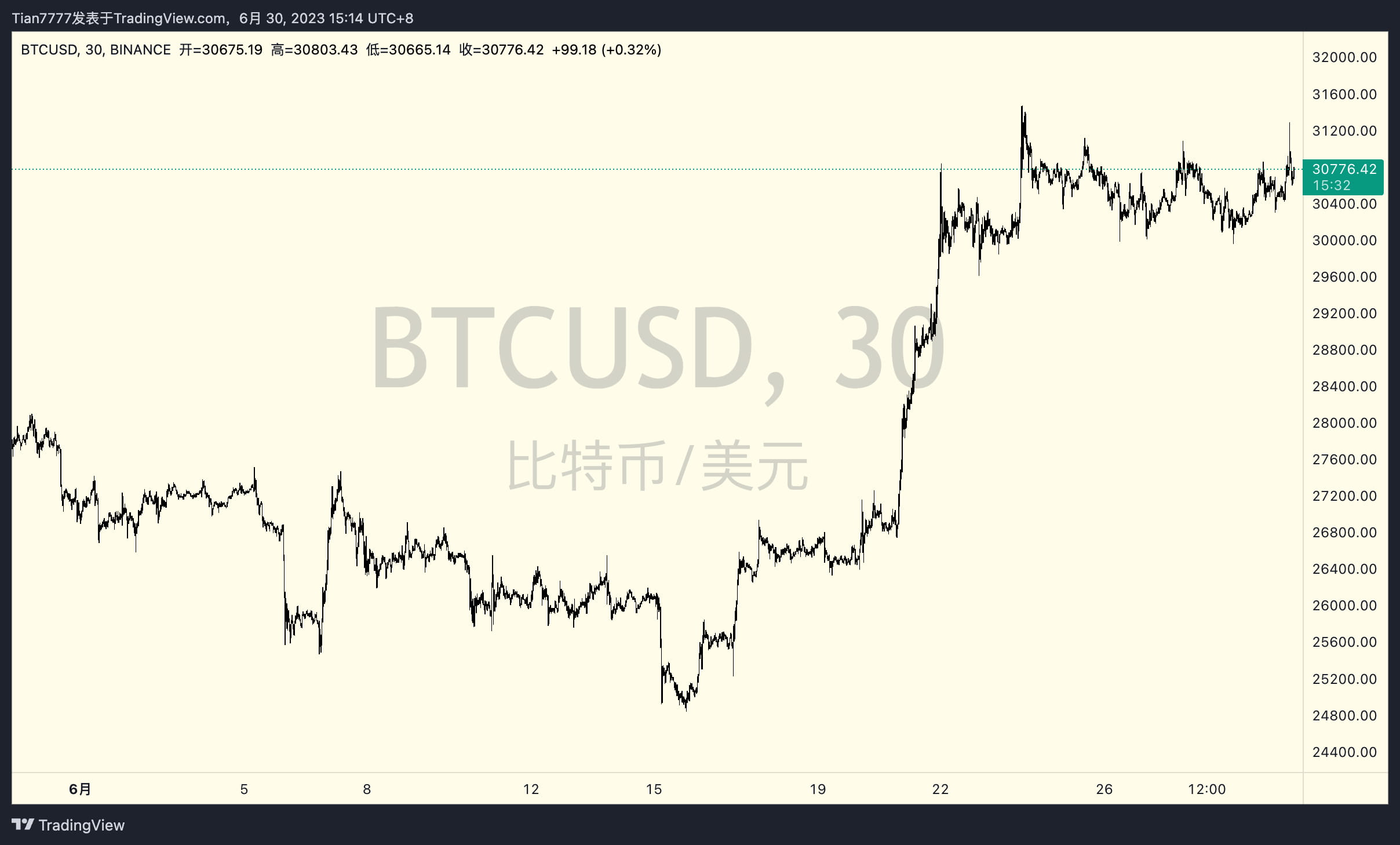

Looking back, the native crypto exchanges Binance and Coinbase were sued by the SEC, causing the market to fall into a cold state. However, a number of traditional financial institutions such as BlackRock chose to enter the market at this time. Is it a "coincidence" or a "conspiracy"? This is indeed intriguing.
Regardless of whether the SEC is rolling out the regulatory red carpet for traditional financial institutions, what we need to know more is what impact will the entry of traditional financial institutions have on the crypto world? How should ordinary investors respond?
First of all, the entry of traditional financial institutions will undoubtedly inject a lot of liquidity into the digital currency market. The characteristic of ETF is that it can be listed and traded on the stock exchange, which will provide investors with a more convenient channel for Bitcoin trading. Through the introduction of ETF, more traditional investors and institutional investors can easily participate in the Bitcoin market, prompting more funds to flow into the market. Markus Thielen, head of cryptocurrency research at digital asset service platform Matrixport, once pointed out that "BlackRock's Bitcoin ETF will attract $10 billion within three months and $20 billion within six months after its approval - this will greatly support the price of Bitcoin". The participation of traditional financial institutions may bring more stable capital flows to the Bitcoin market and improve market depth and liquidity.
Secondly, the participation of traditional financial institutions will help further improve the regulatory compliance of the crypto industry. This year, the SEC has launched a continuous crackdown on cryptocurrency-friendly banks, crypto exchanges, and staking service providers. Traditional financial institutions are usually strictly regulated by regulators and comply with a series of strict compliance requirements. The participation of these institutions will drive the crypto industry towards a more standardized and transparent direction.
At the same time, due to the imperfect regulatory framework and unclear regulatory system, regulatory "black swan" events occur frequently. This not only dampens investor sentiment, but is also not conducive to the healthy development of the market. Under the leadership of traditional financial institutions, regulators may be more proactive in formulating and adjusting regulatory policies and regulations and establishing a more comprehensive regulatory framework to ensure the healthy development of the market and the protection of investors. This will further enhance the confidence of market participants and attract more traditional investors and institutional investors to enter the crypto market.
Thirdly, the application of ETF may have an impact on the price fluctuation of Bitcoin. In the short term, whether the application is approved or not, the impact of news will cause large fluctuations in market prices. On June 30, when the SEC stated that the application documents for Bitcoin spot ETF were insufficient, the price of Bitcoin fluctuated by about 5% in 1 hour. Therefore, investors should pay more attention to the risks brought by news.
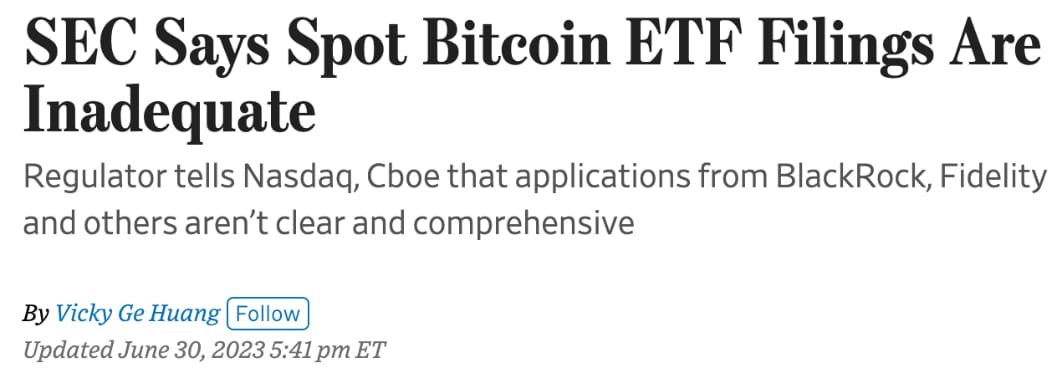
In the long run, according to data provided by crypto researcher @TheCryptoLark, the funds managed by BlackRock alone amount to 10 trillion US dollars. In comparison, the Bitcoin (BTC) circulating in the exchange accounts for only 10% of the total, about 50 billion US dollars. BlackRock only needs 0.5% of its funds to purchase all the BTC circulating in the exchange. After the ETF is passed, the price of Bitcoin is likely to fluctuate greatly due to the surge in trading volume. Of course, if it is put in the more distant future, the price of BTC will rise due to the increase in trading demand caused by the passage of the ETF.
Finally, the entry of traditional financial institutions will play a certain role in promoting the development of the entire industry. Nicolas Bertrand, head of cryptocurrency at Nomura Securities, believes that diversified products and numerous competitors are the driving force behind the development of the industry. The involvement of traditional financial institutions in the field of crypto assets will only lead to a "competition" in the short term, and more companies entering the industry will drive the expansion of the market size. Further exploration and participation of traditional financial institutions in the crypto market will promote the financial industry's recognition and adoption of Bitcoin and other crypto assets, and accelerate the integration of traditional finance and the crypto world.

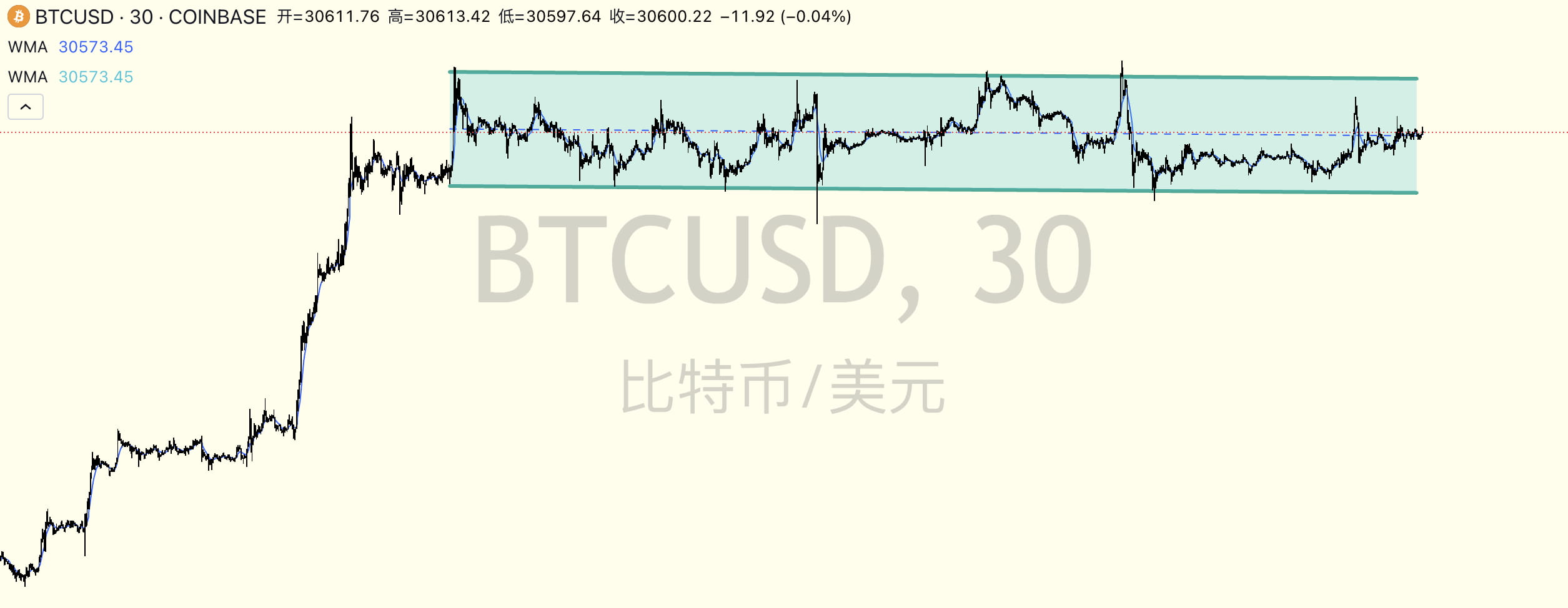
Since the news of BlackRock's ETF application, Bitcoin price has experienced a wave of rise. The current BTC price has been fluctuating between 30,000 and 31,000. The medium-term fluctuation lasted for more than 20 days, indicating that the buyers around 30,000 and the sellers around 31,000 are very strong. In the short term, we need to pay more attention to the price behavior of Bitcoin. After the fluctuation, the trend of Bitcoin price may gradually become clear due to the stimulation of news such as the US macro CPI data. Whether the Bitcoin spot ETF can be passed will also be an important news affecting the price behavior. In the long run, under the background of halving, according to the past "convention", Bitcoin seems to usher in a big bull market.
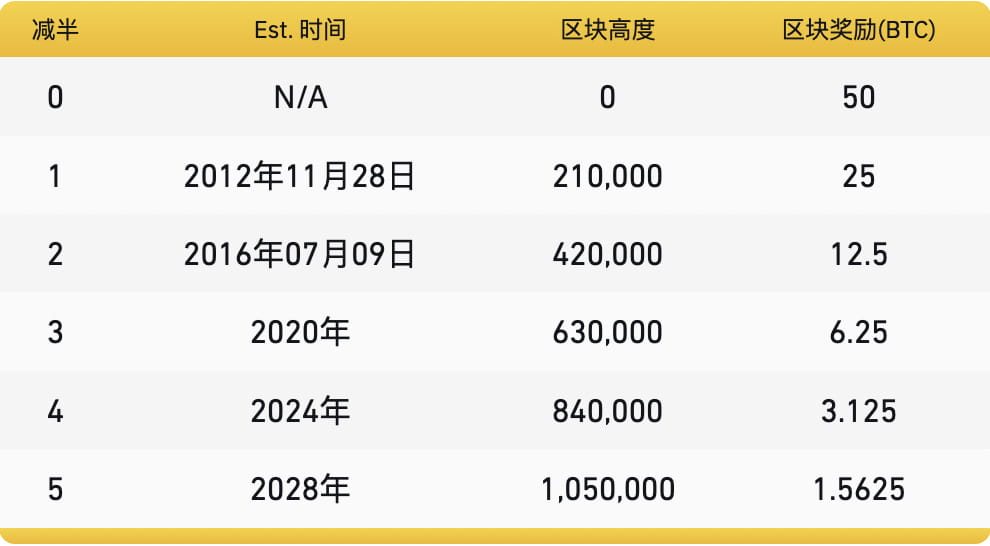
According to the design of Bitcoin, every time a miner successfully solves a block, they will receive a certain number of new Bitcoins as a reward. However, in order to control the supply of Bitcoin, the Bitcoin protocol stipulates that the Bitcoin block reward will be halved approximately every four years. This halving will reduce the block reward to 3.125 BTC.
The Bitcoin halving mechanism is designed to limit the total supply of Bitcoin and gradually slow down its growth rate. The halving mechanism is used to maintain the scarcity and anti-inflation of Bitcoin.
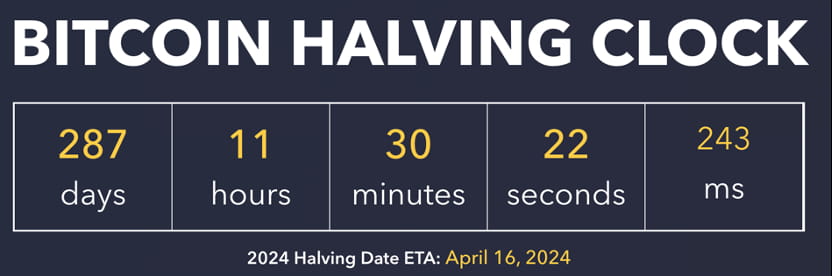
There are less than 300 days left until the fourth Bitcoin halving. Looking back at the history of Bitcoin halving, it seems that every halving is accompanied by a rise in Bitcoin prices:
November 28, 2012 - The first halving occurred, with the block reward reduced to 25 BTC and the price of Bitcoin rising from $12 to $1,217.
July 8, 2016 - The second halving, the block reward dropped to 12.5 BTC, and the price of Bitcoin rose from $647 to $19,800.
May 12, 2020 - The third halving, the block reward dropped to 6.25 BTC, and the price of Bitcoin rose from US$8,787 to a high of US$64,507.
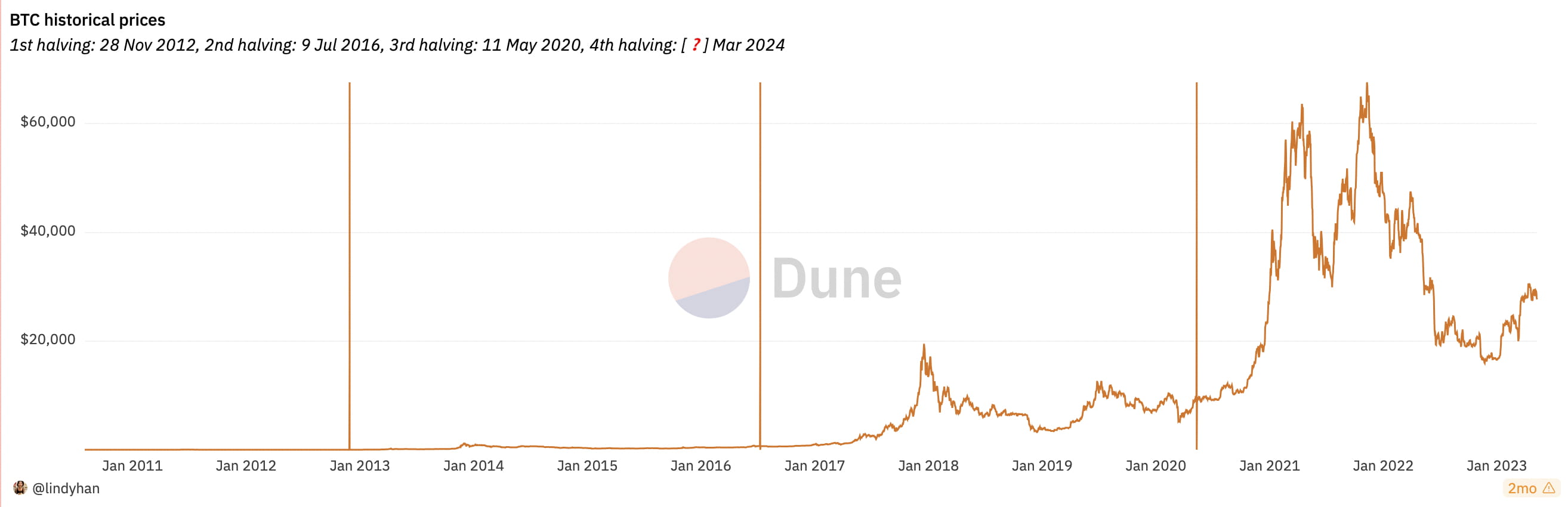
Through the three halving events in Bitcoin’s history, we can see that each halving is accompanied by a surge in Bitcoin prices, which seems to prove that halving will indeed have a positive impact on Bitcoin prices.
From the perspective of demand, with the recent popularity of BRC-20, the Bitcoin ecosystem seems to have ushered in a "blooming iron tree". In the past, Bitcoin only represented "digital gold" and played a role in storing value. As the ecosystem becomes richer, the demand for Bitcoin will also be boosted. In addition, the entry of institutions and the demand for transactions will also lead to an increase in the demand for Bitcoin.
From the supply point of view, the total amount of Bitcoin has been determined to be 21 million at the beginning. The halving every four years will reduce the inflation rate of Bitcoin and reduce the supply. For an item with low supply elasticity such as Bitcoin, with the increase in demand and the decrease in supply, the price will most likely rise.
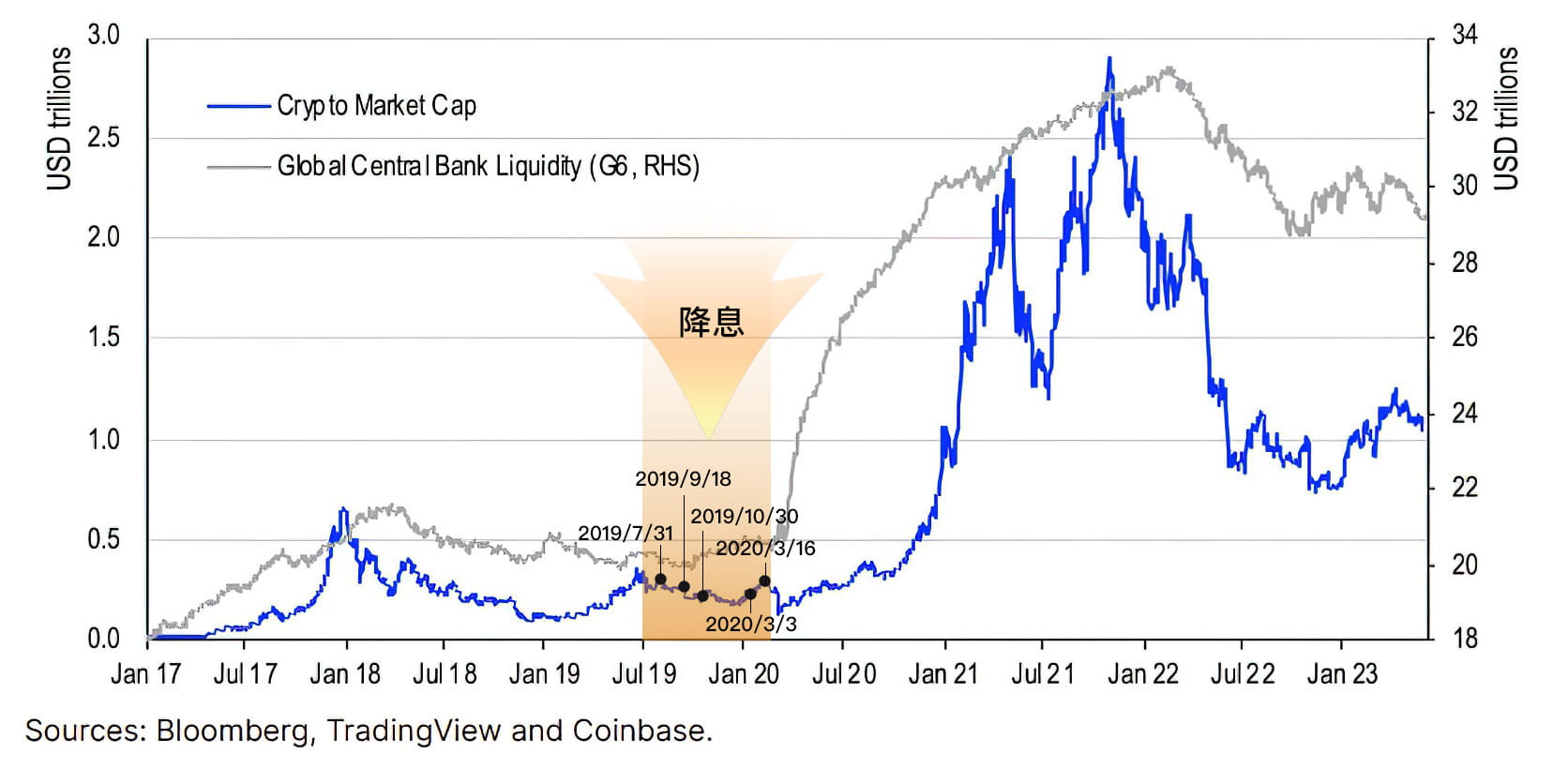
Observing past Bitcoin bull and bear markets, we can find that macro liquidity has an important impact on Bitcoin prices. Specifically, the Bitcoin bull market in 2012 occurred against the backdrop of the Federal Reserve's third round of quantitative easing and the European Central Bank's easing policy; the bull market in 2016 was related to Brexit, and the Bank of England resumed its bond purchase program in response to uncertainty, further releasing liquidity. At the same time, the launch of Bitcoin futures attracted a large amount of OTC funds into the market; the bull market in 2020 was affected by the global epidemic, and the United States adopted a large-scale loose monetary policy, including unlimited quantitative easing, to inject a large amount of liquidity into the market. This led to a large amount of funds flowing into crypto markets such as Bitcoin, driving up Bitcoin prices. In contrast, bear markets usually coincide with global liquidity tightening. In the bear markets of 2014, 2018, and 2022, global liquidity tightening led to capital outflows from the Bitcoin market, depressing Bitcoin prices.
These results suggest that the monetary policies and liquidity conditions of global central banks have an important impact on the Bitcoin market. Loose monetary policies and ample liquidity tend to drive up Bitcoin prices, while tighter monetary policies and tighter liquidity may exert downward pressure on Bitcoin prices.
At the end of 2022, global liquidity seems to have bottomed out, which means that Bitcoin may have reached the bottom. At the same time, U.S. inflation has ended, and the Federal Reserve announced a pause in interest rate hikes in June this year. In this case, investors may seek returns and flow funds into the stock market and the crypto market, so it is expected to see continued increases in asset prices in the future.

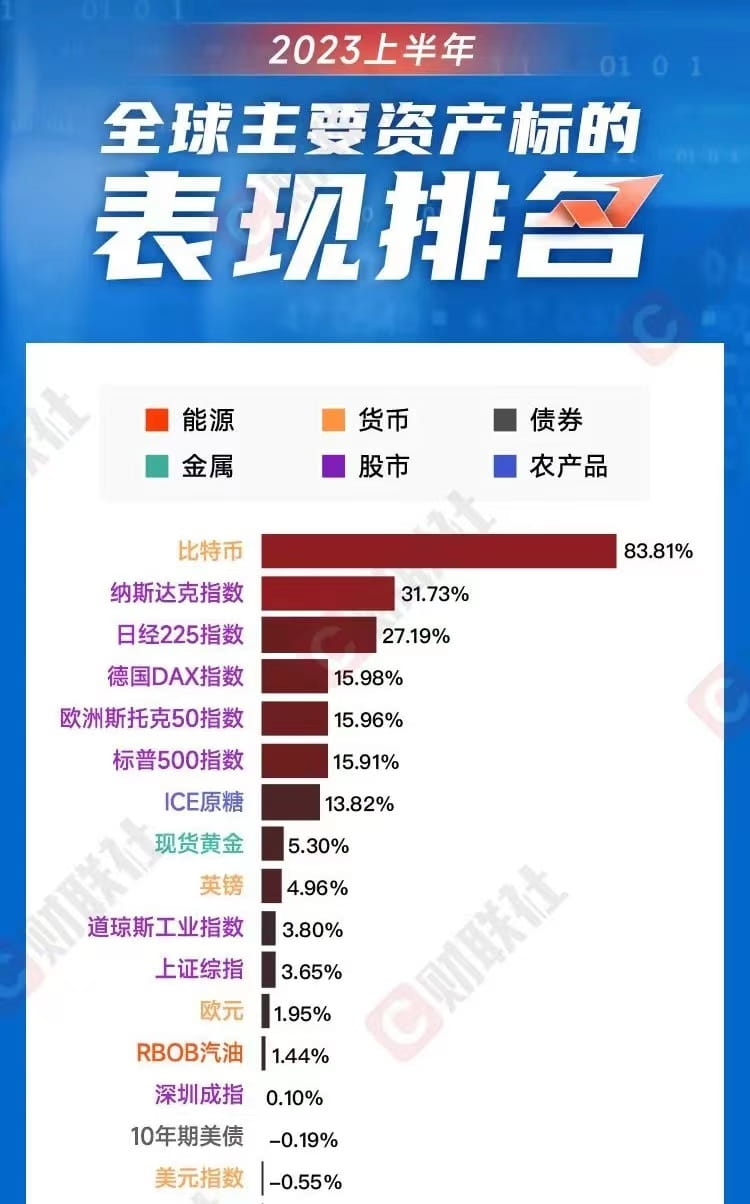
According to statistics from Cailianshe, by comparing the performance of various assets in the first half of this year, Bitcoin is far ahead of all assets with an increase of 83.81%. Whether to "pursue victory" or "lay down the flag", R3PO believes that under the background of halving, the passage of Bitcoin spot ETF will likely become the "catalyst" for the next round of Bitcoin bull market. In addition, the price of Bitcoin has rebounded several times, and its bottom characteristics are also more obvious in the price trend.
However, while maintaining optimism and confidence, we still need to pay attention to risks. First, due to the unclear regulatory framework and imperfect system, the application for Bitcoin spot ETF may still be rejected by the SEC; secondly, the impact of macro liquidity on crypto assets cannot be ignored. The Federal Reserve may continue to adopt a tight monetary policy, which will in turn affect liquidity. We need to continue to pay attention to US inflation and employment data and evaluate the possibility of future interest rate hikes.
However, these uncertainties also provide a good opportunity to build a position. In the long run, WealthBee is optimistic about Bitcoin and other crypto assets. Despite the short-term uncertainties, it is the right choice to enter the market during uncertain times, so you can consider spreading the cost and gradually entering the market.
references:
https://www.defi4fun.com/bitcoin-halving-understanding-the-phenomenon/
https://www.theblockbeats.info/news/37141
https://xueqiu.com/1903522932/250655586
https://www.panewslab.com/zh_hk/articledetails/ujg4cufl.html
https://mp.weixin.qq.com/s/_VVM_ewVgpDcWhPfaKdcyg
https://www.coindesk.com/business/2023/06/07/bitcoin-halving-is-coming-and-only-the-most-efficient-miners-will-survive/
Copyright Statement: If you need to reprint, please add our assistant on WeChat for communication. We reserve the right to pursue legal liability for any unauthorized reprint or plagiarism.
Disclaimer: The market is risky and investment should be cautious. Please strictly abide by the local laws and regulations when considering any opinions, views or conclusions in this article. The above content does not constitute any investment advice.