


1. Project Introduction
Inverse Finance is a CDP lending product based on Ethereum, which lends stablecoin DOLA by pledging cryptocurrencies. The project was founded in 2020 and was recommended by AC, the founder of YFI, and attracted market attention. At that time, the project product provided a lossless investment around the stablecoin Dai. Users deposited Dai in the protocol vault and received a deposit certificate inDai at a 1:1 ratio. The vault then put Dai into the yield aggregation protocol such as Yearn, thereby obtaining token rewards such as ETH and YFI.
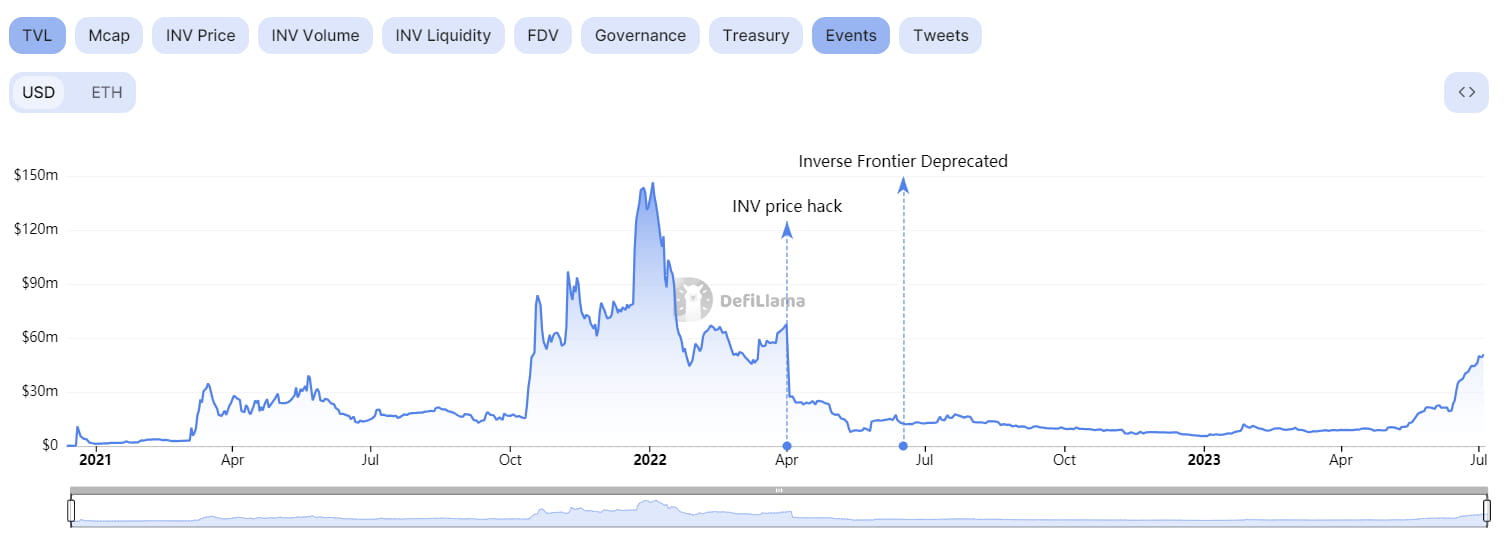
Unfortunately, the project suffered two malicious attacks in succession in 2022, resulting in the suspension of the product. In October 2022, it transformed into a fixed-rate lending market.
2. Team
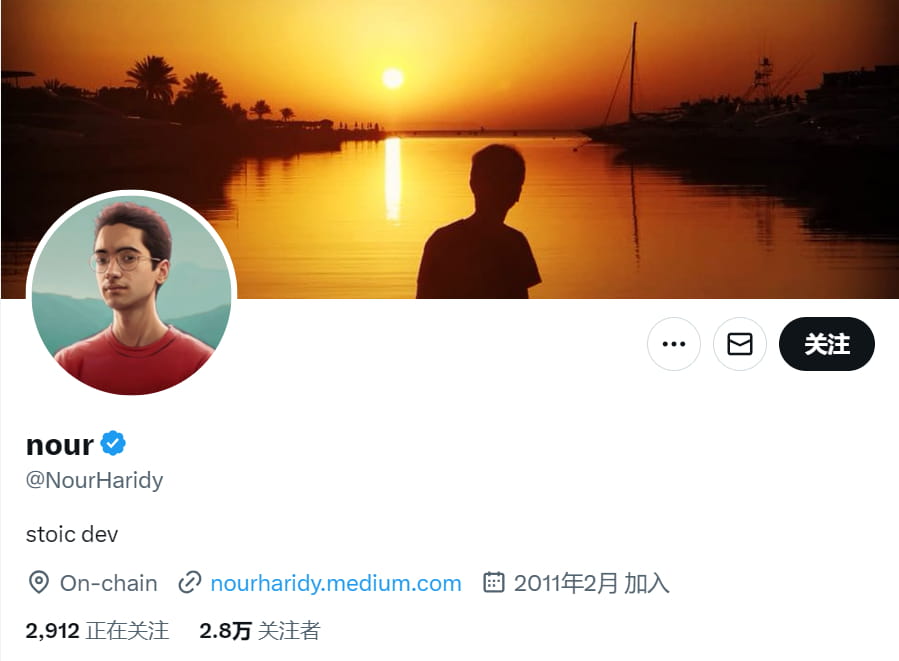
The current public member profile is the project founder Nour Haridy, who is from Egypt and has been working as a Web3 development engineer since 2018. Haridy once introduced himself in an interview with Cointelegraph as a developer in the Ethereum field for several years, mainly designing gas-free Dai smart wallets such as Metacash and Mosendo. Nour is currently working full-time on Inverse Finance, with 28,000 followers on Twitter, and has a small social influence.
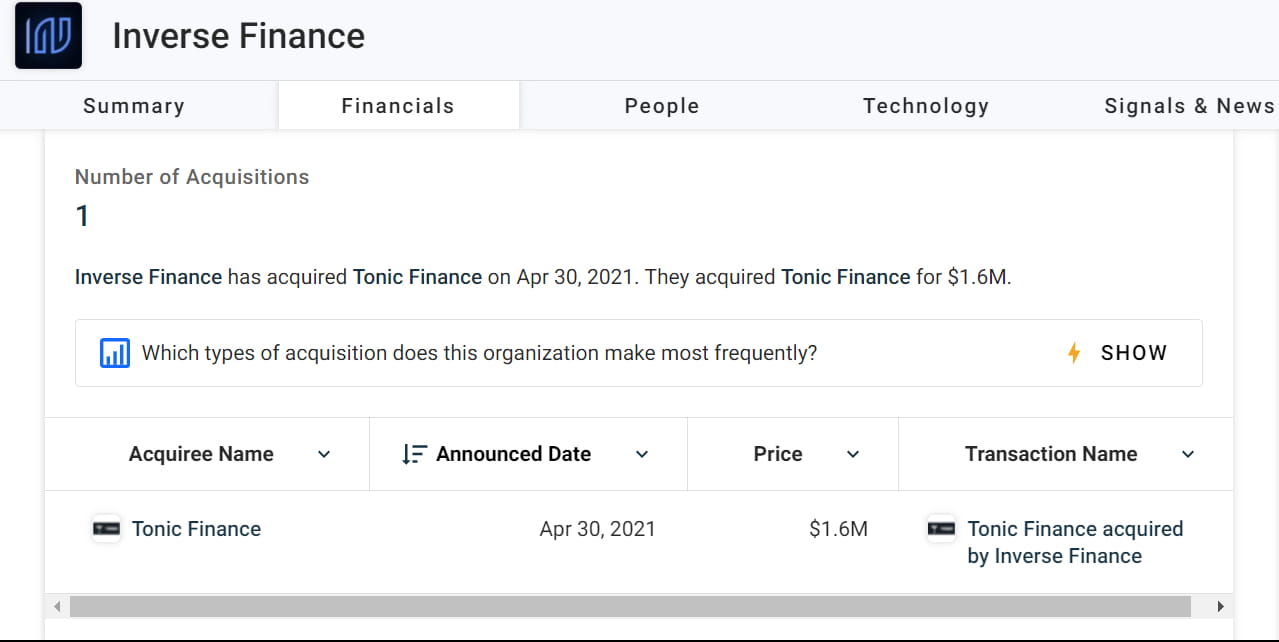
Crunchbase information shows that Inverse acquired Tonic Finance for US$1.6 million on April 30, 2021.
3. Products
Inverse’s current main products are the fixed-rate lending market FiRM and the stablecoin DOLA.
1. DOLLARS
DOLA is a decentralized stablecoin issued by Inverse Finance, which maintains a 1:1 anchor with the US dollar. The supply and destruction of DOLA are managed by the Feds smart contract.
Note: Due to the oracle manipulation attack on Frontier, DOLA currently has some bad debts, which are being actively redeemed through DAO, and the front-end product has been abandoned.
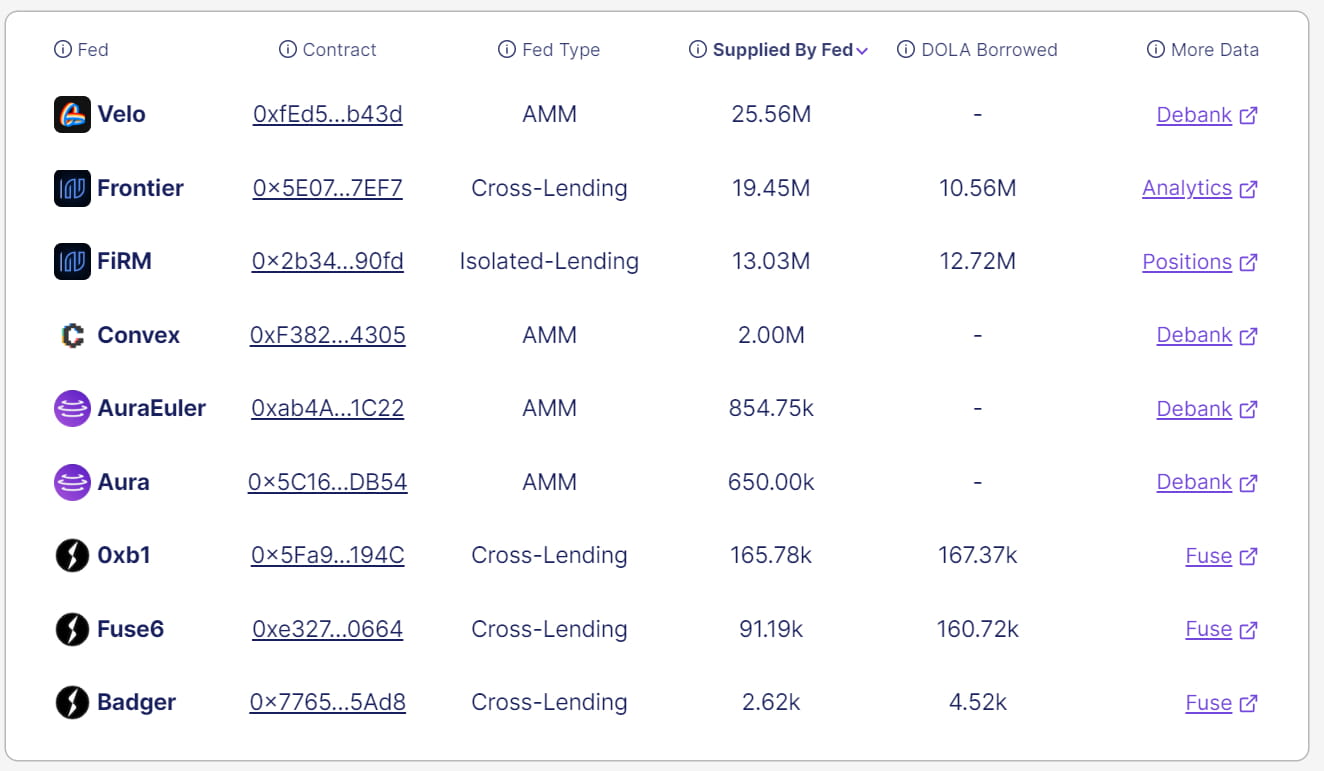
Fed smart contracts are controlled by Inverse DAO and are divided into three different types, but all of them can mint DOLA and supply it directly to the liquidity pool or lending market. They can also withdraw and destroy DOLA, thereby affecting the price stability of DOLA.
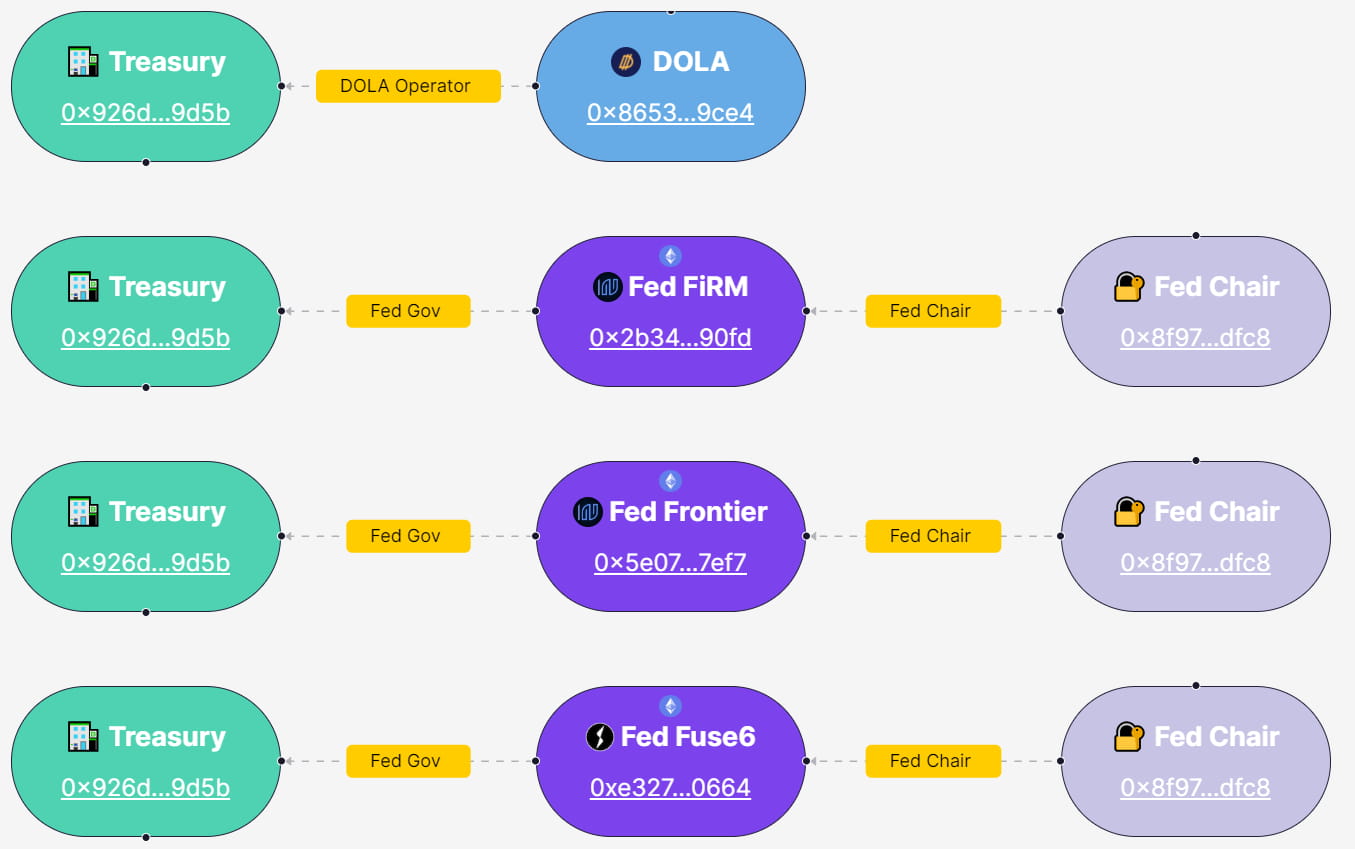
Cross-borrowing Feds: Frontier & Fuse, the front end is now deprecated.
Segregated Mode Lending Feds: The FiRM lending market has a global DOLA limit and a daily lending limit for each asset market. We will explain FiRM in detail below.
AMM Feds: Provide liquidity to protocols such as Velo, Convex, Aura, etc.
2. FiRM
In February 2021, Inverse and Anchor cooperated to issue the stablecoin DOLA, but with the collapse of the Terra ecosystem and Inverse being attacked twice, the existing product front end was deactivated. In October 2022, Inverse launched the fixed-rate lending product FiRM.
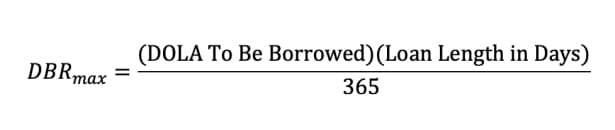
FiRM is an over-collateralized loan, which is consistent with the principle of other loan products. It is called fixed-rate loan because FiRM is a fixed-cost loan based on DBR (DOLA Borrowing Right). Users must hold DBR to borrow DOLA in FiRM. One DBR represents the loan fee of one DOLA for one year. The number of DBRs required per day can be calculated by the number of DOLAs to be borrowed and the loan duration. Therefore, users can estimate the number of DBRs to be paid and the loan cost before taking out a loan. To extend the loan duration, users can add DBR to their wallet at any time.
DBR will initially be issued through airdrops: ① INV stakers who remain in the front-end application before October 30, 2022 will each receive 2,000 DBR; ② Complete the lucky draw to receive up to 1,000 DBR.
DBR can be circulated in the secondary market, so an increase or decrease in borrowers' demand for DBR may cause the price of DBR to rise or fall. High demand will cause the price of DBR to rise, which is a good thing for investors, but it will increase the borrowing cost for borrowers, thereby reducing the attractiveness of FiRM borrowing, which is not friendly to the development of the Inverse protocol itself. Therefore, Inverse launched DBR Streaming, which is to issue DBR rewards to INV pledgers. By staking INV with FiRM, DBR tokens can be rewarded. The community can influence the price of DBR and the borrowing cost of users by regulating the emission of DBR.
4. Fundamental Data
1. TVL
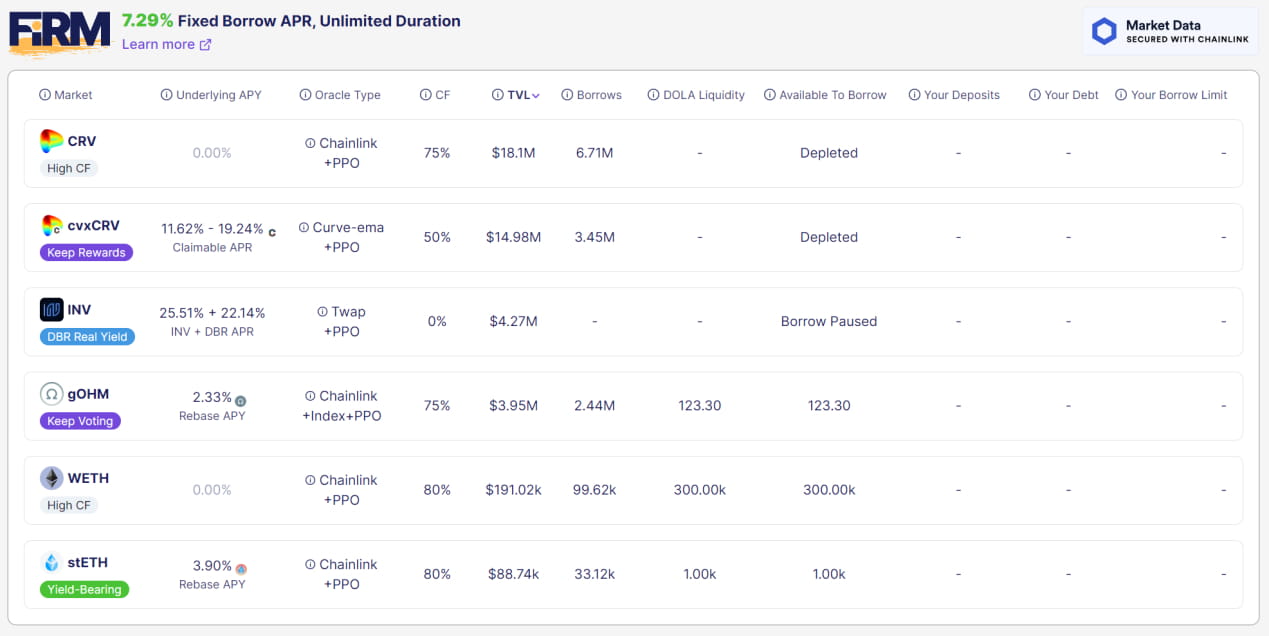
The current TVL is $51.81 million. After the attack, TVL has not improved much. Starting from June 12, the founder of Curve deposited CRV and cvxCRV to Inverse and borrowed the stablecoin DOLA. As a result, Inverse's TVL was greatly increased and gradually attracted the attention of other market participants.
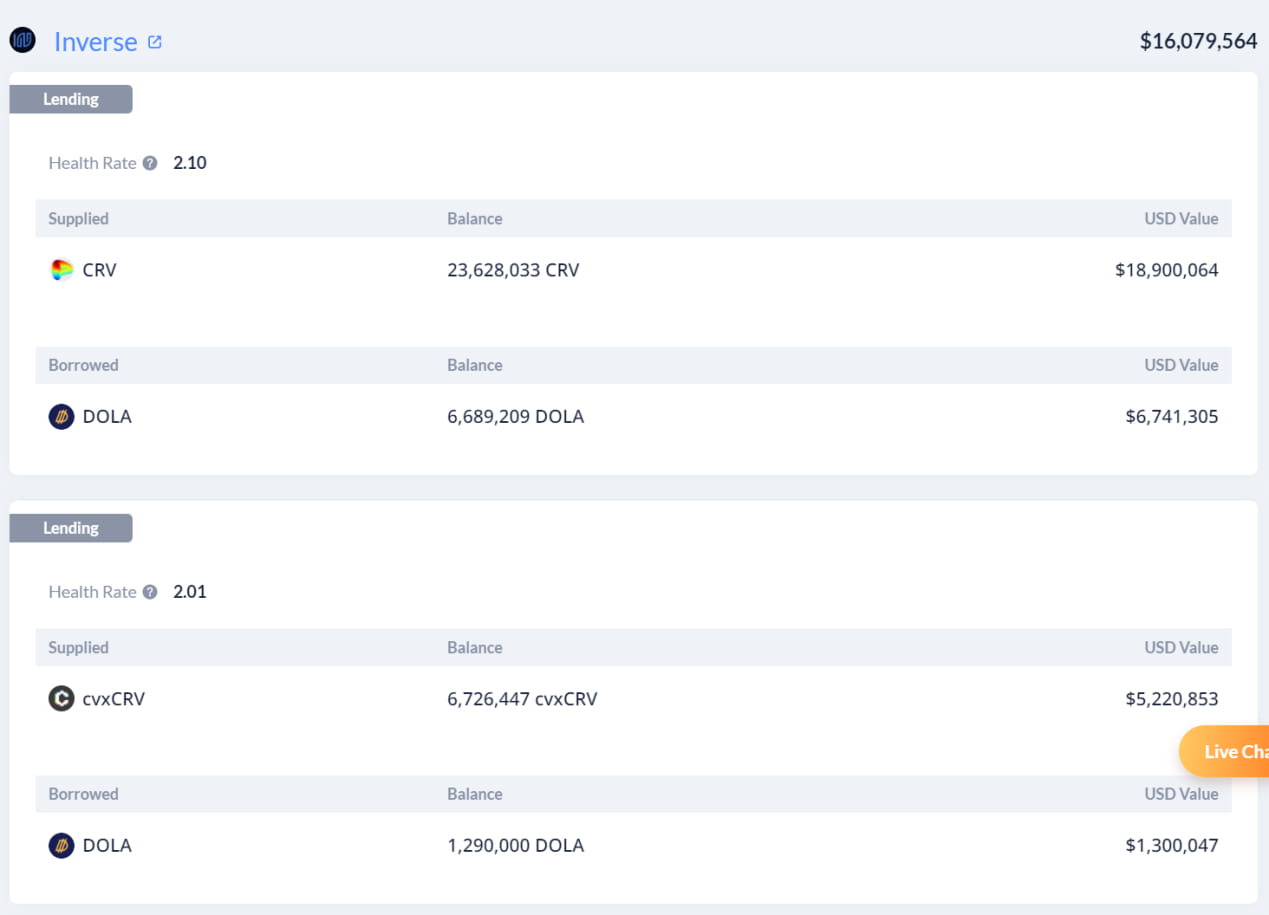
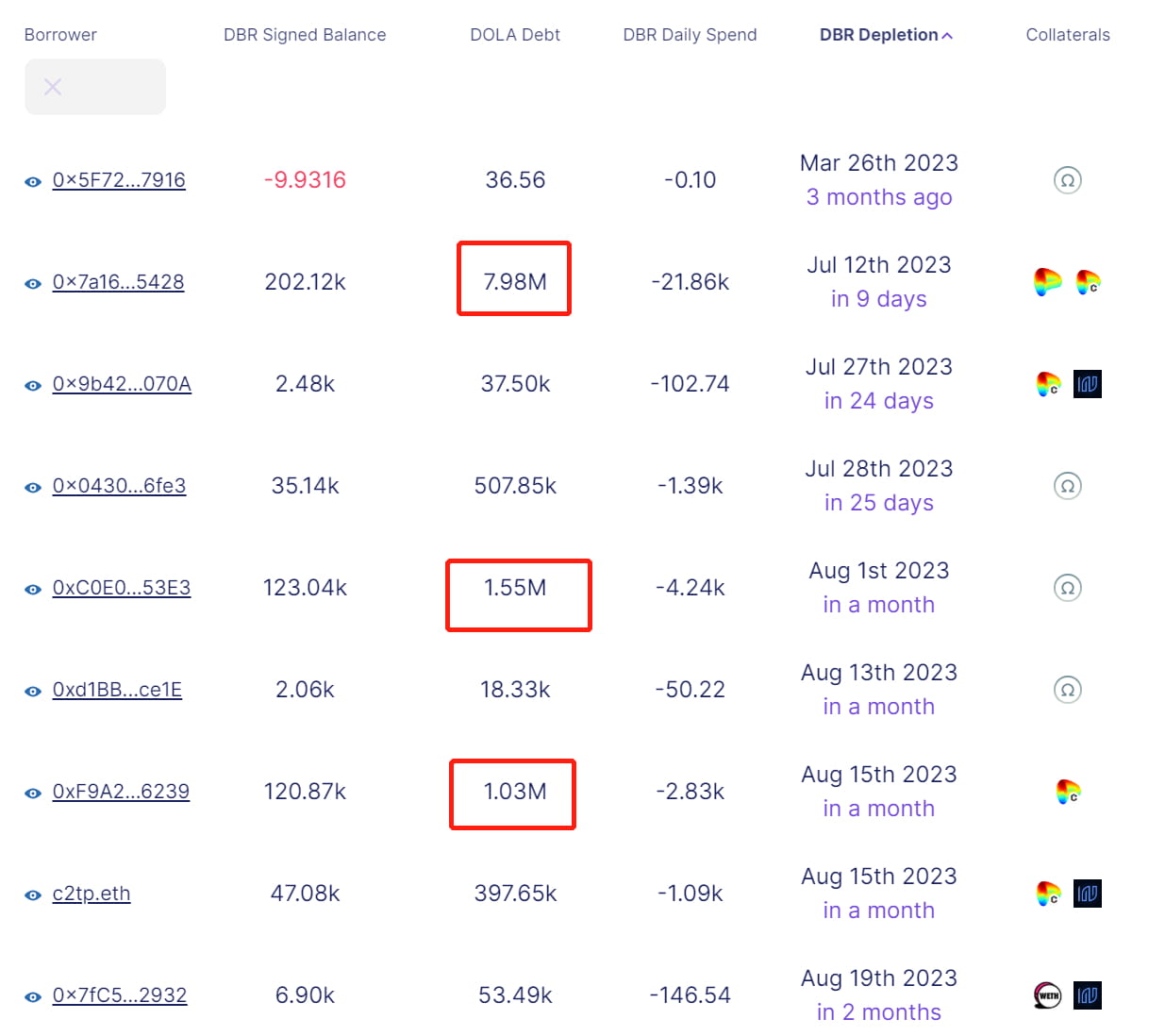
Currently, the founder of Curve alone has deposited approximately 23.63 million CRV and 6.73 million cvxCRV, with a total value of approximately US$24 million, and borrowed approximately 7.98 million stablecoins DOLA. His personal position ($16.08 million) accounts for 31% of Inverse’s TVL. The development of the Inverse protocol is deeply influenced by Curve.
FiRM is currently operating in "protected mode", so each asset type in the lending market has a daily lending limit and a total supply cap. Currently supported asset types include CRV, cvxCRV, gOHM, WETH, and stETH. Among them, CRV and cvxCRV are the largest asset types. According to the May 2023 proposal, the daily lending limit of the CRV market is 1 million DOLA, and the supply cap is 10 million DOLA. The daily lending limit of the cvxCRV market is 500,000 DOLA, and the supply cap is 6 million DOLA. The lending scale of the two is 10.16 million, and the lending amount reaches 63.5%. Due to the rapid increase in the supply of the two assets, for safety reasons, the liquidity supply to their markets was suspended two weeks ago.
2. DOLLARS
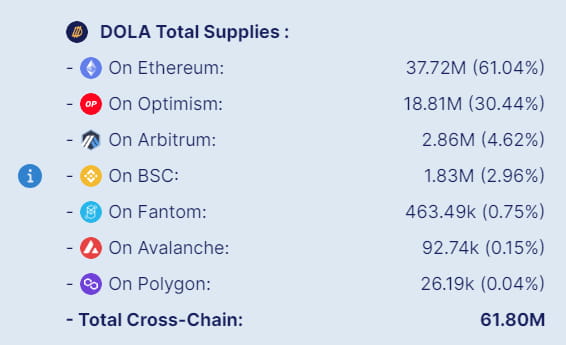
According to the official website data, the current total issuance of DOLA is 61.8 million, of which 37.72 million are supplied on Ethereum, accounting for 61.04%, followed by Optimism, accounting for 30.44%. The main adoption venues are DEX Velo on Optimism and its own protocol product FiRM. The DOLA team still attaches great importance to the adoption of the second layer.
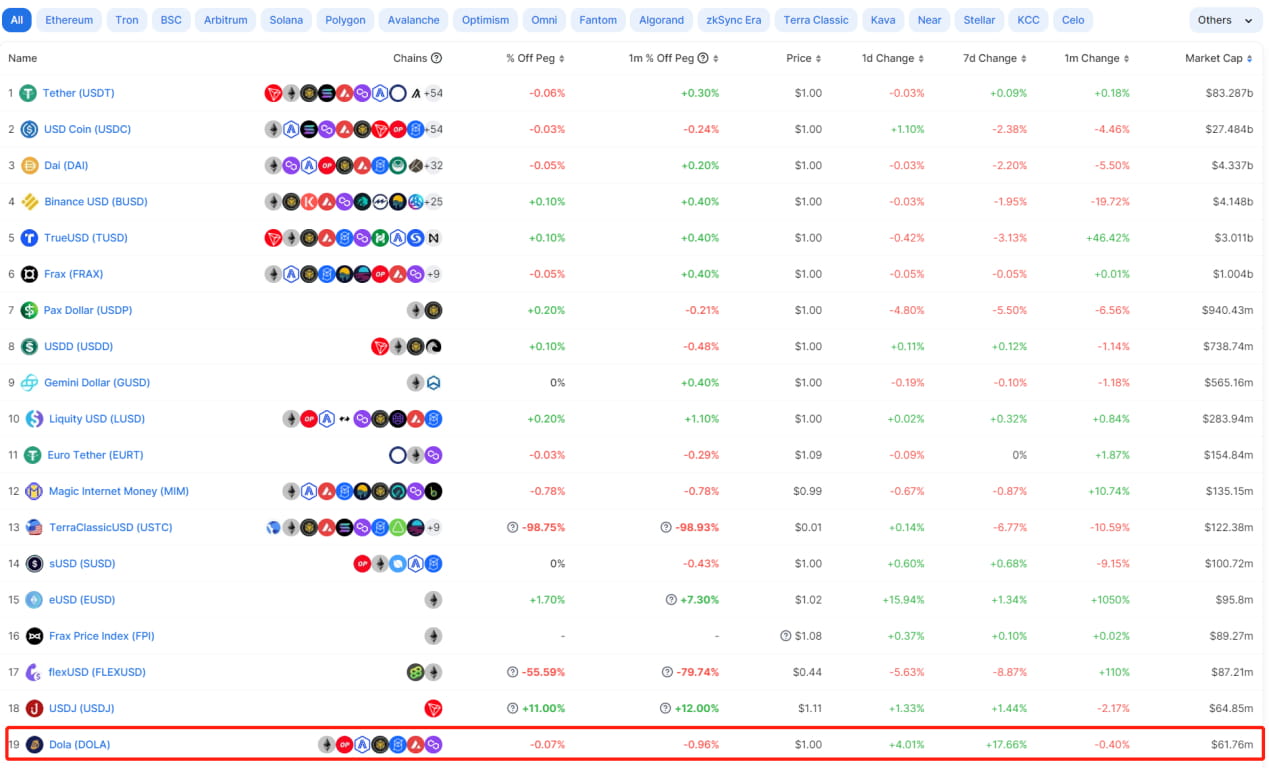
According to data from defillama.com, DOLA ranks 19th in the entire stablecoin market in terms of market capitalization, accounting for only 1.4% of the market capitalization of DAI (4.337 billion), the leading decentralized stablecoin.
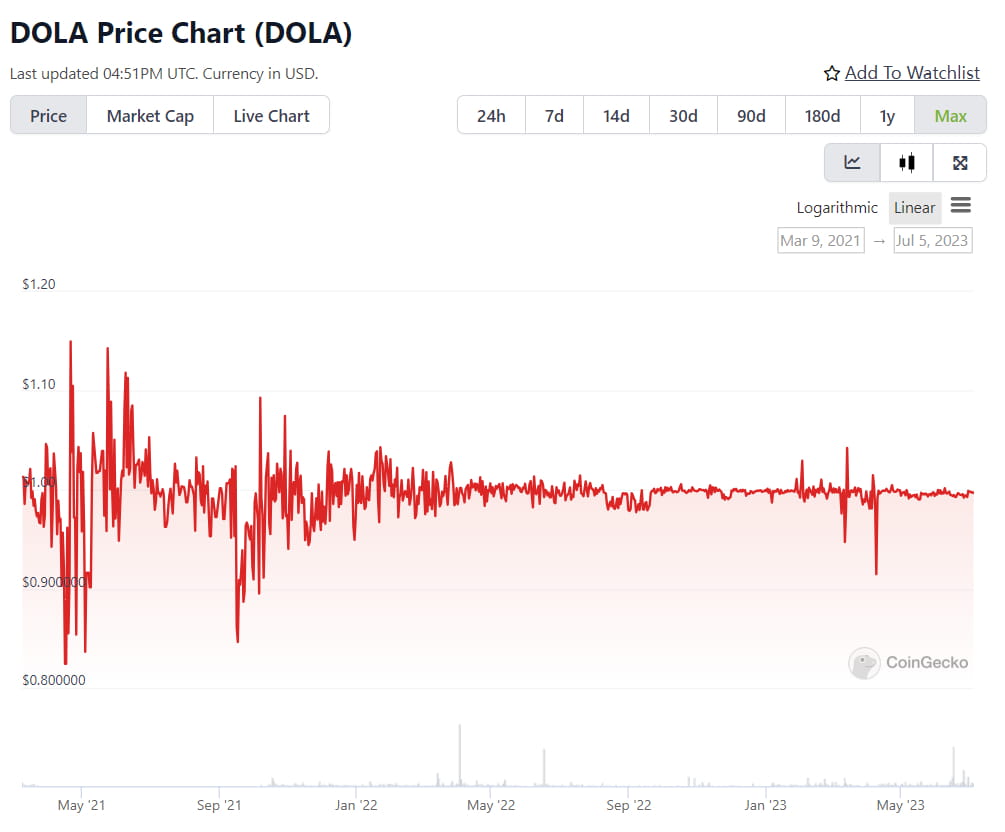
After experiencing the "hacker attack" storm, the token price of DOLA has been relatively stable since October 2022. There have been two major price fluctuations recently. One was on March 8, affected by the USDC depegging incident, and the other was on April 9, the cause of which is currently unknown.
5. Economic Model
There are three types of tokens in the Inverse protocol: DOLA, INV, and DBR. DOLA is a stablecoin product, which has been introduced in detail in the previous article. This section will focus on INV and DBR.
1. INV
INV is Inverse’s governance token, and its current uses are only for staking and governance.
The complete economic model of INV is not known yet. The token supply is issued by voting on governance proposals. The previous practice is to approve a minting proposal every quarter and formulate token emission according to the liquidity strategy. On June 30, the new proposal determined that 60,000 INV will be minted in the second half of 2023 so that it can continue to be operated by the DAO in the next 3 to 6 months.
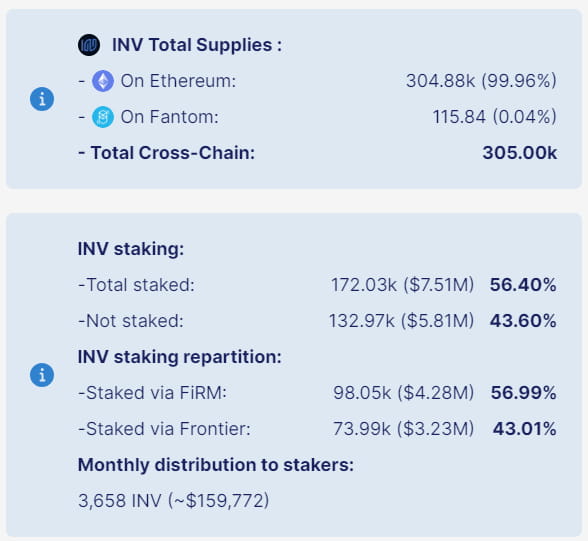
The current total supply of tokens is 305,000, with a staking rate of 56.4%. 98,000 tokens are staked through FiRM, and 74,000 tokens are staked by the front-end. Due to the malicious attack, the Inverse front-end was abandoned in June 2022.
2. DBR
DBR has no supply cap and is issued by Inverse DAO. In the past year, 13 million DBRs were issued, 12.72 million DBRs were destroyed, and about 280,000 DBRs were in circulation. According to Coingecko data, the current total supply of DBRs is 4.646 million DBRs.
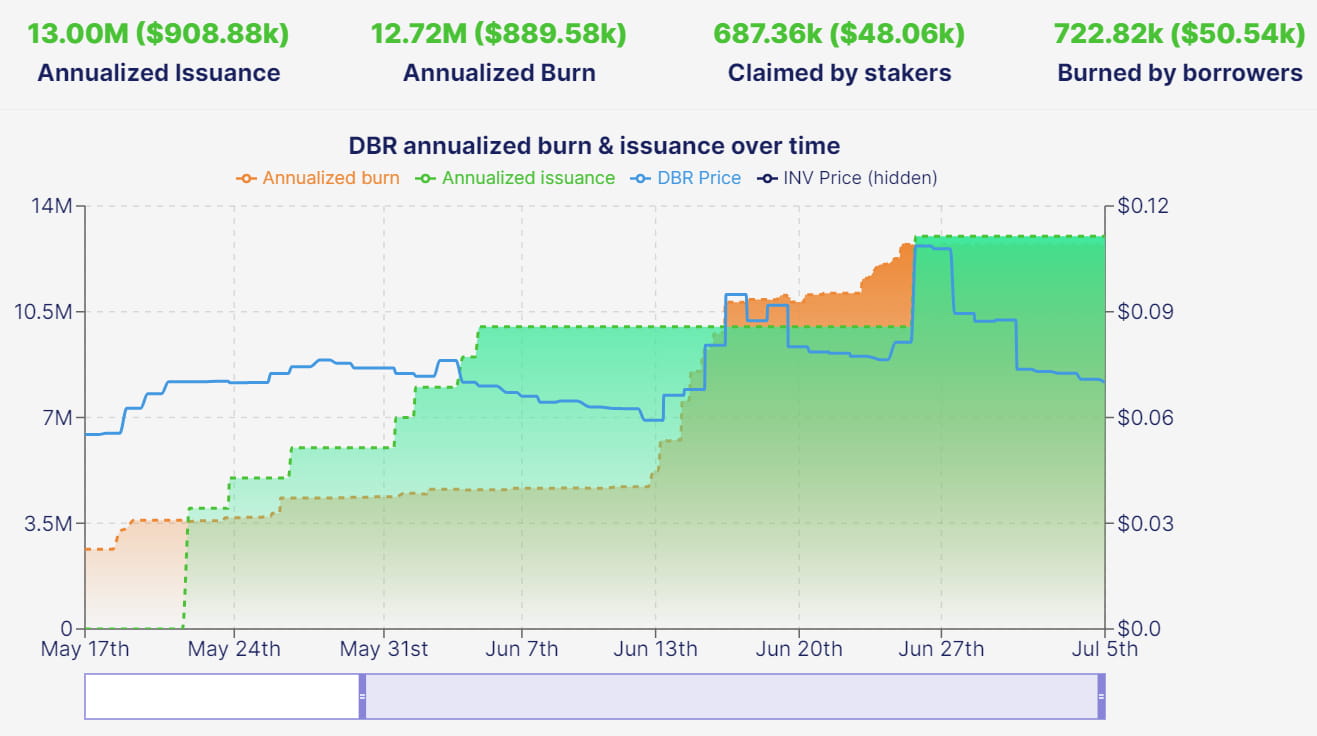
Since March this year, the amount of DBR destroyed has increased significantly. In June, due to the active CRV and cvxCRV asset markets, the destruction volume was three times that of May. The annualized destruction also exceeded the annual issuance volume, and DBR entered deflation.
Due to the increase in active lending in the FiRM market, in order to meet the growing demand for DOLA lending, the community proposed to increase the issuance of DBR from 10 million per year to 20 million per year.
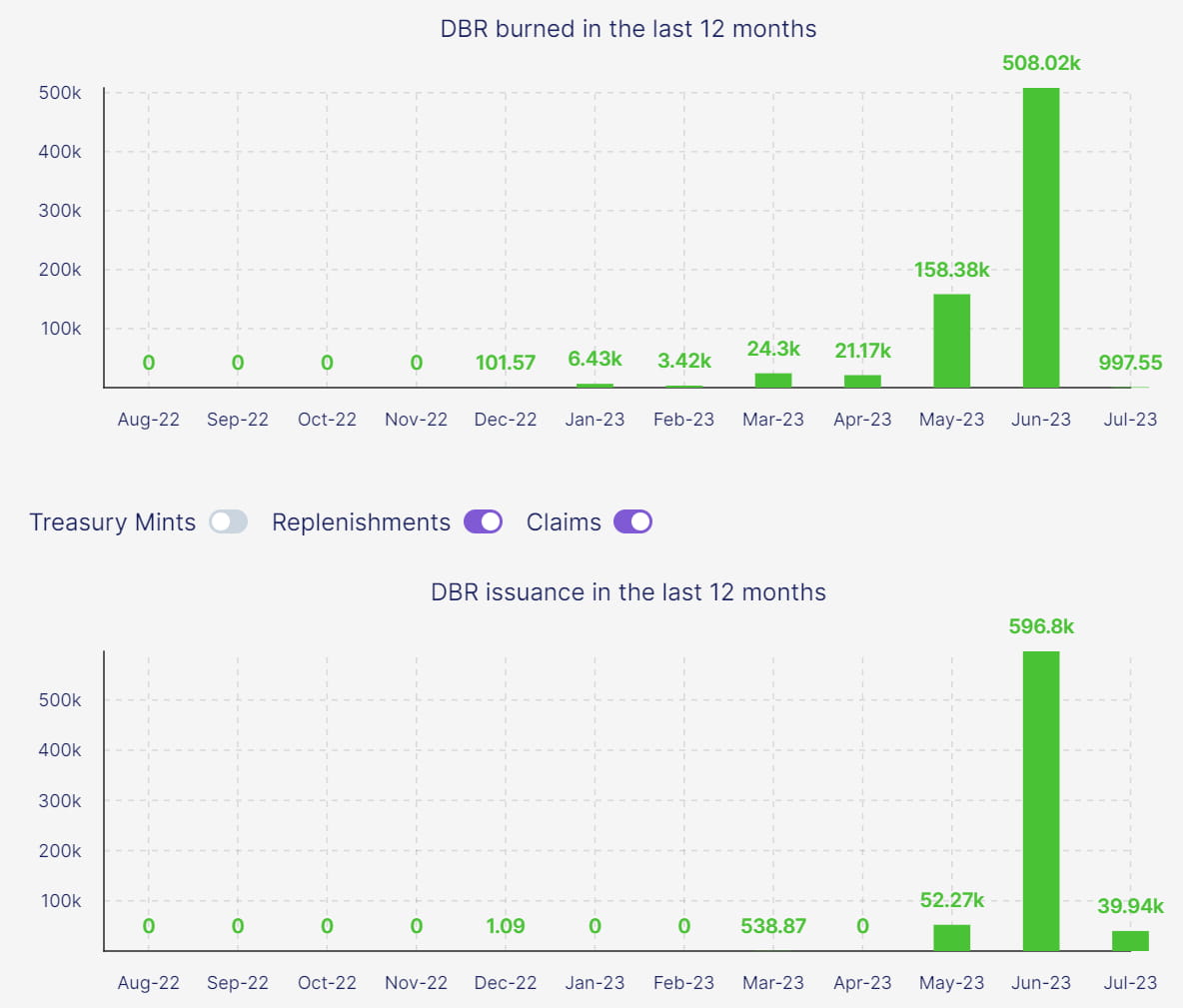
From the consumption of DBR, we can see that the main demand in the near future is the CRV market, followed by OHM, and 0x7a16 is the position of the founder of Curve.
3. INV and DBR
DBR is a necessary consumable in the Inverse protocol. There is a real demand scenario. The demand for DOLA lending will directly affect the price increase of DBR. The increase in DBR price means an increase in borrowing costs. In order to ensure the good development of the product and suppress borrowing costs, Inverse DAO will increase DBR emissions, increase DBR supply, and thus reduce DBR prices.
DBR is mainly produced by INV stakers. The demand for DBR will motivate INV token holders to stake and empower INV tokens. The two complement each other.
VI. Assets and Liabilities
1. Assets
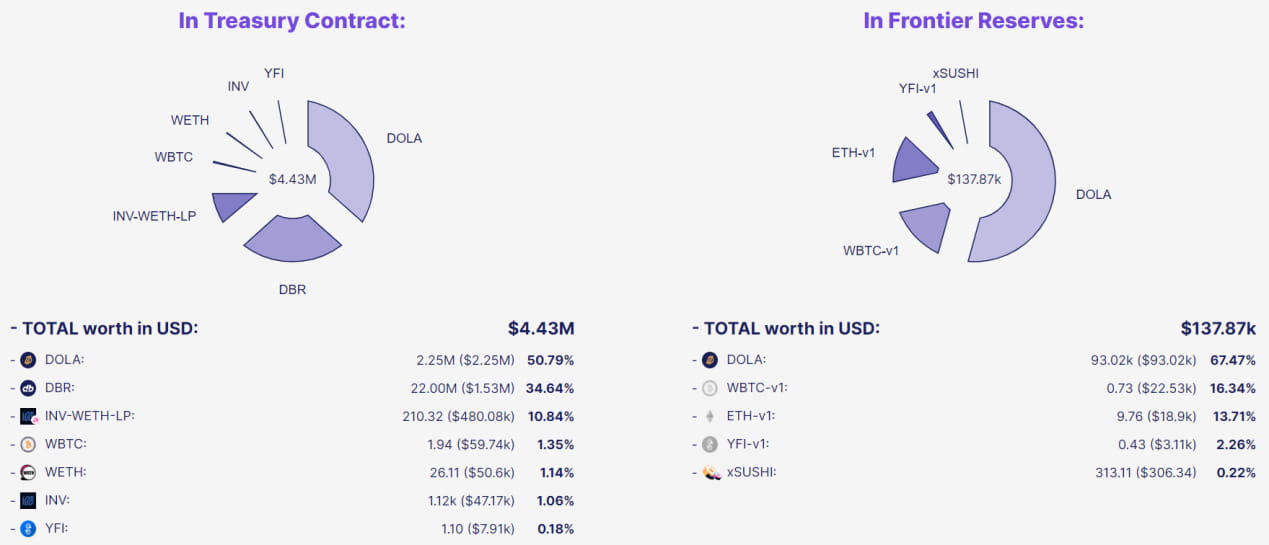
The total value of Treasury's assets is $4.57 million, including $4.43 million held in Treasury contracts and $137,800 in Frontier reserves. The majority of Treasury's assets are DOLA, with an asset value of $2.25 million, followed by DBR assets, with a value of $1.53 million.
2. Liabilities
On April 2, 2022, Inverse Finance was attacked due to a vulnerability being exploited and lost 4,300 ETH, equivalent to approximately $14.964 million. On June 16, 2022, it was attacked by a flash loan again, losing approximately $1.2 million.
According to the information disclosed by the official on Discord on June 28, the current bad debts of DOLA still held are approximately US$9.42 million. Since June 2022, the team has repaid US$1.372 million, including funds received from DWF and other entity OTC sales.
The team is still selling INV and DBR assets to repay bad debts. The latest information:
1. Newly passed proposal: 26 million DBR will be minted and sold to whitelisted buyers at a 15% discount to the 30-day DBR TWAP price offered on Coingecko. The minimum amount per transaction is $100,000 to qualify for the discount. The proposal was officially implemented on July 3.
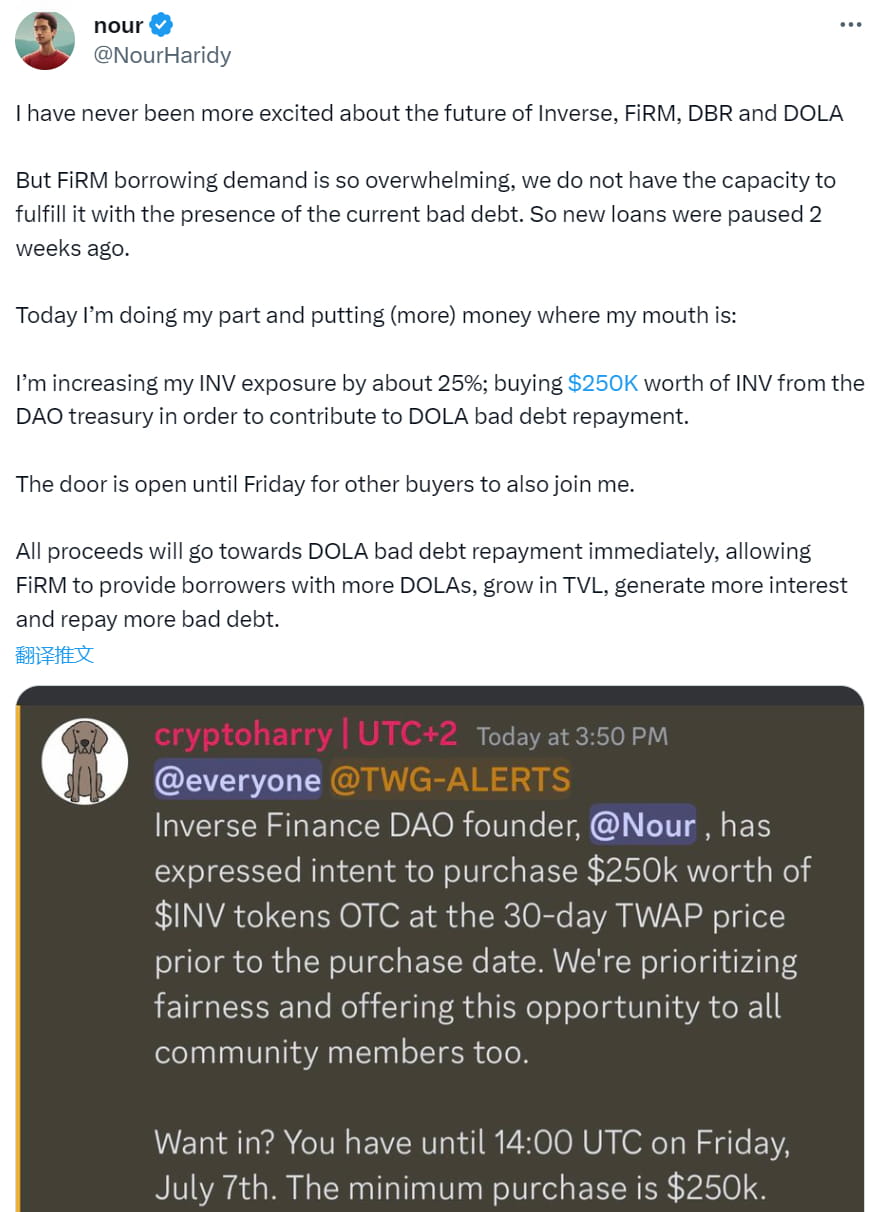
2. The founder announced on Twitter that he had purchased $250,000 worth of INV from Treasury at the 30-day TWAP price. The funds will be used to repay bad debts, and other buyers are welcome to purchase. The OTC time will last until July 7.
Summary: The main problem of Inverse is the large amount of bad debts left over from history. Currently, all the protocol revenue and token sales are used to repay bad debts, which has a great impact on product expansion. As Aave reduced its risk exposure to CRV, the founder of Curve transferred part of its lending activities from Aave to Inverse, and the Inverse protocol has therefore attracted market attention. Although the liquidity supply for CRV assets has reached its upper limit, Inverse's TVL is still growing steadily, which means that the Inverse protocol is gradually being recognized by the market, which is a good development signal.
website: ldcap.com
medium:ld-capital.medium.com