

Solana is not a perfect attempt, but it may be opening the door to the "mobile Internet moment" exclusive to the Web3 era.
Original title: "Saga first domestic test | A semi-finished flagship phone, a bold Web3 experiment"
Written by Yobo, Foresight News
Written at the front: Thanks to Daniel from the Solana Foundation for his human flesh transnational express service, which allowed me to experience this hard-to-find mobile phone. I hope he will not block me after reading this.
Saga is cool, both in terms of the story behind it and the special meaning Solana gives it to Web3.
But Saga is not good enough. At least as a mobile phone with a price enough to be a flagship, the level of completion is too far behind.
In 2014, Andy Rubin, known as the father of Android, resigned from Google and received a huge severance package of up to $90 million, and his legendary life took a somewhat bad turn. In 2017, Andy launched his first mobile phone, the Essential Phone. To this day, this phone, which is forever bound to the "Father of Android", is still sought after by junkies. However, Essential's poor product design and unreasonable official selling price , failed to get enough Android users to recharge for their faith, and Essential company soon declared bankruptcy.
In 2021, some members of the Essential team once again tested the mobile phone market under the OSMO brand, and officially announced the first mobile phone OSOM OV1. However, the comeback story is still full of thorns. In June last year, OSOM announced that OV1 would officially change its name, and this article The protagonist's name emerged - Saga.
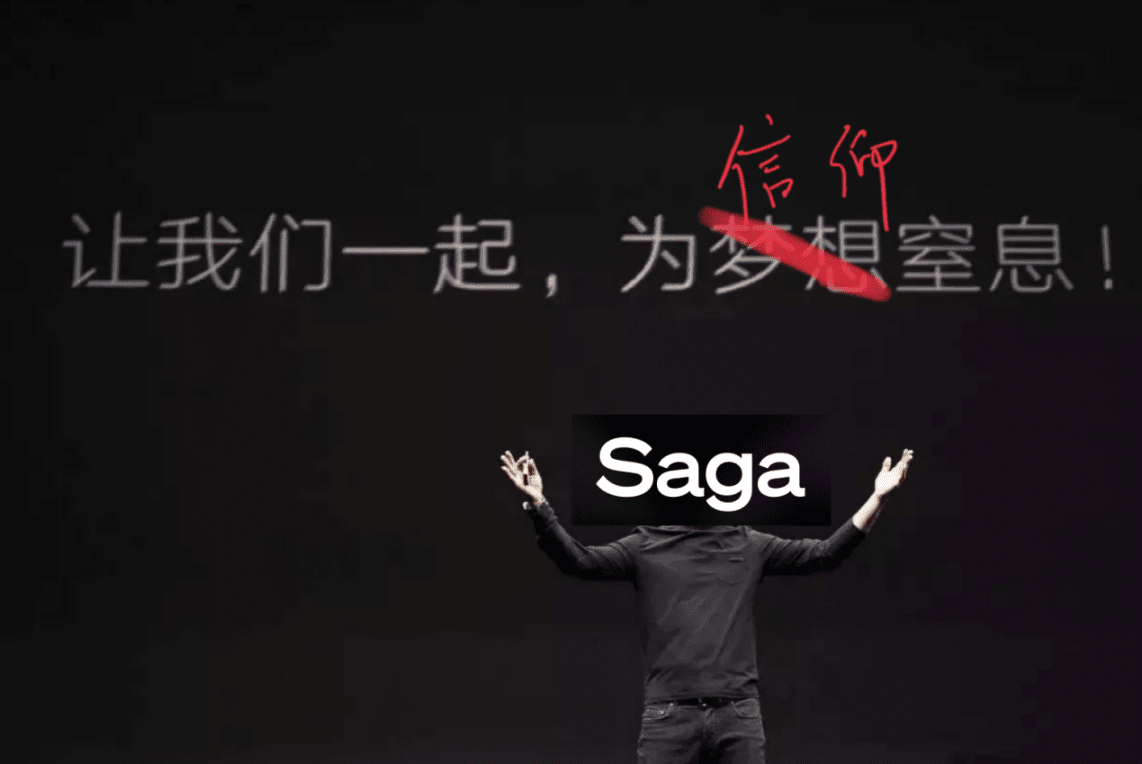
The previous generation flagship processor of Snapdragon 8+ has dual cameras. Since the Snapdragon 845 era (Qualcomm’s flagship chip has been iterated 7 times since then, and has gone through a complete cycle from Ice Dragon to Fire Dragon to Ice Dragon ), the back fingerprint module has never appeared on flagship phones again. At a time when Sony has packed a 5000mah battery into a body of less than 190g, it has made a small 4200mah battery a full 247g. . Judging from the parameters, there are a series of incredible combinations, coupled with the price of $1,000, it feels like it is worth at least five "good guy" emotions. This time, is Saga trying to make users suffocate for "faith"?
With a head full of questions, I played with this phone for a few days. Although the lack of hardware in general has pinned its upper limit to a not high level, some novel attempts may really attract people. Come to the small group of digital geeks who will be "killed" by curiosity.
Closer to home, let me start with the core part of Saga’s product premium – “Solana Ecosystem” and “Seed Library + dApp App Store”.
(PS: If you are more interested in the product itself, you can skip the next chapter and read the regular unboxing section first. However, as a friendly reminder, after skipping and reading, please remember to return to this position and read about The most important reason why Saga can change from OV1 to Saga).
Solana, seed bank... everything you can't see on ordinary mobile phones
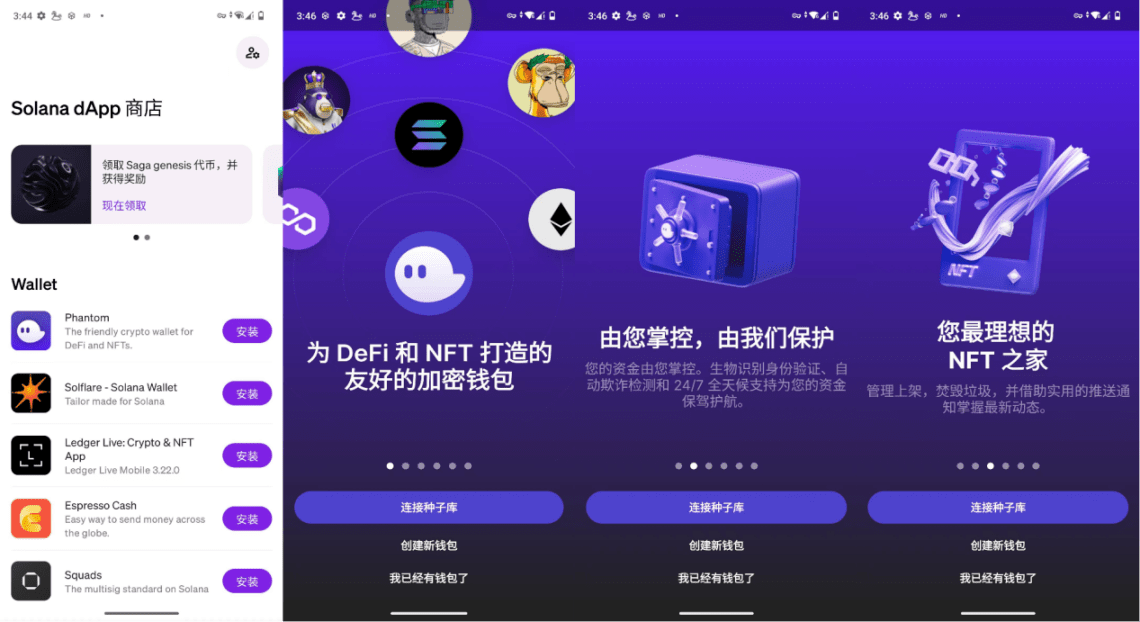
The Seed Vault hosting solution is an important feature that you can notice when you open Saga for the first time and activate it. The wallet mnemonic will be stored in a local secure environment and supports fingerprint quick signatures, etc. operate. During the process of activating the mobile phone, you will be prompted to create or bind a Solana wallet. Users who are familiar with wallet operations should not have any obstacles. Just import the mnemonic phrase.
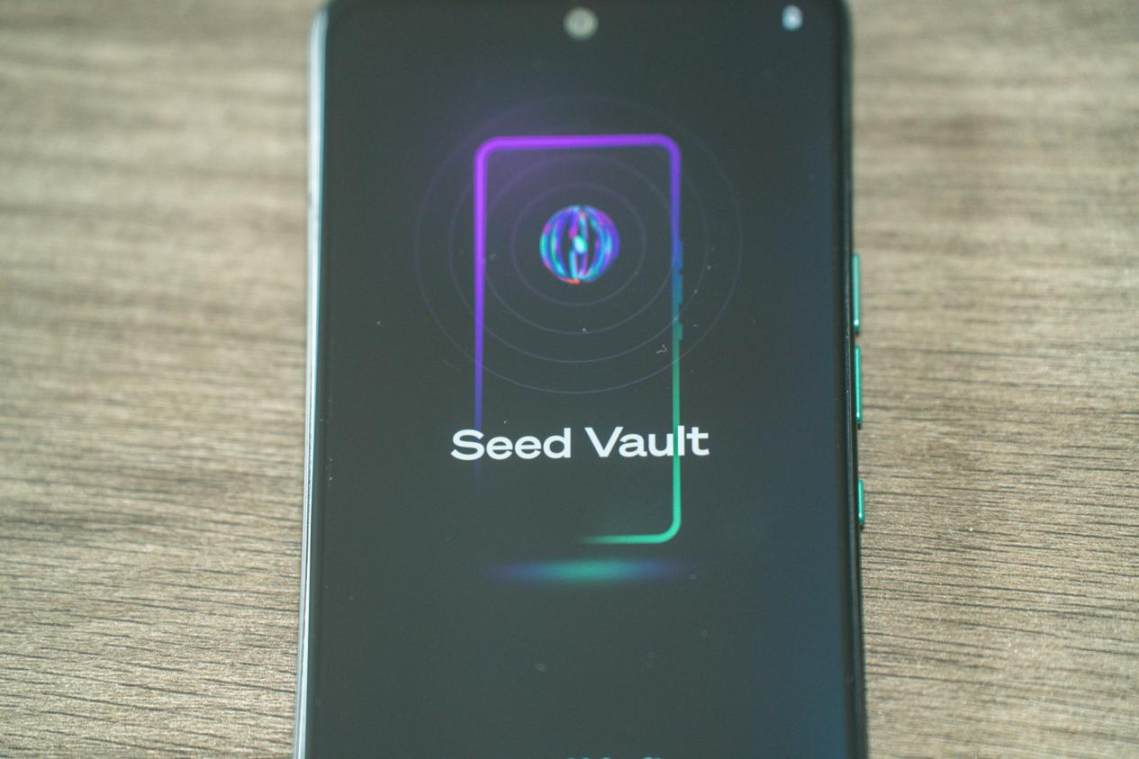
Wallets supported by default include Phantom and Solflare. There is no threshold for wallet binding operation. When the seed library has been set up, only fingerprint verification and confirmation is required.
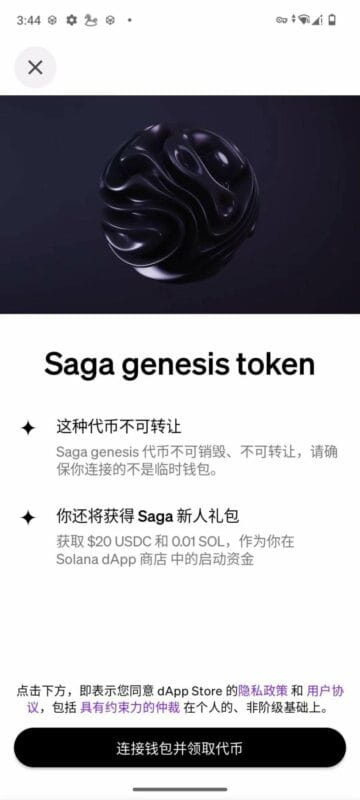
After binding, you can receive 20 USDC and 0.01 SOL tokens, which are used to lower the threshold for new users to experience Solana ecological applications. In addition, you can also receive Saga commemorative NFT airdrops.
As of the time of writing, the built-in dApp application market of mobile phones has 36 applications on the market, and the application types cover wallet, DeFi, NFT, social networking, audio and video, games, browsers, etc.
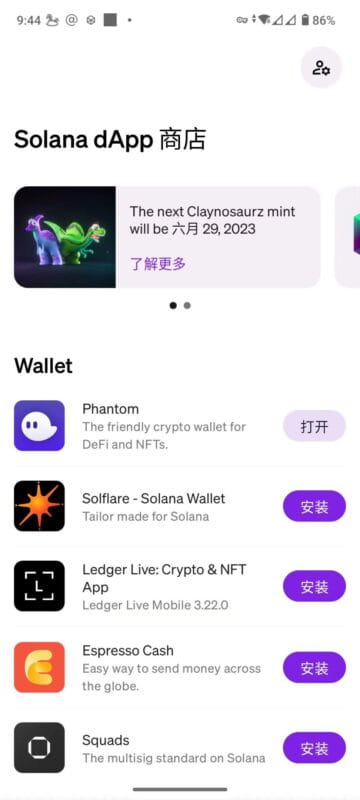
After a brief experience with Magic Eden, signature verification using fingerprints is very simple, but errors will occasionally be reported during the verification process. You need to try one or two more times. It will take more time to verify whether it is caused by individual network problems.
In addition to the listed applications, Saga also supports calling and interacting with the Seed Vault quick link wallet after opening the Solana application directly in the browser. However, compared to dApps already on the shelves, the probability of this operation failing is higher. In some applications, clicking the button to connect to the wallet may not work at all.
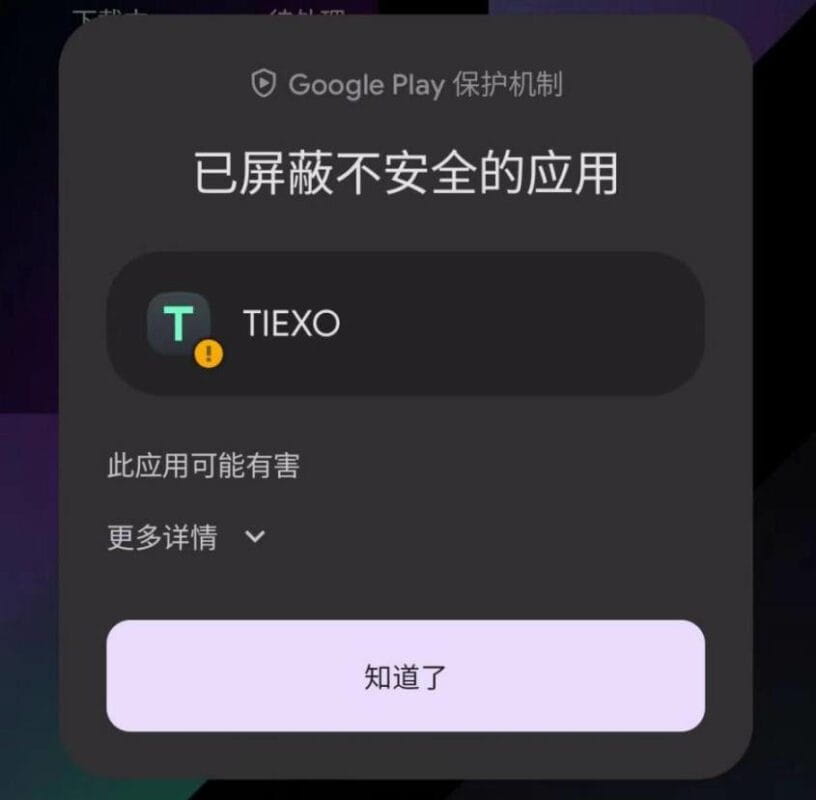
When downloading an application from the dApp application market, I encountered a risk warning from Google Play. Web2 and Web3 are indeed incompatible (manual dog head.jpg).
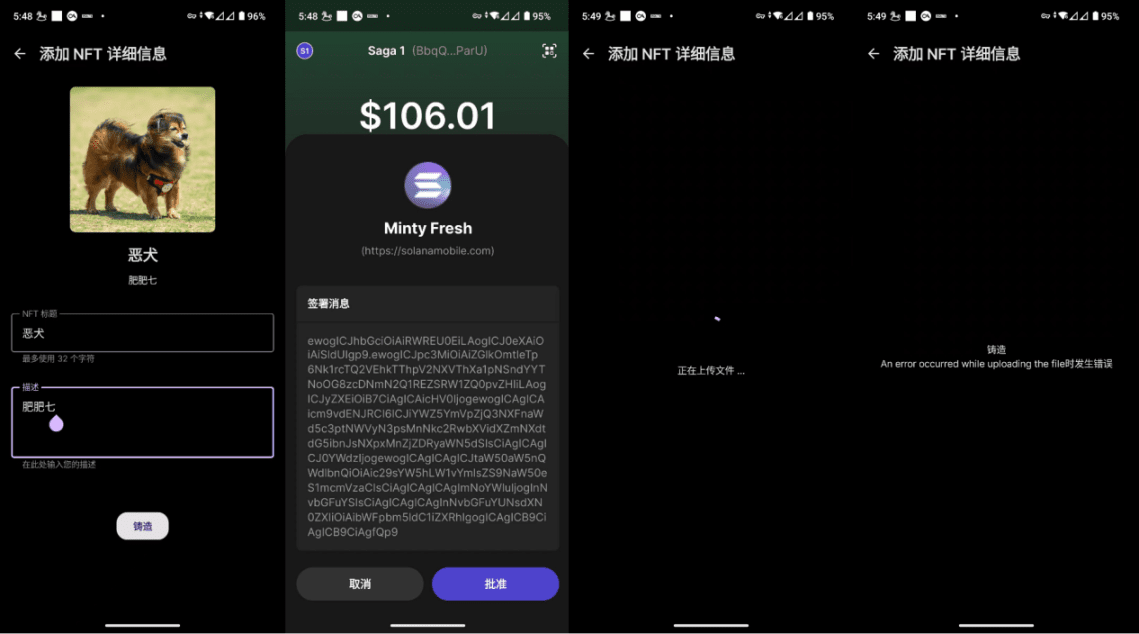
I specially went to experience Minty fresh, which has been "named and commended" by the official, which is a dApp that generates NFT from pictures or camera content with one click. The interaction logic is very simple, connect the wallet - select the picture - mint and you are done. However, I tested several pictures but failed to successfully upload them to the chain due to unknown errors. Because of the rush of time, the problem could not be completely solved. At present, Web3 applications have indeed implemented some user-friendly functions, but the problem of user experience is still a long way to go.
However, Saga at least allows us to see another possibility besides the Apple App Store and various Android app stores, one that can bypass the complicated review process and allow creators and developers to release their imagination more directly. And the possibility of further narrowing the distance between application publishers and users. And isn’t this exactly what Web3 wants to achieve?
Starting from the mobile phone that is most frequently used in daily life, it simplifies the interaction logic on the mobile terminal and allows more people to more directly access the excellent dApps in the chain ecosystem. Solana’s attempt this time may seem clumsy at present, but I feel that the future imagination space is enough to be worth looking forward to.
Open the box carefully
Next, forget about the platform on which this article you are reading is published, let’s return to a normal mobile phone unboxing content.
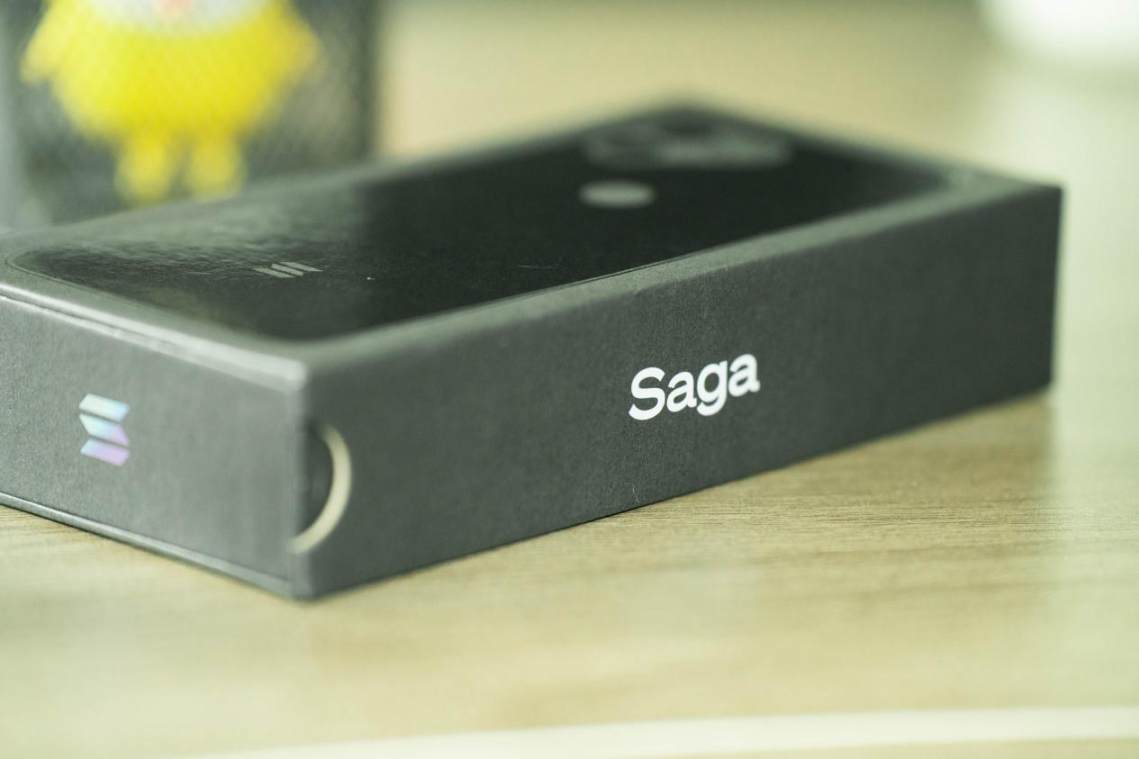
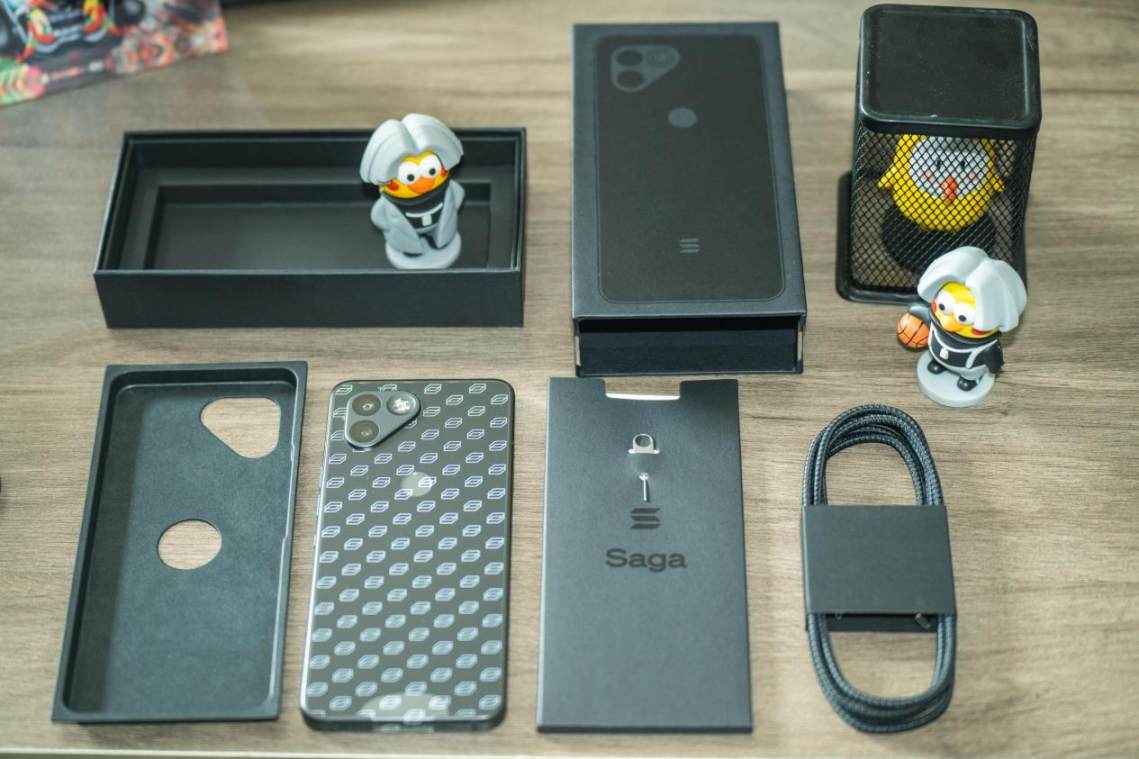
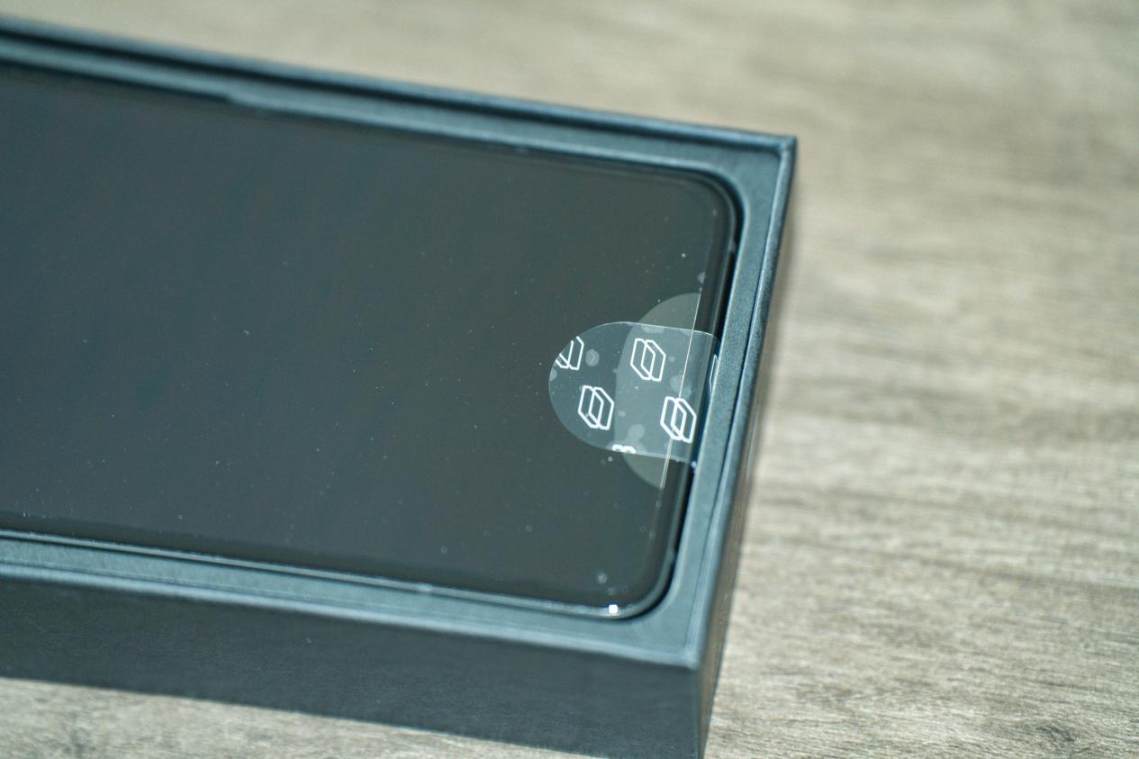
You can tell from the size of the mobile phone packaging box that it should be environmentally friendly. Forget about the charging head. The plastic packaging quality is worrying, at least for the price of 1,000 U.S. dollars. It is definitely substandard, but Wild America may not care about this.
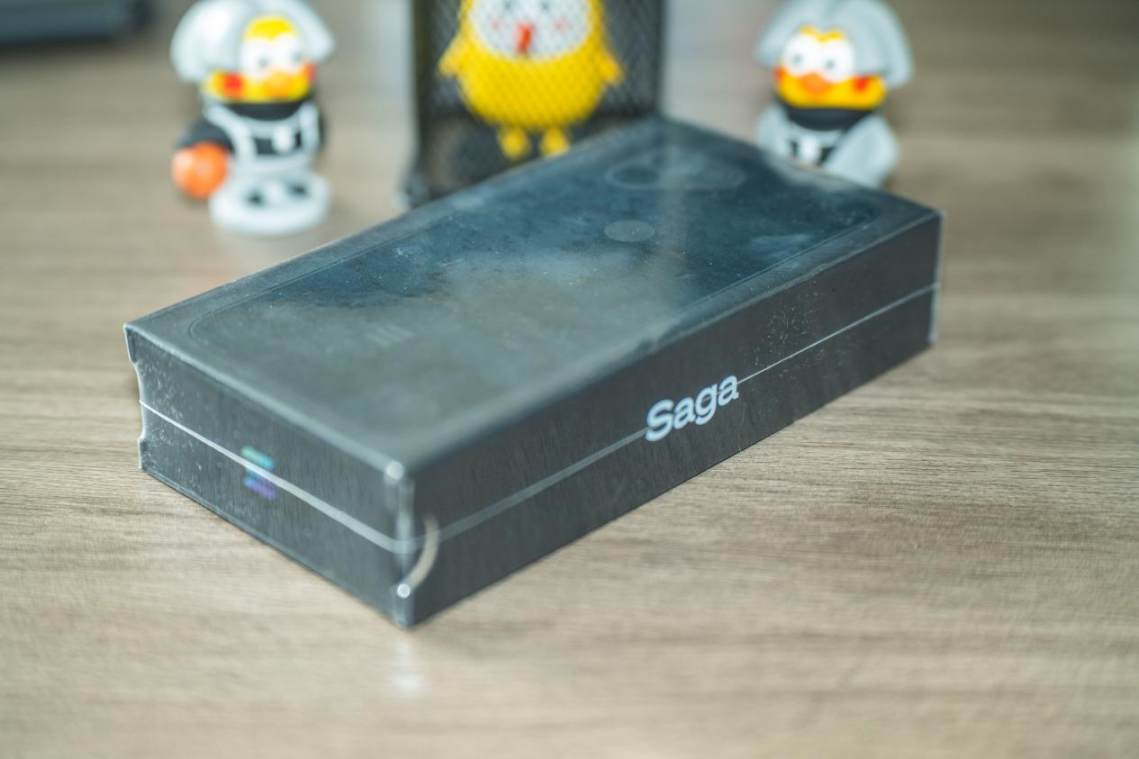
Compared with the sloppy plastic sealing, the pull-out method of the packaging itself is much more comfortable to handle, and it doesn't use a very stupid button-type lid, which can give full marks.
Take them all out and take photos as souvenirs. Apart from the phone itself, everything else will probably never come out of the cabinet again.
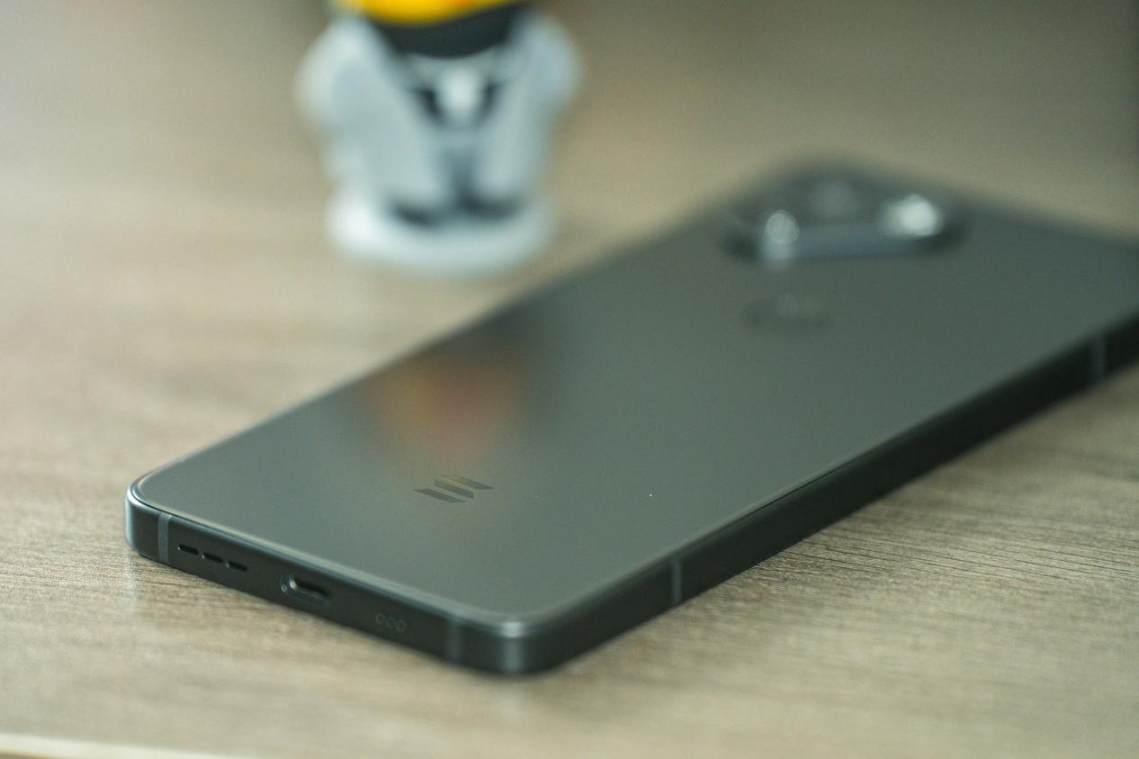
The author's main + backup for the past half year has been the combination of iPhone12 pro + Flip3, so the first feeling when using Saga is that it feels heavy. The texture of the whole machine is better than expected. The metal processing of the frame is excellent. The 2.5D glass can ensure that there is no cutting feeling when the edge slides. Moreover, the frosted texture metal has higher fingerprint resistance than the bright stainless steel that Apple has used in the pro series for several years. I don’t know how many levels I have reached, and my obsessive-compulsive disorder feels much better. Needless to say, the feel of the ceramic backboard is not as good as the very few specially treated glass in terms of anti-fingerprints, but the warm and moist feel of the ceramic is obvious in the hand.
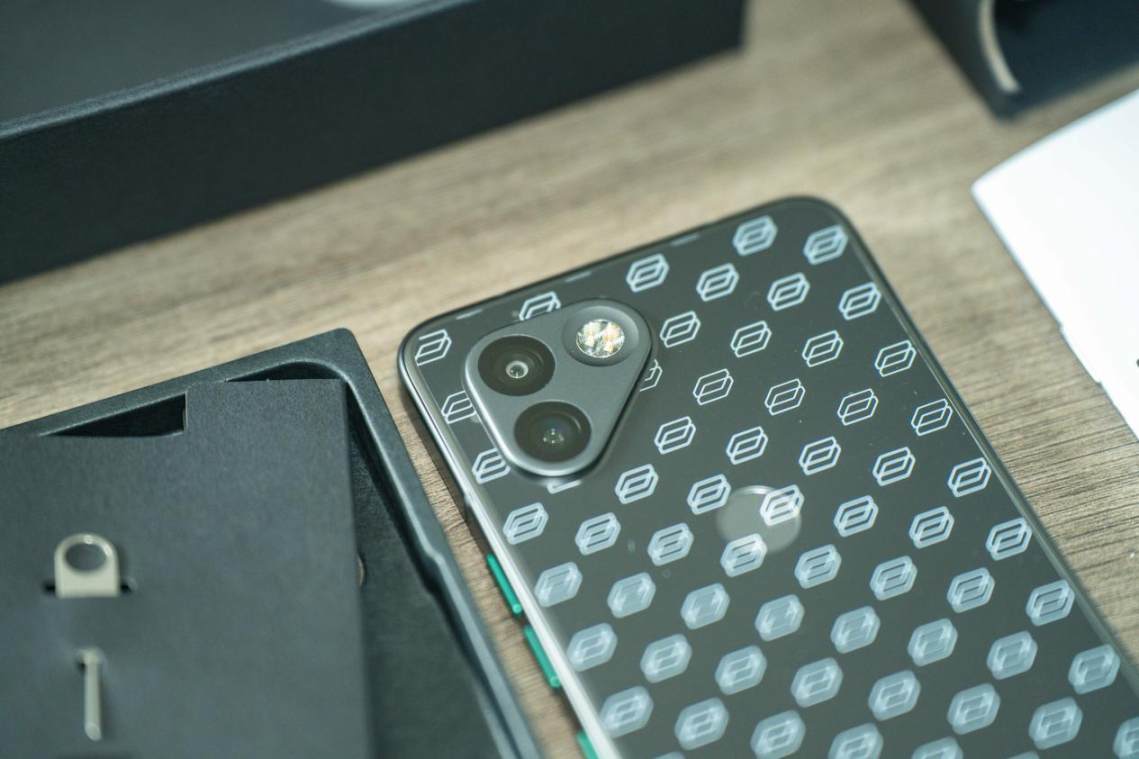
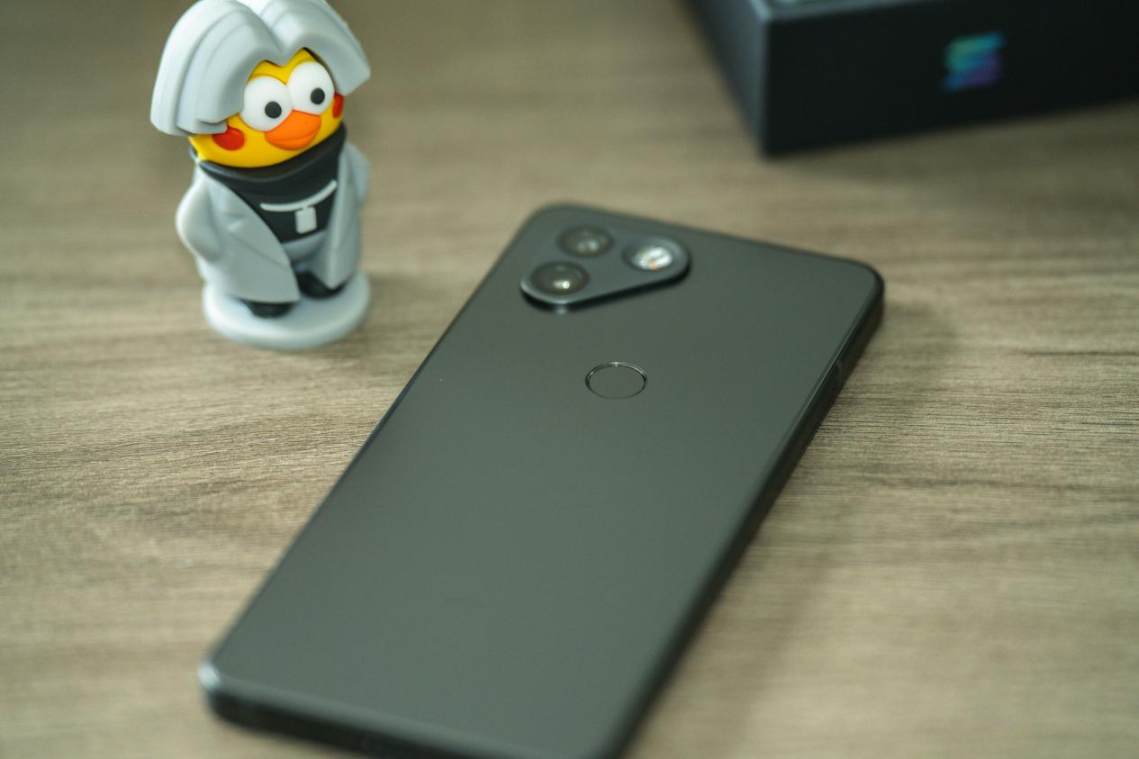
Although the explosion of mobile phone images has caused the mention of rear camera modules to become more and more outrageous, the Saga's rear camera bulge is not too high, but because the module is triangular in shape, the bottom of the bulge is an area The corner of the relatively small triangle, with the screen facing upwards, is obviously shaken when being operated on the table. If you are willing to add a mobile phone case, the problem can basically be solved. However, I searched on Xbao and couldn't find any mobile phone cases. Plus it's already heavy enough, so I'd better run naked.
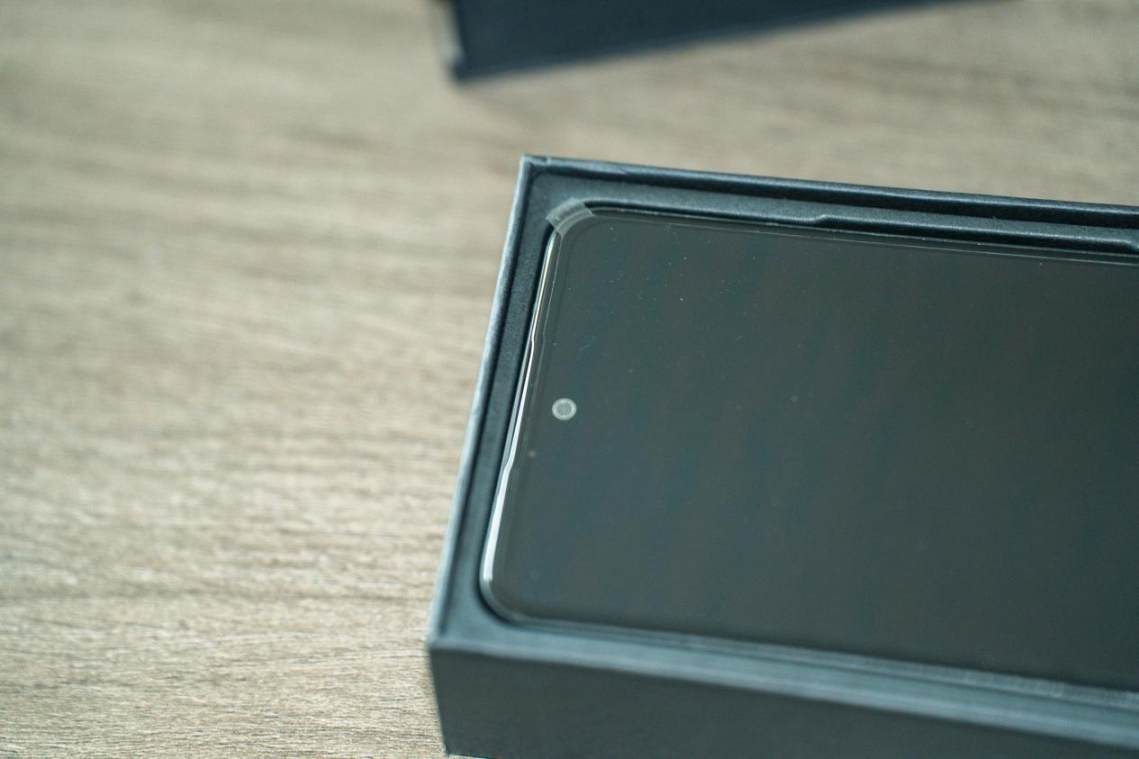
One pity that the front is relatively large is that the front camera is not coated in black. I even suspect that it is designed in the style of this silver circle. This behavior of directly destroying the integrity is a bit confusing.
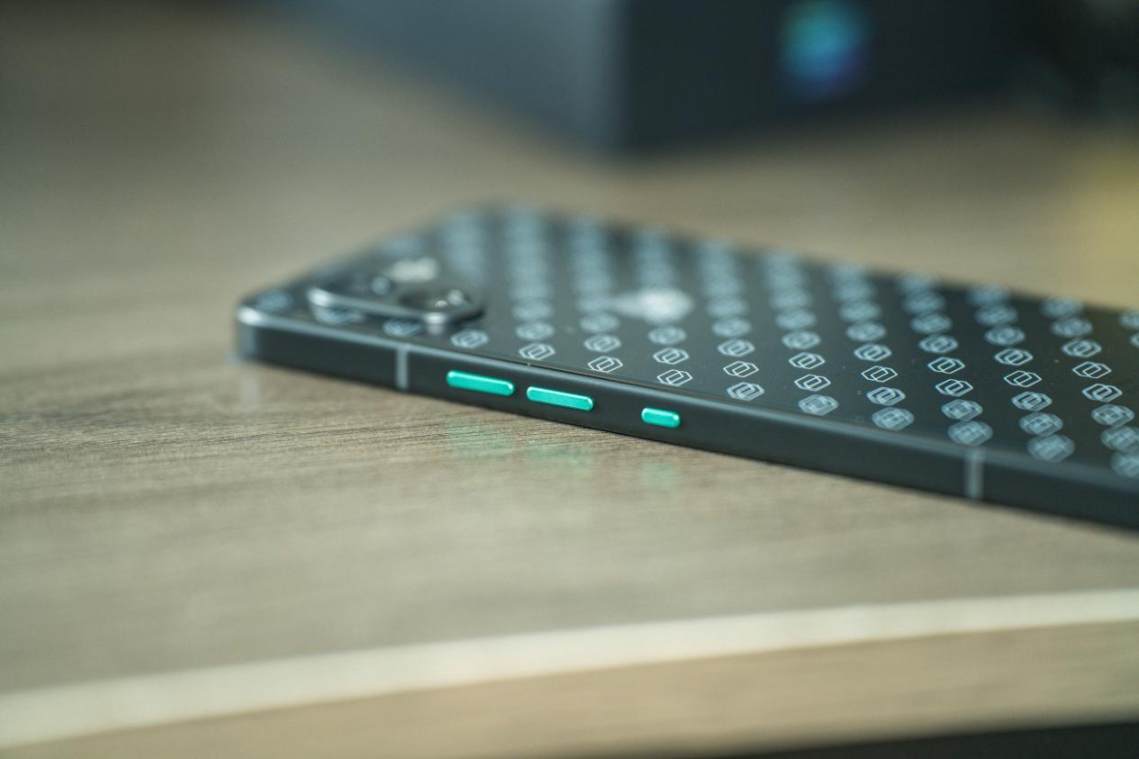
The three buttons on the side are turned green to give it a lively feel. However, firstly, the green color seems to have nothing to do with Solana. Secondly, the power button is made so small and placed in the golden position of the right thumb. The volume down button is next to the power button. In the past few days, the frequency of misoperations has been quite high, and the bonus points have been successfully brought back to the level of futility.
Power on.
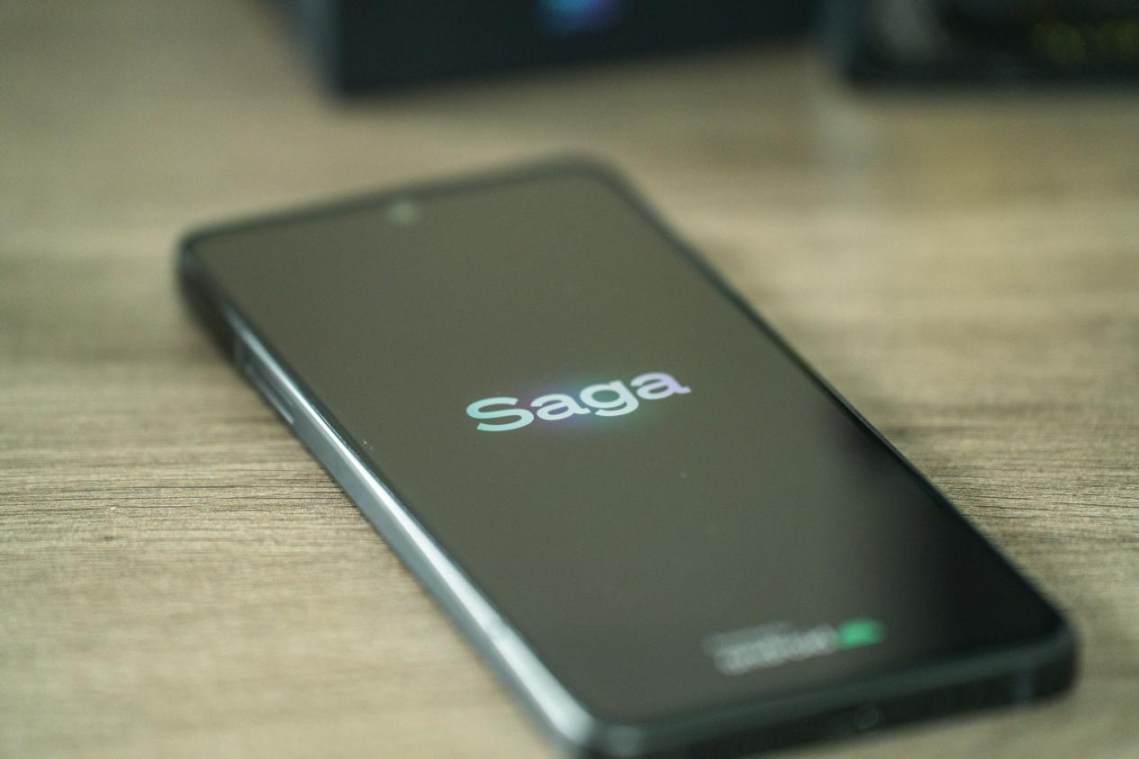
Activation requires scientific Internet access, otherwise WiFi will keep reminding that the network cannot be accessed, even if you skip online activation and enter the system directly. But in fact, there is no problem accessing websites within the wall, so I won’t need to go on about what you can do.
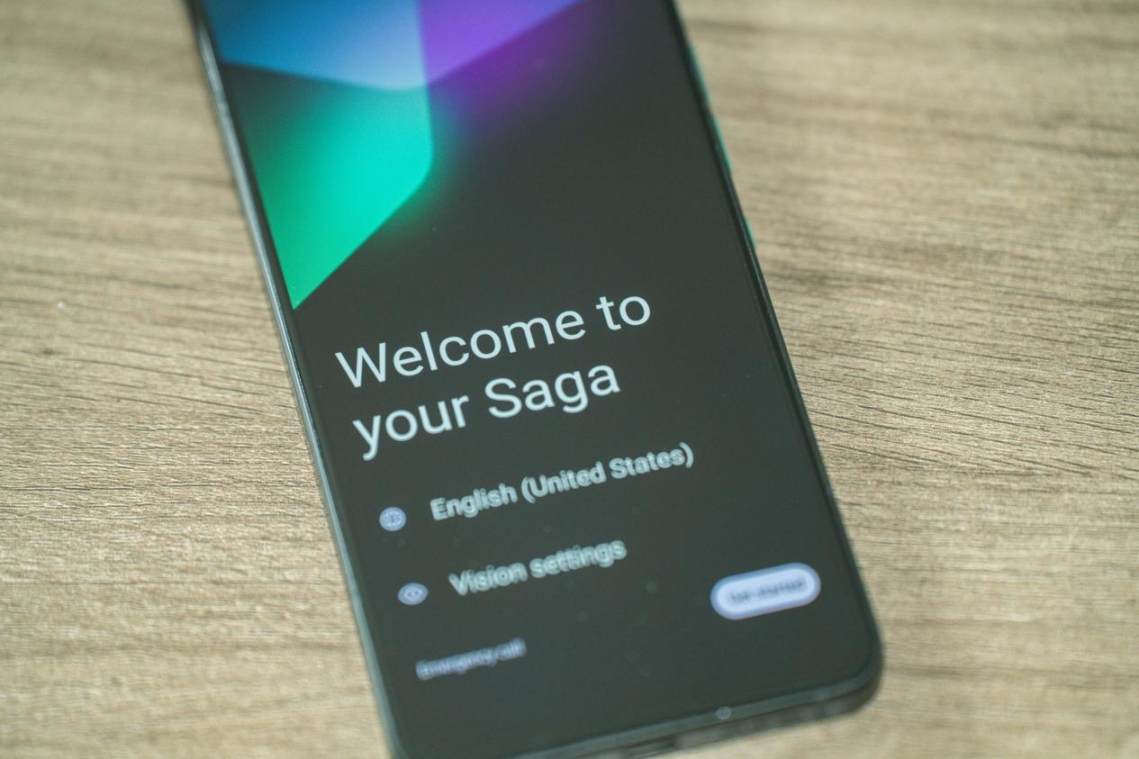
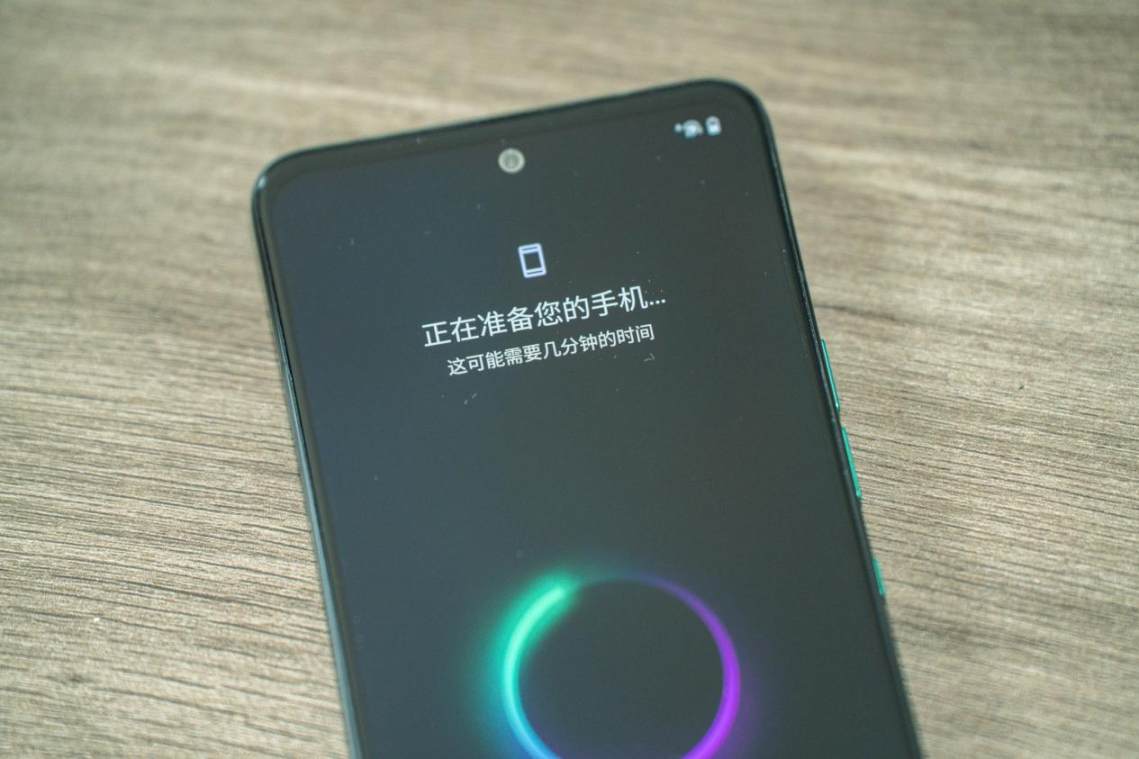
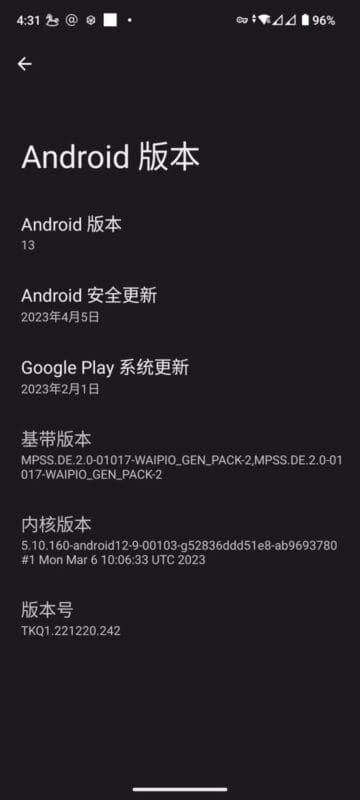
The system is standard native Android, shipped with Android 13. I don’t know how many major version upgrades the official can push. The factory only has Google Family Bucket and nothing else, which is very comfortable.
The screen has three refresh rates (60, 90, and 120) to choose from. The fineness of the screen is acceptable at first glance. After all, the 2400×1080 resolution can already be called a 2K screen for domestic manufacturers.
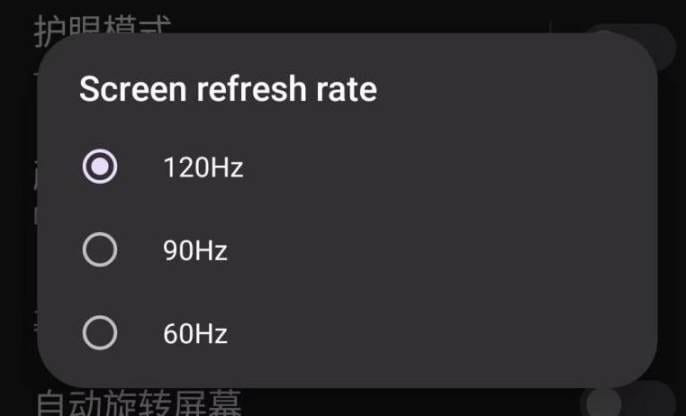
However, the colors of this screen are a bit explosive. The redness is serious on light backgrounds, and it is like this at all levels of brightness. I feel that this is why this phone has dark mode on by default. I used it for a short time as a light-color person. After a few hours, I honestly switched back to dark mode.
It takes about 15-16 times to register a finger with the rear fingerprint sensor, which is not an unexpected "nostalgic" operation.
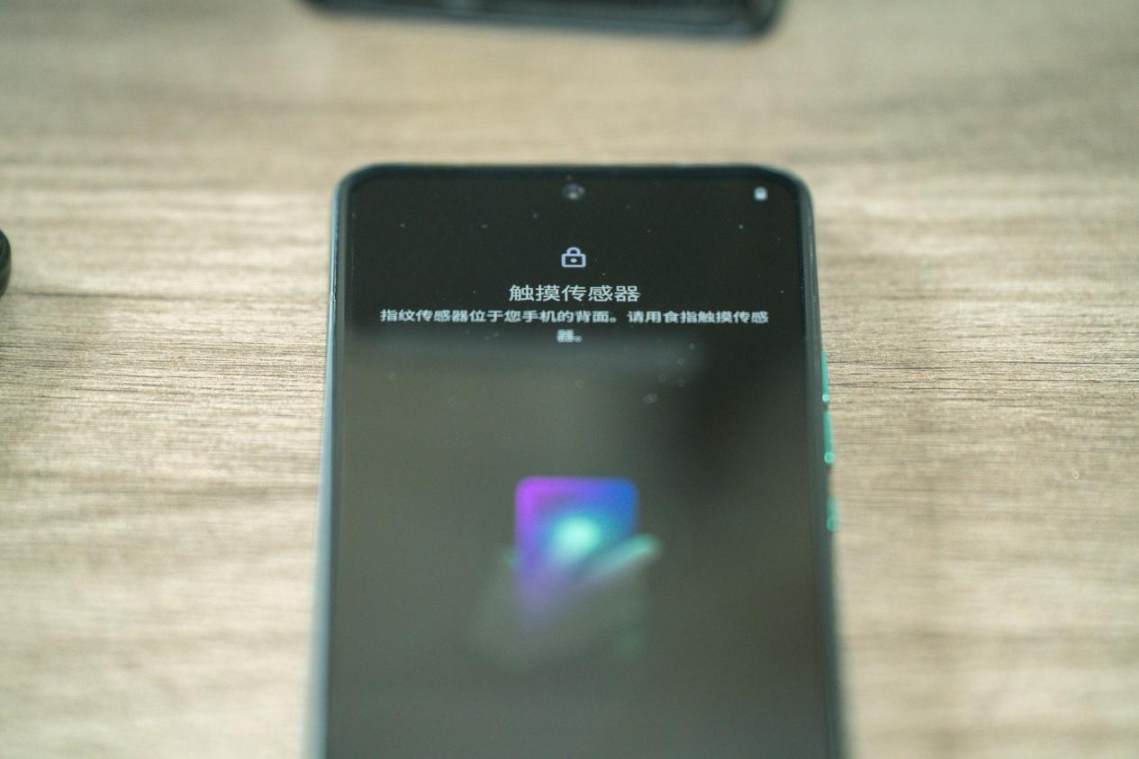
As for the camera, the main camera is the IMX766 that Huawei has polished, but after all, the algorithm has been removed more than two years ago, so don’t have high expectations. The wide angle is IMX373, which is the sensor used for the front camera of Xiaomi 6X released 5 years ago. You can call it "retro" or not "retro". I took a few proofs at random, not looking at the composition but only at the color reproduction.
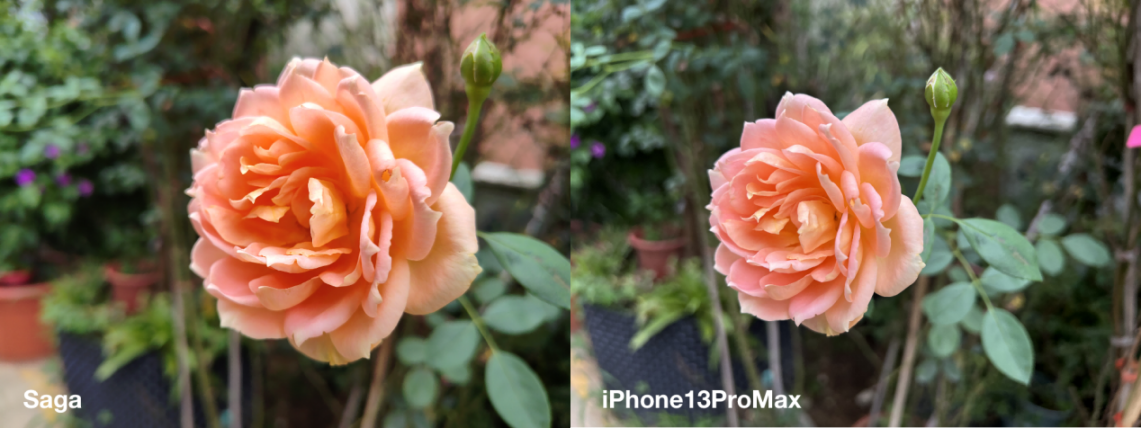
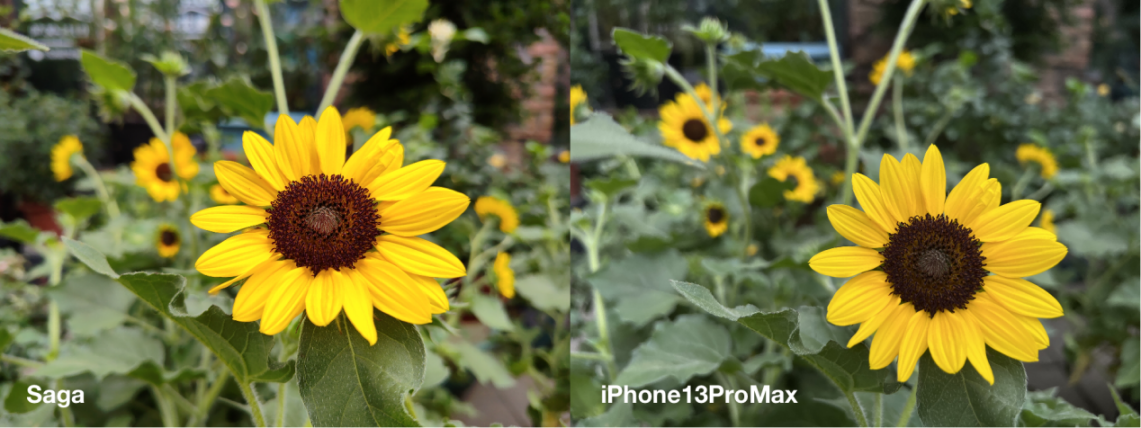
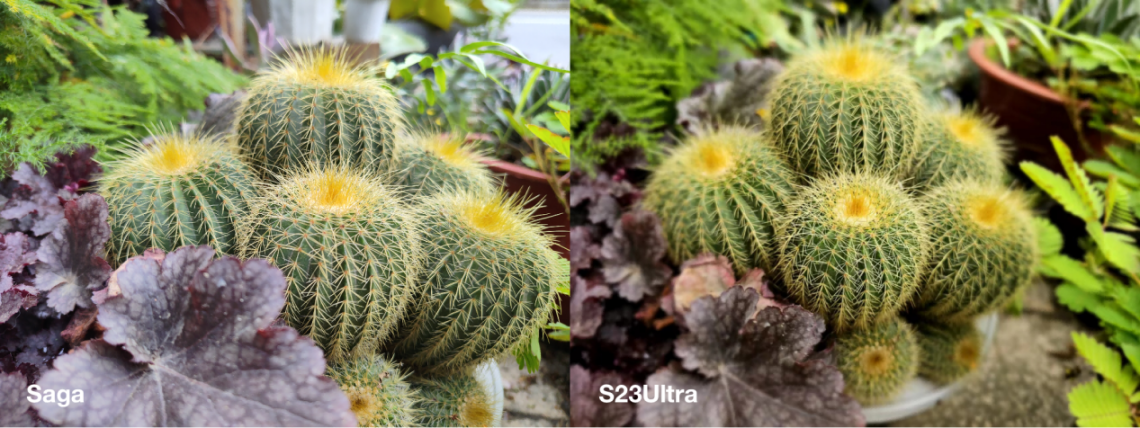
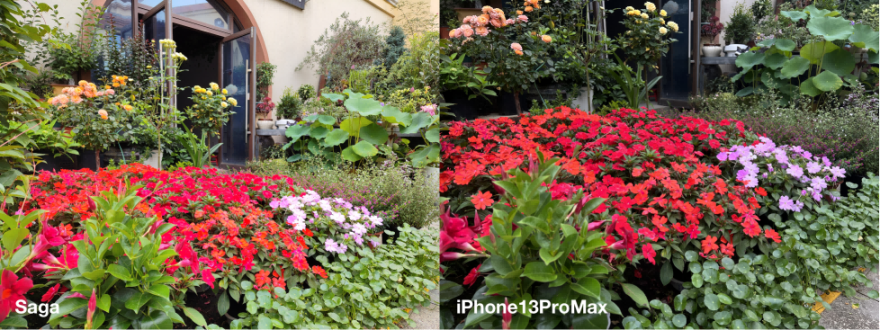
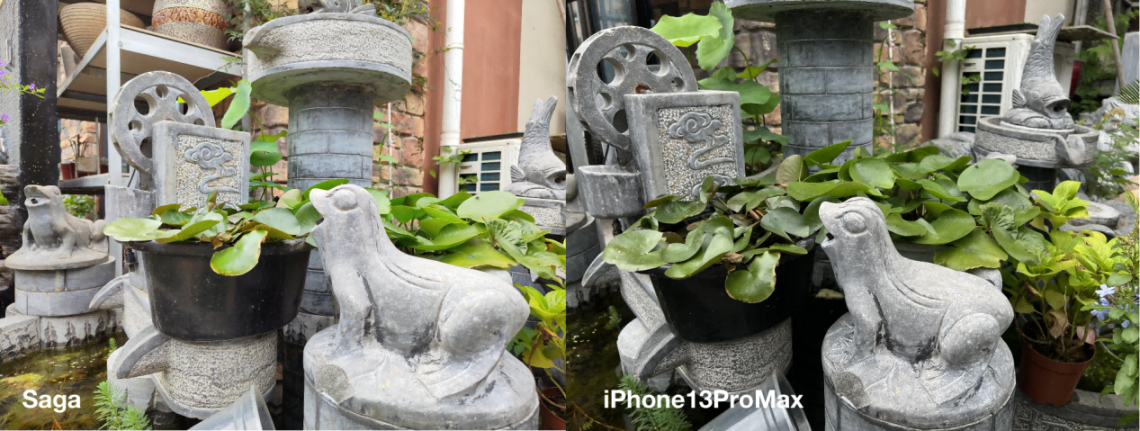
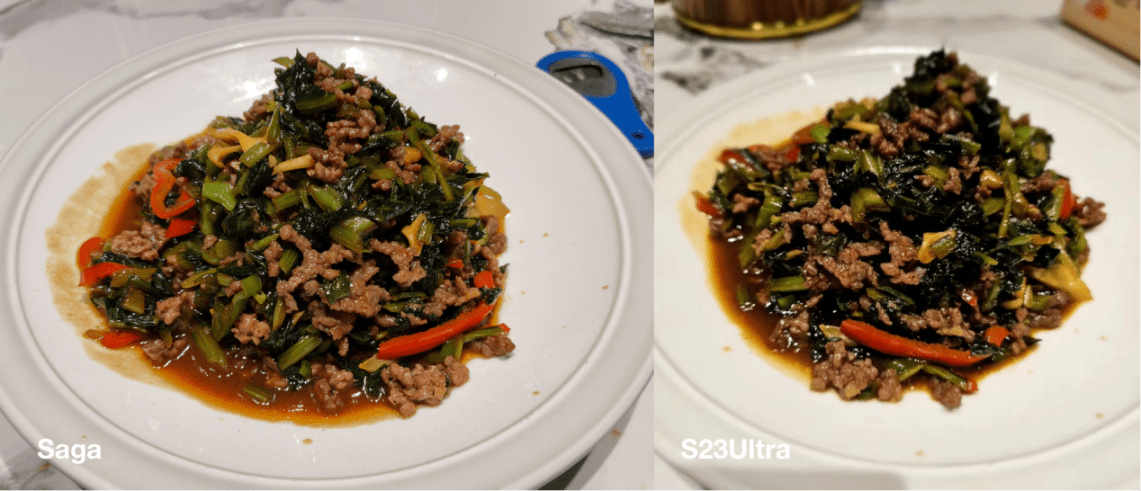
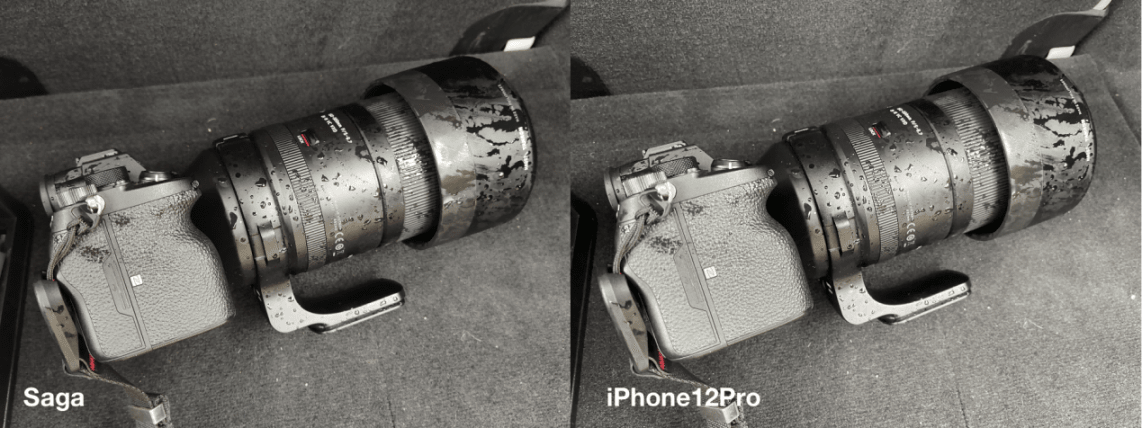
The overall style is that of a standard saturation warrior. The 766 does not have Huawei’s algorithm and is not surprisingly showing its age. The large red areas in Figure 4 become a mess under this operation. The details are not that good even when there is plenty of light. The uploaded image has been compressed several times, so the details may not be visible. The stamen part of the original image in Figure 2 has a relatively obvious oil painting feel. In this kind of scene that a thousand-yuan camera can already handle, there is a gap in the main camera part at a glance. The antique wide-angle and night scenes are really not worth looking forward to. Let’s just take a look at two sample photos.
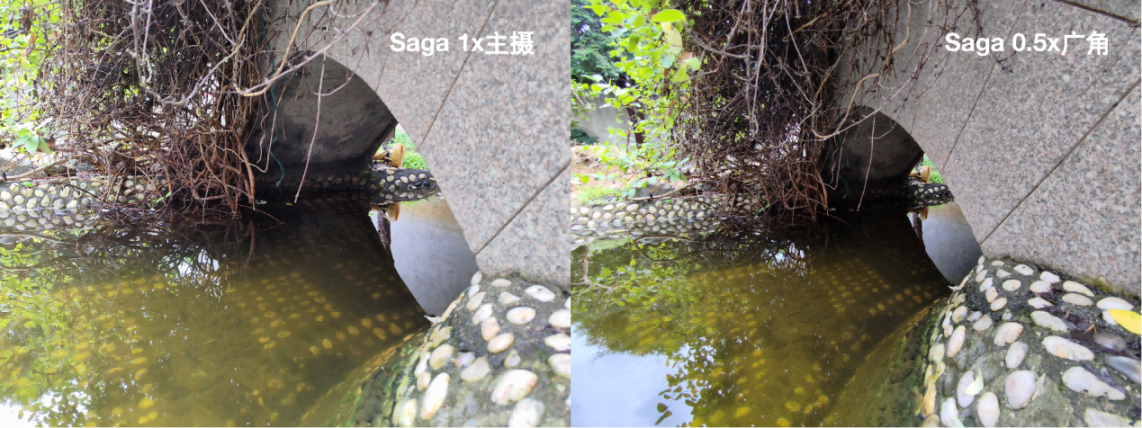
This wide-angle lens has no problem with regard to center image quality or edge image quality, as well as edge anti-distortion algorithm and anti-purple fringing, etc. It perfectly demonstrates the image quality level of front-facing cameras 5 years ago.
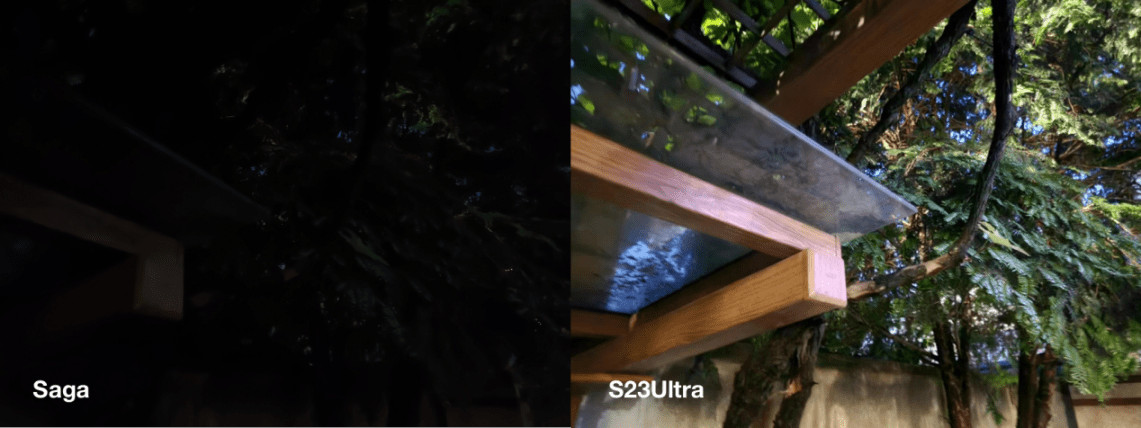
What should I say about night scene, emmmm, because I turned on the night scene mode in a not-so-dark environment and got the picture on the left, while the right one was randomly clicked using the S23Ultra default mode. I don’t know what to say. .
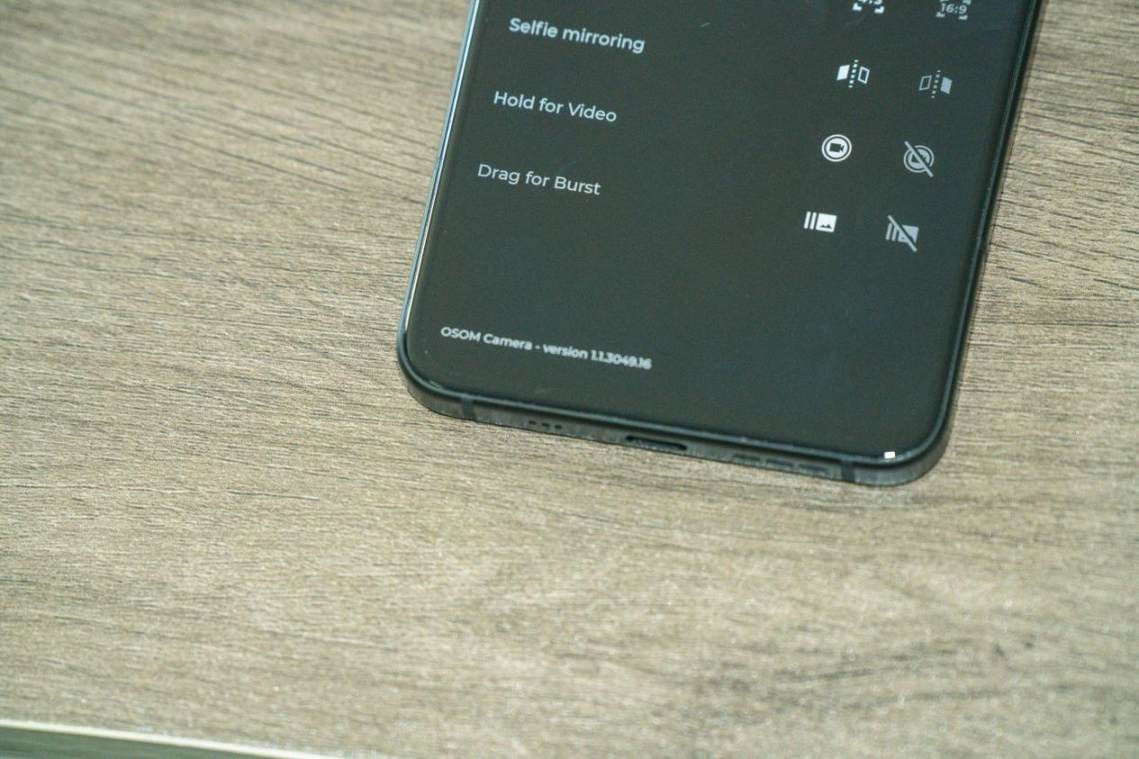
To add an interesting point, Saga missed some changes when customizing the system. The OSMO product name is still in the camera.
With such a big screen + high refresh rate and a small battery of less than 4200mAh, battery life is inevitable. The daily screen-on time is basically only about 4 hours. If you sit at the table every day and have charging conditions, it will not be a big problem. Once you go out, you will feel anxious. The charging speed lags far behind that of domestic Android phones. This amount should be used on ceramics and mid-frames.
A big problem is that although the mobile phone supports wireless charging, the position of the wireless charging coil needs to be found very accurately. The Xiaomi 80W I am using is very friendly to the iPhone and Samsung in my hand. You can basically just throw it away and you can charge it with peace of mind. However, the Saga must be placed very upright, and it is often disconnected during charging, making the use experience very awkward.
As for the external amplifier, pre-effects and game experience, I won’t go into details here. From the temperature control performance, it can be regarded as 8+ performance without too many restrictions. Benchmark software-level games such as Genshin Impact have the foundation of 8+ It is definitely possible to play, but it certainly cannot be played comfortably all the time. I believe no one will use a mobile phone with such a small battery as the main machine for gaming. It is of limited significance to expand the use scenarios in non-positioning directions.
summary
If Saga excludes the blessing part of Solana ecology, according to the current domestic Android pricing ideas, such a machine with an old flagship chip, even considering the 12+512 configuration combination, ceramic back cover and workmanship, such a small battery and The screen performance makes it difficult for a reasonable price to exceed 3,000 yuan, which means that more than half of the price of this phone needs to be reflected in the Solana ecosystem.
Therefore, are you willing to pay for this deeply integrated interactive experience and Solana ecological applications? Or are you willing to pay to try to break the homogeneous involution status quo of the mobile phone market by opening up on-chain application channels? This is what you really need to think about before buying this phone.
However, after three days of simple experience, I have inserted the mobile phone card in Flip3 into Saga, making it my main Android device. After all, as a digital product enthusiast, what I want is that the technological iteration of mobile phones will not make the product more and more boring. Even if it is wishful thinking, I am willing to pay for that little bold attempt. Saga is not good enough, but it has given me the desire to "play" with a mobile phone that I have not felt in recent years. And in the future, Solana ecosystem, I look forward to more surprises.
This article is reprinted from Foresight News with permission
This article Solana mobile Saga unboxing test: What is the difference between Web3 mobile phones and other smart phones? First appeared in Zombit.