

Written by: veDAO
Games are usually the biggest killer apps on new platforms. There are more than 3 billion video game players in the world today, and 250 million of the younger generation will become lifelong gamers. From the birth of video games to today, a vibrant consumer ecosystem has been developed around games. At the same time, games are also a huge social network with a very high stickiness. As one of the main ways for people to entertain themselves in the digital age, games are creating huge output value. In the world of Web3, games have also been regarded as a potential important application area.
According to a Bain survey, by 2025, the value of the gaming market will grow by more than 50% to more than $300 billion. As consumer demand for games continues to grow, players' requirements for gaming experience continue to increase. The combination of games and blockchain technology provides players with a brand new gaming experience. Currently, more and more games use blockchain technology to achieve player ownership of game characters and accessories, better virtual experience, etc.
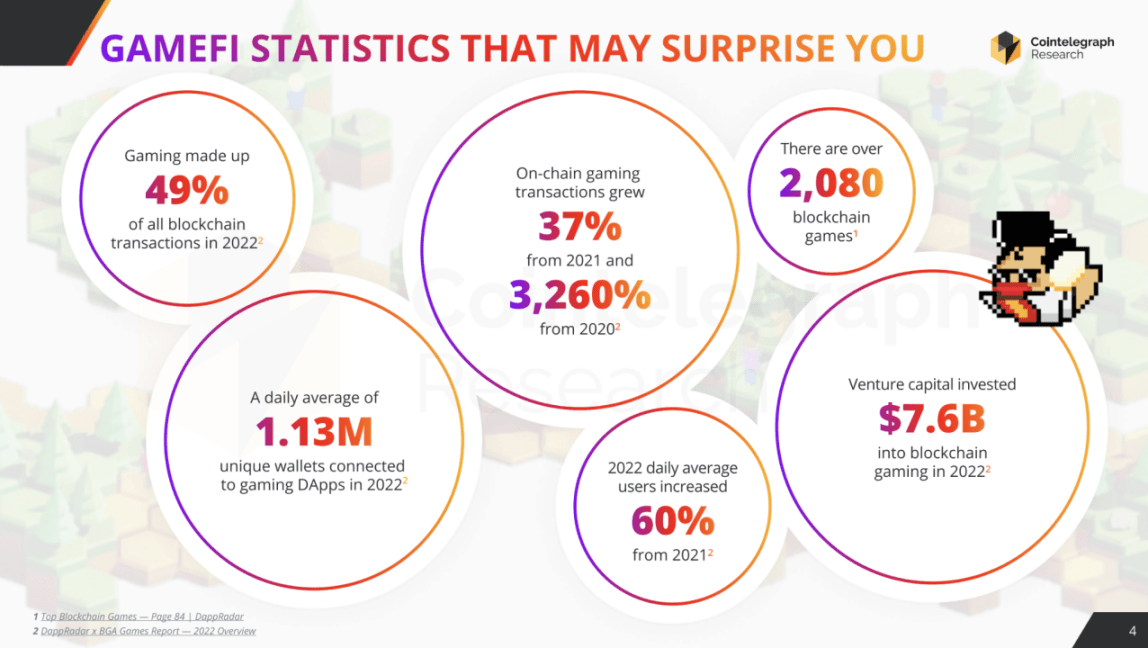
In May 2022, crypto venture capital giant a16z announced the launch of its first gaming fund, Games Fund One, with a scale of US$600 million. One year later, the fund has made 25 investments. Statistics presented in Cointelegraph’s March 2023 Blockchain Gaming Report also demonstrate the growth and potential of Web3 gaming: In addition to a large number of funding and gaming projects, Web3 gaming accounted for 49% of all on-chain transactions in 2022, and From 2021 to 2022, average daily active users increased by 60%, showing the growth of the Web3 game user base and the significant potential of this track relative to other tracks.
There are many ways to classify games. They can be divided from aspects such as interactivity, playability, and scalability. In addition to the properties of Web3, they can also be divided from the degree of decentralization. For example, according to the degree of decentralization from low to high, Web3 games can be divided into three types: optional on-chain games, semi-chain games, and full-chain games. Among them, optional on-chain games are essentially traditional Web2 games + game IP-derived NFTs, and are not true Web3 games; semi-chain games are a common form of Web3 games. This is a form of game that stores player assets on the chain, but the actual game operations are still carried out off the chain. Semi-chain games solve the problem of verifying asset ownership and asset programmability, focusing on items and property in the game; full-chain games are truly decentralized games. By using blockchain instead of traditional centralized game servers, all player data is stored on the chain, indexed and written. This method gives the game the characteristics of persistence, anti-censorship, and community self-development.
In this article, veDAO Research Institute will select 3 distinctive categories from different game categories to classify Web3 games, and list 9 high-quality Web3 game projects.
Traditional Web3 Games
Traditional Web3 games refer to most common P2E (Play-to-Earn) games, which usually have the characteristics of general interactivity, simple graphics, P2E effect as the core, and strong community drive. They are one of the common forms of Web3 games and are classified as semi-chain games from the perspective of decentralization. Compared with Web2 games, these Web3 games are not very playable, so the users they attract are mainly Web3 groups. Just like after the emergence of Unreal Engine 5, 8-bit pixel-style games still have a large number of players. The playability of the game includes not only interaction and graphics, but also narrative and community participation; this is even more true in the Web3 field: game players can even participate in the construction of the game.
AI Rein
details
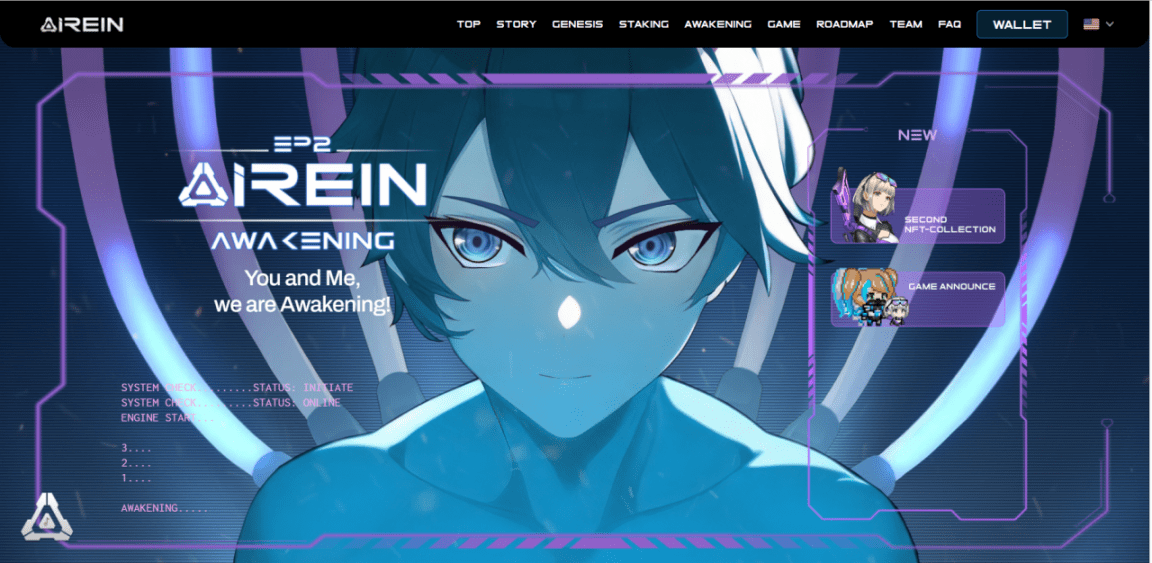
AI Rein is a Japanese global NFT project themed around the future world of A.I. It has a unique AI Motion technology that allows NFT holders to control their avatars in the metaverse through the front camera of their computers. AI Rein's first NFT series is the PFP for citizens of the future A.I. world. AI Rein also plans to launch a blockchain-based 2D pixel-style game that allows players to experience A.I. technology in a virtual world full of adventures and challenges. Players can earn rewards by staking their AI Rein NFTs, which can be used in-game.
Chainers
details
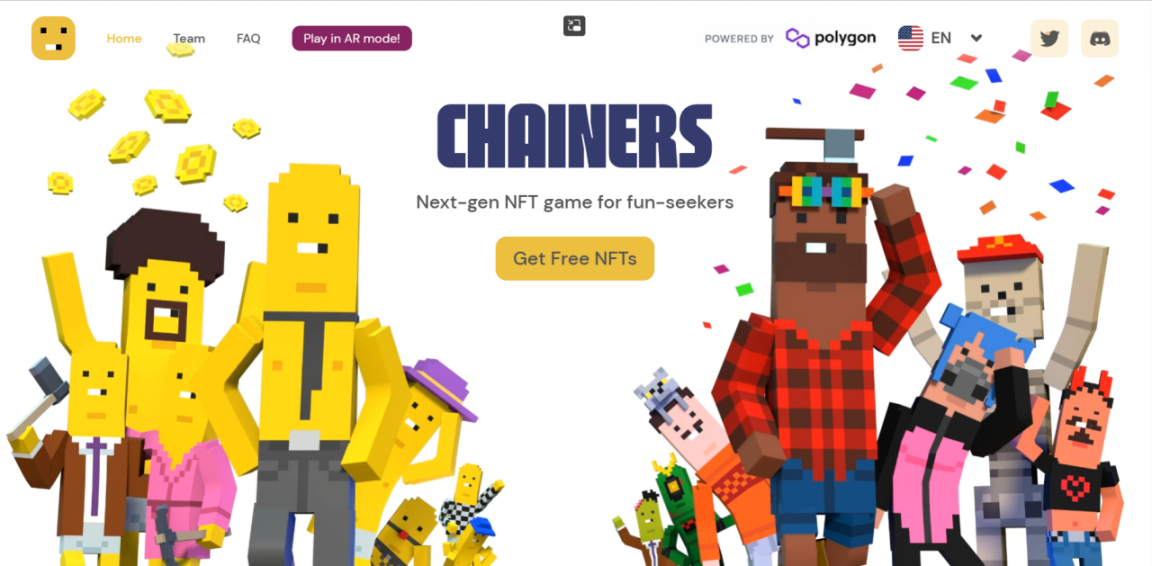
Chainers is a metaverse game that focuses on NFT and community-driven development. Players can access the game for free, and are encouraged to contribute and build more content. Chainers is positioned as "Play, trade, and create". Players experience, socialize, and interact in the game; they also create and earn income in it, and the fun and economy of the game are achieved simultaneously.
Degen Zoo
details
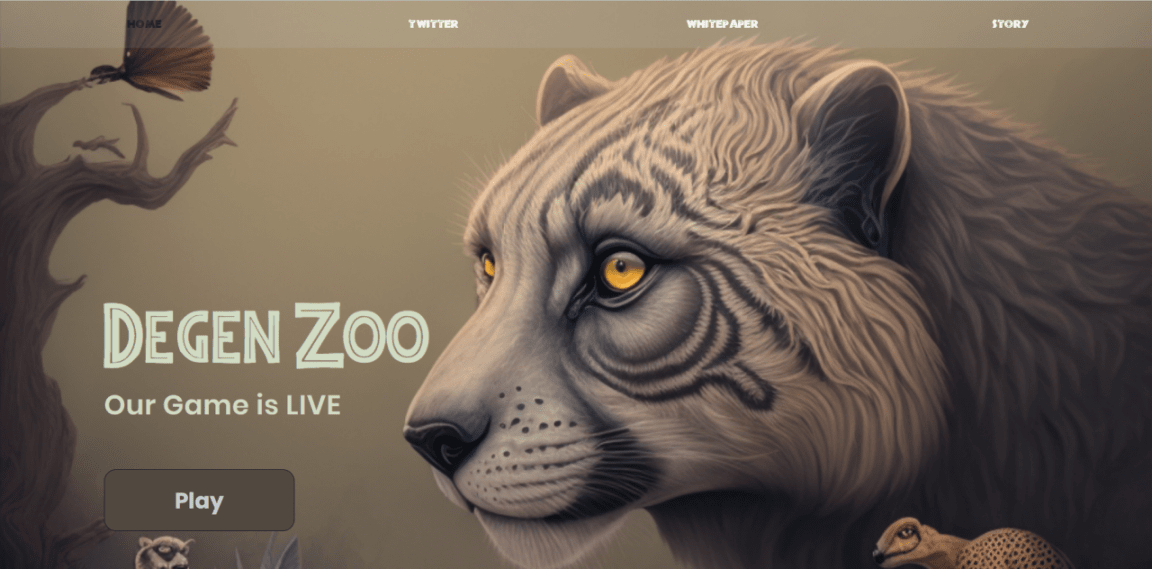
The game, built by DAOMaker founder Chris Zaknun and former MakerDAO development engineers, will be developed with an ultra-low budget of only $20,000 and is planned to be completed in just 30 days. The game was inspired by the CryptoZoo NFT scam. The Degen Zoo project hopes to complete the game construction with a small amount of funds and a small amount of time, proving the incompetence of CryptoZoo founder Logan Paul and satirizing such metaverse game scams that deceive investors. In addition, as a charity game NFT project, all profits from the project will be donated to endangered animal charities. One of the purposes of the project is to make people aware of caring for animals and nature, and to teach players through games what happens when animals are killed or species become extinct.
AAA Games
3A games are simply games with high development costs, long development cycles, and high resource consumption. This track is very similar to the public chain, and it takes a relatively long time to see real results. For general investors, as long as they get on the early ship of 3A games, they will generally have relatively good returns in the future. At the same time, 3A-level Web3 games will be blockchain projects with great potential to break the circle. As long as the team of such games seriously controls costs and develops products, and finally delivers a truly playable, high-quality 3A game that meets Web3 characteristics, Web3 may usher in a large number of Web2 users.
Delysium
details
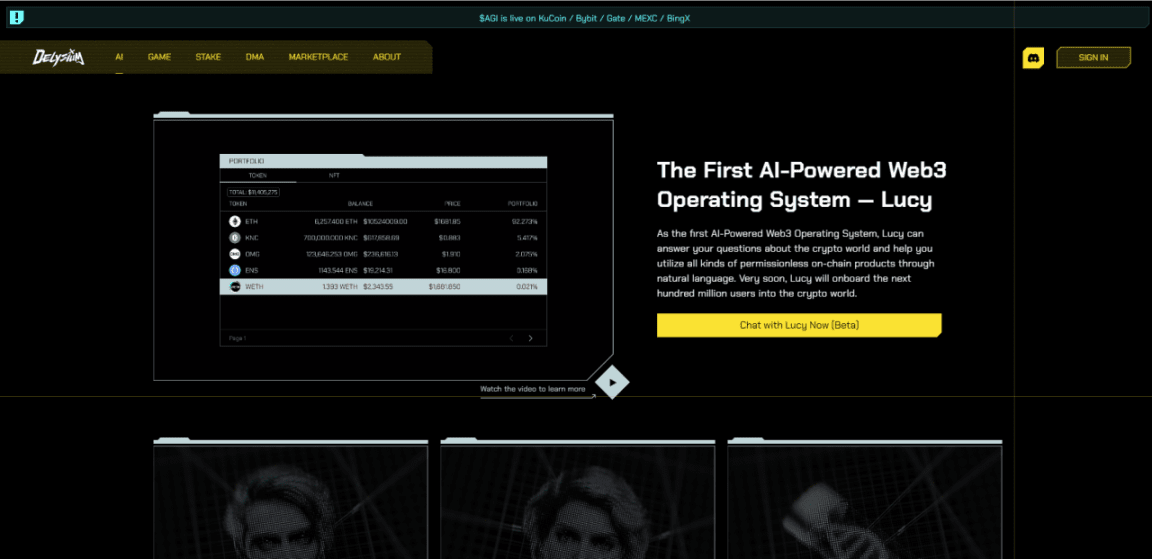
Delysium is the world's first playable AAA blockchain game. A true open-world, living AI-driven and fully player-owned MMO game that supports player creation of a variety of personalized physical assets, narrative assets, and native AI MetaBeings. By distributing a large number of AI-driven MetaBeings across player-created and player-owned experiences, Delysium is building an immersive, supreme, and dynamically generated open-world experience for all web3 pioneers around the world.
Wildcard Alliance
details
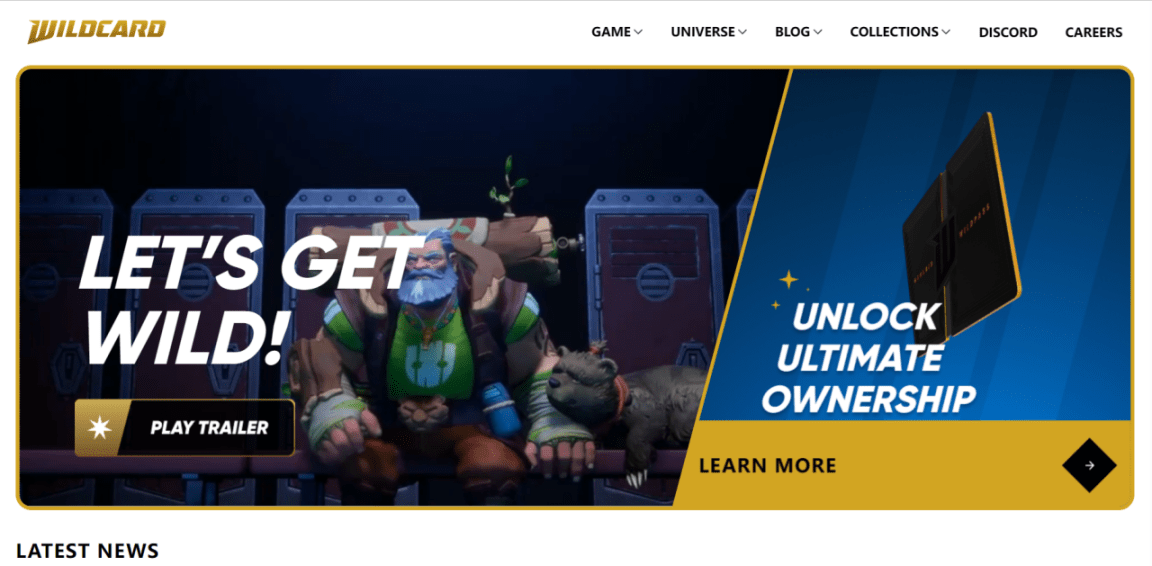
Wildcard Alliance is a AAA PVP game based on Polygon Chain that combines real-time strategy, multiplayer online competition, and card games. It plans to build a decentralized, autonomous Web3 competitive social platform. Bring the thrill of competition to players, break through the excitement of video games, and the boundaries of playing and watching. Create an evergreen competitive game that is "easy to learn, but takes a lifetime to master." At the same time, it provides players with the fun of collecting, making Wildcard an IP that people really care about and a community that people want to join.
Citizen Conflict
details
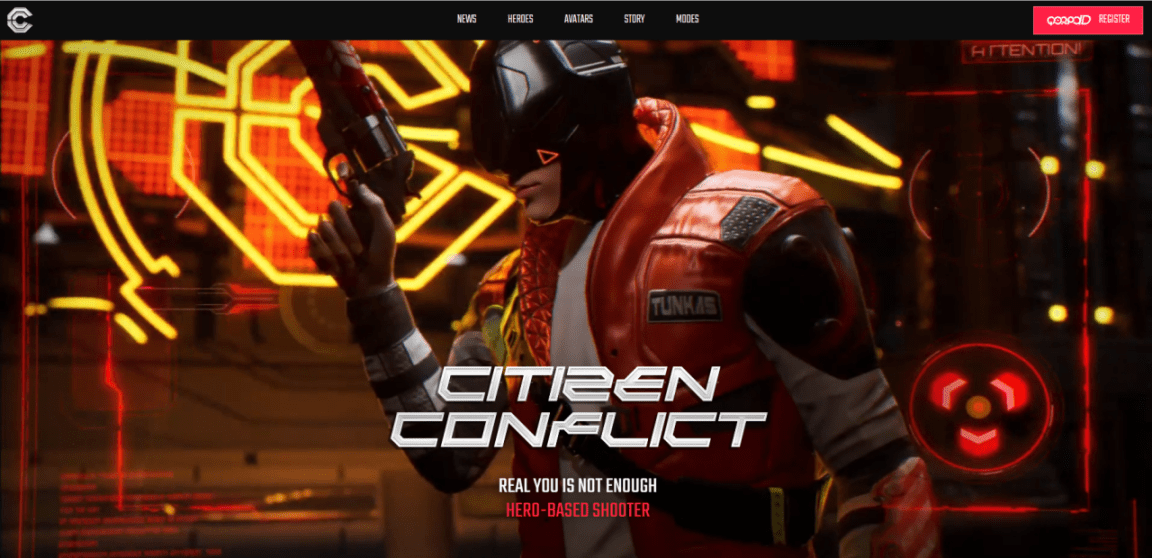
Citizen Conflict is a free Web3 MMO shooter built with Unreal Engine 5, developed by QORPO Game Studio (formerly known as Crypto Citizen), and deployed on the BSC chain. Citizen Conflict is set in the dystopian world of the Ethereum Islands, where each game is a fight for survival and precious loot, and includes both world-bound and battle royale gameplay. The game itself will be completely free, and to enhance the gaming experience, players will be able to purchase or win in-game assets in the form of digital collectibles NFTs, which is optional and not required.
Fully On-chain Game
Compared with optional on-chain games and semi-chain games, full-chain games are less playable, and the initial cold start and ecological positive cycle are much more difficult. However, in the mid-term development, community governance asset inflation and other aspects will be much smoother, and even a stronger ecological moat and network effect will emerge.
In a truly decentralized environment, the economic system of full-chain games is driven by the actions and decisions of players, rather than controlled by game developers or central agencies. Players acquire and manage assets and resources in the game through transactions, cooperation or competition. At the same time, players can also participate in the governance and rule-making of the game independently to achieve the autonomy of the game world. This player-driven economic system and autonomous game world bring players a richer and freer gaming experience.
PandaFarm
details
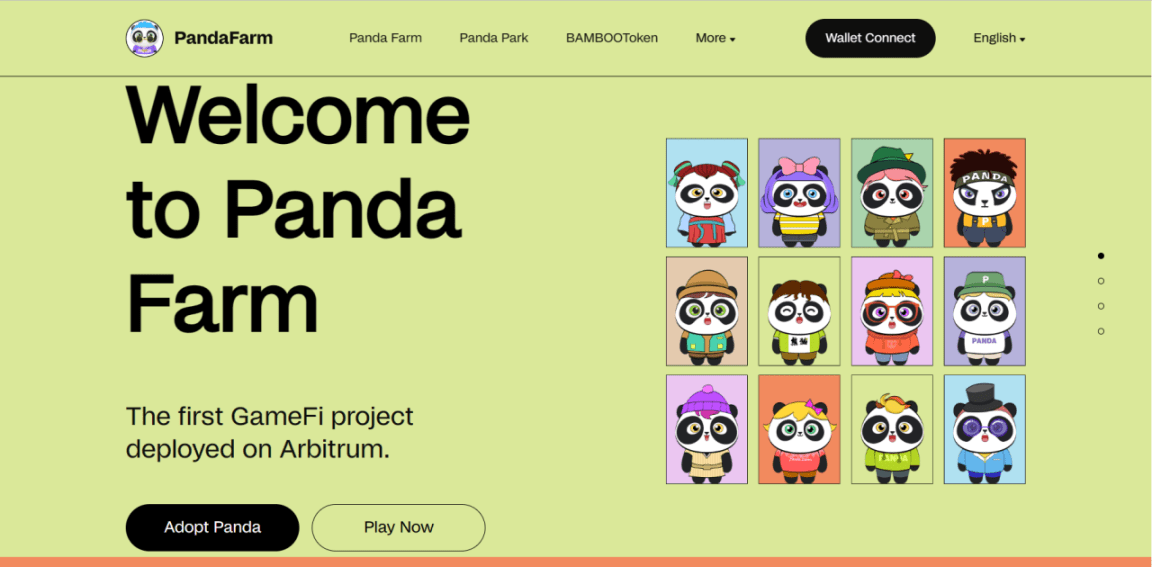
Panda Farm aims to build a fully on-chain, panda-themed game metaverse. Users can profit from the prize pool while participating in each game and competition. Panda Farm is a panda game platform built around the theme of pandas, and all panda-themed games are built on the blockchain. Panda Farm aims to bring blockchain into mainstream games by providing a real-world simulation of pandas, combining the advantages of digital construction and cryptocurrency, to attract crypto and non-crypto game enthusiasts and panda lovers. In the future, players can build their own paradise in PandaFarm, summon more alien creatures to play with pandas, integrate different IPs into the same world view, build their own farmland, and choose through decentralized management of farmers. Farmers can lock BAMBOO tokens through custom small animal NFTs.
MetaLine
details
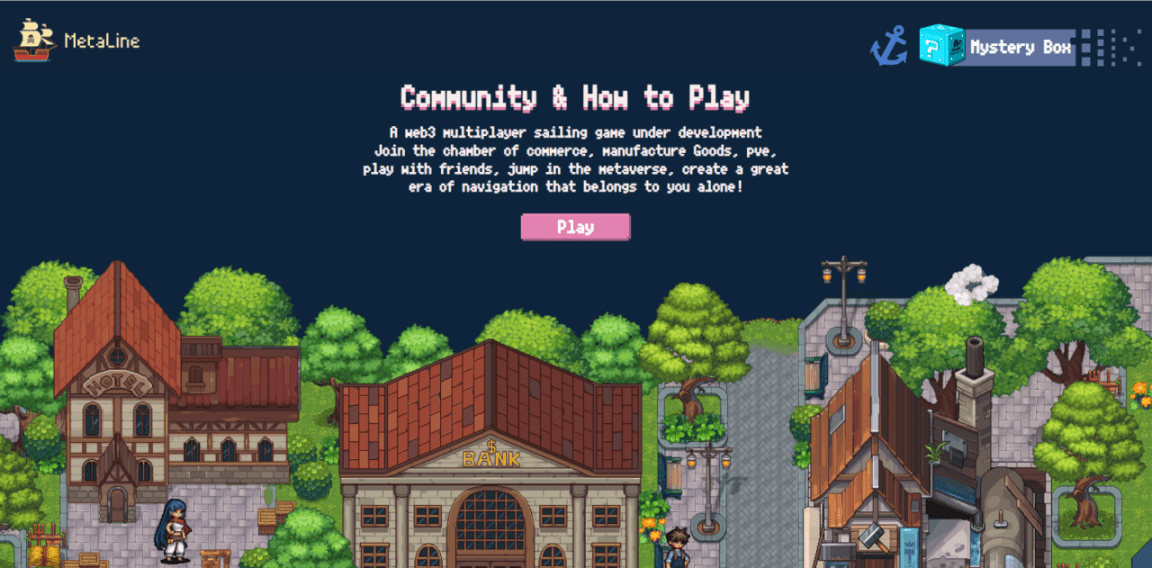
MetaLine is an open, transparent and inclusive world. All information, assets and game content in the game are decentralized. MetaLine is a large-scale online game of nautical management, adventure and strategy based on Web3. It has six major system modules, including production and trading system, upgrade system, port system, combat system, NFT system, and an ecosystem. Through the cooperation and connection between different task systems, you can get rich gameplay and build your own maritime empire. With the gradual release of tasks, the built-in port system has also opened the door to the metaverse for more users.
Arcadeum
details
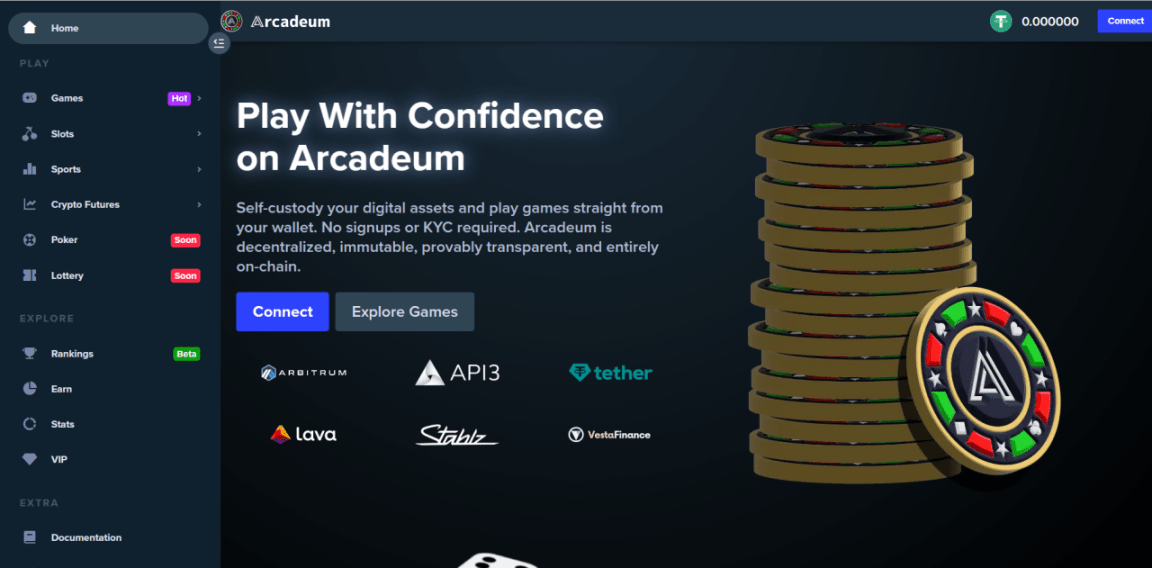
Arcadeum is a decentralized casino, fully on-chain and self-regulated, with a provably low but competitive house edge. Betting is facilitated by liquidity pools, through which depositors receive losses and pay wins. Random number generation is provably fair through a custom API3 QRNG integration.
Last words
Web3 games have huge potential to bring new possibilities to the gaming world.
Game creators should never forget the core priority of gaming: entertainment.
Similarly, obtaining assets in Web3 game projects is part of the game process and should not be the only purpose for users to participate in the game. Therefore, for Web3 games, focusing only on P2E is far from enough.
At the same time, in order to realize true Web3 games, games need to be built on bottom-up protocols and use token models as a supplementary means to ensure the sustainability of the game economy. In such games, players can truly own assets and trade freely without the control and restrictions of centralized institutions or platforms.
Web3 games are likely to be one of the main ways for Web2 users to enter Web3 in the future. Just like the Web3 games mentioned in this article, by focusing on creating games with outstanding graphics, characters, and engaging stories, attracting users with the playability of the game itself rather than incentives, and creating a Web3 game ecosystem that can attract players for a long time and is dynamic and creative, more value of Web3 games can be released, allowing Web3 to usher in a new round of user migration.