


Source: CoinTelegraph; Compiler: Tao Zhu, Golden Finance
In this article, we’ll venture back through one of the most transformative periods in crypto history, the Initial Coin Offering (ICO) boom.
Initial Coin Offerings (ICOs) took the cryptocurrency space by storm in early 2017, enabling thousands of new blockchain-based projects to quickly raise large amounts of capital by selling pre-launched tokens directly to investors. Projects issued tokens in exchange for funding to launch new networks and decentralized applications (DApps).
Related content:
"Tracing the History of Cryptocurrency (1): Satoshi Nakamoto's Response to the Financial Crisis"
Tracking the History of Cryptocurrency (Part 2): Ethereum’s Entry and Bitcoin’s Surge
What is an ICO?
An ICO is a token sale that combines the initial public offering (IPO) model commonly used in the traditional financial world with crowdfunding, selling tokens to raise funds for blockchain-based projects.
It is worth noting that while the ICO boom was considered a period of huge returns for projects and investors, it was also rife with exit scams and rug pulls, which later attracted close attention from regulators such as relevant financial authorities and investors.

The biggest ICOs of the boom
While the ICO boom was fraught with various types of regulatory and financial turbulence, it laid the foundation for the launch of some of the biggest projects in crypto today, including Ethereum, EOS Network, Chainlink, Filecoin, Tezos, and Telegram (TON).
The largest ICO was conducted by a private company called Block.one, creator of the EOS network, which raised a staggering $4 billion in 2018.
The second largest ICO was conducted by Telegram, which raised $1.7 billion. However, unlike many other ICOs that were offered directly to retail investors, Telegram’s ICO was largely restricted and therefore limited to private investors with significant capital.
Decentralized storage network Filecoin is the third largest ICO, raising over $257 million in 2017.
Ethereum’s role in the ICO boom
Ethereum itself was originally funded through an ICO, raising a total of $18 million between July 22 and September 22. January 2, 2014. Investors in the Ethereum ICO traded Bitcoin (BTC) for Ethereum (ETH), selling more than $2.2 million worth of Ethereum within 24 hours of the ICO going live.
The vast majority of ICOs between 2017 and 2018 took place on the Ethereum network, with smart contracts allowing developers to launch new tokens and launch protocols more easily than any other available blockchain network.
The Ethereum network allows developers to create new ERC-20 tokens and automatically distribute them to investors once funding thresholds are reached. These projects will then be managed by the DAO.
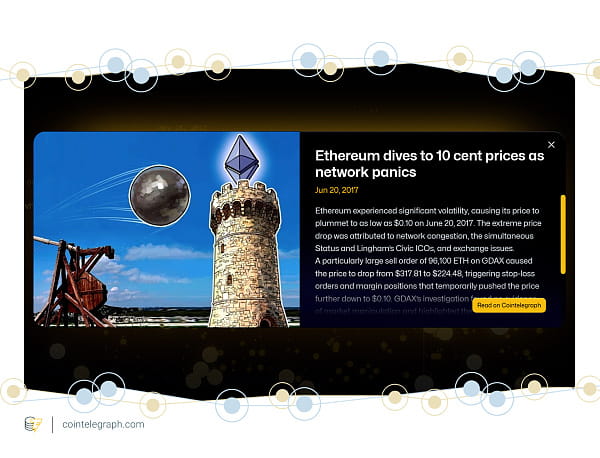
The functionality provided by Ethereum led to a rapid increase in the price of the network's native token, ether, from around $10 in January 2017 to a peak of nearly $1,400 in January of the following year.
Likewise, during the ICO boom, Ethereum’s usage increased, with ERC-20 tokens becoming the industry standard and setting the stage for Ethereum’s continued prominence in today’s crypto ecosystem.
ICO boom and legal woes
While many projects are raising money from ICOs with newly raised funds for legitimate reasons, there are still thousands of projects that are either poorly planned or outright scams, relying on hype and sketchy marketing strategies without a real roadmap or legitimacy development plan.
It was the growing number of projects that were revealed to be illegal that attracted the attention of the U.S. Securities and Exchange Commission (SEC).

Regulators first began to pay attention to issues related to ICOs in 2017, after regulators investigated a 2016 ICO organized by "The DAO" and concluded that the related sales were illegal and constituted the issuance of unregistered securities. .
In this precedent, the SEC took legal action against Block.one, the parent company of the EOS network, and ordered them to pay a $24 million fine. Similarly, the agency also ordered Telegram to pay a $18.5 million fine and return a staggering $1.2 billion to its ICO investors.
Telegram was forced to abandon the project as the native TON tokens were deemed securities. The TON network was later saved by the developer community as the project’s codebase was open source.
Follow the history of cryptocurrency!
Despite regulatory scrutiny, ICOs have played a key role in the fundraising process for some of today’s most important blockchain projects.
Notably, the ICO boom set the stage for Ethereum to dominate today’s crypto ecosystem, establishing ERC-20 tokens as the industry standard and significantly increasing developer usage of Ethereum.
In the next article, we will delve deeper into the crypto winter of 2018 and explore the most important elements of Ethereum’s evolution at the same time.