

The world of cryptocurrencies is full of events and phenomena that capture the attention of the community. One of these events is the "halving", a halving of mining rewards that occurs periodically in certain cryptocurrencies. In this article, we will focus on the halving of Litecoin, one of the oldest and most popular cryptocurrencies on the market.
Litecoin, created by Charlie Lee in October 2011, is a cryptocurrency based on blockchain technology that shares many similarities with Bitcoin. Like Bitcoin, Litecoin uses a proof-of-work algorithm to secure the network and validate transactions. However, Litecoin differs from Bitcoin in several aspects, such as faster block times and a different mining algorithm.
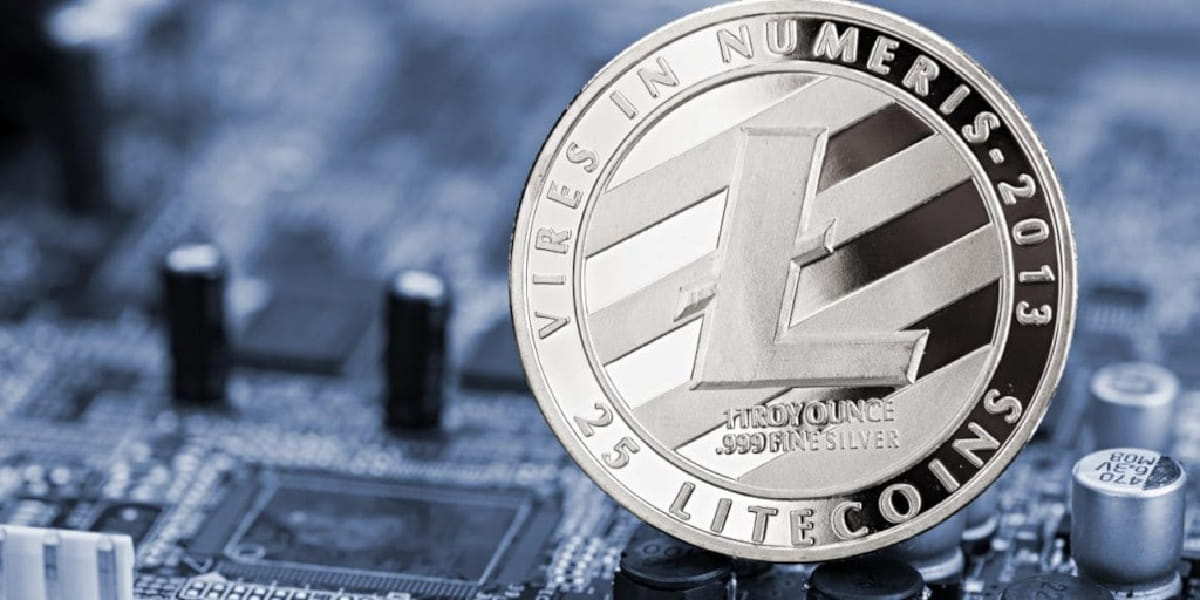
The Litecoin halving is a pre-scheduled event that occurs approximately every four years or after 840,000 blocks have been mined. During this event, the rewards that Litecoin miners receive for adding new blocks to the blockchain are halved. In other words, the amount of Litecoin that is generated as a reward for each mined block is reduced by 50%.
The main objective of the Litecoin halving is to control inflation and guarantee a limited issuance of the cryptocurrency. By reducing mining rewards, the pace of creation of new Litecoins is slowed and the total supply of the coin is approaching its maximum limit of 84 million units. This makes Litecoin a deflationary cryptocurrency compared to traditional fiat currencies.
The Litecoin halving has the potential to have a significant impact on the cryptocurrency's price and mining activity. Historically, halvings have been bullish events for cryptocurrencies, as reducing supply and increasing demand can lead to an increase in price. However, it is important to note that past performance does not guarantee future results, and the cryptocurrency market can be volatile and unpredictable.

Regarding mining, the Litecoin halving may affect the profitability of miners. With the reduction in rewards, miners will receive fewer Litecoins for their work. This can lead to a decrease in the participation of less efficient miners and a consolidation of mining activity in the hands of larger, more profitable miners. Some miners may choose to abandon Litecoin mining altogether if they do not find sufficient financial incentives.
As the Litecoin halving approaches, the crypto community is waiting in anticipation for the possible effects on the Litecoin ecosystem. Although precise predictions cannot be made, we may see