

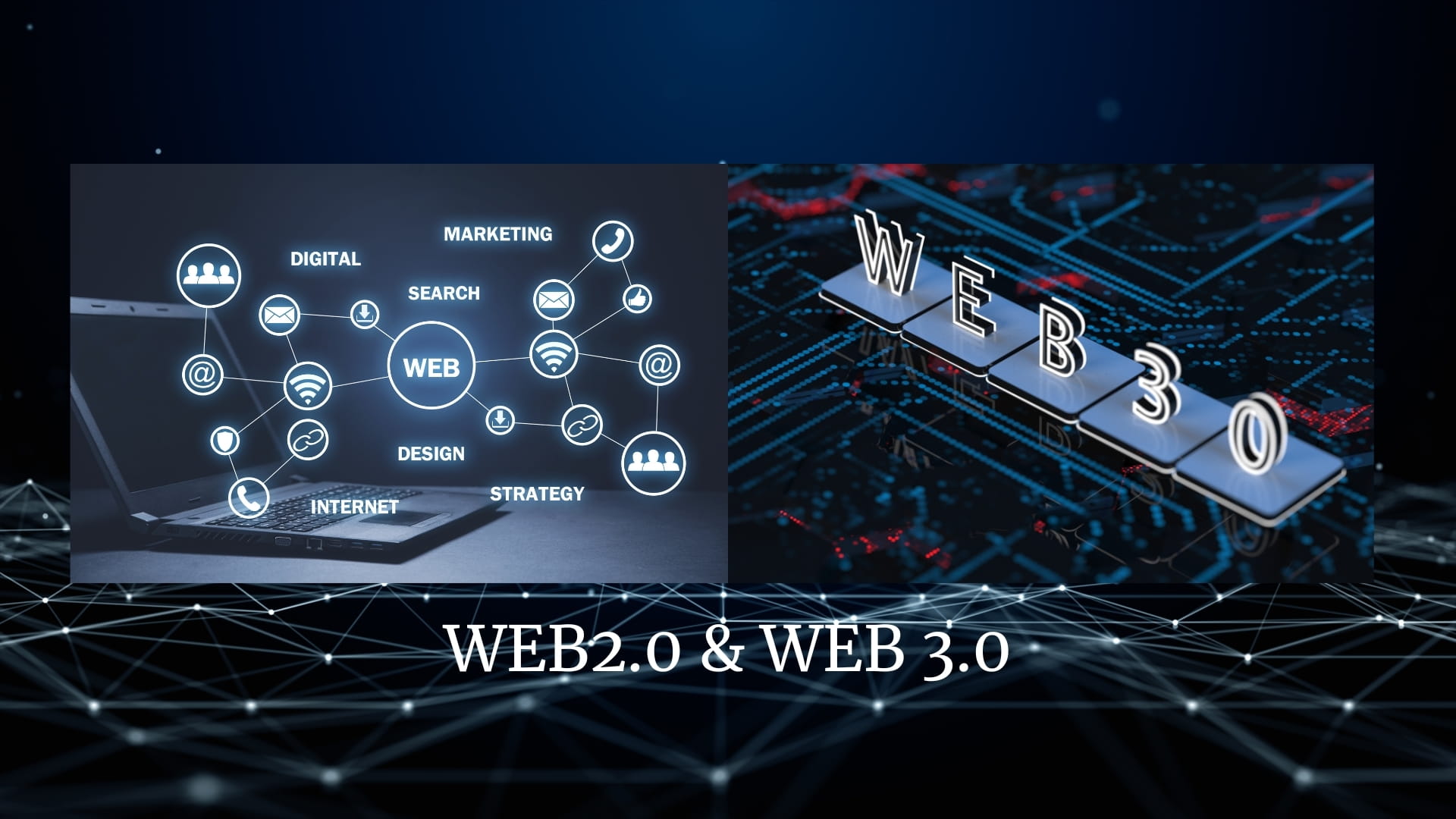
Web2 vs. Web3
Web2 and Web3 refer to different phases or iterations of the internet and the underlying technologies that power it.
Let's explore the key features and differences between Web2 and Web3:
Web2 (Web 2.0):
Web2, also known as the second generation of the internet, represents the current state of the internet that emerged in the late 1990s and early 2000s. It is characterized by the following features:
- Centralized architecture: Web2 is based on centralized servers and infrastructure owned by large corporations or organizations. These entities control platforms, applications, and data, leading to centralization of power and control.
User-generated content: Web2 introduced platforms that allowed users to create and share content, leading to the rise of social media, blogging, and video sharing platforms. Users can interact and collaborate on these platforms but do not have full ownership and control of their data.
- Client-Server Model: Web2 operates on a client-server model where clients (web browsers or applications) request and receive data from centralized servers. The server stores and processes data, and the client displays information to the user.
- Lack of interoperability: Web2 platforms often operate independently, with limited interoperability and the ability to move data between different applications. This limits the seamless flow and sharing of information across platforms.
Web3 (Web 3.0):
Web3 refers to the vision and development of the next generation of the internet, aiming to address the limitations of Web2. It focuses on the following principles:
- Decentralization: Web3 promotes decentralization, away from the concentration of power in the hands of a few entities. It leverages blockchain technology and decentralized protocols to enable peer-to-peer interaction, eliminating the need for intermediaries and promoting trust and transparency.
- User control and data ownership: Web3 empowers users by giving them ownership and control of their data. Users can decide how their data is shared and accessed, and they have the ability to monetize their data through decentralized platforms.
- Interoperability: Web3 aims to establish interoperability between different platforms and applications. It envisions a connected ecosystem where data and services can interact seamlessly and be shared across different decentralized applications (DApps).
- Smart contracts and programmability: Web3 leverages smart contracts, self-executing contracts with predefined rules, to automate transactions and enforce agreements on the blockchain. Smart contracts enable programmability, allowing developers to create decentralized applications with built-in logic and functionality.
- Cryptocurrency and token economy: Web3 combines cryptocurrency and token economy, where digital tokens are used for various purposes such as incentivizing participation, governance value and value exchange in decentralized ecosystems.
- Privacy and Security: Web3 places an emphasis on privacy and security, leveraging cryptographic techniques to protect user data and transactions. Users have more control over their identities and can interact with the internet using pseudonyms or using privacy-focused measures.
Web3 is an evolving concept and various projects and protocols are actively working to realize it. It aims to transform the internet into a more open, decentralized and user-centric ecosystem, allowing greater privacy, control and opportunity for individuals and communities.
Thank you for reading, please like and follow #Kienthuctradehold to receive more valuable information.
