

Stop watching Memecoin and check out some new stuff in DeFi.
Written by: Ignas
Compiled by: Luffy, Foresight News
Stop watching Memecoin and check out what’s new in the DeFi space. I’ve discovered some new DeFi trends by tracking VC funding flows, and here are 5 innovative DeFi projects that just raised funds.
Crypto Market Funding Overview in April
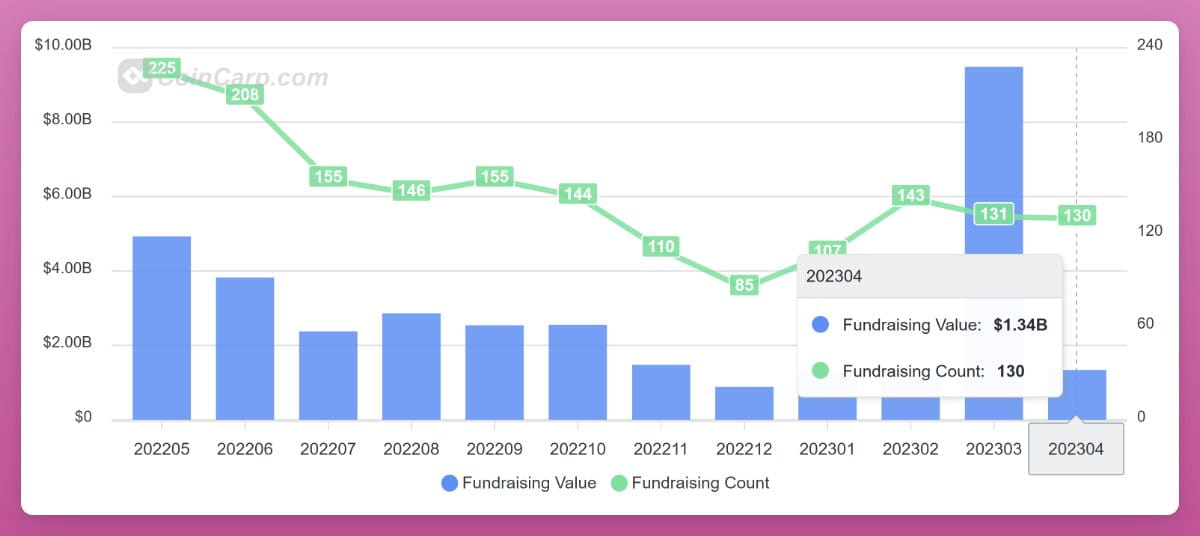
In April, the crypto market had 130 financing transactions with a total value of $1.34 billion. The amount is much lower than in March, when only 4 projects (Stripe, Ledger, Matter Labs and eToro) raised $8.2 billion. Overall, there is no major trend change in the capital market.
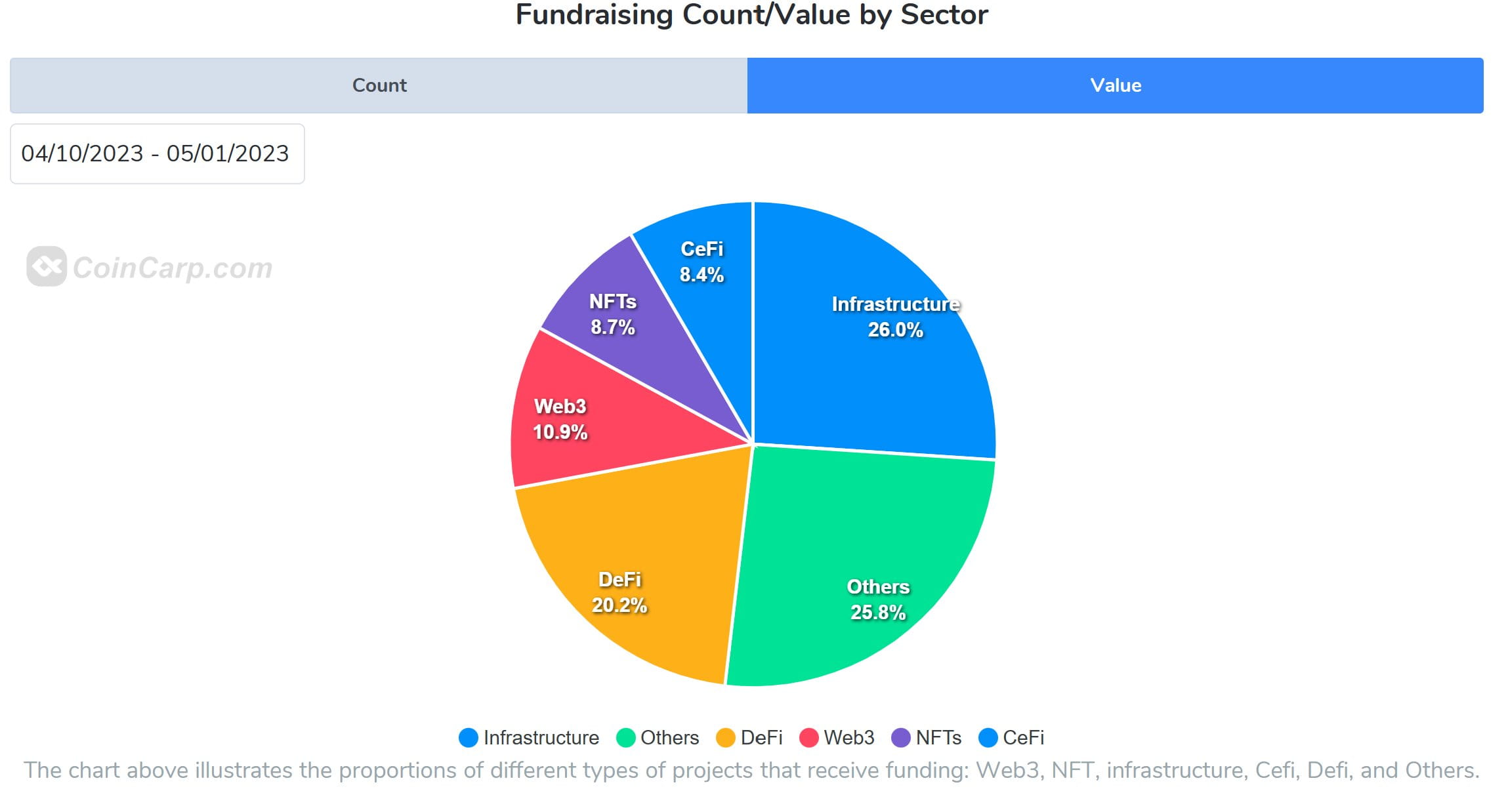
For DeFi, the dollar amount raised is trending upward.
Last month, 23 DeFi projects successfully raised funds totaling $249 million, 2.5 times more than in March. Surprisingly, the DeFi space is now more lucrative than NFT and CeFi.
I have been following the seed round investments of well-known venture capital firms, and most of the projects invested in have not yet issued tokens. I believe that these early projects that received funding during the bear market have a high chance of thriving in the bull market.
5 innovative DeFi projects that raised funds in April
Catalyst
Catalyst is a cross-chain liquidity layer that aims to connect the liquidity of any chain with the liquidity of other chains, facilitating seamless value transfer.
Catalyst supports trading of native assets (rather than wrapped tokens) and provides permissionless cross-chain liquidity pools, which is very suitable for the modular and multi-chain narrative.
The Catalyst team has raised $4.2 million from Robot Ventures, Circle, Hashkey, Spartan, and others.
Swap
Swaap Finance is a next-generation AMM that aims to solve the impermanent loss (IL) problem and reduce transaction costs through dynamic slippage and price oracles.
Swaap v1 was launched in July last year, and its WBTC/WETH/USDC pool's impermanent loss remains below 1%. They will also airdrop Swaap tokens to LPs.
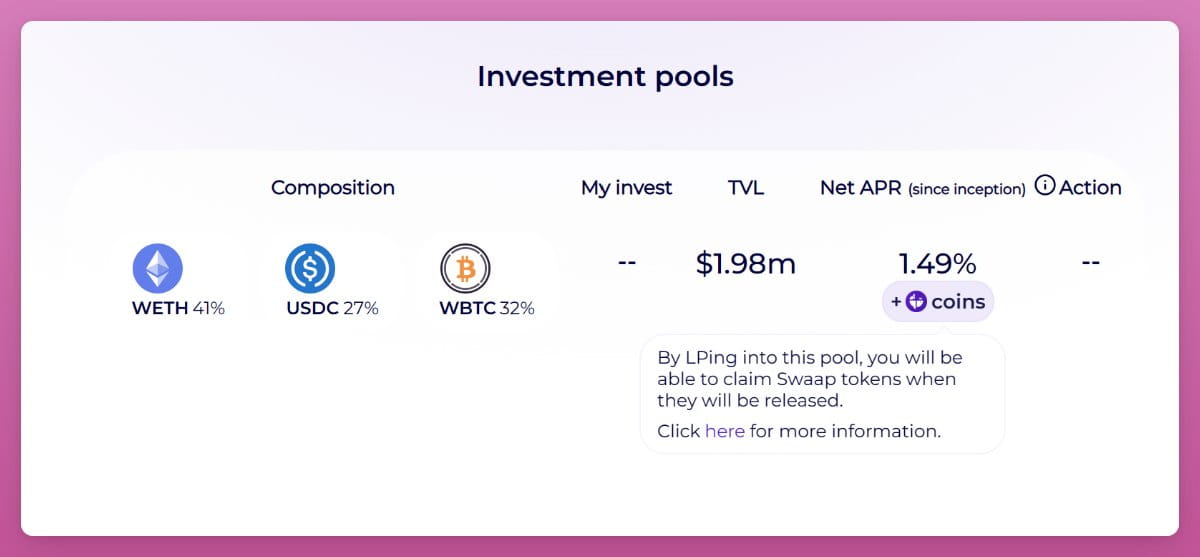
Version v2 has also been released, introducing a more advanced market-making model and more token types, supporting users to make trade-offs between high-yield and low-risk strategies.
Both Catalyst and Swaap currently have waiting lists.
The Swaap team raised $4.5 million from various venture capital firms and angel investors.
FARE Protocol
FARE Protocol is currently in “stealth mode”, their Twitter account was created 9 months ago, and their Discord is dead.
However, they just raised $6.5 million from top investors including Republic, Arrington Capital, Quantstamp, and more.
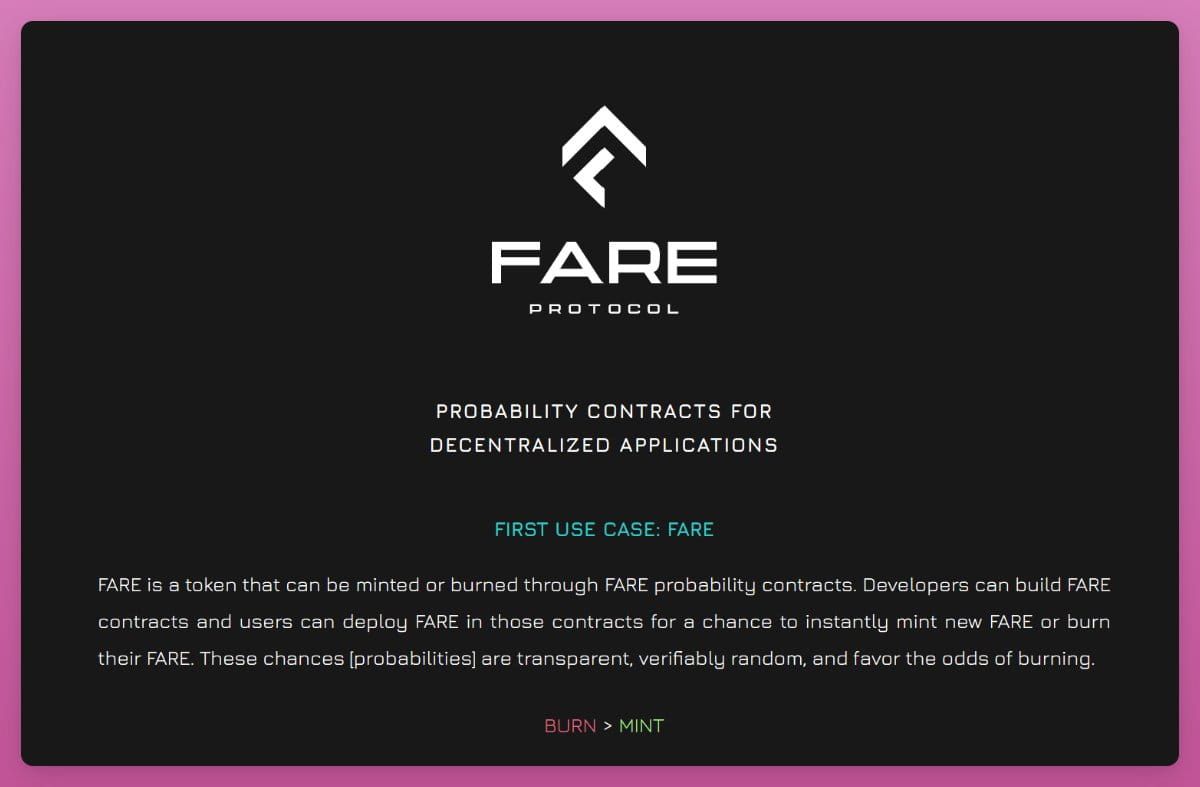
FARE uses probabilistic smart contracts to provide a new way to play with dynamic tokens. Its "win or lose" system is similar to a casino, destroying/minting FARE tokens based on transparent on-chain probabilistic events. However, all collected FARE will be redistributed instead of belonging to the dealer.
Pear Protocol
Pear Protocol is a platform that simplifies cryptocurrency pair trading, allowing users to go long one token and short another in a single transaction. Its application has not yet been launched.
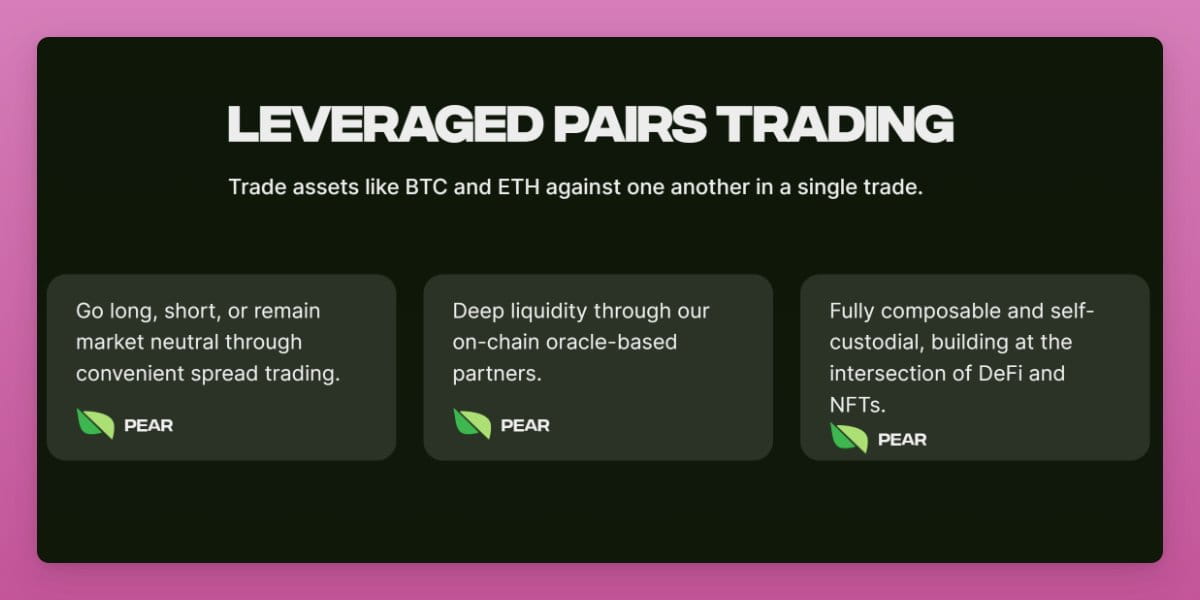
Users use USDC as collateral, select long/short leverage pairs, and execute positions in a single transaction, after which they receive ERC-721 tokens as proof of their positions.
The Pear team raised $1.25 million from Flow Ventures, Portico, and JY Capital.
Playbux.co
Playbux is very different from the projects listed above. It just raised $2 million from Binance, Gate, Tron, Certik, and others, and is already the 12th most active crypto dApp by wallet activity.
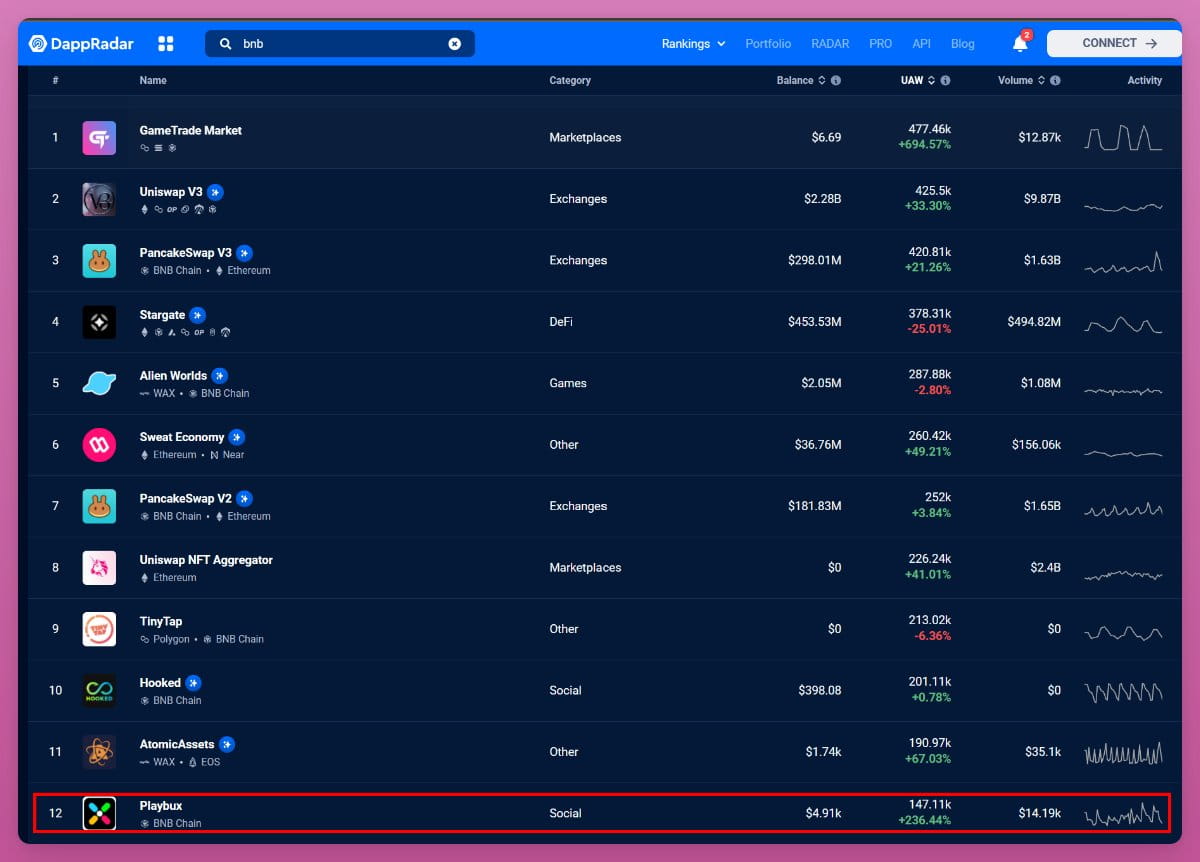
Playbux is a two-layer protocol:
First, it is a metaverse platform where users can buy and spend BRK to play claw machines. You can win rare NFTs and trade them on the NFT marketplace.
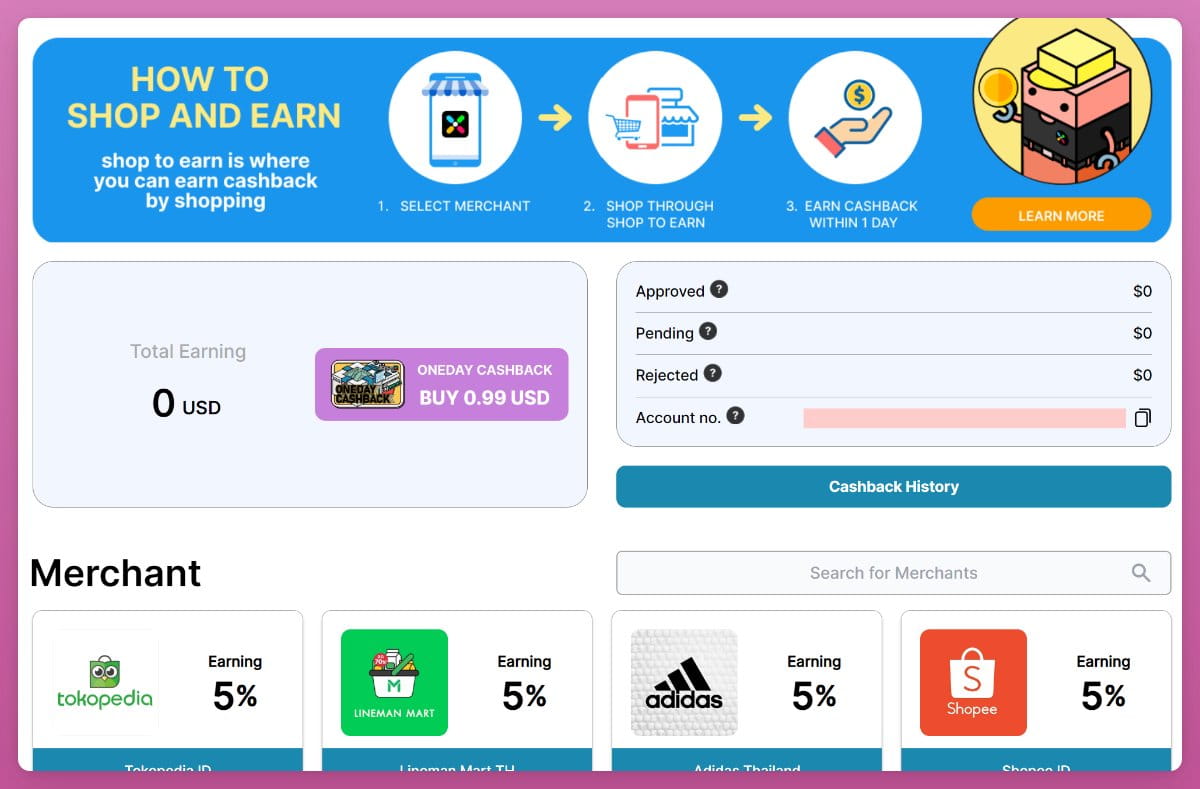
Secondly, it is a shopping cashback platform where you can use BUSD to shop online and get 5% cashback.
The platform currently supports more than 20,000 merchants including AliExpress and Alibaba.
You can use the BUSD you earn in games or cash it out. Most of Playbux’s users are from Asia.

There are more fresh DeFi applications, but most of them are complex and target a small subset of crypto users. DApps like Playbux bring in new users who are looking for tangible benefits. They are sensitive to gas fees and don’t care which chain is used.