
大丽7613
1.8k Posts

大丽7613
 Square Verified+
Report
Block User
Web3.AI.RWA丨币安活跃创作者丨BTC与BNB持有者丨,每日11.40-14.00点广场&推特X@tll7613丨AMA项目合作--币安广场直播打包宣发
5.4K+ Following
93.4K+ Followers
109.3K+ Liked
Posts
All
Quotes
Videos
Live

PINNED
·
--
Verified
News of Jensen Huang’s resignation set the market ablaze—Nvidia plunged!
NVDA quickly rebounded after dipping to the key 150 support zone.
The broader market is under pressure too. Strange things keep piling up lately, and retail investors are having a tough time.
News of Jensen Huang’s resignation set the market ablaze—Nvidia plunged!
NVDA quickly rebounded after dipping to the key 150 support zone.
The broader market is under pressure too. Strange things keep piling up lately, and retail investors are having a tough time.
NVDA quickly rebounded after dipping to the key 150 support zone.
The broader market is under pressure too. Strange things keep piling up lately, and retail investors are having a tough time.

3.7k
14
203
3.7k
·
--
🎙️ A sharp Tier 1 drop—is now the time to build a position in BNCB? BNB

End
03 h 06 m 12 s
6.6k
18
20

·
--
Verified
Is Nvidia’s biggest buy-the-dip opportunity of the year here?
The stock’s performance right now is nothing short of brutal. Nvidia lost $470 billion in market cap in two days, with its share price falling from a high of $243 to $167—a decline of more than 30%!
The reason for the drop seems far-fetched, but the issue is already gaining traction: Jensen Huang has been drawn into espionage-related suspicions. What the market fears most isn’t bad news that has already materialized, but unknowns and uncertainty.
So, is Nvidia a buy at these levels?
Let’s take a calm look at the fundamentals: revenue last quarter was $96.2 billion, more than double year over year. The company’s revenue forecast for this quarter is $108 billion—and that doesn’t even include the Chinese market.
Now let’s look at valuation: at its peak, its forward P/E was around 18. Now it’s down to roughly 12—just one-third of its five-year average of 36, and near its lowest valuation in more than a decade. A company whose revenue is still doubling is valued even lower than Walmart.
Remember the DeepSeek episode last January?
A homegrown Chinese large language model burst onto the scene, and the market turned bearish on computing power. Nvidia plunged 17% in a single day, losing $590 billion in market value—the biggest single-day market-cap drop in U.S. stock market history.
And what happened? Six months later, Nvidia hit new highs, with its market cap surpassing $4 trillion. Many people who panic-sold back then ended up buying back in at much higher prices.
Signals from the White House are also crucial. Asked whether Jensen Huang should remain CEO, Trump said directly: “I think he should, of course.” The White House has no current plans to take action against Nvidia.
So my view is that this turmoil will eventually pass. I plan to build a position in stages while the market is gripped by fear. When a stock is unfairly punished by sentiment, recovery often takes months, so there’s no need to rush into a position.
Looking at the chart, the price has now pulled back to the $160–$170 range, a previous low and the first support level, where you could consider making an initial purchase. The next strong support is around $150. If it falls to that level, it would be an even better buying opportunity—if the market gives us the chance.
There’s still plenty of uncertainty, so remember to enter in stages. There’s another key test next week: Nvidia will report earnings after the market closes on November 17, U.S. Eastern Time. Whether the final figures will be good or bad remains to be seen.
3.5k
16
250
3.5k
·
--
Verified
U.S. stocks are broadly up, but Bitcoin hasn’t budged? We’ve found the answer! Has SOL hit bottom? Let’s break it down 👇
1. Many people still haven’t understood the hidden bearish factor behind this crypto market move: trouble at MicroStrategy is directly weighing on Bitcoin. What exactly happened?
2. The index can make you—and break you. MicroStrategy is highly likely to be removed from the MSCI index on November 11, bringing with it $2.8 billion in passive selling pressure. This is at the heart of the current contradiction: U.S. stocks are surging, but Bitcoin isn’t following suit. If U.S. stocks turn down, crypto will come under even more pressure.
3. Look at it another way: once the bearish news is priced in, it could open a window for a rebound. This is a classic event-driven market move: prices remain under pressure ahead of the event, but once the bearish news is confirmed on the 11th, the market could turn around. This is one to watch closely.
4. Now let’s look at key support levels: Bitcoin has strong support at $72,500, SOL around $84, and ETH at $2,000. With the event catalyst and key price levels drawing closer, the rebound potential is worth keeping an eye on.
5. I’ve also been tracking U.S. stocks lately. Yesterday before the market opened, I shared positions in QQQ, Micron, Intel, and Nvidia. They all rallied after the market opened last night, with Micron and Intel jumping 6%! There’s still room to run, but you could take some profits on part of your position in the short term.
3.4k
16
233
3.4k
·
--
◢ BOSS|A community uprising the whole network must see ◣
━━━━━━━━━━━━━━
An on-chain capital-building project
with “boardroom ambition”
Starting from the BNB ecosystem, focused on BNC
Using a shareholder mindset to broaden the community’s capital horizons
▰ The next stage of consensus is a shared stage for building together
━━━━━━━━━━━━━━
An on-chain capital-building project
with “boardroom ambition”
Starting from the BNB ecosystem, focused on BNC
Using a shareholder mindset to broaden the community’s capital horizons
▰ The next stage of consensus is a shared stage for building together



4.3k
20
281
4.3k
·
--
🎙️ BOSS Moves from On-Chain to Capital Markets AMA

End
02 h 36 m 06 s
10.9k
30
8
·
--
Many people are discussing whether BTC has bottomed. Here are my observations on the market.
As the broader market came under pressure, BTC retested its lows and showed relatively strong resilience. It has now reached a key support area from earlier, but whether it can stabilize remains to be seen.
Many people are discussing whether BTC has bottomed. Here are my observations on the market.
As the broader market came under pressure, BTC retested its lows and showed relatively strong resilience. It has now reached a key support area from earlier, but whether it can stabilize remains to be seen.
As the broader market came under pressure, BTC retested its lows and showed relatively strong resilience. It has now reached a key support area from earlier, but whether it can stabilize remains to be seen.
4.3k
23
275
4.3k
·
--
BTC has reached 78,500. Can it continue moving higher from here? By contrast, Sol has remained weak. What’s really going on?
Let’s start with Sol. Many of you probably know that its price swings are usually much larger than BTC’s. For example, if BTC rises 50%, and Sol goes from 60 to 120, that’s a 100% gain. This volatility can also work in the other direction during a downturn.
If BTC pulls back, Sol’s price swings may be more pronounced. Because of this greater volatility, many market participants are watching closely to see how much ground it could recover. Of course, this is just a market observation and doesn’t mean that any particular move is certain.
Now let’s look at BTC. This rebound has already reached its first target of 78,500, where there is some selling pressure, making an immediate breakout unlikely. As I’ve mentioned before, when the price reaches a resistance area, it’s worth watching how buyers and sellers interact.
As for where the market goes from here, different people use different frameworks to assess it. Some focus on how the market behaves around key price levels, while others pay more attention to macroeconomic conditions and changes in capital flows. No method can guarantee an accurate market forecast.
Markets change rapidly. This content is only a review of my personal market views and does not constitute investment advice. Cryptocurrencies carry extremely high risks, so please approach them rationally.
5.6k
25
292
5.6k
·
--
Partly True
A new chapter for the StockFi sector officially begins!
As traditional U.S. stock assets meet on-chain finance, StockFi is emerging as a new narrative.
Flying Squirrel is coming to BNB Smart Chain and will launch on the FLAP platform on November 2, from 15:00 to 19:00.
The project is led by multiple institutions and backed by capital, with a clear strategy and strong value-driven leadership.
As a co-building community, Mars Guild continues to foster consensus through education, talent incubation, and ecosystem empowerment.

4.9k
28
335
4.9k
·
--
🎙️ Flying Squirrel: From On-Chain to Capital AMA

End
02 h 34 m 35 s
12.5k
48
9
·
--
🎙️ Boss Moves from On-Chain to Capital Markets AMA

End
02 h 16 m 19 s
11k
39
9
·
--
BOSS Community is making its mark on the BNC U.S. stock board 👀
The buzz is heating up—what’s next?
IEO updates × a mysterious Halloween surprise 🎃
🗓 October 31, 11:40–14:00
Join my Binance Square livestream to find out! 💛
BOSS Community is making its mark on the BNC U.S. stock board 👀
The buzz is heating up—what’s next?
IEO updates × a mysterious Halloween surprise 🎃
🗓 October 31, 11:40–14:00
Join my Binance Square livestream to find out! 💛
The buzz is heating up—what’s next?
IEO updates × a mysterious Halloween surprise 🎃
🗓 October 31, 11:40–14:00
Join my Binance Square livestream to find out! 💛

4.9k
29
308
4.9k
·
--
Verified
😢 Woke up to news that Binance had been hacked, and BTC plunged in response.
The market had anticipated countless possibilities, but no one expected this sudden black swan event. Rumors online put the amount stolen at 5 billion, but fortunately, half the funds have been successfully frozen. The actual losses are manageable, and the platform has promised full compensation. Exchanges have suffered hacks before, too.
Bitcoin has strong support around 76,400, with the previous low of 75,000 as another key level. Spot buyers can look for opportunities to build positions in stages. For those waiting to buy the dip, this unexpected drop has created a chance to enter at lower prices.
The crypto market's recovery will most likely be delayed by a few weeks—good things take time. Once we weather this period of volatility, the market may have a chance to move higher.
4.6k
16
249
4.6k
·
--
Is Wall Street quietly moving in? As Bitcoin continues to languish, ETF funds are starting to buy heavily! What exactly is happening behind the scenes?
1. As the chart shows, Wall Street has chosen this moment to buy the dip. After several weeks of sustained net outflows, Bitcoin ETFs have turned to net inflows, with average purchases of $500 million over the past five days! Does this mean BTC is about to rebound?
2. An opportunity is gradually approaching! Bitcoin has been in a prolonged downtrend for over a month, and as the correction drags on, the odds of a rebound are rising. Even in a bear market, an extended decline is often followed by a recovery bounce. Most investors looking to take profits have already cashed out and left, so a Bitcoin rebound could kick off at any moment—all it needs is some positive news to ignite the market!
3. Keep an eye on two key windows: the Fed’s policy meeting, from Wednesday night into the early hours of Thursday next week. If the Fed holds rates steady, the market will likely price in expectations of a rebound. Also worth watching is the PCE inflation data at 8:30 p.m. Thursday. As long as inflation doesn’t come in higher than expected, it should be positive for the market.
4. From a candlestick-chart perspective, Bitcoin’s major resistance is currently at $84,000, with secondary resistance around $82,500—you can see it on the chart. We previously opened short positions several times at these two levels. If the market tests them again, those holding long positions may consider trimming some of their positions. More aggressive traders could try a small short position.
4.7k
20
295
4.7k
·
--
Is Bitcoin saved? Oil prices pull back—could a rebound be coming? 👀
Over the weekend, U.S. crude briefly surged to $105. Geopolitical tensions pushed up oil prices and weighed on global risk assets. Then, as news developments shifted, oil prices plunged 5% in a single day, while U.S. stocks and crypto markets showed signs of recovery.
Many people are wondering: where will BTC go from here?
Recent geopolitical events show just how strongly macro news can affect risk assets. But there’s one trend worth watching: despite a barrage of negative news lately—with U.S.-Iran tensions and the Red Sea situation taking turns rattling markets—Bitcoin’s losses have been relatively limited. It pulled back only slightly, from around $82,000 to $80,000, showing some resilience compared with U.S. stocks.
If negative news can’t push prices much lower, any positive catalysts that emerge could give the market room to rebound.
From a technical perspective, keep an eye on the key support zone around $78,200, an area where market participants are likely to be closely watching price action.
As for oil, we had previously observed a five-wave upward structure. The fifth wave was nearing its peak, after which prices pulled back. The timing of this latest macro-driven move is worth reviewing.
But let’s stay clear-eyed: geopolitical tensions could flare up again at any time, while inflation data and policy expectations remain uncertain. There are no guarantees in the market.
All market observations are for my personal review only and do not constitute any recommendation to buy or sell. Crypto assets are highly volatile and carry significant risk, so be sure to manage your position size and only trade within your means.
4.3k
15
310
4.3k

·
--
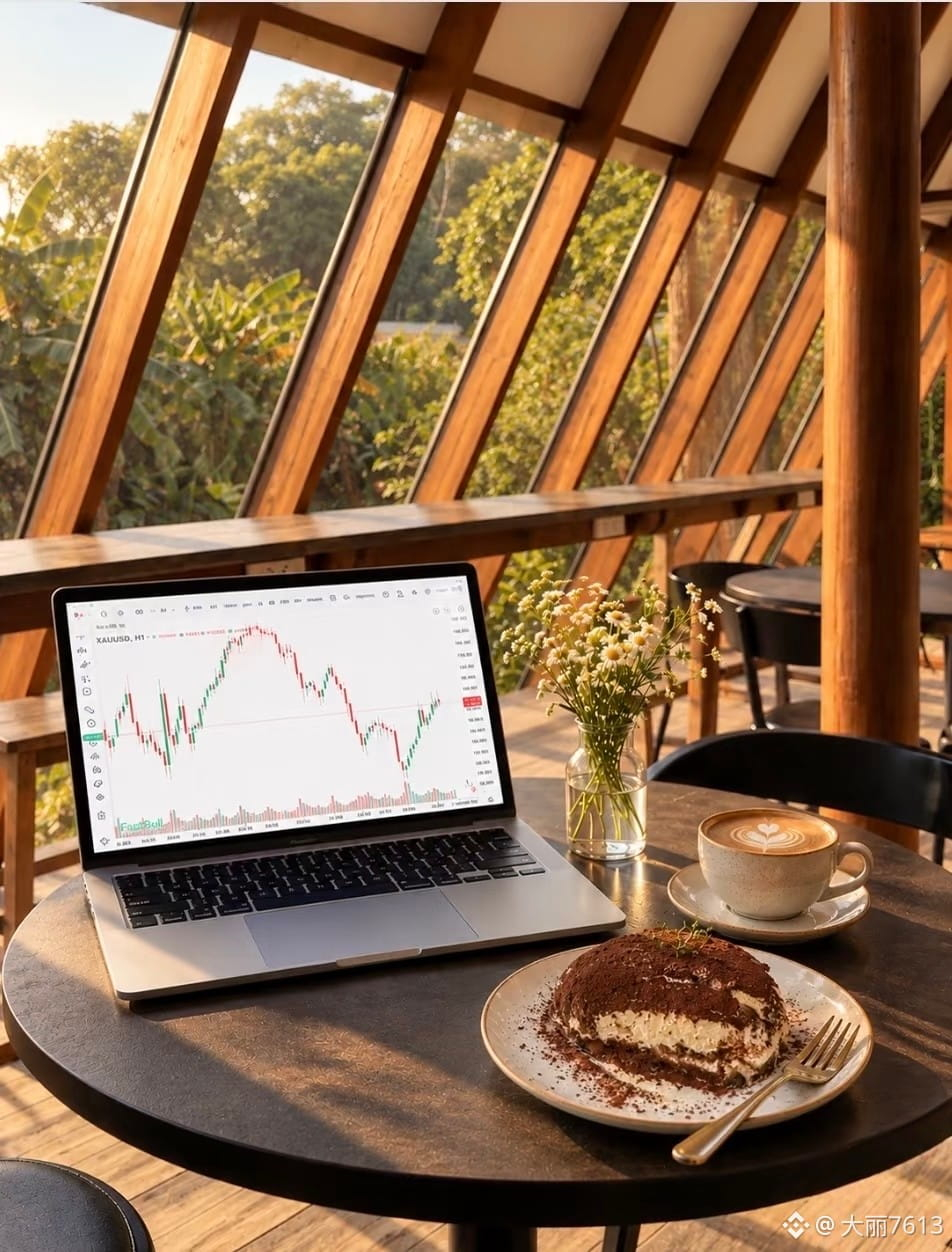
Everyone, please help by voting. Thank you all 😍😍😍😍
Everyone, please help by voting. Thank you all 😍😍😍😍


5.7k
44
410
5.7k
·
--
I dedicate this song to everyone who shares the CZ community’s vision, and to all those who remain steadfast in pursuing their dreams❗
I dedicate this song to everyone who shares the CZ community’s vision, and to all those who remain steadfast in pursuing their dreams❗

5k
62
376
5k
Log in to explore more content
Join global crypto users on Binance Square
⚡️ Get latest and useful information about crypto.
💬 Trusted by the world’s largest crypto exchange.
👍 Discover real insights from verified creators.
Email / Phone number
Trending Topics
USPPIMissMayEaseBTCPressure
31,844 views
624 Discussing
US PPI Rises 6.5% a Year in October, Slightly Below 6.6% Forecast
Binance News
·17 Likes
·15.7k views
BitcoinCoreDisclosesTorTrafficVulnerability
12,167 views
308 Discussing
WhatWillDriveCryptoandStocks’NextRebound?
137,030 views
1,522 Discussing