
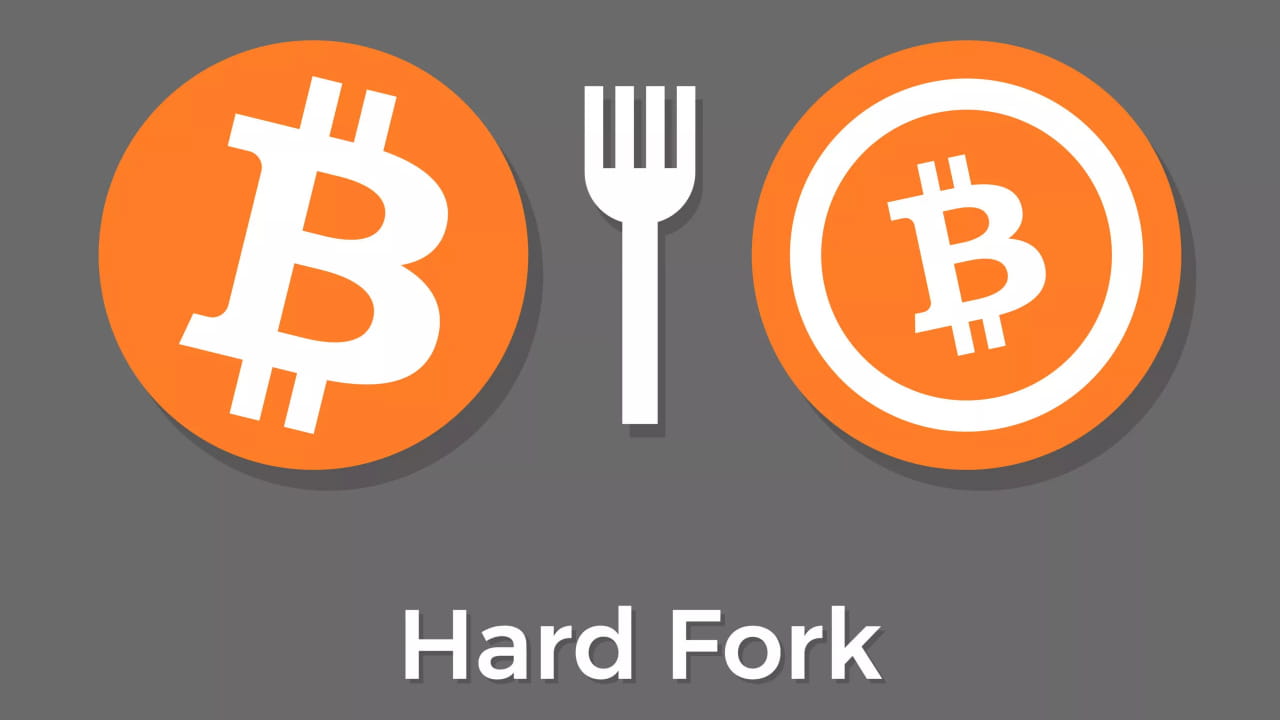

What is a Hard Fork? Hard Fork is the separation of a blockchain software from its current version in blockchain technology and the launch of a new software version that does not support the previous version. This may cause backward incompatibility in the existing blockchain of the new software version, and therefore nodes working on the previous blockchain cannot work on the new blockchain.
What is a Hard Fork?
A hard fork is often used to update or replace the existing protocol of a cryptocurrency. This may include protocol changes, such as block size or transaction confirmation times.
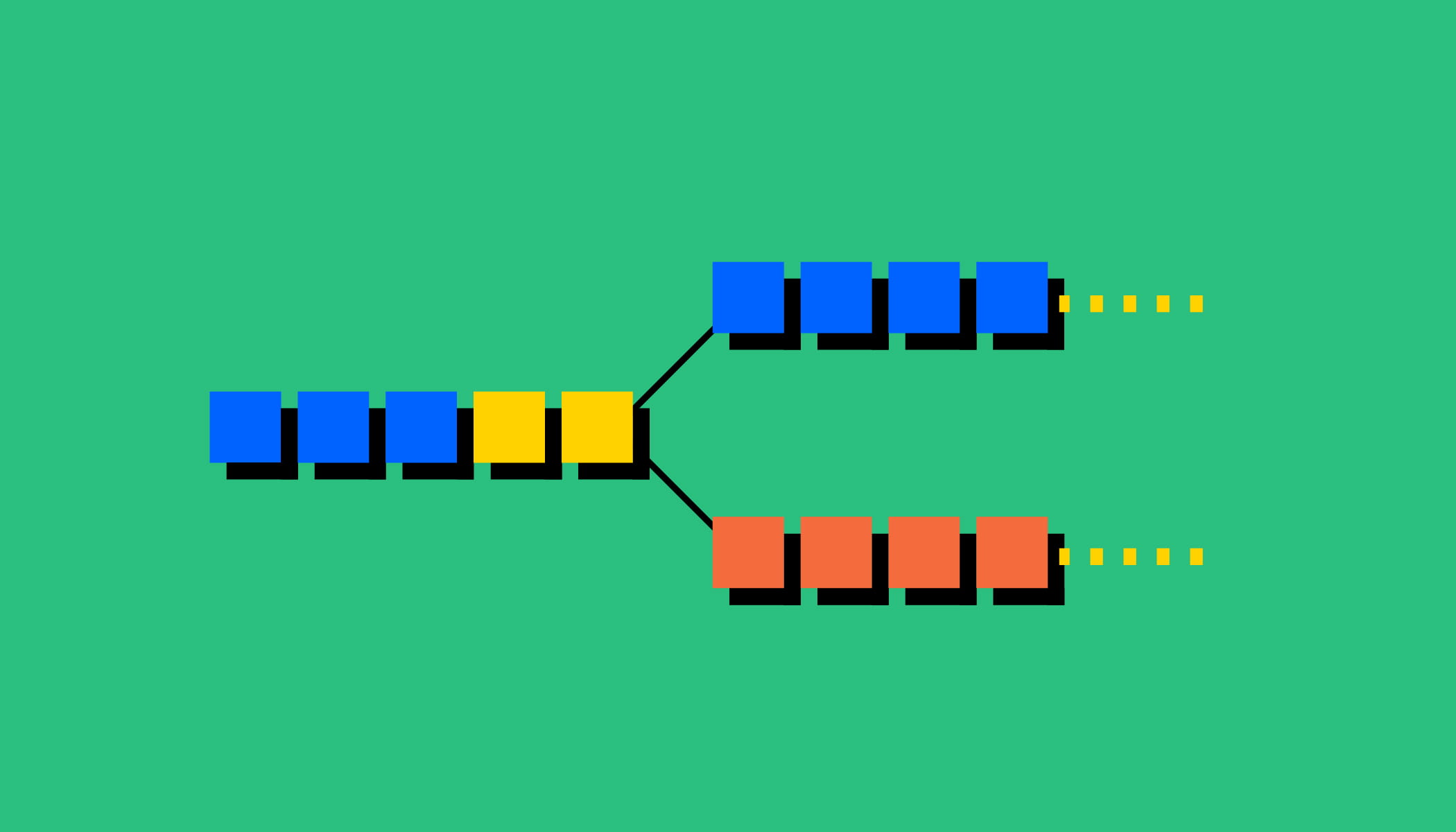
The most distinctive feature of a Hard Fork is the splitting of the blockchain. Therefore, during a Hard Fork, a cryptocurrency's blockchain may split into two separate blockchains, resulting in the creation of new cryptocurrencies or blockchains.
Hard Fork, one of the definitions used in the field of Blockchain technologies, is the name given to changes that make previously invalid blocks or certain transactions valid. The Turkish equivalent of the word is known as bifurcation.
Hard Fork means that the existing blockchain networks in the cryptocurrency market part ways in two different copies. Hard Fork also means a permanent separation of the block from previous versions.
It means that the existing Blockchain networks in the cryptocurrency market part ways as 2 different copies. These copies share the same path as of the moment they are created, and then they divide into paths and continue as independent blockchains.
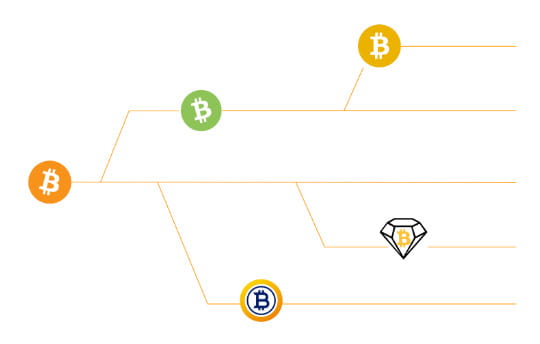
Forking begins by creating a new rule on the codes in the blockchain systems. Afterwards, the system works completely independently of each other and altcoins are created from the existing coin. Two different block chains created in the Hard Fork system can act jointly with each other, or it may come to light that one block can work independently of the other.
What causes hard fork?
Hard Fork occurs when old versions on the system are updated and new versions are renewed and approved. Hard Fork is targeted to fix important security vulnerabilities in older versions of the software and add new capabilities. Hard Fork is also a very effective method to reverse transactions.
What happens when there is a hard fork?
With Hard Fork transactions, two options come to light in the blockchain. Generally, after a hard fork, those in the old chain lose the novelty of their versions. Afterwards, versions that lose their novelty are immediately transferred to the latest version.
What is the forking process?
A forking process is an event that can occur during the implementation of protocol changes on a blockchain. This happens by changing the existing protocol in the blockchain, and this change is implemented when new blocks are generated in the chain.
Cryptocurrencies and blockchains are run by many computers and miners. These computers communicate with each other to check the accuracy of all transactions in the blockchain and help produce new blocks. Therefore, when it is desired to make a protocol change, this change must be accepted by all participants in the network.
This acceptance occurs when all network participants agree on a common denominator. If the change is accepted by everyone, the new protocol change is implemented on the chain and the blockchain continues normally. However, if the change is not accepted by all participants, the blockchain may split in two and a new fork may arise.
Therefore, the forking process is an important step when wanting to make a protocol change in a blockchain and is carried out by consensus of the participants in the entire network.