
Non-fungible tokens, or NFTs, offer a new and exciting investment opportunity. But it’s important to approach them with caution and do your research before investing.
In recent years, non-fungible tokens (NFTs) have become a hot topic in the art and digital asset world. NFTs are unique digital assets stored on a blockchain, making them immutable and impossible to copy. They are often used to represent digital art, music, videos, and other types of creative content, and are bought and sold using cryptocurrencies such as Bitcoin or Ethereum.
One of the biggest attractions of NFTs is their potential as a financial asset. Many people view NFTs as a new type of investment, similar to buying stocks or real estate. Some NFTs have sold for millions of dollars, and investors hope to profit by buying and selling NFTs at the right time.
Investing in NFTs is not without risk, however. The NFT market is still relatively new, and there is a lot of volatility and speculation involved. Prices can rise and fall quickly, and it can be challenging to predict which NFTs will maintain their value over time.
Diving Deeper into NFTs
One way to reduce the risk of investing in NFTs is to do research and invest only in projects and artists with a proven track record. Look for NFTs that are backed by well-known galleries or auction houses or created by well-known artists with a loyal following. One can also look at the underlying technology and blockchain that stores the NFT to assess its authenticity and long-term viability.
Another factor to consider when investing in NFTs is the liquidity of the market. NFTs are less liquid than other assets like stocks or bonds, so selling NFTs can be challenging if you need to access funds quickly. Holders may need to hold NFTs for a long time before selling for a profit, and there is always a risk that the market will crash before you have a chance to sell.
Despite these risks, many are excited about the potential of NFTs as a new type of investment. NFTs can disrupt traditional markets and provide new opportunities for artists and creators to monetize their work. They also offer investors a new way to diversify their portfolios and potentially profit.
For example, after the success of the first iteration, former US President Donald Trump announced the launch of a second set of NFT collectible cards on his social media platform Truth Social. Each card is priced at $99 and released on Polygon, with a total of 47,000 cards issued.
Real life opportunities
One area where NFTs are particularly promising is in gaming and virtual worlds. NFTs can represent in-game items or virtual real estate that players can buy, sell, and trade on the blockchain. This can create new economies in virtual worlds where players can earn real money for participating in games.
NFTs also have the potential to democratize the art world by allowing artists to sell their work directly to collectors without intermediaries like galleries or auction houses. This could help level the playing field for emerging artists who have traditionally struggled to get their work in front of a wider audience.
Overall, there are several reasons why NFTs could be beneficial in the long run.
First and foremost, NFTs are unique digital assets verified on a blockchain, making them rare and valuable. Holding NFTs long-term can increase the value of the asset as demand grows, just like traditional art or collectibles. This can result in a potential profit for the owner if they choose to sell the NFT later.
Second, NFTs can have sentimental or emotional value to the owner, such as owning a piece of art or a memorable moment in a video game. By holding the NFT, the owner can continue to enjoy and appreciate the asset. Third, some NFTs can also provide ongoing benefits or rewards to the owner, such as access to exclusive content or events. By holding the NFT, the owner can continue to receive these benefits.
Long-term impact as a financial investment
NFTs have surged in popularity and interest as potential financial assets. Many people are investing in NFTs not only for the unique digital assets but also for potential long-term profits.
In a report shared with BeInCrypto, it was noted that 39% of NFT buyers are motivated by long-term profit factors.
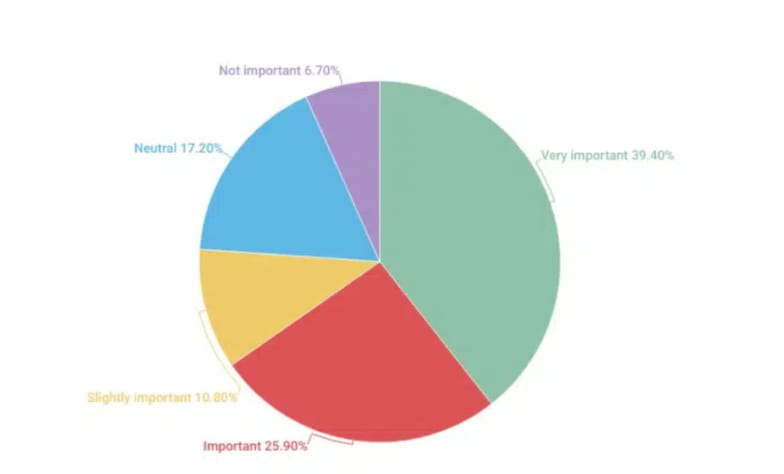
The analysis also found that three-quarters of NFT holders consider the utility of a collectible before purchasing it. Additionally, 68.80% of buyers said they purchased NFTs because they wanted to join a community, suggesting that people are using their investments to support projects and ideas they believe in.
Finally, personal passion for the collecting business model and artwork was cited as a reason for purchase.