
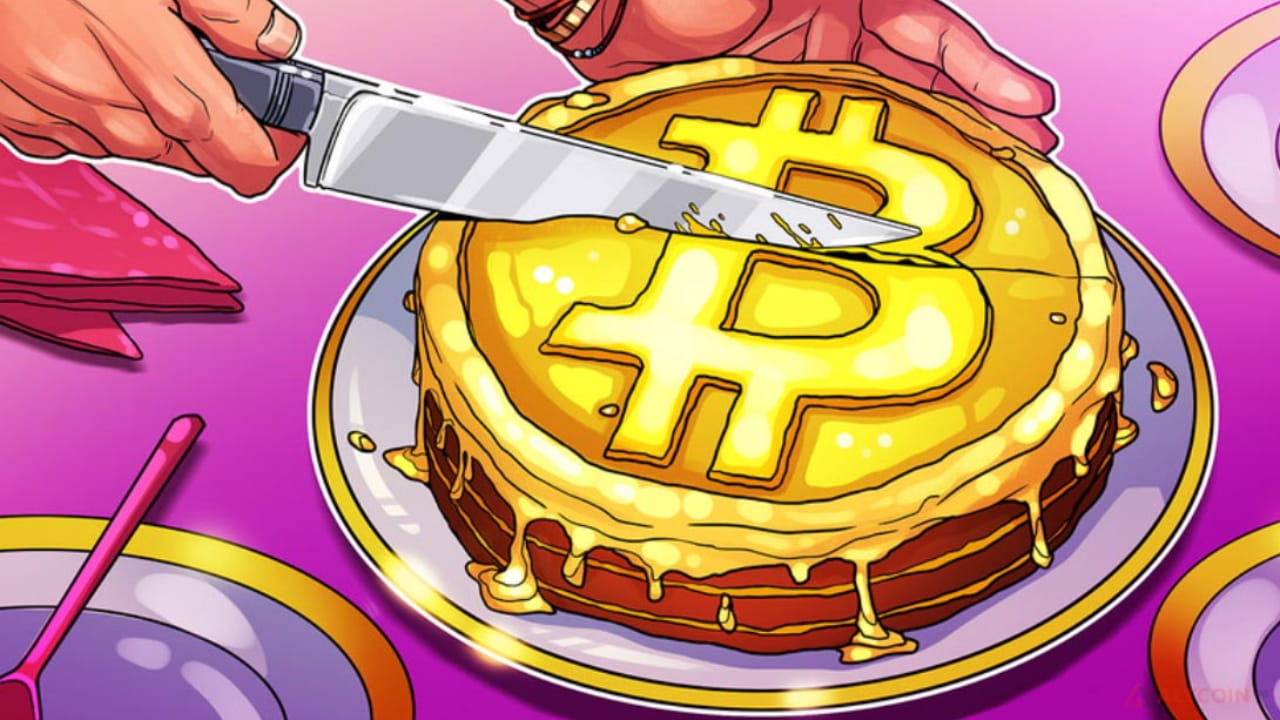
The consequences are most strongly reflected in the Bitcoin exchange rate. If you know the halving date, you can buy coins in advance and then sell them at the peak of speculative price growth and get a profit.
The last time the halving took place was at 10 pm on May 11, 2020, and the event attracted public attention. We are talking about a mechanism embedded in the program code, which is designed to slow down the rate of generation of new coins in the BTC blockchain network. The reward for a signed block will decrease. In the Bitcoin network, halving takes place every 4 years, and the payout for discovered blocks is halved. The term halving in English means “halving”.
Impact of halving
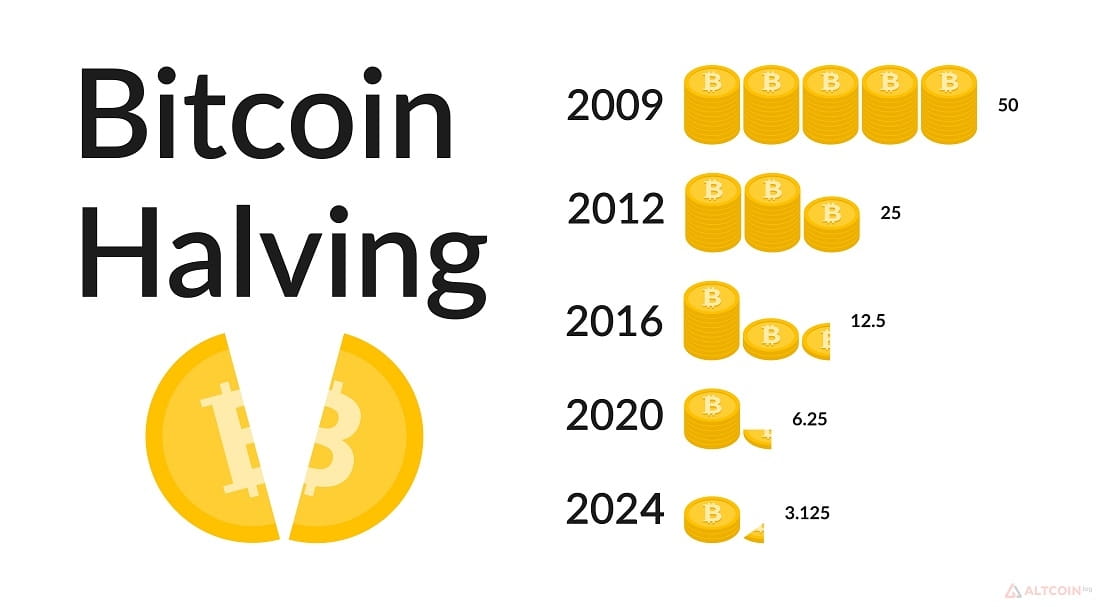
At first, the reward for a block was 50 coins; at first, the cryptocurrency was really worth practically nothing, and many were skeptical about it. Halving has been held 3 times in history. In 2020, the Bitcoin rate reached a maximum of $68,789. The price of the asset began to decline: there was a time when it was below $20,000, but then the amount increased again.
The scheme is simple: the more expensive Bitcoin costs, the more profitable it is to make money from mining. And halving acts as an incentive to create more efficient equipment and improve software to mine and store bitcoins. The more reliable the network, the greater the prospects for the digital coin.
When is the next halving
Practice shows that, despite all the inconveniences, halving has a positive effect on the value of digital assets. But at the same time, ineffective mining farms are eliminated. One way or another, halving protects the BTC cryptocurrency from inflation; the maximum production limit is still 21 million coins.
Halving starts on a specific block. It occurs when the chain reaches the desired length. Since the average block time is built into the code, experts calculated the approximate date of the next so-called halving. This will happen in more than 400 days. You can find the countdown timer here https://academy.binance.com/ru/halving.
How inflation works
Due to an excessive increase in the amount of money, it depreciates. This is how inflation happens, but Bitcoin has a different structure. BTC inflation is at 0.01%. The highest level was recorded in 2014, and the lowest inflation rate was in 2018: 0.038% and 0.009%, respectively.
How will halving affect mining?
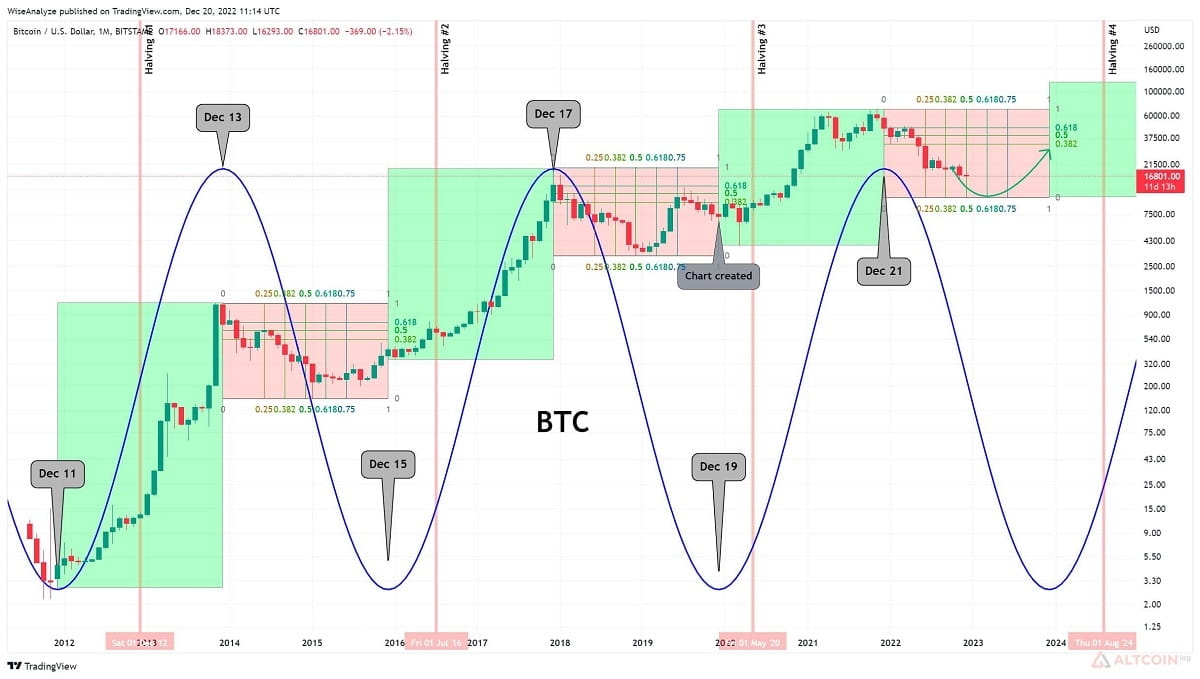
As of April 16, 2023, 19,347,687 BTC have been mined. This means that miners will be able to mine less than 2 million coins. Experts believe that the block reward will no longer be issued in 117 years.
Everyone understands that the more expensive the cryptocurrency is, the more people will want to mine it. Competition increases and the process of earning money becomes more difficult for miners.
Halving is reducing the profitability of the search for digital gold, but this will not last long. Those who are serious about mining understand that the process of mining crypto coins is considered an investment on a long-term basis. Demand for digital currency will increase after the fall. If halvings were not carried out periodically, the market would be oversaturated.
Given past experience, most experts are confident that the new halving will strengthen the BTC ecosystem. There is speculation that Bitcoin will be worth $100,000 in 2025.
It is important to understand that any forecast cannot guarantee 100% that such a picture will happen in the future. The halving of the block reward on the Bitcoin network is a significant development, but the consequences are still unpredictable.
Conclusion
The only thing that can be confidently stated now is that there is no reason to panic. Halving in 2012 and 2016 did not cause a disaster, and there will not be one next year. In the most negative scenario, there will be no death of the crypto industry. The industry could be destroyed along with the World Wide Web, and no one is interested in this. Most likely, Bitcoin will stabilize and then begin to grow, but you should not count on rapid and huge growth.