

Lately, I keep thinking of a certain scene.
There were hundreds of people in a group. One person wrote posts, answered questions, brought people in, and patiently explained things to each newcomer, day after day. He did that for three months, and hardly anyone ever said thank you.
One day, he was tired, so he didn’t write anything that day.
Someone in the group immediately asked: “Why is there no content today? Is something wrong? Are you going to leave?”
No one asked, “Is he sick?”
1. A Dinner That Wasn’t Made
I thought about this for a long time, and in the end, I came up with a very ordinary analogy.
A mother cooked for her child for ten years. In all that time, no one ever said, “Thank you, Mom.” The child thought the food was simply supposed to be on the table—that it was only natural.
Then one day, she had to work late and didn’t have time to do it.
When the child got home, the first thing they said wasn’t “Mom, are you okay?” It was “Where’s the food?”
The things she had done for ten years were remembered as “what she was supposed to do”; the one time she didn’t do them was remembered as “neglecting her duty.”
What hurts most isn’t the child’s complaint, but how automatic it is. The child doesn’t even think there’s anything wrong with it; they’re just saying they’re hungry.
This is what I see in so many things. The longer you give, the more you become like air. No one notices the air until they can’t breathe.
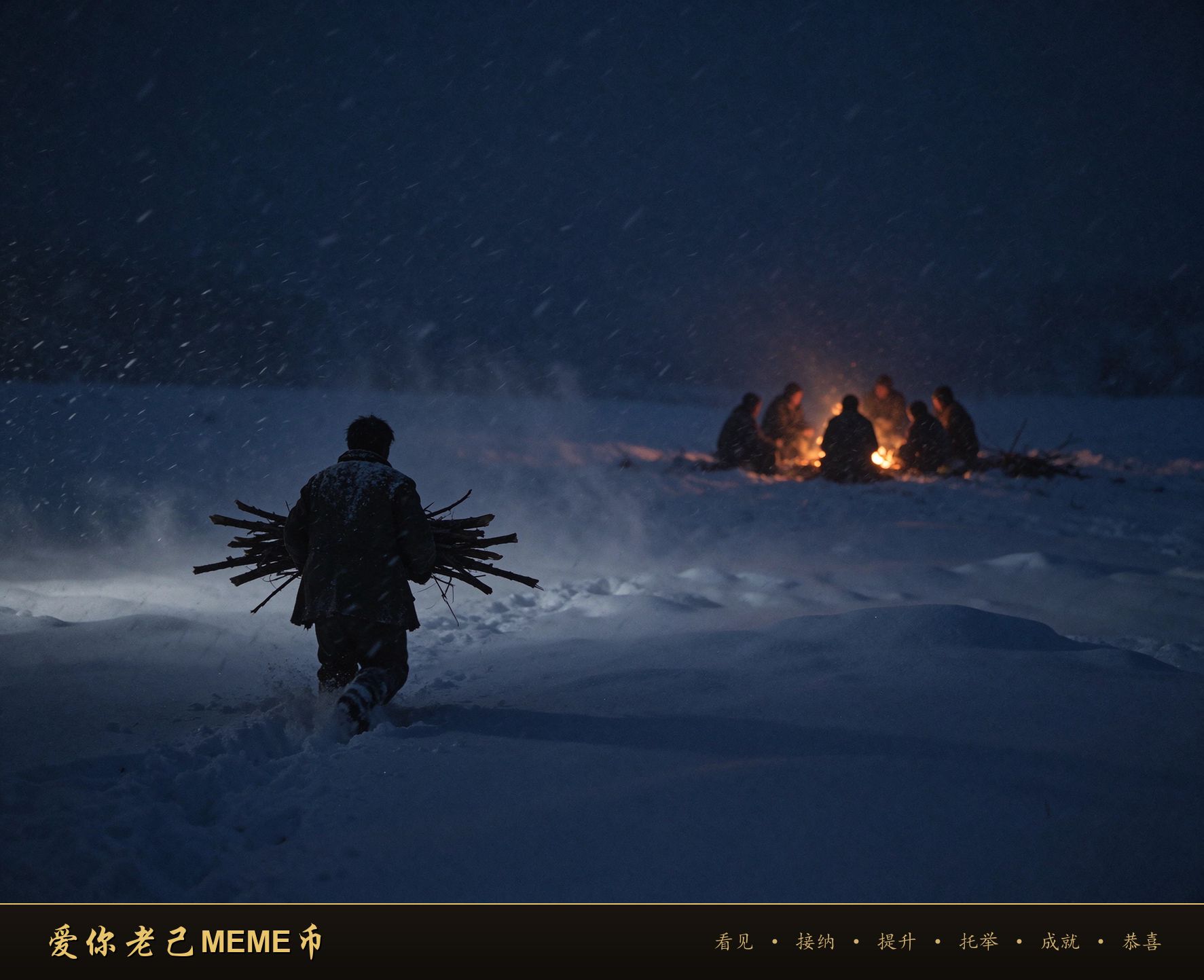
The person carrying the firewood shouldn’t have to be alone.
II. Achievements become routine; mistakes become personal
Later, I broke this down and realized there are actually two mechanisms at work.
The first: once expectations take hold, achievements become routine.
When someone gives consistently, the people around them start treating that effort as part of the “default settings.” Default settings don’t need to be thanked for, just as you don’t thank the tap water every day. As a result, the only thing people notice about the person doing the work is their mistakes; the everyday effort goes unseen.
The second: people apply a double standard when assigning blame or credit.
When things go well, people tend to credit themselves—their good judgment, good luck, or sound decisions. When things go badly, they tend to blame the person doing the work—they’re incompetent, they didn’t try hard enough, they’re all talk.
This is especially common in communities: if the coin goes up, “I called it”; if it doesn’t, “he’s no good.”
Put those two things together, and you get a pretty bleak pattern: the more you do, the more likely you are to get criticized; the less you do, the safer you are.
So look at what the truly clever people in many circles learn to do: keep a low profile, stay out of sight, and coast whenever they can. It’s not that they’re lazy; they’ve done the math. The more you do, the more mistakes you can make. Doing more doesn’t necessarily mean getting more in return—it may just mean making more people resent you.
That’s also why so few people in the crypto industry are willing to create content, spread the word, or build communities over the long term. It’s not that no one can write; it’s that the work brings no reward and little appreciation.
III. This structure has a name: free-riding
At this point, I want to give you something more concrete.
In 1965, an American scholar raised a question in *The Logic of Collective Action*: when a group of people clearly share common interests, why is it that so often none of them is willing to contribute?
His answer was free-riding.
It’s not complicated. Once certain things are created, you can’t stop others from using them—that’s called non-excludability. And one more person using them doesn’t leave less for anyone else—that’s called non-rivalry. Put those two together, and you get the effect: whether I contribute or not makes almost no difference to this big undertaking, but either way, I still get to enjoy the results.
So what’s the optimal choice? Don’t contribute. Let others do the work, and take the benefits anyway.
Each individual is rational, but put them together and you get collective irrationality. There’s an old Chinese saying that put it perfectly long ago: Three monks, and no one fetches water.
There’s another factor that amplifies the problem: the more people there are, the fewer people do the work. In a small group, everyone can see who’s pitching in and who isn’t, so slacking has a cost. But as the group grows, “one less person won’t matter” gets magnified without limit. Responsibility is diluted until it disappears, and free-riding becomes the safest choice.
And what is a community, anyway? Its content, atmosphere, trust, stories, and order are all things of this kind—once they’re established, everyone can enjoy them, but no one has to contribute to building them.
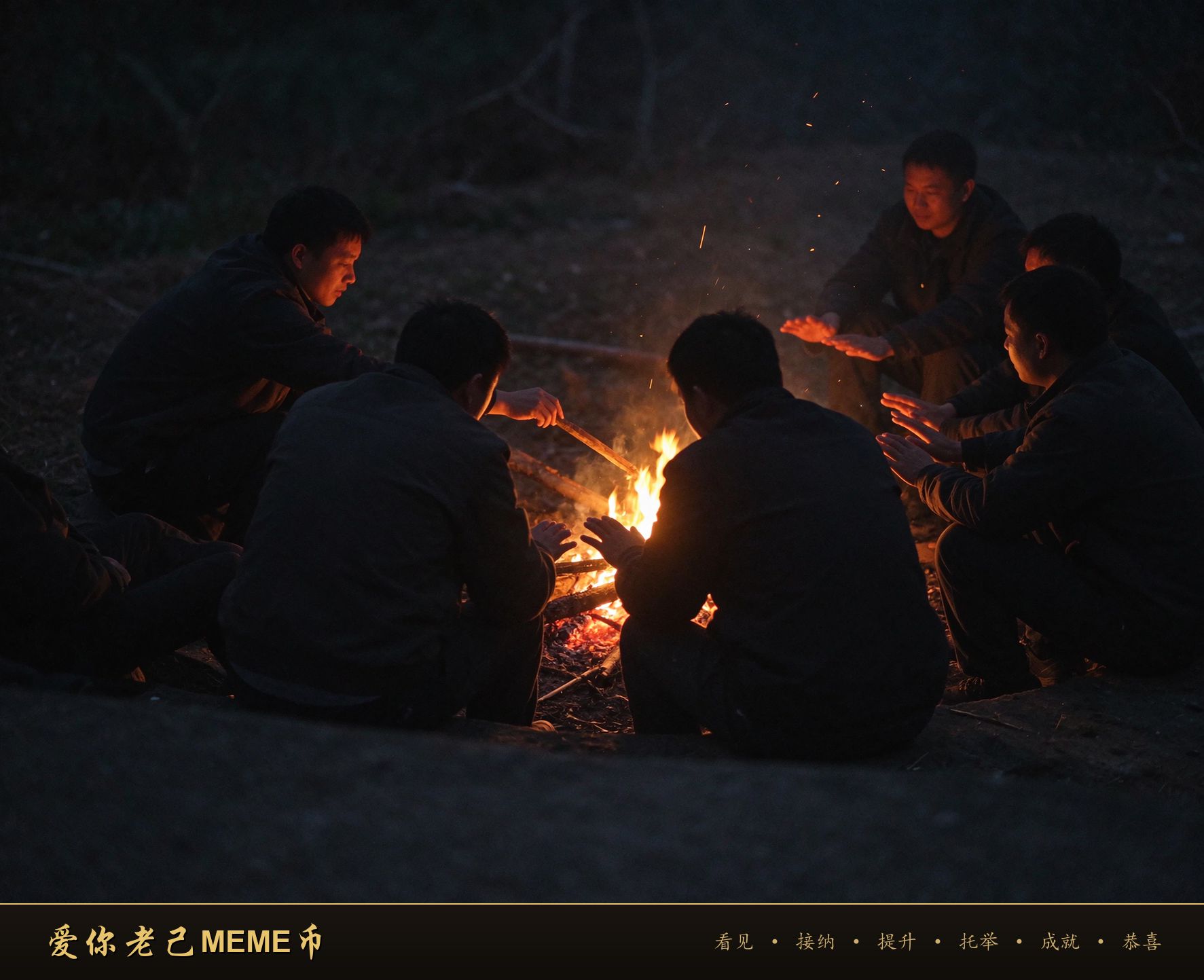
The firelight shines on everyone, but the firewood comes from just one pair of hands.
So there’s something I want to make absolutely clear:
*If you’re building a community and feel that “everyone is doing nothing,” it’s not because you’re surrounded by a bunch of indifferent people. It’s because you’re standing inside a certain structure.*
This statement serves two purposes.
First, it helps you not hate them. Most people aren’t bad; they’re being pushed along by the structure. If you were in their position, you might do the same.
Second, it helps you stop expecting to change people by appealing to their better nature. Structures aren’t changed by moral exhortations.
IV. Being moved isn’t enough; it takes good design
That same book offers three ways forward. I’ve picked the ones most useful to us.
First: selective incentives. Take some of the “benefits everyone can enjoy” and turn them into “benefits only contributors can get.” Credit, status, priority, a tangible share—when contributions bring exclusive rewards that free-riders can’t get, freeloading stops being worthwhile. This is crucial to whether any community can survive.
Second: break large groups into smaller ones. With fewer people, contributions are easier to see. A few people nearby will immediately know what someone has done, so slacking can’t go unnoticed. So don’t start by aiming for a huge group of thousands. First, get a core circle of three or five, or a dozen people, to make things happen.
Third: make identity a source of motivation. Help people feel, “I belong here; it would be shameful not to contribute.” Honor, belonging, recognition—these softer things can provide some of the motivation that hard incentives do. But they’re only a supplement; you can’t rely on them alone.
For us, that means three concrete things:
Record and acknowledge everyone’s contributions; don’t let the people doing the work fade into the background. Give contributors something others can’t get, not just a “thanks for your hard work.” Let the core group lay the foundation first, then talk about expanding.
V. So here’s something I want to say, even if it’s not pleasant to hear
Those who carry firewood for everyone deserve more support, encouragement, and respect.
I know that sounds like a slogan. But I’ve increasingly come to feel that this isn’t a moral issue; it’s a question of how resources are allocated.
If the people doing the work in a community get nothing in return while shouldering all the blame, that community will eventually be left with only two kinds of people: those who take without giving, and those who leave, wounded and exhausted.
And who’s left after that? The people who neither contribute nor take responsibility, but are especially good at offering opinions.
So let me be clear: we need to take three steps.
Recognition. If someone is doing the work, say so. Don’t just know it in your heart—say it in public.
Support. Give people tangible, exclusive benefits that others can’t get. Verbal thanks are the cheapest form of support—and the least useful.
Reward. Let the people doing the work benefit first. If contributors are always the last to benefit in a community, then it isn’t a community—it’s one-way charity.
These three words weren’t chosen at random. They’re three of the twelve words we use: see, accept, elevate, support, reward, congratulate. Look at how they’re arranged: “support” and “reward” are right there because they’re meant for exactly this situation.
Love yourself first, then love others; support yourself first, then support others. That’s the right order, and you can’t reverse it.
VI. But I’m not telling people to just tough it out
At this point, I need to add a safeguard to what I’ve said.
I don’t believe that building a community should mean burning yourself to ashes.
“Those who carry firewood for everyone freeze to death in the snow”—there’s another half to that line that many people leave out: the firewood carrier who freezes to death also failed to take care of themselves first.
With all that firewood in your arms, what’s wrong with burning some of it to warm yourself first? If you don’t love yourself and go straight to loving others, that isn’t greatness—it’s letting yourself down.
So my position is this:
Do your best, but don’t take on everything. Be passionate, but keep boundaries. Be willing to give, but don’t give your life away.
If someone works until they’re physically and emotionally broken, that isn’t sacrifice; it means the structure hasn’t been designed properly. A truly healthy situation is one where you contribute, others contribute alongside you, and someone steps in when you’re tired.
VII. In closing
From the start, I knew that building a community would take a lot of work and bring little reward.
But now I know one more thing than I did at the beginning: working hard for little reward isn’t fate. It’s because the rules haven’t been put in place yet.
Most people don’t contribute, not because they’re indifferent, but because no one has told them “what they can do,” or “that their efforts will be noticed.”
So I don’t expect everyone to stand up at once. I just hope more people will be willing to step forward, even if only halfway.
When one person raises a hand, it’s a raised hand.
When ten people raise their hands, it’s a community.

See, accept, elevate, support, reward, congratulate.
This article is for internal community discussion and personal documentation. The sociological concepts cited are public academic theories and do not constitute investment advice.
#meme板块关注热点 Love you, myself