What’s the difference between circulating supply, total supply, and max supply?
Since the London upgrade in 2021, Ethereum has burned the base fee of every transaction, so ETH’s total supply sometimes increases and sometimes decreases.
Circulating supply refers to the number of tokens currently available to trade freely on the market, excluding tokens that are still locked.
The most important thing to remember when managing funds: when comparing the valuations of two coins, first check whether you’re comparing market cap or FDV. Different metrics can lead to completely different results.
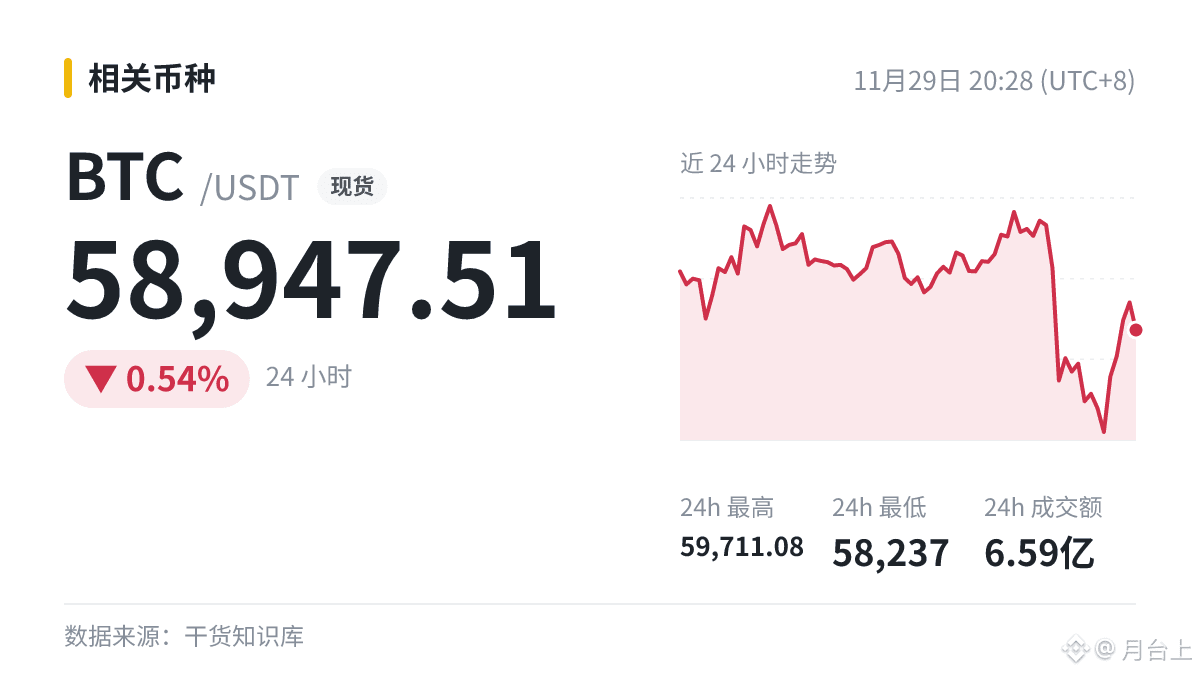
$BTC 58947.51(-0.54%)
#BTC