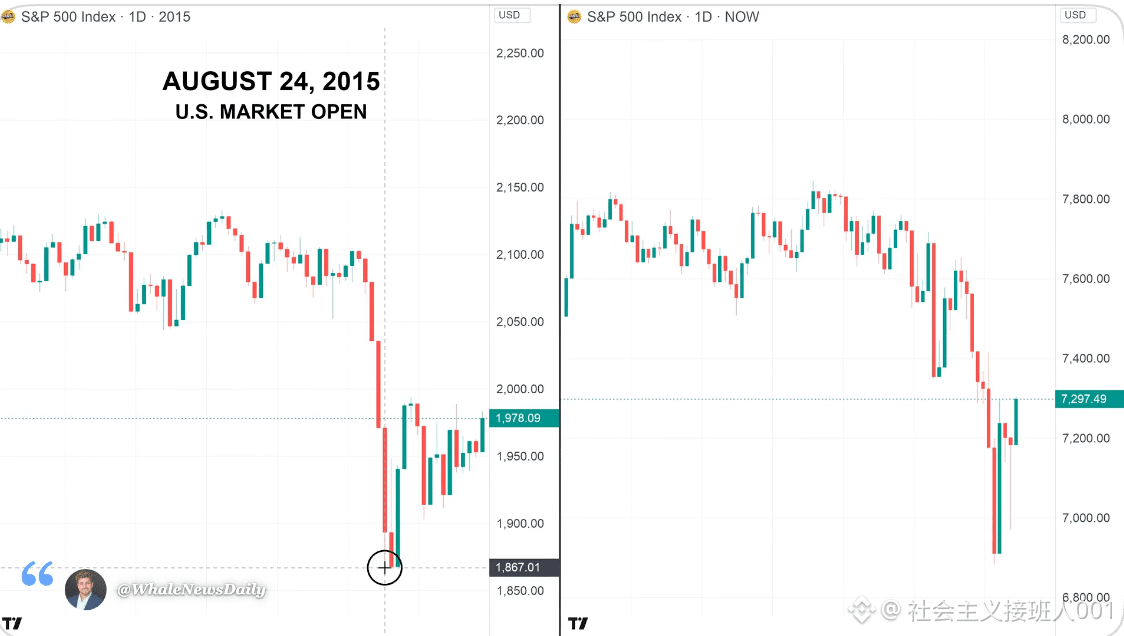
🚨 On December 6, the U.S. stock market may undergo a major change to its trading schedule!
The original post warns that the U.S. stock market will try extending trading hours, potentially trading from 9 p.m. Sunday to 8 p.m. Friday (Eastern Time), with only a one-hour break each day.
What really deserves attention is not just the longer trading hours, but the issue of overnight liquidity.
The original author points out several risks:
The order book may be thinner overnight
A small number of large sell orders could cause significant price swings
Stop-loss orders could be triggered in rapid succession
Margin calls could happen while investors are asleep
The author also compares this to the market flash crash on August 24, 2015: the S&P 500 fell about 5.3% at one point that day, triggering trading halts across the market.
The key point is that longer trading hours do not mean market liquidity will increase accordingly.
However, the specific trading arrangements for December 6 and the associated risks still need to be verified; predictions should not be treated as confirmed facts.
If overnight liquidity really is insufficient, the stock market could also see sharp wicks and cascading liquidations, similar to those in crypto markets.
$BTC has already experienced this kind of extreme market action. Could traditional markets face a similar test?