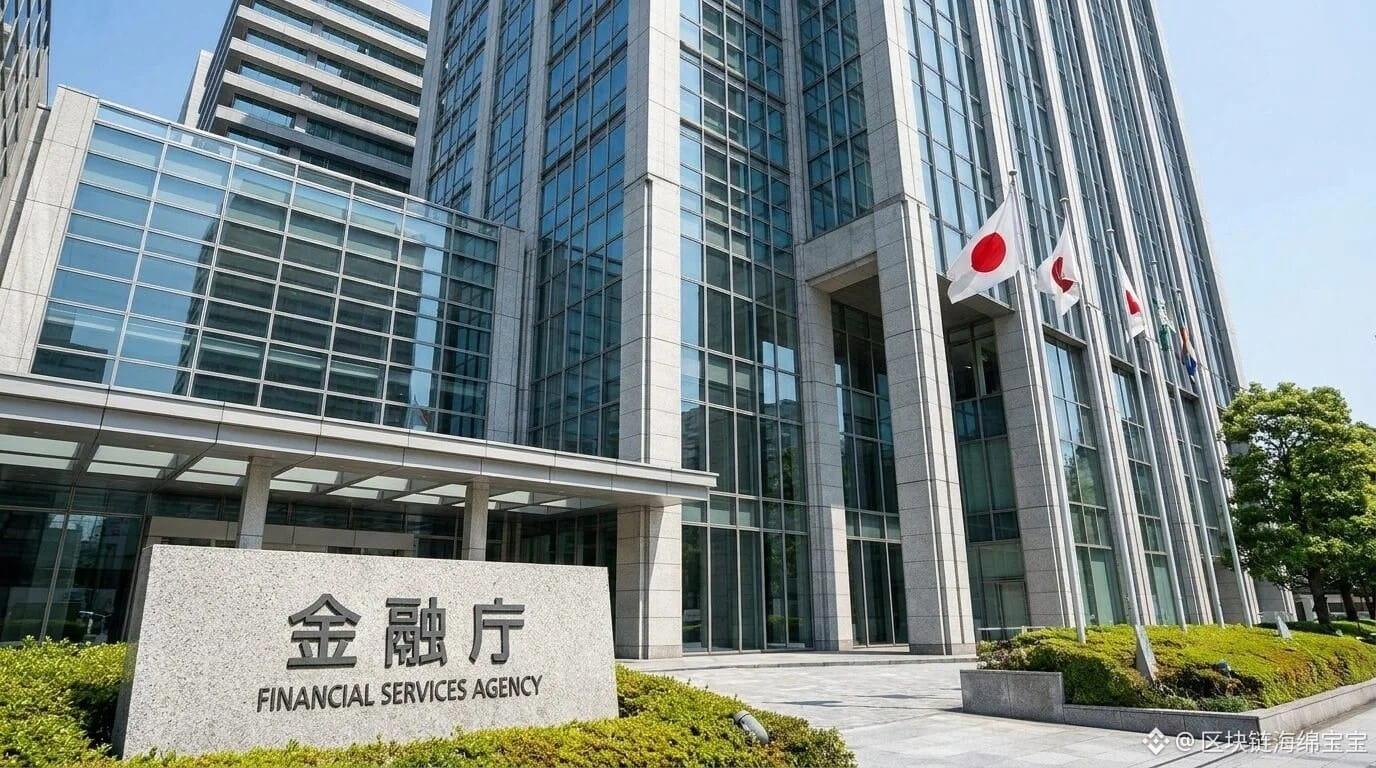
Japan’s Financial Services Agency put DeFi and self-custody wallets on the agenda at a meeting this week. The tone of its third study group meeting, held on November 26, was pretty interesting.
They can’t regulate the protocols themselves, so they’re looking at the “on- and off-ramps”: who exactly should be held responsible? Regulators haven’t settled that either, so they’re starting with the points they can reach—stablecoin issuers, fiat on- and off-ramps, banks, and other gateways—to crack down on money laundering first. They also floated a tougher option: should DeFi platforms without anti-money-laundering measures be barred from serving Japanese users altogether?
DEX front ends are also in limbo: interfaces that connect users to DEXs may eventually have to provide risk warnings, or even require KYC. In April, the U.S. SEC said that a bare-bones interface doesn’t need to register as a broker; in September, the UK’s FCA said interfaces count as “arranging transactions.” The two sides haven’t settled on a common approach.
The figures on self-custody wallets are pretty sobering: 21.9% of Japanese crypto holders use them, and around 40% store their seed phrases in plain text on their phones or computers. One measure that’s already been decided is to introduce a “cooling-off period” before newly opened accounts can transfer coins to self-custody wallets, to help prevent scam-related transfers.
There’s no blanket ban for now; an interim report won’t come out until early 2027. DeFi’s current total value locked is $86.6 billion, up 85% since 2023, and 56% of institutions say they plan to use it by 2028. With the market growing ever larger while regulators still don’t know who to oversee, this tug-of-war is probably only just beginning.
$ETH is worth about $1,660, while $BTC is hovering just below $60,000.