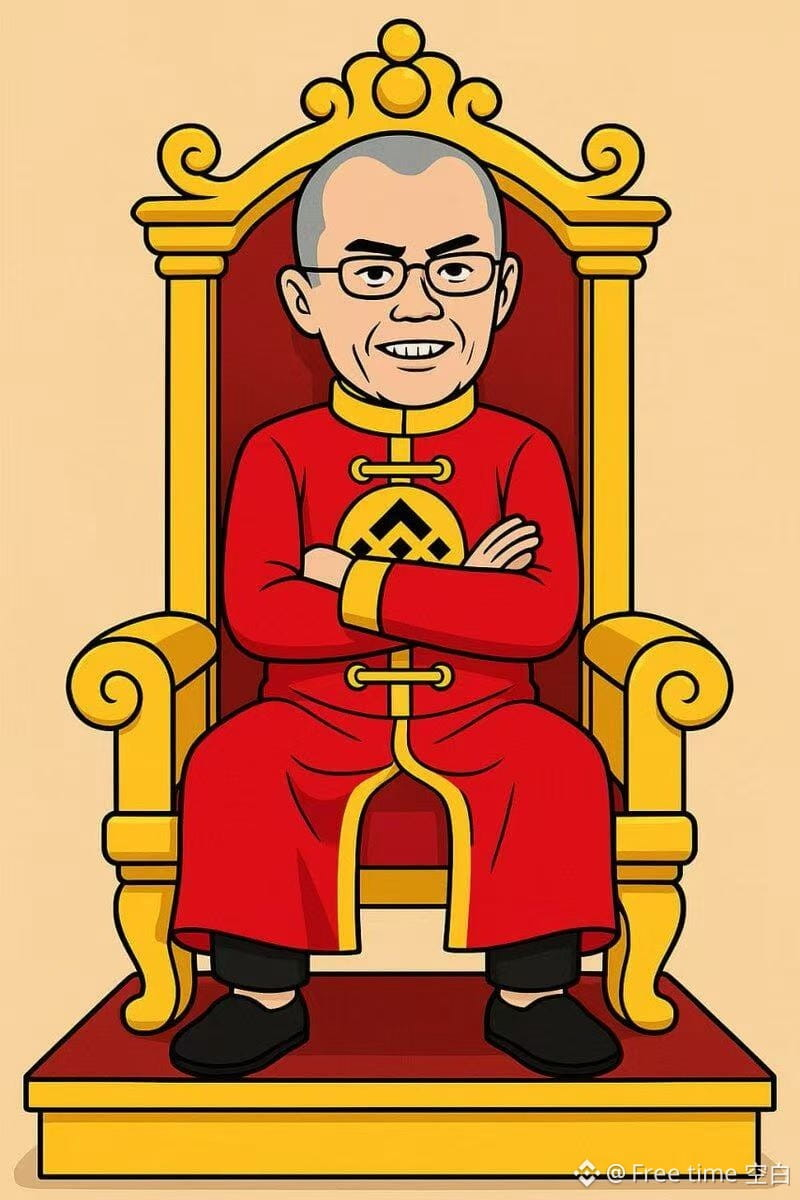

#币安区块链周进化由你
Binance has just rolled out four ironclad security barriers, and every one hits hard.
First, a third-party team regularly runs internal phishing drills. Employees who fall for them twice are fired—no exceptions. Second, device sandboxing is mandatory: any external file triggers a security alert and threat-intelligence screening as soon as it lands. The third measure is even tougher: an independent AI system monitors internal code and instructions 24/7 to prevent problems caused by overlapping permissions in a single AI. Fourth, remote-work access is being tightened, and three more independent, authoritative firms have been brought in to conduct a full audit. She also added something chilling: people are now showing up for interviews pretending to be someone else, and some employees have launched penetration attempts from suspicious IPs on their very first day.
That same day, Binance Blockchain Week opened in Bangkok. Its theme was just one word: evolution. BlackRock, Nasdaq, Visa, and Tether were on stage, along with CZ and Arthur Hayes. They discussed bringing traditional finance on-chain, whether stablecoins are the future of payments, and whether markets should stay open 24/7.
And outside the venue? Bitcoin had just fallen below $60,000. The Fear and Greed Index was at 9, marking the 16th straight day of extreme fear. ETFs saw $5.39 billion in outflows in November, a record for a single month since their launch. On one side, institutions were sitting down to discuss rules and tokenization; on the other, retail investors were getting slapped around at the $60,000 level.
But don’t rush to pick a side. The first Blockchain Week was in 2019, also during a bear market, when nobody thought traditional finance would want to get involved. Seven years later, BlackRock is on stage talking about 24/7 markets. Market moves are about sentiment; conferences are about direction. Sentiment can flip three times in three months. Once the direction turns, it takes a while—but it doesn’t turn back. $BTW $TAG $ACE #WLFI战略储备抛售2000万美元ETH后跌55% #币安区块链周进化由你
Binance has received in-principle approval from Bhutan’s Gelephu Central Bank to conduct regulated digital-asset business in Gelephu Mindfulness City and build an Asian hub. Note that an IPA isn’t a full license: conditions still have to be met and the process completed before operations can officially begin.
So don’t just stare at the charts and complain—occasionally pay attention to what people on stage are talking about. The position you hold is for today; the industry’s livelihood is about tomorrow. Which do you think will move first this time: institutions or retail investors? Let’s discuss in the comments.