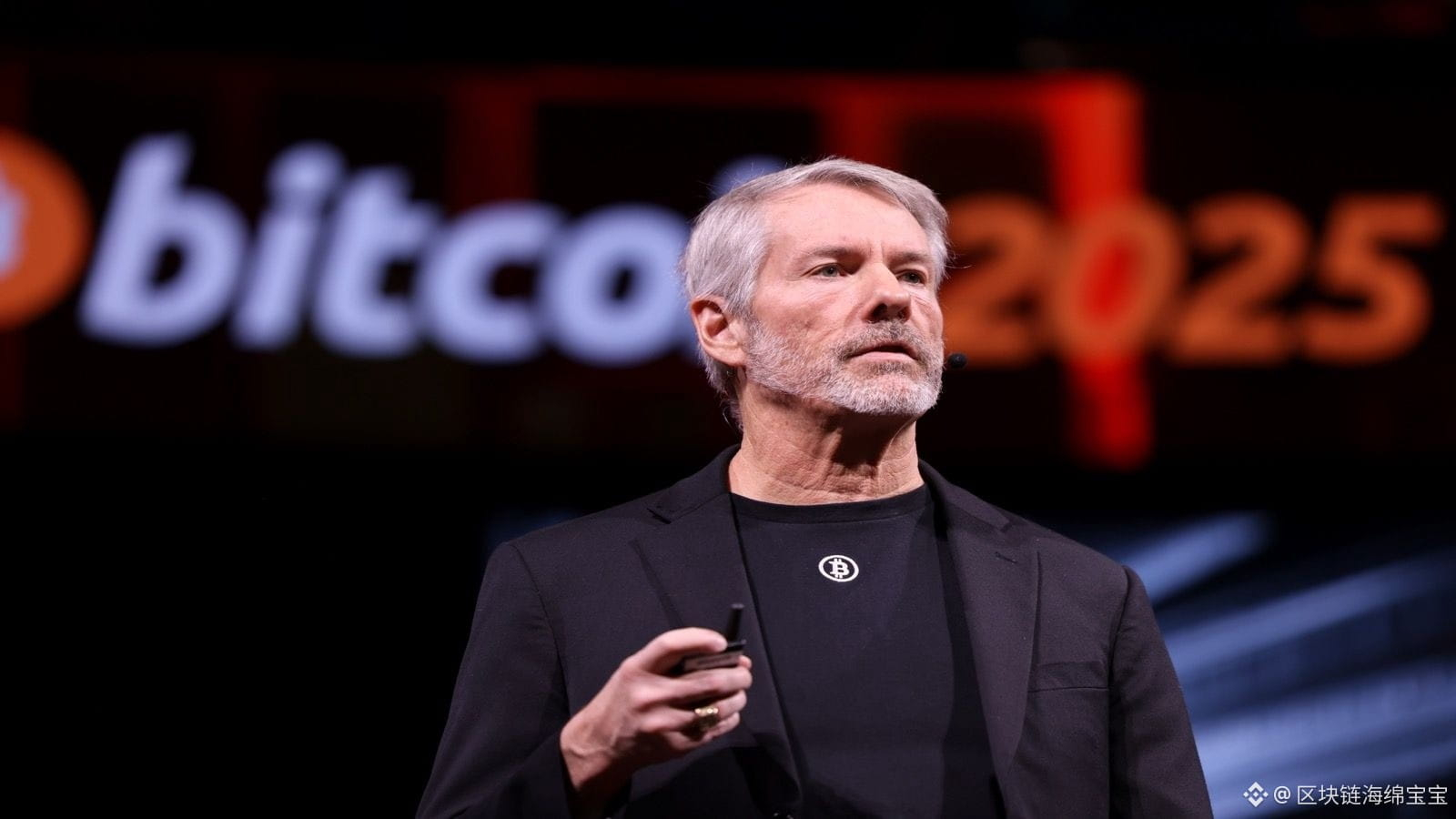
After the market closes the day after tomorrow, Strategy will officially be kicked out of the MSCI indices.
On November 11, MSCI made the call: effective after the market closes on November 30, MSTR will be removed from the MSCI USA Index, as well as the MSCI World and ACWI indexes. The reason is a new rule: digital assets make up too much of the company’s balance sheet, so MSCI has determined that it looks more like an investment fund than an operating company. Strategy isn’t taking this lying down. It held a special investor call on November 19 to argue its case, saying it has a software business and that Bitcoin is a separate business segment. No dice.
Also getting the boot are Japan’s Metaplanet, Upexi, and Yellow Cake. SharpLink, which holds ETH in its treasury, has been placed on a watchlist for now.
First, let’s be clear: being kicked out of an index doesn’t mean being delisted. MSTR will continue trading on Nasdaq as usual, and Strategy doesn’t have to sell a single $BTC . The ones that actually have to act are the passive funds tracking MSCI indexes—they must offload their MSTR holdings before the market closes on the 30th. JPMorgan estimates the passive selling could total about $2.8 billion. If index providers like FTSE follow suit, the figure could reach as high as $8.8 billion.
This past month has been brutal for MSTR too: it closed around $82 on Friday, down about 44% over the month, and hit a 52-week low of $70.37 on November 20. Its mNAV is 0.88x, a record low. It holds 851,000 coins at an average cost of about $75,400; with the coin now a little over $60,000, it’s sitting on an unrealized loss.
The really interesting part isn’t the selling itself—$2.8 billion is digestible in a day, given MSTR’s nearly $2.9 billion in daily trading volume. It’s that the “company that buys coins” model has, for the first time, been officially classified as “not a company” within the traditional index system. The path to getting passive inflows by joining indexes is basically closed from here on out. The surge in trading volume around Monday’s close is worth watching.