Ethereum hasn’t even upgraded yet, and a batch of old contracts have already been sentenced to death. They weren’t hacked; changes to the rules broke them. Vitalik owned up to it today, saying the complaints were justified and asking the people changing the rules to help fix the affected apps one by one. Who’s ever seen anything like this? Nobody.
A lot of people think upgrades just mean adding TPS and lowering fees—that you can simply pile on performance like other public chains and call it a day. But when you actually make changes, the first thing to blow up is old contracts. This time it’s called Glamsterdam. The centerpiece is EIP-8037, which reprices the gas for operations like creating accounts, deploying contracts, and storing data. Permanent storage will cost 1530 gas per byte. Old contracts running on $ETH , with hard-coded gas limits that can’t be changed, may stop working as soon as the new rules take effect.
Vitalik’s case rests on a set of numbers. Without this change, state data will grow to 1100 GiB over the next ten years; with it, that figure drops to 110 GiB—a tenfold difference. Nodes can handle it, and the network won’t end up dominated by a handful of players. That much is clear.
Core developers met on Thursday, and the decision was still to move forward with EIP-8037 without changing the pricing. The Hoodi testnet is scheduled to upgrade on December 15; the mainnet date is still blank. More waiting.
I’ve never seen a fork include cleanup work in its agenda. Jango, a developer at Juicebox, said the team paid for an audit, but a single pricing change can invalidate it—so what exactly does the audit protect? Vitalik’s answer was direct: those complaints are valid. Ethereum shouldn’t force people to leave centralized upgrade backdoors in their contracts just so they can change them every time the rules change. On November 6, the Foundation had ChainSecurity and Dedaub review things, and found that the vast majority of contracts wouldn’t be affected; only a tiny minority were broken. Even protocols like $UNI , deployed years ago with hard-coded code, will have to be examined again.
That leaves one question: who takes care of this tiny minority? The usual practice has been for apps to bear the burden themselves and migrate when the protocol changes. This time, though, Vitalik is shifting the migration costs to the protocol side, asking the Foundation and Ethlabs to step in and help make the fixes. That’s never happened before in Ethereum’s history. In any case, every fork from now on will have to follow this precedent. It’s all on the protocol side.
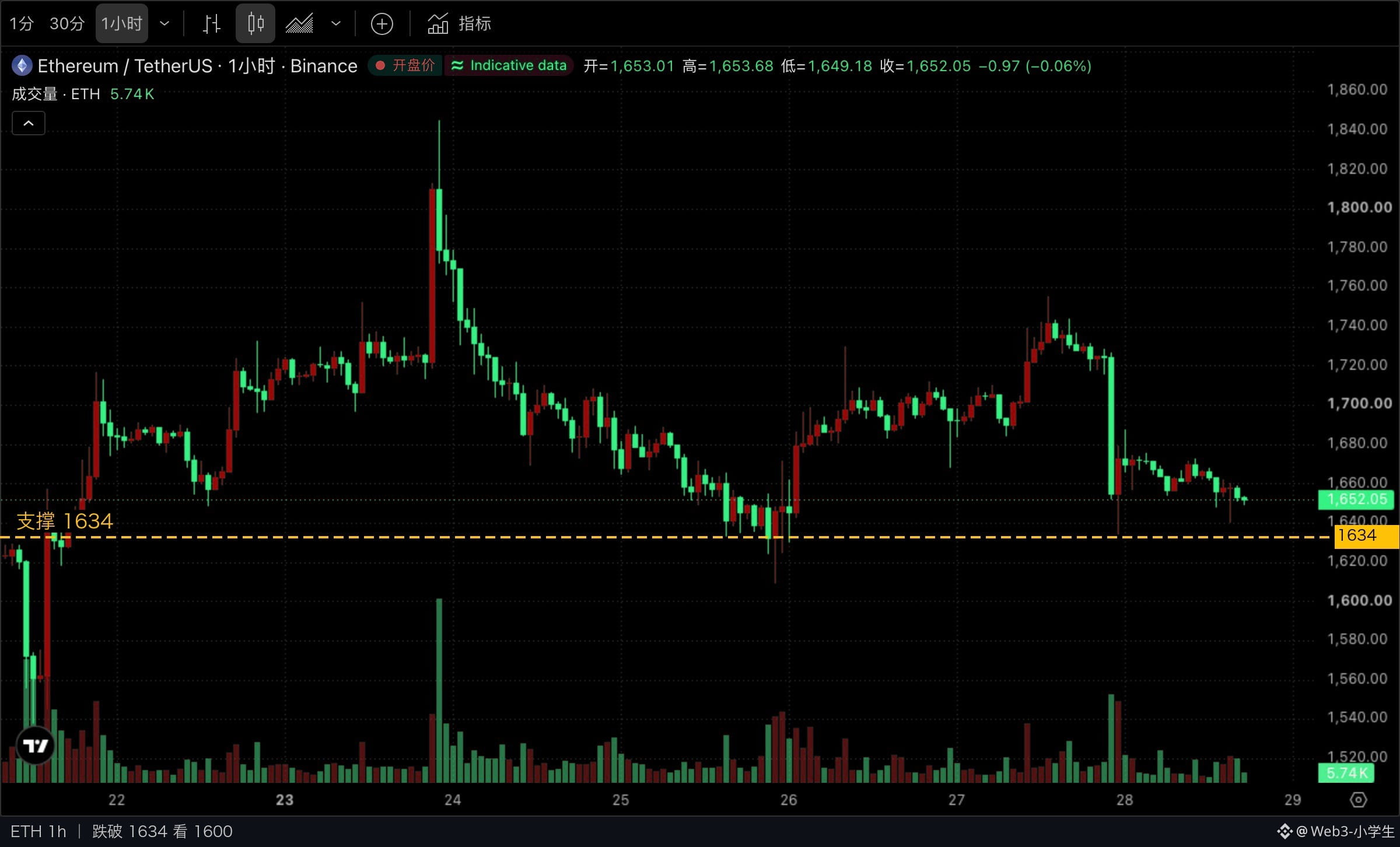
Today $ETH fell to 1651, down a little over four points; $SOL was at 71. They were both hammered. This drop has nothing to do with the upgrade—the mainnet date hasn’t even been set. But the problem with that batch of unmodifiable on-chain contracts is still unresolved. 1634 is today’s low. If it can’t hold, watch 1600; if it gets back above that, we can talk about something else. Nobody knows who will take on the cleanup work for these old contracts.