What is sharding, and why can it improve blockchain performance?
NEAR Protocol uses a sharding design called Nightshade, dividing the network into multiple shards that process transactions in parallel.
Cross-shard transactions require messages to be passed between different shards to coordinate completion, so they are usually more complex and somewhat slower than transactions within a single shard.
When managing funds, the most important thing to keep in mind is this: when you see claims that “sharding delivers ultra-high TPS,” ask a few questions first: How many validators secure each shard, and how long do cross-shard transfers take?
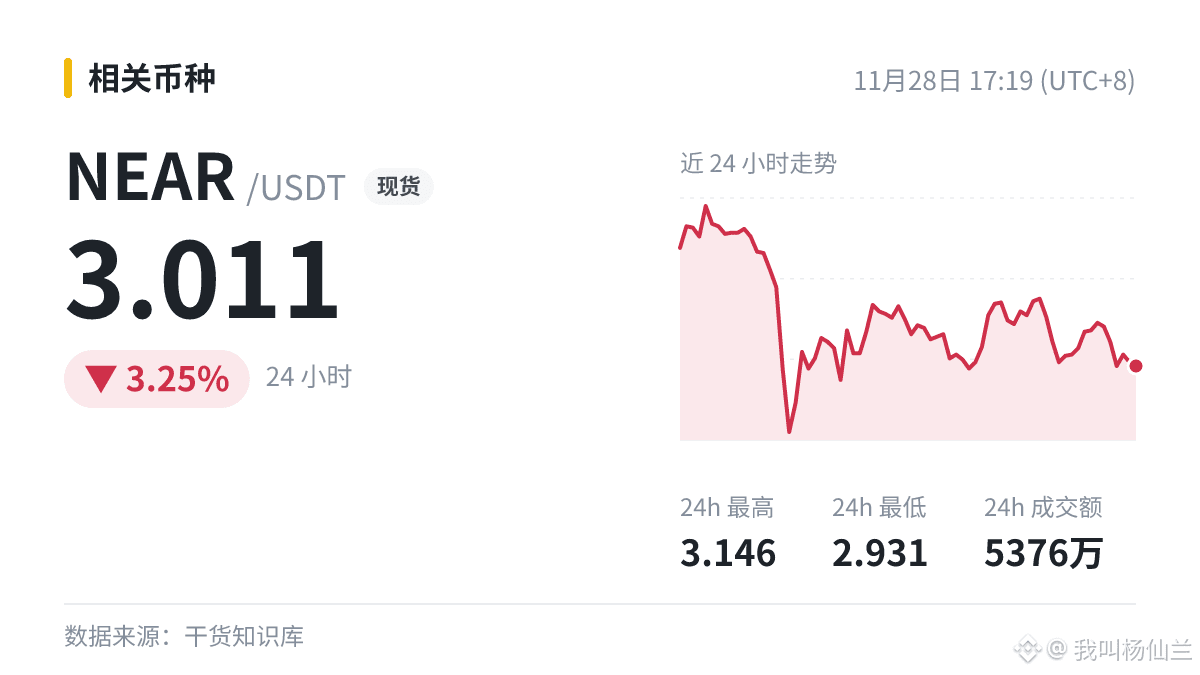
$NEAR 3.011(-3.25%)
#NEAR
Market conditions change quickly, so don’t rush to conclusions.