
Key points
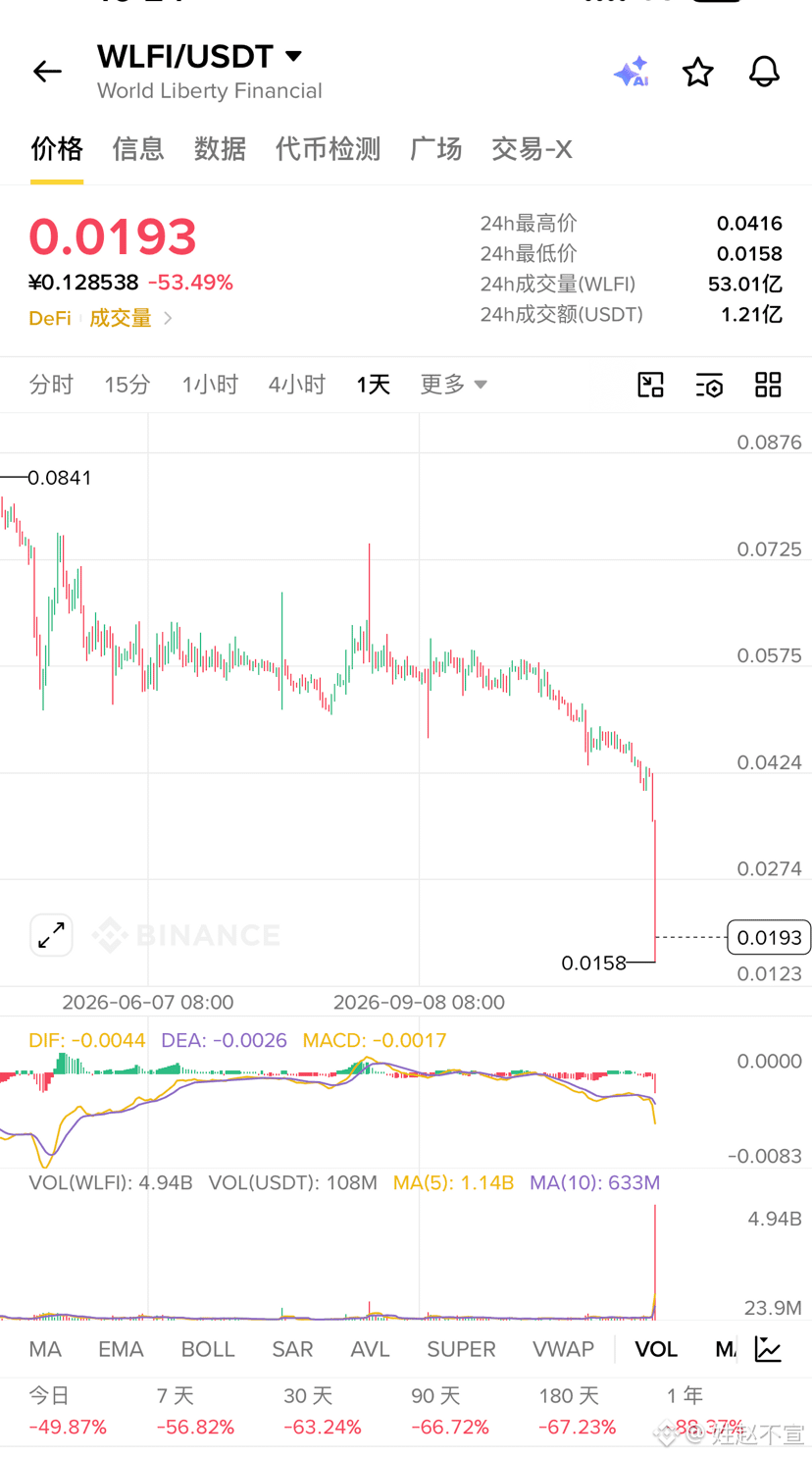
The post says that the WLFI strategic reserve wallet sold approximately 12,100 ETH without prior notice. Based on the average purchase price of about $3,244 and a disposal price of about $1,655 cited in the post, the realized loss on this ETH amounted to approximately $19,226,900.
After the sale, the funds were mainly converted into approximately $17,580,000 USDC and $2,480,000 USD1, totaling about $20,060,000, and transferred to Dolomite. Around two hours later, 2,000 ETH was transferred back. This kind of “sell—transfer to a lending protocol—buy back some ETH” activity can easily prompt market speculation that the project is replenishing liquidity, adjusting collateral, or dealing with financial pressure. However, the post itself provides no official explanation from the project.
Why USD1 lost its peg
USD1 briefly fell to $0.94, essentially reflecting market concerns about its short-term liquidity and redemption capacity. A stablecoin’s stability depends not only on its reserve assets, but also, to a large extent, on two factors:
Whether the market believes the reserves are sufficient, verifiable, and quickly accessible;
Whether there is enough liquidity to support trading and redemptions near $1 when selling pressure emerges.
When a project’s reserves suddenly sell a large amount of ETH without a simultaneous explanation of how the funds will be used, holders are likely to prioritize risk avoidance. Weaker liquidity over the Thanksgiving holiday and weekend amplified USD1’s temporary loss of its peg and WLFI’s decline.
Where bulls and bears disagree
The bearish view: A sudden, large loss-making token sale, opaque fund flows, and a stablecoin depeg directly undermine market confidence in the project’s governance and reserve management. For a token like WLFI, which is closely tied to the project’s ecosystem, changes in confidence can be reflected in its price more quickly.
The bullish interpretation: Selling volatile ETH in exchange for stablecoins or transferring it to a lending protocol may also be intended to improve available liquidity and, if necessary, support USD1’s market stability. The subsequent purchase of 2,000 ETH back at least suggests that the project has not completely exited its ETH exposure.
But this is still speculation based on fund flows, not a confirmed official motive.
What to watch next
The market needs to see three types of information: the specific purpose of the ETH sale, USD1’s reserves and redemption mechanisms, and whether positions related to Dolomite face liquidation or collateral risks. If this information is disclosed promptly and comprehensively, short-term pressure on confidence may ease.