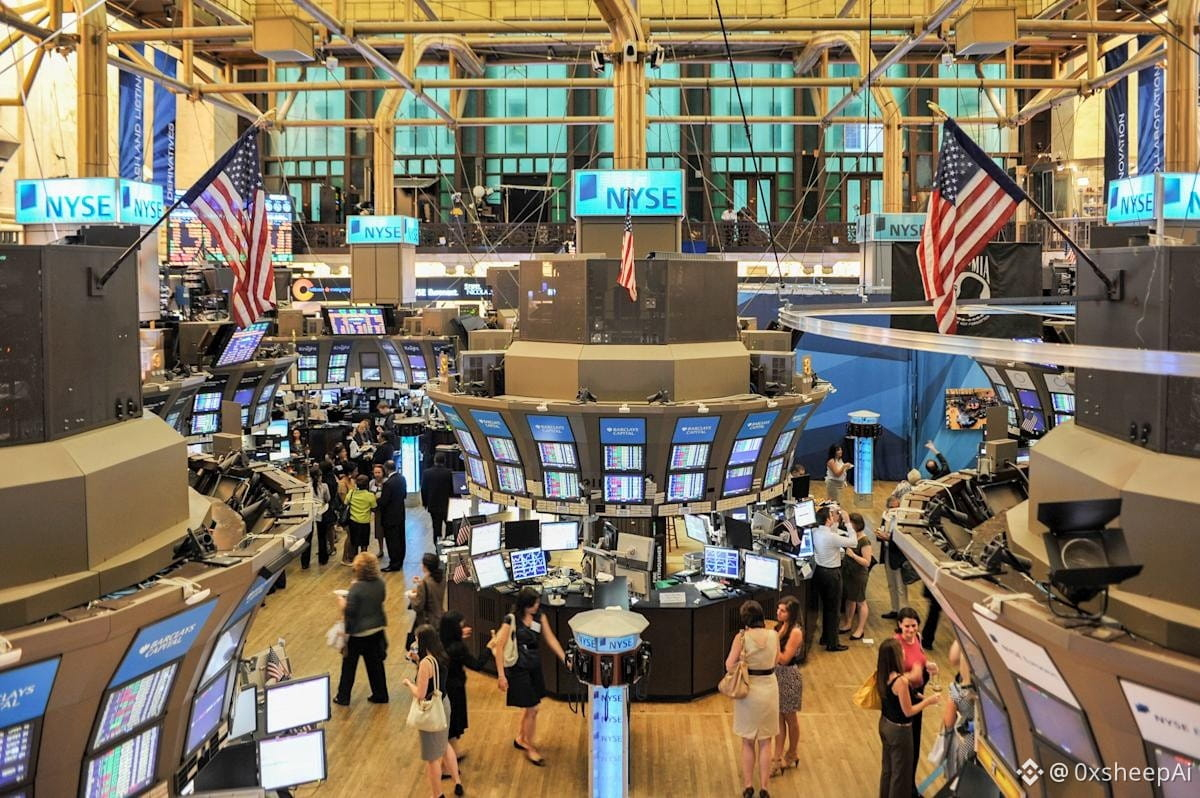
U.S. stocks went on a tear over Thanksgiving week: the S&P 500 gained 5.6% for the week, its best Thanksgiving week since 2008 and its biggest weekly gain since April. The Nasdaq did even better, up 6.7%. On Friday alone, the S&P 500 rose 1.6% to close at 7,297, after touching 7,325 intraday. Chip stocks rebounded nearly 12% from their lows, while gold and silver rose too, with silver up more than 13% from its low for the week.
But the crypto market looked completely different. $BTC hovered around $60,000, briefly surging to $61,600 on Friday morning before tumbling back below $59,000 within half an hour of the U.S. market opening. It’s now around $60,000. A seven-week losing streak looked close to ending, but compared with U.S. stocks, the rebound has been rather underwhelming. The Fear & Greed Index is still at 11, marking 15 straight days of extreme fear.
The 2008 comparison is interesting: the S&P 500 gained 12% during Thanksgiving week that year, its biggest weekly gain since records began in 1950. But it then fell another 25% before hitting bottom in March 2009. This time is different: the S&P 500 had pulled back only about 12% from its October high before bouncing, making this look more like a normal correction than a systemic collapse.
Measured from this week’s lows, here’s how the assets stack up by rebound: silver +13.3%, chip stocks +11.9%, Nasdaq 100 +6.1%, gold +5.6%, Nvidia +5.2%, Bitcoin +4.8%, S&P 500 +4.3%, and Ethereum +3.9%. $BTC hasn’t really lagged that much, but ETFs are still seeing outflows: November’s $5.39 billion in outflows set a record, and BlackRock alone saw its holdings shrink by $22.3 billion this month. Until the money comes back, it will be hard for crypto prices to rise in step with U.S. stocks.
There are just two things to watch next week: the Fed’s rate decision on December 9, with markets already pricing in a more than 90% chance of a 25-basis-point cut; and the $60,000 level. If it holds, the seven-week losing streak will finally be broken. If not, $58,500 and $55,000 are next in line.