Why do a token’s total supply, annual issuance, and who holds the most matter?
Definition: Circulating supply refers to the number of tokens that are currently freely tradable on the market. Tokens that are still locked and have not been released are not included in the circulating supply.
The logic behind it: Whether a token has real utility and demand matters more than the size of its total supply. A burn mechanism only affects one side of the equation: supply.
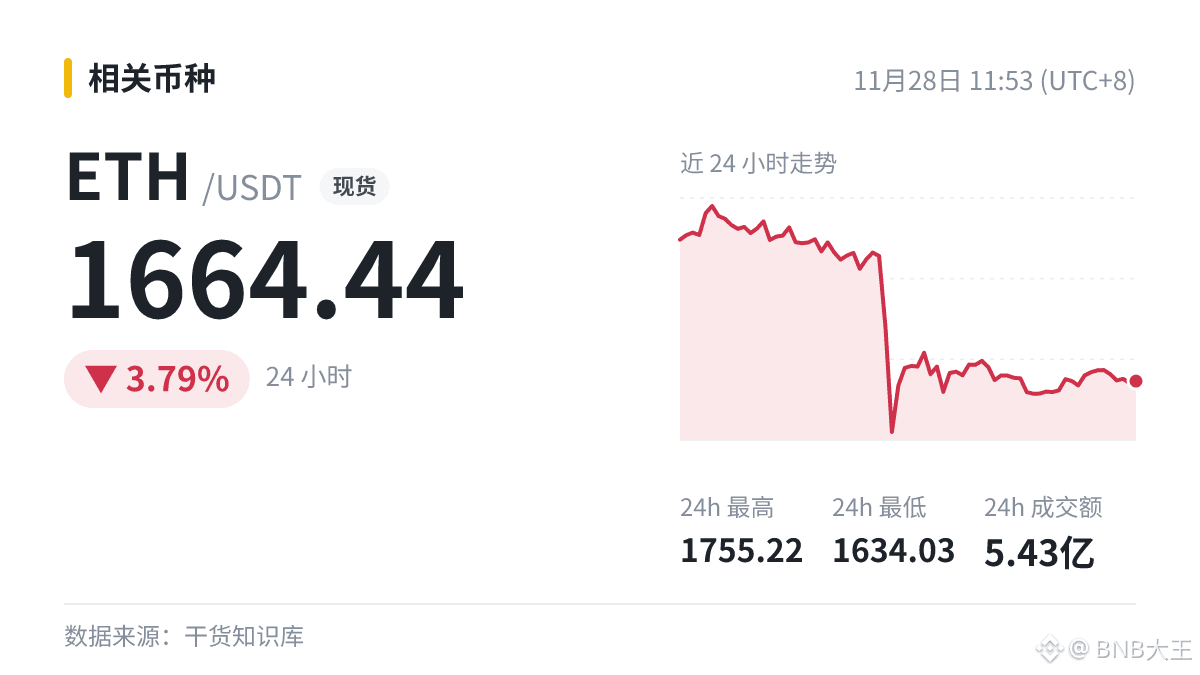
$ETH There is no fixed cap on the total supply, but some transaction fees are burned, so the supply changes with on-chain activity.
Every return comes with corresponding risks. Think about the worst-case scenario first.
#ETH