
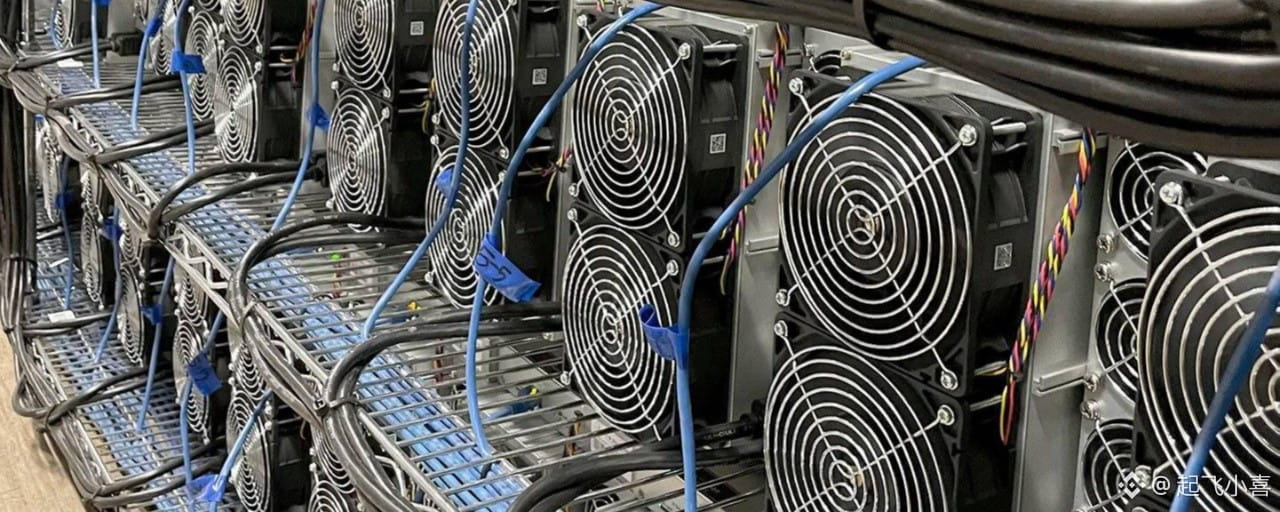

Let’s start with the simplest calculation. Mining one bitcoin costs about $86,000 when you factor in electricity, depreciation, data center costs, and labor. The more they mine, the faster they lose money.
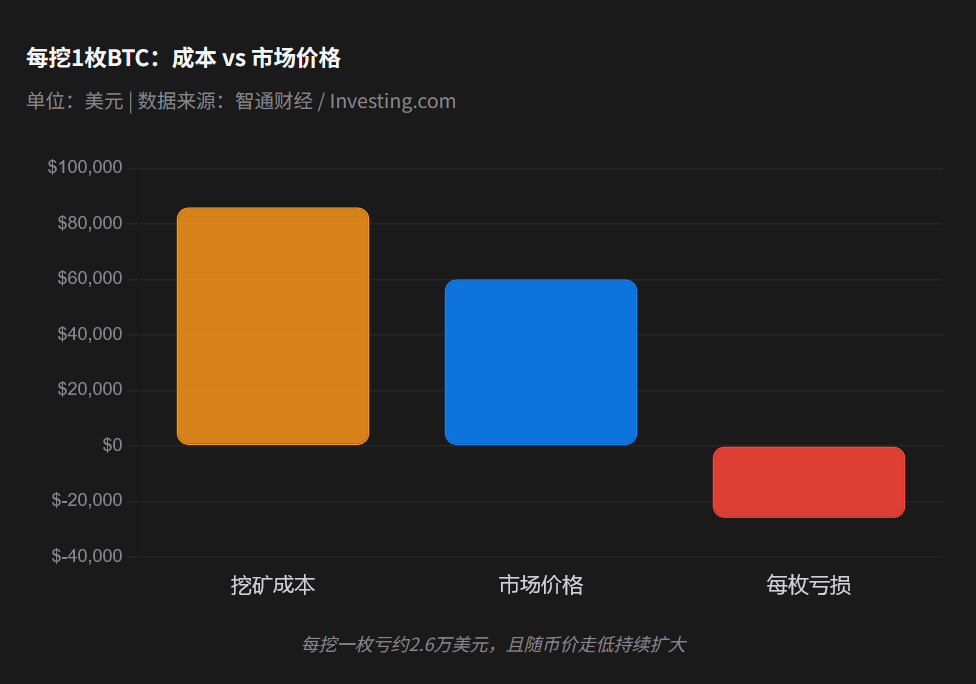
First, look at selling
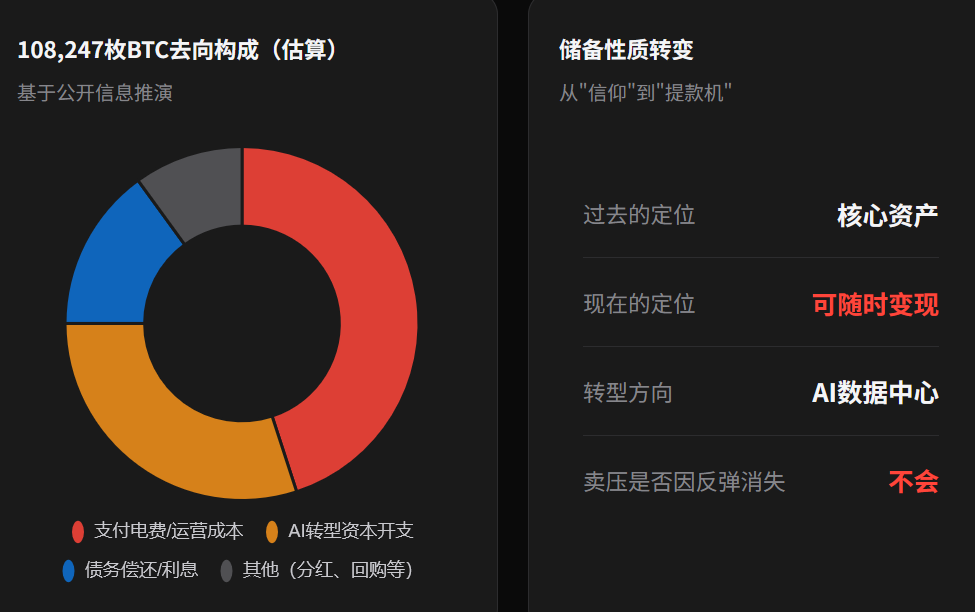
According to figures from Zhitong Finance and Investing.com, 14 publicly listed companies tracked this year (mining companies and companies holding BTC on their balance sheets) sold a combined 108,247 bitcoins, worth about $8.08 billion.
No cash on hand, just BTC on the books, so the only option is to sell some of the coins they’ve been holding to pay the electricity bill that won’t wait. That’s a cash-flow crunch.
Next, look at difficulty
On November 28, the network’s mining difficulty fell from 135T to about 127.7T, a drop of 7.3T. Difficulty adjusts automatically: when hashrate falls and fewer people are mining, difficulty drops, making it easier for those who remain to find blocks.
A deeper angle worth pondering than “miners are out of money”
Many mining companies are selling coins, not to keep throwing money at Bitcoin, but to pivot to AI. A mining site’s most valuable asset has never been its coins—it’s electricity: approved, grid-connected power capacity and ready-to-use facilities, exactly what AI data centers need. The result is an absurd yet logical scene: mining companies are losing money mining coins while selling off their stockpiled coins as ATMs, using the proceeds to build GPU facilities, upgrade power distribution, and lease racks. In their eyes, Bitcoin reserves are quietly being downgraded from “core assets” to “liquid assets that can be cashed out at any time.”
If mining companies were simply short on money for electricity, a rebound in coin prices and a return to positive cash flow would automatically ease the selling pressure. But once the motive shifts to funding capital expenditures for an AI pivot, the logic changes—as long as there’s still money to burn on data center construction, the BTC on their books will keep serving as a source of cash. They may sell even if the price rises, because the hole on the other side is bigger.
How this year differs from previous years
In the past, it was a cyclical shakeout: costs exceed revenue → high-cost miners exit → hash rate falls → difficulty adjusts downward → those who survive wait for the next bull market, and prices eventually climb back. This year, there’s an additional structural factor: mining companies are treating Bitcoin as an ATM during the transition, planning to pivot once it’s spent—not as an article of faith, or even as a core reserve. One link in the selling-pressure “relief mechanism” has been broken, so you can no longer reassure yourself with “it’ll be fine once prices rebound.”$BTC
