
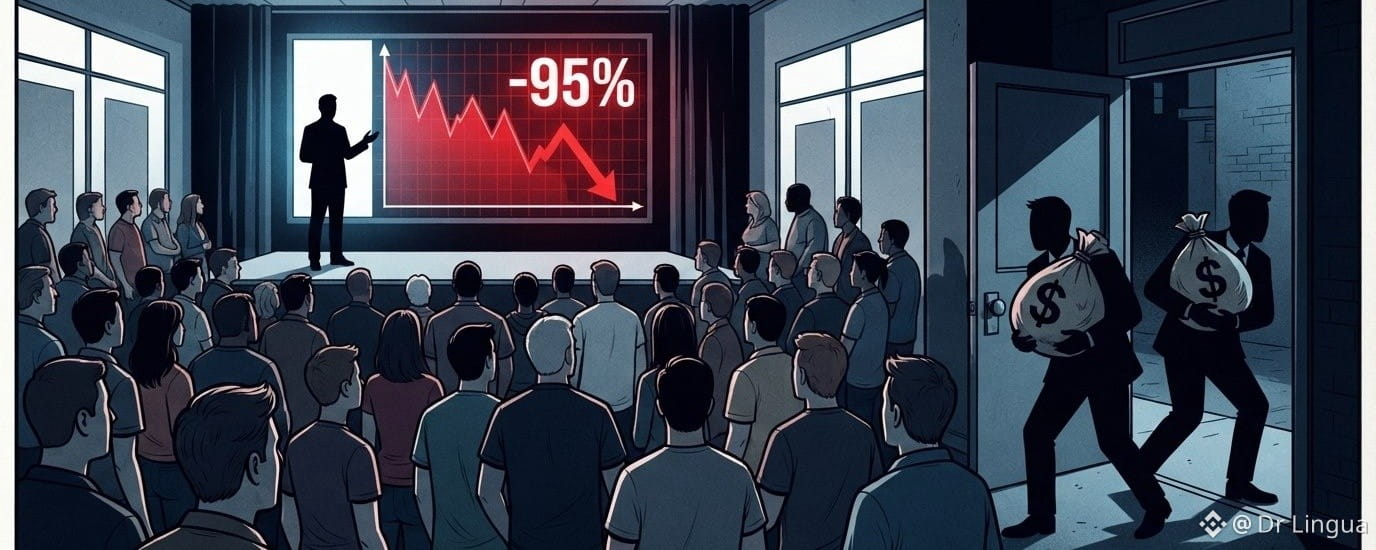

After months of delays, supposed improvements, and endless excuses, the long-awaited date finally arrives. When the community's pressure becomes unbearable, they open the doors.
But if you look at how they set up the whole scheme, from before launch through the first minute of trading, you understand why small buyers always get trapped:
🔹 1. The paid audit stamp: they check the surface, not what's going on inside
For months, they flaunted logos from well-known firms as an absolute guarantee of security. The rookie's big mistake is believing that seal protects their money. In reality, it's a private service paid for by the team itself to review only the file they choose to submit: they check that the coin's basic template works properly on the surface, but they never audit the promised product, the internal distribution rules, or the wallets where people's money ends up.
🔹 2. The packed-venue effect: doctored numbers and recycled purchases
Out on the street, we all follow the same logic: if a restaurant is full, it must be good; if it’s empty, we’re suspicious. Here, they use that same psychological trick. Since they control their own website, they can put any figure on the screen to claim they’ve raised millions, but no outside party can verify whether that money is real.
At the same time, they activate bots that buy using their own funds: since incoming money goes straight to their private wallets, they keep putting that same balance back in over and over to simulate constant purchases for everyone to see. It doesn’t matter if the amounts are small; they want you to see nonstop activity. That’s why sometimes you’ll notice they raise the maximum fundraising target: since actual inflows are low, they drag the game out until the momentum slows and then decide to release the coin one way or another.
🔹 3. Manual launch on Uniswap: an almost empty pool and hidden fees
The day arrives, and they don’t appear on any of the major platforms they announced. They open the sale manually on Uniswap, an automated exchange where anyone can set up a market in minutes and turn on bots to simulate activity. The tool itself is good, but when used with bad intentions, it leaves most newcomers not even knowing how to navigate it.
And what a coincidence: when they open the market, they put up less than 5% of all the money they raised over the course of months as actual backing (whereas a serious project should have at least 60% locked up). To make matters worse, since they created that pool themselves manually, they configure internal fees so they can keep a percentage every time someone tries to buy or sell.
🔹 4. The minute-one crash: your $20 versus massive orders
For that minimal backing, they use coins that are easy to convert instantly—like ETH—just to get by and say, "Look, we delivered." But here’s the real blow: since the internal wallets and bots received millions of coins practically for free, they sell them at the very first second to take that backing for themselves.
At that point, the network gets congested. You’re trying to claim or sell your $20, competing against orders worth thousands of dollars that have no problem paying a $40 network fee to get in ahead of you, because their profit is still huge. By the time your transaction finally goes through, the pool is already drained, the price has fallen by more than 95% in the first few hours, and you end up receiving pennies because of the sharp price difference when the order executes.
🔹 5. The usual excuses and paid articles after the crash
As soon as the disaster happens, the promoters and paid accounts come out saying "that’s just how the market works," that "the team is still working hard," or making up claims that "attackers compromised some wallets." At the same time, they pay for articles on news sites again to report that the coin "has now debuted on the market," dressing up the crash with promises of future changes, calculations of "what it would take for it to go back up," and updated figures to keep you believing everything is going as planned.
They never say how much real money they put into the pool or why they left it open until it was drained. In the end, they trot out their favorite line: "We did our part by launching on the market, but people didn’t support us." And they’re free to set up their next play.
In Part 2, we’ll go through practical safeguards step by step to check the real pool, spot decorative audits, and avoid getting trapped before you part with a cent.
Personal opinion for educational purposes; this does not constitute financial advice.
👇 Have you ever gotten into a launch where getting out or claiming your coins cost more than they were worth?
$ETH $BNB $SOL #DrLingua #SeguridadCripto #PsicologiaTrading #GestiónDeRiesgo #CriptoEnEspanol