Europe has just opened the floodgates: real money is pouring into Switzerland through an ETF—not a token gesture.
Just a couple of days ago, we mentioned that Europe’s first Bitcoin ETF had been approved in Switzerland. Now BIT Asset Management’s BBIT fund has officially listed on SIX Swiss Exchange, initially holding 350 BTC, with an annual fee of just 0.19%. This isn’t a symbolic move—it’s real money entering the market.
Europe has finally opened the door to spot Bitcoin ETFs, but the approval process took six months longer than in the United States. As a European financial hub, Switzerland has now allowed the fund to begin trading, effectively creating a new gateway for Europe’s crypto market. This won’t make much difference to ordinary investors, but for institutional capital, it means they can gain exposure to Bitcoin through Switzerland rather than going through U.S. regulators.
In-depth analysis
Why does this news matter?
Behind this move is the European Central Bank’s desire to create a “digital euro”—and a sense of urgency. After U.S. ETFs proved hugely successful, Europe realized that if it didn’t open up, institutional capital would all flow to the United States. The fundamental reason for Switzerland’s move is the fear of falling behind. After all, 90% of global crypto trading takes place in Switzerland. This means European regulators are shifting from a “one-size-fits-all crackdown” toward “limited openness,” setting up competition with the UK’s previously introduced “sandbox regulation.”
Market impact
The most direct impact on BTC is the addition of a new source of capital. Although the fund is currently small (350 BTC), its 0.19% annual fee is lower than that of U.S. products, and it could attract institutional capital from European pension funds and others in the future. ETH may benefit in the short term, as looser regulation in Europe could lift sentiment across the crypto sector. In the long term, this marks a shift in the global crypto ETF landscape: the U.S. leads in spot products, Europe focuses on offshore offerings, and Asia waits on Chinese policy.
Trading strategy
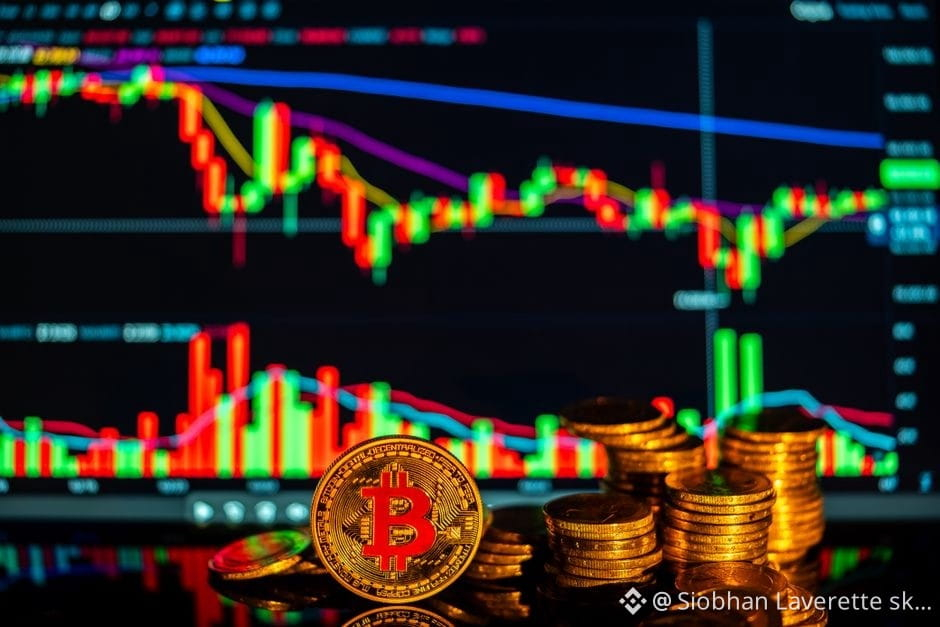
💡 The launch of European ETFs means BTC’s resistance level has moved up from $65K to $67K. If Europe approves more products over the next month, this resistance level could move higher still. But this view would no longer hold if the U.S. suddenly tightens regulation or actual institutional inflows fall short of expectations.
This article is not sponsored by any project. The author does not hold any of the assets mentioned.
$BTC $ETH #BTC #ETH
⚠️ This is not investment advice. Forecasts are for reference only.
#Europe’sonlyspotbitcoinETFstartstradinginSwitzerland