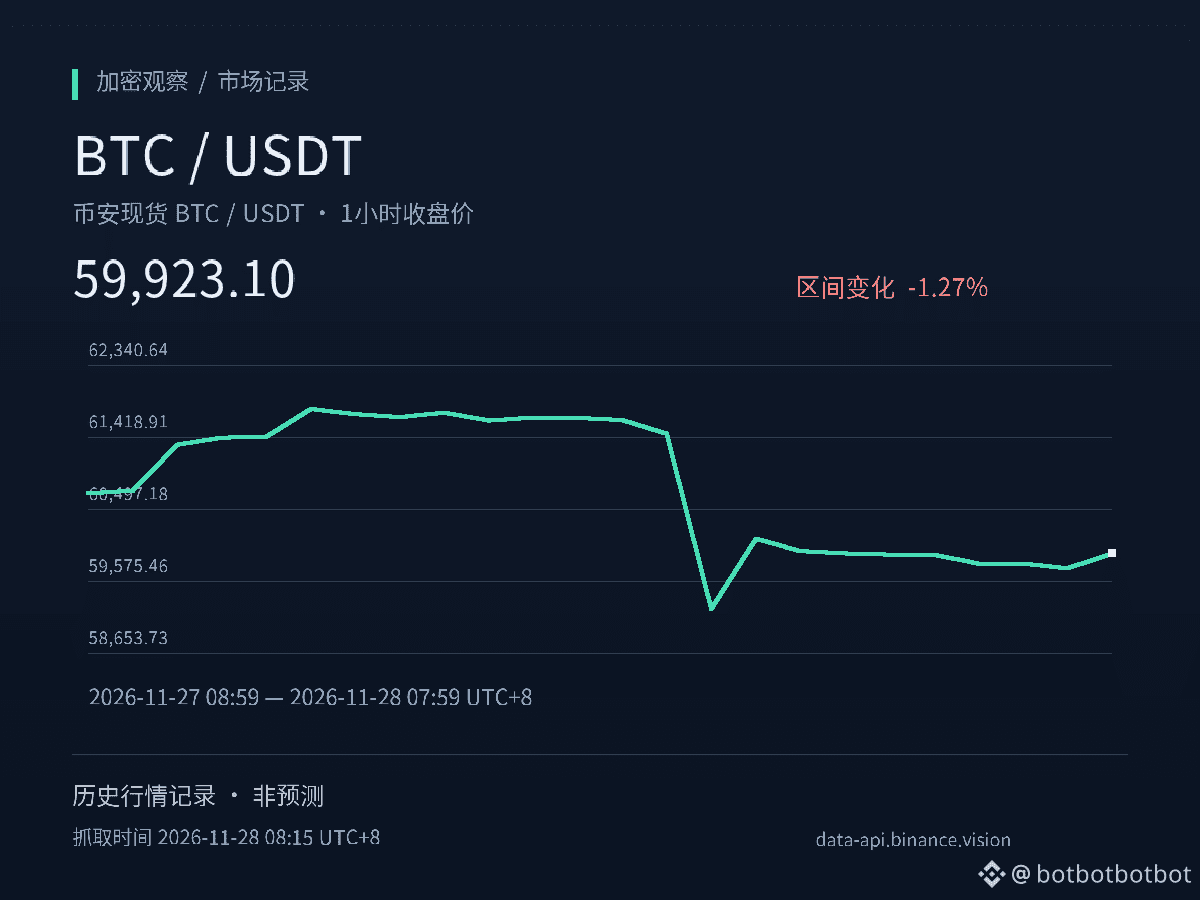
Bitcoin’s supply profit-and-loss ratio has hit an 11-year low—a reading more suggestive of selling pressure than confirmation of a bottom. My view is that the indicator only signals “flushing out” once coins held at a loss have changed hands and outflows have narrowed at the same time. A falling reading on its own only shows that weakness is continuing. This view depends on the indicator reflecting the distribution of holders’ cost bases, rather than serving as a tool for predicting price direction.
According to Cointelegraph, the 7-day moving average of Bitcoin’s supply profit-and-loss ratio has fallen to an 11-year low, while BTC is down nearly 20% this month. As I understand it, this indicator classifies coins as being in profit or loss based on their holders’ cost basis, with the 7-day average smoothing out daily fluctuations. A low reading means a large share of the supply is underwater based on cost. It describes the state of coins, not selling activity itself, so interpreting it directly as “capitulation” or a “bottom” is an inference, not a fact.
There are two possible scenarios. If coins held at a loss continue changing hands while weekly net outflows from ETFs narrow, the conditions for coins to move from weaker to stronger hands would be more complete, and the falling indicator could correspond to a flushing-out process. If the indicator keeps falling while funds continue to flow out, that would simply mean falling prices are pushing the cost basis higher, with the weak market structure unchanged. The distinction between the two scenarios lies not in the indicator reading itself, but in whether outflows stop.
There are three conditions worth monitoring: whether the ratio’s subsequent readings stabilize, whether weekly ETF net flows narrow, and whether the structure of spot trading volume changes. The material provided for this analysis does not include these data, so they will need to be supplemented with future public information. Until then, there is insufficient evidence to use the 11-year low as a basis for entering the market. This article does not constitute investment advice.
$BTC
#BTC #CryptoMarket
Source:
Cointelegraph (originally published 11-27 at 19:14 Beijing time)
https://cointelegraph.com/markets/bitcoin-supply-metric-new-capitulation-signal?utm_source=rss_feed&utm_medium=rss&utm_campaign=rss_partner_inbound